2021 Toyota 4Runner vs 2021 Volkswagen Tiguan
Overview | |
MSRP$36,765 | MSRP$25,245 |
Listings1328 | Listings1325 |
Ratings & Reviews | |
User Reviews | User Reviews |
Expert reviews6.2 out of 10 | Expert reviews7.3 out of 10 |
Pros
Cons
| Pros
Cons
|
2021 Toyota 4Runner Reviews SummaryDespite its design age, poor fuel economy, rough ride, iffy handling, and marginal safety ratings, the current-generation Toyota 4Runner remains a popular choice in a midsize SUV. Why? Its reputation for reliability and resale value, coupled with its undeniable utility, rugged image, and go-anywhere and do-anything capability, are the selling points. And if that's why you want a 2021 Toyota 4Runner, it won't disappoint you as long as you accept its shortcomings. | |
2021 Volkswagen Tiguan Reviews SummaryYou may have noticed that crossover SUVs are popular. Among them, compact models dominate, having essentially replaced the traditional midsize sedan in American driveways. Offering room for five people, available all-wheel drive (AWD), and more cargo than any family car, they are the preferred method of transportation for a broad cross section of new vehicle buyers. But that’s not the only explanation for the runaway success of the 2021 Volkswagen Tiguan. | |
No video found | No video found |
Popular Features & Specs | |
Engine4.0L 270 hp V6 | Engine2.0L 184 hp I4 |
Drive Train4X2 | Drive TrainFWD |
Seating Capacity7 | Seating Capacity7 |
Horsepower270 hp @ 5600 rpm | Horsepower184 hp @ 4400 rpm |
MPG City16 | MPG City23 |
MPG Highway19 | MPG Highway29 |
Engine | |
Engine Name4.0L 270 hp V6 | Engine Name2.0L 184 hp I4 |
Torque278 lb-ft @ 4400 rpm | Torque221 lb-ft @ 1600 rpm |
Horsepower270 hp @ 5600 rpm | Horsepower184 hp @ 4400 rpm |
Drivetrain4X2 | DrivetrainFWD |
Fuel Economy | |
MPG City16 | MPG City23 |
MPG Highway19 | MPG Highway29 |
Interior | |
Seating Capacity7 | Seating Capacity7 |
Safety | |
Front Crash Overall4 | Front Crash Overall4 |
Side Crash Overall5 | Side Crash Overall5 |
Dimensions & Capacity | |
Cargo Space47.2 cu ft | Cargo Space12.0 cu ft |
Curb Weight4400 lbs | Curb Weight3735 lbs |
Height71.5 in | Height66.3 in |
Length190.2 in | Length185.1 in |
Width75.8 in | Width72.4 in |
Wheelbase109.8 in | Wheelbase109.8 in |
Maximum Payload1700 lbs | Maximum Payload1146 lbs |
Number of doors4 | Number of doors4 |
Maximum Towing Capacity5000 lbs | Maximum Towing Capacity1500 lbs |
Standard Towing Capacity5000 lbs | Standard Towing Capacity |
Overview | ||
MSRP | $36,765 | $25,245 |
Listings | ||
Ratings & Reviews | ||
User reviews | ||
Expert reviews | 6.2 out of 10Read full review | 7.3 out of 10Read full review |
Pros & cons | Pros
Cons
| Pros
Cons
|
Summary | Despite its design age, poor fuel economy, rough ride, iffy handling, and marginal safety ratings, the current-generation Toyota 4Runner remains a popular choice in a midsize SUV. Why? Its reputation for reliability and resale value, coupled with its undeniable utility, rugged image, and go-anywhere and do-anything capability, are the selling points. And if that's why you want a 2021 Toyota 4Runner, it won't disappoint you as long as you accept its shortcomings. | You may have noticed that crossover SUVs are popular. Among them, compact models dominate, having essentially replaced the traditional midsize sedan in American driveways. Offering room for five people, available all-wheel drive (AWD), and more cargo than any family car, they are the preferred method of transportation for a broad cross section of new vehicle buyers. But that’s not the only explanation for the runaway success of the 2021 Volkswagen Tiguan. |
Video | No video found | No video found |
Popular Features & Specs | ||
Engine | 4.0L 270 hp V6 | 2.0L 184 hp I4 |
Drive Train | 4X2 | FWD |
Seating Capacity | 7 | 7 |
Horsepower | 270 hp @ 5600 rpm | 184 hp @ 4400 rpm |
MPG City | 16 | 23 |
MPG Highway | 19 | 29 |
Engine | ||
Engine Name | 4.0L 270 hp V6 | 2.0L 184 hp I4 |
Torque | 278 lb-ft @ 4400 rpm | 221 lb-ft @ 1600 rpm |
Horsepower | 270 hp @ 5600 rpm | 184 hp @ 4400 rpm |
Drivetrain | 4X2 | FWD |
Fuel Economy | ||
MPG City | 16 | 23 |
MPG Highway | 19 | 29 |
Interior | ||
Seating Capacity | 7 | 7 |
Safety | ||
Front Crash Overall | 4 | 4 |
Side Crash Overall | 5 | 5 |
Dimensions & Capacity | ||
Cargo Space | 47.2 cu ft | 12.0 cu ft |
Curb Weight | 4400 lbs | 3735 lbs |
Height | 71.5 in | 66.3 in |
Length | 190.2 in | 185.1 in |
Width | 75.8 in | 72.4 in |
Wheelbase | 109.8 in | 109.8 in |
Maximum Payload | 1700 lbs | 1146 lbs |
Number of doors | 4 | 4 |
Maximum Towing Capacity | 5000 lbs | 1500 lbs |
Standard Towing Capacity | 5000 lbs | |
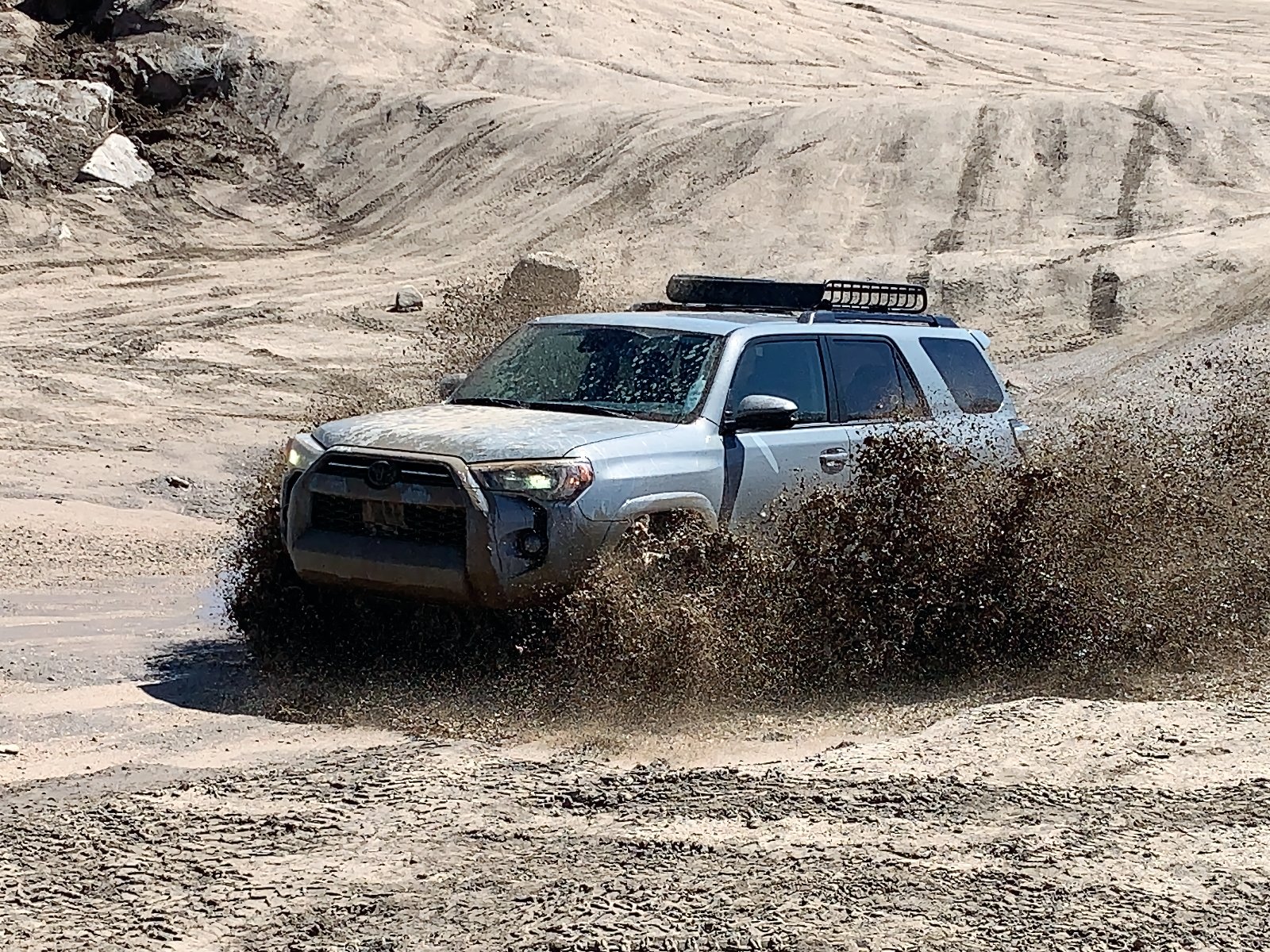
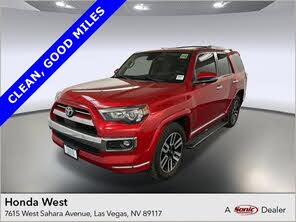
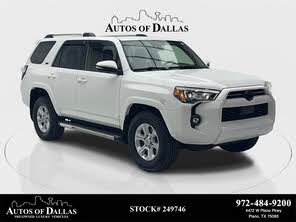
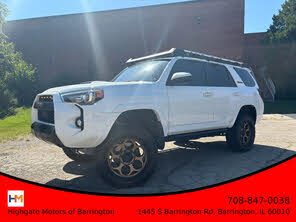
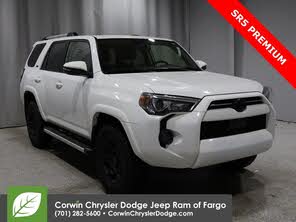
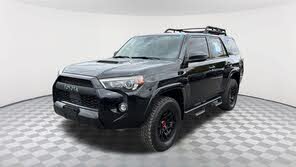
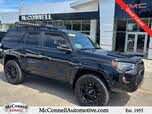
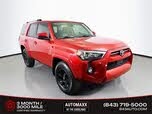
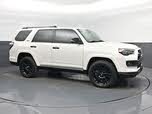
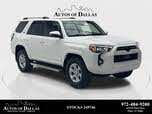
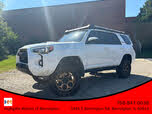
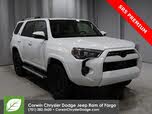
The 2021 Toyota 4Runner had not seen a complete redesign in 12 years, though it had received periodic updates. Despite its age, the 4Runner's design remained functional and utilitarian, with a two-box body, flared fenders, and trapezoidal wheel arches. The SUV's appearance was more rugged than attractive, with most versions featuring a bold, aggressive front end. The 4Runner Limited was an exception with its chrome accents. Toyota offered the 4Runner in various trims, including SR5, TRD Off-Road, Limited, and TRD Pro, with special editions like the Trail Special Edition, which was priced at $38,565 MSRP for the RWD model. The Trail Special Edition featured black cloth upholstery, all-weather floor mats, and a custom-made cooler.
Inside, the 4Runner's interior was dominated by hard plastic, which was easy to clean and suited the SUV's rugged nature. The dashboard was old-school, with large knobs and buttons, and manual air conditioning. The 4Runner required a traditional key to start, adding to its charm. Despite its simplicity, the 4Runner was appreciated for its durability and longevity, making it a reliable choice for those who valued a straightforward, long-lasting vehicle.
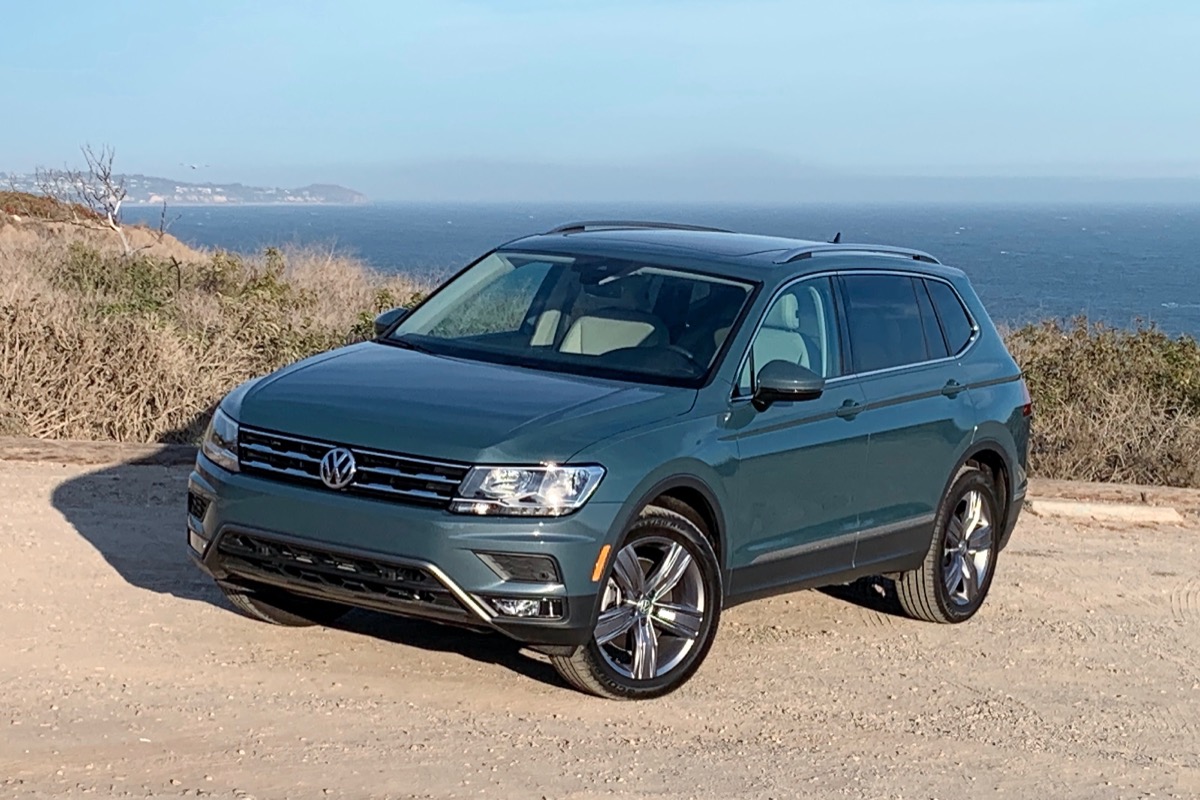
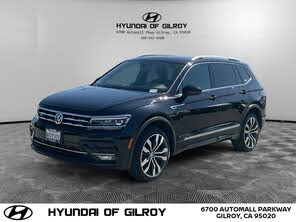
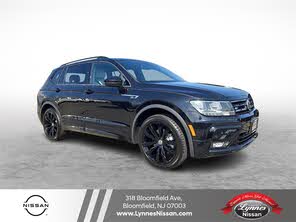
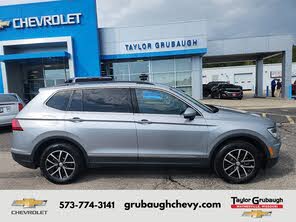
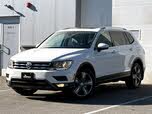
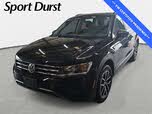
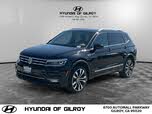
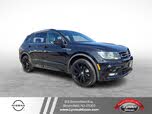
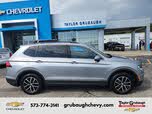
The 2021 Volkswagen Tiguan, on the other hand, boasted clean lines and balanced proportions, giving it a conservative, upscale, and timeless look. The Tiguan was larger than its predecessor, offering a roomy interior comparable to larger SUVs like the Hyundai Santa Fe and Kia Sorento. This second-generation model featured a long-wheelbase version, providing ample space for passengers and cargo. The Tiguan's interior was modern and functional, with a no-nonsense control layout and a few quirks, such as the engine start button's location on the center console.
The Tiguan's cabin was dressed up with shiny detailing, digital instrumentation, and a well-integrated touchscreen infotainment system. However, it still had a fair amount of hard plastic, and the steering wheel stalks felt somewhat flimsy. The Tiguan was available in S, SE, and SEL trims, with sporty R-Line variants. Pricing ranged from $25,245 to $39,095, excluding the $1,195 destination charge. The test vehicle, an SEL trim with 4Motion AWD, was priced at $35,040, including the destination charge.


The 2021 Toyota 4Runner was tested at the Hungry Valley State Vehicular Recreational Area, where it showcased its off-road capabilities. Equipped with a 4.0-liter V6 engine producing 270 horsepower at 5,600 rpm and 278 pound-feet of torque at 4,400 rpm, the 4Runner handled challenging terrain with ease. The A-Trac off-road traction control system proved effective in difficult conditions, such as the Frame Twister moguls. The 4Runner's five-speed automatic transmission powered the rear wheels, with the option to manually shift into 4WD. The SUV had a maximum tow rating of 5,000 pounds.
On paved roads, the 4Runner felt slow, heavy, and clunky, with cumbersome steering and brakes. Parking required effort, and stop-and-go traffic made smooth braking difficult. These characteristics were partly due to the 4Runner's age and its authentic SUV design. The 4Runner's fuel economy was also a drawback, with an EPA rating of 17 mpg in combined driving and 19 mpg on the highway. During testing, the 4Runner averaged 16.8 mpg, resulting in an average range of about 385 miles with its 23-gallon fuel tank.
The 2021 Volkswagen Tiguan featured a turbocharged 2.0-liter four-cylinder engine generating 184 horsepower at 4,360 rpm and 221 pound-feet of torque at 1,600 rpm. An eight-speed automatic transmission sent power to the front wheels by default, with the 4Motion AWD system available as an option. The Tiguan's powertrain was adequate but suffered from turbocharger lag, making it feel breathless during passing maneuvers or when extra power was needed. The test model's nearly 4,000-pound curb weight contributed to this perception of lethargy.
The EPA rated the Tiguan at 25 mpg in combined driving with FWD and 24 mpg with AWD. During testing, the Tiguan AWD averaged 22.6 mpg. Despite its powertrain's shortcomings, the Tiguan provided a pleasurable driving experience with light, responsive steering, a compliant ride, refined braking, and nimble handling. However, the suspension's lack of isolation resulted in an unrefined character when crossing sharp speed bumps and railroad tracks. On curvy roads, the Tiguan's tires lost grip early, and the suspension allowed too much body motion, encouraging slower driving. On the highway, the Tiguan was quiet and composed, making long road trips enjoyable.
The 2021 Toyota 4Runner sat high off the ground, making it challenging for shorter individuals to climb aboard without running boards. Once inside, the 4Runner offered comfortable seating with proper support in both the front and rear seats. The back seat provided generous legroom, good visibility, air conditioning vents, and USB charging ports. The 4Runner's sunroof, power windows, and rear tailgate glass created an open-air feeling similar to a Jeep Wrangler. The test vehicle did not have a third-row seat but featured a sliding cargo deck with a 440-pound capacity. Cargo space measured up to 47.2 cubic feet behind the back seat and 89.7 cubic feet with the rear seat folded down. The Trail Special Edition's roof rack added extra storage space.
The 2021 Volkswagen Tiguan prioritized comfort with large doors and tall seating hip points, making it easy to enter and exit. The front seats offered a wide range of adjustments for proper support and excellent visibility. The Tiguan's perforated V-Tex leatherette upholstery mimicked real leather, and the dual-zone climate control system was effective. The back seat provided excellent support, generous legroom, and foot space, with air conditioning vents and USB charging ports. The soft front seatback material ensured comfort for tall passengers, and the Tiguan offered ample clearance for reverse-facing child safety seats.
A large panoramic sunroof was available, featuring a wind deflector to eliminate noise and buffeting. Storage space was limited, with a large glovebox and fabric-lined door panel bins. The Tiguan's 40/20/40-split folding rear seat allowed for carrying long items and four passengers simultaneously. Cargo volume ranged from 33 to 37.6 cubic feet behind the second row, depending on whether the SUV had a third-row seat. Maximum capacity ranged from 65.7 to 73.5 cubic feet.
The 2021 Toyota 4Runner Trail Special Edition had limited technology features. It included a windshield wiper de-icer system and a 120-volt AC power outlet in the cargo area. The 4Runner's standard 8-inch touchscreen infotainment system offered Bluetooth, Apple CarPlay, Android Auto, Amazon Alexa compatibility, SiriusXM satellite radio, and five USB ports. The premium audio upgrade added dynamic navigation, dynamic point-of-interest search, dynamic voice recognition, and a one-year subscription to Destination Assist concierge services. The infotainment system's voice recognition technology was effective, and the navigation map included main trails at Hungry Valley. Physical shortcut buttons and knobs made the system easy to use, even with gloves.
The 2021 Volkswagen Tiguan featured the next-generation Modular Infotainment Toolkit (MIB) platform called MIB3, available starting with the SE trim. MIB3 included an 8-inch touchscreen, faster processing, and an expanded offering of features and services. Highlights included wireless Apple CarPlay and Android Auto, WiFi for up to four devices, SiriusXM 360L satellite radio, Amazon Alexa compatibility, and Car-Net connected services. The Tiguan's MIB3 infotainment system was an improvement, but the user interface had quirks, and the voice recognition technology was lacking. The standard six-speaker sound system struggled with bass-heavy music, while the SEL Premium R-Line's nine-speaker Fender premium audio system performed better. The SEL and SEL Premium R-Line featured Volkswagen Digital Cockpit instrumentation, offering an understated approach to technology and information display.
The 2021 Toyota 4Runner came with Toyota Safety Sense P (TSS-P), which included adaptive cruise control, forward-collision warning, automatic forward emergency braking, lane departure warning, and automatic high-beam headlights. However, it lacked a blind-spot warning system with rear cross-traffic warning. The 4Runner received a three-star rollover resistance rating from the National Highway Traffic Safety Administration (NHTSA) and a "Good" roof crush strength rating from the Insurance Institute for Highway Safety (IIHS). However, the IIHS rated the 4Runner's protection for the driver in a small overlap frontal-impact collision as Marginal, and the NHTSA gave the front passenger protection a three-star rating in a frontal-impact crash.
The 2021 Volkswagen Tiguan was equipped with IQ Drive, which included forward-collision warning, pedestrian detection, automatic emergency braking, blind-spot monitoring, and rear cross-traffic alert. Starting with SE trim, the Tiguan had adaptive cruise control, while the SEL added lane-departure warning with lane-keep assist. The SEL Premium R-Line featured automatic high-beam headlights and front and rear parking sensors. The adaptive cruise control demonstrated smooth braking but was slow to accelerate when traffic cleared. Lane-keep assist was effective but inconsistent. The blind-spot warning indicator was easy to see, and the parking sensors were helpful but sometimes overly sensitive. The Tiguan's reversing camera provided a clear view, and the SEL Premium R-Line offered a top-down surround-view vantage point. Car-Net connected services included automatic collision notification, emergency calling, and Family Guardian alerts. The IIHS awarded the Tiguan a "Top Safety Pick" rating for the SEL and SEL Premium R-Line trims, while the NHTSA had not published complete crash-test results.
CarGurus highlights
According to CarGurus experts, the overall rating for the 2021 Toyota 4Runner is 6.2 out of 10, while the 2021 Volkswagen Tiguan scores 7.3 out of 10. Based on these ratings, the 2021 Volkswagen Tiguan is the better choice for most consumers, offering a more comfortable ride, advanced technology, and superior safety features.
Choose the 2021 Toyota 4Runner if:
- You need a rugged, off-road-capable SUV with proven durability.
- You prefer a simple, old-school interior with easy-to-use controls.
- You value a vehicle that can handle challenging terrain and heavy-duty tasks.


Choose the 2021 Volkswagen Tiguan if:
- You want a comfortable, spacious SUV with a modern, upscale design.
- You need advanced technology features and a user-friendly infotainment system.
- You prioritize safety and appreciate a comprehensive suite of driver assistance systems.



CarGurus highlights
According to CarGurus experts, the overall rating for the 2021 Toyota 4Runner is 6.2 out of 10, while the 2021 Volkswagen Tiguan scores 7.3 out of 10. Based on these ratings, the 2021 Volkswagen Tiguan is the better choice for most consumers, offering a more comfortable ride, advanced technology, and superior safety features.
Choose the 2021 Toyota 4Runner if:
Shop Now- You need a rugged, off-road-capable SUV with proven durability.
- You prefer a simple, old-school interior with easy-to-use controls.
- You value a vehicle that can handle challenging terrain and heavy-duty tasks.



Choose the 2021 Volkswagen Tiguan if:
Shop Now- You want a comfortable, spacious SUV with a modern, upscale design.
- You need advanced technology features and a user-friendly infotainment system.
- You prioritize safety and appreciate a comprehensive suite of driver assistance systems.






By: CarGurus + AI
At CarGurus, our team of experienced automotive writers remain at the heart of our content operation, conducting hands-on car tests and writing insightful guides that are backed by years of industry experience. To complement this, we are harnessing AI to make our content offering more diverse and more helpful to shoppers than ever. To achieve this, our AI systems are based exclusively on CarGurus content, ratings and data, so that what we produce is both unique to CarGurus, and uniquely helpful to car shoppers.