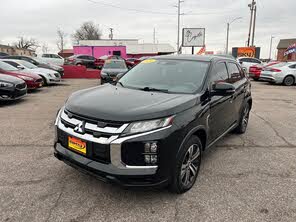
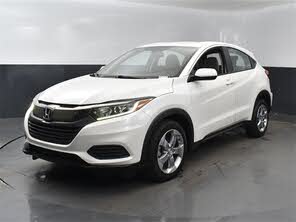
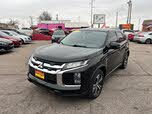
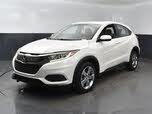
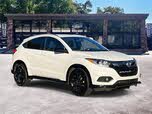
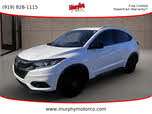
2020 Mitsubishi Outlander Sport vs 2021 Honda HR-V
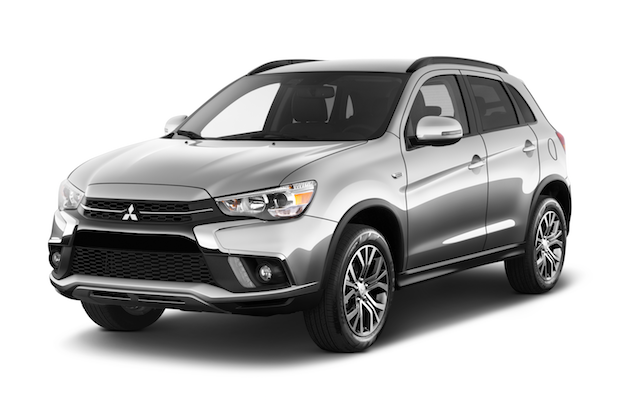

Overview | |
MSRP$22,595 | MSRP$21,220 |
Listings234 | Listings500 |
Ratings & Reviews | |
User Reviews | User Reviews |
Expert reviews | Expert reviews6.8 out of 10 |
Pros
Cons
| |
2020 Mitsubishi Outlander Sport Reviews Summary | |
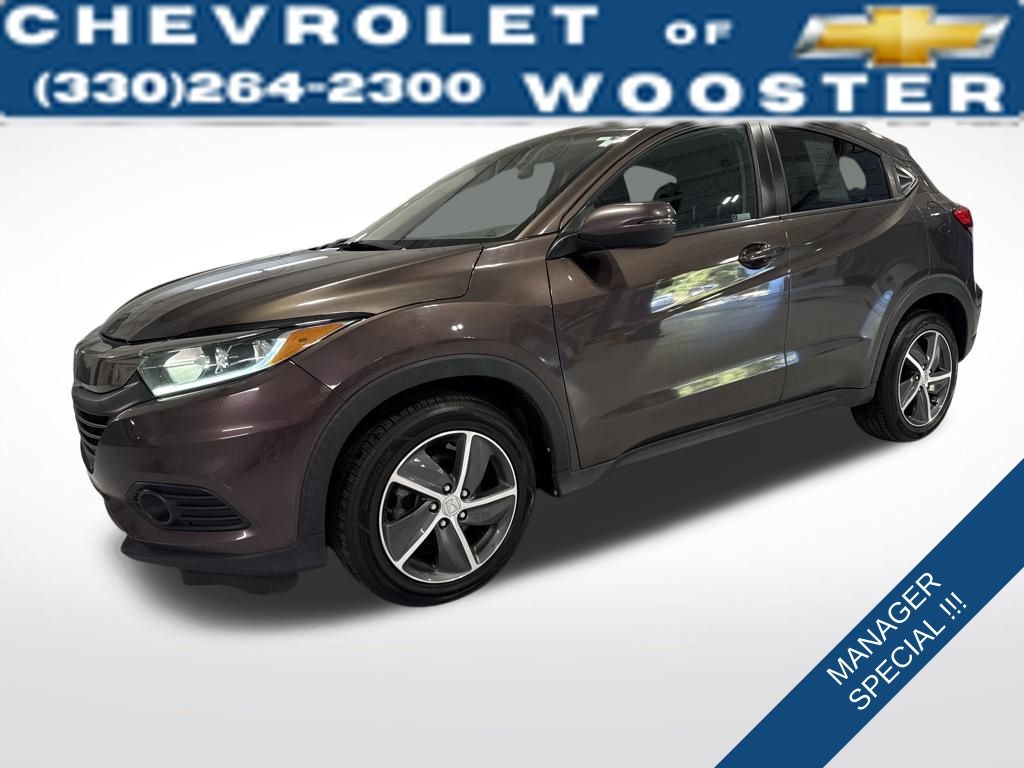
2021 Honda HR-V Reviews SummaryThe 2021 Honda HR-V is the automaker’s smallest crossover SUV, sitting below the Honda CR-V in size and price. While Honda hasn’t updated the HR-V in some time, it remains worthy of consideration thanks to agile handling and impressive practicality for its size. Because while it’s billed as an SUV, the HR-V shares a platform with the discontinued Honda Fit hatchback. The HR-V is a bit bigger than that pint-sized wonder however, and adds features SUVs buyers want, such as a taller driving position and available all-wheel drive (AWD). Honda launched the HR-V for the 2016 model year, and added more tech features for 2019. While Honda has been pushing these updates, the subcompact crossover category has exploded, adding new entrants from the likes of Hyundai, Kia, and Toyota. The HR-V doesn’t receive any major updates for the 2021 model year, so we’re using our experience with past model years for this overview. The HR-V LX, Sport, EX, and EX-L trim levels carry over for 2021, but the HR-V Touring is no more. The only other changes are new wheel designs for the Sport, EX, and EX-L models, and added privacy glass for the HR-V Sport. | |
No video found | No video found |
Popular Features & Specs | |
Engine2.0L 148 hp I4 | Engine1.8L 141 hp I4 |
Drive TrainFWD | Drive TrainFWD |
Seating Capacity5 | Seating Capacity5 |
Horsepower148 hp @ 6000 rpm | Horsepower141 hp @ 6500 rpm |
MPG City24 | MPG City28 |
MPG Highway30 | MPG Highway34 |
Engine | |
Engine Name2.0L 148 hp I4 | Engine Name1.8L 141 hp I4 |
Torque145 lb-ft @ 4200 rpm | Torque127 lb-ft @ 4300 rpm |
Horsepower148 hp @ 6000 rpm | Horsepower141 hp @ 6500 rpm |
DrivetrainFWD | DrivetrainFWD |
Fuel Economy | |
MPG City24 | MPG City28 |
MPG Highway30 | MPG Highway34 |
Interior | |
Seating Capacity5 | Seating Capacity5 |
Safety | |
Front Crash Overall4 | Front Crash Overall4 |
Side Crash Overall5 | Side Crash Overall5 |
Dimensions & Capacity | |
Cargo Space21.7 cu ft | Cargo Space24.3 cu ft |
Curb Weight3120 lbs | Curb Weight2906 lbs |
Height64.8 in | Height63.2 in |
Length171.9 in | Length170.4 in |
Width71.3 in | Width69.8 in |
Wheelbase105.1 in | Wheelbase102.8 in |
Maximum Payload1223 lbs | Maximum Payload1095 lbs |
Number of doors4 | Number of doors4 |
Overview | ||
MSRP | $22,595 | $21,220 |
Listings | ||
Ratings & Reviews | ||
User reviews | ||
Expert reviews | 6.8 out of 10Read full review | |
Pros & cons | Pros
Cons
| |
Summary | The 2021 Honda HR-V is the automaker’s smallest crossover SUV, sitting below the Honda CR-V in size and price. While Honda hasn’t updated the HR-V in some time, it remains worthy of consideration thanks to agile handling and impressive practicality for its size. Because while it’s billed as an SUV, the HR-V shares a platform with the discontinued Honda Fit hatchback. The HR-V is a bit bigger than that pint-sized wonder however, and adds features SUVs buyers want, such as a taller driving position and available all-wheel drive (AWD). Honda launched the HR-V for the 2016 model year, and added more tech features for 2019. While Honda has been pushing these updates, the subcompact crossover category has exploded, adding new entrants from the likes of Hyundai, Kia, and Toyota. The HR-V doesn’t receive any major updates for the 2021 model year, so we’re using our experience with past model years for this overview. The HR-V LX, Sport, EX, and EX-L trim levels carry over for 2021, but the HR-V Touring is no more. The only other changes are new wheel designs for the Sport, EX, and EX-L models, and added privacy glass for the HR-V Sport. | |
Video | No video found | No video found |
Popular Features & Specs | ||
Engine | 2.0L 148 hp I4 | 1.8L 141 hp I4 |
Drive Train | FWD | FWD |
Seating Capacity | 5 | 5 |
Horsepower | 148 hp @ 6000 rpm | 141 hp @ 6500 rpm |
MPG City | 24 | 28 |
MPG Highway | 30 | 34 |
Engine | ||
Engine Name | 2.0L 148 hp I4 | 1.8L 141 hp I4 |
Torque | 145 lb-ft @ 4200 rpm | 127 lb-ft @ 4300 rpm |
Horsepower | 148 hp @ 6000 rpm | 141 hp @ 6500 rpm |
Drivetrain | FWD | FWD |
Fuel Economy | ||
MPG City | 24 | 28 |
MPG Highway | 30 | 34 |
Interior | ||
Seating Capacity | 5 | 5 |
Safety | ||
Front Crash Overall | 4 | 4 |
Side Crash Overall | 5 | 5 |
Dimensions & Capacity | ||
Cargo Space | 21.7 cu ft | 24.3 cu ft |
Curb Weight | 3120 lbs | 2906 lbs |
Height | 64.8 in | 63.2 in |
Length | 171.9 in | 170.4 in |
Width | 71.3 in | 69.8 in |
Wheelbase | 105.1 in | 102.8 in |
Maximum Payload | 1223 lbs | 1095 lbs |
Number of doors | 4 | 4 |
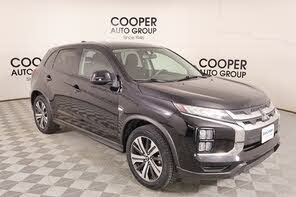
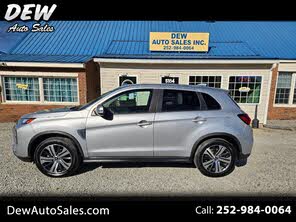


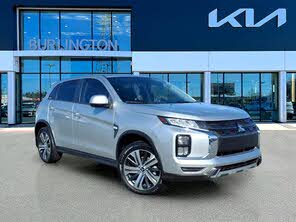














By: CarGurus + AI
At CarGurus, our team of experienced automotive writers remain at the heart of our content operation, conducting hands-on car tests and writing insightful guides that are backed by years of industry experience. To complement this, we are harnessing AI to make our content offering more diverse and more helpful to shoppers than ever. To achieve this, our AI systems are based exclusively on CarGurus content, ratings and data, so that what we produce is both unique to CarGurus, and uniquely helpful to car shoppers.