2021 Nissan Murano vs 2020 Hyundai Santa Fe

Overview | |
MSRP$26,275 | MSRP$32,810 |
Listings1171 | Listings532 |
Ratings & Reviews | |
User Reviews | User Reviews |
Expert reviews8.8 out of 10 | Expert reviews7.8 out of 10 |
Pros
Cons
| Pros
Cons
|
2020 Hyundai Santa Fe Reviews SummaryLast year, Hyundai changed its approach to the Santa Fe. The smaller five-passenger Santa Fe Sport got drop-kicked from the automaker’s lineup, replaced by this completely redesigned version of the SUV. The larger seven-passenger Santa Fe got a new name for one year (Santa Fe XL), and then the all-new 2020 Hyundai Palisade replaced that vehicle. With the Palisade’s arrival, there is just one Santa Fe for 2020, a five-passenger crossover that resides in a sweet spot between traditional compact and midsize models. It gets several updates, too, including a standard rear-seat reminder system, an available camera-based Blind-Spot View Monitor system, and new design accents to better distinguish the top trim level. | |
2021 Nissan Murano Reviews SummaryWhile most midsize SUVs offer three rows, the 2021 Nissan Murano focuses on two rows of comfortable seating. Rivals like the Honda Passport have come on the scene in recent years, but Nissan’s comfortable crossover never left. The Murano was introduced in 2002 as a 2003 model, and the third generation arrived for the 2015 model year. Last refreshed for 2019, the Murano carries over into the 2021 model year largely unchanged, although it does get some additional standard safety features. | |
No video found | |
Popular Features & Specs | |
Engine2.4L 185 hp I4 | Engine3.5L 260 hp V6 |
Drive TrainFWD | Drive TrainFWD |
Seating Capacity5 | Seating Capacity5 |
Horsepower185 hp @ 6000 rpm | Horsepower260 hp @ 6000 rpm |
MPG City22 | MPG City20 |
MPG Highway29 | MPG Highway28 |
Engine | |
Engine Name2.4L 185 hp I4 | Engine Name3.5L 260 hp V6 |
Torque178 lb-ft @ 4000 rpm | Torque240 lb-ft @ 4400 rpm |
Horsepower185 hp @ 6000 rpm | Horsepower260 hp @ 6000 rpm |
DrivetrainFWD | DrivetrainFWD |
Fuel Economy | |
MPG City22 | MPG City20 |
MPG Highway29 | MPG Highway28 |
Interior | |
Seating Capacity5 | Seating Capacity5 |
Safety | |
Front Crash Overall4 | Front Crash Overall5 |
Side Crash Overall5 | Side Crash Overall5 |
Dimensions & Capacity | |
Cargo Space35.9 cu ft | Cargo Space32.1 cu ft |
Curb Weight3591 lbs | Curb Weight3833 lbs |
Height66.1 in | Height67.8 in |
Length187.8 in | Length192.8 in |
Width74.4 in | Width75.4 in |
Wheelbase108.9 in | Wheelbase111.2 in |
Maximum Payload1138 lbs | Maximum Payload1277 lbs |
Number of doors4 | Number of doors4 |
Maximum Towing Capacity2000 lbs | Maximum Towing Capacity |
Overview | ||
MSRP | $26,275 | $32,810 |
Listings | ||
Ratings & Reviews | ||
User reviews | ||
Expert reviews | 8.8 out of 10Read full review | 7.8 out of 10Read full review |
Pros & cons | Pros
Cons
| Pros
Cons
|
Summary | Last year, Hyundai changed its approach to the Santa Fe. The smaller five-passenger Santa Fe Sport got drop-kicked from the automaker’s lineup, replaced by this completely redesigned version of the SUV. The larger seven-passenger Santa Fe got a new name for one year (Santa Fe XL), and then the all-new 2020 Hyundai Palisade replaced that vehicle. With the Palisade’s arrival, there is just one Santa Fe for 2020, a five-passenger crossover that resides in a sweet spot between traditional compact and midsize models. It gets several updates, too, including a standard rear-seat reminder system, an available camera-based Blind-Spot View Monitor system, and new design accents to better distinguish the top trim level. | While most midsize SUVs offer three rows, the 2021 Nissan Murano focuses on two rows of comfortable seating. Rivals like the Honda Passport have come on the scene in recent years, but Nissan’s comfortable crossover never left. The Murano was introduced in 2002 as a 2003 model, and the third generation arrived for the 2015 model year. Last refreshed for 2019, the Murano carries over into the 2021 model year largely unchanged, although it does get some additional standard safety features. |
Video | No video found | |
Popular Features & Specs | ||
Engine | 2.4L 185 hp I4 | 3.5L 260 hp V6 |
Drive Train | FWD | FWD |
Seating Capacity | 5 | 5 |
Horsepower | 185 hp @ 6000 rpm | 260 hp @ 6000 rpm |
MPG City | 22 | 20 |
MPG Highway | 29 | 28 |
Engine | ||
Engine Name | 2.4L 185 hp I4 | 3.5L 260 hp V6 |
Torque | 178 lb-ft @ 4000 rpm | 240 lb-ft @ 4400 rpm |
Horsepower | 185 hp @ 6000 rpm | 260 hp @ 6000 rpm |
Drivetrain | FWD | FWD |
Fuel Economy | ||
MPG City | 22 | 20 |
MPG Highway | 29 | 28 |
Interior | ||
Seating Capacity | 5 | 5 |
Safety | ||
Front Crash Overall | 4 | 5 |
Side Crash Overall | 5 | 5 |
Dimensions & Capacity | ||
Cargo Space | 35.9 cu ft | 32.1 cu ft |
Curb Weight | 3591 lbs | 3833 lbs |
Height | 66.1 in | 67.8 in |
Length | 187.8 in | 192.8 in |
Width | 74.4 in | 75.4 in |
Wheelbase | 108.9 in | 111.2 in |
Maximum Payload | 1138 lbs | 1277 lbs |
Number of doors | 4 | 4 |
Maximum Towing Capacity | 2000 lbs | |
When shopping for a new 2020 Hyundai Santa Fe, buyers chose between SE, SEL, and Limited trim levels. Versions with a “2.0T” in the trim name received a power and performance upgrade courtesy of a turbocharged engine. All-wheel drive (AWD) was an option, allowing the automatic transmission to transfer power from the front wheels to the rear wheels when necessary. Aside from deciding about AWD, a turbocharged engine, and—if opting for the SEL—an optional Convenience Package, buyers picked a paint color, interior color, and upgrades from a shortlist of dealer-installed accessories. The test vehicle had Limited 2.0T trim and dealer-installed floor mats, bringing the price to $39,170.
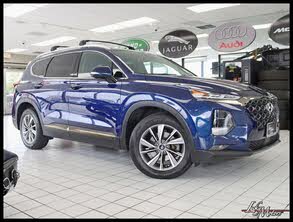
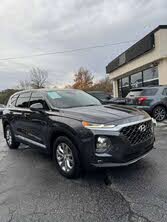
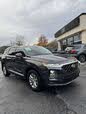
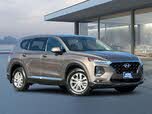
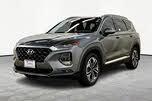
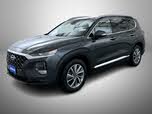
The Santa Fe's design was bold and experimental, which might not have appealed to everyone. Controversial design elements included the grille shape, stacked front lighting elements, asymmetrical fender stampings, and oversized rear “skid plate” trim. Inside, the dual-cowl dashboard design and diamond-textured speaker grilles added character. Versions with gray or beige interiors presented a high-contrast visual feast. However, materials quality didn’t quite match the high-style design, with glossy plastic and stiff leather upholstery. Build quality was exceptionally good, and the controls operated with refinement.
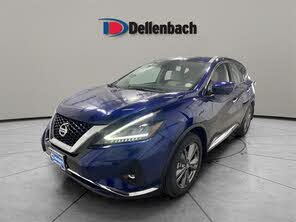
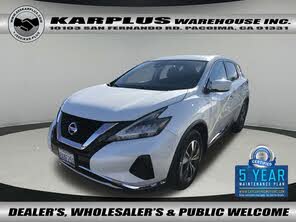
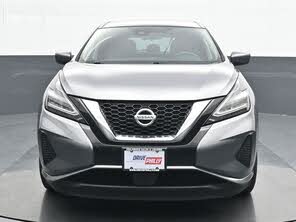
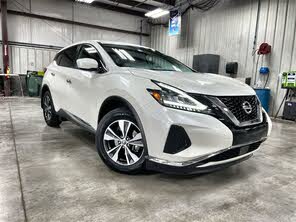
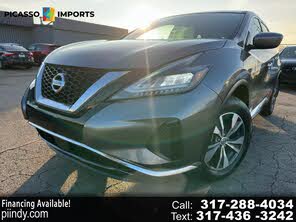
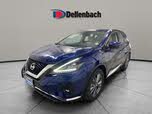
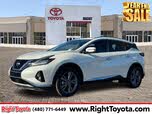
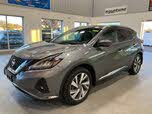
A few years ago, the Murano had a cutting-edge design that was almost too far ahead of the curve. By 2021, its L-shaped LED headlights and heavily contoured front end were just par for the course in car design. The interior and dash design had always been more conservative, which was fine for a comfort-optimized SUV meant for commutes and road trips. The restrained cabin styling meant all the controls were right where they should be, minimizing any learning curve.
Trims for the 2021 Murano included S, SV, SL, and Platinum. Standard features on the base S included 18-inch alloy wheels, manual front seats, dual-zone climate control, four USB ports, push-button start, remote keyless entry, satellite radio, Bluetooth connectivity, and an 8-inch touchscreen with Apple CarPlay and Android Auto. Moving up to the SV trim added power-adjustable front seats, adaptive cruise control, remote start, fog lights, a leather-wrapped steering wheel, black roof rails, heated side mirrors, and an auto-dimming rearview mirror. The SL trim added 20-inch alloy wheels, leather upholstery, heated front and rear seats, ambient cabin lighting, a Bose premium stereo system, and navigation. The range-topping Platinum trim added a dual-panel panoramic moonroof, semi-aniline premium leather with Prima-Tex protection, dark wood interior accents, and ventilated front seats.


With a minimum curb weight of 3,591 pounds (and a maximum of 3,946), the Santa Fe’s standard 185-horsepower 2.4-liter four-cylinder engine was not the preferred choice. Instead, the turbocharged 2.0-liter four-cylinder engine, making 235 hp and 260 lb-ft of torque between 1,450 rpm and 3,500 rpm, was recommended. This engine provided significant increases in power and torque over the standard engine, and the torque was available much faster. The eight-speed automatic transmission funneled power to the front wheels unless the optional AWD system was chosen. The test vehicle had FWD and suffered from torque steer under hard acceleration, an issue that disappeared with AWD. Properly equipped, the Santa Fe had a towing capacity of 3,500 pounds. The EPA estimated a Santa Fe 2.0T front-driver would get 23 mpg in combined driving, and the test model returned 22.1 mpg.
The Santa Fe offered a smooth ride, decent handling, light-effort steering, and brakes that withstood some abuse while allowing for clean stops. The Limited trim had laminated windshield and front window glass, making the highway ride quiet. The Santa Fe handled moderate off-roading with ease but lacked driver engagement, making it more of a tool than a toy.
The 2021 Nissan Murano offered only one engine: a 3.5-liter V6 making 260 horsepower and 240 pound-feet of torque. Power was routed through a continuously variable transmission (CVT) with standard front-wheel drive (FWD) or available all-wheel drive (AWD). The V6 provided stout power and terrific low-speed acceleration, but the CVT numbed some of its power at higher speeds. The Murano had a comfort-first ride, refined driving characteristics, and the ability to take corners evenly while soaking up bumps. These attributes made it an ideal commuter or road trip vehicle. The Murano had a 1,500-pound towing capacity, among the lowest for midsize SUVs.
The two-row Hyundai Santa Fe offered thoughtful attention to detail, from creative storage spaces to stain-resistant fabric in versions with cloth seats. The test vehicle had eight-way power-adjustable, heated, and ventilated front seats, with the driver’s seat including four-way power-adjustable lumbar support and an extending thigh support. The test model also included a heated steering wheel. The Santa Fe’s dual-zone automatic climate control system included a Clean Air ionizer, and the air conditioning was effective even with the massive panoramic glass sunroof.
Adults found the Santa Fe’s back seat comfortable, with air conditioning vents, rear side-window sunshades, and heated bottom cushions in the Limited trim. Legroom and thigh support made it a good place for long trips, with reclining rear seats for added comfort. The Santa Fe offered 35.9 cubic feet of cargo space behind the rear seat and a maximum of 71.3 cubic feet, falling short compared to some competitors. However, large storage compartments under the cargo floor were handy. The hands-free “smart” liftgate sensed the key fob and opened automatically.
The Nissan Murano had up to 67 cubic feet of cargo space with the rear seats folded and 32.1 cubic feet with the rear seats in use. Other two-row SUVs offered more cargo space, with the Hyundai Santa Fe providing up to 72.1 cubic feet and the Honda Passport up to 100.7 cubic feet. The SL and Platinum trims made up for it with a hands-free power liftgate. The Murano excelled in ease-of-use, with a traditional shifter design and a center console loaded with trays and cubbies. The Murano focused on two rows of seating, providing tons of headroom and legroom in both the front and second rows, with partial reclining functionality for the second-row seats.
The Santa Fe’s touchscreen infotainment system was a shining example of user-friendly technology. It had stereo control knobs, main menu shortcut buttons, and a programmable button. Every Santa Fe had Bluetooth connectivity and Apple CarPlay and Android Auto smartphone integration. The SEL trim added SiriusXM satellite radio with a free three-month subscription and Blue Link connected services with three free years of service, including remote engine starting, automatic emergency assistance, and more. The Limited trim added a larger 8-inch display, navigation, a surround-view camera, wireless smartphone charging, and a 12-speaker Infinity surround sound system. A head-up display provided data on the windshield within the driver’s line of sight, including blind spot alerts. The voice recognition system responded to naturally spoken commands with little trouble.
The Murano came standard with an easy-to-use 8-inch touchscreen infotainment system, featuring a sensible menu layout backed by hard buttons and dials flanking the screen. It also came standard with Apple CarPlay and Android Auto. Available tech features included an 11-speaker Bose premium stereo system and navigation.
The 2020 Hyundai Santa Fe earned a five-star overall crash-test rating from the National Highway Traffic Safety Administration (NHTSA) and a Top Safety Pick rating from the Insurance Institute for Highway Safety (IIHS). Every Santa Fe was equipped with adaptive cruise control, forward collision warning, automatic emergency braking, lane-departure warning, lane-keeping assistance, a driver monitoring system, and a rear-seat reminder system. The SEL trim added blind-spot warning, rear cross-traffic warning, and a safe exit assist system. The SEL Convenience Package included an ultrasonic occupant alert system tied to the Blue Link app. The Limited trim included a Blind-Spot View Monitor, showing a live video feed of the blind spots.
The 2021 Nissan Murano came with standard driver assistance features as part of Nissan Safety Shield 360, including reverse automatic emergency braking, blind-spot monitoring, rear cross-traffic alert, lane departure warning, and automatic high beams. Other standard features included forward automatic emergency braking, forward collision warning, and driver drowsiness monitoring. Additional features such as a surround-view parking monitor, adaptive cruise control, traffic sign recognition, and front-and-rear parking sensors were available.
CarGurus highlights
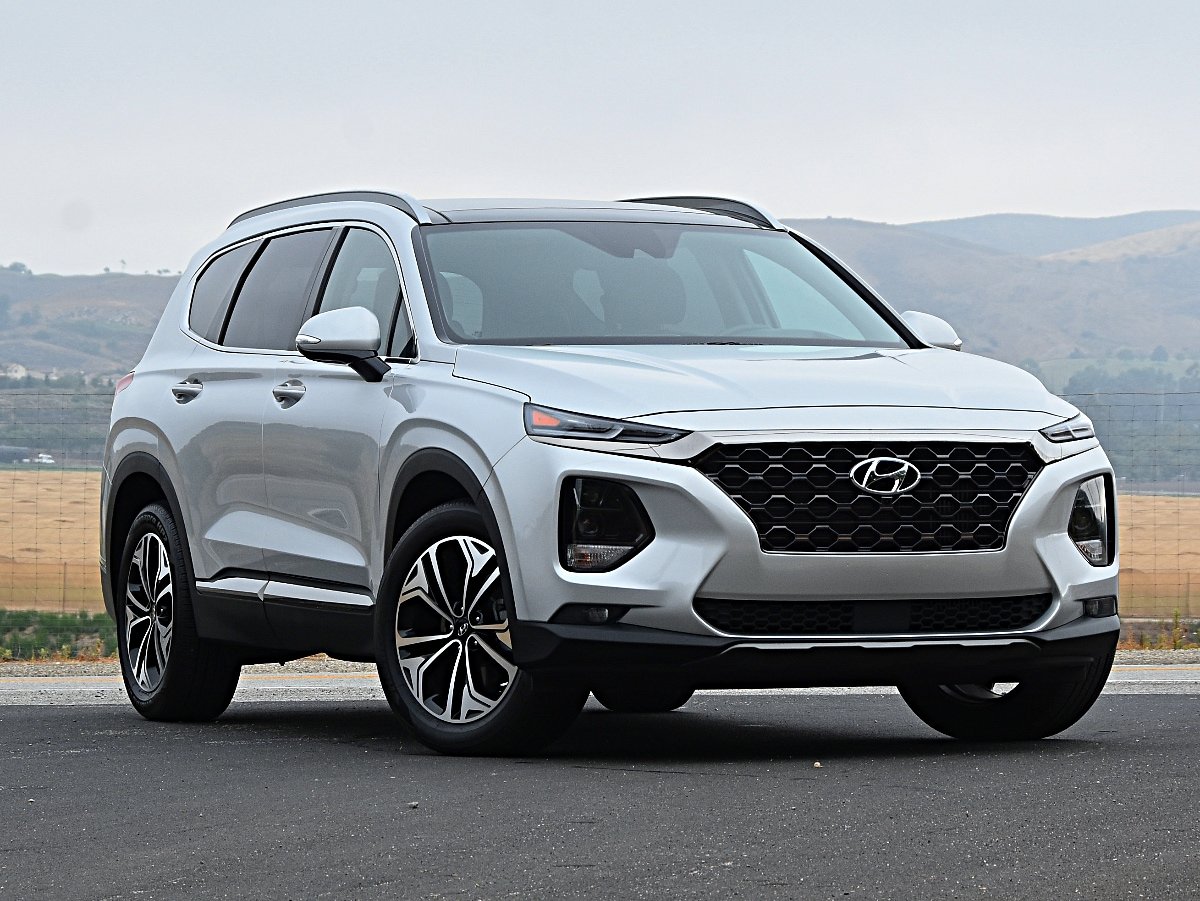
According to CarGurus experts, the overall rating for the 2020 Hyundai Santa Fe is 8.8 out of 10, while the 2021 Nissan Murano scores 7.8 out of 10. Based on these ratings, the 2020 Hyundai Santa Fe is the recommended choice, offering a better combination of performance, safety, and technology.
Choose the 2021 Nissan Murano if:
- You prefer a comfort-optimized SUV for commutes and road trips.
- You need a spacious two-row seating arrangement with ample headroom and legroom.
- You want a user-friendly infotainment system with standard Apple CarPlay and Android Auto.





Choose the 2020 Hyundai Santa Fe if:
- You value a bold and experimental design.
- You need a turbocharged engine with robust power and torque.
- You appreciate advanced safety features and high safety ratings.
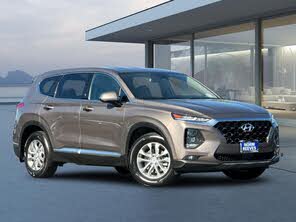



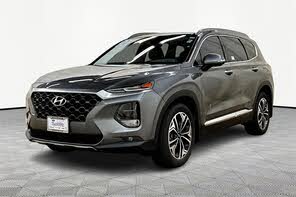
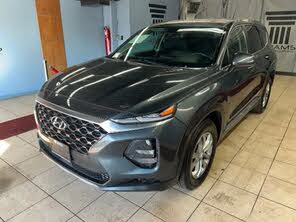

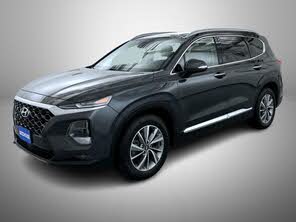
CarGurus highlights
According to CarGurus experts, the overall rating for the 2020 Hyundai Santa Fe is 8.8 out of 10, while the 2021 Nissan Murano scores 7.8 out of 10. Based on these ratings, the 2020 Hyundai Santa Fe is the recommended choice, offering a better combination of performance, safety, and technology.
Choose the 2021 Nissan Murano if:
Shop Now- You prefer a comfort-optimized SUV for commutes and road trips.
- You need a spacious two-row seating arrangement with ample headroom and legroom.
- You want a user-friendly infotainment system with standard Apple CarPlay and Android Auto.







Choose the 2020 Hyundai Santa Fe if:
Shop Now- You value a bold and experimental design.
- You need a turbocharged engine with robust power and torque.
- You appreciate advanced safety features and high safety ratings.





By: CarGurus + AI
At CarGurus, our team of experienced automotive writers remain at the heart of our content operation, conducting hands-on car tests and writing insightful guides that are backed by years of industry experience. To complement this, we are harnessing AI to make our content offering more diverse and more helpful to shoppers than ever. To achieve this, our AI systems are based exclusively on CarGurus content, ratings and data, so that what we produce is both unique to CarGurus, and uniquely helpful to car shoppers.