2021 BMW 4 Series vs 2020 Chevrolet Corvette

Overview | |
MSRP$58,900 | MSRP$45,600 |
Listings343 | Listings213 |
Ratings & Reviews | |
User Reviews | User Reviews |
Expert reviews8.7 out of 10 | Expert reviews6.8 out of 10 |
Pros
Cons
| Pros
Cons
|
2020 Chevrolet Corvette Reviews SummaryWhy did Chevy make the new Corvette a mid-engine car? The company’s engineers simply could not take the Corvette’s classic front-engine, rear-wheel-drive architecture any further in terms of performance than last year’s absolutely insane, supercharged, 755-horsepower ZR1. That car accelerated to 60 mph in a claimed 2.85 seconds, achieved a top speed of 212 mph, and cost $122,000. Now, the redesigned 2020 Corvette, priced at less than half that amount, blasts to 60 mph in 2.9 seconds and achieves a top speed of 194 mph using a normally-aspirated V8 engine making 490 to 495 hp. Astonishing. And more is to come. | |
2021 BMW 4 Series Reviews SummaryThe 2021 BMW 4 Series represents how, for better or worse, BMW has changed. The 4 Series name has been around since the 2014 model year when it was introduced for the former 3 Series coupe and convertible. Earlier two-door 3 Series models built BMW’s reputation, with excellent handling, smooth yet powerful engines, and understated styling. The redesigned second-generation 4 Series departs dramatically from that template. It’s bigger and more luxurious, with garish styling and a greater reliance on technology for performance. The car’s rivals haven’t changed though. It still competes against the Audi A5, Mercedes-Benz C-Class, Lexus RC, and Infiniti Q60 for buyers willing to sacrifice a bit of practicality to make a fashion statement. As before, the 4 Series is available in coupe and convertible body styles—the latter with a soft-top instead of the previous retractable hardtop. Both body styles are offered in four-cylinder 430i and six-cylinder M440i configurations, with high-performance M4 variants on the way. Rear-wheel drive is standard, with xDrive all-wheel drive optional (and mandatory on the M440i coupe). Our test car was a 430i xDrive coupe. | |
No video found | |
Popular Features & Specs | |
Engine6.2L 490 hp V8 | Engine2.0L 255 hp I4 |
Drive TrainRWD | Drive TrainRWD |
Seating Capacity2 | Seating Capacity4 |
Horsepower | Horsepower255 hp @ 5000 rpm |
MPG City15 | MPG City26 |
MPG Highway27 | MPG Highway34 |
Engine | |
Engine Name6.2L 490 hp V8 | Engine Name2.0L 255 hp I4 |
Torque | Torque294 lb-ft @ 1550 rpm |
Horsepower | Horsepower255 hp @ 5000 rpm |
DrivetrainRWD | DrivetrainRWD |
Fuel Economy | |
MPG City15 | MPG City26 |
MPG Highway27 | MPG Highway34 |
Interior | |
Leather SeatsStandard | Leather Seats |
Seating Capacity2 | Seating Capacity4 |
Key Features | |
Navigation System | Navigation SystemStandard |
Sunroof/Moonroof | Sunroof/MoonroofStandard |
Dimensions & Capacity | |
Cargo Space12.6 cu ft | Cargo Space15.5 cu ft |
Curb Weight3535 lbs | Curb Weight3578 lbs |
Height48.6 in | Height54.6 in |
Length182.3 in | Length187.9 in |
Width76.1 in | Width81.9 in |
Wheelbase107.2 in | Wheelbase112.2 in |
Maximum Payload | Maximum Payload714 lbs |
Number of doors2 | Number of doors2 |
Overview | ||
MSRP | $58,900 | $45,600 |
Listings | ||
Ratings & Reviews | ||
User reviews | ||
Expert reviews | 8.7 out of 10Read full review | 6.8 out of 10Read full review |
Pros & cons | Pros
Cons
| Pros
Cons
|
Summary | Why did Chevy make the new Corvette a mid-engine car? The company’s engineers simply could not take the Corvette’s classic front-engine, rear-wheel-drive architecture any further in terms of performance than last year’s absolutely insane, supercharged, 755-horsepower ZR1. That car accelerated to 60 mph in a claimed 2.85 seconds, achieved a top speed of 212 mph, and cost $122,000. Now, the redesigned 2020 Corvette, priced at less than half that amount, blasts to 60 mph in 2.9 seconds and achieves a top speed of 194 mph using a normally-aspirated V8 engine making 490 to 495 hp. Astonishing. And more is to come. | The 2021 BMW 4 Series represents how, for better or worse, BMW has changed. The 4 Series name has been around since the 2014 model year when it was introduced for the former 3 Series coupe and convertible. Earlier two-door 3 Series models built BMW’s reputation, with excellent handling, smooth yet powerful engines, and understated styling. The redesigned second-generation 4 Series departs dramatically from that template. It’s bigger and more luxurious, with garish styling and a greater reliance on technology for performance. The car’s rivals haven’t changed though. It still competes against the Audi A5, Mercedes-Benz C-Class, Lexus RC, and Infiniti Q60 for buyers willing to sacrifice a bit of practicality to make a fashion statement. As before, the 4 Series is available in coupe and convertible body styles—the latter with a soft-top instead of the previous retractable hardtop. Both body styles are offered in four-cylinder 430i and six-cylinder M440i configurations, with high-performance M4 variants on the way. Rear-wheel drive is standard, with xDrive all-wheel drive optional (and mandatory on the M440i coupe). Our test car was a 430i xDrive coupe. |
Video | No video found | |
Popular Features & Specs | ||
Engine | 6.2L 490 hp V8 | 2.0L 255 hp I4 |
Drive Train | RWD | RWD |
Seating Capacity | 2 | 4 |
Horsepower | 255 hp @ 5000 rpm | |
MPG City | 15 | 26 |
MPG Highway | 27 | 34 |
Engine | ||
Engine Name | 6.2L 490 hp V8 | 2.0L 255 hp I4 |
Torque | 294 lb-ft @ 1550 rpm | |
Horsepower | 255 hp @ 5000 rpm | |
Drivetrain | RWD | RWD |
Fuel Economy | ||
MPG City | 15 | 26 |
MPG Highway | 27 | 34 |
Interior | ||
Leather Seats | Standard | |
Seating Capacity | 2 | 4 |
Key Features | ||
Navigation System | Standard | |
Sunroof/Moonroof | Standard | |
Dimensions & Capacity | ||
Cargo Space | 12.6 cu ft | 15.5 cu ft |
Curb Weight | 3535 lbs | 3578 lbs |
Height | 48.6 in | 54.6 in |
Length | 182.3 in | 187.9 in |
Width | 76.1 in | 81.9 in |
Wheelbase | 107.2 in | 112.2 in |
Maximum Payload | 714 lbs | |
Number of doors | 2 | 2 |
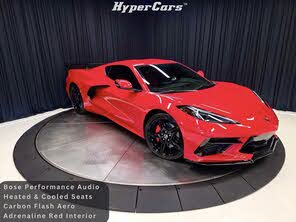
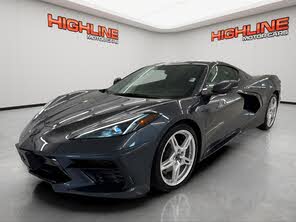
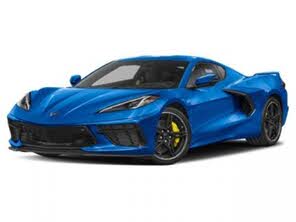
The 2020 Chevrolet Corvette revolutionized its design by moving the engine behind the seats, a deviation from the front-engine formula Chevy had utilized since 1953. This mid-engine configuration pushed the cabin forward, creating a definite supercar aura. Despite these significant alterations, Chevrolet managed to keep the base price below $60,000, much to the delight of Corvette enthusiasts.
During its reveal in Orange County, California, the Corvette's pricing incited cheers from fans, and when production started in Bowling Green, Kentucky, Chevy promised to maintain that pricing into the next year. The base model, a stripped-down 1LT Coupe, began at $58,900, while the 2LT and 3LT packages added layers of luxury, including Cadillac-grade leather and materials on the 3LT.
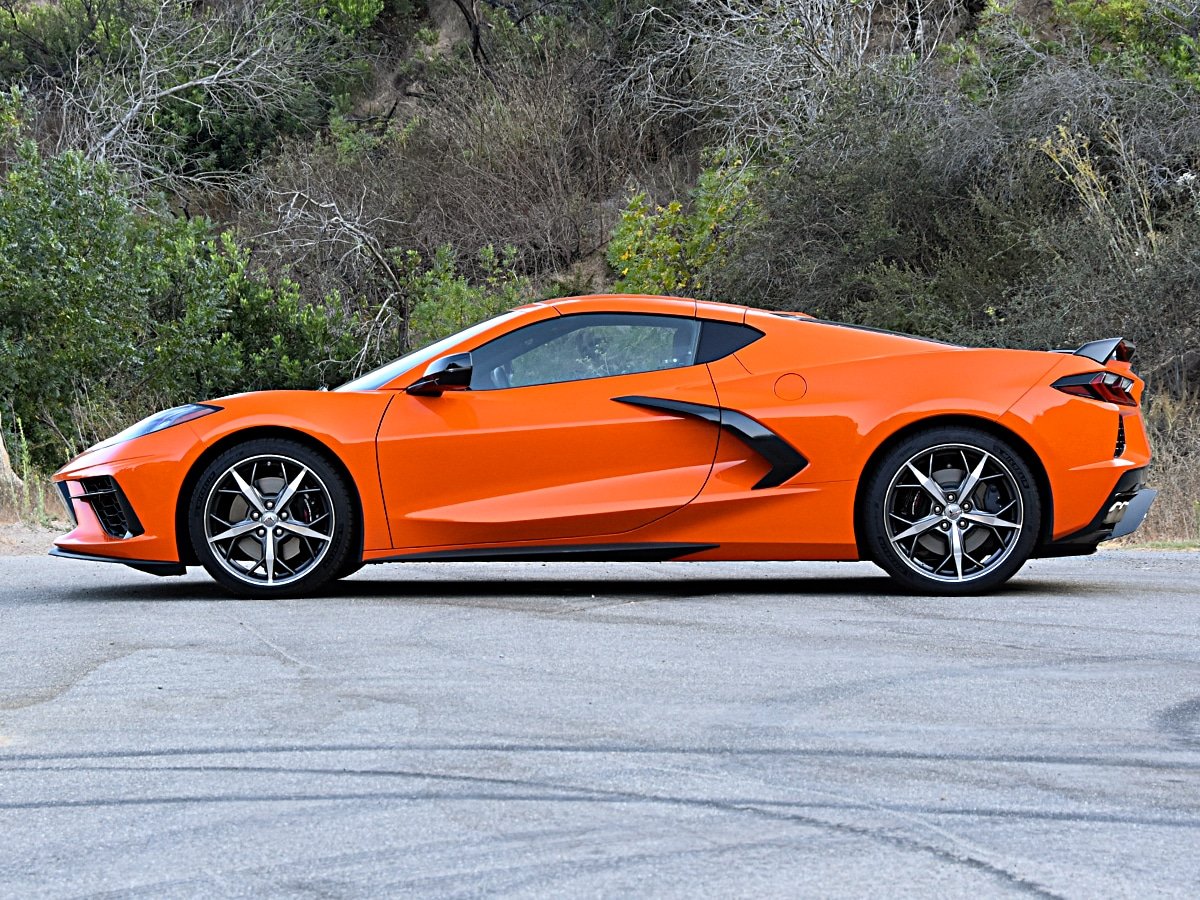
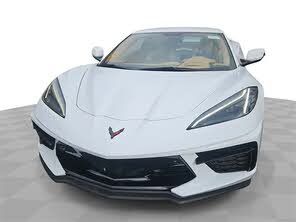
Our test vehicle sported 3LT trim, an array of options including Sebring Orange Tintcoat paint, upgraded wheels, and the Z51 Package. The total price tag reached $87,210. Styled to pay homage to previous Corvettes, the C8 combined classic elements like peaked front fenders and quad taillight signatures with modern aesthetics. This blend resulted in a car radiating nostalgia and contemporary elegance simultaneously.
Inside, the futuristic, fighter jet-inspired cabin featured digital instrumentation, an advanced infotainment system, a unique squared-off steering wheel, and numerous high-tech climate controls. With the 3LT Package, the interior quality soared, featuring premium leather, suede, contrast stitching, and genuine metal accents. Overall, the Corvette's futuristic yet nostalgic design hit all the right notes.
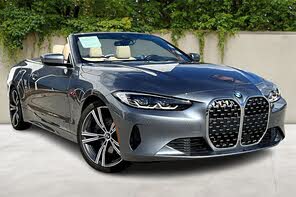
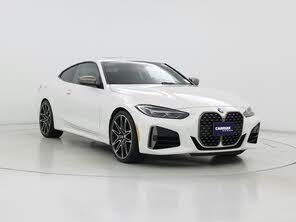
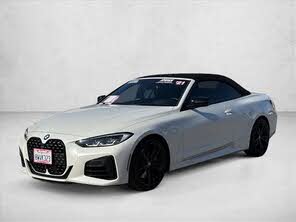
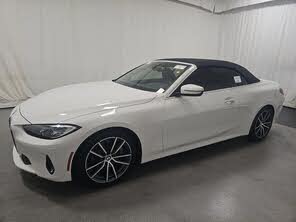
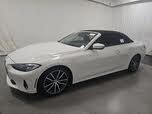
Conversations about the 2021 BMW 4 Series inevitably centered on its controversial twin-kidney grille, designed for improved engine cooling. While opinions on its looks varied, few found the grille visually appealing. Beyond the front end, the 4 Series maintained standard BMW styling with LED headlights and taillights and a typical coupe silhouette.
BMW optimized the new front end for aerodynamics, achieving a drag coefficient of 0.25, improved from the previous model's 0.29. The 4 Series shared its platform with the 3 Series sedan but was longer, wider, and lower, with enlarged wheelbases and tracks.
Inside, the BMW adhered to a clean, uncluttered design philosophy. Standard front sport seats offered 10-way power adjustments and memory functions. The optional black leather upholstery provided a premium feel, albeit not entirely matching luxury car expectations. Despite some ergonomic issues, such as an overly large steering wheel, the overall interior maintained BMW's reputation for driver-centric design.
In terms of aesthetic impact, the 2020 Corvette’s design was more universally appreciated, even as the BMW 4 Series showcased quintessential BMW elements with a divisive twist.


The 2020 Corvette featured a strikingly positioned 6.2-liter V8 engine, visible beneath the rear window and optionally enhanced with carbon fiber and LED illumination for visual flair. This naturally aspirated V8 offered 490 horsepower and 465 lb-ft of torque, or 495 hp and 470 lb-ft with the Z51 Performance Package or performance exhaust.
Equipped with the Z51 Package, the Corvette boasted additional cooling, an electronic limited-slip differential, performance suspension, and brakes, alongside distinct aerodynamic additions generating 400 pounds of downforce. This setup allowed the 'Vette to sprint to 60 mph in a mere 2.9 seconds and reach a top speed of 194 mph.
A dual-clutch transmission came standard, providing manual shift modes and paddle shifters–though the car's software often outperformed manual attempts. The Corvette featured various drive modes and reported fuel economy of 15 mpg city, 27 highway, and 19 combined.
On the road, the Corvette excelled in both everyday scenarios and high-octane situations. Its brakes were exceptionally responsive, and advanced suspension equated to smooth handling and precise control. Minor complaints included some wind noise at high speeds and awkward positioning of the driver's elbow. Yet, it remained clear: The 2020 Chevrolet Corvette delivered unparalleled performance.
The 4 Series offered two distinct powertrains. The 430i featured a 2.0-liter turbocharged four-cylinder engine producing 255 hp and 294 lb-ft of torque, improving on its predecessor. The M440i was equipped with a 3.0-liter turbocharged inline-six, generating 382 hp and 369 lb-ft, supported by a 48-volt starter/generator for better efficiency. Both models relied on an eight-speed automatic transmission, with a six-speed manual reserved for the upcoming M4.
Performance metrics showed the 430i xDrive reaching 60 mph in 5.5 seconds (5.3 seconds for AWD). The M440i xDrive clocked in at 4.3 seconds. Compared to competitors like the Audi A5 and Mercedes-Benz C-Class, the 4 Series performed well, though our test car's transmission hesitations and underwhelming engine sound diminished the excitement.
Despite outfitting the Adaptive M Suspension, variable sport steering, and performance tires, the driving experience lacked engagement, leaning bland compared to the sheer thrill provided by the Corvette. This indicated the paramount difference between a good and a truly exhilarating ride.
In terms of practicality, the Corvette maintained a delicate balance between form and function. It accommodated various scenarios like commuting and road trips, despite its low nose making entry and exit somewhat tricky. Heated and ventilated front seats and a heated steering wheel added a touch of luxury with the 2LT and 3LT trims.
The Corvette's seating proved less accommodating, mainly if the optional competition seats were chosen, catering only to slimmer, fitter physiques. Storage inside the cabin was minimal, though a bin under the center armrest surprised with its capacity. The wireless smartphone charger positioned between the seats was not user-friendly in terms of accessibility.
Cargo space totaled 12.6 cubic feet, split between a front trunk (frunk) suitable for a carry-on suitcase and a rear trunk capable of holding two additional carry-ons or full-sized golf bags. The rear trunk, designed to house the coupe's removable roof panel, featured a high liftover height, making loading a bit challenging. Nonetheless, the Corvette provided a reasonable degree of utility for a mid-engine sports car.
Although no coupe excelled in practicality, the 4 Series performed admirably within its segment. Its front seat boasted more headroom and overall space than direct competitors like the Audi A5 and the Mercedes-Benz C-Class, offsetting its shorter legroom measurements.
The 4 Series’ cockpit offered a comfortable and logical layout, with the infotainment touchscreen within easy reach and cupholders positioned for optimal convenience. However, rear seat space remained restrictive, suitable mainly for children or sporadic adult use, limiting its practicality for day-to-day family activities.
In terms of cargo space, the 4 Series outpaced the competition with its relatively spacious trunk, demonstrating an advantage for those requiring a coupe versatile enough to handle daily or weekend errands. Overall, it stood as an appealing choice for drivers torn between needing practical space and desiring a sporty drive.
The 2020 Chevrolet Corvette stepped up its game in terms of technological offerings. Equipped with digital instrumentation, an advanced infotainment system, and an available head-up display (HUD), it combined intuitive user experience with comprehensive tech features.
The digital instrument panel adapted to different driving modes, emphasizing essential data in track settings. The HUD followed suit, providing visible data even with polarized sunglasses. The infotainment system, anchored by an 8-inch touchscreen, offered Apple CarPlay, Android Auto, and a host of connectivity options topped with a 14-speaker Bose system in higher trims.
Additional tech included a Performance Data Recorder for track enthusiasts, capable of overlaying performance metrics on recorded drives, and a front lift system that automatically adjusted front clearance based on stored GPS coordinates. While some minor conveniences like wireless smartphone projection were lacking, the Corvette covered all essential bases with its tech package.
The BMW 4 Series featured the latest iDrive 7 infotainment system, offering an 8.8-inch touchscreen and an instrument cluster combining analog and digital elements. The optional Live Cockpit Professional upgrade increased the screen sizes to a 10.25-inch central touchscreen and a 12.3-inch digital instrument cluster.
Our test car’s Live Cockpit Professional boasted clear graphics and intuitive menus, navigable via the iDrive rotary controller, the touchscreen, or voice commands triggered by “Hey BMW.” Standard features included wireless Apple CarPlay and Android Auto compatibility, Bluetooth, and SiriusXM satellite radio. Advanced options like the head-up display and wireless phone charging incurred additional costs.
While its tech setup was robust and user-friendly, the Corvette’s Performance Data Recorder and front lift system provided a slight edge, integrating high-performance capabilities with cutting-edge tech amenities.
Safety in the 2020 Corvette focused more on enhancing confidence rather than loading the car with extensive driver-assist features. Given its design, low-slung rear visibility was a challenge, addressed by a high-definition reversing camera and rear parking assist sensors.
Upper trims added substantial features like blind-spot monitoring with rear cross-traffic alert, a curb-view camera system, and a rear camera mirror for an unobstructed rear view. Additionally, Teen Driver technology allowed monitoring of driving habits, although comprehensive crash ratings were unavailable at the time.
The 2021 BMW 4 Series included a suite of standard driver-assist features like lane-departure warning, forward-collision warning, automatic emergency braking, blind-spot monitoring, rear cross-traffic alert, automatic high beams, and speed-limit information. Optional advanced adaptive cruise control was part of the $1,700 Driving Assistance Professional Package, capable of bringing the car to a complete stop and restart in traffic, and maintaining lane position.
CarGurus highlights
According to CarGurus experts, the overall rating for the 2020 Chevrolet Corvette is 8.7 out of 10, while the 2021 BMW 4 Series scores 6.8 out of 10. Based on these evaluations, the 2020 Chevrolet Corvette stands out as the more compelling choice. It offers an exceptional blend of futuristic design, exhilarating performance, and cutting-edge technology, delivering a thrilling driving experience at a competitive price point. For those who prioritize driving excitement and advanced tech features, the Corvette is the superior pick.
Choose the 2021 BMW 4 Series if:
- You prioritize a balanced blend of performance and everyday practicality.
- Advanced driver-assist features and a comprehensive infotainment system are essential to you.
- You prefer a luxurious cabin with meticulously detailed design and comfort enhancements.



Choose the 2020 Chevrolet Corvette if:
- You seek an affordable, high-performance sports car delivering exceptional speed and handling.
- Cutting-edge technology in a driver-centric interior appeals to you.
- You appreciate a design that blends modernity with classic sports car elements.






CarGurus highlights
According to CarGurus experts, the overall rating for the 2020 Chevrolet Corvette is 8.7 out of 10, while the 2021 BMW 4 Series scores 6.8 out of 10. Based on these evaluations, the 2020 Chevrolet Corvette stands out as the more compelling choice. It offers an exceptional blend of futuristic design, exhilarating performance, and cutting-edge technology, delivering a thrilling driving experience at a competitive price point. For those who prioritize driving excitement and advanced tech features, the Corvette is the superior pick.
Choose the 2021 BMW 4 Series if:
Shop Now- You prioritize a balanced blend of performance and everyday practicality.
- Advanced driver-assist features and a comprehensive infotainment system are essential to you.
- You prefer a luxurious cabin with meticulously detailed design and comfort enhancements.









Choose the 2020 Chevrolet Corvette if:
Shop Now- You seek an affordable, high-performance sports car delivering exceptional speed and handling.
- Cutting-edge technology in a driver-centric interior appeals to you.
- You appreciate a design that blends modernity with classic sports car elements.











By: CarGurus + AI
At CarGurus, our team of experienced automotive writers remain at the heart of our content operation, conducting hands-on car tests and writing insightful guides that are backed by years of industry experience. To complement this, we are harnessing AI to make our content offering more diverse and more helpful to shoppers than ever. To achieve this, our AI systems are based exclusively on CarGurus content, ratings and data, so that what we produce is both unique to CarGurus, and uniquely helpful to car shoppers.