2019 Honda CR-V vs 2020 Honda CR-V Hybrid

Overview | |
MSRP$24,450 | MSRP$27,850 |
Listings1804 | Listings216 |
Ratings & Reviews | |
User Reviews | User Reviews |
Expert reviews8.0 out of 10 | Expert reviews7.3 out of 10 |
Pros
Cons
| |
2019 Honda CR-V Reviews SummaryRefined, roomy, and historically reliable, the Honda CR-V has earned its status as one of the best selling vehicles in America. This is a safe SUV, too, and it returns good fuel economy while delivering lively performance. There are few reasons to cross the 2019 Honda CR-V off of your shopping list, and numerous reasons to drive one home from the dealership. | |
2020 Honda CR-V Hybrid Reviews SummaryOne of the forerunners to today’s seemingly never-ending onslaught of crossover SUV debuts, the Honda CR-V entered the market when SUV meant body-on-frame truck and CUV meant, well, nothing. The year was 1996 and the only other crossover option in the U.S. was the Toyota RAV4, which went on sale the year prior. Since then, hybrid technology has become commonplace. Yet, Americans have lived without a battery-assisted Honda crossover. That finally changes, with the debut of the 2020 Honda CR-V Hybrid. | |
No video found | |
Popular Features & Specs | |
Engine2.4L 184 hp I4 | Engine2.0L 212 hp I4 Hybrid |
Drive TrainFWD | Drive TrainAWD |
Seating Capacity5 | Seating Capacity5 |
Horsepower184 hp @ 6400 rpm | Horsepower212 hp @ 6200 rpm |
EV Battery Capacity | EV Battery Capacity1.3 kWh |
MPG City26 | MPG City40 |
MPG Highway32 | MPG Highway35 |
Engine | |
Engine Name2.4L 184 hp I4 | Engine Name2.0L 212 hp I4 Hybrid |
Torque180 lb-ft @ 3900 rpm | Torque |
Horsepower184 hp @ 6400 rpm | Horsepower212 hp @ 6200 rpm |
DrivetrainFWD | DrivetrainAWD |
Fuel Economy | |
EV Battery Capacity | EV Battery Capacity1.3 kWh |
MPG City26 | MPG City40 |
MPG Highway32 | MPG Highway35 |
Interior | |
Seating Capacity5 | Seating Capacity5 |
Safety | |
Front Crash Overall5 | Front Crash Overall5 |
Side Crash Overall5 | Side Crash Overall5 |
Dimensions & Capacity | |
Cargo Space39.2 cu ft | Cargo Space33.2 cu ft |
Curb Weight3307 lbs | Curb Weight3649 lbs |
Height66.1 in | Height66.5 in |
Length180.6 in | Length182.1 in |
Width73.0 in | Width73.0 in |
Wheelbase104.7 in | Wheelbase104.7 in |
Maximum Payload1388 lbs | Maximum Payload |
Number of doors4 | Number of doors4 |
Maximum Towing Capacity1500 lbs | Maximum Towing Capacity |
Overview | ||
MSRP | $24,450 | $27,850 |
Listings | ||
Ratings & Reviews | ||
User reviews | ||
Expert reviews | 8.0 out of 10Read full review | 7.3 out of 10Read full review |
Pros & cons | Pros
Cons
| |
Summary | Refined, roomy, and historically reliable, the Honda CR-V has earned its status as one of the best selling vehicles in America. This is a safe SUV, too, and it returns good fuel economy while delivering lively performance. There are few reasons to cross the 2019 Honda CR-V off of your shopping list, and numerous reasons to drive one home from the dealership. | One of the forerunners to today’s seemingly never-ending onslaught of crossover SUV debuts, the Honda CR-V entered the market when SUV meant body-on-frame truck and CUV meant, well, nothing. The year was 1996 and the only other crossover option in the U.S. was the Toyota RAV4, which went on sale the year prior. Since then, hybrid technology has become commonplace. Yet, Americans have lived without a battery-assisted Honda crossover. That finally changes, with the debut of the 2020 Honda CR-V Hybrid. |
Video | No video found | |
Popular Features & Specs | ||
Engine | 2.4L 184 hp I4 | 2.0L 212 hp I4 Hybrid |
Drive Train | FWD | AWD |
Seating Capacity | 5 | 5 |
Horsepower | 184 hp @ 6400 rpm | 212 hp @ 6200 rpm |
EV Battery Capacity | 1.3 kWh | |
MPG City | 26 | 40 |
MPG Highway | 32 | 35 |
Engine | ||
Engine Name | 2.4L 184 hp I4 | 2.0L 212 hp I4 Hybrid |
Torque | 180 lb-ft @ 3900 rpm | |
Horsepower | 184 hp @ 6400 rpm | 212 hp @ 6200 rpm |
Drivetrain | FWD | AWD |
Fuel Economy | ||
EV Battery Capacity | 1.3 kWh | |
MPG City | 26 | 40 |
MPG Highway | 32 | 35 |
Interior | ||
Seating Capacity | 5 | 5 |
Safety | ||
Front Crash Overall | 5 | 5 |
Side Crash Overall | 5 | 5 |
Dimensions & Capacity | ||
Cargo Space | 39.2 cu ft | 33.2 cu ft |
Curb Weight | 3307 lbs | 3649 lbs |
Height | 66.1 in | 66.5 in |
Length | 180.6 in | 182.1 in |
Width | 73.0 in | 73.0 in |
Wheelbase | 104.7 in | 104.7 in |
Maximum Payload | 1388 lbs | |
Number of doors | 4 | 4 |
Maximum Towing Capacity | 1500 lbs | |
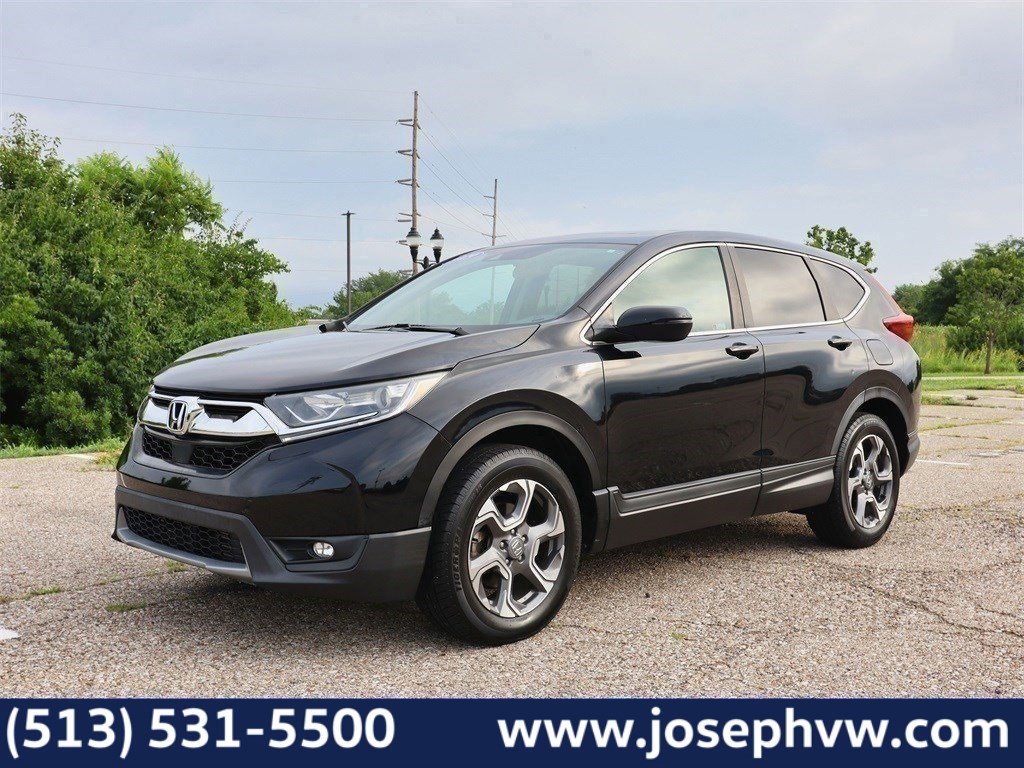
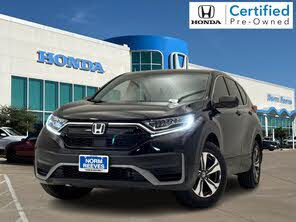
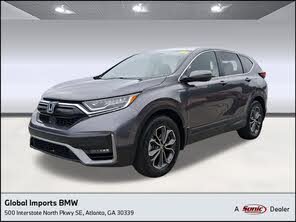
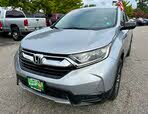
The 2019 Honda CR-V made it easy for prospective buyers to find their perfect fit, offering four trim levels—LX, EX, EX-L, and Touring—all available with front-wheel drive (FWD) or all-wheel drive (AWD). Priced between $24,350 plus destination fees and up to $34,150, this SUV was accessible to a wide range of consumers. The CR-V LX did not look basic, boasting standard 17-inch aluminum wheels which provided a solid baseline aesthetic. Upgrading to higher trims added body-color trim, larger 18-inch wheels, and rear privacy glass, giving the vehicle a more upscale appearance. Although some were not fans of its front-end styling, many considered the rear view to be genuinely upscale.
Inside, the CR-V showcased high-quality materials and thoughtful construction. The two-tone tan-over-black interior treatment lent a sophisticated feel. While there was an abundance of hard plastic, these materials were well-finished, avoiding the cheap feel that could detract from the overall perception. This quality interior allowed owners to feel they were getting their money's worth, enhancing the vehicle's overall appeal.
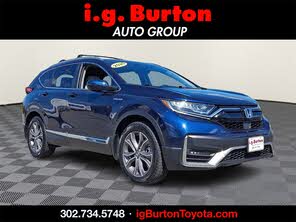
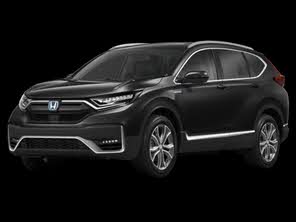
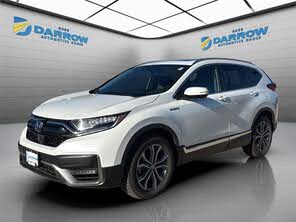
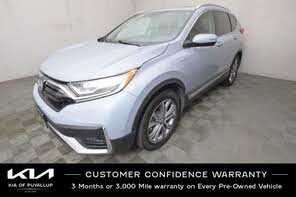
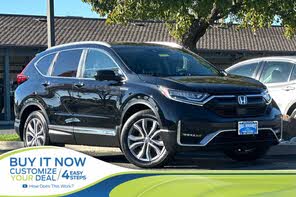
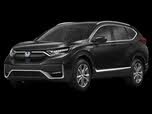
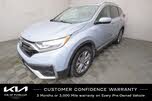
The 2020 Honda CR-V Hybrid, introduced in the midst of a mid-cycle refresh, maintained the visual familiarity of its gasoline counterpart. Sporting identical dimensions—length (182.1 inches), width (73.0 inches), and height (66.5 inches)—and the same wheel pattern for the Touring model, the hybrid model was a near twin. Subtle differences such as blue-outlined Honda emblems and "Hybrid" badges on the exterior provided hints of its hybrid nature. A rear lower bumper with a hidden exhaust and LED fog lights on EX and above trims added to the detailing.
Interiorly, the hybrid’s cabin design was a carryover from the gasoline model, including the same dash and console layout. However, it featured a push-button gear selector instead of a traditional shifter, and paddle shifters controlling brake regeneration rather than gear shifts. Despite the familiar aesthetic, these changes marked a modern and fuel-efficient approach to driving.


The 2019 Honda CR-V offered different powertrain options depending on the trim level. The LX trim ran with a 2.4-liter 4-cylinder engine producing 184 horsepower at 6,400 rpm and 180 lb-ft of torque at 3,900 rpm, paired with a continuously variable transmission (CVT). Higher trims (EX, EX-L, Touring) switched to a turbocharged 1.5-liter 4-cylinder engine delivering 190 horsepower at 5,600 rpm and 179 lb-ft of torque from 2,000 to 5,000 rpm. This smaller, turbocharged engine provided a more responsive driving experience and better fuel economy, though it faced issues such as cold weather engine misfires and battery problems.
On a testing loop, the CR-V averaged 27.7 mpg, slightly below the EPA's 29 mpg combined rating. The AWD system engaged only when front wheels slipped, providing extra traction in slippery conditions, but lacked features like torque vectoring or locking for even power split. The CR-V's driving dynamics impressed overall, with a MacPherson strut front and multi-link rear suspension providing a balanced ride and handling experience. Its steering system, dual-pinion variable-ratio electric steering, proved both responsive and effortless, while braking performance was excellent, even under demanding conditions.
The 2020 Honda CR-V Hybrid featured a sophisticated two-motor hybrid system combined with a 2.0-liter 4-cylinder gasoline engine. This setup produced a total system power of 212 horsepower and 232 lb-ft of torque, far exceeding the 190 horsepower and 179 lb-ft torque of the gas models equipped with CVT. Fuel efficiency was a standout, with the hybrid achieving an impressive EPA rating of 40 mpg city, 35 highway, and 38 combined compared to the gas model's 27/32/29 mpg.
The CR-V Hybrid’s driving experience was enhanced by its on-demand torque, making it more enjoyable than the gasoline model. Despite its advantages in fuel economy, it fell short compared to rival hybrids like the Ford Escape and Toyota RAV4, which offered better economy figures. The CR-V Hybrid comfortably handled different driving modes (Normal, EV, Econ, and Sport), with Sport mode delivering the most spirited drive. However, its EV mode was limited to short distances, making it almost redundant.
Family comfort was a highlight of the 2019 Honda CR-V, though front passenger seat adjustments were lacking. The driver enjoyed a 12-way power-adjustable seat across all trims except the LX, with heated front seats becoming standard from the EX trim upwards. Rear passengers appreciated the ample legroom, air vents, and USB charging ports, making long journeys more comfortable.
Cargo capacity was another strength. The CR-V offered 39.2 cubic feet of space behind the rear seats, expandable to 75.8 cubic feet with the seats folded down. This ample cargo space, along with features like a large glove box and a roomy center console bin, made it convenient for families.
The 2020 Honda CR-V Hybrid, while sacrificing some cargo space to accommodate its battery pack, still provided 33.2 cubic feet behind the rear seats and up to 68.7 cubic feet with the rear seats down. Though less than the gasoline model, it outdid competitors like the Ford Escape Hybrid but fell slightly short of the Toyota RAV4 Hybrid in this aspect.
Despite the compromise in cargo space, the hybrid model maintained superior passenger comfort. The front headroom and rear legroom surpassed that of its rivals, ensuring a comfortable ride for all occupants. The configurable center console bin offered practical storage options, albeit with an overly loose armrest adjustability that could be distracting.
The 2019 Honda CR-V impressed with its tech offerings, starting from the EX trim where features like a 7-inch touchscreen, SiriusXM, Apple CarPlay, and advanced driver-assistance features became standard. However, the infotainment system had its shortcomings, lacking a tuning knob and presenting distracting voice activation and control anomalies.
The 2020 Honda CR-V Hybrid, while sharing many tech features with the gasoline model, included keyless entry, push-button start, and automatic headlights as standard—amenities only available on higher trims of the gasoline model. From the EX trim, it matched the gasoline model's infotainment offerings but had an edge with additional USB ports for rear passengers. Navigation, wireless charging, and a premium audio system were standard on the Touring trim.
Despite its advancements, the CR-V Hybrid’s infotainment and instrument panel could be cumbersome, requiring multiple steps for simple adjustments like turning off beeps, and flipping through menus while driving.
The 2019 Honda CR-V ensured driver and passenger safety with its Honda Sensing suite, available on all trims except the LX. This suite included adaptive cruise control, forward-collision warning, lane-keeping assist, and other advanced safety features. The CR-V also earned a Top Safety Pick designation from the IIHS, with the only drawback being an Acceptable rating for headlight performance.
In 2020, the Honda CR-V Hybrid added to this safety legacy, receiving both the IIHS Top Safety Pick and a 5-Star Safety Rating from the NHTSA. It came standard with Honda Sensing, offering features such as automatic braking, lane-keep assist, and adaptive cruise control with stop-and-go, enhancing its comprehensive safety profile.
CarGurus highlights
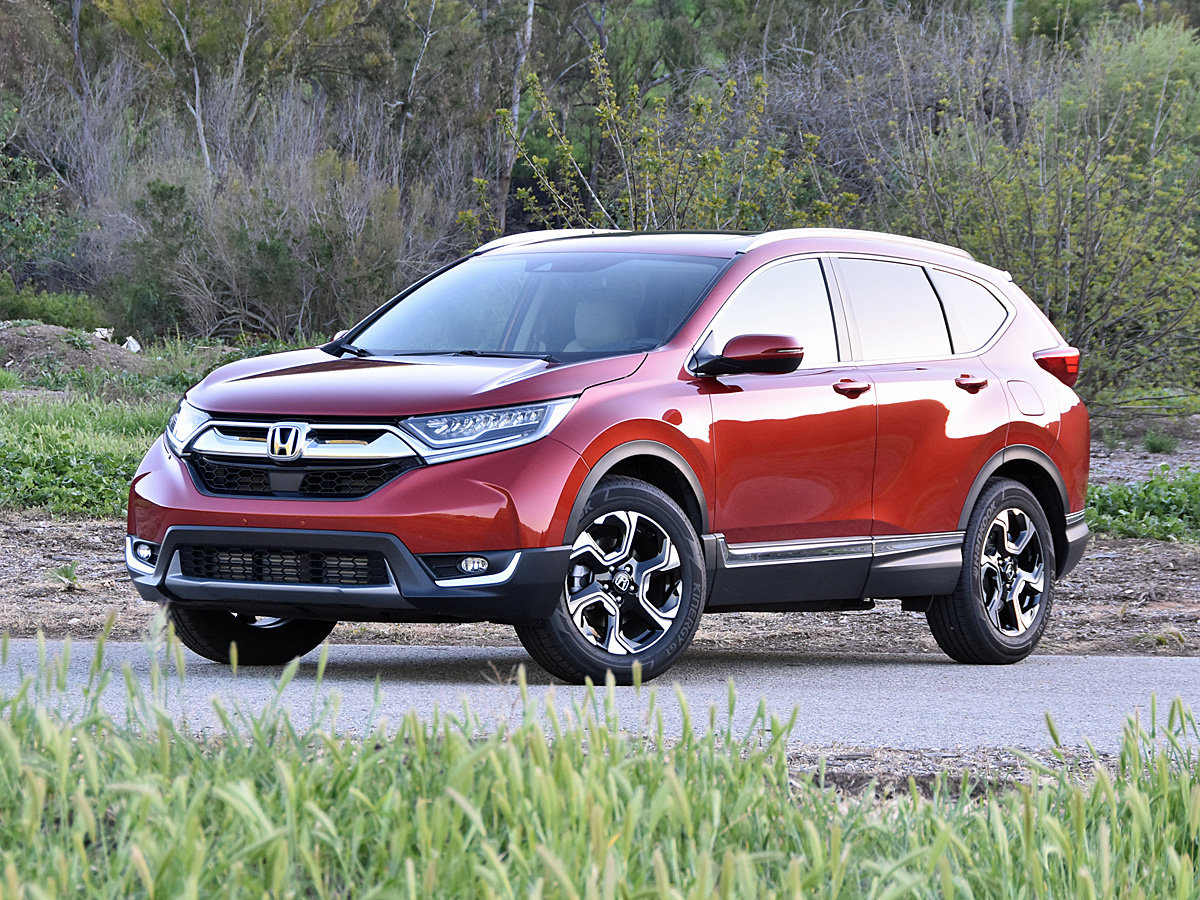
According to CarGurus experts, the overall rating for the 2019 Honda CR-V is 8.0 out of 10, while the 2020 Honda CR-V Hybrid scores 7.3 out of 10. Based on these ratings, the 2019 Honda CR-V is the recommended choice. Its balance of performance, comfort, and cargo capacity makes it a well-rounded option for most buyers. While the 2020 Honda CR-V Hybrid offers excellent fuel efficiency and modern hybrid tech, its compromises in cargo space and the slightly lower overall rating suggest that the 2019 CR-V is the stronger, more versatile option.
Choose the 2019 Honda CR-V if:
- You prefer a vehicle with ample cargo space.
- You seek reliable performance with a mix of responsive handling and comfortable ride quality.
- You value a wide range of trim levels and customization options.





Choose the 2020 Honda CR-V Hybrid if:
- Superior fuel efficiency and eco-friendliness are top priorities.
- You desire modern hybrid technology with on-demand torque for a more engaging drive.
- Passenger comfort and advanced standard features appeal to you more than maximum cargo capacity.


CarGurus highlights
According to CarGurus experts, the overall rating for the 2019 Honda CR-V is 8.0 out of 10, while the 2020 Honda CR-V Hybrid scores 7.3 out of 10. Based on these ratings, the 2019 Honda CR-V is the recommended choice. Its balance of performance, comfort, and cargo capacity makes it a well-rounded option for most buyers. While the 2020 Honda CR-V Hybrid offers excellent fuel efficiency and modern hybrid tech, its compromises in cargo space and the slightly lower overall rating suggest that the 2019 CR-V is the stronger, more versatile option.
Choose the 2019 Honda CR-V if:
Shop Now- You prefer a vehicle with ample cargo space.
- You seek reliable performance with a mix of responsive handling and comfortable ride quality.
- You value a wide range of trim levels and customization options.







Choose the 2020 Honda CR-V Hybrid if:
Shop Now- Superior fuel efficiency and eco-friendliness are top priorities.
- You desire modern hybrid technology with on-demand torque for a more engaging drive.
- Passenger comfort and advanced standard features appeal to you more than maximum cargo capacity.









By: CarGurus + AI
At CarGurus, our team of experienced automotive writers remain at the heart of our content operation, conducting hands-on car tests and writing insightful guides that are backed by years of industry experience. To complement this, we are harnessing AI to make our content offering more diverse and more helpful to shoppers than ever. To achieve this, our AI systems are based exclusively on CarGurus content, ratings and data, so that what we produce is both unique to CarGurus, and uniquely helpful to car shoppers.