Best Hybrid SUVs
Proprietary data based on CarGurus inventory, the largest selection out there

Kia Sportage Plug-In Hybrid
$40,490
MSRP
Positives
- + Stylish design
- + Impressive technology
- + Great warranty
Considerations
- - Sloppy ride and handling
- - Uncomfortable backseat
- - Interior materials feel cheap
Summary
Toyota RAV4 Plug-in Hybrid
$44,815
MSRP
Positives
- + New sporty GR Sport grade
- + More electric range
- + Powerful
Considerations
- - PHEV charge port inconsistencies
- - Over-the-top GR Sport accents
- - Price
Summary
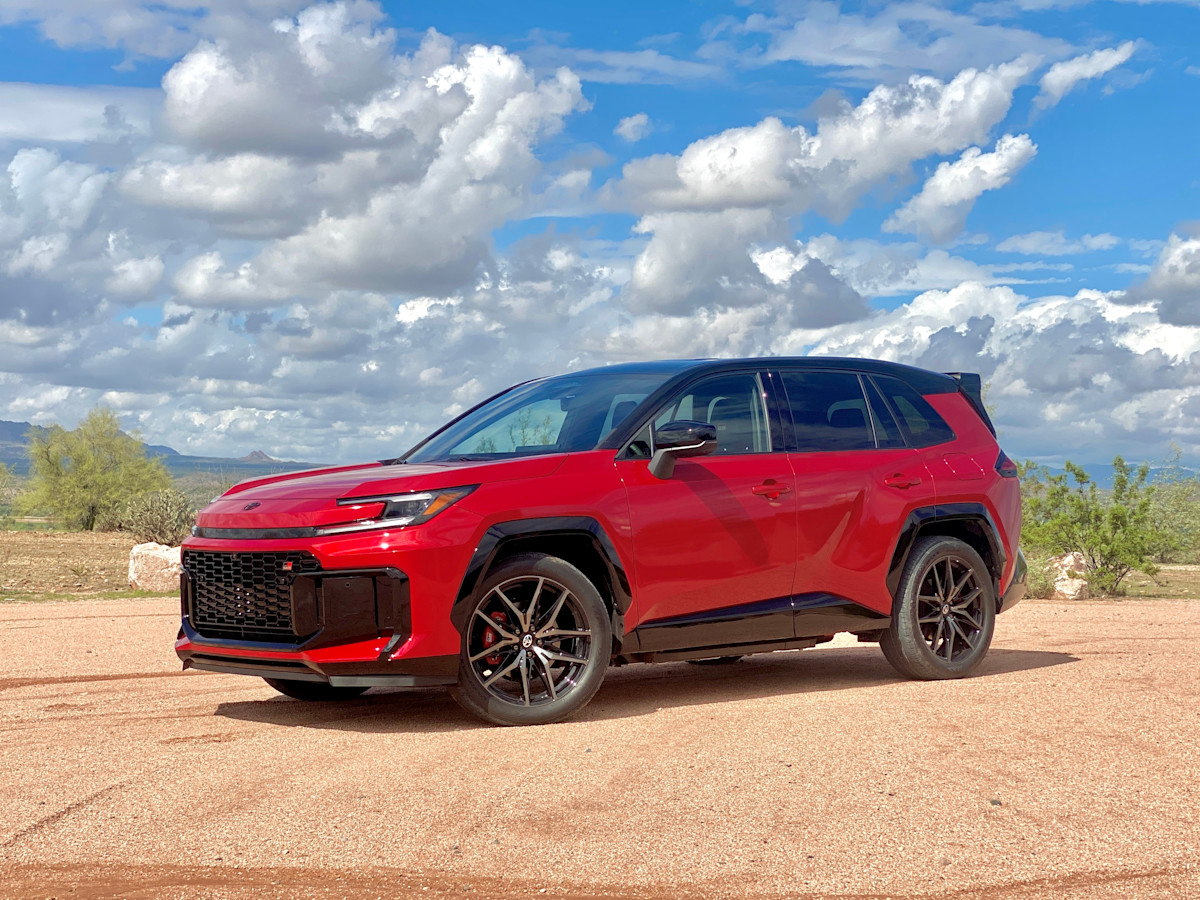
The more powerful RAV4 PHEV is even stronger for 2026, and Toyota has introduced a new GR Sport trim to showcase its sportier side. The expanded lineup has four distinct trims, and the electric range has increased by at least 20% over the 2025 RAV4, so Toyota has furthered its lead over plug-in hybrid newcomers such as the Hyundai Tucson and Kia Sportage—and even the Lexus NX 450h+.
Verdict: This is the best version of the RAV4, though we can’t recommend the slightly sportier GR Sport until we know exactly how much it will cost. With improved tech and a greater focus on electrification, as well as available DC charging (despite the charge ports changing sides between trims), the RAV4 PHEV leans forward.
Dodge Hornet
$29,995
MSRP
Positives
- + Powerful engine options
- + Standard all-wheel drive
- + Impressive technology
Considerations
- - Claustrophobic back seat
- - Not much cargo space
- - R/T trim offers poor value
Summary
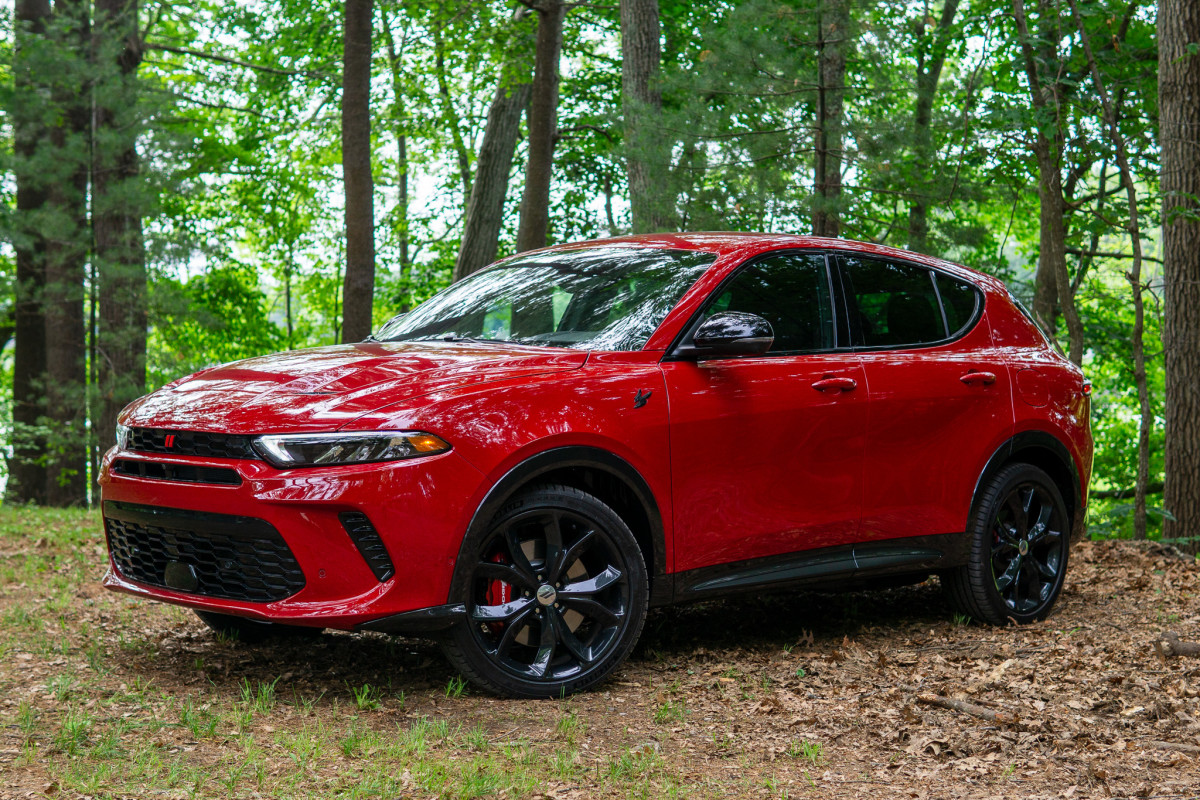
There’s no V8 under the hood of a Dodge Hornet. Instead, this compact crossover (or compact utility vehicle, as Dodge calls it) comes equipped with a four-cylinder engine or, in the case of the 2024 R/T trim, a plug-in hybrid powertrain.
As fuel-efficiency and low-emissions vehicles become more appealing to shoppers, the Hornet represents a major milestone for Dodge. If the company is going to remain relevant in an increasingly eco-conscious marketplace, this little crossover needs to be a hit.
Kia Sorento Hybrid
$38,890
MSRP
Positives
- + Fuel-efficient
- + Stylish design
- + Impressive technology
Considerations
- - All-wheel drive not available
- - Noisy
- - Cramped third row
Summary
Toyota Grand Highlander Hybrid
$45,610
MSRP
Positives
- + Comfortable seats
- + Plenty of cargo space
- + Impressive technology
Considerations
- - Dull to drive
- - Interior materials feel cheap
- - Not a Top Safety Pick
Summary
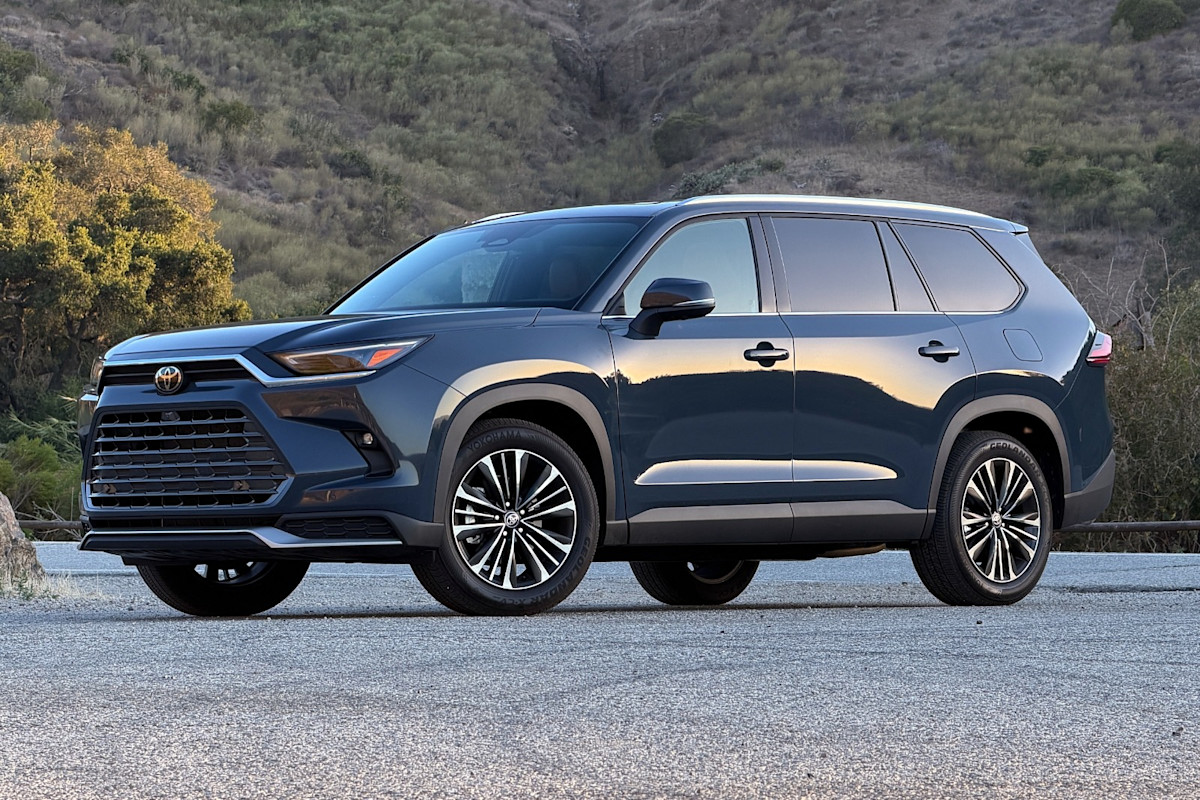
As its name implies, the 2026 Grand Highlander is bigger than the regular Highlander. It’s also just plain huge inside. With three available powertrains and trim levels ranging from budget-friendly to legitimately upscale, there is a Grand Highlander for anyone shopping in the $40,000 to $60,000 range. The current version launched as a 2024 model and carries over essentially unchanged for 2026.
Verdict: Do super-functional appliances that promise to save money in the long run make buyers smile? If they do, drivers will probably be very happy with a 2026 Toyota Grand Highlander.
Kia Niro Hybrid Plug-In
$34,490
MSRP
Positives
- + Stylish design
- + Spacious
- + Great warranty
Considerations
- - Sluggish performance
- - Not much cargo space
- - All-wheel drive not available
Summary
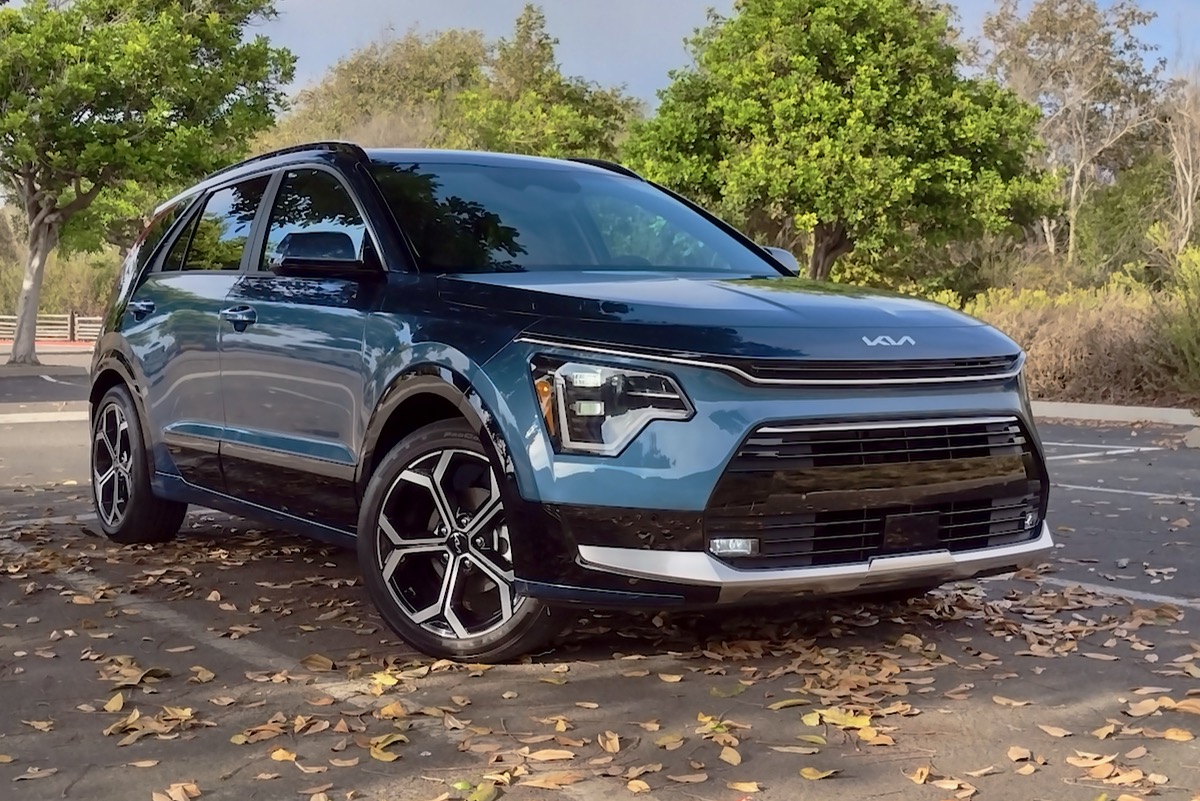
The Kia Niro gets redesigned for 2023 model year, but keeps its trifecta of hybrid, plug-in hybrid, and all-electric powertrains. With the demise of its Hyundai Ioniq (not to be confused with the Ioniq 5) cousin, the Niro is now the only vehicle sold in the United States with those three powertrain options, ranging from a traditional hybrid to a fully electric vehicle.
The second-generation 2023 Kia Niro PHEV plug-in hybrid gets the same updates as its Kia Niro Hybrid and Niro EV siblings (which we’ll cover in separate reviews), including dramatic new styling and a revamped interior, plus more power and electric range than the previous-generation Niro PHEV, which dated back to the 2018 model year.
The plug-in hybrid market has shifted a bit since that first-generation Niro PHEV was launched. That version was considered significant because it wasn’t derived from a non-electrified model, but that no longer seems to be a priority for automakers or customers. Aside from the Toyota Prius Prime, most mainstream plug-in hybrids are now variants of existing crossovers, such as the Ford Escape PHEV, Hyundai Tucson Plug-In Hybrid, Mitsubishi Outlander Plug-In Hybrid, and Toyota RAV4 Prime—as well as Kia’s own Sportage PHEV.
So the question for the 2023 Niro PHEV is, with plug-in hybrid versions of familiar crossover models now available, does a dedicated design still matter?

Lincoln Nautilus
$53,995
MSRP
Positives
- + Buttery smooth ride
- + Quiet, comfortable cabin
- + Bristling with technology
Considerations
- - Sportiness isn’t even a consideration
- - The sheer amount of screen space can be distracting
- - Little power for the money
Summary
Most luxury automakers pursue power and sportiness to go with their vehicles’ luxury. Luxury is Lincoln's only consideration, and the 2026 Nautilus is a perfect example. It offers dashing good looks, smooth power delivery, and a new take on interior technology—but most of all it’s about opulence.
Verdict: The 2026 Lincoln Nautilus is for the buyer for whom comfort, luxury, and technology are more important than outright power and sporty handling. Its take on technology splashes the interior with screens, which some will find overwhelming, but the Nautilus is also roomy, and its hybrid powertrain is the clear choice in the lineup, even though it doesn’t achieve top-notch fuel economy.

Hyundai Tucson Hybrid Plug-In
$40,675
MSRP
Positives
- + Comfortable cabin
- + Impressive technology
- + Competitive base MSRP
Considerations
- - Inefficient in cold weather
- - Potentially polarizing design
Summary
Kia Sorento Plug-In Hybrid
$48,290
MSRP
Positives
- + Stylish design
- + Turbocharged PHEV
- + Impressive technology
Considerations
- - Poor value for money
- - Unimpressive fuel economy
- - Unrefined driver assistance systems
Summary
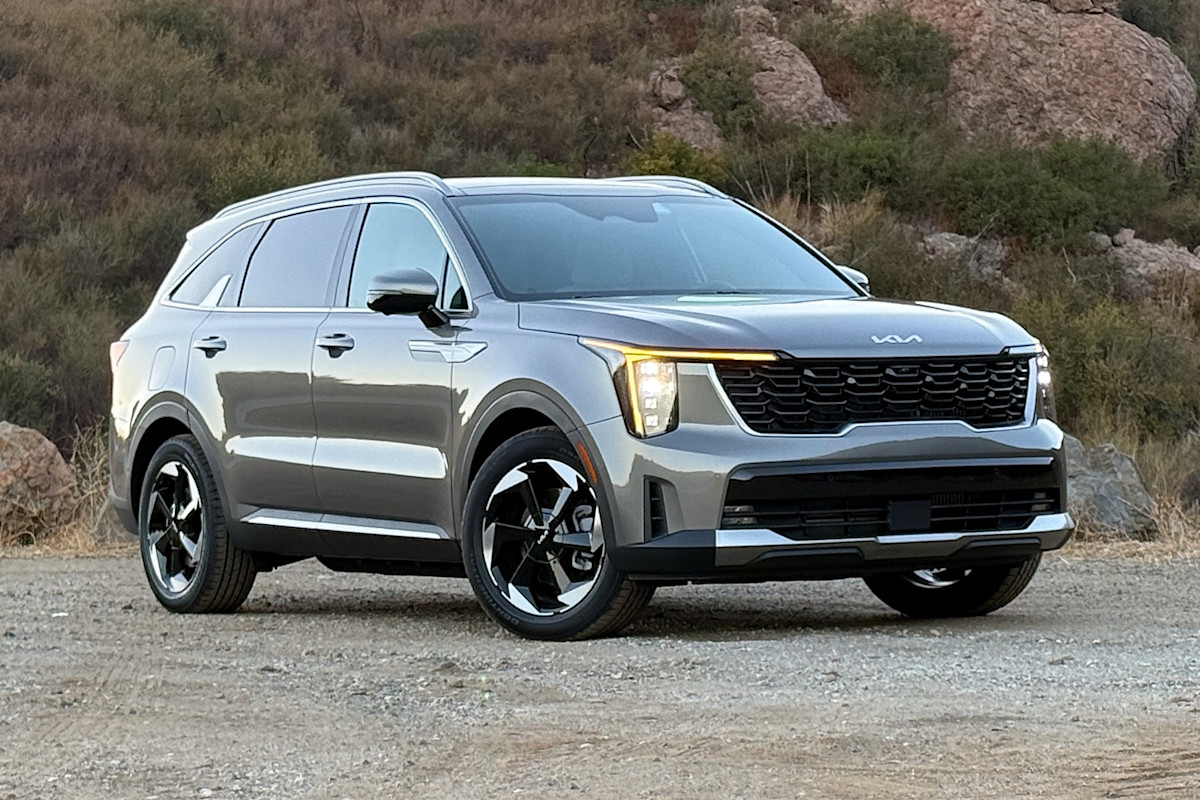
The 2025 Sorento Plug-in Hybrid provides an estimated 31 miles of electric range, enough to cover part or all of a typical commute. That’s also plenty for local errand-running and kid-schlepping. Then, when you need to travel longer distances, a gas engine keeps the party going. And this year, Kia’s midsize three-row PHEV gets a refresh with revised styling, new technology, and more. So, we put it to the test in the Los Angeles suburbs and on a family road trip.
Verdict: Except for its lofty price and lousy value equation, the 2025 Kia Sorento Plug-in Hybrid has few faults. Some of the technology causes aggravation, and we discovered the driver’s seat isn’t comfortable after hours on the road. Otherwise, this PHEV is stylish, practical, and easy to live with.
Kia Sportage Hybrid
$30,490
MSRP
Positives
- + Fuel-efficient
- + Comfortable
- + Premium interior materials
Considerations
- - Fuel efficiency drops with AWD
- - Fairly pedestrian performance
- - Some advanced safety features are not standard
Summary
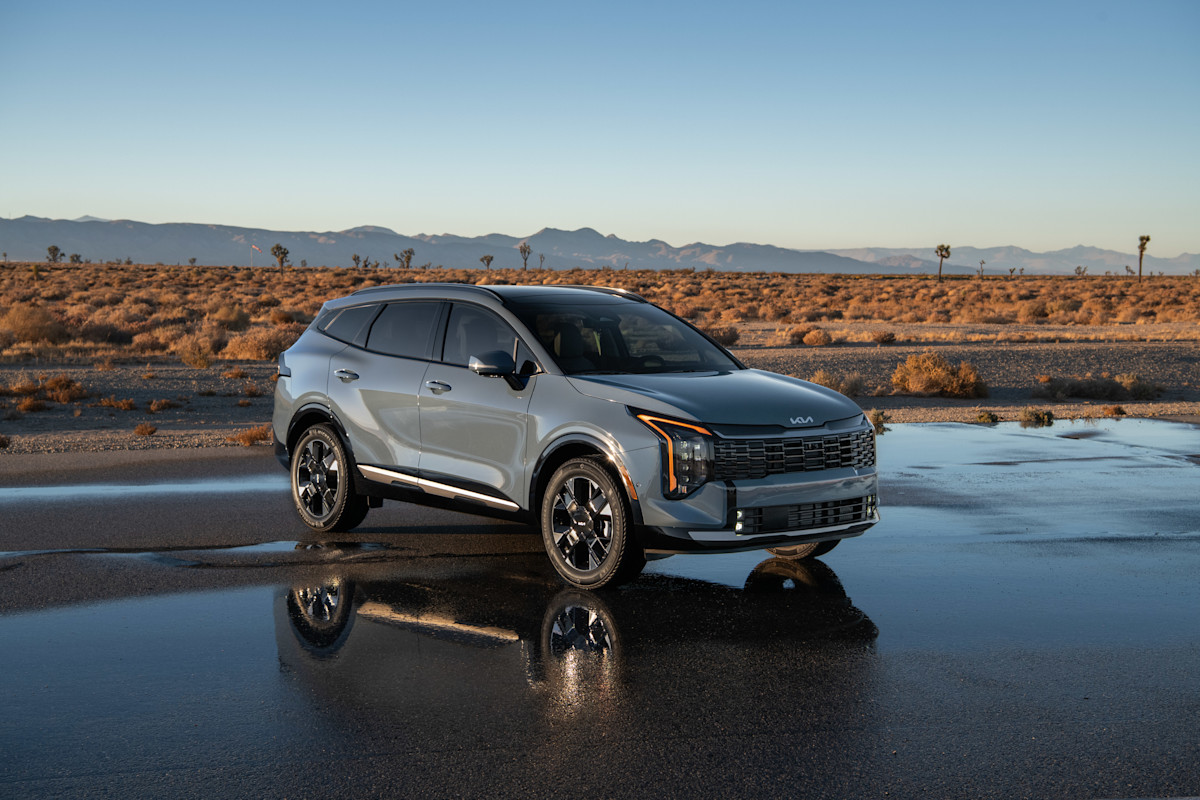
The Sportage is big enough for family use, but not so large that it's unwieldy or difficult to park in the city or in an owner's garage. It's packed with useful technology, and boasts bold styling that stands out in a sea of similarly shaped crossovers. In its hybrid-powered form, it’s also efficient, though its mileage ratings drop dramatically with all-wheel drive (AWD).
Verdict: The 2026 Kia Sportage is sized right in between smaller subcompact and larger compact crossover SUVs, and it strikes an intriguing balance of roominess, comfort and efficiency that ought to win over plenty of American buyers.
Toyota RAV4 Hybrid
$32,850
MSRP
Positives
- + Fuel-efficient
- + Standard all-wheel drive
- + Easy-to-use technology
Considerations
- - Interior isn't as refined as some rivals
- - Smaller-than-average cargo capacity
Summary
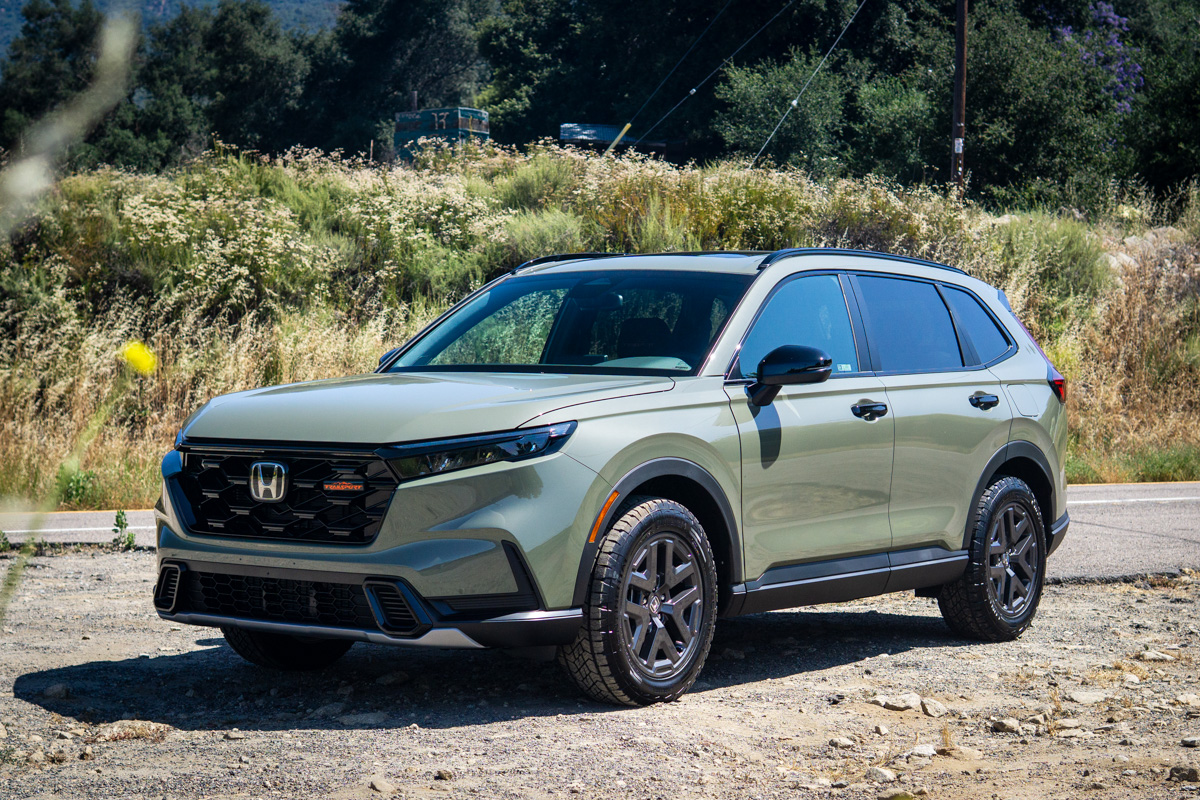
Honda CR-V Hybrid
$35,630
MSRP
Positives
- + Great ride quality
- + Efficient hybrid powertrain
- + Easy-to-use technology
Considerations
- - Underwhelming off-road chops
- - No SiriusXM radio
- - Limited tech features
Summary
Competition amongst small crossover SUVs is fierce. The 2026 Honda CR-V faces off against the Toyota RAV4, Subaru Forester, Hyundai Tucson, and roughly a dozen other strong-selling compact SUVs from nearly every automaker. And, on balance, the Honda CR-V has handled the competition well. With over 400,000 units sold in 2024–more than half of which were CR-V Hybrids–Honda has plenty to feel good about with the CR-V. But while the CR-V has been thriving, Honda has been finding success with another name, too: TrailSport. This year, the two success stories finally met.
Verdict: The CR-V is one of the best compact crossovers on the market, and the hybrid powertrain only makes it better. If adventure and off-road driving are truly in the cards for you, however, the CR-V TrailSport may not be the right choice.
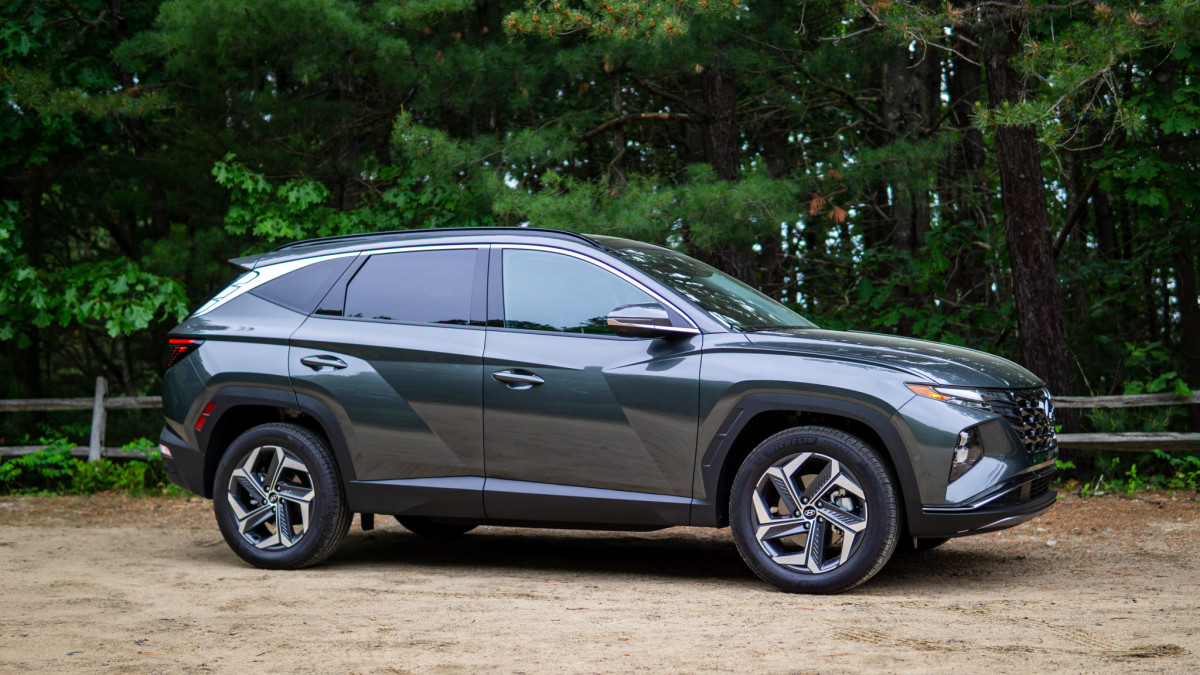
Hyundai Tucson Hybrid
$32,200
MSRP
Positives
- + Fun to drive
- + Plenty of cargo space
- + Standard advanced safety features
Considerations
- - Potentially polarizing design
- - Tech can be frustrating
- - Poor value for money
Summary
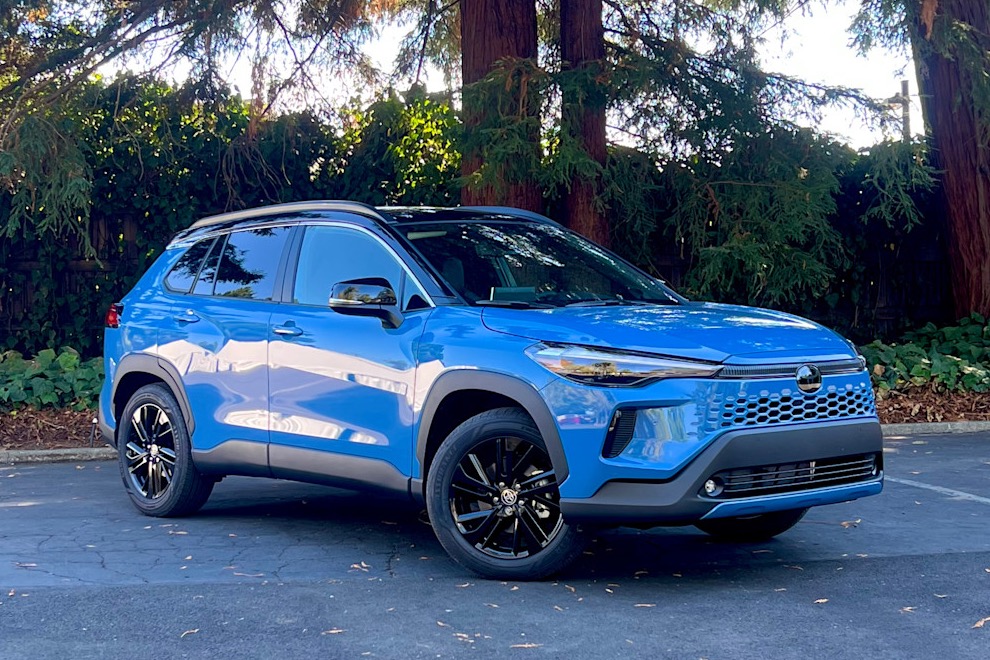
Toyota Corolla Cross Hybrid
$29,795
MSRP
Positives
- + Fuel-efficient
- + Standard all-wheel drive
- + Easy-to-use technology
Considerations
- - Sluggish performance
- - Not much cargo space
- - Noisy engine under acceleration
Summary
If your priority is fuel economy, the lightly refreshed 2026 Toyota Corolla Cross Hybrid is one of the better choices in the small and subcompact SUV class. It's comfortable, easy to drive, and benefits from Toyota's reputation for safety and reliability, but it may leave some drivers wanting more power and excitement.
Verdict: It’s not very exciting to drive, but the Corolla Cross delivers on comfort, safety, and ease of use.
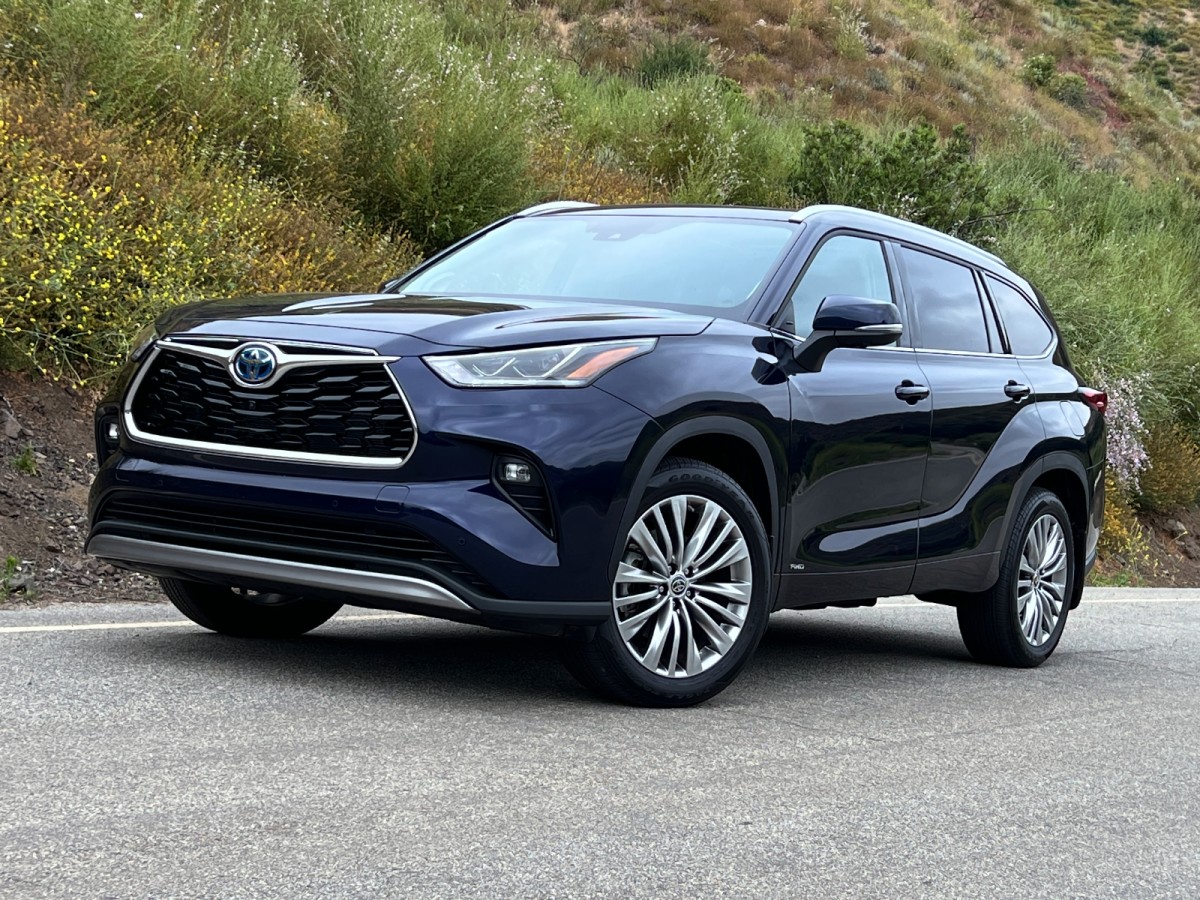
Toyota Highlander Hybrid
$48,020
MSRP
Positives
- + Quiet cabin
- + Standard advanced safety features
- + Great safety ratings
Considerations
- - Fairly pedestrian performance
- - Interior materials feel cheap
- - Cramped third row
Summary
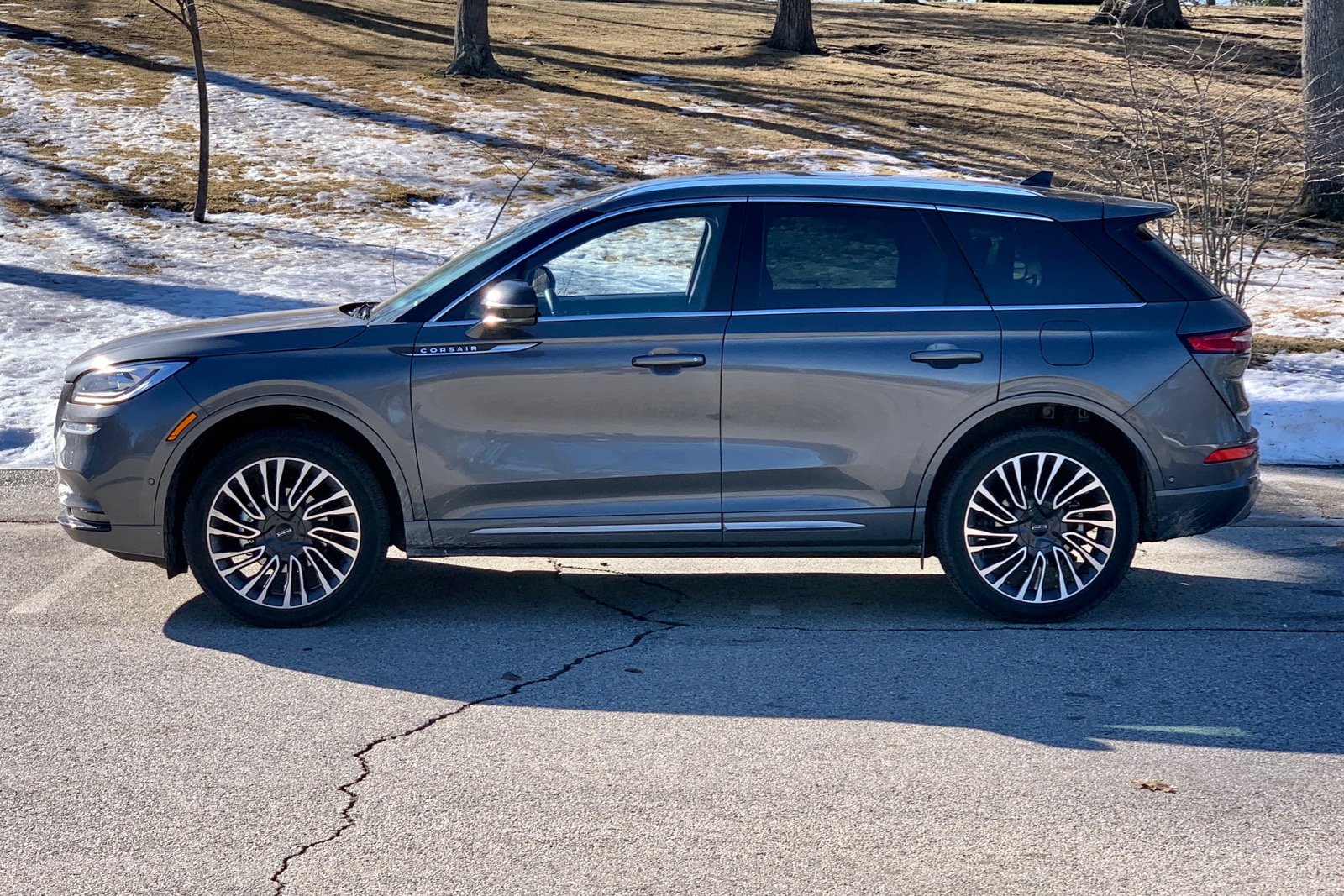
Lincoln Corsair
$39,985
MSRP
Positives
- + Stylish design
- + Premium interior materials
- + Powerful engine
Considerations
- - Sluggish touchscreen response
- - Advanced safety features are not standard
Summary
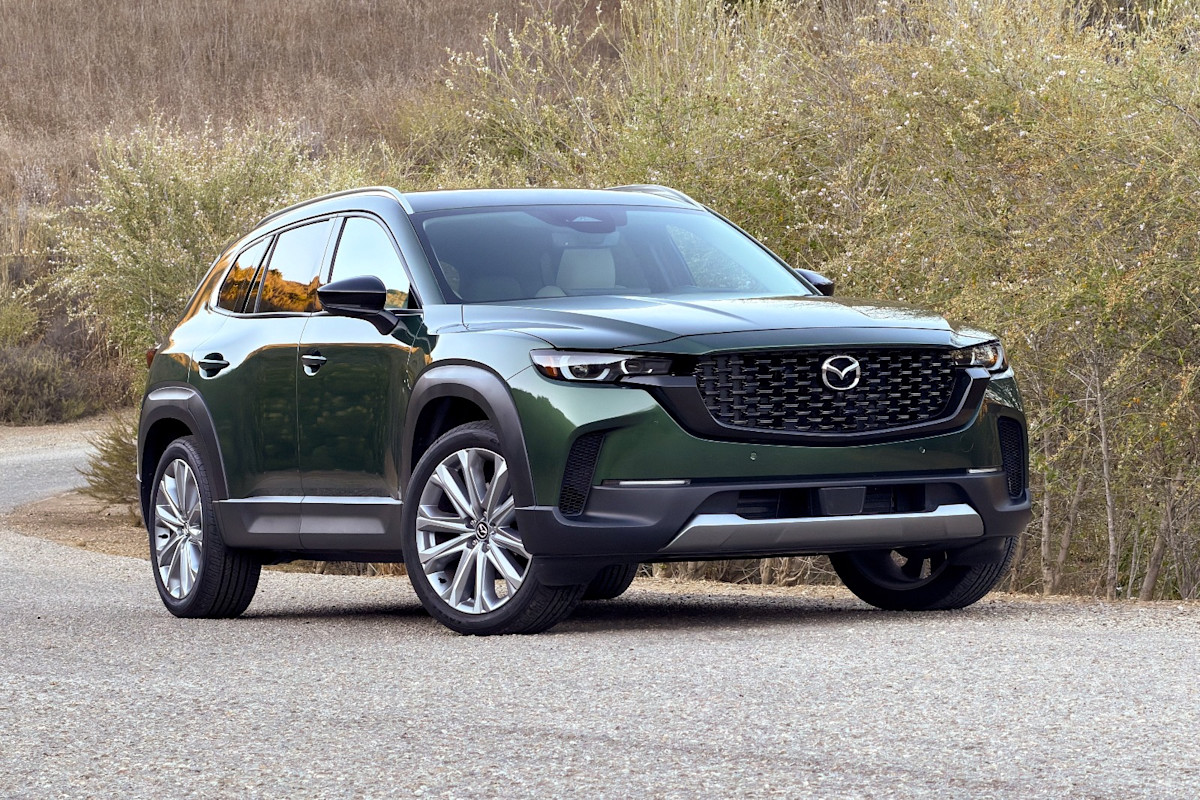
Mazda CX-50
$29,900
MSRP
Positives
- + Stylish design
- + Fun to drive
- + Great safety ratings
Considerations
- - Poor fuel economy (Turbo)
- - Uncomfortable seats
- - Outdated technology
Summary
This compact crossover SUV comes with gas, turbocharged gas, or hybrid powertrains, each paired with standard all-wheel drive (AWD) and each with Mazda's trademark spirited handling. The CX-50 slots into Mazda’s lineup between the CX-30 and the redesigned CX-5, and sees only minor changes for the 2026 model year.
Verdict: Smaller inside than many rivals, the Mazda CX-50 trades outright utility for style, sophistication, and substance. It's safe and fun to drive, but has a stiff ride, firm seats, a thirsty turbo engine, and dissatisfying tech.
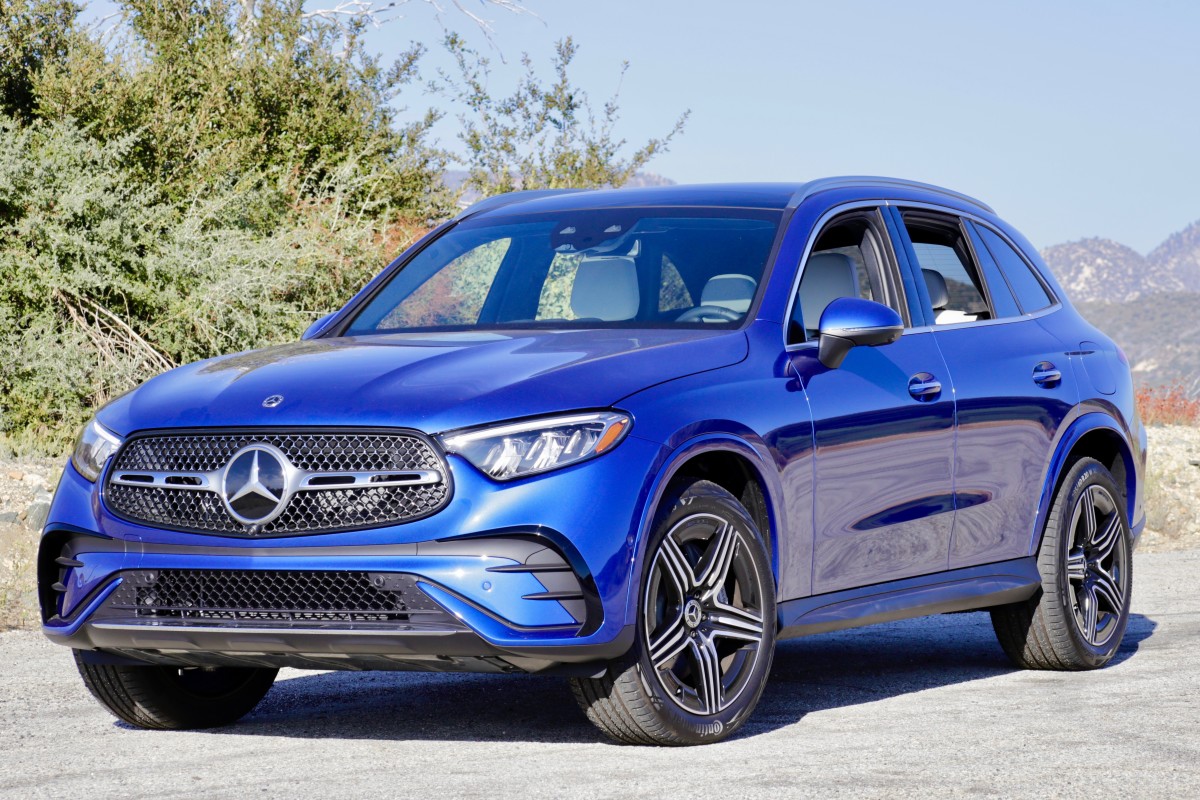
Mercedes-Benz GLC
$49,550
MSRP
Positives
- + Thrifty fuel economy (especially on GLC 350e)
- + Commendable handling and ride quality
- + Good size and cargo room
Considerations
- - Buzzy engine note
- - Tighter backseat area
- - Complicated infotainment
Summary
Mercedes’ handsome compact SUV continues into the 2025 model year with a few revisions and a new plug-in hybrid electric vehicle (PHEV) variant. With just two powertrain options and a simplified array of trims, the GLC shows us that a simple-yet-measured approach makes it a strong candidate up against compact luxury SUVs from Audi, BMW, Genesis, Lexus, Porsche, and Volvo.
Verdict: The 2025 Mercedes-Benz GLC-class is a handsome and compelling new car fit for most duties.
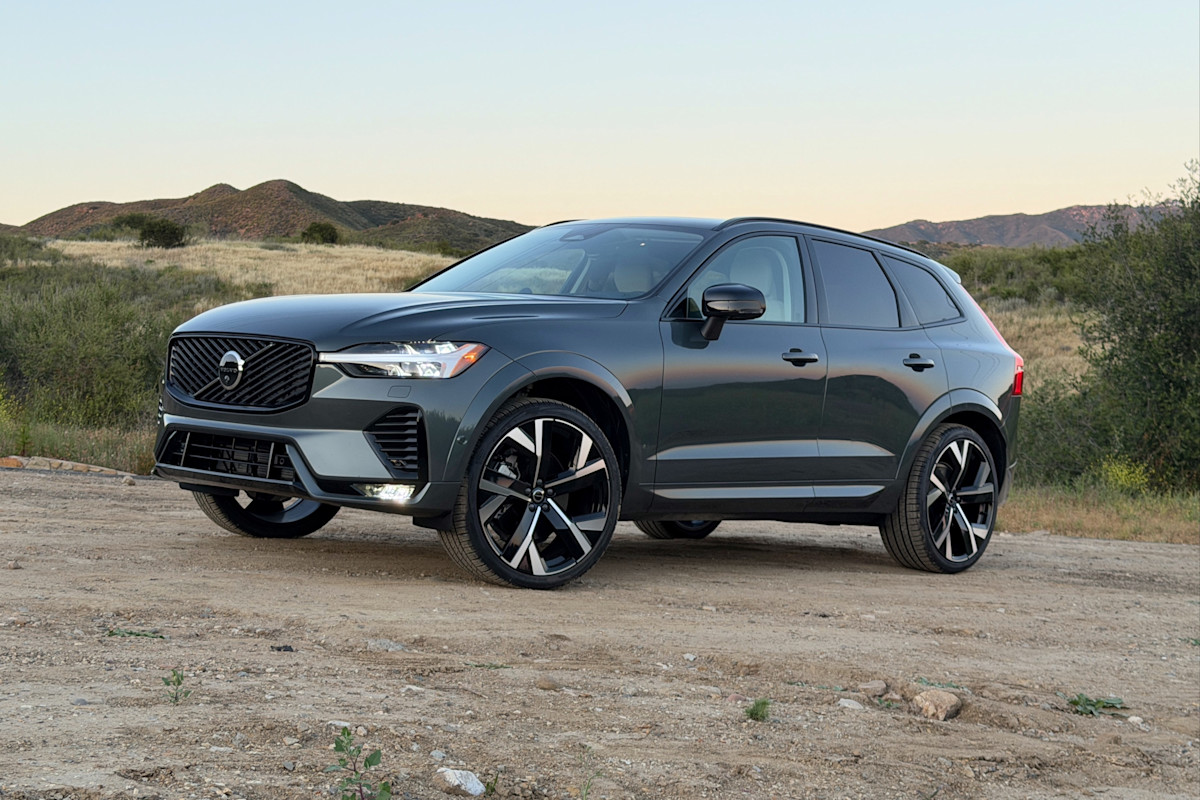
Volvo XC60
$49,700
MSRP
Positives
- + Stylish design
- + Premium interior materials
- + Comfortable seats
Considerations
- - Sluggish performance
- - Poor fuel economy
- - Unimpressive driver assistance tech
Summary
Volvo’s compact crossover SUV is rapidly aging, but buyers would never know when using the new Volvo Car UX infotainment system. Featuring a larger 11.2-inch touchscreen, Google Gemini integration, and an improved user experience, this SUV is technologically up-to-date. Adaptive cruise control is standard this year, and Volvo has also improved the wireless smartphone charger.
Verdict: Are the changes to the 2026 Volvo XC60 enough to keep this compact crossover on shopping lists? Possibly not if safety is a top priority. Otherwise, this Volvo is an undeniably appealing, comfortable, and luxurious choice.


Related Articles
View all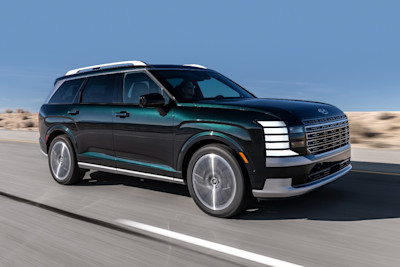
The Best 7-Passenger SUVs of 2026
There are lots of 7-seater SUVs out there, but which are the best? Our expert guide has the lowdown, with full details of the 3-row SUVs you should be considering above all others.
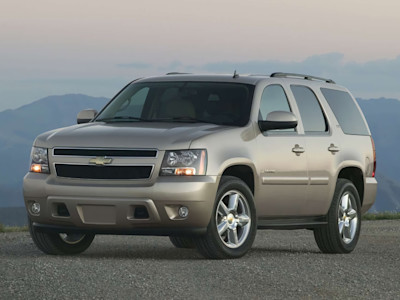
The Best Used SUVs Under $20,000 in 2026
These days you won’t find a mainstream manufacturer without at least one SUV in its lineup. We think for $20,000 you can find a very good one, but which is right for you? We've chosen the used SUVs that should be on your list.
Car prices are going up, but here's why it's good for shoppers
CarGurus now requires dealers to disclose mandatory fees upfront. Learn what "Price includes fees" means, how the new transparency filter works, and why higher listing prices are actually a good thing.

