As the pickup truck has evolved from work tool to daily driver, so has the amount of variations in cabin (cab) size and configurations. There are now myriad cab types on the market, with many auto makers using their own naming strategies for different sizes and door layouts.
In this article we’ll untangle it all, explaining the various truck cab configurations and the pros and cons of each.
Truck Cab Sizes: A Complete Breakdown and Comparison
- What Is a Regular-Cab Pickup?
- What Is an Extended-Cab Pickup?
- What Is a Crew-Cab Pickup?
- What Is an Extended-Crew-Cab Pickup?
- Which Truck Has the Biggest Cab?

What Is a Regular-Cab Pickup?
When you think of an old-school work truck, a regular-cab pickup truck probably springs to mind. Sometimes called a single cab or standard cab, a regular-cab pickup has two side doors and one row of seats, with space for two to three people.
Depending on the make and model, a regular-cab pickup might have seats that tip forward to reveal additional storage space. However, this feature isn’t common in newer trucks. To compensate, many modern regular-cab trucks have a 40/20/40 split front bench where the center section folds down to create an extra storage space or table when the seat’s not in use.
The Pros of a Regular-Cab Pickup
Whether a half-ton, three-quarter-ton, or a one-ton truck, regular-cab pickups are typically the most affordable cab style. They also often have durable interior materials, like rubberized flooring and vinyl upholstery, making them easy to clean and ideally suited for use as work trucks.
A regular-cab pickup is a great option if you need a truck with lots of cargo space. That’s because a smaller cab leaves more room for the truck bed. In fact, many full-size trucks, including the Chevrolet Silverado 1500, GMC Sierra 1500, and Ford F-150, offer their long beds exclusively on their regular-cab models.
The Cons of a Regular-Cab Pickup
While affordability and ease of cleaning might be pros to some, they could be cons to others. Regular-cab pickups are generally cheaper than other cab styles because they don’t offer as much equipment or upscale appointments like leather upholstery.
Interior space is also a drawback of regular-cab pickups. Seating is limited to three, and there’s not much room to store items you don’t want rolling around in the bed.

What Is an Extended-Cab Pickup?
An extended-cab pickup, as the name suggests, has a slightly longer cabin than a regular-cab pickup and most have a second row of seats. Legroom is typically limited in the second-row seats of an extended-cab pickup, and the rear seats are generally not as comfortable as the front seats. Many (but not all) feature four doors that make getting in and out easy, however. Some extended cabs feature four conventional front-hinged doors, with the rear doors generally smaller than the front doors. Others have much smaller, rear-hinged (clamshell) back doors.
Most automakers have specific names for their extended-cab pickups. In the full-size truck segment, General Motors and Toyota refer to their extended-cab trucks as Double Cabs. Ram uses the name Quad Cab for its extended-cab models, while Ford uses the term Super Cab.
In the midsize segment, Nissan uses King Cab to describe its extended-cab Frontier, while the Toyota Tacoma’s extended-cab model is called XtraCab. Notably, the Toyota Tacoma XtraCab is one of the few extended-cab pickups on the market without some form of rear seating.
Though exact specifications vary, you can expect about 33 inches of rear-seat legroom in an extended-cab pickup. For context, a Honda Civic sedan has more than 37 inches of backseat legroom.
The Pros of an Extended-Cab Pickup
Additional interior space, rear seats, and rear doors for easier access are key advantages many extended-cab pickups have compared to their regular-cab counterparts. And while they’re typically more expensive than a regular-cab truck, an extended-cab pickup is usually less expensive to buy than a crew-cab model. Moreover, the added spend compared to a regular-cab truck often nets better equipment and materials.
The Cons of an Extended-Cab Pickup
While many extended-cab pickups have rear seats, they’re typically cramped and not ideally suited for longer journeys. Similarly, while rear doors are a welcome addition, they tend to be shorter than those of a crew-cab pickup, which somewhat limits their functionality. And if your main goal is hauling, an extended-cab pickup may come up short, as not all are offered with the longest bed length.

What Is a Crew-Cab Pickup?
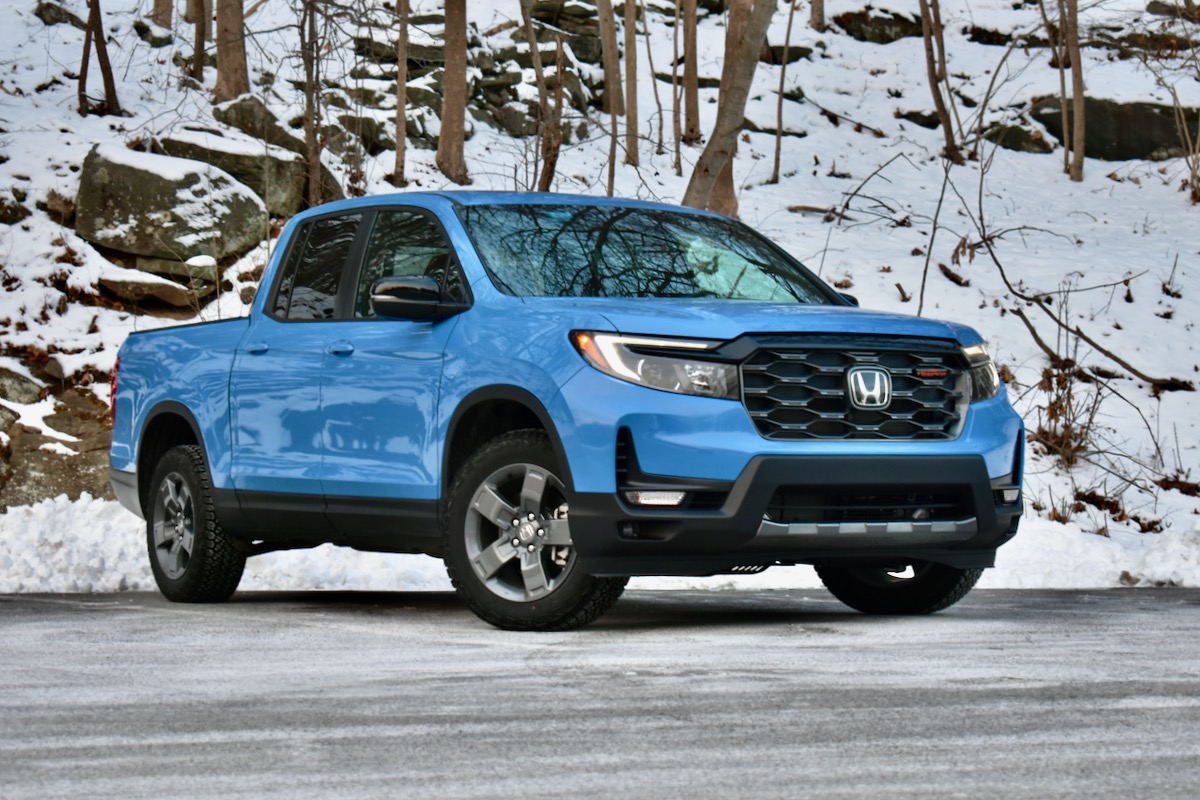
A crew-cab pickup, generally speaking, has full-size rear doors and full-size back seats with good legroom and headroom. With most crew-cab pickup models you get the comfort and passenger space of an SUV, but with a load bed instead of an enclosed trunk. Rear-seat legroom in crew-cab pickups is typically generous, ranging between roughly 42 and 45 inches.
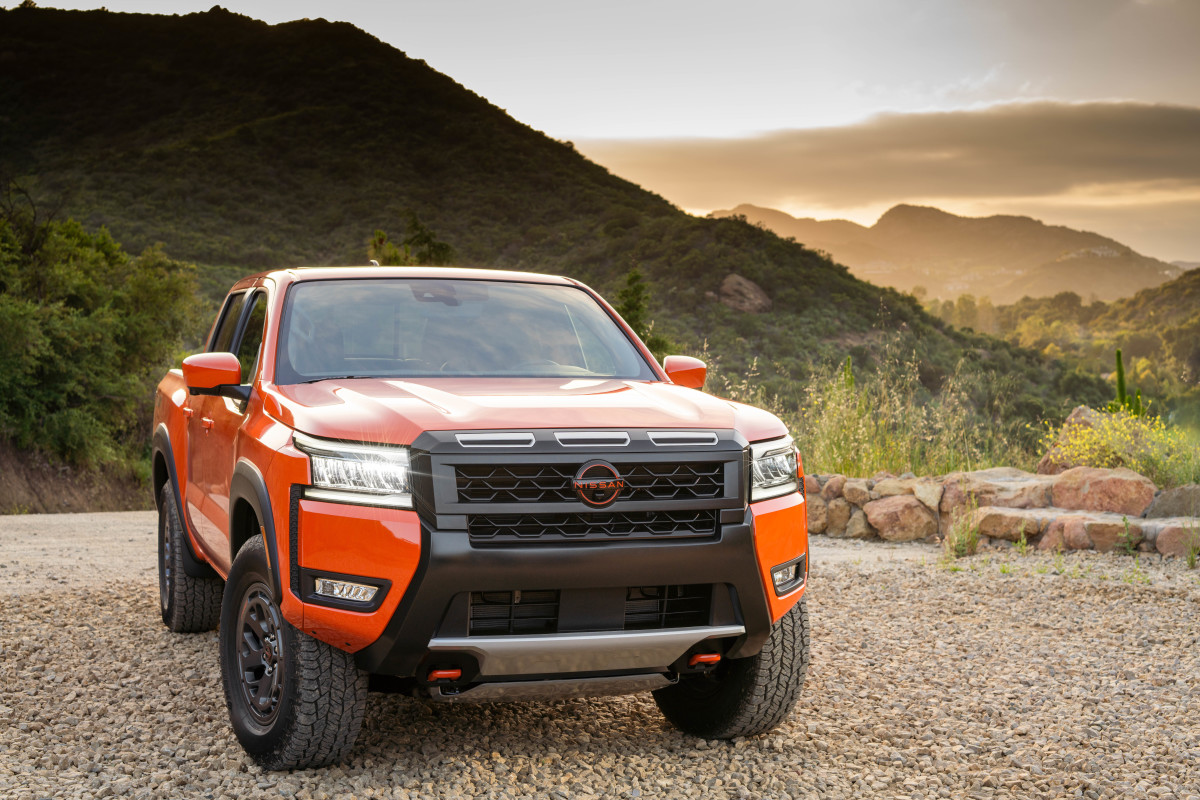
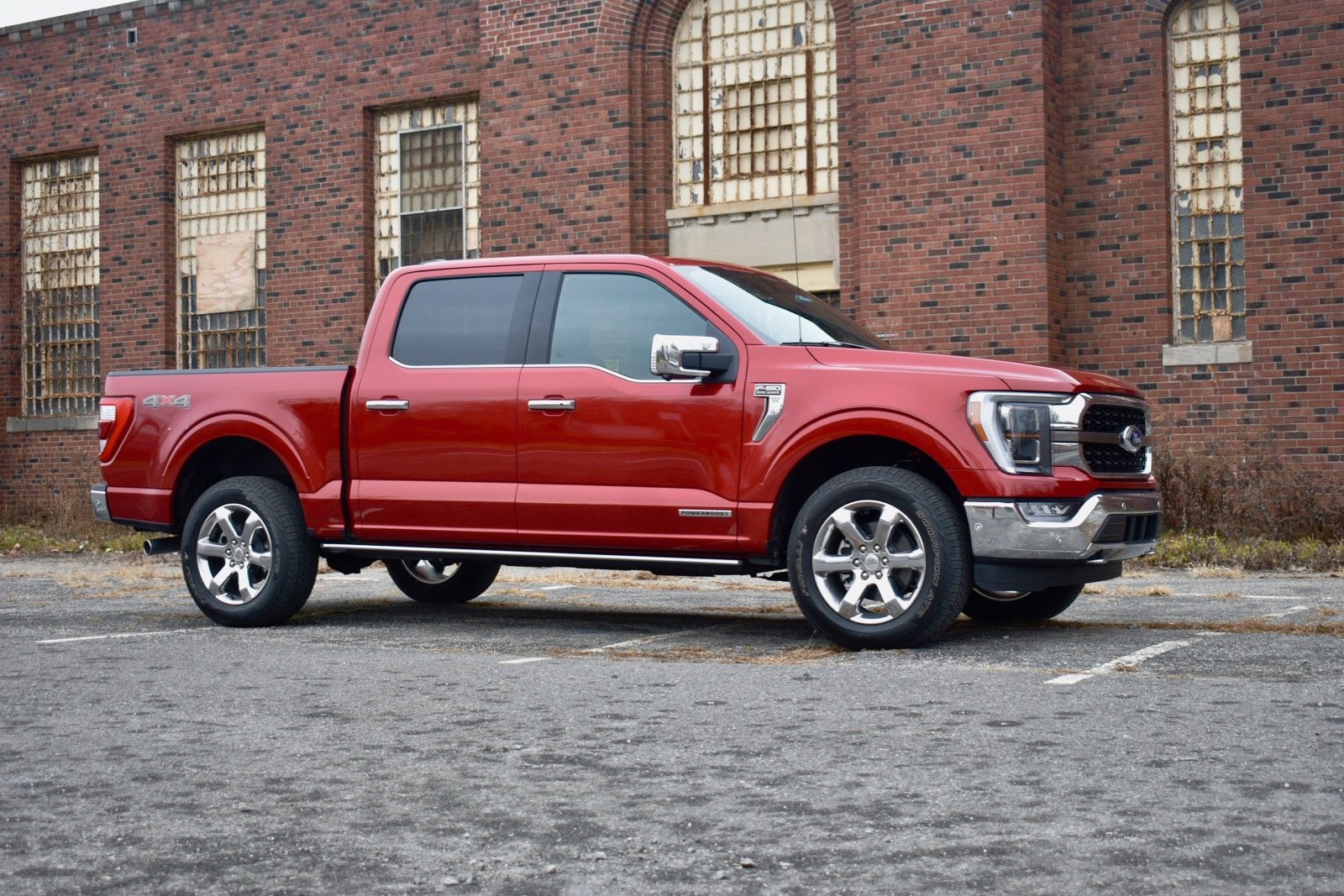
Branding isn’t as creative in the crew-cab segment; Chevrolet, GMC, Ram, and Nissan all use the name Crew Cab for their trucks with full-size rear doors. Ford goes with Super Crew, while Toyota uses a couple of different terms based on the model. The Toyota Tundra’s largest cab configuration is called CrewMax, while the Tacoma goes with Double Cab.
Trucks such as the Ford Ranger, Chevrolet Colorado, and GMC Canyon are sold exclusively in crew-cab form.
The Pros of a Crew-Cab Pickup
Crew cabs offer the most passenger space in the light-duty pickup segment. With four full-size doors and plenty of rear-seat legroom, a crew-cab pickup can easily be used as a daily driver or family hauler. Crew cabs sit at the top of the pickup hierarchy, so they tend to be better equipped and offer more trim options than trucks with smaller cab configurations.
The Cons of a Crew-Cab Pickup
With the passenger compartment occupying a large portion of the vehicle's overall footprint, there’s often less space for the truck bed with a crew cab. Many crew-cab pickups don’t offer an extended bed size, and some even come with a bed that’s less than 6 feet long, limiting their ability to haul larger cargo.
As mentioned above, crew-cab trucks are generally the most well-equipped pickups, but that added luxury usually comes with a higher price tag. Moreover, the added weight of the extra equipment in a crew-cab pickup often results in lower payload capacities than other cab styles.

What Is an Extended-Crew-Cab Pickup?
An extended-crew-cab pickup is precisely what it sounds like — a truck with a crew-cab-style passenger compartment with extra length tacked on. Extended-crew-cab pickups are rare, and there’s only one currently in production. It’s made by Ram and marketed as the Mega Cab.
Available exclusively on Ram 2500 and Ram 3500 heavy-duty models, the Mega Cab is longer than Ram’s Crew Cab. It doesn’t offer a huge increase in rear-seat legroom but the Mega Cab’s rear seats do recline for added comfort.
The Pros of an Extended-Crew-Cab Pickup
The Ram Mega Cab is the only truck in its segment that offers reclining rear seats. In addition to reclining, the rear seats of the Mega Cab also fold forward, revealing extra storage space. And since the Mega Cab is only offered on Ram’s heavy-duty trucks, it's extremely capable.
The Cons of an Extended-Crew-Cab Pickup
Despite its longer passenger compartment, the only extended-crew-cab on the market doesn’t off any more rear-seat legroom than some crew-cab pickup models. Moreover, being based on a heavy-duty truck might make it more challenging to live with on a day-to-day basis. At 249.9 inches in length (when equipped with the 6-foot-4-inch bed size), the Ram 2500 Mega Cab pickup is 17 inches longer than a Ram 1500 Crew Cab, so it’s not going to be easy to park in small spaces. It’s also less maneuverable, with a 25.6-foot turning radius (the crew cab requires just 23.1 feet to complete a full turn).

Which Truck Has the Biggest Cab?
The Ram Mega Cab has the biggest truck cab of all. However, the Mega Cab isn’t the biggest in terms of passenger volume because some of its cabin space is dedicated to behind-the-rear-seat storage.
The physically smaller Ram Crew Cab has the most passenger volume of any truck cab. It boasts 132 cubic feet of passenger volume, edging out the Mega Cab’s 130 cubic feet.