Buying a used car is a big task, with lots of steps between browsing and parking a new-to-you car in your driveway. To ensure you don’t miss anything along your purchasing journey, we’ve created a used car buying checklist to help you tick everything off.
The Ultimate Used Car Buying Checklist
- Budget, Research, Shop
- The Smart Car Buyer’s Used Car Checklist
- Key Areas to Inspect
- How to Test-Drive a Used Car
- Working With Private Sellers
- Pre-Purchase Inspections

Budget, Research, Shop
Setting a budget is a critical step when purchasing a vehicle, regardless of whether it’s a new car or a used car.
When determining your budget, it’s important to consider more than just the vehicle’s sticker price. You should factor the likes of taxes, registration fees, and document charges. We also suggest sticking to the 20/4/10 rule: Choose a vehicle where you can afford to put down 20% of the purchase price, sign up for a loan term of no longer than four years, and ensure your total monthly payment for the vehicle (including the loan payment, car insurance, and fuel) is 10% or less of your monthly take-home pay. For more financial advice, check out our budgeting resource.
With your budget set, it’s time to do your research and shop for the vehicle that best suits your needs.
The Smart Car Buyer’s Used Car Checklist
You’ve scoured the classifieds and found the used vehicle you want, so now what?
The first thing you should check is the vehicle’s history report. Carfax and Autocheck are two of the most popular companies specialising in vehicle history reports. Both should be able to provide important background information about a particular used car via its vehicle identification number (VIN). This includes its title status, collision history, documented mileage from odometer reporting, performed and outstanding safety recalls, and service history. It should be noted that there can be gaps or inaccuracies in vehicle history reports, but they’re still one of the best ways to evaluate a car’s past.
Many dealers provide a vehicle history report free of charge. If yours doesn’t, or if you’re looking to buy a vehicle from a private party, it’s worth purchasing the report if you’re serious about the car, for added peace of mind.

Key Areas to Inspect
In addition to reviewing a used car’s vehicle history report, you should also perform a visual inspection to assess its overall condition. And don’t worry—you don’t have to be a professional mechanic to do this. Key areas to inspect include:
Exterior
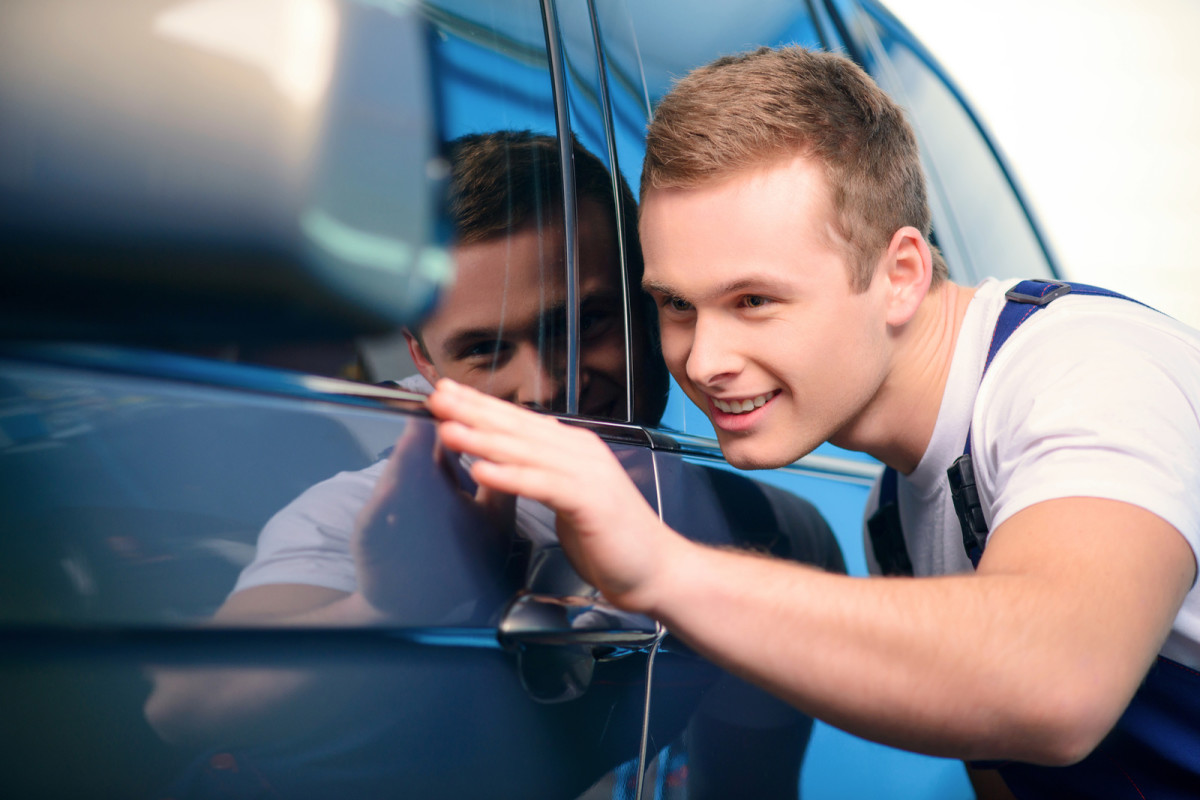
Look over the vehicle’s exterior for cosmetic issues, such as dents in the body panels or faded paint. These items might not impact the car’s functionality, but they can be used as a bargaining chip to negotiate a lower price.
An exterior inspection can also uncover issues that may affect a car’s drivability. If you discover rust, for example, it could indicate that the car’s structure has been compromised. A cracked windshield or a broken brake light are not only safety hazards, but problems that could result in a ticket from law enforcement.
Be sure to check the tires for uneven wear, tread depth, and age. If the tread depth is at 2/32 of an inch or if the tires are more than five years old, they’ll need to be replaced.
Interior
Inspect the interior of the car for excessive wear, particularly in places where heavy use occurs—think seat-bolster upholstery, armrests, carpets, and the like.
Make sure the cabin passes the smell test. Odors (particularly cigarette smoke) can be difficult to remove from a car’s interior, so cars heavy with them are best avoided. Also, a musty smell may indicate previous water damage.
Play around with the features to ensure everything works. Switch on the radio, roll down the windows, open the sunroof, turn on the air conditioning, test the wipers, and try out the power-adjustable seats. If it’s electronic, you should be testing its functionality to avoid headaches down the road.
Under the hood
Pop the hood and check for any obvious problems. Look for the likes of fluid leaks and missing belts or hoses. Check the fluid levels and the dipstick to examine the condition of the engine oil. You should also note the general underhood tidiness as it can be an indication of the previous owner’s care (or lack thereof).
Start the engine and listen for any unusual noises—it should run smoothly without any significant changes in its tone, at least after it’s warmed up. If it's ticking, rattling, or running inconsistently, it could be a sign of a significant problem.
How to Test-Drive a Used Car
Taking a test drive is a critical step in the car-buying process. To help you get the most out of your time behind the wheel, we’ve compiled a list of five things to do when test-driving a used car.
Generally speaking, though, you should use the test drive to get a good feel for how the car drives and make sure it meets or exceeds your expectations. You should also be on the lookout for any potential problems. Listen for squeaks and rattles, ensure the brake pedal doesn’t feel soft or spongy when depressed, and pay attention to any shakes or vibrations coming through the steering wheel. And obviously, take note of any warning lights on the dashboard as well as the temperature gauge. If the latter goes into a red range, the car is overheating, which may mean there's an issue with the radiator or head gasket (assuming you're test-driving an internal-combustion car).
Working With Private Sellers
Working with a private seller rather than a dealership can have its benefits, as long as you know the right questions to ask.
Take advantage of the fact that you’re talking with the car’s owner, who, unlike a dealership, is intimately aware of the vehicle's history and condition. Ask how long they’ve owned it, why they’re selling it, if there are any current needs or issues, and if any major repairs have been carried out under their stewardship. Also inquire about the vehicle’s warranty and whether its transferable.
Ask for all the service records and receipts the private seller has and make sure maintenance was performed in accordance with the owner’s manual schedule. If the owner tells you they don’t have a service log, that’s a red flag.
Pre-Purchase Inspections
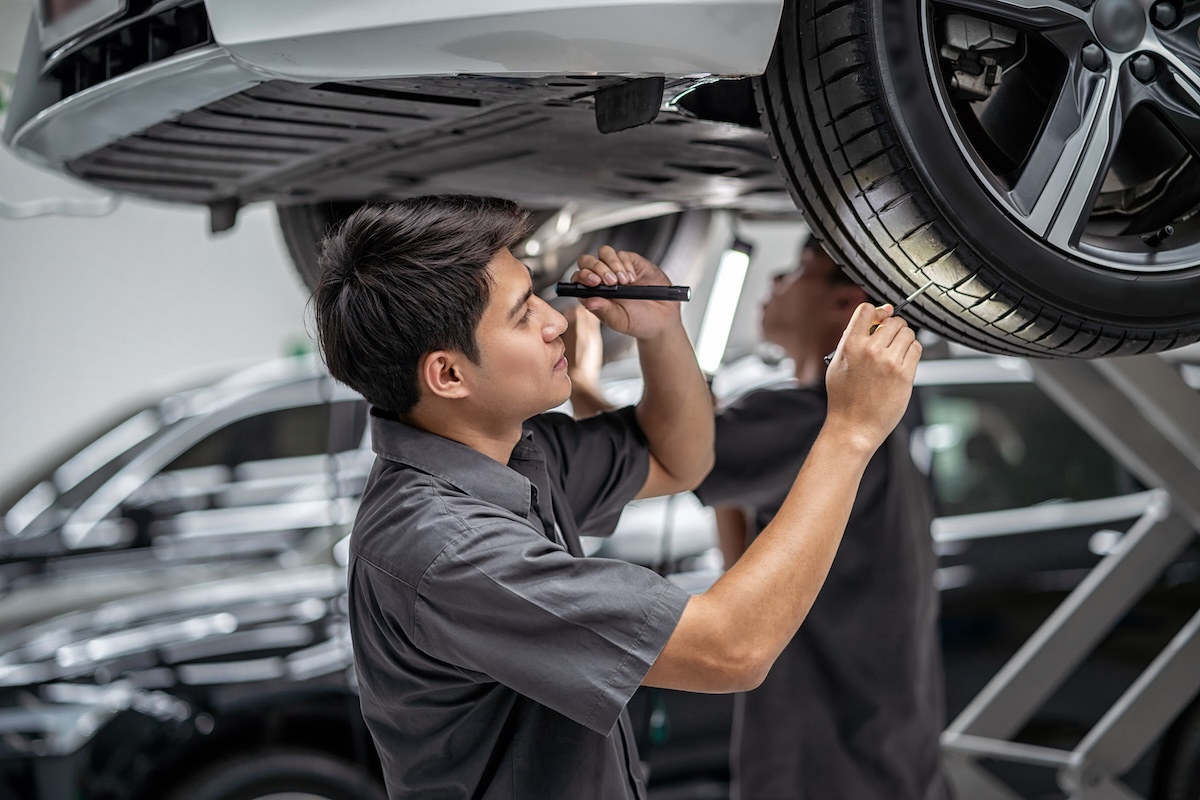
Even if a vehicle has a clean history report and passes your visual inspection, obtaining a pre-purchase inspection (PPI) performed by a qualified mechanic is a smart idea.
A service offered by many repair shops, a PPI can reveal evidence of an unreported crash or components that are in need of repair or replacement. The technician will execute their own used car inspection checklist, which should include verifying the condition of the car’s coolant, transmission fluid, brake fluid, and engine oil, as well as checking for any corrosion underneath the body. A PPI typically costs a few hundred dollars, but that’s a small price to pay to avoid significant repair bills down the line.