Buying a new car is exciting, but the warranty coverage you get with a new vehicle varies from brand to brand. The best warranties will give you real peace of mind and could help avoid costly car repair costs, so whether you’re shopping at a dealership or browsing online, understanding the warranty cover on a car you’re interested in could influence your car-buying decision.
Some warranty packages include extra protection plans, roadside assistance, routine maintenance, and extended powertrain coverage, while others stick to the basics. Either way, it pays to be aware of the fine print, and any mileage limits or exclusions.
To help you, we’ve crunched the data to come up with a list of the best new car warranties for 2025.
The Best New Car Warranties in 2025
- Methodology
- 1. Genesis
- 2. Hyundai
- 3. Kia
- 4. Mitsubishi
- 5. Lexus
- Comprehensive vs Powertrain Warranties
- EV Battery Warranties
- Is It Worth Getting an Extended Car Warranty?
Methodology
We evaluated more than two dozen new vehicle warranties from different car manufacturers using a weighted formula that scores:
- Basic warranty period and mileage limits
- Powertrain warranty years and mileage limits
- Extras like roadside assistance, free maintenance, EV battery protection, or second-owner transferability
Here are the top five warranty providers, all of which combine strong coverage with meaningful ownership benefits.

1. Genesis
Genesis, Hyundai’s luxury division, sets the gold standard for warranties. Every new car comes with 5 years/60,000 miles of comprehensive coverage, a 10-year/100,000-mile powertrain warranty, a 10-year/100,000-mile battery warranty for EVs, plus valet service, scheduled maintenance, and a concierge team. It’s a full-service ownership experience.
2. Hyundai
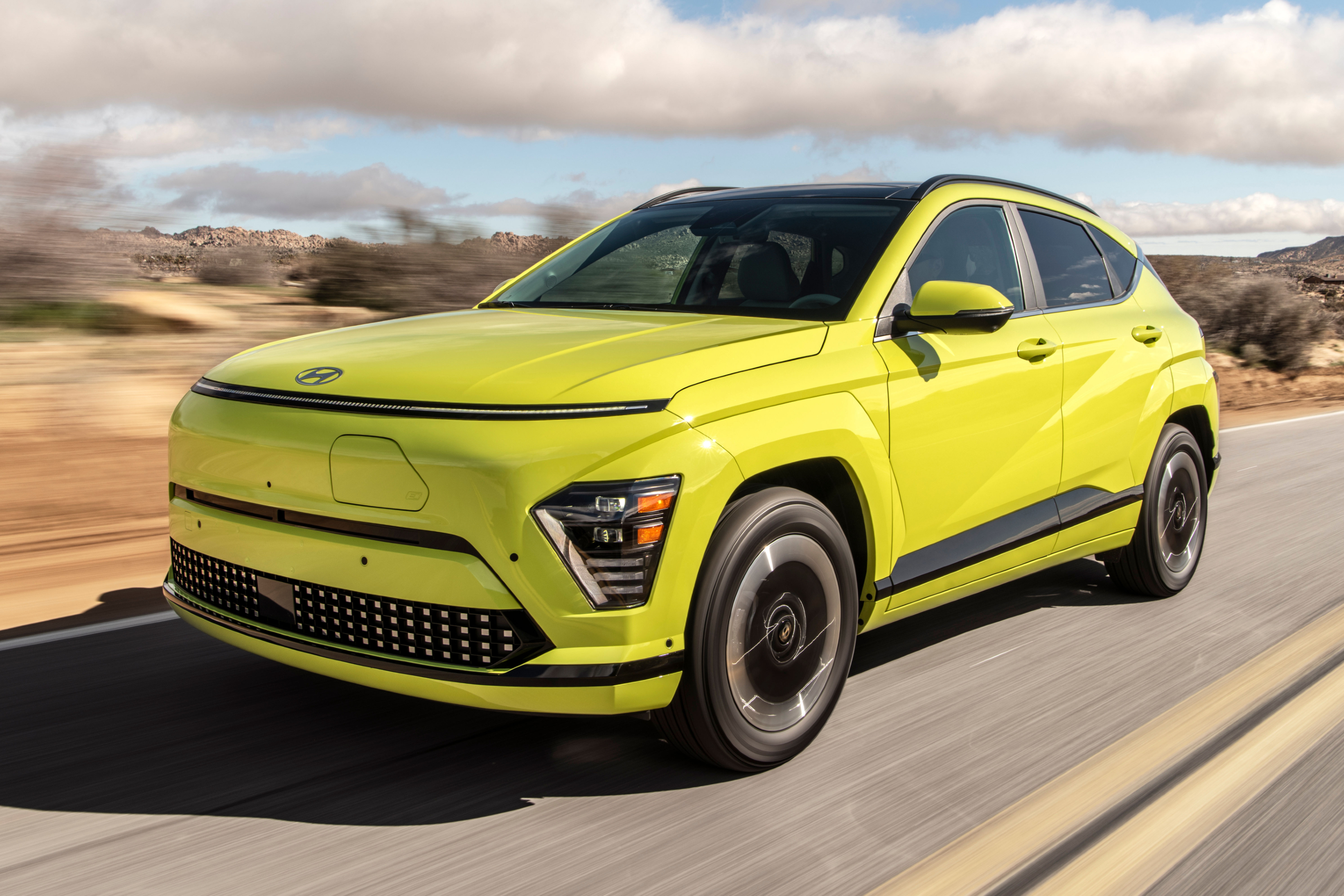
Hyundai sets the benchmark for mainstream automakers. Its factory warranty includes 5 years/60,000 miles of bumper-to-bumper coverage and a 10-year/100,000-mile powertrain warranty. Extras include unlimited roadside assistance for 5 years, a 7-year corrosion warranty, and 3 years of complimentary oil changes and routine maintenance on select models.
While the original warranty doesn’t fully transfer to second owners unless it’s a certified used car, Hyundai’s program still exceeds expectations in the automotive market. Just note that most wear-and-tear items aren’t included, and Hyundai’s Complimentary Maintenance Program doesn’t cover every routine service. Additionally, Hyundai offers a 10-year/100,000-mile warranty on hybrid and electric vehicle batteries.

3. Kia
Kia is part of the Hyundai Motor Group, so it’s no surprise that offers similar warranty coverage. In most respects Kia’s new car warranty matches Hyundai, with a 5-year/60,000-mile bumper-to-bumper warranty and 10-year/100,000-mile powertrain coverage. It also offers the same 10-year/100,000-mile warranty on EV batteries. Additionally, Kia provides trip interruption coverage and rental car reimbursement.
Kia lacks the same complimentary maintenance and premium perks as its sister brands, placing it just behind Genesis and Hyundai.

4. Mitsubishi
Mitsubishi’s auto warranty may not be widely known, but it competes with the best. It offers 5-year/60,000-mile bumper-to-bumper coverage, 10-year/100,000-mile powertrain warranty, 5 years of unlimited roadside assistance, and a 7-year corrosion warranty.
Plug-in hybrids like the Outlander PHEV are covered for 10 years/100,000 miles on battery and hybrid components — ideal for high-mileage drivers. It’s also one of the few brands that’s competitive with both luxury and aftermarket plans, making it a standout among 2025’s best warranty options.
Search Mitsubishi Cars for Sale

5. Lexus
Lexus doesn’t lead in terms of raw numbers, but its warranty is strong where it counts. You get 4 years/50,000 miles of basic coverage and 6 years/70,000 miles of powertrain protection, outperforming other luxury brands like BMW and Audi.
Lexus hybrids often include 8-year/100,000-mile battery warranties. Add roadside assistance, loaner vehicles, and complimentary service visits, and you’ve got a strong leader for luxury ownership. Through its L/Certified program, Lexus also offers one of the best Certified Pre-Owned (CPO) used car warranties: 2 years of unlimited mileage coverage on top of existing protection.

Comprehensive vs Powertrain Warranties
A bumper-to-bumper warranty (or basic warranty) covers most components on a new car — infotainment, suspension, climate systems — but normally not wear-and-tear items like wiper blades, brake pads, or oil changes.
A powertrain warranty focuses on the engine, transmission, and drivetrain. Coverage varies by automaker, so always read the fine print and ask questions. Powertrain coverage typically lasts longer but comes with a narrower safety net.
EV Battery Warranties
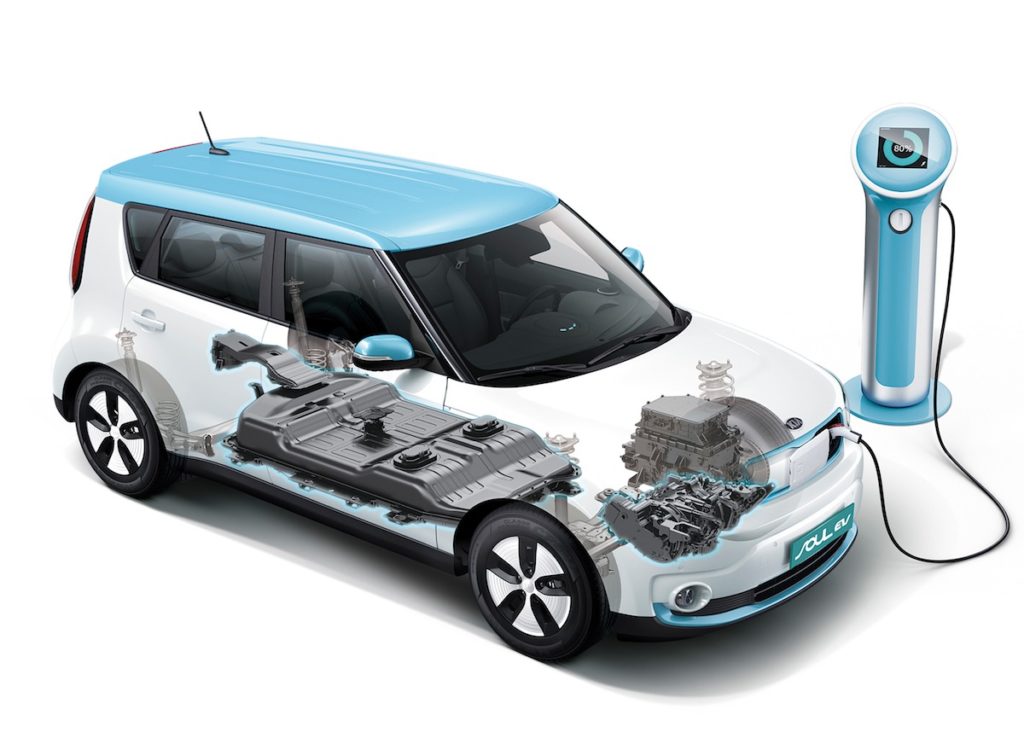
EV battery warranty plans are a critical piece of coverage for emissions-free or lower-emission vehicles. Federal law mandates a warranty coverage of 8 years/100,000 miles for batteries and an 8-year/80,000-mile warranty on high-voltage components for plug-in hybrid electric vehicles (PHEVs).
Even with these regulations, many automakers go further. For example, post-2020 Toyota hybrids offer 10-year/150,000-mile battery warranties. Tesla, Rivian, and Lucid also guarantee 70% minimum battery capacity retention over time. Before you buy, confirm whether your vehicle service contract includes battery and hybrid systems — these vary by car warranty company.

Is It Worth Getting an Extended Car Warranty?
Most new cars come with a manufacturer’s warranty. After it expires, some car owners choose to take out extended warranties sold by warranty companies, car dealerships, or insurance companies. These plans cover mechanical breakdowns, certain covered repairs, and sometimes perks like towing or your choice of repair shop.
Not all extended warranty companies are equal. Some offer flexible monthly payments and deductible options, while others impose exclusions or restrict service locations. Extended warranties can provide peace of mind, especially if you're keeping the car long-term or buying a used car. For many, the added vehicle protection is worth the extra warranty cost — just be sure to read the terms.
For help deciding, check out the CarGurus guide to extended warranties.