If you are planning to sell your car in Virginia, you may find yourself confused about how to legally do so. Here’s what you need to know about the selling process for a used car in Virginia.
How To Sell Your Car in Virginia
- Collect Your Required Paperwork
- Consider Selling on CarGurus
- Transfer the Title
- Remove Your License Plates
- Notify the DMV
- Update Your Insurance

Collect Your Required Paperwork
The first thing you will need to do is find your Virginia vehicle title. This document indicates who the vehicle’s owner is. If a lienholder is listed, you should contact your lender for their specific payoff and transfer instructions, as these will vary across different banks or credit unions.
On the front of the title, locate Section A. There, you will need to print and sign your name in ink. If more than one person is listed on the title — a spouse, for instance — they too will need to sign it. Then, fill out the current odometer reading on the vehicle, the date of the sale, and the purchase price for the new owner.
The new owner will need to sign their portion of the car title, too.
If the vehicle is over five years old, both parties must fill out form SUT 1, the Vehicle Price Certification. This form acts like a bill of sale, allowing the DMV to calculate registration fees accordingly. The DMV will calculate registration fees for new vehicles regardless of the sale price.
All cars in Virginia must pass an annual safety inspection, and vehicles kept in select Northern Virginia cities and counties, like Arlington, need to pass an emissions inspection every two years if the vehicle is at least four years old. The Virginia Department of Motor Vehicles (DMV) does not specify who is responsible for getting a new safety or emission inspection performed in a private sale. However, performing these tasks as the seller can make the vehicle’s potential buyer feel more confident about the car’s value when they come for a test drive.

Consider Selling on CarGurus
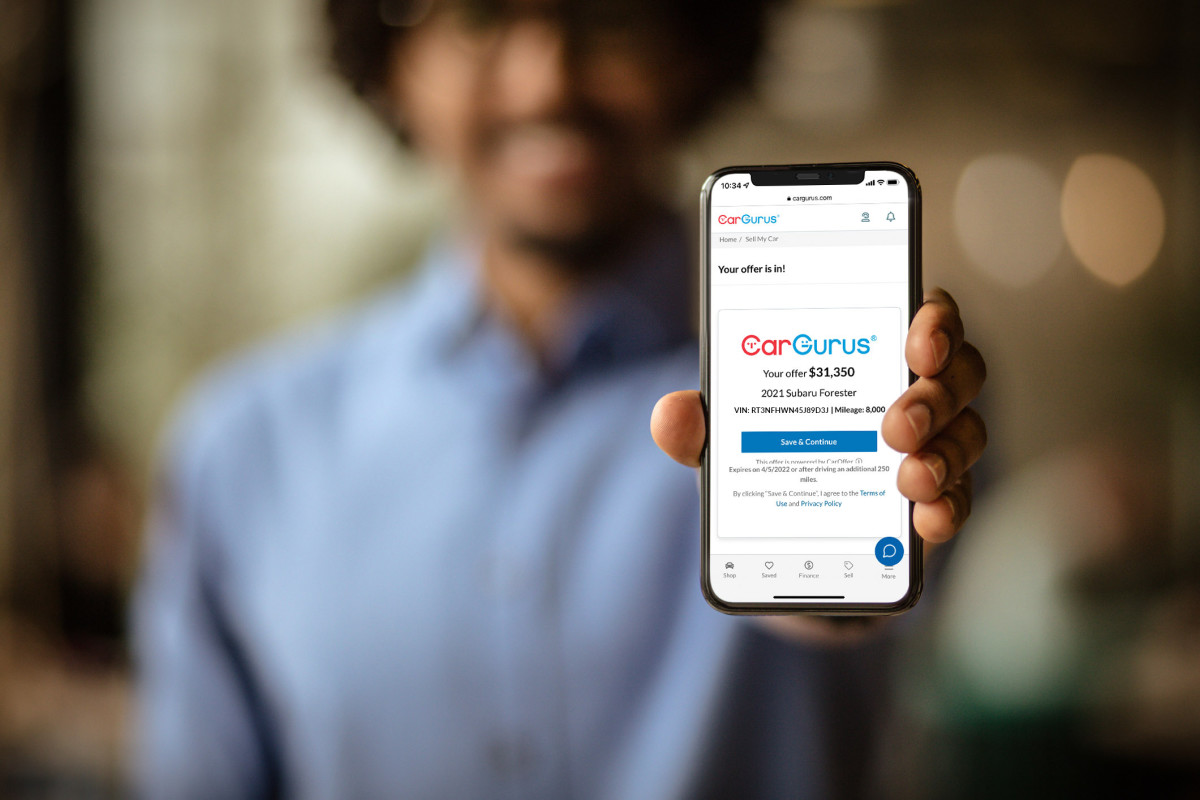
CarGurus makes it easy to sell your car in Virginia without the hassle. You need only provide some basic information like vehicle history, condition, and other details about your vehicle. After submitting these details, you’ll receive up to five offers from our local dealer partners. If you don’t want to sell it immediately, you can subscribe to a CarGurus value tracker that will update you on your car’s approximate worth once a month via email. Or if you do choose to go ahead, we'll put you in touch with the dealership who will appraise your car and finalize the sale.

Transfer the Title
The vehicle’s new owner will fill out form VSA 17A, the Virginia Application for Certificate of Title and Registration. This legal document asks for basic information about who owns the vehicle, where they will garage it (even if it won’t technically be parked in a garage), and how much the purchase price was for the new owner. The DMV will use this information to calculate sales tax and registration fees and determine whether an emissions inspection needs to be performed.
Remove Your License Plates
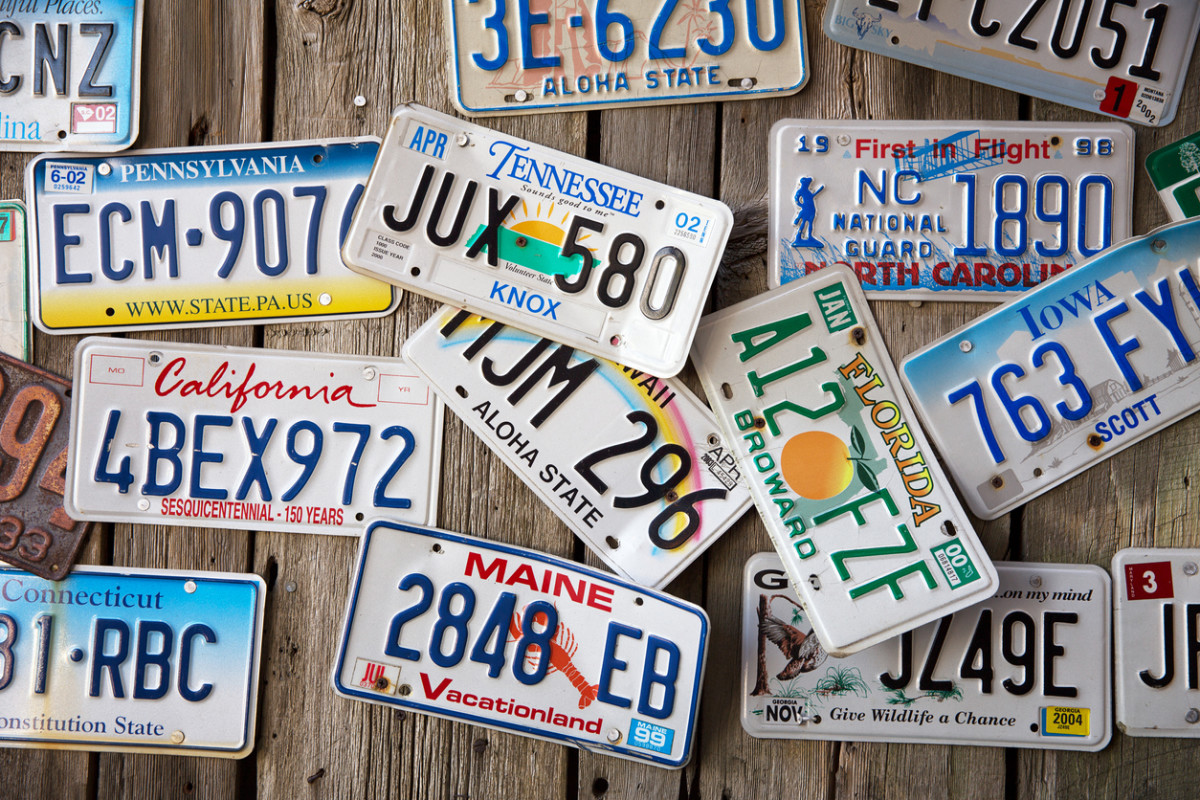
Your license plates belong to you. If you are buying a new vehicle, you may be able to transfer the old license plates to the new one. If not, you should turn them in to the DMV. If you have at least six months of registration left on the vehicle, you can complete form FMS-210, otherwise known as the Application for Vehicle Registration Refund Form. You can either mail the form and your plates to the DMV or visit a DMV branch.

Notify the DMV
The Virginia DMV also asks that you notify them when you sell the vehicle. If you do not notify the DMV, they will assume that the vehicle registration is still in your name. This way, they can be certain that you are no longer legally responsible for any emissions inspections, parking tickets, or other violations the vehicle might incur.

Update Your Insurance
Once the vehicle has been sold to a new owner, you should contact your insurer to ask them to remove the vehicle from your policy. If you are buying a new car, you can typically add it at this time.
Some insurers will allow you to remove and add vehicles online, while others may ask you to contact your insurance agent or broker.