It’s hard to hear the term commuter car and not think of very plain-looking and barely appointed sedans and SUVs that have one simple, distinct goal: Drive from point A to point B. In a word? Uninspiring. But it doesn’t have to be that way. In fact, America’s new car market proves that there are some truly great commuter cars out there that put that old stereotype to bed and offer some of the best all-around versatility in such fare, ever.
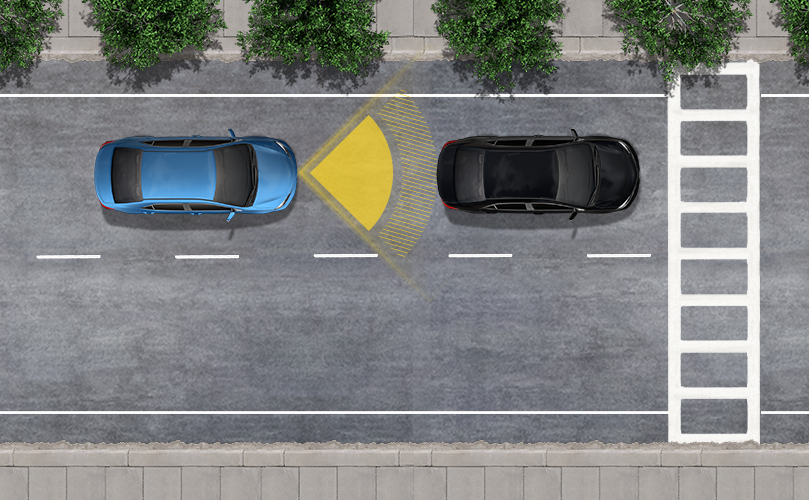
There are a lot to choose from, too. That’s why we’ve compiled a list of cars that provide the best available comfort, efficiency, and technology for their respective classes and pricing. Many even possess such advanced safety features as automatic emergency braking, forward collision warning, and lane-keep assist to offer solid peace of mind during your everyday commute. Whether you're looking for a fuel-sipping hybrid, a practical SUV, or a fun-to-drive sedan, there's a model that can turn your daily drive from a chore into a pleasure.
Let’s take a look at 10 of the best worth checking out the next time you start perusing dealership lots.
What Makes CarGurus Best Cars Guides Different
The Best Cars for Commuting in 2026
FAQs
Shopping Tools
Related Topics
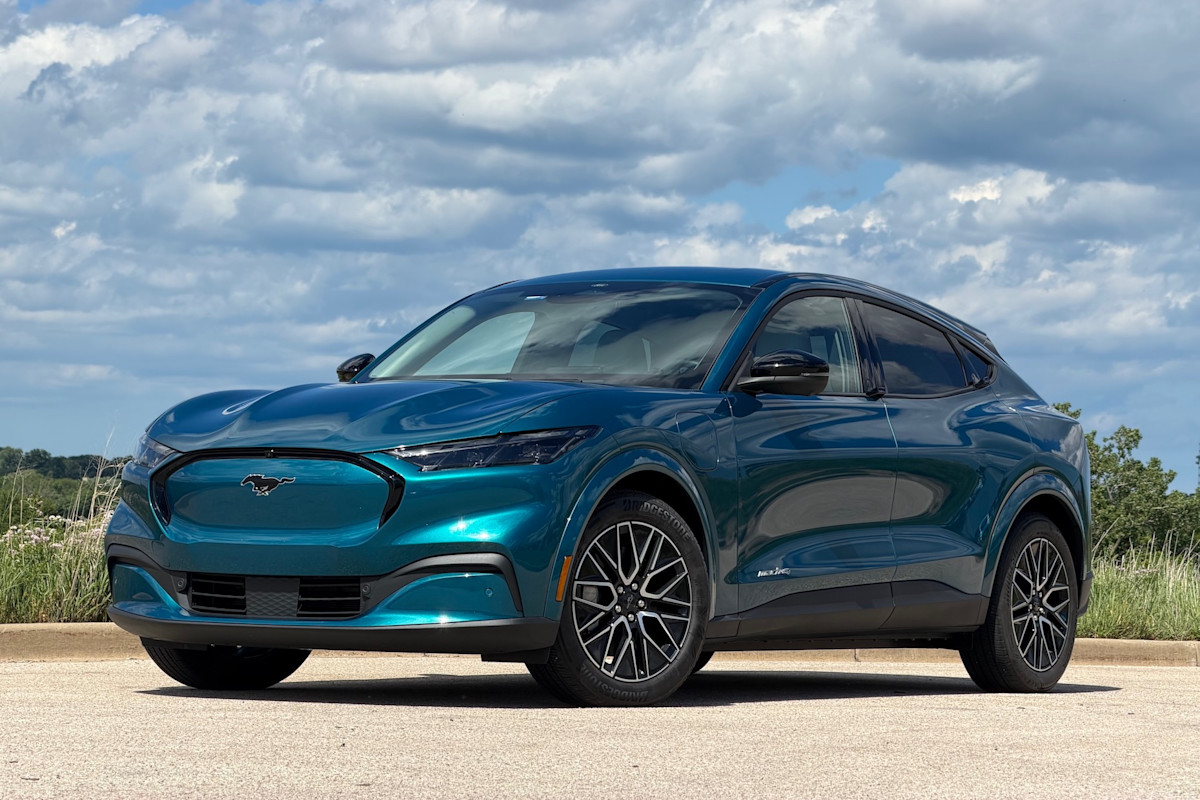
1. Ford Mustang Mach-E
CarGurus expert rating: 7.8 out of 10
CarGurus user rating: 4.7 out of 5
Percentage of Good and Great Deals available on CarGurus: 44.1%
Overall CarGurus rating: 4.7 out of 5
| Pros |
Cons |
| Stylish |
Busy ride |
| Practical |
A little too pricey |
| Good power |
Laggy infotainment system |
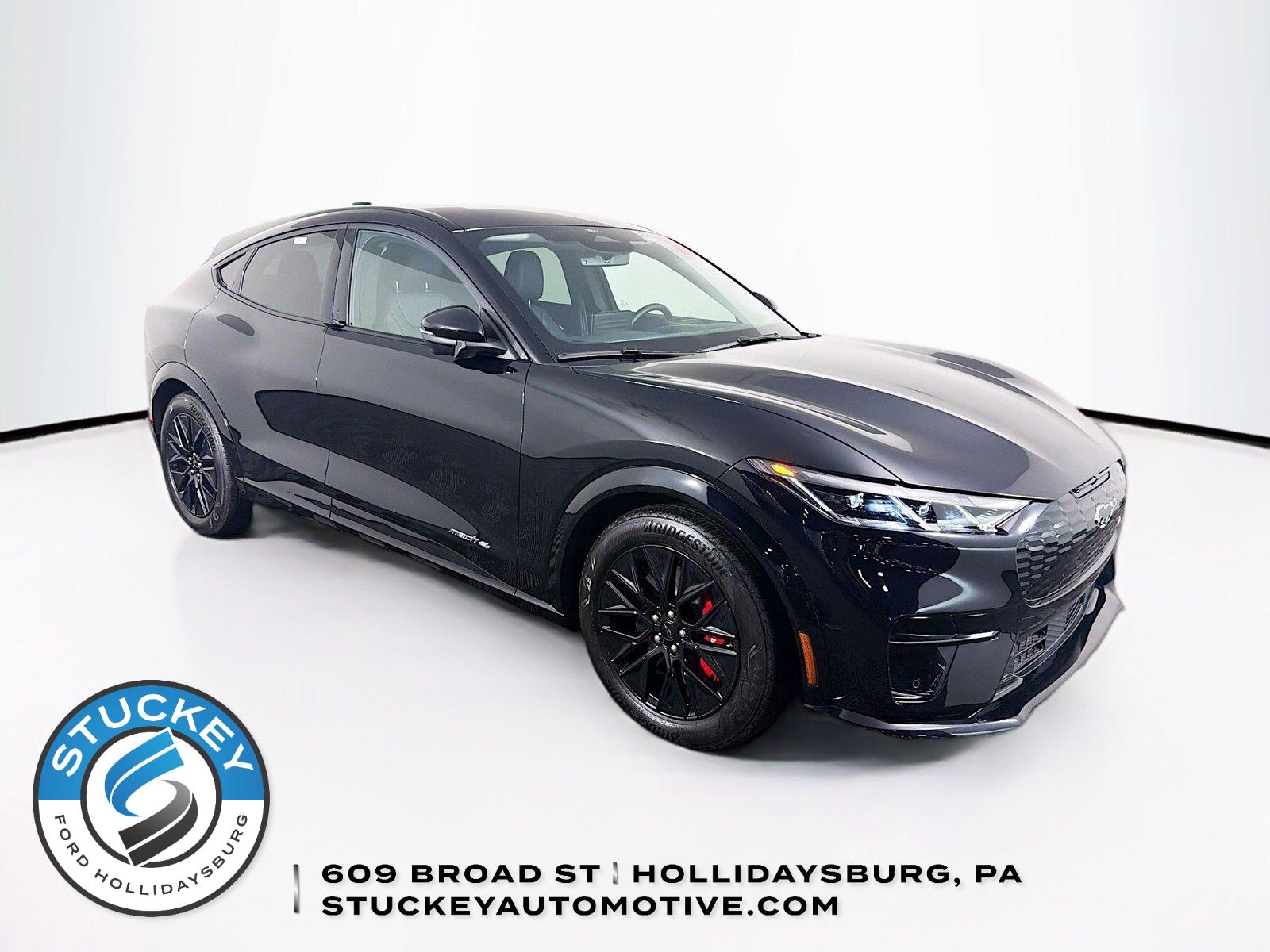
The 2026 Ford Mustang Mach-E attacks the electric SUV segment with good looks and practicality, and that combination fits the daily-commute brief well. It’s easy to appreciate in stop-and-go traffic thanks to its strong, EV-style response (called out here simply as good power), and its SUV shape makes it a more usable weekday tool than a low-slung sedan when you’re juggling work bags, groceries, or carpool duty.
For commuting comfort, it’s worth factoring in the trade-offs noted here: the ride can feel busy on rough roads, and the infotainment system can be laggy—two things you’ll notice when your drive involves potholes and frequent navigation changes. The Mach-E can also run a little too pricey, so it’s a smart move to compare local listings carefully and lean on the relatively strong share of Good and Great Deals on CarGurus when you’re shopping.
The CarGurus Verdict: "The 2026 Ford Mustang Mach-E attacks the electric SUV segment with good looks and practicality." - Kirk Bell
Read our most recent 2026 Ford Mustang Mach-E review
Search for Ford Mustang Mach-E
See all
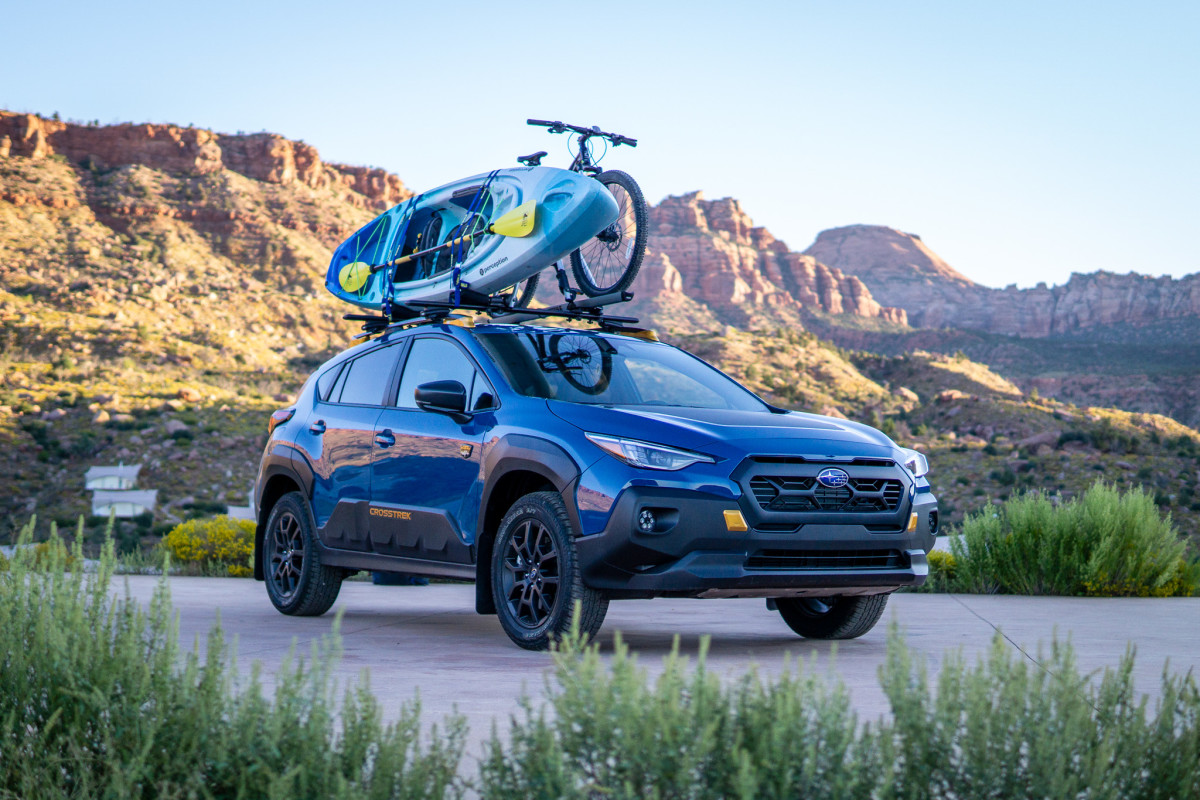
2. Subaru Crosstrek
CarGurus expert rating: 8 out of 10
CarGurus user rating: 4.6 out of 5
Percentage of Good and Great Deals available on CarGurus: 31.4%
Overall CarGurus rating: 4.6 out of 5
| Pros |
Cons |
| Standard all-wheel drive |
Underwhelming base engine |
| Impressive technology |
Interior materials feel cheap |
| Outstanding off-road capability in Wilderness trim |
|
The Subaru Crosstrek Wilderness takes the brand’s best-selling subcompact crossover and equips it for adventure with rugged design cues, a more capable suspension, and essential hardware upgrades. Building on an 11-year legacy, this third-generation Crosstrek features a new chassis, an exclusive Geyser Blue paint option, and a ladder-style roof rack that can handle serious gear—rated at 176 pounds dynamic and 700 pounds static load. The Wilderness trim increases ground clearance to 9.3 inches, giving you extra confidence on rough trails or snowy driveways. Inside, StarTex synthetic leather upholstery and standard all-weather floor mats make cleanup easy after muddy outings, and the cargo area is thoughtfully optimized for active lifestyles.
Under the hood, the Crosstrek Wilderness comes with a 2.5-liter flat-four engine delivering 182 hp and 178 lb-ft of torque, paired with a continuously variable transmission (CVT) tailored for both daily driving and off-road use. This trim also boasts a shorter final-drive ratio for better acceleration and a towing capacity of up to 3,500 pounds—more than double that of standard Crosstreks. With 19.9 cubic feet of cargo space behind the rear seats and up to 54.7 cubic feet with seats folded, the Crosstrek Wilderness balances everyday practicality with weekend versatility. Subaru’s standard all-wheel drive (AWD), upgraded X-Mode traction management, and the latest EyeSight safety suite round out the package, making this a smart pick for those who want value, technology, and true all-weather capability.
The CarGurus Verdict: "Add in the Crosstrek’s on- and off-road capability and the brand’s reputation for strong resale values, and the Subaru Crosstrek looks like an excellent choice for active, adventurous shoppers." - Matt Smith
Read our most recent Subaru Crosstrek review
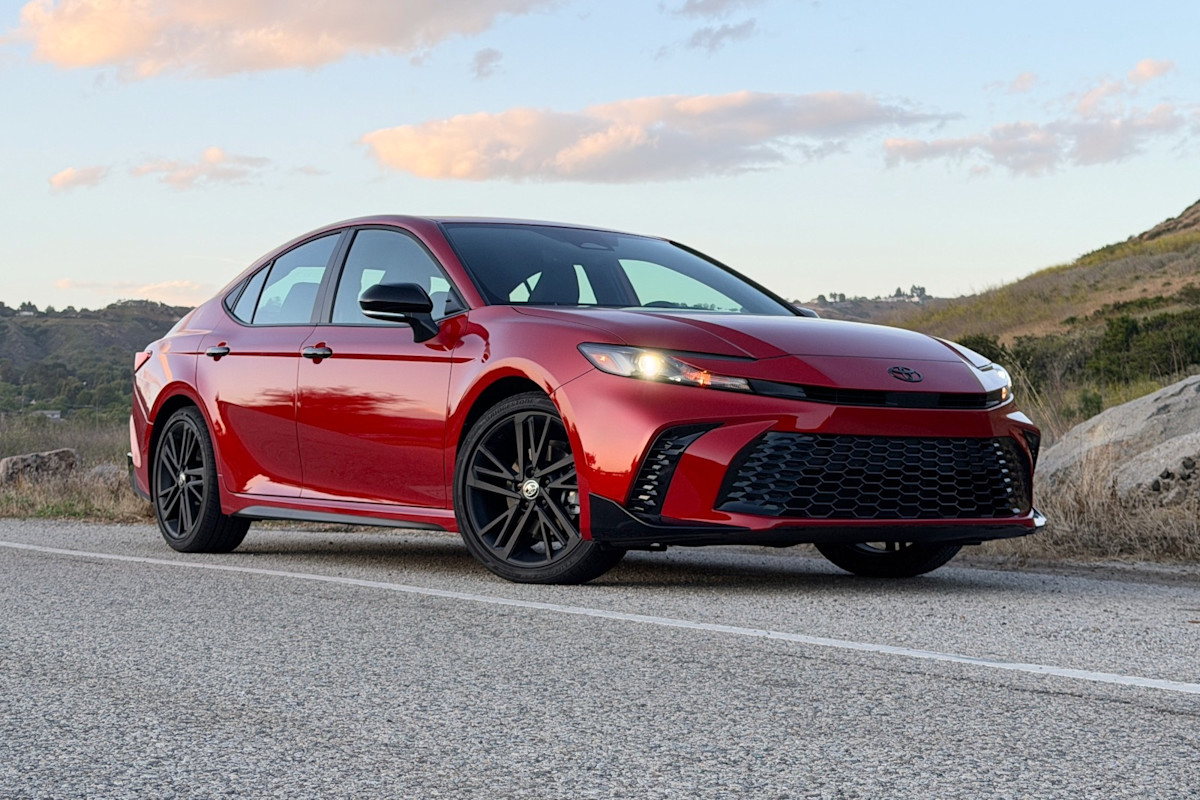
3. Toyota Camry
CarGurus expert rating: 7.8 out of 10
CarGurus user rating: 4.5 out of 5
Percentage of Good and Great Deals available on CarGurus: 30.6%
Overall CarGurus rating: 4.6 out of 5
| Pros |
Cons |
| Fuel-efficient |
Uninspired styling |
| Easy-to-use technology |
Not much cargo space |
| Great safety ratings |
Stereo is lacking |
For commuters who want a car that keeps daily driving simple, the 2026 Toyota Camry leans into the basics that matter most: It’s affordable to run, easy to live with, and designed around efficiency. That fuel-saving focus can make a noticeable difference over a long weekly schedule of highway miles and stop-and-go traffic, while straightforward controls and an easy-to-use tech setup help reduce friction when you’re rushing out the door or hopping between errands.
The Camry also prioritizes peace of mind, with strong safety credentials that fit the role of a dependable workday companion. If your commute includes hauling bulky gear, the Camry’s limited cargo space is worth keeping in mind, and drivers who care about richer sound may want to plan on a stereo upgrade or a higher-end audio option if available. Still, for the everyday grind, this sedan’s practical personality is the point.
The CarGurus Verdict: "Affordable, efficient, and safe, the 2026 Toyota Camry is all about practicality." - Christian Wardlaw
Read our most recent Toyota Camry review
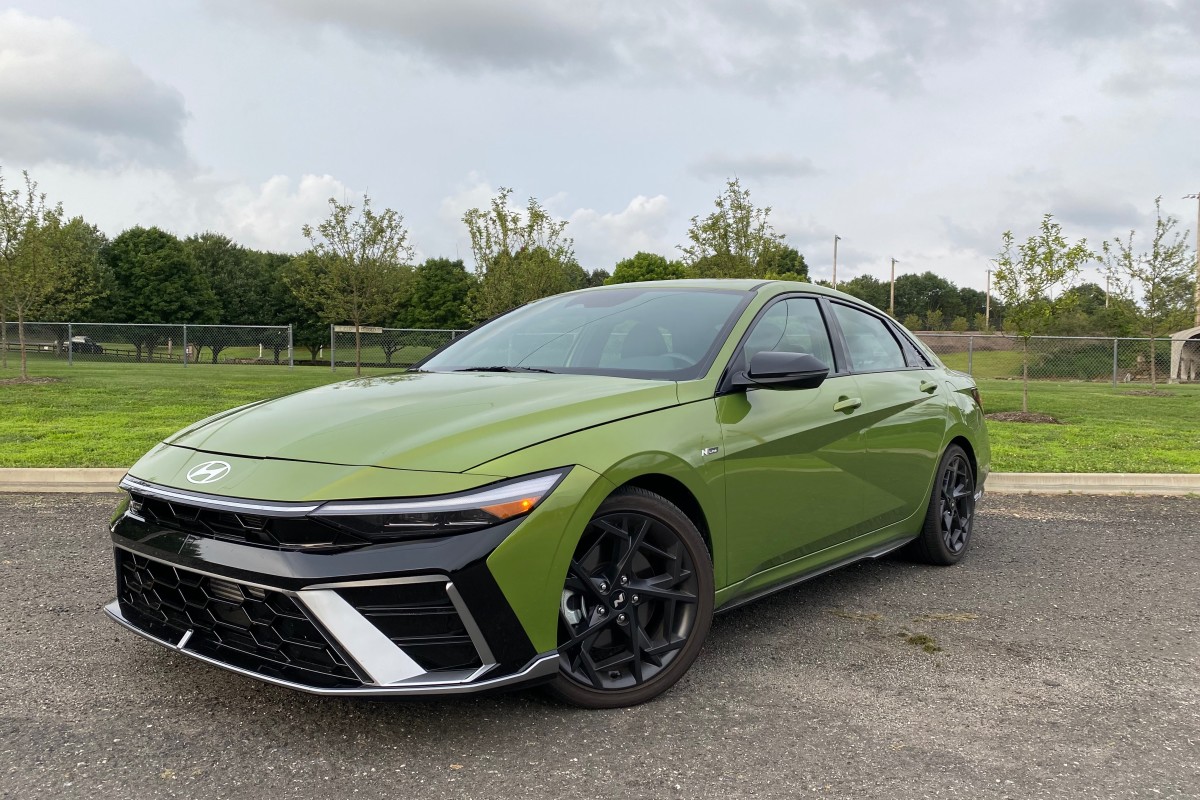
4. Hyundai Elantra
CarGurus expert rating: 7.3 out of 10
CarGurus user rating: 4.4 out of 5
Percentage of Good and Great Deals available on CarGurus: 29.2%
Overall CarGurus rating: 4.5 out of 5
| Pros |
Cons |
| Multiple powertrain options |
Potentially polarizing design |
| Stylish design |
Underwhelming base engine |
| Manual transmission available |
Interior materials feel cheap |
The Hyundai Elantra is one of the most versatile and stylish choices among compact sedans. Hyundai has left its budget-focused reputation behind, delivering a car that offers genuine driving enjoyment, a broad range of trims, and a striking new look following a recent refresh. The Elantra’s dramatic exterior is full of sharp creases and bold lines, especially eye-catching in N Line trim, while the interior provides a comfortable and thoughtfully designed space—though it relies heavily on hard plastics at lower trims. With a generous 14.2 cubic feet of trunk space and 60/40 split-folding rear seats, practicality remains a strong suit.
The Elantra’s appeal goes further than just style. Shoppers can choose from several powertrains, including a fuel-sipping hybrid (up to 56 MPG highway), a lively 201-hp turbo-four in the N Line, and the thrilling 276-hp Elantra N for true enthusiasts. Standard models are impressively efficient, with the popular SE trim achieving an EPA-rated 32 mpg city and 41 mpg highway. Higher trims add features like a 10.25-inch touchscreen, digital instrument panel, and available Bose audio. Safety remains a priority, with a five-star NHTSA rating and a suite of driver aids standard across most trims. Factor in Hyundai’s long warranty and competitive pricing, and the Elantra makes a compelling case for value-minded buyers who don’t want to compromise on driving fun or features.
The CarGurus Verdict: "Get past the strange bodywork and plasticky interior, and you’ll find a well-mannered sedan that is equally adept at being comfortable and economical as it is sporty and truly entertaining." - Clifford Atiyeh
Read our most recent Hyundai Elantra review

5. Hyundai Ioniq 5
CarGurus expert rating: 8 out of 10
CarGurus user rating: 4.8 out of 5
Percentage of Good and Great Deals available on CarGurus: 35.7%
Overall CarGurus rating: 4.5 out of 5
| Pros |
Cons |
| Appealing styling |
Less cargo space than gasoline crossovers |
| Easy-to-use technology |
|
| Extra-fast charging |
|
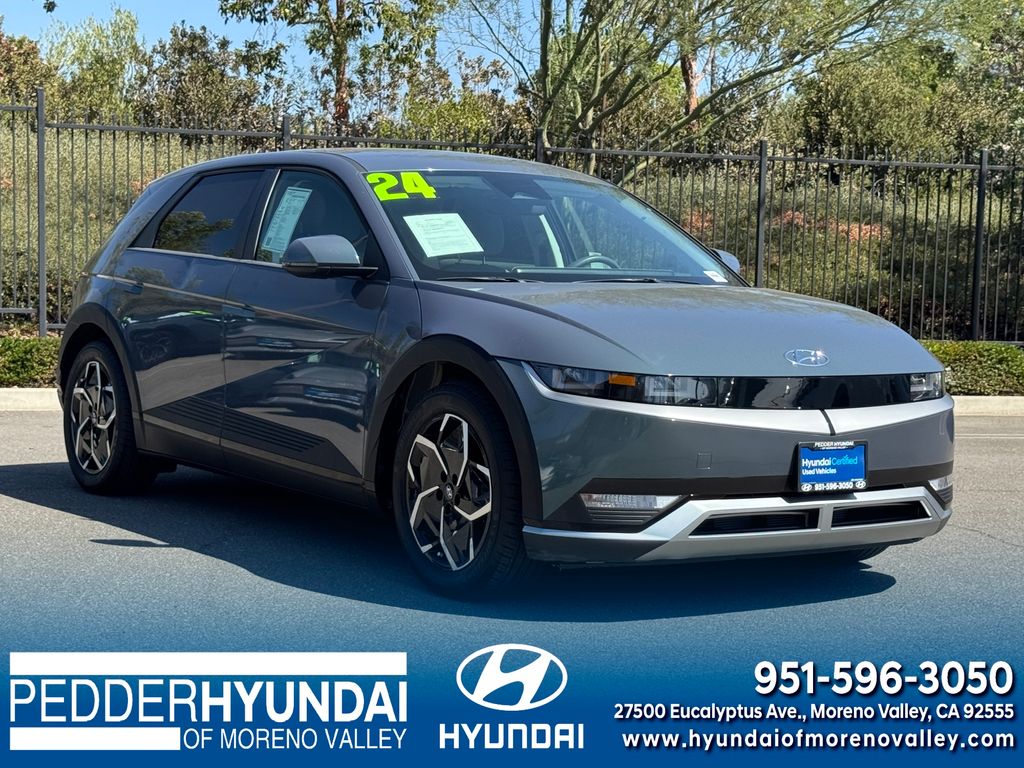
The Hyundai Ioniq 5 won the inaugural CarGurus Best EV Experience award because it nails the day-to-day stuff that matters most. It’s easy to live with, quick to understand, and relaxing in traffic. The cabin design and user-friendly tech help reduce friction on routine drives—whether that’s hopping between screens to manage navigation and audio, or simply getting in and out with minimal fuss during a busy week.
The Ioniq 5’s extra-fast charging is a practical advantage for commuters who rely on public charging or want the flexibility to top up quickly between errands and the next day’s drive. Its head-turning styling makes it feel special without asking you to put up with complicated controls, though shoppers used to gas-powered crossovers should note the trade-off in cargo space when you’re packing work gear, groceries, or weekend bags.
The CarGurus Verdict: "Even five years into its run, the Ioniq 5 remains one of the best EVs around." - Kirk Bell
Read our most recent Hyundai Ioniq 5 review

6. Kia K5
CarGurus expert rating: 7.3 out of 10
CarGurus user rating: 4.7 out of 5
Percentage of Good and Great Deals available on CarGurus: 31.2%
Overall CarGurus rating: 4.5 out of 5
| Pros |
Cons |
| Stylish design |
No hybrid powertrain |
| Great ride quality |
Touch-sensing climate controls |
| Impressive technology |
Not much fun to drive (all but GT) |
The Kia K5 was refreshed recently: For 2025, it got updated styling, modernized front and rear ends, and fresh wheel designs, making this midsize sedan more eye-catching than ever. Inside, the K5 impresses with a new 24-inch Panoramic Display combining digital gauges and an infotainment touchscreen, plus a lineup of comfort features like 10-way power-adjustable heated and ventilated front seats (EX trim), a heated steering wheel, and generous rear-seat space. Cargo needs are well met, with a practical trunk offering 15.6 cubic feet of volume—ample for a family’s luggage or a weekly grocery haul.
Under the hood, most K5 trims now use a 2.5-liter four-cylinder engine producing 191 hp and 182 lb-ft of torque, paired with an eight-speed automatic transmission. While this engine delivers adequate performance and decent fuel economy (29 mpg combined EPA estimate), driving enthusiasts may miss the punchier turbocharged engines from previous years. The K5 GT remains the spirited choice, with a 2.5-liter turbo-four generating 290 hp and 311 lb-ft, but most shoppers will appreciate the K5’s smooth ride, quiet cabin, and advanced tech—including a standard 12.3-inch touchscreen and available digital key. Safety is a highlight, too, with a full suite of driver-assist features and a five-star overall rating from the National Highway Traffic Safety Administration (NHTSA).
The CarGurus Verdict: "The new tech impresses, the K5 remains stylish and comfortable, and it costs less than some rivals." - Christian Wardlaw
Read our most recent Kia K5 review
7. Volkswagen Golf GTI
CarGurus expert rating: 7.8 out of 10
CarGurus user rating: 4.6 out of 5
Percentage of Good and Great Deals available on CarGurus: 32.5%
Overall CarGurus rating: 4.4 out of 5
| Pros |
Cons |
| Fun to drive |
Price increase reduces overall value |
| Improved technology |
Frustrated haptic slider controls remain |
| Impressive fuel economy |
|
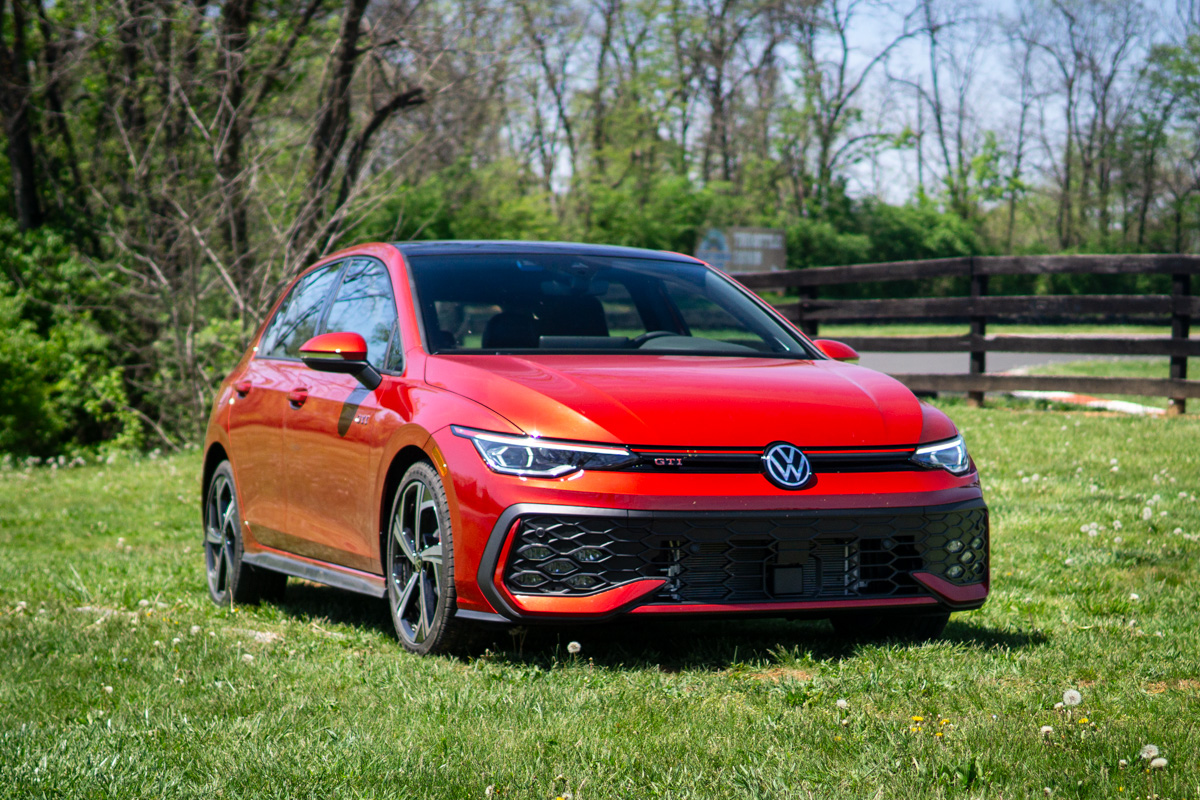
The Volkswagen Golf GTI continues to deliver on its promise of blending everyday practicality with genuine driving excitement. For the first time in nearly 50 years, 2025 saw the manual transmission depart, but the GTI shines with its turbocharged 2.0-liter four-cylinder engine producing 241 hp and 273 lb-ft of torque. The seven-speed dual-clutch automatic (DCT) keeps the ride brisk and responsive, while front-wheel drive (FWD) and an EPA-estimated 27 mpg combined ensure a rewarding yet efficient experience. Inside, the GTI remains surprisingly spacious for a compact hatch, offering 19.9 cubic feet of cargo space behind the rear seats, and up to 34.5 cubic feet with them folded. The new model year brings subtle design tweaks, improved tech—including a 12.9-inch touchscreen and wireless smartphone integration—and a host of standard safety features through VW's IQ.Drive suite.
Beyond performance, the Golf GTI stands out for its thoughtful mix of comfort and utility. Whether you're tackling a winding back road or running errands, the supportive ClubSport ArtVelours seats and versatile hatchback configuration make every trip enjoyable. The 2025 model adds valuable features like standard navigation, a Harman Kardon stereo on higher trims, and more advanced driver assists, including adaptive cruise control and lane-keeping. While prices have crept up, the GTI remains a strong value considering its pedigree, performance chops, and premium warranty, making it a smart pick for drivers seeking both thrills and real-world usability.
The CarGurus Verdict: "The Volkswagen Golf GTI is still one of the best hatchbacks you can buy today. With a terrific powertrain and everyday practicality, it’s an ideal choice for anyone looking for a useful car that’s also extremely fun to drive." - Matt Smith
Read our most recent Volkswagen Golf GTI review
Search for Volkswagen Golf GTI
See all
8. Honda Civic Hybrid
CarGurus expert rating: 7.2 out of 10
CarGurus user rating: 4.2 out of 5
Percentage of Good and Great Deals available on CarGurus: 27.3%
Overall CarGurus rating: 4.2 out of 5
| Pros |
Cons |
| Fuel-efficient |
All-wheel drive not available |
| Comfortable |
|
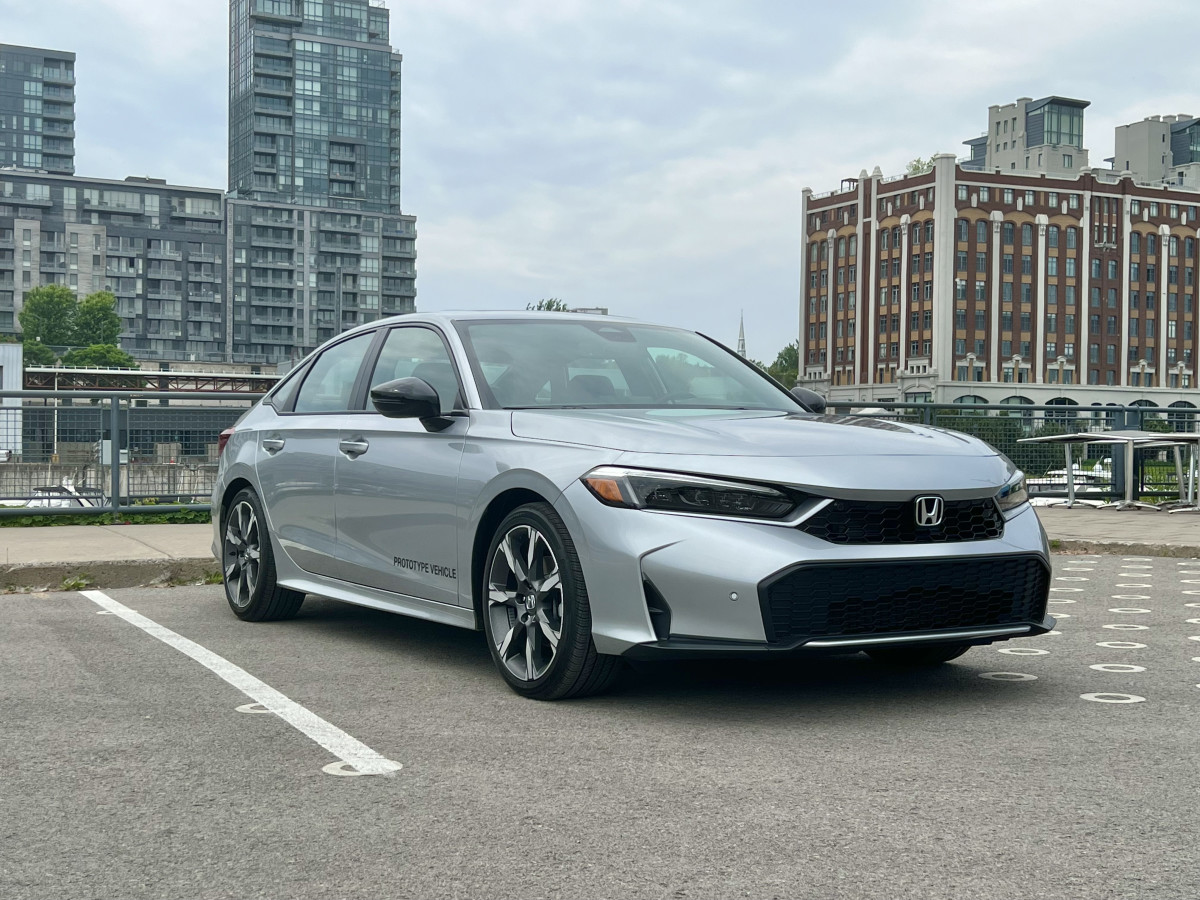
2025 marked the debut of the Honda Civic's new hybrid powertrain, which pairs a 2.0-liter four-cylinder engine with two electric motors to produce a combined 200 hp and 232 lb-ft of torque. Available in sedan and hatchback body styles, the Civic Hybrid not only promises more power but also delivers up to 49 mpg in combined driving, making it a practical choice for anyone watching fuel costs. The trunk offers up to 14.8 cubic feet of cargo space, which is impressive for its class and ensures you won't have to travel light.
Inside, the Civic Hybrid impresses with its high-quality materials, user-friendly controls, and thoughtful storage solutions—like the deep center armrest bin and large cup holders. The driving experience is smooth and quiet thanks to the hybrid system and active noise cancellation, while advanced safety features such as forward collision warning, lane-keep assist, and adaptive cruise control come standard. Tech-savvy buyers will appreciate the easy-to-use infotainment system, with an available 9-inch touchscreen, wireless phone integration, and even Google Built-in functionality on the top trim. While rear-seat amenities are a bit sparse, the overall package remains one of the most well-rounded in the segment.
The CarGurus Verdict: "All things considered, it's a fairly even match in this class when it comes to the specs, but the Honda Civic Hybrid gains an advantage over the rest with its more engaging driving manners and more conventional interior. It represents an easier transition from traditional non-hybrids with no discernible drawbacks besides price." - Mark Takahashi
Read our most recent Honda Civic Hybrid review
Search for Honda Civic Hybrid
See all
9. Mitsubishi Outlander PHEV
CarGurus expert rating: 6.8 out of 10
CarGurus user rating: 4.7 out of 5
Percentage of Good and Great Deals available on CarGurus: 31.3%
Overall CarGurus rating: 4.2 out of 5
| Pros |
Cons |
| 38 miles of all-electric range |
Nearly unusable third row |
| Standard all-wheel drive |
Loud electric powertrain |
| Public fast-charging capability |
Fast charging requires uncommon ChaDeMo plug |
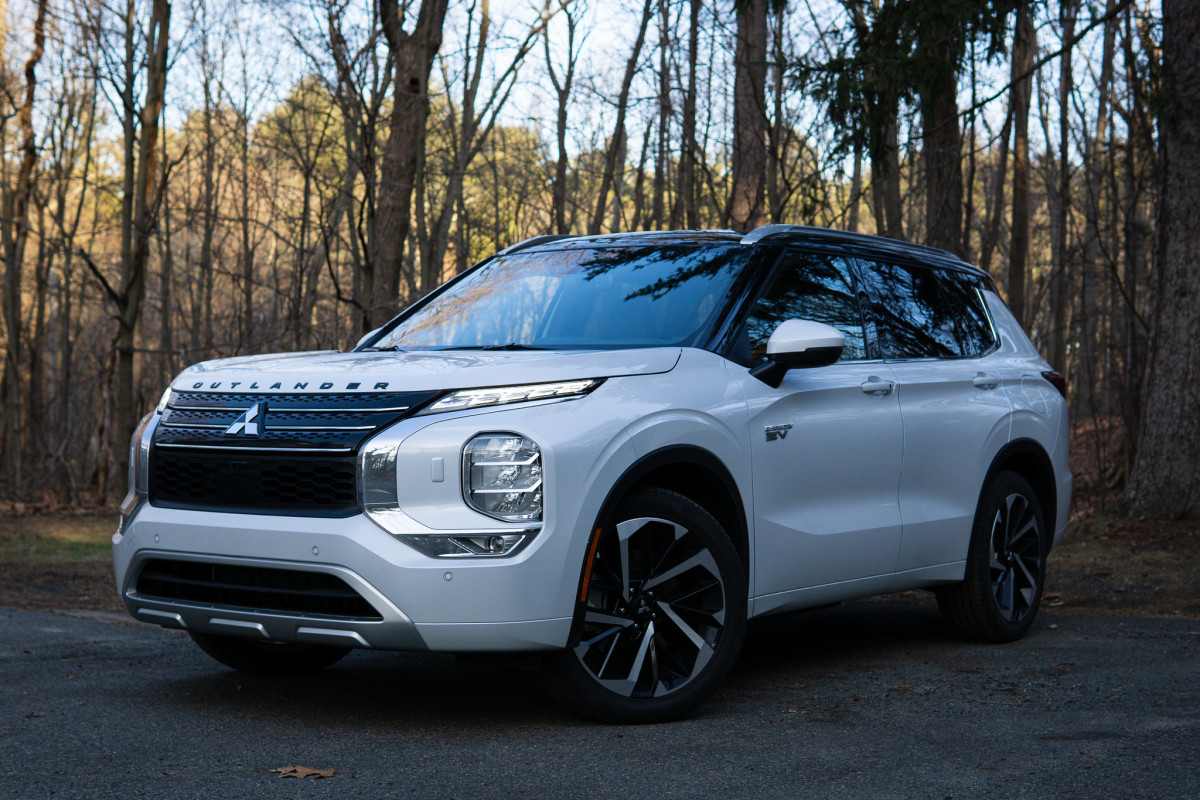
Now in its second generation, the Mitsubishi Outlander PHEV is worth a look for shoppers seeking an affordable three-row plug-in hybrid SUV. Mitsubishi’s value-focused pricing makes this model the most budget-friendly way to get into a brand new three-row PHEV. It’s powered by a 2.4-liter four-cylinder engine (131 hp and 144 lb-ft of torque) paired with two electric motors for a robust total system output of 248 hp and 332 lb-ft of torque—delivering quick acceleration and standard AWD. The 20-kWh battery provides an impressive 38 miles of all-electric range, with a combined EPA estimate of 64 MPGe (miles per gallon of gasoline equivalent), easily beating many competitors in its class.
Inside, the Outlander PHEV offers good tech and an array of standard safety features, including automatic emergency braking, blind-spot warning, and MI-Pilot driver assistance on higher trims. While the first and second rows are comfortable with ample head and legroom, the third row is best left folded—cargo capacity behind the second row is a practical 30.8 cubic feet, expanding to 66.2 cubic feet with all rear seats down (without the sunroof). The value proposition is strong, but the driving experience is marred by noticeable body roll, a noisy electric powertrain, and the impracticality of the third row for adults or even most children. Still, if your priorities are fuel savings, tech features, and all-wheel drive at a lower entry price, the Outlander PHEV is tough to beat.
The CarGurus Verdict: "If you’re in the market for a three-row crossover SUV and want to explore your plug-in hybrid options, we can’t fault you for looking closely at the Outlander." - Matt Smith
Read our most recent Mitsubishi Outlander PHEV review
Search for Mitsubishi Outlander Hybrid Plug-in
See all

10. Volvo EX40
CarGurus expert rating: 8.5 out of 10
CarGurus user rating: insufficient data
Percentage of Good and Great Deals available on CarGurus: insufficient data
Overall CarGurus rating: 3.7 out of 5
| Pros |
Cons |
| Looks sharp inside and out |
Minor tech bugs |
| Well-rounded driving experience |
Some cheap-feeling interior materials |
| Fast charging |
Drive settings lack customization |
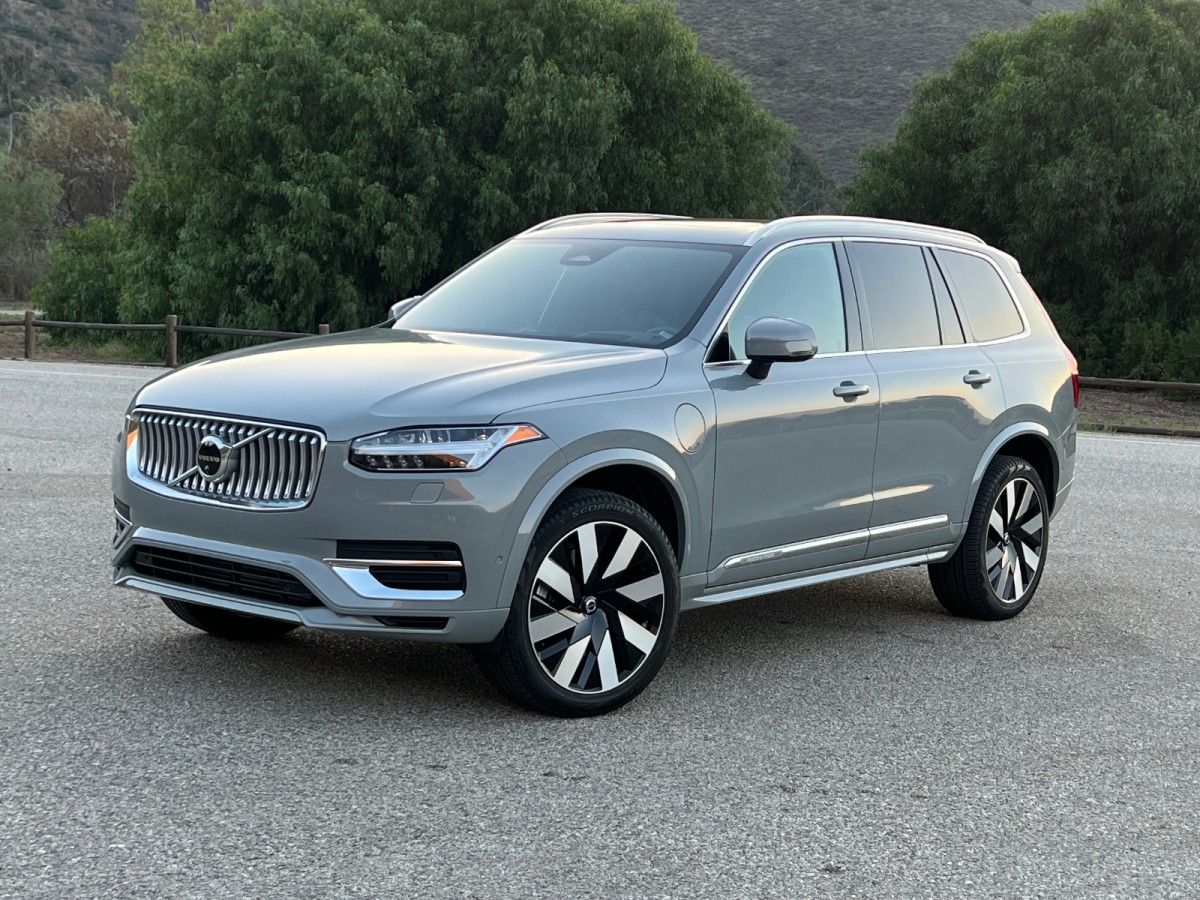
The Volvo EX40 is a compact electric crossover offering a blend of Scandinavian style, advanced safety, and everyday usability. Formerly known as the XC40 Recharge, the EX40’s updated name reflects Volvo’s push to clarify its electric lineup, but it still delivers the quiet comfort, clean design, and emphasis on safety that Volvo drivers expect. The boxy shape provides impressive interior room despite the EX40’s city-friendly footprint—cargo space measures 16 cubic feet behind the rear seats and a generous 57.5 cubic feet with the second row folded, so it’s well-suited for both daily errands and road trips.
Under the hood, buyers can choose between a rear-wheel-drive (RWD), single-motor model with 248 hp and 310 lb-ft of torque or a quicker AWD, dual-motor version packing 402 hp and 494 lb-ft of torque. The dual-motor EX40 is especially lively, sprinting from 0-60 mph in just 4.6 seconds. Both powertrains use an 82-kWh battery, supporting rapid DC fast charging (10-80% in about 28 minutes) and delivering an EPA-estimated range of up to 296 miles (single motor) or 260 miles (dual motor). Inside, the EX40 features a minimalist, tech-forward cabin with a 9-inch Android-based touchscreen, Google Assistant voice control, and an impressive suite of standard safety features. Practical touches like ample headroom, straightforward controls, and strong crash-test scores add to its broad appeal.
The CarGurus Verdict: "For both first-time EV buyers and those with experience in the market, the Volvo EX40 offers a great combination of luxury, performance, and charging power for the price." - Peter Nelson
Read our most recent Volvo EX40 review
The Best Cars for Commuting in 2026: FAQs
What is the most important feature in a commuter car?
The "most important" feature depends on your personal needs, but key factors for most commuters are fuel efficiency, comfort, and reliability. Modern commuter cars also heavily emphasize technology, with features like adaptive cruise control and advanced driver-assistance systems (ADAS) becoming crucial for reducing the stress of stop-and-go traffic. Connectivity, such as wireless Apple CarPlay and Android Auto, is also a high priority for many drivers.
Are EVs or hybrids good for commuting?
Yes, both are excellent choices for commuting. Electric vehicles (EVs) are ideal for drivers with predictable daily mileage who can charge at home, offering the benefits of lower fuel costs, reduced maintenance, and zero tailpipe emissions. Plug-in hybrids (PHEVs) provide a great middle ground, offering enough electric-only range for the average daily commute while still having a gasoline engine for longer trips, eliminating range anxiety. Traditional hybrids, like the Toyota Camry and Honda Civic Hybrid, offer fantastic fuel economy without any need to plug in.
Should I get a sedan or an SUV for my commute?
This comes down to a trade-off between efficiency and space. Sedans generally offer better fuel economy and more agile handling, which can be an advantage in city traffic and on tight roads. SUVs, on the other hand, provide a higher driving position for better visibility, more cargo and passenger space, and often the option of AWD for better traction in harsh weather. If your commute involves carpooling or carrying gear, an SUV might be more practical, but if you prioritize fuel savings and a smoother ride, a sedan is often the better choice.
How much should I spend on a new commuter car?
The cost of a good new commuter car can vary widely. As of mid-2025, the average price for a new car is around $48,841, but there are many excellent, affordable options available. This list includes vehicles that start in the mid-$20,000 range, offering great value with strong fuel economy and modern safety features. Ultimately, your budget should align with your priorities, whether that's maximizing fuel savings, enjoying premium comfort features, or having the latest technology.
What Makes CarGurus Best Cars Guides Different?
Most car-shopping websites publish lists of the best cars across a variety of categories, with recommendations generally driven by editorial expertise. Here's what makes ours different: In addition to the insights and verdicts of our team of car-testing experts, our best cars guides take into account other factors that we know matter to buyers-real owner experiences and current market value.
Our expert reviewers are among this country's most trusted automotive journalists, also writing for publications including US News and World Report, Edmunds, Digital Trends, J.D. Power, and Car & Driver. They put each car through real-world testing and create detailed reviews of performance in a range of categories, from practicality and driving manners to cost-effectiveness and safety.
We also analyze hundreds of thousands of used car listings on CarGurus.com to track which models consistently offer the highest percentage of best deals relative to how many are listed for sale. Then we factor in reviews from owners-people who actually live with these cars every day. Our proprietary Best Cars algorithm then creates a final Overall CarGurus rating combining expert scores, user reviews, and the percentage of listings that have earned the Good or Great Deal rating. This multi-pronged approach reveals not just which cars excel on paper, but which ones deliver satisfaction and value when you're ready to buy.
The CarGurus market data used in this guide was last updated in August 2026. Values were accurate at time of publication and should be used as a guide only.
Shopping Tools
Related Topics