Auto insurance companies make a lot of bold, money-saving claims in commercials. But have you ever tried to actually get those advertised rates for a new car—or a new driver? It can quickly turn policy shopping into a game of pin-the-tail-on-the-gecko—er, donkey. Fortunately, you can hit your target out-of-pocket expense by doing five simple things.
- Shop Around and Compare Rates
- Review Your Insurance Policy and Deductible
- Bundle Insurance Policies
- Ask About Available Discounts
- Improve Your Credit Score
- FAQs
- What to Do in Some Common Situations
- The Bottom Line
Quick Answer: How to Lower Auto Insurance Rates
- Compare quotes from different insurance providers
- Assess your current policy details, including the deductible
- Combine home and auto coverage under one insurer
- Explore available discounts (safe driver, multi-car, low mileage)
- Build good credit
1. Shop Around and Compare Rates
Shopping around for car insurance is the most effective way to save money on your premiums (the amount you pay to the insurance company each month, year, etc., for coverage). Insurance rates can vary dramatically between companies, even for identical coverage. Get at least three to five quotes to ensure the rates you're getting are competitive. You can get insurance quotes by using an online comparison tool or visiting individual insurance company websites. Additionally, speaking to an independent insurance agent who represents multiple insurance companies can provide personalized recommendations.

2. Review Your Insurance Policy and Deductible
Most states require an auto insurance policy and a minimum level of liability coverage. However, you may be able to trim parts of your current policy or increase your deductible to lower overall out-of-pocket costs. When you do this, it will help you to understand some basics about car insurance—including which types are optional.
| Coverage Types | Definition |
|---|---|
| Liability | Liability coverage covers damage you cause to other people and their property. It doesn't cover damage to your own vehicle. |
| Collision | Collision coverage covers damage to your vehicle from collisions with other vehicles or objects. |
| Comprehensive | Comprehensive coverage provides protection against non-collision damage to your vehicle, including theft, vandalism, fire, natural disasters, or collisions with animals. |
| Personal Injury Protection (PIP) | Personal injury protection helps pay for medical expenses and, in some cases, lost wages and related costs for you and your passengers after an accident, regardless of who's at fault. |
| Rental reimbursement | Rental reimbursement coverage helps pay for a rental car while your vehicle is being repaired after a covered claim. |
| Roadside assistance | Roadside assistance covers services like towing, jump-starts, flat-tire changes, and lockouts if your vehicle breaks down. |
| GAP insurance | GAP insurance covers the difference between your car's actual cash value and what you still owe on your loan or lease if your car is totaled or stolen. |
Does your insurance policy reimburse you for a rental while your car’s in the shop, cover mechanical systems, or include emergency roadside assistance? You may be able to get by without these types of coverage, and cutting them out of your new policy will usually lower your monthly insurance costs. Just be sure to consider your state’s insurance requirements and coverage limits, as well as the amount of risk you feel comfortable accepting.
Adjusting Your Deductible
Those feelings should also impact a decision to increase your deductible. Plans with higher deductibles (the amount you pay before the insurance company chips in) come with lower premiums. Make sure you opt for the right level of protection for you and your vehicle—not necessarily the lowest costs. Choose a deductible amount that you could comfortably afford to pay out-of-pocket in the event of an accident.
Consider the Type of Car You’re Insuring
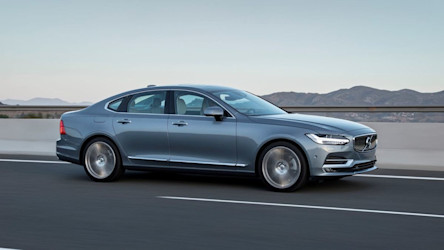
Upgrading to a fancier model or a bigger engine may not seem like it costs much more when you’re at the dealership looking for a new car. But that feeling might change once you factor comprehensive coverage into your car-buying budget. More expensive vehicles equal higher auto insurance rates.
Saving on insurance costs is one of many good reasons to buy used cars. Due to their likely lower sales prices, used cars cost less to insure—even if they’re “like new.” If you purchase a very inexpensive used car, it might even make sense to scale back on optional collision coverage, which covers repairs up to your car’s market value, minus your deductible.
3. Bundle Insurance Policies
One of the easiest ways to reduce your insurance costs is by bundling multiple policies with the same provider. Many insurance companies offer discounts when you purchase two or more types of insurance from them. Consider bundling your auto insurance with homeowner's, renter's, or life insurance.

4. Ask About Available Discounts
Insurance companies often offer numerous discounts that policyholders can take advantage of if they ask. When shopping for auto insurance coverage, determine if your driving habits, lifestyle, or vehicle could qualify you for a discount.
Low Mileage Discounts
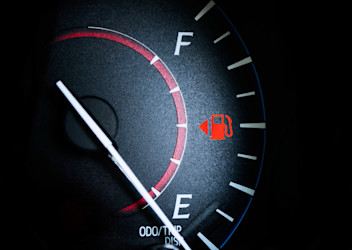
The less you’re on the road, the less likely you are to be in an accident. Insurance companies offer low-mileage discounts to drivers who put fewer miles on their vehicles annually. So, consider alternate options to getting around town or commuting to work to qualify for these savings.
Can you carpool with someone else? Is there reliable public transportation in your area? Can you work from home a couple of days a week? These options won’t be possible for everyone, but taking advantage of them—and letting your insurance company know that you are—may lower your car insurance costs.
| Annual Mileage | Risks |
|---|---|
| Under 5,000 miles | Very low |
| 5,000 to 7,500 miles | Low |
| 7,500 to 10,000 miles | Below average |
| 10,000 to 12,000 miles | Average |
| 12,000 to 15,000 miles | Above average |
| 15,000 to 20,000 miles | High |
| Over 20,000 miles | Very high |
Good Student Discounts
Statistically, young motorists are riskier to insure. According to the CDC, drivers ages 16 to 19 are more at risk of motor vehicle crashes than any other age group. Good students may hold traits that counteract traditionally risky behavior, such as being responsible or hard-working.
Most auto insurance companies offer discounts to students who are younger than 25 and have good grades. Typically, that means having at least a “B” average (3.0 GPA), being on the honor roll or dean's list, or scoring high (top 20 percent) on a test like the SAT, PSAT or ACT. You’ll need to prove this with documentation like a report card or a letter from a school administrator.
Other Discounts
Some insurance companies offer savings for taking defensive driving courses, safe driver programs, or driver’s education for younger drivers. If it’s been a long time since your last accident, you may be eligible for a discount as well.
Insurers may provide telematics devices that plug into your on-board diagnostics port to monitor your driving habits. The insurer may offer a lower rate if they detect safe driving behavior, and most, if not all, promise that this practice will never result in your insurance premiums increasing.
Ask your insurance agent if safety features like antilock brakes and airbags, advanced safety systems like collision warnings and automatic emergency braking, or installing anti-theft devices will earn you a lower rate.
| Discount Types | Requirements |
|---|---|
| Multi-car | 2 or more vehicles on the same policy |
| Bundling | Bundling auto insurance with home or renter's |
| Good student | Under 25, 3.0+ GPA |
| Safe driver | Three to five years accident-free |
| Low mileage | Under 7,500 to 10,000 miles a year |
| Paid-in-full | Paying annually instead of monthly |
| Defensive driving | Complete the approved course |
| Military or federal employee | Active duty, veteran, or federal employee |
| Professional association | Member of a qualifying group, like alumni |
| Anti-theft devices | Install a GPS tracker or do VIN etching |
| Safety features | Anti-lock brakes, airbags, and collision warnings |
| Mature driver | Age 50 to 65 |
| Occupation | Teachers, engineers, medical professionals |
5. Improve Your Credit Score
Your credit score plays a significant role in determining your auto insurance rates. It may seem unrelated to your driving ability, but insurance companies correlate credit management with the likelihood of filing insurance claims. Those with poor credit will have higher premiums compared to someone with excellent credit, and improving your credit score can save you annually.
Check your credit score and focus on making improvements and lowering balances. Shop for new quotes after your credit has improved significantly.
Factors Insurance Companies Consider
Auto insurance companies conduct a great deal of demographic research to determine who presents the biggest risk on the road. If you check off some predetermined boxes, your car insurance rates may be comparatively higher, regardless of any other steps you take.
- Age: Drivers under 25 and over 65 will likely pay more than other age groups
- Gender: Male drivers typically pay more than female drivers, especially if they're under 25
- Marital status: Married drivers save compared to single drivers
- Location: If your neighborhood has lots of traffic and crime—in a city, for instance—you’ll pay more for your insurance policy than someone with a similar risk profile who lives in the countryside
- Credit score: Policyholders with good credit will likely have lower premiums than those with lower scores, as insurance companies think having good credit lowers their likelihood of filing an insurance claim
- Driving record: Insurance providers charge higher premiums for higher-risk drivers, including drivers with speeding tickets, DUIs, and other reckless driving habits
- Vehicle type: More expensive vehicles equal higher auto insurance rates
- Annual mileage: The less you’re on the road, the less likely you are to be in an accident
- Coverage amounts: Removing policies that aren't required by your state can lower costs
- Claims history: Filing multiple claims can increase your rates
FAQs
How can I lower my car insurance rates immediately?
The fastest ways to reduce your premiums immediately include increasing your deductible, removing optional coverage you don't need, like rental reimbursement or roadside assistance, and asking your current insurance provider about any available discounts you may qualify for. You can also shop around for new quotes from competitors.
At what age do car insurance rates go down?
Car insurance rates typically decrease after age 25, when drivers are no longer considered high-risk young adults. Rates generally remain stable from ages 30 to 60, but after age 65, rates may begin to increase again. However, your driving record and claims history have a much bigger impact than age alone. A 40-year-old with multiple accidents may pay more than a 22-year-old with a perfect record.
Can I lower my insurance even if I have a bad driving record?
Yes. Compare rates from multiple insurance providers, research defensive driving courses in your state and if your insurer gives discounts to those who finish one, and most importantly, avoid any additional violations. Many accidents and tickets drop off your record after three to five years.
Does my credit score really affect insurance rates?
Yes, unless you live in California, Hawaii, Massachusetts, or Michigan, which prohibit the use of credit scores in setting insurance rates. Additionally, other states like Maryland, Oregon, and Utah limit it. If you live elsewhere, check your credit report for errors and work to improve your score.
What's the difference between liability, collision, and comprehensive coverage?
Liability coverage is required in most states and covers damage you cause to other people and their property. It doesn't cover damage to your own vehicle.
Collision coverage is optional but may be required if you lease your vehicle or have an auto loan. It covers damage to your vehicle from collisions with other vehicles or objects.
Comprehensive coverage is also optional, depending on your state and, like collision, may be required by your lender or leasing company. It covers non-collision damage to your vehicle, such as theft, vandalism, fire, natural disasters, or hitting an animal.
What to Do in Some Common Situations
I'm 18 with one speeding ticket. What are my options?
Being 18 with a speeding ticket puts you in a high-risk category, but you have several strategies to reduce your premiums. First, if you're a student with good grades, make sure you're getting the good student discount. Additionally, consider taking a defensive driving course or shopping around to different insurers. The speeding ticket will typically fall off your record after three to five years, at which point your rates should decrease.
My premium doubled after one accident, now what?
This is common, but the good news is, you're not stuck with these rates forever. Start shopping around for quotes from other insurers. Many companies handle accident surcharges differently, and you might find better rates elsewhere. Ask your current insurer about accident forgiveness programs or rate relief. Decide if it makes sense for you to increase your deductible to offset some of the premium increase. The accident surcharge typically lasts three to five years, after which your rates should drop back down. Document your driving carefully during this period and focus on staying accident-free.
I drive 3,000 miles a year. Do I qualify for discounts?
Yes. Driving only 3,000 miles annually puts you well below the threshold for low-mileage discounts. Contact your insurance company to update your annual mileage estimate. Additionally, some insurance providers specialize in offering low-mileage rates. Consider usage-based insurance programs that charge you based on actual miles driven or pay-per-mile insurance, where you pay a base rate plus a per-mile fee. Given how little you drive, you could potentially save significantly on your premiums by switching to a provider that rewards low-mileage drivers.
The Bottom Line
You can easily pay less out-of-pocket by minimizing coverage or increasing your deductible—but don’t let optimism bias tempt you! Instead of taking on the burden of risk, research options that help you stay safe and pay the lowest possible rate.
And, of course, as with everything related to car shopping, do your research, talk to an insurance agent, and get multiple car insurance quotes to score the best deal.