2023 Honda CR-V vs 2022 Hyundai Ioniq 5
Overview | |
MSRP$39,700 | MSRP$28,410 |
Listings142 | Listings1679 |
Ratings & Reviews | |
User Reviews | User Reviews |
Expert reviews9.0 out of 10 | Expert reviews7.8 out of 10 |
Pros
Cons
| Pros
Cons
|
2022 Hyundai Ioniq 5 Reviews SummaryThe Hyundai Ioniq 5 is the automaker’s debut electric vehicle from its new sub-brand that focuses solely on battery electric-powered mobility. The all-new Ioniq 5 is chock full of battery technology, smart car connectivity, advanced safety, and unique design all at a price point that appeals to the masses. | |
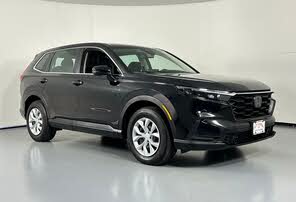
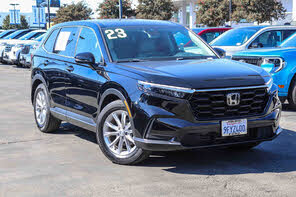
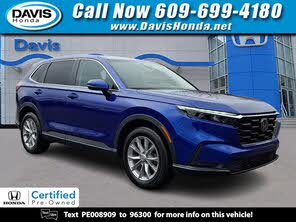
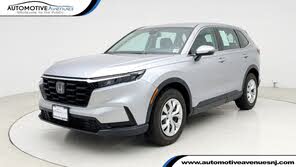
2023 Honda CR-V Reviews SummaryA redesigned 2023 Honda CR-V is on sale, improving on the successful formula the automaker has used for more than 25 years. The 2023 CR-V remains one of the roomiest compact crossover SUVs in its class, and it get an overdue infusion of new infotainment systems and safety features that bring it up to par with its many rivals. In addition, with the 2023 CR-V, Honda places greater emphasis on electrification with a next-generation hybrid powertrain that comes standard in half the lineup. However, in this review, we’ll focus on the 2023 Honda CR-V EX and EX-L trims with the standard turbocharged four-cylinder engine instead of the Honda CR-V Hybrid models. | |
Popular Features & Specs | |
Engine168 hp Electric | Engine1.5L 190 hp I4 |
Drive TrainRWD | Drive TrainFWD |
Seating Capacity5 | Seating Capacity5 |
Horsepower | Horsepower190 hp @ 6000 rpm |
EV Battery Capacity58 kWh | EV Battery Capacity |
MPG City127 | MPG City28 |
MPG Highway94 | MPG Highway34 |
Engine | |
Engine Name168 hp Electric | Engine Name1.5L 190 hp I4 |
Torque | Torque179 lb-ft @ 1700 rpm |
Horsepower | Horsepower190 hp @ 6000 rpm |
DrivetrainRWD | DrivetrainFWD |
Fuel Economy | |
EV Battery Capacity58 kWh | EV Battery Capacity |
MPG City127 | MPG City28 |
MPG Highway94 | MPG Highway34 |
Interior | |
Seating Capacity5 | Seating Capacity5 |
Key Features | |
Navigation SystemStandard | Navigation System |
Sunroof/Moonroof | Sunroof/MoonroofOptional |
Safety | |
Front Crash Overall4 | Front Crash Overall4 |
Side Crash Overall5 | Side Crash Overall5 |
Dimensions & Capacity | |
Cargo Space27.2 cu ft | Cargo Space39.3 cu ft |
Curb Weight4200 lbs | Curb Weight3472 lbs |
Height63.0 in | Height66.2 in |
Length182.5 in | Length184.8 in |
Width74.4 in | Width73.5 in |
Wheelbase118.1 in | Wheelbase106.3 in |
Maximum Payload1157 lbs | Maximum Payload |
Number of doors4 | Number of doors4 |
Maximum Towing Capacity | Maximum Towing Capacity1500 lbs |
Overview | ||
MSRP | $39,700 | $28,410 |
Listings | ||
Ratings & Reviews | ||
User reviews | ||
Expert reviews | 9.0 out of 10Read full review | 7.8 out of 10Read full review |
Pros & cons | Pros
Cons
| Pros
Cons
|
Summary | The Hyundai Ioniq 5 is the automaker’s debut electric vehicle from its new sub-brand that focuses solely on battery electric-powered mobility. The all-new Ioniq 5 is chock full of battery technology, smart car connectivity, advanced safety, and unique design all at a price point that appeals to the masses. | A redesigned 2023 Honda CR-V is on sale, improving on the successful formula the automaker has used for more than 25 years. The 2023 CR-V remains one of the roomiest compact crossover SUVs in its class, and it get an overdue infusion of new infotainment systems and safety features that bring it up to par with its many rivals. In addition, with the 2023 CR-V, Honda places greater emphasis on electrification with a next-generation hybrid powertrain that comes standard in half the lineup. However, in this review, we’ll focus on the 2023 Honda CR-V EX and EX-L trims with the standard turbocharged four-cylinder engine instead of the Honda CR-V Hybrid models. |
Video | ||
Popular Features & Specs | ||
Engine | 168 hp Electric | 1.5L 190 hp I4 |
Drive Train | RWD | FWD |
Seating Capacity | 5 | 5 |
Horsepower | 190 hp @ 6000 rpm | |
EV Battery Capacity | 58 kWh | |
MPG City | 127 | 28 |
MPG Highway | 94 | 34 |
Engine | ||
Engine Name | 168 hp Electric | 1.5L 190 hp I4 |
Torque | 179 lb-ft @ 1700 rpm | |
Horsepower | 190 hp @ 6000 rpm | |
Drivetrain | RWD | FWD |
Fuel Economy | ||
EV Battery Capacity | 58 kWh | |
MPG City | 127 | 28 |
MPG Highway | 94 | 34 |
Interior | ||
Seating Capacity | 5 | 5 |
Key Features | ||
Navigation System | Standard | |
Sunroof/Moonroof | Optional | |
Safety | ||
Front Crash Overall | 4 | 4 |
Side Crash Overall | 5 | 5 |
Dimensions & Capacity | ||
Cargo Space | 27.2 cu ft | 39.3 cu ft |
Curb Weight | 4200 lbs | 3472 lbs |
Height | 63.0 in | 66.2 in |
Length | 182.5 in | 184.8 in |
Width | 74.4 in | 73.5 in |
Wheelbase | 118.1 in | 106.3 in |
Maximum Payload | 1157 lbs | |
Number of doors | 4 | 4 |
Maximum Towing Capacity | 1500 lbs | |
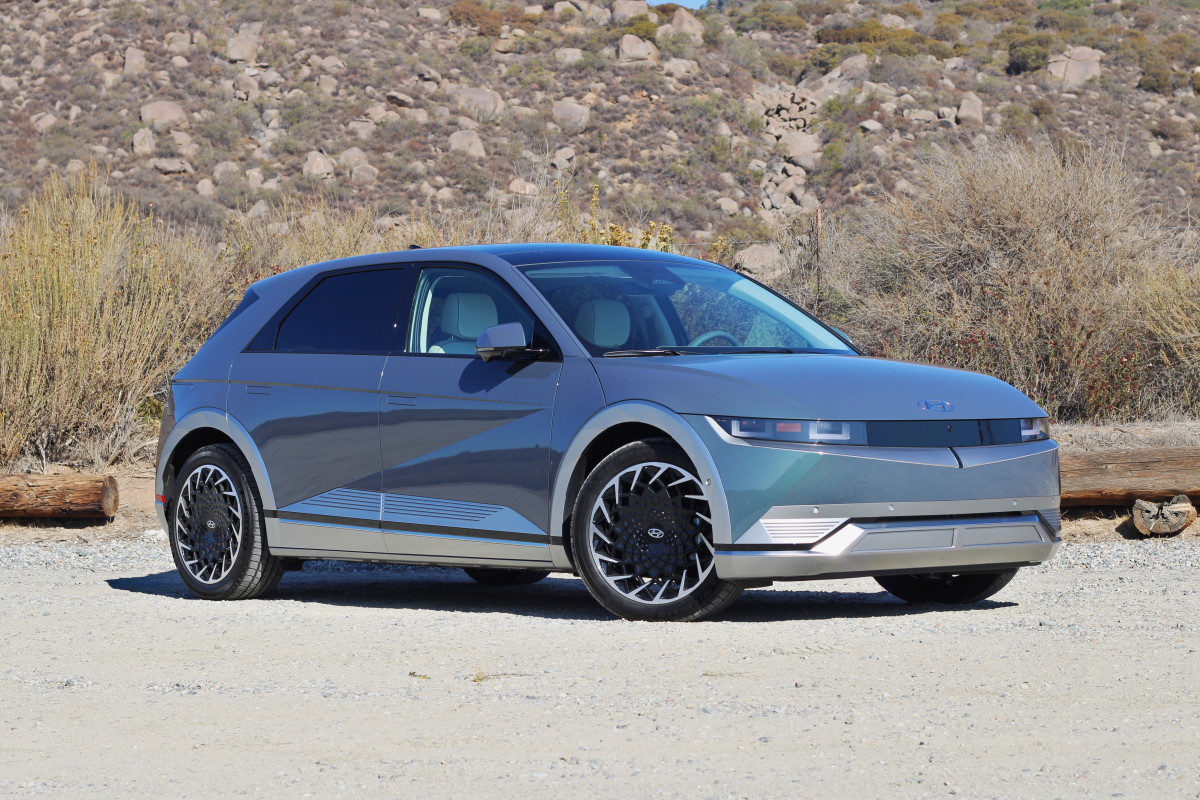
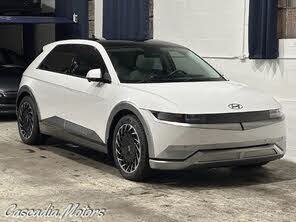
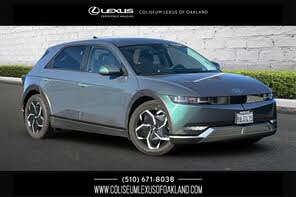
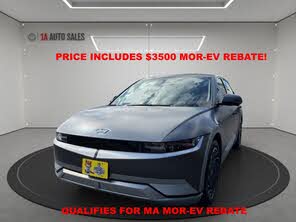
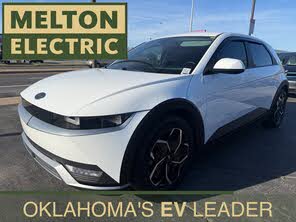
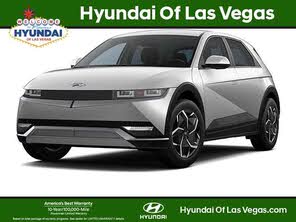
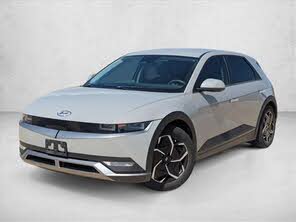
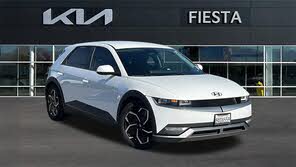
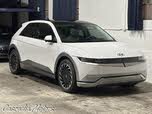
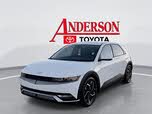
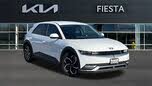
The 2022 Hyundai Ioniq 5 captivated audiences with its futuristic design, making a statement as Hyundai's new flagship EV under the Ioniq brand. Unlike its predecessor, which first appeared in 2016 and offered in hybrid, plug-in hybrid, and battery-electric variants, the Ioniq 5 showcased a distinctive design philosophy called "Parametric Pixel." This theme permeated the vehicle’s exterior and lighting features, evoking nostalgia for older millennials through its 8-bit motifs. At first glance, the Ioniq 5 appeared polished and uncluttered, yet a deeper look revealed a myriad of details that could simultaneously fascinate and frustrate. The vehicle's numerous LED lights—including headlights, taillights, daytime running lights, and turn signals—continued this pixelated theme, creating an impression reminiscent of a concept car. Aerodynamic wheels with intricate designs and silver-contrast plastic cladding further cemented its advanced appearance.
Stepping inside, the Ioniq 5 offered a serene ambiance with its “Living Space” design theme. Soft-touch surfaces in shades of black, gray, and dark green contributed to a soothing interior. Practicality wasn’t sacrificed for aesthetics; sustainable and recycled materials were used for seats, door panels, and other touchpoints. In higher trims, the driver could even engage in a “Relaxation” mode, reclining the seat and raising the footrest for a zero-gravity experience. With a blend of modern simplicity and sustainable materials, the interior of the Ioniq 5 provided an inviting, comfortable space.
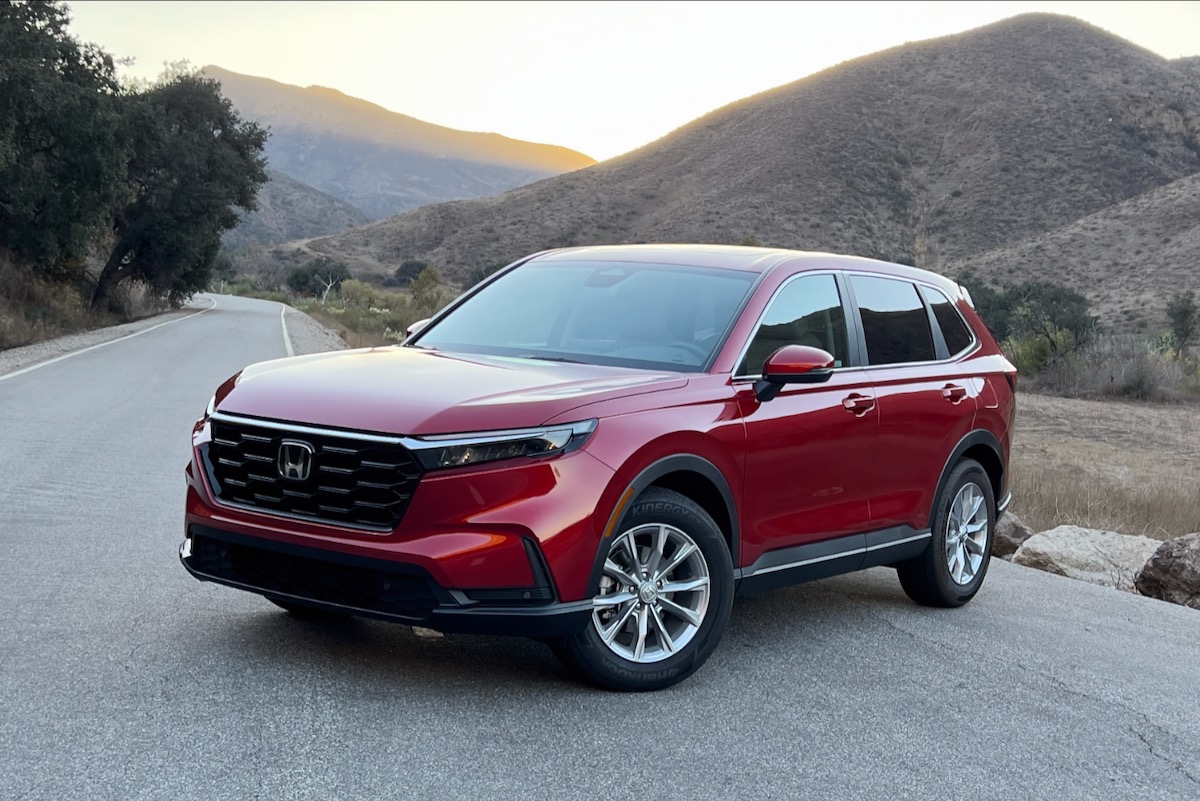
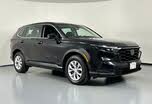
In contrast, the 2023 Honda CR-V embraced a more conservative redesign. The sixth generation showcased a blunt nose, long hood, and stretched wheelbase, shedding some of the personality that characterized its predecessor but ensuring a look that would age gracefully. Both CR-V EX and EX-L trims featured 18-inch alloy wheels and dark-tinted rear privacy glass. However, the interiors differed: the EX-L offered leather-wrapped seats, steering wheel, and shift knob, whereas the EX had standard cloth upholstery. The dashboard design echoed the latest Civic, with a metal mesh trim incorporating the air vents, adding a touch of sophistication.
The CR-V's cabin was noted for its simplicity and high quality, with clear instrumentation and a digital display. The EX-L trim provided added conveniences, including a larger touchscreen infotainment system, power-adjustable front passenger seat, auto-dimming rearview mirror, and a power rear liftgate. Though pricier, the EX-L offered a more luxurious interior experience.


The Hyundai Ioniq 5 had three trims—SE, SEL, and Limited—and offered both rear-wheel drive (RWD) and all-wheel drive (AWD). The base SE Standard Range trim featured a 168-horsepower, 128-kW rear-mounted electric motor, providing 220 miles on a single charge. The extended-range versions available in RWD and AWD offered significantly more power. The RWD models, including SE, SEL, and Limited trims, produced 225 hp and 258 lb-ft of torque, with an impressive range of 303 miles. Opting for AWD added a second motor, boosting output to 320 hp and 446 lb-ft of torque, but reducing the range to 256 miles.
The Ioniq 5 excelled in balanced performance, especially its AWD configuration, which tackled winding roads and highways with equal composure. The vehicle’s four drive modes, including Sport, allowed for a customized driving experience, albeit at the expense of range. Regenerative braking could be adjusted on the fly using paddle shifters, adding an engaging dimension to the drive. Noise, vibration, and harshness (NVH) were minimized through sound-deadening materials and specialized tires, making for a quiet ride.
The 2023 Honda CR-V came equipped with a 1.5-liter turbocharged four-cylinder engine, producing 190 hp and 179 lb-ft of torque. While the engine offered robust performance for a compact SUV, it was partnered with a continuously variable automatic transmission (CVT), which detracted from the driving experience with its droning noise during acceleration.
Despite the CVT's drawbacks, the CR-V excelled in ride and handling. Honda had fine-tuned its suspension, steering, and brakes to near perfection, delivering a smooth and engaging drive. The CR-V handled various road surfaces adeptly, offering a pleasant driving experience even around sharp curves and highway ramps. It achieved impressive fuel economy, averaging 29.1 mpg on a test route, which matched the EPA's combined driving estimate.
The Hyundai Ioniq 5’s Electric Global Modular Platform (E-GMP) allowed for a longer wheelbase, translating to spacious interiors. Despite looking like a hatchback, it was actually sized like an SUV, boasting a 118.1-inch wheelbase, even longer than Hyundai’s seven-passenger Palisade. The Ioniq 5 offered a generous 133.7 cubic feet of interior volume, beating out competitors like the Ford Mustang Mach-E and Volkswagen ID.4. It had a passenger volume of 106.5 cubic feet, prioritizing passenger space over cargo, which measured at 27.2 cubic feet.
The versatile interior featured moveable components like the center console, which could slide 5.5 inches to accommodate various storage needs. Leatherette seats provided excellent comfort, and the overall design offered numerous practical touches, such as soft-touch points and useful spaces for storage.
The 2023 Honda CR-V, though claimed to be the roomiest model yet, had a different feel. The driver’s seat sat relatively low, recalling a car-like rather than SUV-like driving position. Nonetheless, the redesigned seats were comfortable, and the second row offered greater spaciousness and comfort, with multiple recline positions and plenty of legroom. The CR-V’s cargo space was substantial, offering 39.3 cubic feet with the rear seats up. When the rear seats were folded down, this expanded to 76.5 cubic feet, adding to its practicality.
Both vehicles excelled in interior space, but the Ioniq 5 focused more on passenger comfort, while the CR-V balanced passenger and cargo needs effectively.
The Hyundai Ioniq 5 was technologically advanced, boasting a high-voltage system that supported vehicle-to-load capabilities. It could handle infrastructure of up to 800 volts, allowing ultra-fast charging, reaching 80% capacity in just 18 minutes. It offered innovative features like vehicle-to-home or vehicle-to-vehicle charging. Owners could enjoy two years of unlimited 30-minute fast-charging sessions at Electrify America stations.
The Ioniq 5's interior technology was equally impressive, featuring two 12.3-inch screens for the instrument cluster and infotainment system. These screens were anti-glare and readable even with polarized sunglasses. The infotainment system included a redesigned Blue Link app for better EV management, and a digital key feature, among others. The user experience in the Ioniq 5 was both modern and intuitive.
The 2023 Honda CR-V also had its share of technological advancements though it didn’t push the envelope. All models had a 7-inch digital instrumentation panel. The EX trim included a 7-inch touchscreen with physical knobs and buttons, while the EX-L upgraded to a 9-inch touchscreen with features like wireless Apple CarPlay and Android Auto, SiriusXM, and wireless charging.
For more advanced tech like a Bose sound system and real-time traffic navigation, buyers had to opt for the top-tier CR-V Sport Touring Hybrid. Despite these upgrades, the CR-V’s infotainment system didn’t offer groundbreaking features and mainly aimed to match current industry standards.
Hyundai equipped the Ioniq 5 with Hyundai SmartSense, a suite of advanced driver assistance systems (ADAS). Standard features included blind-spot monitoring, lane-departure warning, automatic high beams, and front- and rear-collision avoidance. The vehicle also featured Hyundai Highway Drive Assist I (HAD), a Level 2 semi-autonomous driving system. HAD adapted to the driver's habits, offering a customized driving experience over time. A head-up display with augmented reality was also available, though it could be distracting.
Honda's 2023 CR-V saw significant improvements in its driver-assist systems, bundled under Honda Sensing. This included features like adaptive cruise control with stop-and-go, forward-collision warning, automatic emergency braking, lane-departure warning, lane-centering assist, and blind-spot monitoring. The new CR-V also introduced Traffic Jam Assist for better low-speed driving assistance.
Though both vehicles offered robust safety features, the CR-V's system could sometimes struggle in certain situations, such as exits or lane changes, adding a mechanical feel to the otherwise excellent steering.
CarGurus highlights
According to CarGurus experts, the overall rating for the 2022 Hyundai Ioniq 5 is 9.0 out of 10, while the 2023 Honda CR-V scores 7.8 out of 10. Based on these ratings, the 2022 Hyundai Ioniq 5 is the recommended choice for its superior technology, innovative features, and overall excellent performance. The Ioniq 5 stands out as a more advanced and capable vehicle in today’s evolving automotive landscape.
Choose the 2023 Honda CR-V if:
- You prioritize a well-rounded driving experience with refined ride and handling.
- You need a compact SUV with extensive cargo space and versatile storage solutions.
- You appreciate a user-friendly, if not groundbreaking, infotainment and driver-assist system.




Choose the 2022 Hyundai Ioniq 5 if:
- You value cutting-edge EV technology and rapid charging capabilities.
- You prefer a spacious, comfortable interior with a focus on passenger space.
- You’re looking for a quiet ride with advanced sound-deadening features.



CarGurus highlights
According to CarGurus experts, the overall rating for the 2022 Hyundai Ioniq 5 is 9.0 out of 10, while the 2023 Honda CR-V scores 7.8 out of 10. Based on these ratings, the 2022 Hyundai Ioniq 5 is the recommended choice for its superior technology, innovative features, and overall excellent performance. The Ioniq 5 stands out as a more advanced and capable vehicle in today’s evolving automotive landscape.
Choose the 2023 Honda CR-V if:
Shop Now- You prioritize a well-rounded driving experience with refined ride and handling.
- You need a compact SUV with extensive cargo space and versatile storage solutions.
- You appreciate a user-friendly, if not groundbreaking, infotainment and driver-assist system.









Choose the 2022 Hyundai Ioniq 5 if:
Shop Now- You value cutting-edge EV technology and rapid charging capabilities.
- You prefer a spacious, comfortable interior with a focus on passenger space.
- You’re looking for a quiet ride with advanced sound-deadening features.








By: CarGurus + AI
At CarGurus, our team of experienced automotive writers remain at the heart of our content operation, conducting hands-on car tests and writing insightful guides that are backed by years of industry experience. To complement this, we are harnessing AI to make our content offering more diverse and more helpful to shoppers than ever. To achieve this, our AI systems are based exclusively on CarGurus content, ratings and data, so that what we produce is both unique to CarGurus, and uniquely helpful to car shoppers.