2021 Toyota Venza vs 2021 Volvo XC90

Overview | |
MSRP$49,000 | MSRP$32,670 |
Listings328 | Listings454 |
Ratings & Reviews | |
User Reviews | User Reviews |
Expert reviews7.7 out of 10 | Expert reviews8.3 out of 10 |
Pros
Cons
| Pros
Cons
|
2021 Volvo XC90 Reviews SummaryVolvo may be known for sensible station wagons, but the XC90 SUV is the Swedish automaker’s de facto flagship. The current generation debuted design features, technology, and powertrains that have since found their way into most other Volvo models. Several years into the current-generation model’s lifecycle, the XC90 is no longer a trendsetter, but remains Volvo’s contender in the competitive midsize luxury SUV segment, with the automaker’s typical emphasis on safety features. The current-generation XC90 launched for the 2016 model year, so most competitors—including the Audi Q7, Acura MDX, BMW X5, and Mercedes-Benz GLE-Class—have been updated or redesigned since then. The Cadillac XT6 and Lincoln Aviator didn’t even exist when this generation of XC90 launched. A redesigned version is expected to arrive soon, so changes to the 2021 XC90 are minimal. All 2021 Volvo models are now limited to 112 mph for safety reasons and get Care Key, which lets owners limit the top speed before loaning the car out to a friend or family member. The XC90 also gets a handful of newly standard tech features, and some small cosmetic changes. Volvo offers the XC90 in three trim levels—Momentum, R-Design, and Inscription—with three powertrain options: T5 and T6 gasoline engines, and the T8 plug-in hybrid. Our test car was a range-topping T8 Recharge Inscription, combining the top Inscription trim level with the plug-in hybrid powertrain, which has the highest output of the three. | |
2021 Toyota Venza Reviews SummaryAt first glance, the 2021 Toyota Venza looks more like a Lexus than a typical Toyota, which is fitting, because the Venza is anything but typical. The new Venza blends a new approach to in-car technology with fresh exterior and interior design. Like the Nissan Murano, Honda Passport, Ford Edge, and Chevrolet Blazer, the Venza is a two-row SUV meant to be more sophisticated than the family-friendly Nissan Rogue, Honda CR-V, Chevrolet Equinox, and Toyota RAV4. There is no three-row Venza option. It also comes only with a hybrid powertrain—for better or worse—something that its competition is lacking. All-wheel drive is also standard. That's also offered by the competition, but only as a costly upgrade. The Venza’s $32,470 starting price is slightly higher than the Murano and Blazer, but it comes with the traditionally-more-expensive hybrid powertrain. Is the hybrid worth shelling out a little more for? | |
No video found | |
Popular Features & Specs | |
Engine2.0L 250 hp I4 | Engine2.5L 219 hp I4 Hybrid |
Drive TrainFWD | Drive TrainAWD |
Seating Capacity7 | Seating Capacity5 |
Horsepower250 hp @ 5500 rpm | Horsepower |
EV Battery Capacity | EV Battery Capacity0.93 kWh |
MPG City21 | MPG City40 |
MPG Highway30 | MPG Highway37 |
Engine | |
Engine Name2.0L 250 hp I4 | Engine Name2.5L 219 hp I4 Hybrid |
Torque258 lb-ft @ 1500 rpm | Torque |
Horsepower250 hp @ 5500 rpm | Horsepower |
DrivetrainFWD | DrivetrainAWD |
Fuel Economy | |
EV Battery Capacity | EV Battery Capacity0.93 kWh |
MPG City21 | MPG City40 |
MPG Highway30 | MPG Highway37 |
Interior | |
Seating Capacity7 | Seating Capacity5 |
Key Features | |
Sunroof/MoonroofStandard | Sunroof/Moonroof |
Safety | |
Front Crash Overall5 | Front Crash Overall4 |
Side Crash Overall5 | Side Crash Overall5 |
Dimensions & Capacity | |
Cargo Space10.7 cu ft | Cargo Space28.8 cu ft |
Curb Weight4374 lbs | Curb Weight3847 lbs |
Height69.9 in | Height65.9 in |
Length195.0 in | Length186.6 in |
Width84.3 in | Width73.0 in |
Wheelbase117.5 in | Wheelbase105.9 in |
Maximum Payload1631 lbs | Maximum Payload900 lbs |
Number of doors4 | Number of doors4 |
Maximum Towing Capacity4000 lbs | Maximum Towing Capacity |
Overview | ||
MSRP | $49,000 | $32,670 |
Listings | ||
Ratings & Reviews | ||
User reviews | ||
Expert reviews | 7.7 out of 10Read full review | 8.3 out of 10Read full review |
Pros & cons | Pros
Cons
| Pros
Cons
|
Summary | Volvo may be known for sensible station wagons, but the XC90 SUV is the Swedish automaker’s de facto flagship. The current generation debuted design features, technology, and powertrains that have since found their way into most other Volvo models. Several years into the current-generation model’s lifecycle, the XC90 is no longer a trendsetter, but remains Volvo’s contender in the competitive midsize luxury SUV segment, with the automaker’s typical emphasis on safety features. The current-generation XC90 launched for the 2016 model year, so most competitors—including the Audi Q7, Acura MDX, BMW X5, and Mercedes-Benz GLE-Class—have been updated or redesigned since then. The Cadillac XT6 and Lincoln Aviator didn’t even exist when this generation of XC90 launched. A redesigned version is expected to arrive soon, so changes to the 2021 XC90 are minimal. All 2021 Volvo models are now limited to 112 mph for safety reasons and get Care Key, which lets owners limit the top speed before loaning the car out to a friend or family member. The XC90 also gets a handful of newly standard tech features, and some small cosmetic changes. Volvo offers the XC90 in three trim levels—Momentum, R-Design, and Inscription—with three powertrain options: T5 and T6 gasoline engines, and the T8 plug-in hybrid. Our test car was a range-topping T8 Recharge Inscription, combining the top Inscription trim level with the plug-in hybrid powertrain, which has the highest output of the three. | At first glance, the 2021 Toyota Venza looks more like a Lexus than a typical Toyota, which is fitting, because the Venza is anything but typical. The new Venza blends a new approach to in-car technology with fresh exterior and interior design. Like the Nissan Murano, Honda Passport, Ford Edge, and Chevrolet Blazer, the Venza is a two-row SUV meant to be more sophisticated than the family-friendly Nissan Rogue, Honda CR-V, Chevrolet Equinox, and Toyota RAV4. There is no three-row Venza option. It also comes only with a hybrid powertrain—for better or worse—something that its competition is lacking. All-wheel drive is also standard. That's also offered by the competition, but only as a costly upgrade. The Venza’s $32,470 starting price is slightly higher than the Murano and Blazer, but it comes with the traditionally-more-expensive hybrid powertrain. Is the hybrid worth shelling out a little more for? |
Video | No video found | |
Popular Features & Specs | ||
Engine | 2.0L 250 hp I4 | 2.5L 219 hp I4 Hybrid |
Drive Train | FWD | AWD |
Seating Capacity | 7 | 5 |
Horsepower | 250 hp @ 5500 rpm | |
EV Battery Capacity | 0.93 kWh | |
MPG City | 21 | 40 |
MPG Highway | 30 | 37 |
Engine | ||
Engine Name | 2.0L 250 hp I4 | 2.5L 219 hp I4 Hybrid |
Torque | 258 lb-ft @ 1500 rpm | |
Horsepower | 250 hp @ 5500 rpm | |
Drivetrain | FWD | AWD |
Fuel Economy | ||
EV Battery Capacity | 0.93 kWh | |
MPG City | 21 | 40 |
MPG Highway | 30 | 37 |
Interior | ||
Seating Capacity | 7 | 5 |
Key Features | ||
Sunroof/Moonroof | Standard | |
Safety | ||
Front Crash Overall | 5 | 4 |
Side Crash Overall | 5 | 5 |
Dimensions & Capacity | ||
Cargo Space | 10.7 cu ft | 28.8 cu ft |
Curb Weight | 4374 lbs | 3847 lbs |
Height | 69.9 in | 65.9 in |
Length | 195.0 in | 186.6 in |
Width | 84.3 in | 73.0 in |
Wheelbase | 117.5 in | 105.9 in |
Maximum Payload | 1631 lbs | 900 lbs |
Number of doors | 4 | 4 |
Maximum Towing Capacity | 4000 lbs | |
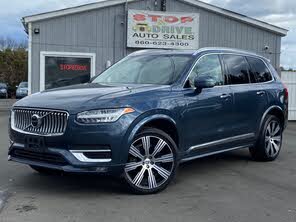
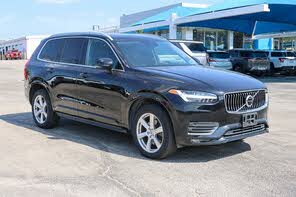
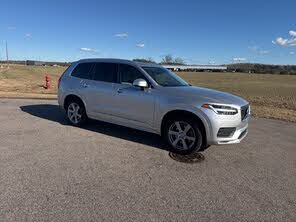
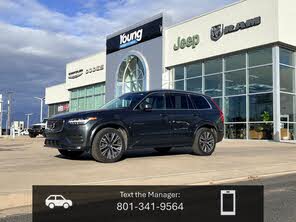
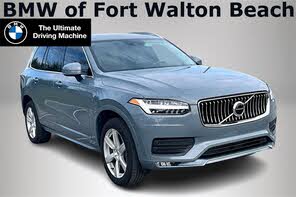
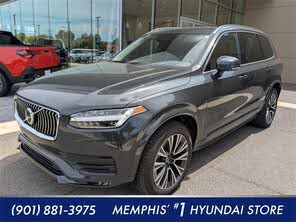
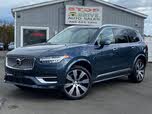
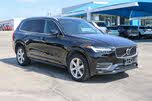
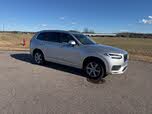
In 2021, the Volvo XC90 maintained its image as a luxury SUV with a distinctive design. The 2021 model retained the traditional boxy profile and blunt front end with a rectangular grille, yet it introduced softer lines, more chrome details, and the hallmark LED headlights with “Thor’s Hammer” daytime running lights. These elements gave the vehicle a notable visual appeal that made it stand out without straying from its Volvo roots.
The XC90 was offered in several trims, each adding unique styling accents. Our Inscription test car, with its extra chrome trim and optional 21-inch alloy wheels, was the most eye-catching of the lineup. Other trims included the midlevel R-Design, which presented a sportier look with a new gloss-black grille surround for 2021, and the base Momentum, which emphasized functionality over ornamentation. Wheel options ranged from 19-inch wheels on the Momentum to standard 20-inch wheels on the R-Design.
This model shared its Scalable Product Architecture (SPA) platform with other Volvo models, ensuring a cohesive design across the brand's lineup. Inside, the XC90 embodied “Swedish minimalism,” showcasing premium materials arranged in a sleek, uncluttered fashion. The matte-finish wood trim provided a natural look, and a wool upholstery option was offered alongside the available Nappa leather, making for a unique interior ambiance. Even elements like the Orrefors crystal shifter, though slightly out of place with the minimalist design, spoke to the level of sophistication Volvo aimed for.
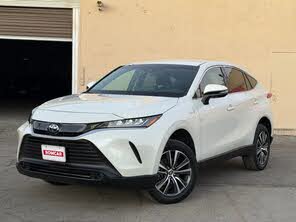
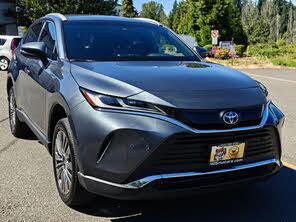
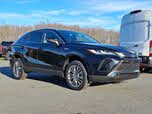
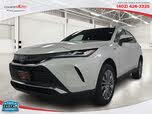
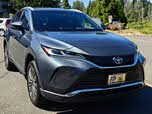
Conversely, the 2021 Toyota Venza, despite being roughly six inches shorter and an inch lower to the ground compared to the Toyota RAV4, offered a design that many critics likened to Lexus models. From its grille to its elongated profile, the Venza drew heavily from the Lexus LF-1 Limitless concept, showcasing a sleek, polished look that often blurred the lines between Toyota and its luxury counterpart.
The Venza was available in three trims—LE, XLE, and Limited—with seven paint colors to choose from, though availability varied by trim. The standard equipment list was extensive, including features such as LED headlights and taillights, dual chrome-tipped exhaust, automatic high beams, and 18-inch alloy wheels. The LE trim also included modern conveniences like a wireless charging pad, dual-zone automatic climate control, and an 8-inch infotainment touchscreen.
Upgrading to the XLE added notable exterior enhancements, such as black bumper garnishes and silver roof rails, while the interior received upgrades like a 7-inch driver information display, SofTex bolsters, heated front seats, and a soft-touch dashboard. The top-tier Limited trim came with a 12.3-inch infotainment screen and additional premium features like a digital rearview mirror and the optional Star Gaze panoramic roof with electrochromic glazing.
The Venza's interior design was purposeful and upscale for its price point, featuring capacitive buttons and premium appointments like piano black accents and padded upholstery.


Under the hood, the 2021 Volvo XC90 offered three variations of its 2.0-liter four-cylinder engine, paired with an eight-speed automatic transmission. The base T5, with its turbocharged setup, delivered 250 horsepower and 258 pound-feet of torque. The mid-tier T6 introduced both a turbocharger and a supercharger, boosting output to 316 horsepower and 295 pound-feet of torque.
The top-tier T8 Twin Engine plug-in hybrid (or Recharge) combined the T6 engine with electric assistance, generating a formidable 400 horsepower and 472 pound-feet of torque. While front-wheel drive was standard on the T5, the T6 and T8 came standard with all-wheel drive. Despite its impressive 400 horsepower, the T8's small engine struggled when relying solely on electric power, particularly at low speeds.
The XC90 featured three drive modes—Pure, Hybrid, and Power—but making the most of the all-electric Pure mode proved challenging due to the gasoline engine's propensity to kick in during acceleration. However, the ride quality was commendable, particularly with the optional air-suspension system that helped maintain comfort even with 21-inch wheels. The XC90's towing capacity was respectable, with most models rated at 5,000 pounds, although the base FWD T5 could tow up to 4,000 pounds.
The 2021 Toyota Venza, on the other hand, came standard with a 2.5-liter four-cylinder gasoline engine supplemented by a lithium-ion battery pack and electric motors, all managed by an electronically-controlled continuously-variable transmission (eCVT). This hybrid setup produced a combined 219 horsepower and 163 pound-feet of torque—less power than some competitors but sufficient for the Venza’s intended use.
Acceleration in the Venza was smooth, although the journey to speed was noisy due to the engine and transmission sounds permeating the cabin. Despite this, once at cruising speed, the Venza offered a quieter ride, although road noise from the eco-conscious tires remained a factor.
The Venza excelled in fuel efficiency, achieving an EPA-estimated 40 mpg on the highway, 37 mpg in the city, and 39 mpg combined. These figures outpaced competitors like the Nissan Murano and Honda Passport, making the Venza a standout option for those prioritizing fuel economy. The handling was reliable and predictable, living up to Toyota's reputation for producing vehicles that inspire driver confidence.
The 2021 Volvo XC90 provided a three-row seating configuration, available as either a six-seater with second-row captain’s chairs or a seven-seater with a bench seat. While space in the third row was tight for adults, the second and third-row seats lacked support and felt hard over longer drives. The panoramic moonroof stretched across the first two rows, enhancing the cabin's airy feel, complemented by the upright roof profile.
The range-topping Inscription trim included 10-way power-adjustable heated and ventilated front seats with backrest massage, although a power-adjustable steering wheel was notably absent. Finding a comfortable driving position was straightforward, but visibility was somewhat compromised by the tall hood. Storage options were limited, with a shallow center console and minimal organizational features.
Cargo capacity in the XC90 was near the bottom of the segment for the T8 Recharge model, offering 11.2 cubic feet with all seats in place, 34.1 cubic feet with the rear seats folded, and 64.1 cubic feet with both second and third rows folded. This limited space could pose challenges for families requiring substantial cargo room, though the hands-free power tailgate added convenience.
The 2021 Toyota Venza’s interior, while not as luxurious as the XC90, offered a well-thought-out design with practical features. The Venza’s unique cabin approach included capacitive buttons for climate and infotainment controls and premium appointments like piano black accents and padded upholstery, especially pronounced in the top-tier Limited trim.
The seating in the Venza provided ample comfort for both front and rear passengers. The cabin felt spacious, with more headroom and nearly equal amounts of shoulder and hip room compared to the RAV4. The Venza had a smaller cargo capacity than some competitors, offering 55.1 cubic feet with the rear seats folded down. Although this was less than what vehicles like the Nissan Murano and Honda Passport offered, it was adequate for daily driving needs.
The Venza featured resizable cup holders, a traditional stick shifter, drive mode buttons, and a wireless charging pad on the center console. The 60/40 split-folding rear seatbacks made arranging cargo space simple, although families planning extended trips might find the cargo area somewhat limited.
In 2021, the Volvo XC90 highlighted the efficacy of its Sensus infotainment system, featuring a 9-inch touchscreen, a 12.3-inch digital instrument cluster, and standard compatibility with Apple CarPlay and Android Auto. The system also included Bluetooth, a WiFi hotspot, two front USB-A and two rear USB-C ports, and an available 19-speaker Bowers & Wilkins premium audio system with a head-up display (HUD).
The portrait-oriented touchscreen was intuitive, mimicking tablet functionality with swipe actions across menus. While the lack of physical buttons aligned with the minimalist interior design, the text size and typeface made reading some menus challenging while driving. The available wireless charging pad struggled to fit most phones effectively, and the absence of USB-C ports up front could be inconvenient for drivers with newer devices.
For the 2021 Toyota Venza, infotainment options varied by trim, with the LE and XLE featuring an 8-inch touchscreen and the Limited sporting a 12.3-inch version. The Entune system, though improved, still lagged behind competitors. Navigating menus often required multiple steps, making simple tasks more cumbersome.
Toyota equipped the Venza with standard Apple CarPlay, Android Auto, and Amazon Alexa. All models featured a Wi-Fi hotspot requiring a subscription post-trial, along with AM/FM/HD Radio, Bluetooth, and a six-speaker audio system. The Limited trim offered a nine-speaker JBL premium audio system with a subwoofer and amplifier.
Toyota’s connected services included a one-year trial of Safety Connect, a 10-year trial of Service Connect, and a one-year trial of Remote Connect, adding substantial convenience and safety features. Models with the larger screen benefited from dynamic navigation, utilizing cloud-based technology to provide adaptive route guidance.
In 2021, the Volvo XC90 solidified its reputation for safety, earning the highest “Top Safety Pick+” rating from the Insurance Institute for Highway Safety (IIHS) for non-hybrid models, with top “Good” scores in all crash tests. The XC90 also received top “Superior” ratings for front-crash prevention tech in vehicle-to-vehicle testing, while vehicle-to-pedestrian testing scored “Advanced.” Ratings for headlights and LATCH child-seat anchors were “Acceptable.”
The National Highway Traffic Safety Administration (NHTSA) awarded the XC90 five stars overall, with specific five-star ratings in frontal and side crash tests, and four stars in rollover evaluations.
Volvo’s extensive standard safety features included lane-keep assist, traffic-sign recognition, a driver-attention monitor, blind-spot monitoring, rear cross-traffic alert, automatic emergency braking, and Pilot Assist, which combined adaptive cruise control with lane centering. Although Pilot Assist excelled in smooth functionality and reactive speed adjustments, it struggled with more challenging curves, underscoring the importance of driver attention.
The 2021 Toyota Venza also came well-equipped with safety features through the Toyota Safety Sense 2.0 suite. Standard features included eight airbags, a rearview camera, hill start assist, parking distance sensors, tire pressure monitoring, and adjustable front seatbelt anchors. The package further added a pre-collision system with pedestrian detection, lane-departure alert with steering assist, lane-tracing assist, automatic high beams, adaptive cruise control, and road sign assist.
Blind-spot monitoring with rear cross-traffic alert was standard, with higher trims receiving an enhanced version with automatic braking. The Venza featured two full sets of LATCH connections on the rear outboard seats, ensuring child-seat installation was straightforward.
Safety and driver-assist systems performed reliably, though the lane-keeping and lane-tracing assists kept the vehicle slightly biased to the right within the lane compared to other brands. Despite this, they handled lane lines effectively, even in construction zones, without deviating from the path.
CarGurus highlights

According to CarGurus experts, the overall rating for the 2021 Volvo XC90 is 7.7 out of 10, while the 2021 Toyota Venza scores 8.3 out of 10. The Venza stands out for its exceptional fuel efficiency, practical interior, and comprehensive suite of standard features, making it the better choice in this comparison. For those prioritizing fuel economy and everyday convenience without compromising on technology and safety, the Toyota Venza emerges as the recommended vehicle.
Choose the 2021 Toyota Venza if:
- You are looking for a mid-sized SUV with excellent fuel efficiency and hybrid technology.
- You want a well-rounded vehicle that offers modern infotainment features and connected services.
- You prioritize practical interior space and convenience features suitable for daily driving.




Choose the 2021 Volvo XC90 if:
- You prioritize a luxurious, minimalist interior with unique materials and design features.
- You require a comprehensive suite of standard safety features and top safety ratings.
- You need a versatile three-row SUV with multiple engine options, including a plug-in hybrid variant.

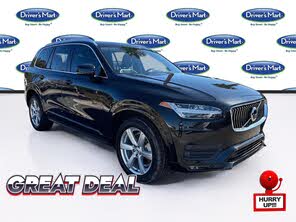
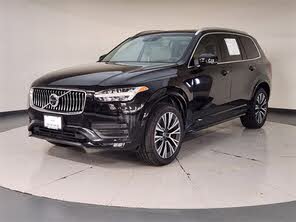

CarGurus highlights
According to CarGurus experts, the overall rating for the 2021 Volvo XC90 is 7.7 out of 10, while the 2021 Toyota Venza scores 8.3 out of 10. The Venza stands out for its exceptional fuel efficiency, practical interior, and comprehensive suite of standard features, making it the better choice in this comparison. For those prioritizing fuel economy and everyday convenience without compromising on technology and safety, the Toyota Venza emerges as the recommended vehicle.
Choose the 2021 Toyota Venza if:
Shop Now- You are looking for a mid-sized SUV with excellent fuel efficiency and hybrid technology.
- You want a well-rounded vehicle that offers modern infotainment features and connected services.
- You prioritize practical interior space and convenience features suitable for daily driving.
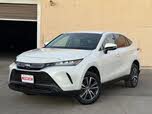

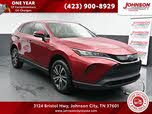




Choose the 2021 Volvo XC90 if:
Shop Now- You prioritize a luxurious, minimalist interior with unique materials and design features.
- You require a comprehensive suite of standard safety features and top safety ratings.
- You need a versatile three-row SUV with multiple engine options, including a plug-in hybrid variant.






By: CarGurus + AI
At CarGurus, our team of experienced automotive writers remain at the heart of our content operation, conducting hands-on car tests and writing insightful guides that are backed by years of industry experience. To complement this, we are harnessing AI to make our content offering more diverse and more helpful to shoppers than ever. To achieve this, our AI systems are based exclusively on CarGurus content, ratings and data, so that what we produce is both unique to CarGurus, and uniquely helpful to car shoppers.