2020 Subaru WRX vs 2021 Hyundai Elantra

Overview | |
MSRP$27,495 | MSRP$19,650 |
Listings246 | Listings652 |
Ratings & Reviews | |
User Reviews | User Reviews |
Expert reviews8.3 out of 10 | Expert reviews8.8 out of 10 |
Pros
Cons
| Pros
Cons
|
2020 Subaru WRX Reviews SummaryFor many, Subaru is synonymous with camping, skiing, and dog lovers. This active, outdoorsy reputation is one that Subaru has carefully cultivated through the years. But there is another side to the brand and one that is just as critical to its success. Its performance and motorsports efforts helped develop the symmetrical all-wheel-drive system found in nearly every modern Subaru. The 2020 Subaru WRX is the road-going manifestation of decades in world rally racing. The WRX is a home-grown celebration of all the technologies that underpin the lineup of reliable, efficient Subaru wagons, sedans, hatchbacks, and SUVs. But in the WRX these chassis and powertrain innovations are distilled to their hard-driving extremes. Can a four-door, four-cylinder car be a halo car for a brand? When that brand is Subaru, the answer is “yes.” | |
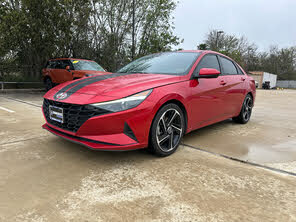
2021 Hyundai Elantra Reviews SummaryCompact cars are no longer compact. Cheap cars are no longer cheap. And it is no longer necessary to buy a luxury vehicle for performance, technology, and sophistication. The redesigned 2021 Hyundai Elantra proves it. | |
Popular Features & Specs | |
Engine2.0L 268 hp H4 | Engine2.0L 147 hp I4 |
Drive TrainAWD | Drive TrainFWD |
Seating Capacity5 | Seating Capacity5 |
Horsepower268 hp @ 5600 rpm | Horsepower147 hp @ 6200 rpm |
MPG City21 | MPG City31 |
MPG Highway27 | MPG Highway41 |
Engine | |
Engine Name2.0L 268 hp H4 | Engine Name2.0L 147 hp I4 |
Torque258 lb-ft @ 2000 rpm | Torque132 lb-ft @ 4500 rpm |
Horsepower268 hp @ 5600 rpm | Horsepower147 hp @ 6200 rpm |
DrivetrainAWD | DrivetrainFWD |
Fuel Economy | |
MPG City21 | MPG City31 |
MPG Highway27 | MPG Highway41 |
Interior | |
Seating Capacity5 | Seating Capacity5 |
Safety | |
Front Crash Overall5 | Front Crash Overall |
Side Crash Overall5 | Side Crash Overall |
Dimensions & Capacity | |
Cargo Space12.0 cu ft | Cargo Space14.2 cu ft |
Curb Weight3294 lbs | Curb Weight2725 lbs |
Height58.1 in | Height55.7 in |
Length180.9 in | Length184.1 in |
Width78.9 in | Width71.9 in |
Wheelbase104.3 in | Wheelbase107.1 in |
Maximum Payload1115 lbs | Maximum Payload1133 lbs |
Number of doors4 | Number of doors4 |
Overview | ||
MSRP | $27,495 | $19,650 |
Listings | ||
Ratings & Reviews | ||
User reviews | ||
Expert reviews | 8.3 out of 10Read full review | 8.8 out of 10Read full review |
Pros & cons | Pros
Cons
| Pros
Cons
|
Summary | For many, Subaru is synonymous with camping, skiing, and dog lovers. This active, outdoorsy reputation is one that Subaru has carefully cultivated through the years. But there is another side to the brand and one that is just as critical to its success. Its performance and motorsports efforts helped develop the symmetrical all-wheel-drive system found in nearly every modern Subaru. The 2020 Subaru WRX is the road-going manifestation of decades in world rally racing. The WRX is a home-grown celebration of all the technologies that underpin the lineup of reliable, efficient Subaru wagons, sedans, hatchbacks, and SUVs. But in the WRX these chassis and powertrain innovations are distilled to their hard-driving extremes. Can a four-door, four-cylinder car be a halo car for a brand? When that brand is Subaru, the answer is “yes.” | Compact cars are no longer compact. Cheap cars are no longer cheap. And it is no longer necessary to buy a luxury vehicle for performance, technology, and sophistication. The redesigned 2021 Hyundai Elantra proves it. |
Video | ||
Popular Features & Specs | ||
Engine | 2.0L 268 hp H4 | 2.0L 147 hp I4 |
Drive Train | AWD | FWD |
Seating Capacity | 5 | 5 |
Horsepower | 268 hp @ 5600 rpm | 147 hp @ 6200 rpm |
MPG City | 21 | 31 |
MPG Highway | 27 | 41 |
Engine | ||
Engine Name | 2.0L 268 hp H4 | 2.0L 147 hp I4 |
Torque | 258 lb-ft @ 2000 rpm | 132 lb-ft @ 4500 rpm |
Horsepower | 268 hp @ 5600 rpm | 147 hp @ 6200 rpm |
Drivetrain | AWD | FWD |
Fuel Economy | ||
MPG City | 21 | 31 |
MPG Highway | 27 | 41 |
Interior | ||
Seating Capacity | 5 | 5 |
Safety | ||
Front Crash Overall | 5 | |
Side Crash Overall | 5 | |
Dimensions & Capacity | ||
Cargo Space | 12.0 cu ft | 14.2 cu ft |
Curb Weight | 3294 lbs | 2725 lbs |
Height | 58.1 in | 55.7 in |
Length | 180.9 in | 184.1 in |
Width | 78.9 in | 71.9 in |
Wheelbase | 104.3 in | 107.1 in |
Maximum Payload | 1115 lbs | 1133 lbs |
Number of doors | 4 | 4 |
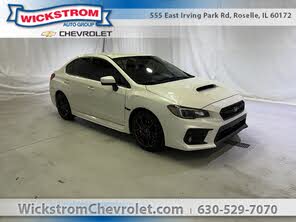
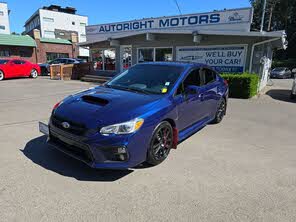
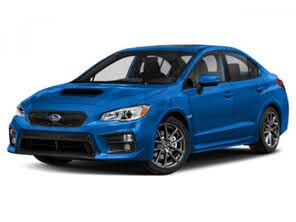
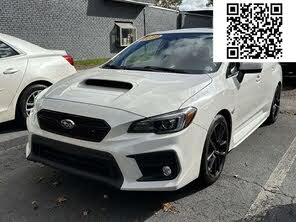
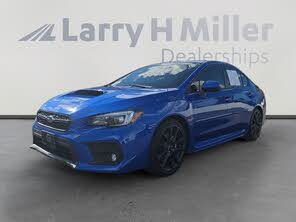
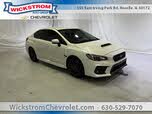
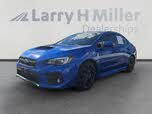
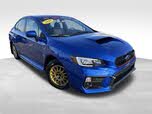
The 2020 Subaru WRX, originally a performance variant of the Subaru Impreza, evolved into its own model by 2015. By 2020, it retained its aggressive styling with a wider stance, lower front splitter, rear deck spoiler, and a large functional air intake. The WRX STI version took it further with a large rear wing and additional aerodynamic components. Despite these racy touches, the non-STI version could be a sleeper, surprising those unfamiliar with its performance capabilities. The cabin, however, was considered somewhat pedestrian for a new car in 2021.
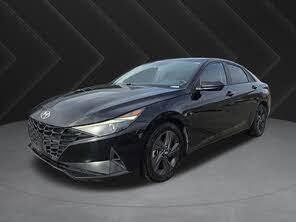
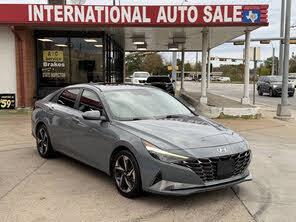
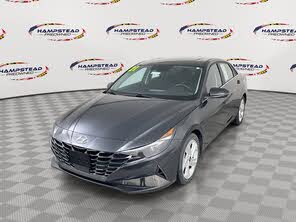
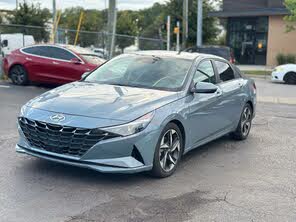
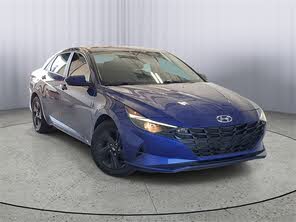
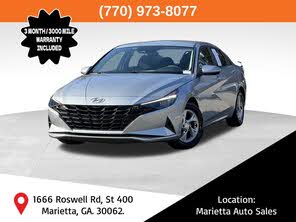
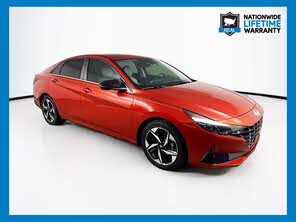
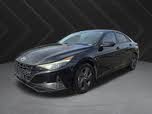
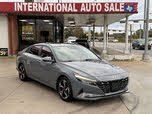
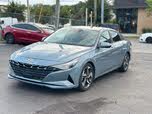
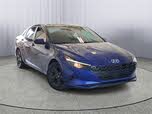
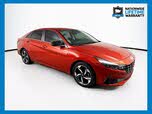
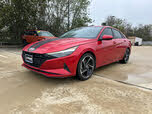
In contrast, the 2021 Hyundai Elantra showcased Hyundai’s Sensuous Sportiness design language, featuring sharp creases and dramatic angles. The Z-shaped dent in the doors, a controversial design cue, aimed to make the Elantra stand out. Available in SE, SEL, N Line, and Limited trims, the Elantra offered a hybrid powertrain option for the SEL and Limited. The high-performance Elantra N, debuting in early 2021, promised serious power and Nurburgring-tuned handling. Inside, the Elantra boasted a driver-focused dashboard and center console, with higher trims offering a modern and upscale look.


The 2020 Subaru WRX came equipped with a turbocharged 2.0-liter boxer-four engine, producing 268 horsepower and 258 pound-feet of torque. Power was sent to symmetrical all-wheel drive through a standard six-speed manual transmission or an optional CVT. The manual transmission provided a 50:50 front:rear torque distribution, while the CVT offered a 45:55 front:rear torque-split ratio. The WRX STI featured a 2.5-liter turbocharged boxer-four engine, delivering 310 hp and 290 lb-ft of torque, along with Brembo brakes and a stiffer suspension. The WRX excelled in cornering, with precise steering and minimal body lean, though the ride was stiff, especially in the STI version.
The 2021 Hyundai Elantra offered multiple powertrain combinations. The standard 2.0-liter 4-cylinder engine produced 147 horsepower and 132 pound-feet of torque, paired with a CVT. The Elantra Hybrid combined a 1.6-liter Atkinson-cycle engine with an electric motor, generating 139 horsepower and using a six-speed DCT. The sporty Elantra N Line featured a turbocharged 1.6-liter engine with 201 horsepower and 195 pound-feet of torque, available with a six-speed manual or seven-speed DCT. The high-performance Elantra N, with a turbocharged 2.0-liter engine, produced 276 horsepower and 289 lb-ft of torque, paired with a six-speed manual or eight-speed wet DCT. The Elantra N offered impressive handling and performance, making it a driving enthusiast’s dream.
The 2020 Subaru WRX offered excellent visibility, thanks to its simple sedan layout and large windshield. The cabin featured a straightforward dash layout with easy-to-use controls and ample storage. The WRX provided plenty of first-row seating space and adequate rear-seat space for adults on most trips. However, its 12 cubic feet of cargo space was low compared to other compact sedans but similar to sports cars.
The 2021 Hyundai Elantra, classified as a midsize car by the EPA, offered a roomy interior. The driver’s seat was height-adjustable, and the steering wheel was tilt/telescopic. The Limited Hybrid trim included heated and ventilated front seats. The rear seat provided ample legroom and foot space, though the backrest shape and angle lacked upper back support. The Elantra’s trunk measured 14.2 cubic feet, with a 60/40-split folding rear seat for added utility. Some versions included a hands-free trunk lid release.
The 2020 Subaru WRX featured a 6.5-inch or 7-inch infotainment touchscreen with the Starlink system, offering Apple CarPlay and Android Auto. The system was user-friendly and provided essential tech without overcomplicating things. The WRX also had a digital display in the instrument panel and a digital information screen atop the dash, offering key driver information in multiple locations.
The 2021 Hyundai Elantra came with an 8-inch touchscreen infotainment system in SE, SEL, and N Line trims, featuring wireless Apple CarPlay and Android Auto. The Limited trim offered a 10.25-inch touchscreen with navigation and a 10.25-inch digital instrumentation screen, providing a significant wow factor. The Limited Hybrid included a dynamic natural voice recognition system and a Bose premium sound system. Hyundai Digital Key allowed for remote access and control of the vehicle via an Android-based smartphone.
The 2020 Subaru WRX came standard with front- and side-impact airbags, traction control, and a tire-pressure monitoring system. The optional EyeSight suite included forward-collision warning, automatic emergency braking, lane-departure warning, automatic high beams, and adaptive cruise control. Additional optional safety features included blind-spot monitoring, rear cross-traffic alert, and reverse automatic emergency braking. The WRX earned top marks from the IIHS and a five-star overall safety rating from the NHTSA.
The 2021 Hyundai Elantra featured SmartSense, Hyundai’s collection of advanced driving assistance systems, including forward collision warning, automatic emergency braking, lane-departure warning, lane-keeping assistance, lane-centering assistance, automatic high-beam headlights, and a driver attention warning system. Additional safety features included blind-spot warning, rear cross-traffic warning, Rear Occupant Alert, and Safe Exit Warning. Safety-related upgrades included cyclist detection, junction turning assistance, adaptive cruise control, rear automatic braking, and Highway Drive Assist.
CarGurus highlights

According to CarGurus experts, the overall rating for the 2020 Subaru WRX is 8.3 out of 10, while the 2021 Hyundai Elantra scores 8.8 out of 10. Based on these ratings, the 2021 Hyundai Elantra is the recommended choice, offering a more modern design, advanced technology, and a variety of powertrain options to suit different driving preferences.
Choose the 2020 Subaru WRX if:
- You prioritize all-wheel drive performance and handling.
- You prefer a manual transmission for a more engaging driving experience.
- You value a straightforward, function-first interior design.





Choose the 2021 Hyundai Elantra if:
- You want a modern, stylish design with advanced technology features.
- You need a spacious interior with excellent rear-seat legroom.
- You seek a variety of powertrain options, including hybrid and high-performance variants.


CarGurus highlights
According to CarGurus experts, the overall rating for the 2020 Subaru WRX is 8.3 out of 10, while the 2021 Hyundai Elantra scores 8.8 out of 10. Based on these ratings, the 2021 Hyundai Elantra is the recommended choice, offering a more modern design, advanced technology, and a variety of powertrain options to suit different driving preferences.
Choose the 2020 Subaru WRX if:
Shop Now- You prioritize all-wheel drive performance and handling.
- You prefer a manual transmission for a more engaging driving experience.
- You value a straightforward, function-first interior design.







Choose the 2021 Hyundai Elantra if:
Shop Now- You want a modern, stylish design with advanced technology features.
- You need a spacious interior with excellent rear-seat legroom.
- You seek a variety of powertrain options, including hybrid and high-performance variants.





By: CarGurus + AI
At CarGurus, our team of experienced automotive writers remain at the heart of our content operation, conducting hands-on car tests and writing insightful guides that are backed by years of industry experience. To complement this, we are harnessing AI to make our content offering more diverse and more helpful to shoppers than ever. To achieve this, our AI systems are based exclusively on CarGurus content, ratings and data, so that what we produce is both unique to CarGurus, and uniquely helpful to car shoppers.