2020 Hyundai Kona vs 2020 Hyundai Santa Fe

Overview | |
MSRP$26,275 | MSRP$20,300 |
Listings1154 | Listings391 |
Ratings & Reviews | |
User Reviews | User Reviews |
Expert reviews8.8 out of 10 | Expert reviews6.8 out of 10 |
Pros
Cons
| Pros
Cons
|
2020 Hyundai Santa Fe Reviews SummaryLast year, Hyundai changed its approach to the Santa Fe. The smaller five-passenger Santa Fe Sport got drop-kicked from the automaker’s lineup, replaced by this completely redesigned version of the SUV. The larger seven-passenger Santa Fe got a new name for one year (Santa Fe XL), and then the all-new 2020 Hyundai Palisade replaced that vehicle. With the Palisade’s arrival, there is just one Santa Fe for 2020, a five-passenger crossover that resides in a sweet spot between traditional compact and midsize models. It gets several updates, too, including a standard rear-seat reminder system, an available camera-based Blind-Spot View Monitor system, and new design accents to better distinguish the top trim level. | |
2020 Hyundai Kona Reviews SummaryThe Hyundai Kona subcompact SUV is one of the smallest cars you can buy with all-wheel drive. It competes in a class of four-door hatchbacks with the lifted suspensions and higher driving positions that crossover buyers want—and with the same generous list of convenience and safety features that come on larger crossovers. We last tested the Kona when it came out for 2018, but a new trim level and more standard driver assists are the major changes for 2020. For what Hyundai charges, the Kona is cramped and the interior disappoints, yet exterior style and on-road performance are spectacular. | |
Popular Features & Specs | |
Engine2.4L 185 hp I4 | Engine2.0L 147 hp I4 |
Drive TrainFWD | Drive TrainFWD |
Seating Capacity5 | Seating Capacity5 |
Horsepower185 hp @ 6000 rpm | Horsepower147 hp @ 6200 rpm |
MPG City22 | MPG City27 |
MPG Highway29 | MPG Highway33 |
Engine | |
Engine Name2.4L 185 hp I4 | Engine Name2.0L 147 hp I4 |
Torque178 lb-ft @ 4000 rpm | Torque132 lb-ft @ 4500 rpm |
Horsepower185 hp @ 6000 rpm | Horsepower147 hp @ 6200 rpm |
DrivetrainFWD | DrivetrainFWD |
Fuel Economy | |
MPG City22 | MPG City27 |
MPG Highway29 | MPG Highway33 |
Interior | |
Seating Capacity5 | Seating Capacity5 |
Safety | |
Front Crash Overall4 | Front Crash Overall5 |
Side Crash Overall5 | Side Crash Overall5 |
Dimensions & Capacity | |
Cargo Space35.9 cu ft | Cargo Space19.2 cu ft |
Curb Weight3591 lbs | Curb Weight2890 lbs |
Height66.1 in | Height61.0 in |
Length187.8 in | Length164.0 in |
Width74.4 in | Width70.9 in |
Wheelbase108.9 in | Wheelbase102.4 in |
Maximum Payload1138 lbs | Maximum Payload1089 lbs |
Number of doors4 | Number of doors4 |
Maximum Towing Capacity2000 lbs | Maximum Towing Capacity |
Overview | ||
MSRP | $26,275 | $20,300 |
Listings | ||
Ratings & Reviews | ||
User reviews | ||
Expert reviews | 8.8 out of 10Read full review | 6.8 out of 10Read full review |
Pros & cons | Pros
Cons
| Pros
Cons
|
Summary | Last year, Hyundai changed its approach to the Santa Fe. The smaller five-passenger Santa Fe Sport got drop-kicked from the automaker’s lineup, replaced by this completely redesigned version of the SUV. The larger seven-passenger Santa Fe got a new name for one year (Santa Fe XL), and then the all-new 2020 Hyundai Palisade replaced that vehicle. With the Palisade’s arrival, there is just one Santa Fe for 2020, a five-passenger crossover that resides in a sweet spot between traditional compact and midsize models. It gets several updates, too, including a standard rear-seat reminder system, an available camera-based Blind-Spot View Monitor system, and new design accents to better distinguish the top trim level. | The Hyundai Kona subcompact SUV is one of the smallest cars you can buy with all-wheel drive. It competes in a class of four-door hatchbacks with the lifted suspensions and higher driving positions that crossover buyers want—and with the same generous list of convenience and safety features that come on larger crossovers. We last tested the Kona when it came out for 2018, but a new trim level and more standard driver assists are the major changes for 2020. For what Hyundai charges, the Kona is cramped and the interior disappoints, yet exterior style and on-road performance are spectacular. |
Video | ||
Popular Features & Specs | ||
Engine | 2.4L 185 hp I4 | 2.0L 147 hp I4 |
Drive Train | FWD | FWD |
Seating Capacity | 5 | 5 |
Horsepower | 185 hp @ 6000 rpm | 147 hp @ 6200 rpm |
MPG City | 22 | 27 |
MPG Highway | 29 | 33 |
Engine | ||
Engine Name | 2.4L 185 hp I4 | 2.0L 147 hp I4 |
Torque | 178 lb-ft @ 4000 rpm | 132 lb-ft @ 4500 rpm |
Horsepower | 185 hp @ 6000 rpm | 147 hp @ 6200 rpm |
Drivetrain | FWD | FWD |
Fuel Economy | ||
MPG City | 22 | 27 |
MPG Highway | 29 | 33 |
Interior | ||
Seating Capacity | 5 | 5 |
Safety | ||
Front Crash Overall | 4 | 5 |
Side Crash Overall | 5 | 5 |
Dimensions & Capacity | ||
Cargo Space | 35.9 cu ft | 19.2 cu ft |
Curb Weight | 3591 lbs | 2890 lbs |
Height | 66.1 in | 61.0 in |
Length | 187.8 in | 164.0 in |
Width | 74.4 in | 70.9 in |
Wheelbase | 108.9 in | 102.4 in |
Maximum Payload | 1138 lbs | 1089 lbs |
Number of doors | 4 | 4 |
Maximum Towing Capacity | 2000 lbs | |
The 2020 Hyundai Santa Fe provided a bold and somewhat polarizing design, with SE, SEL, and Limited trim levels to choose from. The "2.0T" designation indicated an upgrade to a turbocharged engine. All-wheel drive (AWD) was available as an option, allowing for better traction and versatility. When selecting a Santa Fe, consumers chose between various exterior paint colors, interior color schemes, and a selection of dealer-installed accessories. The test vehicle, a Limited 2.0T trim with dealer-installed floor mats, was priced at $39,170.
The Santa Fe's exterior design was distinct and adventurous but not necessarily universally appealing. Critics often pointed to the unconventional grille shape, stacked front lighting elements, asymmetrical fender stampings, and the pronounced rear "skid plate" trim as potential points of contention.
Inside, the Santa Fe's interior was characterized by a sense of drama, with a dual-cowl dashboard design that swept into door panels featuring diamond-textured speaker grilles. Interior color options like gray or beige provided a high-contrast visual appeal, extending to a flecked headliner pattern. Despite high-style design, the materials didn’t always live up to expectations, with glossy plastic in the lower half of the interior and rather stiff leather seat upholstery. Yet, build quality was high, and the controls operated with precision and refinement.
Some praised the Santa Fe for its daring design elements, while others found it too attention-grabbing for their tastes.
Conversely, the 2020 Hyundai Kona offered a more universally exciting and sporty appearance, particularly compared to competitors like the Honda HR-V and Toyota C-HR. Despite its small, subcompact size, the Kona’s sleek and dramatic exterior design made it appear larger and more dynamic. The Kona featured tiered lighting up front around a tall grille, along with slim LED running lamps, headlights spaced at the car’s edges, and optional fog lights. Fender creases and black trim added to its premium vibe.
Limited and Ultimate models benefited from larger wheels and additional gray trim, and the SEL trim offered a distinctive black-painted roof and pillars. Unfortunately, the Kona's interior quality didn’t match its exterior. The interior was marred by hard plastics and lackluster finishes, although higher trims did include colorful accents suggesting an effort to uplift the cabin's aesthetic. The cabin featured a straightforward layout with good-quality screens and responsive switchgear, though these elements did not reach the tactile quality seen in some competitors.
While the Santa Fe's design catered to those seeking bold, standout aesthetics, the Kona’s exterior appealed to those preferring a sporty, premium feel, albeit with a more ordinary cabin.


The 2020 Hyundai Santa Fe came with two engine options. The base 2.4-liter four-cylinder engine producing 185 horsepower was underwhelming given the vehicle’s curb weight range of 3,591 to 3,946 pounds. The preferred choice was the turbocharged 2.0-liter four-cylinder engine found in the 2.0T models, delivering 235 horsepower and a robust 260 lb-ft of torque between 1,450 rpm and 3,500 rpm. This engine provided significant performance gains over the standard engine and better suited the Santa Fe’s size and weight, especially beneficial at higher altitudes.
Both engines were paired with an eight-speed automatic transmission, with AWD as an option to mitigate torque steer encountered in front-wheel-drive (FWD) models. The Santa Fe offered a towing capacity of 3,500 pounds when properly equipped. Fuel economy was reasonable, with the 2.0T FWD variant achieving 23 mpg in combined driving according to EPA estimates, and our test model returning 22.1 mpg.
The driving experience in the Santa Fe was smooth, with compliant handling, light-effort steering, and reliable braking. The Limited trim, featuring laminated windshield and front window glass, provided a quiet highway ride, and the Santa Fe demonstrated competence in moderate off-road conditions. However, the SUV's driving dynamics catered more to everyday utility than to driver engagement, deeming it more of a practical choice than an enthusiast's vehicle.
In contrast, the 2020 Hyundai Kona stood out with its lively and engaging performance, particularly in models equipped with the 1.6-liter turbocharged inline-four engine, producing 175 horsepower and 195 lb-ft of torque. This engine, available in Limited and Ultimate trims, offered strong and confident acceleration, outperforming most competitors in the segment. The quick-reacting 7-speed dual-clutch transmission (DCT) complemented the eager engine, making for a satisfying driving experience.
The base engine, a naturally aspirated 2.0-liter inline-four with 147 horsepower, was less exciting but still paired with a responsive 6-speed automatic transmission, avoiding the less engaging continuously variable transmissions (CVTs) found in many competitors. AWD options and torque vectoring further enhanced the Kona’s agility, making it competitive with more premium vehicles like the Mercedes-Benz GLA and BMW X2 in terms of handling.
However, the Kona's engines were noisier, and the cabin insulation was not as robust, resulting in a louder drive compared to the Santa Fe. The ride was also stiffer, but the steering and suspension tuning allowed for engaging and stable handling. Fuel economy for the Kona was decent, with AWD models achieving around 27 mpg combined, although this was not exceptional for the class.
Ultimately, while the Santa Fe offered solid, utility-focused performance, the Kona provided a more dynamic and fun driving experience, especially with the turbocharged engine option.
The 2020 Hyundai Santa Fe excelled in addressing the practical needs of families, with thoughtful interior features. The test vehicle featured eight-way power-adjustable, heated, and ventilated front seats, along with four-way power-adjustable lumbar support and an extending thigh support. A heated steering wheel and an effective dual-zone automatic climate control system with a Clean Air ionizer added to the comfort. The large panoramic sunroof did not compromise the interior cooling capabilities.
Rear passengers enjoyed a comfortable ride with ample legroom and thigh support, air conditioning vents, and, in the Limited trim, rear side-window sunshades and heated bottom cushions. However, the Santa Fe's cargo space fell short compared to other midsize SUVs, providing 35.9 cubic feet behind the rear seat and 71.3 cubic feet with the rear seats folded. The smart hands-free liftgate was a convenient feature, allowing easy access to the cargo area without the need for intricate foot movements.
The 2020 Hyundai Kona, while offering average rear legroom and headroom for its class, struggled significantly with cargo capacity. It provided just 19 cubic feet of space behind the rear seats and 46 cubic feet with the seats folded. Competitors like the Honda HR-V, with 56 cubic feet, and the Kia Soul, with 62 cubic feet, far surpassed the Kona in terms of cargo volume. This limited space made the Kona less practical for those needing to transport larger items or more substantial luggage loads.
Despite the ease of use and the intuitive nature of its controls and infotainment system, the Kona’s status as a utility vehicle was compromised by its cramped interior and minimal cargo space. It resembled a small hatchback more than a true crossover, lacking the versatility expected from an SUV.
The 2020 Hyundai Santa Fe impressed with a well-executed infotainment system. The touchscreen was conveniently placed high on the dashboard, featuring stereo control knobs, shortcut buttons, and a programmable button for user preference. All trims included Bluetooth connectivity, Apple CarPlay, and Android Auto. The SEL trim added SiriusXM satellite radio and Blue Link connected services with three free years of service, offering features like remote engine start, automatic emergency assistance, and vehicle location tracking.
The Limited trim offered even more tech, including an 8-inch display, navigation, a surround-view camera, wireless smartphone charging, and a 12-speaker Infinity surround sound system. A head-up display further enhanced the driving experience, showing critical information within the driver’s line of sight and even providing blind-spot monitoring alerts.
The 2020 Hyundai Kona also provided a robust suite of technology, with all trims except the SE boasting an impressive array of standard features. The base SE model did include a 7-inch touchscreen with Apple CarPlay and Android Auto but lacked other conveniences. The SEL trim added proximity entry, heated front seats, blind-spot monitoring, and SiriusXM satellite radio. The SEL Plus trim expanded the offerings with additional features like wireless charging, an eight-way power driver's seat, and an upgraded Infinity stereo system.
The Limited trim introduced leather upholstery and the turbo engine, while the Ultimate trim included a sunroof, a larger 8-inch touchscreen with navigation, auto high beams, and adaptive cruise control. These features collectively enhanced the driving and ownership experience, although the Kona’s tech offerings did not elevate it beyond its immediate competition.
The 2020 Hyundai Santa Fe excelled in safety, earning a five-star overall crash-test rating from the NHTSA and a Top Safety Pick rating from the IIHS. Comprehensive safety features came standard, including adaptive cruise control, forward collision warning, automatic emergency braking, lane-departure warning, lane-keeping assistance, a driver monitoring system, and a rear-seat reminder system.
The SEL trim added blind-spot warning, rear cross-traffic warning, and safe exit assist. The SEL Convenience Package further included an ultrasonic occupant alert system, providing additional safety measures for families. The Limited trim incorporated a Blind-Spot View Monitor using cameras to show live video feeds of blind spots.
The 2020 Hyundai Kona also demonstrated strong safety credentials, scoring five out of five stars overall in NHTSA crash tests and earning a Top Safety Pick rating from the IIHS. Standard safety features included forward emergency braking, lane-keep assist, and a driver attention monitor. However, pedestrian detection was only available on the Ultimate trim and scored lower in effectiveness compared to vehicle detection. The lack of front knee airbags and rear side airbags was noted as a disadvantage.
CarGurus highlights
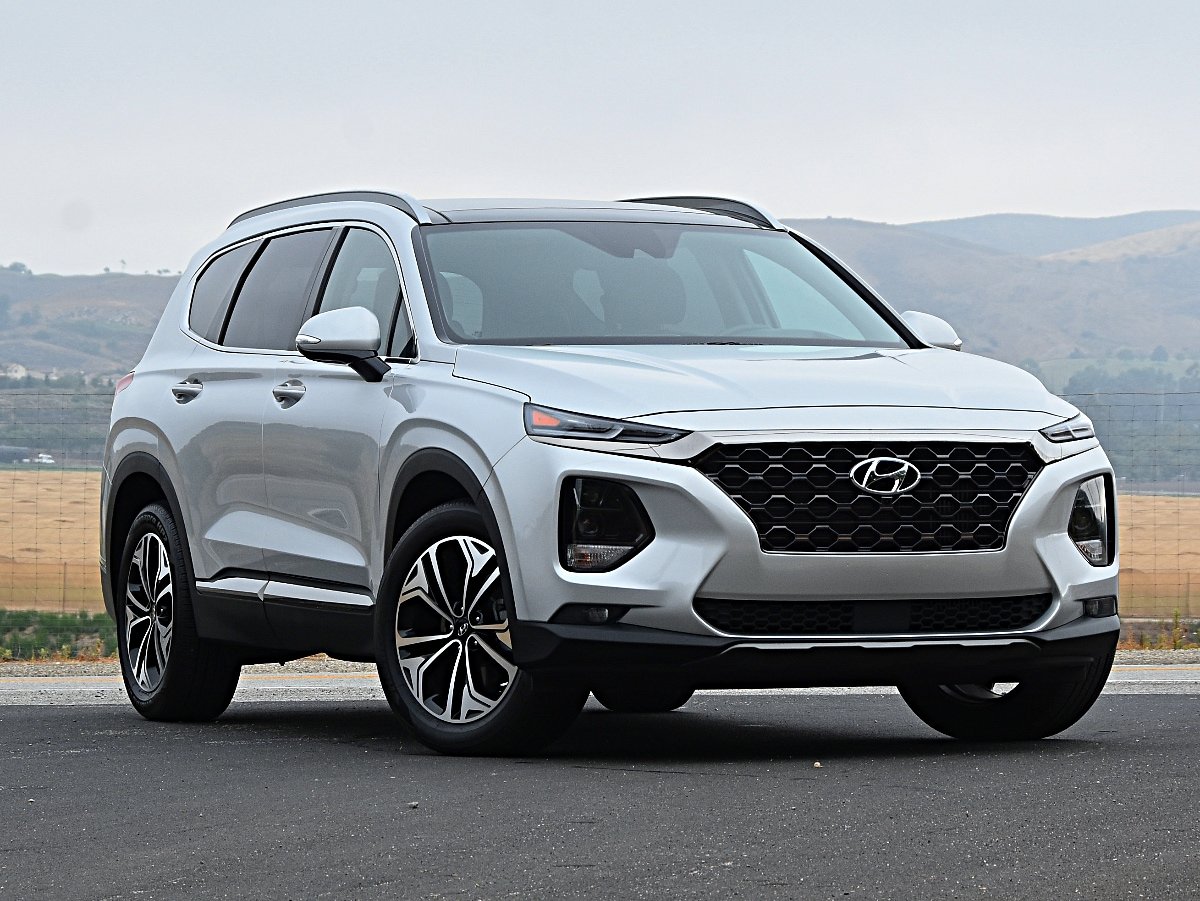
According to CarGurus experts, the overall rating for the 2020 Hyundai Santa Fe is 8.8 out of 10, while the 2020 Hyundai Kona scores 6.8 out of 10. Based on these ratings, the 2020 Hyundai Santa Fe is the recommended choice. It offers superior comfort, practicality, and safety features, making it a well-rounded option for families and individuals seeking a reliable and versatile SUV. The Kona, while sporty and stylish, falls short in terms of interior space and overall utility, making it a less practical choice for most consumers.
Choose the 2020 Hyundai Kona if:
- You prefer a compact SUV with sporty, dynamic performance and engaging driving characteristics.
- You want a stylish, premium-looking exterior without needing to pay for a luxury brand.
- You seek a well-equipped vehicle with good technology features and are willing to compromise on cargo space.




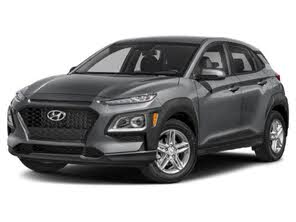


Choose the 2020 Hyundai Santa Fe if:
- You need a practical and comfortable family vehicle with thoughtful interior features.
- You prioritize safety and want comprehensive standard safety features, along with high crash-test ratings.
- You value a quiet, smooth ride with additional off-road capability for occasional adventures.


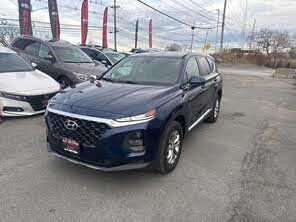


CarGurus highlights
According to CarGurus experts, the overall rating for the 2020 Hyundai Santa Fe is 8.8 out of 10, while the 2020 Hyundai Kona scores 6.8 out of 10. Based on these ratings, the 2020 Hyundai Santa Fe is the recommended choice. It offers superior comfort, practicality, and safety features, making it a well-rounded option for families and individuals seeking a reliable and versatile SUV. The Kona, while sporty and stylish, falls short in terms of interior space and overall utility, making it a less practical choice for most consumers.
Choose the 2020 Hyundai Kona if:
Shop Now- You prefer a compact SUV with sporty, dynamic performance and engaging driving characteristics.
- You want a stylish, premium-looking exterior without needing to pay for a luxury brand.
- You seek a well-equipped vehicle with good technology features and are willing to compromise on cargo space.









Choose the 2020 Hyundai Santa Fe if:
Shop Now- You need a practical and comfortable family vehicle with thoughtful interior features.
- You prioritize safety and want comprehensive standard safety features, along with high crash-test ratings.
- You value a quiet, smooth ride with additional off-road capability for occasional adventures.








By: CarGurus + AI
At CarGurus, our team of experienced automotive writers remain at the heart of our content operation, conducting hands-on car tests and writing insightful guides that are backed by years of industry experience. To complement this, we are harnessing AI to make our content offering more diverse and more helpful to shoppers than ever. To achieve this, our AI systems are based exclusively on CarGurus content, ratings and data, so that what we produce is both unique to CarGurus, and uniquely helpful to car shoppers.