2020 Honda Pilot vs 2021 Lincoln Aviator
Overview | |
MSRP$31,650 | MSRP$50,660 |
Listings699 | Listings302 |
Ratings & Reviews | |
User Reviews | User Reviews |
Expert reviews8.0 out of 10 | Expert reviews7.8 out of 10 |
Pros
Cons
| Pros
Cons
|
2020 Honda Pilot Reviews SummaryThe Honda Pilot was once the leader of the midsize 3-row SUV pack. But several rivals from Hyundai, Kia, and Mazda have caught up to (and in some cases, surpassed) the Pilot. Still, the Pilot offers tons of cargo space, an adult-friendly third row, and an impressive list of standard safety features. But Honda’s choices on driver controls and in-car tech are its biggest shortcomings. Read on to learn how the Pilot stacks up against the competition, and to learn the CarGurus recommended trim. | |
2021 Lincoln Aviator Reviews SummaryOnly a few years ago, Lincoln was in a confusing space. Confusing because many of its cars overlapped with the nicest trims of vehicles from parent company Ford. It was also confusing because of the alphanumeric vehicle names. But Lincoln has ended both of those trends. First, Lincoln has returned to real names for its vehicles, such as the Corsair and Nautilus (Cadillac, are you listening?!). But what’s in a name? This rebranding would be moot without a compelling product. In this respect, the American luxury brand has delivered, highlighted by the 2021 Lincoln Aviator. This three-row midsize SUV boasts modern technology, potent drivetrain options, and creature comforts that you might sooner find in a high-end German luxury sedan. But this newfound quality comes with a steeper price tag. So is it worth consideration against the likes of the Audi Q7 and RX 350L? Read on to find out. | |
No video found | No video found |
Popular Features & Specs | |
Engine3.5L 280 hp V6 | Engine3.0L 400 hp V6 |
Drive TrainFWD | Drive TrainRWD |
Seating Capacity8 | Seating Capacity7 |
Horsepower280 hp @ 6000 rpm | Horsepower |
MPG City19 | MPG City18 |
MPG Highway27 | MPG Highway26 |
Engine | |
Engine Name3.5L 280 hp V6 | Engine Name3.0L 400 hp V6 |
Torque262 lb-ft @ 4700 rpm | Torque |
Horsepower280 hp @ 6000 rpm | Horsepower |
DrivetrainFWD | DrivetrainRWD |
Fuel Economy | |
MPG City19 | MPG City18 |
MPG Highway27 | MPG Highway26 |
Interior | |
Seating Capacity8 | Seating Capacity7 |
Safety | |
Front Crash Overall4 | Front Crash Overall5 |
Side Crash Overall5 | Side Crash Overall5 |
Dimensions & Capacity | |
Cargo Space16.5 cu ft | Cargo Space18.3 cu ft |
Curb Weight4036 lbs | Curb Weight4745 lbs |
Height70.6 in | Height69.6 in |
Length196.5 in | Length199.3 in |
Width78.6 in | Width89.9 in |
Wheelbase111.0 in | Wheelbase119.1 in |
Maximum Payload1509 lbs | Maximum Payload1615 lbs |
Number of doors4 | Number of doors4 |
Maximum Towing Capacity3500 lbs | Maximum Towing Capacity |
Overview | ||
MSRP | $31,650 | $50,660 |
Listings | ||
Ratings & Reviews | ||
User reviews | ||
Expert reviews | 8.0 out of 10Read full review | 7.8 out of 10Read full review |
Pros & cons | Pros
Cons
| Pros
Cons
|
Summary | The Honda Pilot was once the leader of the midsize 3-row SUV pack. But several rivals from Hyundai, Kia, and Mazda have caught up to (and in some cases, surpassed) the Pilot. Still, the Pilot offers tons of cargo space, an adult-friendly third row, and an impressive list of standard safety features. But Honda’s choices on driver controls and in-car tech are its biggest shortcomings. Read on to learn how the Pilot stacks up against the competition, and to learn the CarGurus recommended trim. | Only a few years ago, Lincoln was in a confusing space. Confusing because many of its cars overlapped with the nicest trims of vehicles from parent company Ford. It was also confusing because of the alphanumeric vehicle names. But Lincoln has ended both of those trends. First, Lincoln has returned to real names for its vehicles, such as the Corsair and Nautilus (Cadillac, are you listening?!). But what’s in a name? This rebranding would be moot without a compelling product. In this respect, the American luxury brand has delivered, highlighted by the 2021 Lincoln Aviator. This three-row midsize SUV boasts modern technology, potent drivetrain options, and creature comforts that you might sooner find in a high-end German luxury sedan. But this newfound quality comes with a steeper price tag. So is it worth consideration against the likes of the Audi Q7 and RX 350L? Read on to find out. |
Video | No video found | No video found |
Popular Features & Specs | ||
Engine | 3.5L 280 hp V6 | 3.0L 400 hp V6 |
Drive Train | FWD | RWD |
Seating Capacity | 8 | 7 |
Horsepower | 280 hp @ 6000 rpm | |
MPG City | 19 | 18 |
MPG Highway | 27 | 26 |
Engine | ||
Engine Name | 3.5L 280 hp V6 | 3.0L 400 hp V6 |
Torque | 262 lb-ft @ 4700 rpm | |
Horsepower | 280 hp @ 6000 rpm | |
Drivetrain | FWD | RWD |
Fuel Economy | ||
MPG City | 19 | 18 |
MPG Highway | 27 | 26 |
Interior | ||
Seating Capacity | 8 | 7 |
Safety | ||
Front Crash Overall | 4 | 5 |
Side Crash Overall | 5 | 5 |
Dimensions & Capacity | ||
Cargo Space | 16.5 cu ft | 18.3 cu ft |
Curb Weight | 4036 lbs | 4745 lbs |
Height | 70.6 in | 69.6 in |
Length | 196.5 in | 199.3 in |
Width | 78.6 in | 89.9 in |
Wheelbase | 111.0 in | 119.1 in |
Maximum Payload | 1509 lbs | 1615 lbs |
Number of doors | 4 | 4 |
Maximum Towing Capacity | 3500 lbs | |
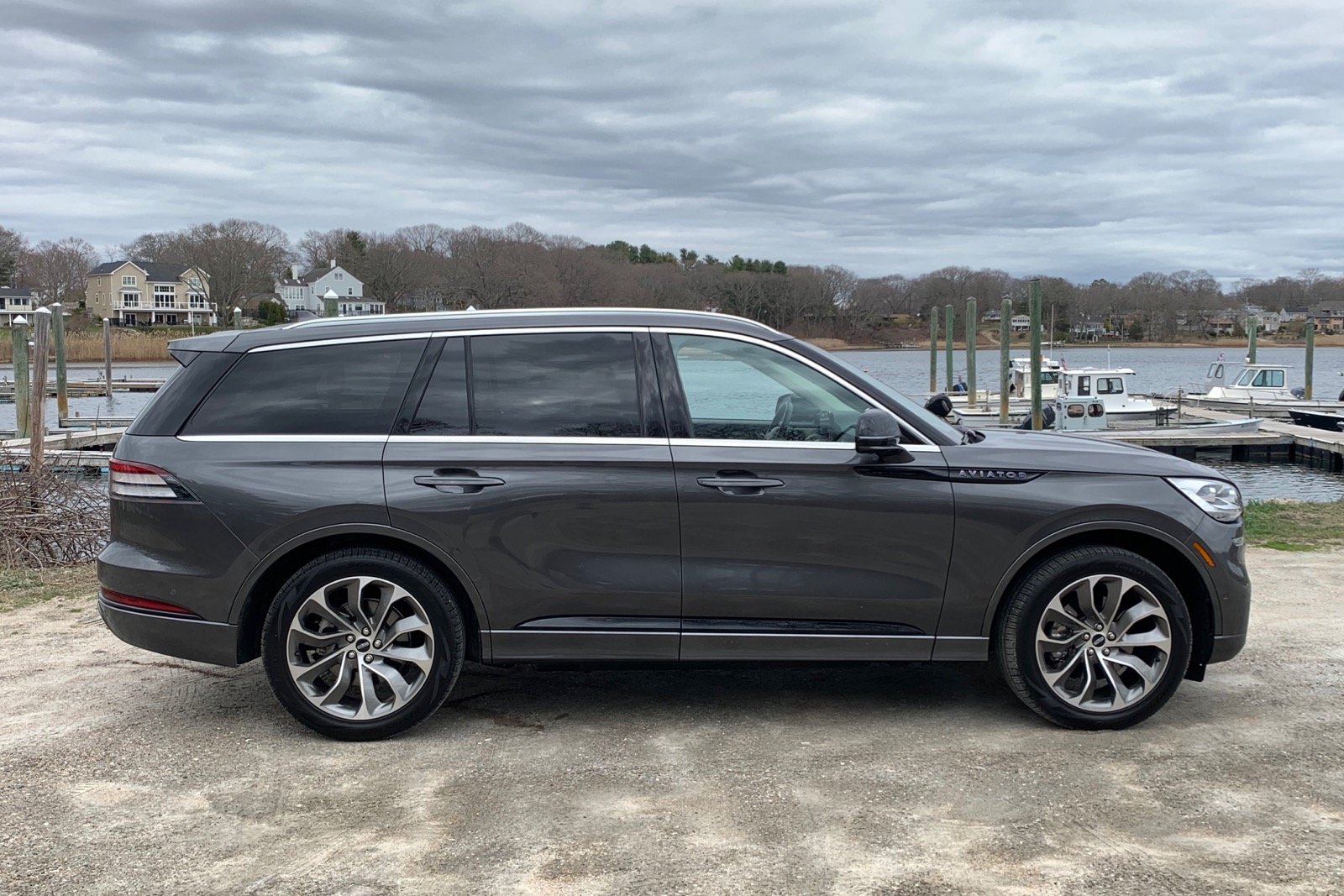
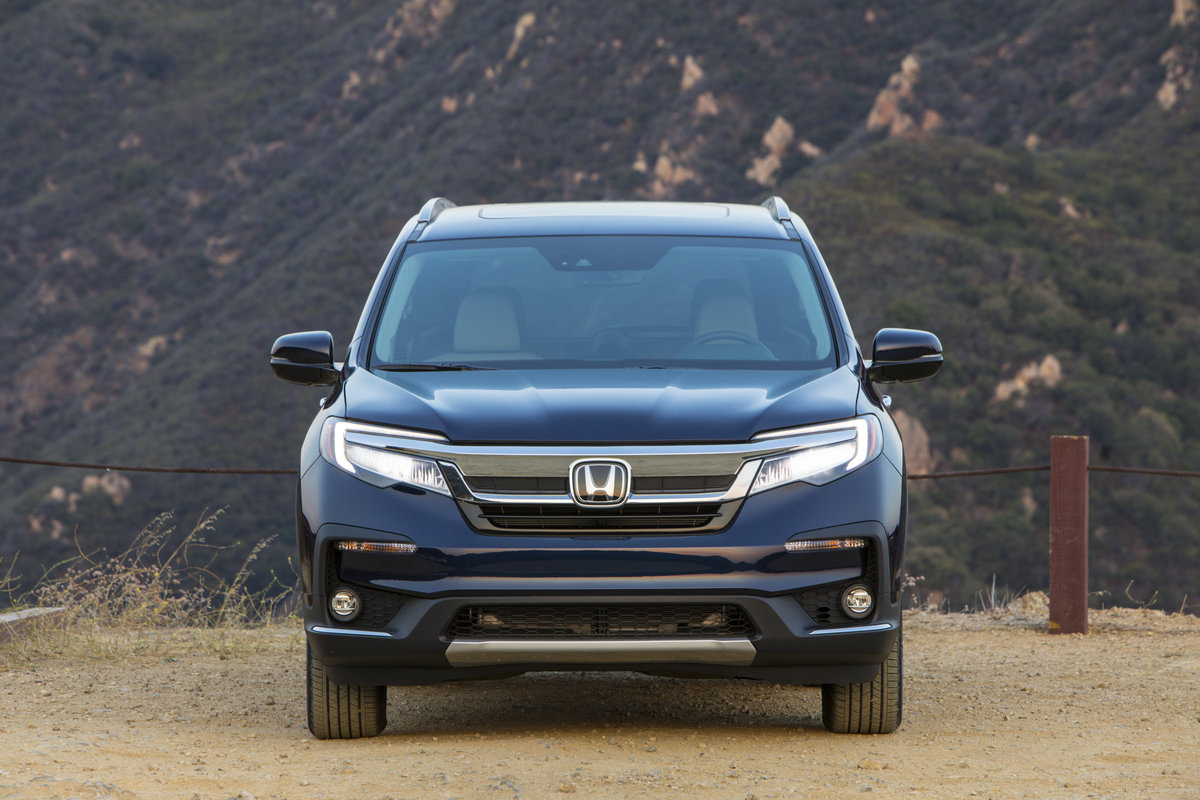
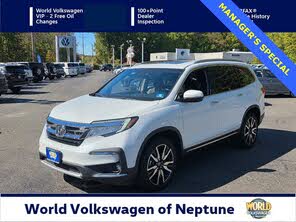
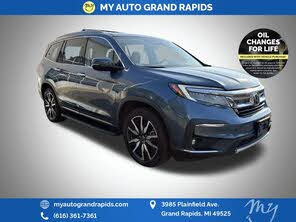
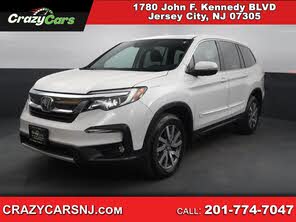
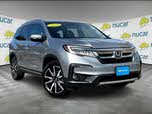
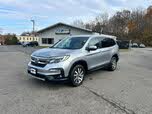
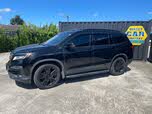
The 2020 Honda Pilot shared the same dynamic styling as the rest of the current Honda lineup. It featured thin LED headlights and a multi-tiered grille. The subtle uptick in the belt-line around the rear side windows masked the size of the Pilot, making it look more svelte than it really was. Inside, the Pilot boasted a modern cabin with a semi-digital instrument panel, combining analog fuel and engine-temperature gauges with a digital screen for other information. The cabin felt comfortable and spacious, with a solid level of refinement, although hard plastics were used in many areas.
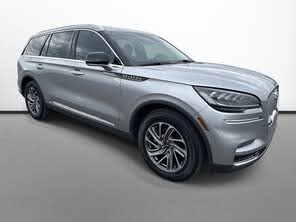
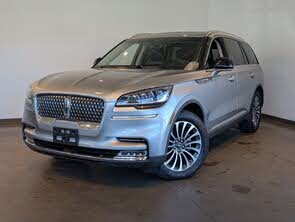
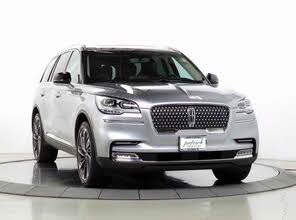
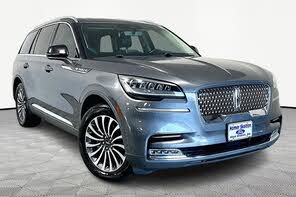
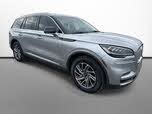
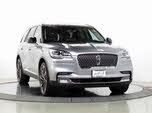
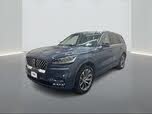
In contrast, the 2021 Lincoln Aviator took a different approach to styling, avoiding the temptation to emulate its rivals. The Aviator, which carried over from the 2020 model, featured crisp lines and heavy use of chrome, making it an incredibly sharp-looking car. Inside, Lincoln differentiated the Aviator from its Ford counterpart with a cabin defined by comfort and warmth, featuring plenty of soft-touch materials and a 10.1-inch touchscreen dominating the dash. The Aviator also included unique touches like a piano button shifter and soothing chimes for alerts, contributing to its air of class and luxury.


The 2020 Honda Pilot was powered by a 3.5-liter V6 engine, producing 280 horsepower and 262 pound-feet of torque. This power was sent to the front wheels or available all-wheel drive through a 6-speed automatic transmission on the LX, EX, and EX-L trims, while the Touring, Elite, and Black Edition trims received a 9-speed automatic transmission. The V6 provided stout acceleration, making it easy to move from a standstill or make passing moves on the highway. The Pilot's ride was refined and comfortable, designed for easy commutes and relaxing road trips, though it lacked real athleticism. The Intelligent Traction Management System allowed drivers to cycle through Normal, Snow, Mud, and Sand modes, each with its own drivetrain and traction control tuning.
The 2021 Lincoln Aviator came equipped with a 3.0-liter twin-turbocharged V6 on the Standard, Reserve, and Black Label trims, producing 400 horsepower and 415 pound-feet of torque. Power was routed through a 10-speed automatic transmission, with rear-wheel drive or available all-wheel drive. The Grand Touring and Grand Touring Black Label trims featured the same twin-turbo V6 in a plug-in hybrid configuration, increasing output to 494 horsepower and 630 pound-feet of torque. The hybrid powertrain provided brisk acceleration and a smooth swell of power, though the Aviator's heft was noticeable in corners. The drive mode selector included modes like "Excite" and "Conserve," appropriate for the Aviator's highway and cul-de-sac suitability.
The 2020 Honda Pilot provided a spacious 8-passenger cabin with second-row bench seating, while the Touring, Elite, and Black Edition trims featured second-row captain’s chairs, reducing seating capacity to seven. The Pilot's third row was adult-friendly, and EX trims and higher offered one-touch fold-down rear seats for easier access. With the second and third rows folded, the Pilot provided 83.9 cubic feet of cargo space, competitive with rivals like the Highlander, Telluride, Palisade, and Ascent. The Pilot also featured plenty of spaces for family gear, and higher trims included a power liftgate and hands-free power tailgate.
The 2021 Lincoln Aviator offered 18.3 cubic feet of cargo space behind the third-row seats, which could be increased to 41.8 cubic feet with the power-lift-and-lower third-row seats folded. With all rear seats folded, the Aviator provided 77.7 cubic feet of cargo space, solid for the midsize luxury SUV class. The second row, especially with captain's chairs and a center console, was the place to be, featuring a digital control panel for seat, climate, and audio controls. However, the use of power-button door releases raised concerns about functionality if the battery ever died.
The 2020 Honda Pilot's LX trim featured a 5-inch color LCD screen operating a 215-watt, 7-speaker stereo with a subwoofer, Bluetooth connectivity, and a USB port. All other trims included an 8-inch touchscreen infotainment system with Apple CarPlay and Android Auto. The system's layout was confusing, with a small volume knob and no tuning knob, relying heavily on the touchscreen. Higher trims offered HD Radio, SiriusXM, Cabin Control Remote Capability, navigation, a rear-seat entertainment system, and an upgraded 590-watt, 10-speaker premium audio system. The Elite and Black Edition trims included a wireless charging pad.
The 2021 Lincoln Aviator came standard with a 10.1-inch touchscreen running the intuitive Sync 3 infotainment system. The screen's landscape format made for a natural layout, and the system was easy to use with a sensible menu layout. The Aviator also included Apple CarPlay and Android Auto, presented well on the screen with large icons. The fully digital instrument panel and optional head-up display featured large, crisp graphics and multiple muted colors, making them easy on the eyes.
The 2020 Honda Pilot came standard with the HondaSensing suite of driver assistance systems, including forward-collision avoidance, automatic emergency braking, lane-departure warning, adaptive cruise control, and automatic high beams. Standard safety features also included front and side-impact airbags, child-seat anchors, Vehicle Stability Assist, and traction control. Optional safety equipment included front and rear parking sensors and blind-spot monitoring with rear cross-traffic alert. The Pilot earned a five-star overall crash test rating from the NHTSA and the best crash test score of Good from the IIHS, along with a Superior score in crash prevention technology evaluation.
The 2021 Lincoln Aviator was well-equipped with standard driver assistance features as part of the Lincoln Co-Pilot 360 package, including automatic emergency braking, lane departure warning, automatic high beams, blind-spot monitoring, and front-and-rear parking sensors. The Grand Touring test model included the Co-Pilot 360 Plus package, adding reverse automatic braking, self-parking functionality, and adaptive cruise control. The Aviator earned top marks from the NHTSA and IIHS, including a Top Safety Pick accolade from the IIHS.
CarGurus highlights
According to CarGurus experts, the overall rating for the 2020 Honda Pilot is 8.0 out of 10, while the 2021 Lincoln Aviator scores 7.8 out of 10. Based on these ratings, the 2020 Honda Pilot is the recommended choice, offering a better overall package with its spacious interior, comfortable ride, and comprehensive safety features.
Choose the 2020 Honda Pilot if:
- You need a spacious and family-friendly SUV with an adult-friendly third row.
- You prefer a vehicle with a refined and comfortable ride for easy commutes and road trips.
- You value a comprehensive suite of standard safety features and top safety ratings.





Choose the 2021 Lincoln Aviator if:
- You want a luxury SUV with a sharp design and high-end interior materials.
- You seek a powerful engine with robust acceleration and a smooth driving experience.
- You appreciate advanced technology features, including a large touchscreen and digital instrument panel.






CarGurus highlights
According to CarGurus experts, the overall rating for the 2020 Honda Pilot is 8.0 out of 10, while the 2021 Lincoln Aviator scores 7.8 out of 10. Based on these ratings, the 2020 Honda Pilot is the recommended choice, offering a better overall package with its spacious interior, comfortable ride, and comprehensive safety features.
Choose the 2020 Honda Pilot if:
Shop Now- You need a spacious and family-friendly SUV with an adult-friendly third row.
- You prefer a vehicle with a refined and comfortable ride for easy commutes and road trips.
- You value a comprehensive suite of standard safety features and top safety ratings.







Choose the 2021 Lincoln Aviator if:
Shop Now- You want a luxury SUV with a sharp design and high-end interior materials.
- You seek a powerful engine with robust acceleration and a smooth driving experience.
- You appreciate advanced technology features, including a large touchscreen and digital instrument panel.





By: CarGurus + AI
At CarGurus, our team of experienced automotive writers remain at the heart of our content operation, conducting hands-on car tests and writing insightful guides that are backed by years of industry experience. To complement this, we are harnessing AI to make our content offering more diverse and more helpful to shoppers than ever. To achieve this, our AI systems are based exclusively on CarGurus content, ratings and data, so that what we produce is both unique to CarGurus, and uniquely helpful to car shoppers.