2019 Subaru WRX vs 2020 Toyota Prius


Overview | |
MSRP$27,195 | MSRP$24,325 |
Listings95 | Listings25 |
Ratings & Reviews | |
User Reviews | User Reviews |
Expert reviews | Expert reviews7.5 out of 10 |
Pros
Cons
| |
2019 Subaru WRX Reviews Summary | |
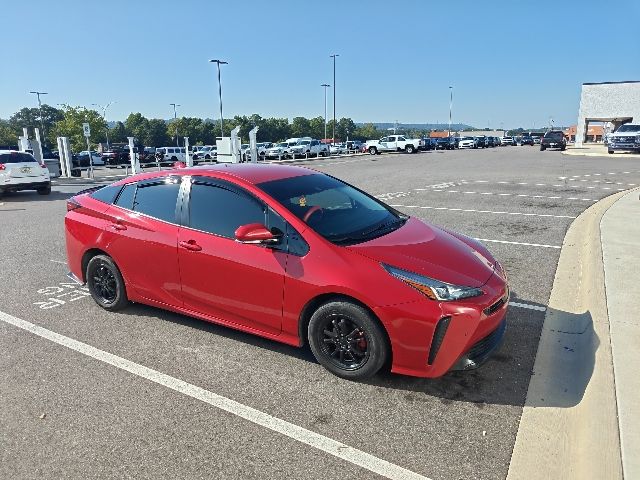
2020 Toyota Prius Reviews SummaryEver heard of an eponym? It’s a brand or product that is so popular that it’s come to define its respective market. Think of Kleenex for tissues or Band-Aid for medical bandages. For hybrids, the Toyota Prius has ascended to near-eponym status. It was one of the first—and remains one of the most popular—hybrids ever made. As automakers across the industry are rolling out more hybrid models, the Prius continues to be the standard-bearer of this genre. This is largely due to the fact that the Prius is a dedicated hybrid, rather than a hybrid variant of an existing model. Throughout the industry, different companies are taking different approaches to alt-fuel vehicles, including full-electric and hydrogen fuel cell powertrains. The Prius endures as the leader in hybrid power due to a focus on fuel efficiency that doesn’t compromise on style, drivability, and versatility. So how does the Prius hold its ground as more players enter the fray? Read on to find out. | |
No video found | No video found |
Popular Features & Specs | |
Engine2.0L 268 hp H4 | Engine1.8L 121 hp I4 Hybrid |
Drive TrainAWD | Drive TrainFWD |
Seating Capacity5 | Seating Capacity5 |
Horsepower268 hp @ 5600 rpm | Horsepower |
EV Battery Capacity | EV Battery Capacity0.7 kWh |
MPG City21 | MPG City58 |
MPG Highway27 | MPG Highway53 |
Engine | |
Engine Name2.0L 268 hp H4 | Engine Name1.8L 121 hp I4 Hybrid |
Torque258 lb-ft @ 2000 rpm | Torque |
Horsepower268 hp @ 5600 rpm | Horsepower |
DrivetrainAWD | DrivetrainFWD |
Fuel Economy | |
EV Battery Capacity | EV Battery Capacity0.7 kWh |
MPG City21 | MPG City58 |
MPG Highway27 | MPG Highway53 |
Interior | |
Seating Capacity5 | Seating Capacity5 |
Safety | |
Front Crash Overall | Front Crash Overall4 |
Side Crash Overall | Side Crash Overall5 |
Dimensions & Capacity | |
Cargo Space12.0 cu ft | Cargo Space27.4 cu ft |
Curb Weight3294 lbs | Curb Weight3010 lbs |
Height58.1 in | Height57.9 in |
Length180.9 in | Length180.0 in |
Width78.9 in | Width69.3 in |
Wheelbase104.3 in | Wheelbase106.3 in |
Maximum Payload1115 lbs | Maximum Payload825 lbs |
Number of doors4 | Number of doors4 |
Overview | ||
MSRP | $27,195 | $24,325 |
Listings | ||
Ratings & Reviews | ||
User reviews | ||
Expert reviews | 7.5 out of 10Read full review | |
Pros & cons | Pros
Cons
| |
Summary | Ever heard of an eponym? It’s a brand or product that is so popular that it’s come to define its respective market. Think of Kleenex for tissues or Band-Aid for medical bandages. For hybrids, the Toyota Prius has ascended to near-eponym status. It was one of the first—and remains one of the most popular—hybrids ever made. As automakers across the industry are rolling out more hybrid models, the Prius continues to be the standard-bearer of this genre. This is largely due to the fact that the Prius is a dedicated hybrid, rather than a hybrid variant of an existing model. Throughout the industry, different companies are taking different approaches to alt-fuel vehicles, including full-electric and hydrogen fuel cell powertrains. The Prius endures as the leader in hybrid power due to a focus on fuel efficiency that doesn’t compromise on style, drivability, and versatility. So how does the Prius hold its ground as more players enter the fray? Read on to find out. | |
Video | No video found | No video found |
Popular Features & Specs | ||
Engine | 2.0L 268 hp H4 | 1.8L 121 hp I4 Hybrid |
Drive Train | AWD | FWD |
Seating Capacity | 5 | 5 |
Horsepower | 268 hp @ 5600 rpm | |
EV Battery Capacity | 0.7 kWh | |
MPG City | 21 | 58 |
MPG Highway | 27 | 53 |
Engine | ||
Engine Name | 2.0L 268 hp H4 | 1.8L 121 hp I4 Hybrid |
Torque | 258 lb-ft @ 2000 rpm | |
Horsepower | 268 hp @ 5600 rpm | |
Drivetrain | AWD | FWD |
Fuel Economy | ||
EV Battery Capacity | 0.7 kWh | |
MPG City | 21 | 58 |
MPG Highway | 27 | 53 |
Interior | ||
Seating Capacity | 5 | 5 |
Safety | ||
Front Crash Overall | 4 | |
Side Crash Overall | 5 | |
Dimensions & Capacity | ||
Cargo Space | 12.0 cu ft | 27.4 cu ft |
Curb Weight | 3294 lbs | 3010 lbs |
Height | 58.1 in | 57.9 in |
Length | 180.9 in | 180.0 in |
Width | 78.9 in | 69.3 in |
Wheelbase | 104.3 in | 106.3 in |
Maximum Payload | 1115 lbs | 825 lbs |
Number of doors | 4 | 4 |




By: CarGurus + AI
At CarGurus, our team of experienced automotive writers remain at the heart of our content operation, conducting hands-on car tests and writing insightful guides that are backed by years of industry experience. To complement this, we are harnessing AI to make our content offering more diverse and more helpful to shoppers than ever. To achieve this, our AI systems are based exclusively on CarGurus content, ratings and data, so that what we produce is both unique to CarGurus, and uniquely helpful to car shoppers.

