2001 Chrysler Sebring Reviews, Pricing & Specs
Write a review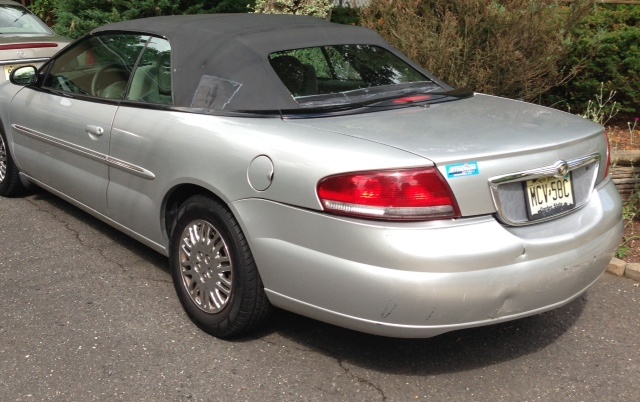
Chrysler completely redesigned the Sebring for 2001, and added a new sedan variation. The Sebring was now Chrysler's only mid-size car, as the new Sebring sedan replaced the Cirrus, which shared its platform. The coupe was unique from the sedan and convertible, because it was built on the Mitsubishi Eclipse platform. Chrysler targeted the same market with this new Sebring generation, with pricing in the low-$20,000 range.
The lineup was similar to previous years, with Chrysler offering three convertible variations (LX, LXi, and Limited), and two coupes (LX, LXi). The sedan was also available in both the LX and LXi trims.
Chrysler has also expanded the power plant options for 2001. All previous models were powered by the same V-6, but there are now four engines. All three convertible models house a new 2.7 liter V-6, which generates 200 horsepower and 192 pound-feet of torque. The new LXi sedan also uses this engine. The power supply in the LX Coupe and LX Sedan comes from a 2.4 liter DOHC four cylinder. On the coupe, this engine delivers 142 horsepower and 158 pound-feet of torque. On the sedan, the 2.4 liter engine is tweaked for slightly higher output: 150 horsepower and 167 pound-feet of torque. The Sebring LXi Coupe is the only model to use a 3.0 liter V-6, which is the most powerful engine of any Sebring, making 200 horsepower and 205 pound-feet of torque.
Regardless of the engine, every Sebring model uses a four-speed automatic transmission, routing power to the front wheels. Fuel economy varies only slightly from engine to engine, and Sebring owners can expect mixed driving MPG in the low to mid-20s.
The Sebring has received considerable praise for its attractive styling and generous list of features. The V-6 models certainly offer a better driving experience, but drivers report solid handling with all models. The most common issues with the Sebring have been engine problems, air conditioning/heating failure, and interior accessories quality concerns.

User reviews for 2001 Chrysler Sebring
Write a review2001 Chrysler Sebring Pricing
Trims & specs
Airbags
Dual front airbags · Front and rear head airbags
Audio System
Single disc in-Dash CD · AM/FM radio
Brakes
ABS: 4-wheel
Convenience Features
Multi-function remote: trunk release · Power steering: hydraulic · Steering wheel: tilt-adjustable
Exterior Features
Paint: special factory paint
Mirrors
Exterior mirrors: power
Rear Seats
Type: split-bench
Roof
Moonroof: power
Seats
Front seat type: bucket · Upholstery: cloth
Tires and Rims
Wheels: steel
Windows
Front wipers: intermittent
Airbags
Dual front airbags
Audio System
Single disc in-Dash CD · AM/FM radio
Comfort Features
Steering wheel trim: leather
Convenience Features
Dimming rearview mirror: auto-dimming · Multi-function remote: trunk release · Power steering: hydraulic · Steering wheel: tilt-adjustable
Lights
Exterior entry lights: security approach lamps
Mirrors
Exterior mirrors: power
Rear Seats
Type: split-bench
Roof
Moonroof: power
Seats
Front seat type: bucket · Upholstery: cloth
Tires and Rims
Wheels: alloy
Windows
Front wipers: intermittent
Airbags
Dual front airbags · Front and rear head airbags
Audio System
Single disc in-Dash CD · AM/FM radio
Brakes
ABS: 4-wheel
Comfort Features
Shift knob trim: leather · Steering wheel trim: leather
Convenience Features
Multi-function remote: keyless entry · Power steering: hydraulic · Steering wheel: tilt-adjustable
Exterior Features
Paint: special factory paint
Lights
Exterior entry lights: security approach lamps
Mirrors
Exterior mirrors: power
Rear Seats
Type: split-bench
Roof
Moonroof: power
Seats
Front seat type: bucket · Upholstery: leather
Tires and Rims
Wheel type: aluminum alloy · Wheels: chrome
Windows
Front wipers: intermittent
Airbags
Dual front airbags
Audio System
Single disc in-Dash CD · Premium Brand: Infinity · AM/FM radio
Brakes
ABS: 4-wheel
Comfort Features
Shift knob trim: leather · Steering wheel trim: leather
Convenience Features
Dimming rearview mirror: auto-dimming · Multi-function remote: trunk release · Power steering: hydraulic · Steering wheel: tilt-adjustable
Lights
Exterior entry lights: security approach lamps
Mirrors
Exterior mirrors: power
Rear Seats
Type: split-bench
Seats
Front seat type: bucket · Upholstery: leather
Tires and Rims
Wheel type: aluminum alloy
Windows
Front wipers: intermittent
Airbags
Dual front airbags
Audio System
Single disc in-Dash CD · Premium Brand: Infinity · AM/FM radio
Brakes
ABS: 4-wheel
Convenience Features
Multi-function remote: keyless entry · Power steering: hydraulic · Steering wheel: tilt-adjustable
Exterior Features
Paint: special factory paint
Lights
Exterior entry lights: security approach lamps
Mirrors
Exterior mirrors: power
Rear Seats
Type: bench
Roof
Convertible roof: power
Seats
Front seat type: bucket · Upholstery: cloth
Tires and Rims
Wheels: alloy
Windows
Front wipers: intermittent
Airbags
Dual front airbags
Audio System
Single disc in-Dash CD · Premium Brand: Infinity · AM/FM radio
Brakes
ABS: 4-wheel
Comfort Features
Shift knob trim: leather · Steering wheel trim: leather
Convenience Features
Dimming rearview mirror: auto-dimming · Multi-function remote: trunk release · Power steering: hydraulic · Steering wheel: tilt-adjustable
Exterior Features
Paint: special factory paint
Lights
Exterior entry lights: security approach lamps
Mirrors
Exterior mirrors: power
Rear Seats
Type: bench
Roof
Convertible roof: power
Seats
Front seat type: bucket · Upholstery: leather
Tires and Rims
Wheel type: aluminum alloy · Wheels: chrome
Windows
Front wipers: intermittent
Airbags
Dual front airbags
Audio System
4 disc in-dash CD · MP3 player: CD MP3 Playback · Premium Brand: Infinity · AM/FM radio
Brakes
ABS: 4-wheel
Comfort Features
Shift knob trim: leather · Steering wheel trim: leather
Convenience Features
Dimming rearview mirror: auto-dimming · Multi-function remote: trunk release · Power steering: hydraulic · Steering wheel: tilt-adjustable
Lights
Exterior entry lights: security approach lamps
Mirrors
Exterior mirrors: power
Rear Seats
Type: bench
Roof
Convertible roof: power
Seats
Front seat type: bucket · Upholstery: leather
Tires and Rims
Wheels: chrome
Windows
Front wipers: intermittent

