Used 2011 Ford Mustang for SaleNationwide
Shop with transparent pricing.
Only show listings that include dealer fees- Year:
- 2012
- Make:
- Ford
- Model:
- Mustang
- Body type:
- Coupe
- Doors:
- 2 doors
- Drivetrain:
- Rear-Wheel Drive
- Engine:
- 412 hp 5L V8
- Exterior color:
- Red
- Combined gas mileage:
- 21 MPG
- Fuel type:
- Gasoline
- Interior color:
- Black
- Transmission:
- 6-Speed Manual
- Mileage:
- 56,631
- Stock #:
- D35984
- VIN:
- 1ZVBP8CF7C5204169

2012 Ford Mustang
GT Coupe RWD
56,631 mi
$23,494
- Year:
- 2011
- Make:
- Ford
- Model:
- Mustang
- Body type:
- Coupe
- Doors:
- 2 doors
- Drivetrain:
- Rear-Wheel Drive
- Engine:
- 412 hp 5L V8
- Exterior color:
- Blue
- Fuel type:
- Gasoline
- Interior color:
- Black
- Transmission:
- 6-Speed Manual Overdrive
- Mileage:
- 68,711
- Stock #:
- FORD-2594
- VIN:
- 1ZVBP8CF9B5142594

2011 Ford Mustang
GT Premium Coupe RWD
68,711 mi
$22,399
- Year:
- 2011
- Make:
- Ford
- Model:
- Mustang
- Body type:
- Convertible
- Doors:
- 2 doors
- Drivetrain:
- Rear-Wheel Drive
- Engine:
- 412 hp 5L V8
- Exterior color:
- Kona Blue Metallic
- Combined gas mileage:
- 21 MPG
- Fuel type:
- Gasoline
- Interior color:
- Medium Stone
- Transmission:
- 6-Speed Automatic
- Mileage:
- 66,843
- Stock #:
- J2126A
- VIN:
- 1ZVBP8FF8B5141044

2011 Ford Mustang
GT Premium Convertible RWD
66,843 mi
$18,769
- Year:
- 2012
- Make:
- Ford
- Model:
- Mustang
- Body type:
- Coupe
- Doors:
- 2 doors
- Drivetrain:
- Rear-Wheel Drive
- Engine:
- 412 hp 5L V8
- Exterior color:
- Black
- Combined gas mileage:
- 21 MPG
- Fuel type:
- Gasoline
- Transmission:
- 6-Speed Manual
- Mileage:
- 141,070
- Stock #:
- 19054
- VIN:
- 1ZVBP8CF3C5268631

2012 Ford Mustang
GT Premium Coupe RWD
141,070 mi
$10,195
- Year:
- 2012
- Make:
- Ford
- Model:
- Mustang
- Body type:
- Coupe
- Doors:
- 2 doors
- Drivetrain:
- Rear-Wheel Drive
- Engine:
- 412 hp 5L V8
- Exterior color:
- Ingot Silver
- Combined gas mileage:
- 21 MPG
- Fuel type:
- Gasoline
- Interior color:
- Black
- Transmission:
- 6-Speed Manual
- Mileage:
- 35,277
- Stock #:
- PMR6306A
- VIN:
- 1ZVBP8CF2C5237726

2012 Ford Mustang
GT Coupe RWD
35,277 mi
$27,912
- Year:
- 2012
- Make:
- Ford
- Model:
- Mustang
- Body type:
- Coupe
- Doors:
- 2 doors
- Drivetrain:
- Rear-Wheel Drive
- Engine:
- 305 hp 3.7L V6
- Exterior color:
- Performance White
- Combined gas mileage:
- 24 MPG
- Fuel type:
- Gasoline
- Interior color:
- Medium Stone
- Transmission:
- 6-Speed Automatic
- Mileage:
- 70,286
- Stock #:
- 94406A
- VIN:
- 1ZVBP8AMXC5255215

2012 Ford Mustang
V6 Premium Coupe RWD
70,286 mi
$13,239
- Year:
- 2012
- Make:
- Ford
- Model:
- Mustang
- Body type:
- Convertible
- Doors:
- 2 doors
- Drivetrain:
- Rear-Wheel Drive
- Engine:
- 412 hp 5L V8
- Exterior color:
- Black
- Combined gas mileage:
- 21 MPG
- Fuel type:
- Gasoline
- Interior color:
- Black
- Transmission:
- 6-Speed Automatic
- Mileage:
- 40,750
- VIN:
- 1ZVBP8FF8C5244434

2012 Ford Mustang
GT Premium Convertible RWD
40,750 mi
$21,294
- Year:
- 2012
- Make:
- Ford
- Model:
- Mustang
- Body type:
- Coupe
- Doors:
- 2 doors
- Drivetrain:
- Rear-Wheel Drive
- Engine:
- 305 hp 3.7L V6
- Exterior color:
- Kona Blue Metallic
- Combined gas mileage:
- 24 MPG
- Fuel type:
- Gasoline
- Interior color:
- Medium Stone
- Transmission:
- 6-Speed Automatic
- Mileage:
- 39,552
- Stock #:
- 28149R
- VIN:
- 1ZVBP8AM8C5287743

2012 Ford Mustang
V6 Coupe RWD
39,552 mi
$15,194
- Year:
- 2010
- Make:
- Ford
- Model:
- Mustang
- Body type:
- Coupe
- Doors:
- 2 doors
- Drivetrain:
- Rear-Wheel Drive
- Engine:
- 210 hp 4L V6
- Exterior color:
- Red Candy Metallic
- Combined gas mileage:
- 20 MPG
- Fuel type:
- Gasoline
- Interior color:
- Charcoal black
- Transmission:
- Automatic
- Mileage:
- 36,483
- Stock #:
- K09406U
- VIN:
- 1ZVBP8AN0A5181213

2010 Ford Mustang
V6 Coupe RWD
36,483 mi
$10,337
- Year:
- 2010
- Make:
- Ford
- Model:
- Mustang
- Body type:
- Coupe
- Doors:
- 2 doors
- Drivetrain:
- Rear-Wheel Drive
- Engine:
- 315 hp 4.6L V8
- Exterior color:
- Black
- Combined gas mileage:
- 20 MPG
- Fuel type:
- Gasoline
- Transmission:
- 5-Speed Automatic
- Mileage:
- 81,486
- Stock #:
- 7925
- VIN:
- 1ZVBP8CH3A5137925

2010 Ford Mustang
GT Coupe RWD
81,486 mi
$14,295
- Year:
- 2011
- Make:
- Ford
- Model:
- Mustang
- Body type:
- Coupe
- Doors:
- 2 doors
- Drivetrain:
- Rear-Wheel Drive
- Engine:
- 305 hp 3.7L V6
- Exterior color:
- Blue
- Combined gas mileage:
- 24 MPG
- Fuel type:
- Gasoline
- Interior color:
- Black
- Transmission:
- 6-Speed Automatic
- Mileage:
- 80,001
- Stock #:
- 8490
- VIN:
- 1ZVBP8AM3B5128885
2011 Ford Mustang
V6 Coupe RWD
80,001 mi
$11,199
- Year:
- 2010
- Make:
- Ford
- Model:
- Mustang
- Body type:
- Coupe
- Doors:
- 2 doors
- Drivetrain:
- Rear-Wheel Drive
- Engine:
- 210 hp 4L V6
- Exterior color:
- Red
- Combined gas mileage:
- 20 MPG
- Fuel type:
- Gasoline
- Interior color:
- Black
- Transmission:
- Automatic
- Mileage:
- 54,738
- Stock #:
- 270421A
- VIN:
- 1ZVBP8AN6A5151987

2010 Ford Mustang
V6 Coupe RWD
54,738 mi
$13,064
- Year:
- 2012
- Make:
- Ford
- Model:
- Mustang
- Body type:
- Coupe
- Doors:
- 2 doors
- Drivetrain:
- Rear-Wheel Drive
- Engine:
- 412 hp 5L V8
- Exterior color:
- White
- Combined gas mileage:
- 21 MPG
- Fuel type:
- Gasoline
- Interior color:
- Black
- Transmission:
- Automatic
- Mileage:
- 120,348
- Stock #:
- HOBSC5241797
- VIN:
- 1ZVBP8CF1C5241797

2012 Ford Mustang
GT Premium Coupe RWD
120,348 mi
$15,432
About 2011 Ford Mustang
- Year:
- 2010
- Make:
- Ford
- Model:
- Mustang
- Body type:
- Coupe
- Doors:
- 2 doors
- Drivetrain:
- Rear-Wheel Drive
- Engine:
- 210 hp 4L V6
- Exterior color:
- Black
- Combined gas mileage:
- 20 MPG
- Fuel type:
- Gasoline
- Interior color:
- Charcoal Black
- Transmission:
- Automatic
- Mileage:
- 86,715
- Stock #:
- VAMF1691
- VIN:
- 1ZVBP8AN7A5111899

2010 Ford Mustang
V6 Premium Coupe RWD
86,715 mi
$11,244
- Year:
- 2011
- Make:
- Ford
- Model:
- Mustang
- Body type:
- Coupe
- Doors:
- 2 doors
- Drivetrain:
- Rear-Wheel Drive
- Engine:
- 412 hp 5L V8
- Exterior color:
- Gray
- Fuel type:
- Gasoline
- Mileage:
- 76,908
- Stock #:
- 10337
- VIN:
- 1ZVBP8CF5B5110337

2011 Ford Mustang
GT Coupe RWD
76,908 mi
$16,894
- Year:
- 2012
- Make:
- Ford
- Model:
- Mustang
- Body type:
- Coupe
- Doors:
- 2 doors
- Drivetrain:
- Rear-Wheel Drive
- Engine:
- 305 hp 3.7L V6
- Exterior color:
- Black
- Combined gas mileage:
- 24 MPG
- Fuel type:
- Gasoline
- Interior color:
- Black
- Transmission:
- 6-Speed Automatic
- Mileage:
- 96,453
- Stock #:
- S12-FO706
- VIN:
- 1ZVBP8AM0C5269706

2012 Ford Mustang
V6 Coupe RWD
96,453 mi
$9,995
- Year:
- 2012
- Make:
- Ford
- Model:
- Mustang
- Body type:
- Coupe
- Doors:
- 2 doors
- Drivetrain:
- Rear-Wheel Drive
- Engine:
- 305 hp 3.7L V6
- Exterior color:
- Black
- Combined gas mileage:
- 24 MPG
- Fuel type:
- Gasoline
- Interior color:
- Black
- Transmission:
- 6-Speed Automatic
- Mileage:
- 79,913
- Stock #:
- 103
- VIN:
- 1ZVBP8AM8C5273860

2012 Ford Mustang
V6 Coupe RWD
79,913 mi
$13,798
- Year:
- 2012
- Make:
- Ford
- Model:
- Mustang
- Body type:
- Coupe
- Doors:
- 2 doors
- Drivetrain:
- Rear-Wheel Drive
- Engine:
- 412 hp 5L V8
- Exterior color:
- Black
- Combined gas mileage:
- 21 MPG
- Fuel type:
- Gasoline
- Interior color:
- Black
- Transmission:
- 6-Speed Manual
- Mileage:
- 81,178
- Stock #:
- 2620T
- VIN:
- 1ZVBP8CF1C5206323

2012 Ford Mustang
GT Coupe RWD
81,178 mi
$17,145
- Year:
- 2011
- Make:
- Ford
- Model:
- Mustang
- Body type:
- Convertible
- Doors:
- 2 doors
- Drivetrain:
- Rear-Wheel Drive
- Engine:
- 305 hp 3.7L V6
- Exterior color:
- Ingot Silver
- Combined gas mileage:
- 24 MPG
- Fuel type:
- Gasoline
- Interior color:
- Medium Stone
- Transmission:
- 6-Speed Automatic
- Mileage:
- 61,492
- Stock #:
- 117792
- VIN:
- 1ZVBP8EM4B5117792

2011 Ford Mustang
V6 Premium Convertible RWD
61,492 mi
$14,372
- Year:
- 2011
- Make:
- Ford
- Model:
- Mustang
- Body type:
- Coupe
- Doors:
- 2 doors
- Drivetrain:
- Rear-Wheel Drive
- Engine:
- 412 hp 5L V8
- Exterior color:
- Black (Ebony)
- Combined gas mileage:
- 21 MPG
- Fuel type:
- Gasoline
- Interior color:
- Black
- Transmission:
- 6-Speed Automatic
- Mileage:
- 102,961
- Stock #:
- G26408A
- VIN:
- 1ZVBP8CF0B5143102

2011 Ford Mustang
GT Premium Coupe RWD
102,961 mi
$15,257
- Year:
- 2012
- Make:
- Ford
- Model:
- Mustang
- Body type:
- Coupe
- Doors:
- 2 doors
- Drivetrain:
- Rear-Wheel Drive
- Engine:
- 305 hp 3.7L V6
- Exterior color:
- Silver
- Combined gas mileage:
- 24 MPG
- Fuel type:
- Gasoline
- Interior color:
- Black
- Transmission:
- 6-Speed Automatic
- Mileage:
- 84,225
- Stock #:
- 8494
- VIN:
- 1ZVBP8AM1C5279256
2012 Ford Mustang
V6 Premium Coupe RWD
84,225 mi
$8,699
- Year:
- 2012
- Make:
- Ford
- Model:
- Mustang
- Body type:
- Coupe
- Doors:
- 2 doors
- Drivetrain:
- Rear-Wheel Drive
- Engine:
- 412 hp 5L V8
- Exterior color:
- Black
- Combined gas mileage:
- 21 MPG
- Fuel type:
- Gasoline
- Interior color:
- Gray
- Transmission:
- 6-Speed Manual
- Mileage:
- 117,756
- Stock #:
- f8485
- VIN:
- 1ZVBP8CF8C5288034

Photos coming soon
2012 Ford Mustang
GT Coupe RWD
117,756 mi
$10,592
- Year:
- 2010
- Make:
- Ford
- Model:
- Mustang
- Body type:
- Coupe
- Engine:
- 210 hp 4L V6
- Fuel type:
- Gasoline
- Transmission:
- 5-Speed Automatic Overdrive
- Mileage:
- 139,000
- Stock #:
- 153761
- VIN:
- 1ZVBP8AN1A5153761

2010 Ford Mustang
139,000 mi
$7,998
Overview

Ford invested $155 million dollars in its Cleveland engine plant in order to develop the all-new 3.7-liter V6 for the 2011 Mustang, and what they got for their money is the world’s first vehicle that tops both 300 hp and 30 mpg. That’s right, the V6 in the 2011 Mustang is just 10 hp shy of the outgoing V8’s output, has 95 more hp than 2010’s 4.0-liter V6, and bests both in fuel efficiency.
Sure, the big news in the Mustang world is the triumphant return of the 5.0, but I’m sure you’ve read all about that already. Don’t worry, we’ll get to that magnificent piece of engineering in due time, but the popularity of that marketing move on the part of FoMoCo has done the company a bit of a disservice, overshadowing some significant improvements on an already impressive vehicle.
So what’s newsworthy for the 2011 Mustang, other than the return of the 302? Casting engines aside for a second, Ford manages to decrease drag on the 2011 Mustang by 3% with better sealing around the radiator and rear decklid, new front air dam and underbody covers, as well as rear-wheel liners – what Ford is calling “spats.” These additions also have the added benefit of reducing noise while driving, especially through loose or wet surfaces.
Ford has also increased efficiency 1% by employing something known to induce retching at its very mention: electronically assisted steering. Handling was one of the very strongest points of this newest-generation Mustang, so it took a pair of iron lugnuts to attempt to fix what wasn’t broken. Early reports say that Ford has not only maintained the level of precision set with the old unit, but even surpassed it. What’s more, the new electric setup offers several advantages over the old belt-driven steering-pump system, namely adaptability. The electric assist is able to adjust to deal with heavy crosswinds, uneven roads, and can even increase the boost profile during low-speed and parking maneuvers, while returning to a more appropriate setting at speed. Makes you wonder why we’ve been robbing our engines of that power all these years.
The suspension has been tweaked as well, with larger anti-roll bars across the lineup, new rear lower control arms and bushings, and a standard strut tower brace. Spring and damper rates have also been adjusted, so we’ll see how owners like the new setup. Brakes have also been upgraded, with 13.2-inch fronts representing an increase of 0.8 inches, but if that’s still not enough, Ford is offering a Brembo brake package with 14-inch fronts and the familiar red calipers behind unique 19-inch wheels.
Can I talk about the interior for a second? The lauded Ford Sync system has been updated and will now include Traffic, Directions & Information, and 911 Assist, as well as Vehicle Health Report. Yeah, yeah, yeah, I can already feel you slipping away. How about a 160-mph speedometer and a tach that reads a 7,000-rpm redline in the GT? Yup, that’s a 500-rpm increase over last year.
Far be it from me to mention redline and not segue right into the engines, so here we go. The all-new, all-aluminum 3.7-liter Duratec V6 has twin independent variable camshaft timing, a redesigned cylinder head, and a compression increase to 10.5:1. It also has a new exhaust manifold, but otherwise is the same 3.7 found in the Lincoln MKS and MKT, albeit modified here to work in a rear-wheel-drive (RWD) application. All that gets you 305 hp and 280 lb-ft of torque, and when paired with the six-speed automatic, it’ll also deliver 19/31 mpg. I’ll repeat this because it bears repeating – that’s not class-leading, that’s a world first. The six-speed manual will drop highway mileage down to 29, but I’m sure you’re not complaining.
So we come to the 5.0. The 302. What may be the most famous and most modified engine in history. Well, this isn’t the same engine born in Windsor back in the 60s, rather this is a bored and stroked version of the 4.6-liter we’ve been seeing since the mid-'90s, here pushed to its displacement limit: 92.2mm bore and 92.7mm stroke, if you’re keeping score. In this application, it’s a DOHC unit as opposed to the SOHC system to which we’ve grown accustomed. New cylinder heads were designed, because Ford engineers apparently couldn’t make enough horsepower with any of the existing heads in their arsenal, including those used in the Shelby GT500. Thankfully, the new head design left room for a new intake system that works with the new composite intake manifold and tubular exhaust headers for a huge respiration improvement. Intake and exhaust both get variable cam timing, and the compression ratio is 11:1. No direct injection here, but even with that omission, the 5.0 still manages 412 hp and 390 lb-ft of torque with efficiency ratings of 17/26 with the six-speed manual and 18/25 with the six-speed automatic, all increases over 2010.
On paper, the 2011 Mustang is better in every way. Perhaps more importantly, the numbers add up to beating its rivals in power, efficiency, handling, and even weight. Was it necessary? Probably not. Is it welcome? You bet yer lugnuts.
*CarGurus meticulously monitors the prices of millions of pre-owned vehicle listings, offering users precise and up-to-date market insights. Historical pricing data excludes any additional dealer fees as of May 3, 2026.
4.8 Overall rating
Filter by rating
Anonymous
Reviewed a 2011 Ford GT Coupe RWD on Apr 20, 2026
The best 5.0 first gen coyote engine ever built has the fog lights and the 1960s instrument cluster just amazing I would compare it to the 2015 model 😍😍😍😍.
Aj A
Reviewed a 2011 Ford Mustang on May 1, 2022
Great communication , great value , good information. Car was perfect
Anonymous
Reviewed a 2011 Ford GT Premium Convertible RWD on Jun 7, 2011
For those of you that have been following my saga; Purchased 5/13/11. I wound up trading the "2011 Red Candy 5.0 6-spd 3:73 geared Rocket i'm going to kill myself car" for something just a little more sensible (I think).... I found a dealer demo 2011 GT 5.0 Convertible, in fantastic condition with 6k miles on it, Got a huge discount from sticker plus, plus - Black Cloth Top on Black, with Black Leather, exterior sport pkg 6 - hood scoop, side scoops, deck lid spoiler and trunk blackout panel which I really didn't like at first but i now see its great for keeping finger prints off the trunk when you close the lid, and yes its an automatic, fully loaded, still love the Voice SYNC/NAV/CD /DVD/ USB/ MP3/10 gig Hard Drive for photos n music it's just awesome oh and Bluetooth for hands free calling is a great plus! Got the comfort group on this one but not the nicer interior package, black leather is a little different in this one than the upgraded package, I will also upgrade and cover the shiny dash with some dark carbon fiber, I already tinted out at 5%/5%/35% (legal fronts) and 5% 6in strip front window, head and fog lights tinted 20%, they look dark but not too dark for driving at night, gives off a menacing look and gets many looks in return. Rims are the Sport 19" regular Pony GT 5-spoke painted rims but they look great against the black. I'm thinking about getting the GT/CS Machined Rims in BLACK, I think their new this year on the 2012 GT/CS if I'm not mistaken, and of course it's summer and having the top down is so nice, they kids love it and it's been a long time since we've had a convertible. The BREMBO brake pkg on the 6-spd is vastly superior to the normal brakes you get on the GT, drive is basically the same, good sharp and very responsive but again pales against the 6-spd with the special tuned suspension that gave a much bumpier ride, the convertible has a much more mild mannered but very responsive drive all it's own and even though this car essentially has the exact same power as the previous 6-spd I had, I find myself driving at a much leisurely pace, like driving a regular car, but still power is there waiting for your command, I got 18-22mpg with the stick even driving as madly as I drove it, the auto so far is 17 in city havent had time to take a road trip but will report back with that info when I do, so I went through 3 cars to get to this one, this is the right one for me, this one is the 'keeper'. Extremely happy with this purchase just ANOTHER GREAT product from FORD!
Anonymous
Reviewed a 2011 Ford GT Coupe RWD on Oct 19, 2014
You'll learn to love on-ramps. Having to stop at red lights isn't so bad, as long as you're at the front of the line. Ford really hit a home run with the coyote 5.0 engine. The interior is much improved over previous models, too.
2011 Ford Mustang Trims
| Trim type | MSRP |
|---|---|
| V6 Convertible RWD | $27,145 |
| GT Convertible RWD | $34,645 |
| V6 Premium Convertible RWD | $30,845 |
| GT Coupe RWD | $29,645 |
| V6 Premium Coupe RWD | $25,845 |
| GT Premium Convertible RWD | $37,845 |
| V6 Coupe RWD | $22,145 |
| GT Premium Coupe RWD | $32,845 |
*CarGurus meticulously monitors the prices of millions of pre-owned vehicle listings, offering users precise and up-to-date market insights. Historical pricing data excludes any additional dealer fees as of May 3, 2026.
2011 Ford Mustang Price Trends
CarGurus tracks the prices of millions of used car listings every year. See how the average price of 2011 Ford Mustang prices has changed over time.
See more price trends*CarGurus meticulously monitors the prices of millions of pre-owned vehicle listings, offering users precise and up-to-date market insights. Historical pricing data excludes any additional dealer fees as of May 3, 2026.
FAQs
How much does the 2011 Ford Mustang cost?
How many 2011 Ford Mustang vehicles have no reported accidents or damage?
What is the fuel economy of the 2011 Ford Mustang?
What fuel types are available?
*CarGurus meticulously monitors the prices of millions of pre-owned vehicle listings, offering users precise and up-to-date market insights. Historical pricing data excludes any additional dealer fees as of May 3, 2026.
Relevant articles
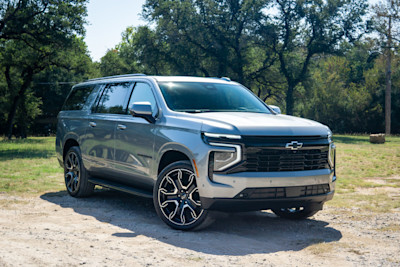
The Best Vehicles for Road Trips in 2026
Planning a road trip? While any car can do the job, certain vehicles are simply better for an adventure. Check out our top 10 recommendations based on your specific needs.
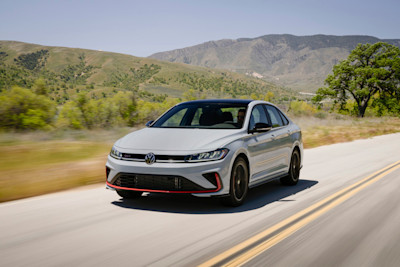
The Best Cheap Fast Cars of 2026
You don’t need to spend a lot to get a fast car. Surprisingly, some of the more budget-friendly options also happen to provide the most enjoyable driving experiences. Here are our top new car picks.
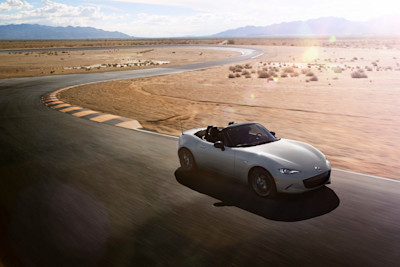
The Best Track Cars of 2026
The best track day cars can handle a hard day of racing and then head back home to serve as a daily driver. Here are our picks for the very best track car choices in 2025.

