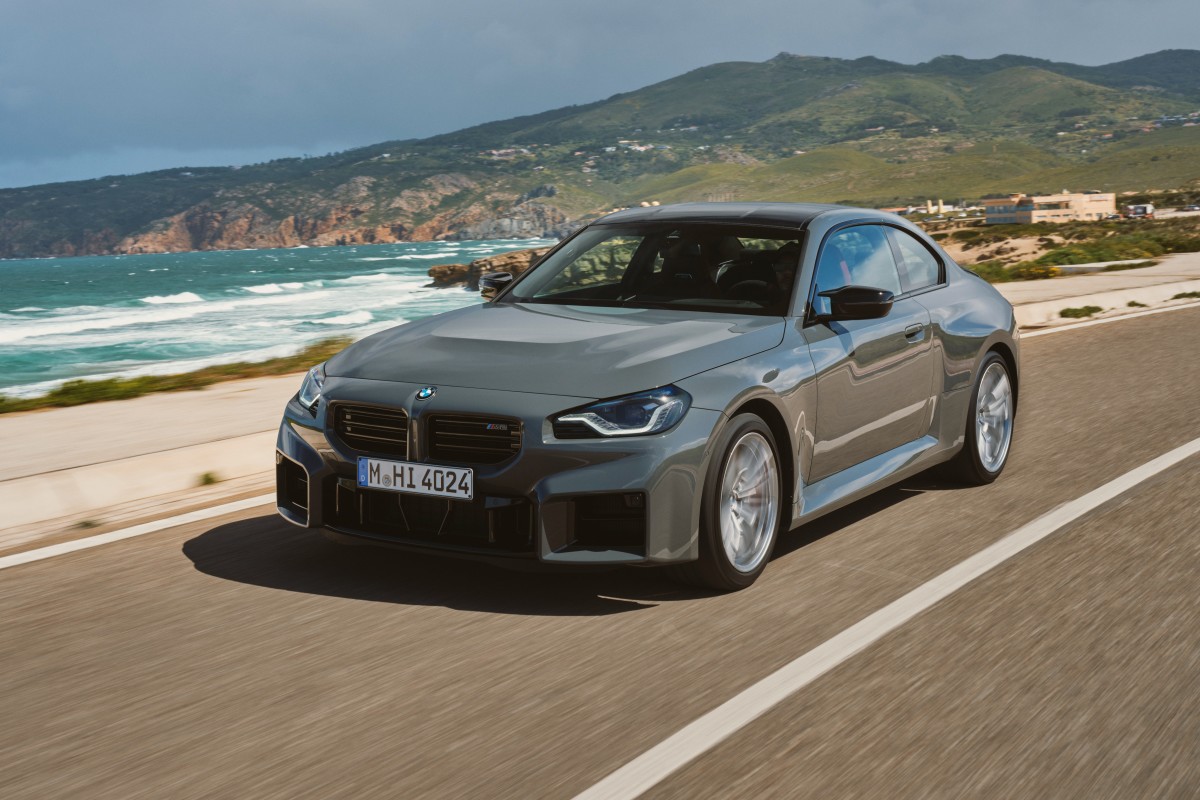
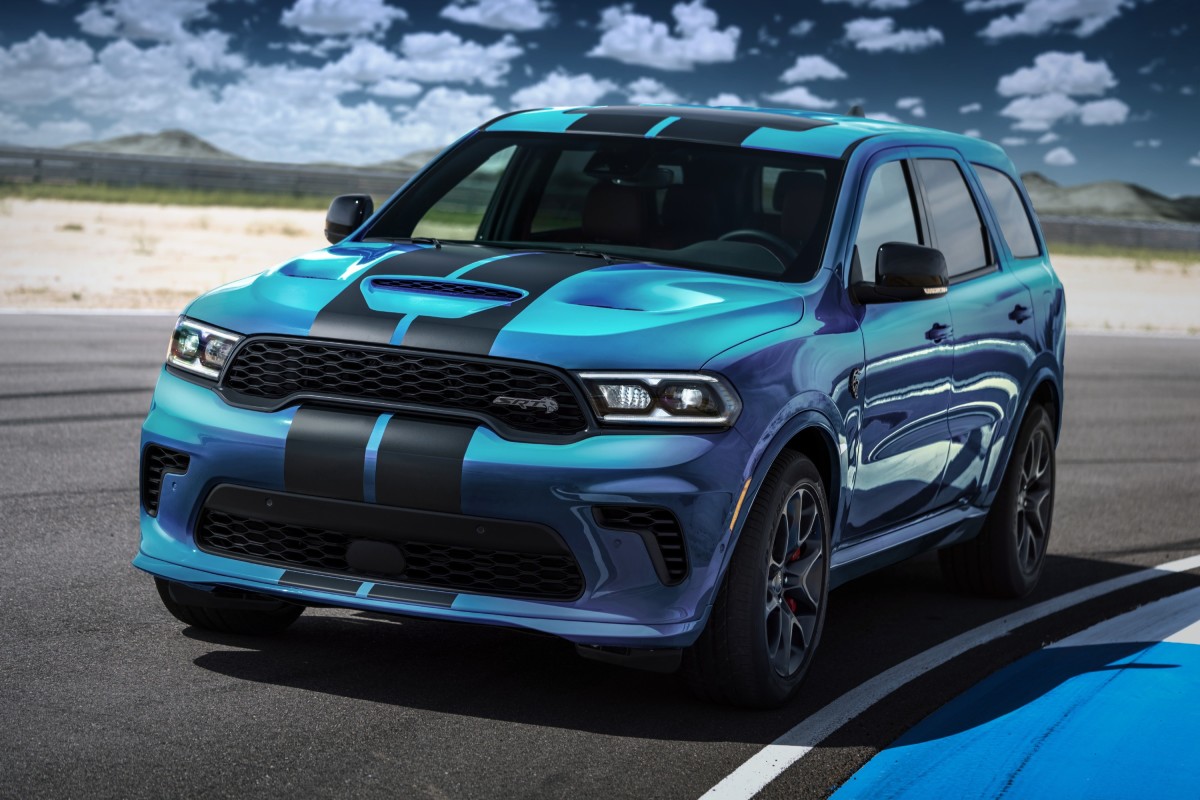
For many driving enthusiasts, the ultimate test of a car's performance isn't a winding public road but a closed-circuit racetrack. A "track car" is a vehicle engineered not just for speed, but for handling, braking, and durability under the extreme stress of high-performance driving. These cars offer a level of feedback and control that you simply can't experience during a daily commute, providing a safe and legal environment to explore the upper limits of both the machine and your own driving skill. For shoppers interested in this category, the appeal lies in owning a car that delivers a thrilling, unfiltered driving experience whenever the opportunity arises.
However, the best track cars are often more than just weekend toys. Many are designed with a dual personality, capable of setting impressive lap times while still being practical enough for the drive home or even daily use. This guide highlights vehicles that balance track-day prowess with real-world livability. You'll find a range of options, from the raw power of a Chevrolet Corvette to the lightweight precision of a Mazda MX-5 Miata, and even a high-performance electric vehicle like the Hyundai Ioniq 5 N. These cars offer features like adjustable suspension, powerful brakes, and advanced performance telemetry, but they also consider practicalities like cargo space and user-friendly technology, making them a viable choice for enthusiasts who want one car that can do it all.
What Makes CarGurus Best Cars Guides Different
The Best Track Cars
FAQs
Shopping Tools
Related Topics
1. Chevrolet Corvette
CarGurus expert rating: 8.2 out of 10
CarGurus user rating: 4.7 out of 5
Percentage of Good and Great Deals available on CarGurus: 24.7%
Overall CarGurus rating: 4.6 out of 5
| Pros |
Cons |
| Powerful acceleration |
Cramped cockpit |
| Sharp handling |
Lacks modern advanced safety features |
| Easy-to-use technology |
Confusing cockpit layout |
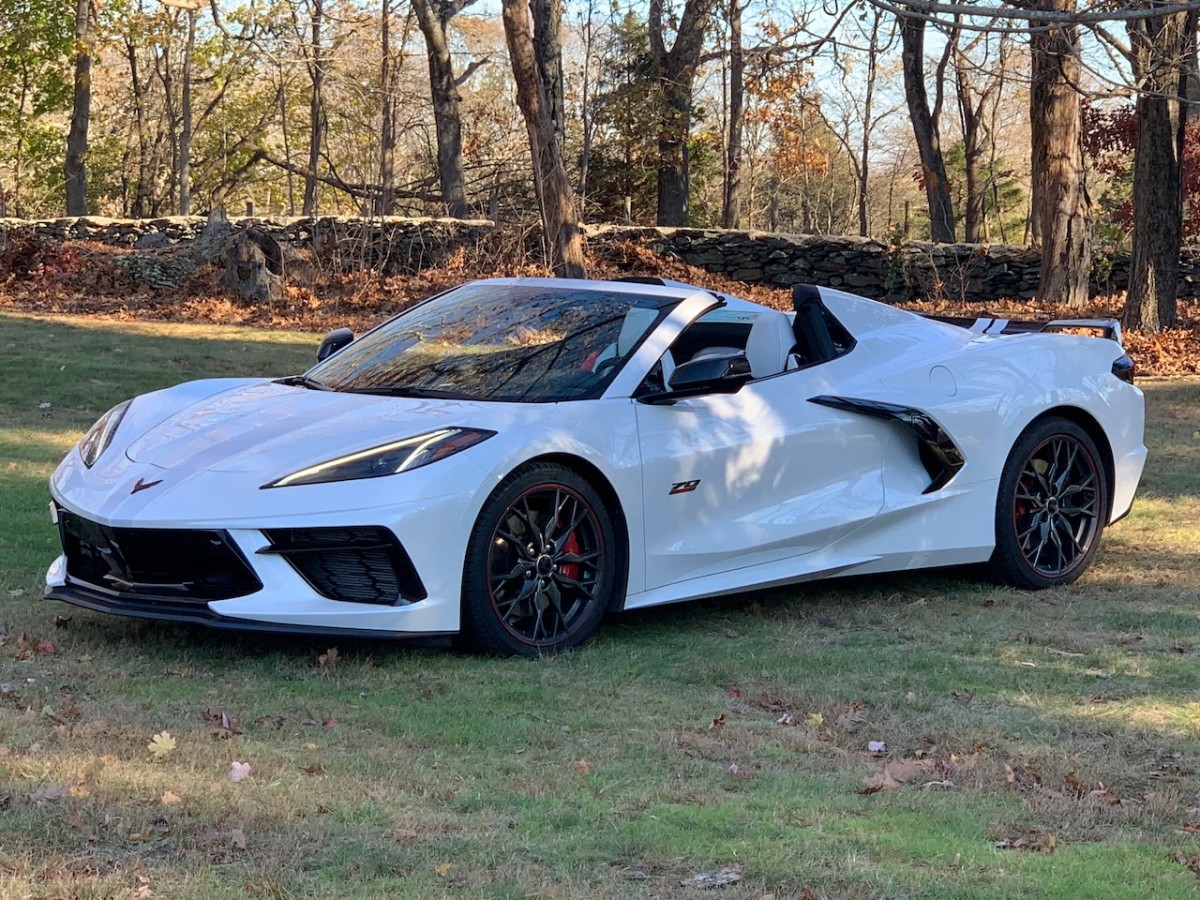
The mid-engine Corvette Stingray is the kind of track-day car you can actually live with: exotic proportions, rear-drive balance, and a naturally aspirated 6.2-liter V8 making 490 hp and 465 lb-ft of torque (or 495 hp and 470 lb-ft with the optional performance exhaust). Paired with an 8-speed dual-clutch automatic, it delivers rapid shifts and relentless acceleration; with the Z51 Performance Package, Chevy quotes a 0-60 mph time of 2.9 seconds, and non-Z51 coupes can run up to 194 mph on track. Drive modes including Track and Z-Mode let you quickly sharpen throttle response, damping, and other settings when it's time to push.
For drivers who want one car that can run hot laps and still handle the drive home, the Corvette's dual personality matters. In Tour mode, available Magnetic Selective Ride Control can take the edge off rough pavement, while the cabin's driver-focused layout puts the key performance controls close at hand (even if the design can feel busy). Practical touches help on a full day at the circuit, too: there are front and rear trunks with 12.6 cubic feet of combined cargo space for helmets and gear, and the available front-axle lift system can save the low nose from steep driveways and paddock ramps. The big drawback for everyday use is safety tech—advanced driver-assistance features like adaptive cruise control and forward-collision avoidance aren't offered—so it's a car that prioritizes driving over automation.
The CarGurus Verdict: "In moving the engine to behind the driver, the Corvette got an instant boost in performance. It was faster and more dynamic, but there was more to it. The mid-engine placement made the new Corvette less like a step up from the Camaro and more like a world-class exotic car—think Porsche 911 or even a Ferrari or Lamborghini." - George Kennedy
Read our most recent Chevrolet Corvette review
Search for Chevrolet Corvette
See all
2. Porsche 911
CarGurus expert rating: 8.8 out of 10
CarGurus user rating: 4.7 out of 5
Percentage of Good and Great Deals available on CarGurus: 25.2%
Overall CarGurus rating: 4.6 out of 5
| Pros |
Cons |
| Excellent overall performance |
Wind buffeting on the highway |
| Comfortable, simplistic interior |
Slightly confusing tech |
| Solid daily livability |
No more manual transmission for the base model |
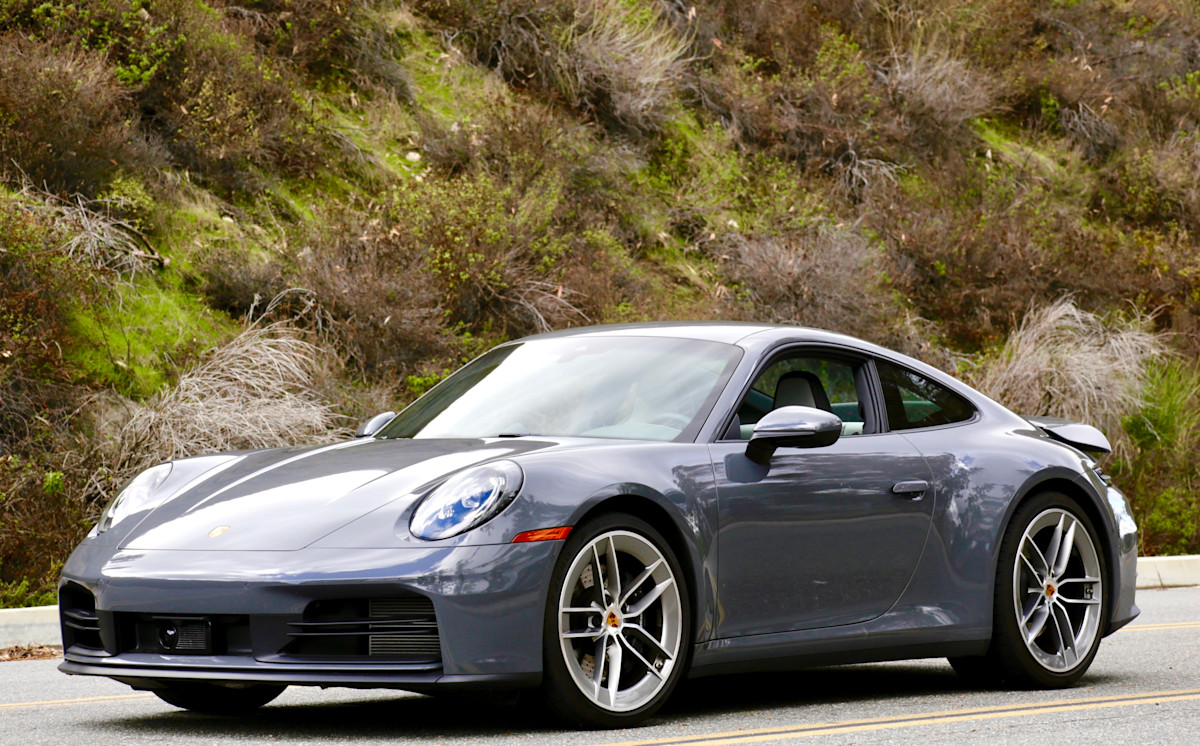
For a track-day car that you can still drive every day, the refreshed 992.2-generation Porsche 911 Carrera leans hard into versatility. Its 3.0-liter twin-turbo flat-six makes 388 hp and 331 lb-ft of torque, routed to the rear wheels through an eight-speed PDK dual-clutch automatic, and Porsche's standard PASM adaptive dampers help the chassis feel composed on rough pavement on the way to the circuit. On a faster road (or a lap), the 911's steering weight and feedback, strong body control, and confidence-inspiring behavior under cornering make it easy to place—without the old-school, pendulum-like reputation that some classic rear-engine 911s earned.
Track usability also comes down to livability details, and the Carrera's cabin is simple, high quality, and set up for a proper performance-driving seating position, with enough space up front to comfortably accommodate taller drivers (including helmet clearance). Braking hardware feels solid and easy to modulate, and while the front trunk's 4.8 cubic feet of cargo space won't swallow a full track weekend's gear on its own, it's handy for essentials like a helmet bag and small tools, with the rear seats (if equipped) available for extra odds and ends. A couple of real-world annoyances remain—wind buffeting with the windows down at highway speeds, slightly confusing menu logic in the new digital gauge cluster, and the base car's loss of a manual—but the core performance formula still works incredibly well.
The CarGurus Verdict: "Between its thrilling performance, excellent ride, great usability, and handsome looks, it's hard to fault the latest-generation Porsche 911 Carrera." - Peter Nelson
Read our most recent Porsche 911 review
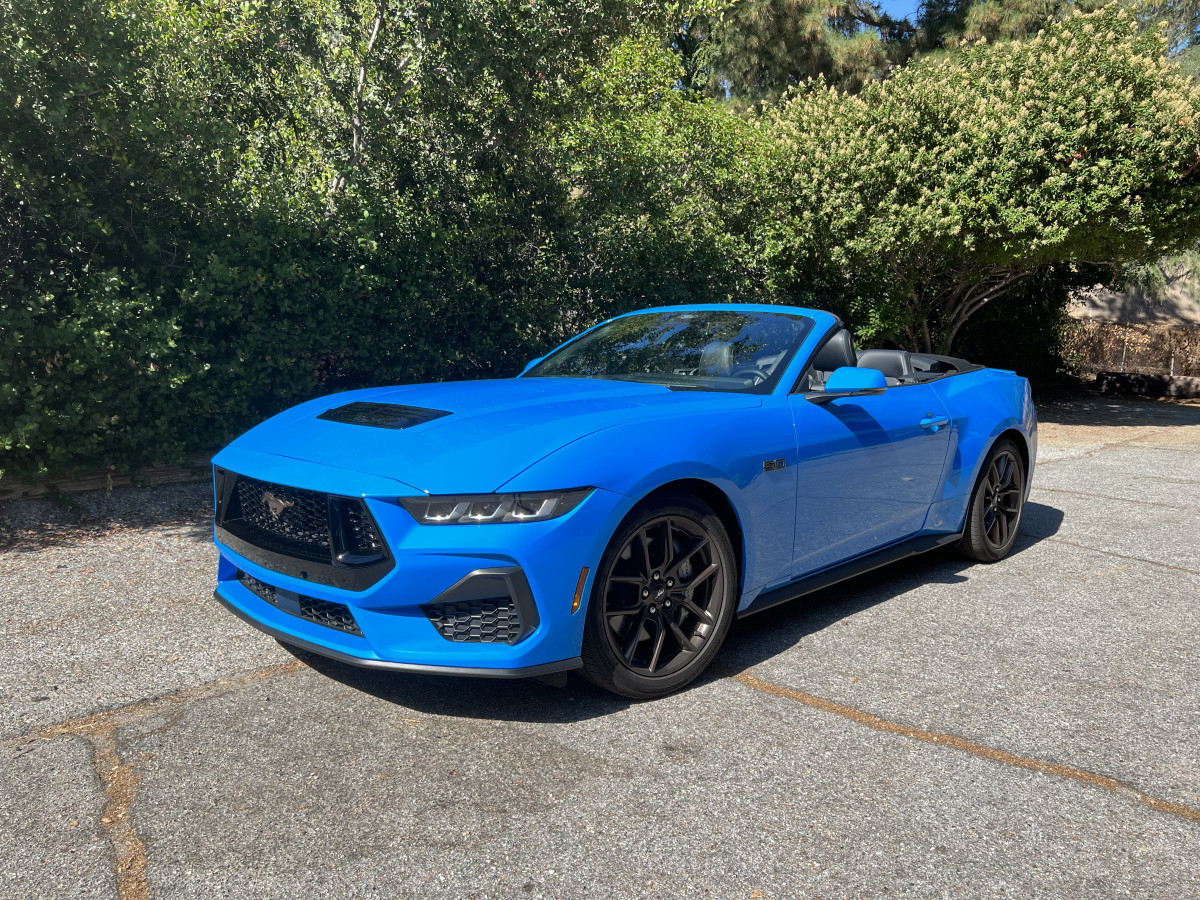
3. Ford Mustang
CarGurus expert rating: 7.2 out of 10
CarGurus user rating: 4.6 out of 5
Percentage of Good and Great Deals available on CarGurus: 29.1%
Overall CarGurus rating: 4.5 out of 5
| Pros |
Cons |
| Powerful engine |
Cramped back seat |
| Great handling |
Not much cargo space |
| Excellent value for money |
Noisy |
For track-day shoppers who want old-school rear-drive balance with modern control, the Mustang delivers a broad range of pace depending on engine choice. The 2.3-liter turbo EcoBoost makes 315 hp and 350 lb-ft of torque through a 10-speed automatic, and with the available High Performance package it adds grip-minded hardware like a Torsen limited-slip differential and upgraded Brembo brakes—useful for repeated hot laps. Step up to the GT for the full muscle-car soundtrack and stronger straight-line punch: the 5.0-liter V8 is rated at 480 hp and 415 lb-ft (or 486 hp and 418 lb-ft with optional Active Exhaust), with a standard six-speed manual that includes rev matching to help newer track drivers stay smooth on downshifts.
Beyond speed, the seventh-gen Mustang is more livable between sessions than you might expect, thanks to a well-judged ride and available MagneRide adaptive suspension, even if Sport mode can get loud and droney. The tech upgrades matter on a track weekend, too: every Mustang gets a 13.2-inch touchscreen with Sync 4, a digital gauge cluster, and a dedicated shortcut button for performance settings and drive modes, making it easy to dial in your setup without digging through menus. Just plan around its practical limits: the back seat is tight, and cargo is modest at up to 13.3 cubic feet in the Fastback (or 10.3 cubic feet in the Convertible), so helmets and a small set of gear fit best with smart packing.
The CarGurus Verdict: "The Ford Mustang returns for a final tour as its primary rivals head to retirement. This seventh-generation pony car is based on its predecessor but receives numerous upgrades that significantly improve its interior and technology. For fun on a budget, it's difficult to beat a Mustang, and this newest version continues the tradition with a healthy dose of nostalgia." - Mark Takahashi
Read our most recent Ford Mustang review

4. BMW M4
CarGurus expert rating: 8.2 out of 10
CarGurus user rating: 4.8 out of 5
Percentage of Good and Great Deals available on CarGurus: 29.0%
Overall CarGurus rating: 4.4 out of 5
| Pros |
Cons |
| Fast |
Expensive |
| Fun to drive |
Hit-and-miss tech |
| Four-passenger seating |
Cramped back seat |
The BMW M4 sits right at the intersection of luxury-coupe livability and true track-day hardware. Its twin-turbocharged 3.0-liter inline-six makes between 473 hp and 523 hp (with 406 lb-ft to 479 lb-ft of torque depending on configuration), and it's backed by the kind of chassis tech you feel immediately on a hot lap: Adaptive M suspension for body control, an Active M Sport differential to help put power down on corner exit, and powerful M Compound brakes. For 2025, Competition xDrive models get a slight power bump, and the M-tuned xDrive system is a standout feature for track-focused drivers who want the security of all-wheel drive (AWD) but still like the option of running rear-wheel drive (RWD) or a more aggressive sport AWD mode.
What makes the M4 especially friendly for enthusiasts learning a track is how adjustable it is. You can tailor steering, brakes, suspension, exhaust, and powertrain response, then save your preferred setups to the M1 and M2 steering-wheel buttons for quick access between sessions. It's also unusually usable for a performance coupe/convertible, with seating for four and up to 13.6 cubic feet of trunk space (10.6 cubic feet with the convertible top down), so hauling a helmet bag and weekend gear is realistic. Tech is modern with iDrive 8.5 and standard wireless Apple CarPlay/Android Auto, though the voice assistant can be inconsistent—something to remember if you're relying on it while traveling to and from the track.
The CarGurus Verdict: "Top up or down, driven in epic traffic or on epic roads, the M4 remains one of the best-driving BMWs money can buy. Comfortable when you want it, track-ready when you need it, and able to seat four people while carrying a decent amount of cargo, the M4 is a terrific all-around automobile." - Christian Wardlaw
Read our most recent BMW M4 review
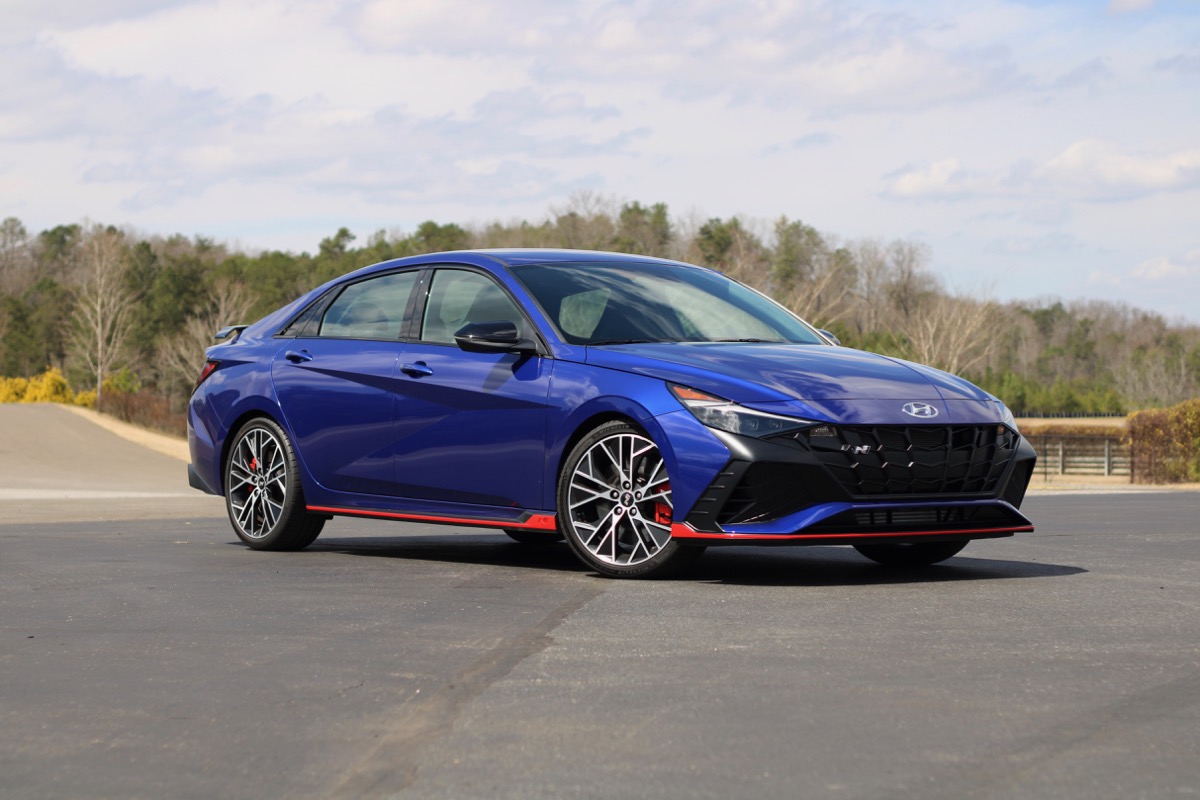
5. Hyundai Elantra N
CarGurus expert rating: 8.7 out of 10
CarGurus user rating: 5 out of 5
Percentage of Good and Great Deals available on CarGurus: 30.7%
Overall CarGurus rating: 4.4 out of 5
| Pros |
Cons |
| Powerful engine |
All-wheel drive not available |
| Great handling |
Weird clutch setup |
| Excellent value for money |
Rear strut brace affects cargo usability/space |
The Elantra N is an easy car to live with on weekdays, but it's engineered to feel at home at a track day. Under the hood is a 2.0-liter turbo four-cylinder making 276 hp and 289 lb-ft of torque, sent to the front wheels through either a six-speed manual or an eight-speed N-tuned wet DCT, and Hyundai backs it up with serious hardware like an electronic limited-slip differential, big brakes (14.2 inches front, 12.4 inches rear), and sticky Michelin Pilot Sport 4S summer tires on 19-inch wheels. There's also an overboost party trick called N Grin Shift that temporarily bumps output to 286 hp for 20 seconds, and the drive-mode spread (Eco, Normal, Sport, and two N settings) helps the car toggle between calm commuting and rowdy, crackle-and-pop track energy.
For drivers who want data with their hot laps, the N-specific screens are a highlight: the 10.25-inch digital cluster and 10.25-inch infotainment display can show oil and engine temps, boost, torque, RPM, gear selection, and even track tools like a lap timer, G-force meter, and track map. Practicality is still compact-sedan normal in most ways (14.2 cubic feet of trunk space), but track-focused details can bite into everyday usefulness: the rear strut tower brace can complicate loading bulky cargo with the rear seat folded, and there's no spare tire (just a mobility kit). It also skips adaptive cruise control with stop/go, and if you're shopping the manual, the clutch and rev-matching behavior can feel finicky until you adapt.
The CarGurus Verdict: "The Hyundai Elantra N might not look the part of a race track rascal, but it certainly has the bones to be a corner-carving champion. With daily-driver appeal and comfort mixed with motorsports-tuned DNA, the Elantra N is the latest addition to the niche (but growing) segment of sport compact cars." - Beverly Braga
Read our most recent Hyundai Elantra N review
Search for Hyundai Elantra N
See all

6. Mazda MX-5 Miata
CarGurus expert rating: 7.5 out of 10
CarGurus user rating: 4.8 out of 5
Percentage of Good and Great Deals available on CarGurus: 28.5%
Overall CarGurus rating: 4.4 out of 5
| Pros |
Cons |
| Fun to drive |
Unintuitive technology |
| Great handling |
Not much cargo space |
| Stylish design |
Limited interior space |
For track-day drivers, the MX-5 Miata is all about momentum and precision rather than brute force. Every model uses a 2.0-liter naturally aspirated four-cylinder making 181 hp and 151 lb-ft of torque, sent to the rear wheels, with a six-speed manual standard—exactly the kind of setup that encourages smooth inputs and rewards good technique. The steering has a natural, confidence-building weight, and the Bilstein-tuned suspension keeps body roll in check when you start linking corners. Mazda's Kinematic Posture Control subtly brakes the inside rear wheel in fast turns to help settle the car, and the available limited-slip differential helps you put power down more cleanly on corner exit.
That "no-frills" vibe continues in the cabin and daily-use details, which matters if your track car also has to do weekday duty. The infotainment system's rotary-dial interface can be frustrating, and storage is tight—there's just 4.59 cubic feet in the trunk, plus a small interior bin and awkward cupholder placement. Safety tech is also limited compared with newer performance cars, though basics like blind spot monitoring and rear cross-traffic alert are included. Still, if your idea of the best track car is something you can place precisely on a line, drive hard without feeling intimidated, and enjoy with the top down between sessions, the Miata's lightweight, back-to-basics approach fits the brief.
The CarGurus Verdict: "The 2025 Mazda MX-5 Miata is a roadster that rewards drivers with precise handling that's only made better when the top is down and the tunes are cranked." - Emme Hall
Read our most recent Mazda MX-5 Miata review
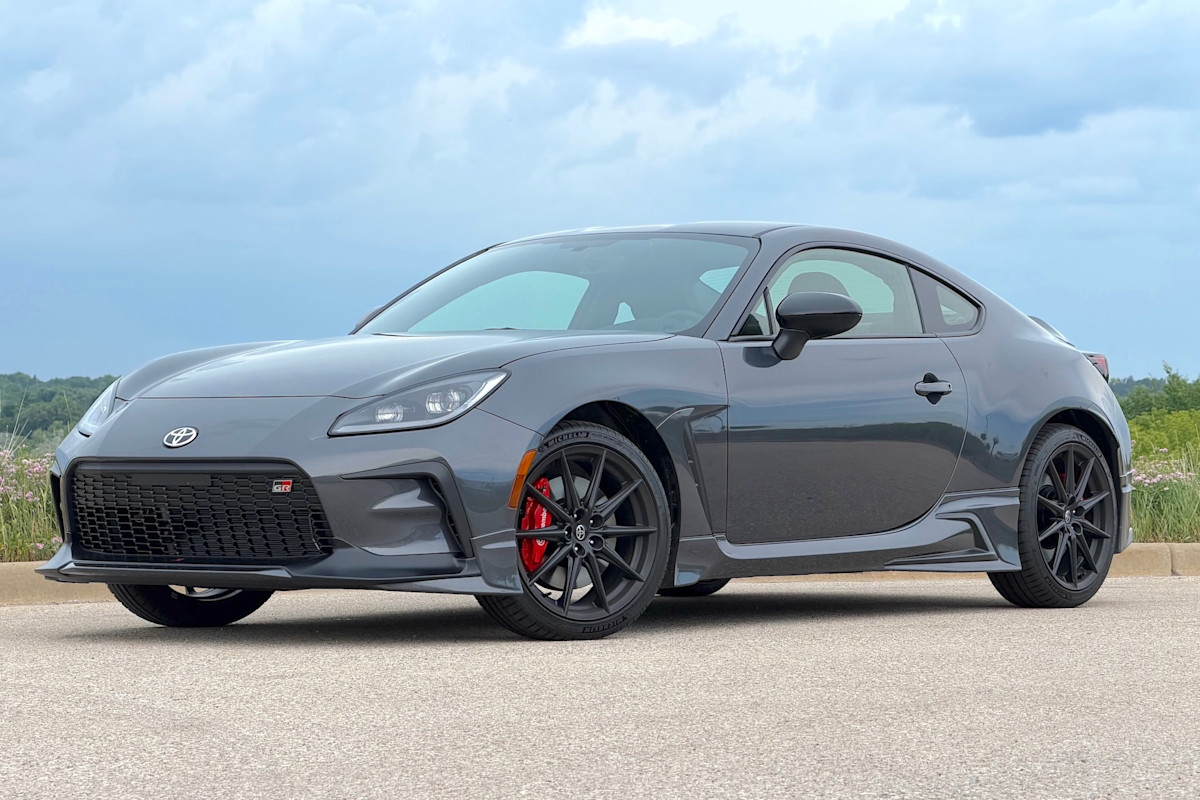
7. Toyota GR86
CarGurus expert rating: 6.2 out of 10
CarGurus user rating: 4.4 out of 5
Percentage of Good and Great Deals available on CarGurus: 30.7%
Overall CarGurus rating: 4.4 out of 5
| Pros |
Cons |
| Great handling |
Tight cargo and passenger space |
| Quick-revving engine |
Modest power |
| Engaging manual transmission |
Ride can get hard |
If you want a track car that keeps the experience front and center, the GR86 leans into the fundamentals: responsive controls, balanced handling, and a quick-revving character that encourages you to work the engine and chassis through corners. On a road course, that translates into a car that’s happy to change direction, communicate grip clearly, and reward smooth inputs—exactly what many drivers look for when they’re learning lines, practicing braking points, or building confidence in higher-speed turns.
The trade-off for that focus is everyday practicality. Passenger room and cargo space are tight, so it’s not the easiest fit for hauling extra gear or bringing friends along, and the ride can feel firm—something you’ll notice more on rough streets than on clean pavement at the track. Power is also on the modest side, but that can be part of the appeal for track days: you can explore the limits without needing supercar speeds, and the engaging manual transmission adds an extra layer of involvement for drivers who want a more hands-on lap.
The CarGurus Verdict: "Some people choose cars because they’re fun to drive, and the 2026 Toyota GR86 is one of the finest and most affordable of those choices." - Kirk Bell
Read our most recent Toyota GR86 review
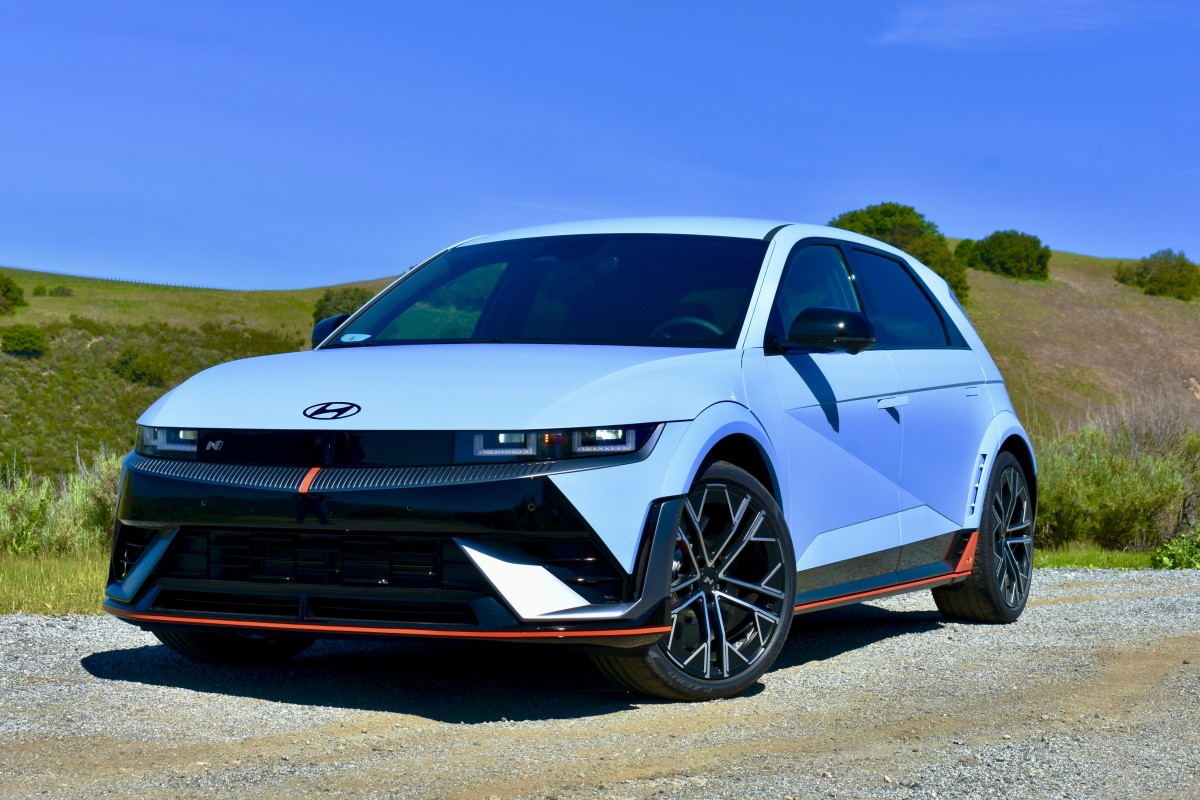
8. Hyundai Ioniq 5 N
CarGurus expert rating: 8.2 out of 10
CarGurus user rating: 5 out of 5
Percentage of Good and Great Deals available on CarGurus: 0.0%
Overall CarGurus rating: 4.3 out of 5
| Pros |
Cons |
| Fun to drive |
Unimpressive electric range |
| Great handling |
Poor value for money |
| Wireless Apple CarPlay/Android Auto |
Not as much fun to drive at normal speeds |
Hyundai's N division turns the Ioniq 5 into a genuinely track-ready EV, pairing a stiffened body structure and track-tuned suspension with cooling-focused aero changes and wide, sticky Pirelli P Zero tires on 21-inch wheels. Power comes from a dual-motor AWD setup rated at 601 hp and 546 lb-ft of torque, with up to 641 hp and 568 lb-ft available briefly via N Grin Boost; with launch control engaged, Hyundai says it runs 0-60 mph in 3.2 seconds and continues on to a 162-mph top speed. Track tech goes well beyond raw output, too, including N Drift Optimizer, an N Race mode (Endurance or Sprint), and performance telemetry (temps, lap times, g-forces) spread across the dual 12.3-inch displays.
For a track car that still has to live in the real world, the Ioniq 5 N keeps the base model's practicality, including 26.1 cubic feet of cargo space behind the rear seats and 59.3 cubic feet with the second row folded, plus useful small-item storage in its more conventional center console. The tradeoffs are the ones you'd expect from the track focus: range drops to 221 miles despite the larger 84-kWh battery, and the ride remains firm even in mild settings. On the upside, it retains rapid-charge capability (Hyundai estimates 10%-80% in 18 minutes on a 350-kW DC fast charger in ideal conditions), plus everyday tech like wireless Apple CarPlay/Android Auto and a robust suite of driver assists such as Highway Driving Assist 2 and a radar-based rear-occupant alert system.
The CarGurus Verdict: "The Ioniq 5 N is a true track-capable performance car that just happens to be electric." - Stephen Edelstein
Read our most recent Hyundai Ioniq 5 N review
Search for Hyundai Ioniq 5 N
See all
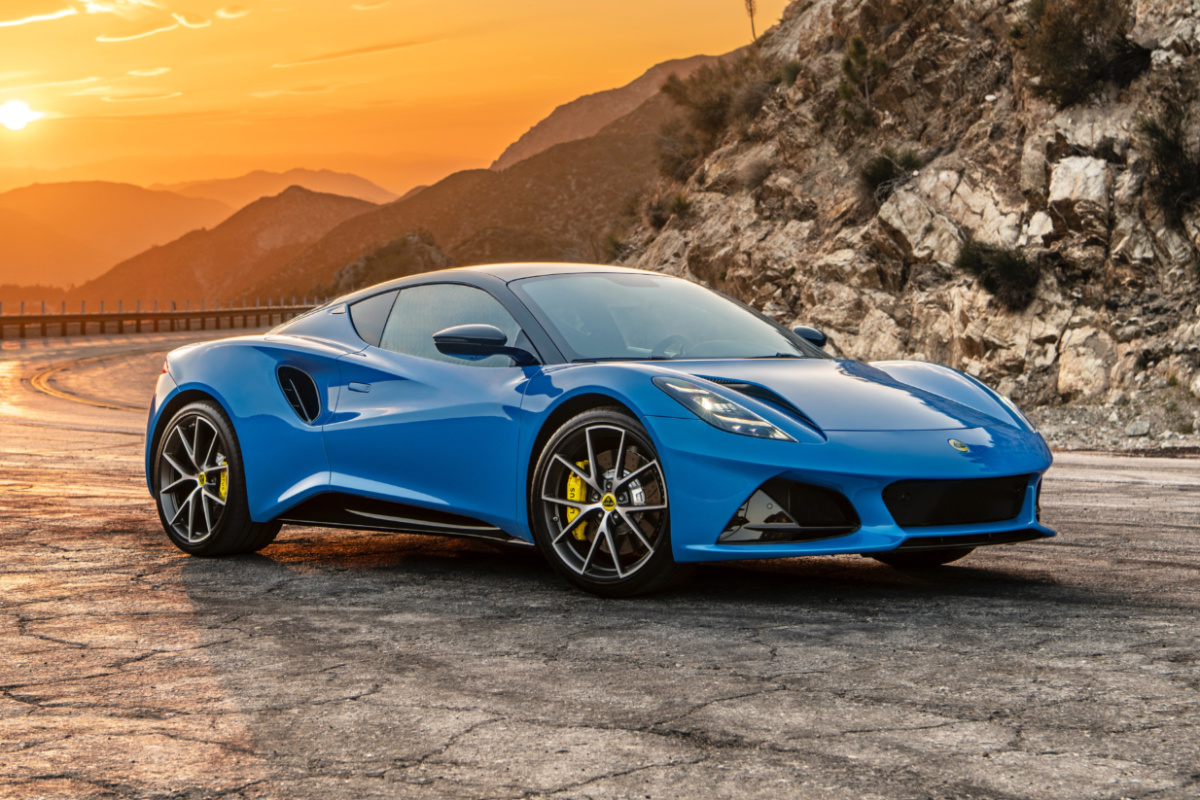
9. Lotus Emira Turbo
CarGurus user rating: 4 out of 5
Percentage of Good and Great Deals available on CarGurus: 17.8%
Overall CarGurus rating: 3.9 out of 5
The latest high-end, mid-engine sports car from Lotus reached American shores for the 2024 model year, and it’s been a smash-hit among enthusiasts and journalists alike. While initially offered with a supercharged 3.5-liter V6 putting out 406 hp and 317 lb-ft of torque, the Emira Turbo followed nearly a year later with a turbocharged 2.0-liter four-cylinder that produces 400 and 353, respectively.
No matter which version you choose, expect phenomenal handling, excellent chassis and steering communication, and a very good ride quality. The British brand offers two chassis tuning configurations—no adaptive dampers here—the touring and sport chassis; we enjoyed our time with the sport chassis and found it to not be too stiff and focused.
We’ve driven both powertrains, too, and prefer the turbocharged variant. The turbocharged theatrics are quite amplified: You can hear the turbo spool up and feed boost to the mighty, AMG-sourced four, and then hear its blow-off valve release pressure once you lift the throttle. It’s also just as fast as the V6, gets better gas mileage, and feels ever-so-slightly more playful. The only downside is the turbo only comes equipped with an eight-speed dual-clutch automatic transmission—the V6, on the other hand, gets a brilliant-to-shift six-speed manual gearbox.
Everything about the Emira makes it brilliant for track day duty: Drive to the track, enjoy top-shelf mid-engine sports car handling and rousing torque all day, then drive home comfortable in a well-appointed, luxurious interior. And, look good while doing it.
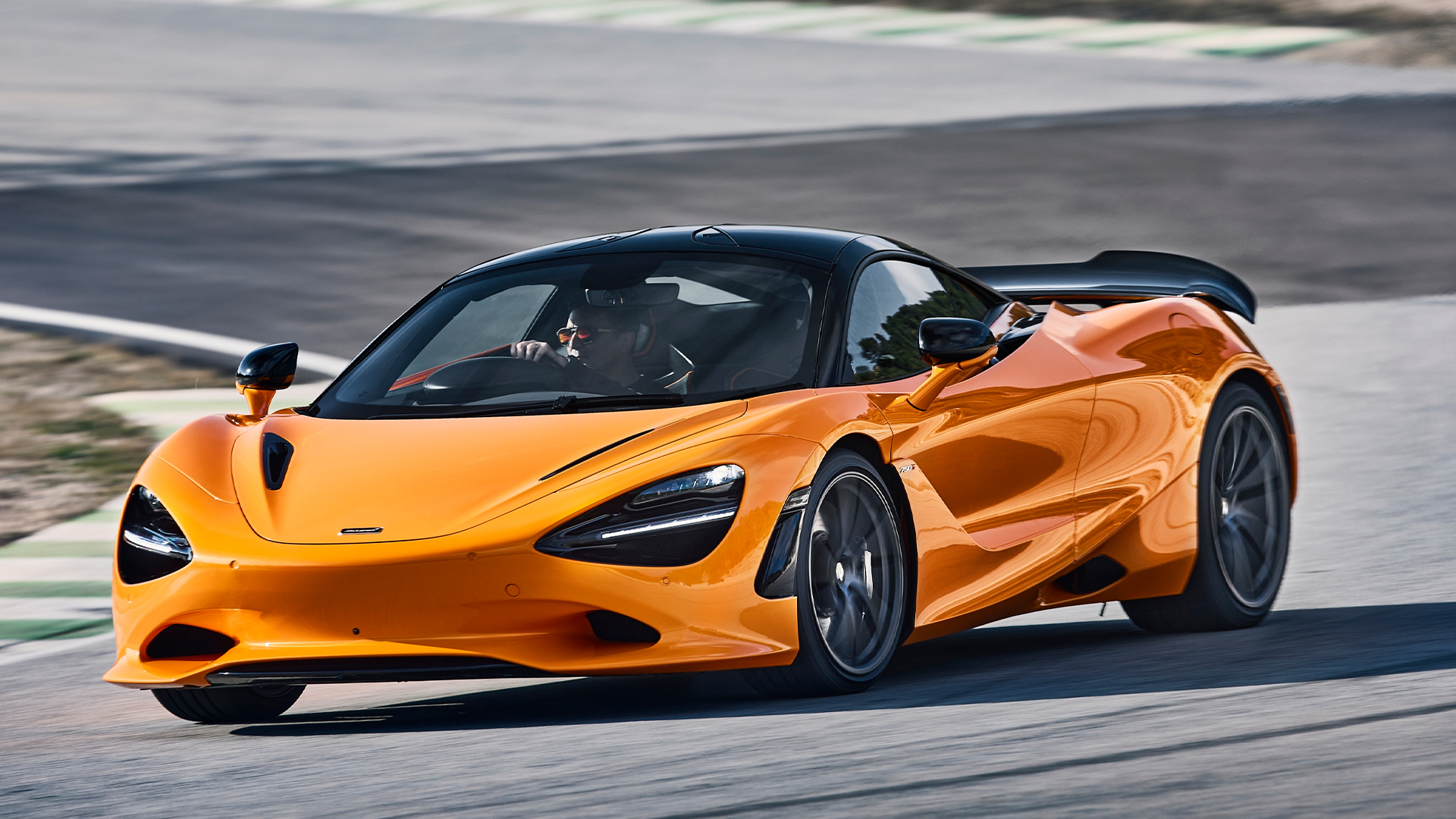
10. McLaren 750S
Percentage of Good and Great Deals available on CarGurus: 33.8%
Overall CarGurus rating: 3.4 out of 5
When you absolutely, positively have to scorch lap times and turn heads, accept no substitutes. The McLaren 750S is one of the top supercars that can get you to the track in style, and then blow the doors off almost everything else there. It’s a direct evolution of the earlier 720S, so it may seem like the English brand’s styling hasn’t changed much, but it’s lighter and more powerful for an even wilder driving experience.
The 750S debuted for the 2024 model year, and while it uses the familiar twin-turbo, 4.0-liter V8 from the 720s, the engine has been extensively modified, including bolting up pistons from the even hotter 765LT. It now makes 750 horsepower and 590 pound-feet of torque, up from 710 and 568, respectively in the 720S. To dilate drivers’ pupils even more, it weighs about 150 pounds less than its predecessor, bringing its zero-to-60 time into the mid-two-second range, and a quarter-mile pass in less than 10 seconds.
The 750S isn’t cheap at around $300,000, so while it may seem a bit complicated to operate, it remains a refreshingly simple vehicle to drive around in. The center touchscreen flows up through the center console and the fully digital instrument panel alters its appearance based on your selected drive mode to present critical performance information. The readouts and operation are a little basic, but maybe that’s better in a car that can go more than 200 mph flat out.
The Best Track Cars FAQs
What makes a car good for the track?
A good track car excels in several areas beyond straight-line speed. Key attributes include powerful and fade-resistant brakes (like the Brembo or M Compound brakes mentioned on this list), a balanced chassis with responsive steering, and effective cooling for the engine and other components. Many of the cars here, like the BMW M4 and Hyundai Elantra N, also feature adjustable drive modes and suspension, allowing drivers to fine-tune the car's behavior for the track and then soften it for the ride home.
Can I use a track car as my daily driver?
Yes, many modern track-capable cars are designed to be versatile. Vehicles like the Porsche 911 and BMW M4 blend high performance with luxury and comfort. However, there are often compromises. You may have to accept a firmer ride, increased road noise, and less cargo space. Some, like the Chevrolet Corvette, may also lack the latest advanced driver-assistance safety features that are common on mainstream vehicles.
What is a good entry-level track car?
For those new to track driving, the Mazda MX-5 Miata and Toyota GR86 are excellent starting points. Both are relatively affordable, rear-wheel drive, and prioritize handling and driver feedback over raw power. Their modest horsepower encourages drivers to learn important skills like carrying momentum through corners and mastering smooth inputs, which are fundamental to performance driving. The GR86 even comes with a complimentary one-year membership to the National Auto Sport Association (NASA) to help new owners get started.
Are there any electric cars suitable for track use?
Yes, the Hyundai Ioniq 5 N is a prime example of an EV built with the track in mind. It features a high-output dual-motor AWD system, a stiffened chassis, and specialized cooling systems to manage battery and motor temperatures during intense driving. It also includes unique software like N Race mode and N Drift Optimizer. The main trade-offs are a significantly reduced driving range compared to its standard counterpart and the need for access to high-speed charging infrastructure at or near the track.
What Makes CarGurus Best Cars Guides Different?
Most car-shopping websites publish lists of the best cars across a variety of categories, with recommendations generally driven by editorial expertise. Here's what makes ours different: In addition to the insights and verdicts of our team of car-testing experts, our best cars guides take into account other factors that we know matter to buyers-real owner experiences and current market value.
Our expert reviewers are among this country's most trusted automotive journalists, also writing for publications including US News and World Report, Edmunds, Digital Trends, J.D. Power, and Car & Driver. They put each car through real-world testing and create detailed reviews of performance in a range of categories, from practicality and driving manners to cost-effectiveness and safety.
We also analyze hundreds of thousands of used car listings on CarGurus.com to track which models consistently offer the highest percentage of best deals relative to how many are listed for sale. Then we factor in reviews from owners-people who actually live with these cars every day. Our proprietary Best Cars algorithm then creates a final Overall CarGurus rating combining expert scores, user reviews, and the percentage of listings that have earned the Good or Great Deal rating. This multi-pronged approach reveals not just which cars excel on paper, but which ones deliver satisfaction and value when you're ready to buy.
The CarGurus market data used in this guide was last updated in August 2026. Values were accurate at time of publication and should be used as a guide only.
Shopping Tools
Related Topics