Whether it’s a hurricane in September or overflowing rivers in March, rising waters can lead to your car’s downfall. Knowing what to expect and taking the right first steps to protect your flood-damaged vehicle will help you cope with this difficult situation.
Do Not Start Your Car

Trying to start a car after it’s been flooded is a normal instinct—how else would you see if it still runs? Don’t do it. Trying to start a car with water in the engine can cause more problems and could render it unusable. Instead, call a professional. Unless you’re a mechanic or 100 percent confident in your mechanical skills, you’ll want to have a pro look at your vehicle before starting it.
Start the Cleaning Process
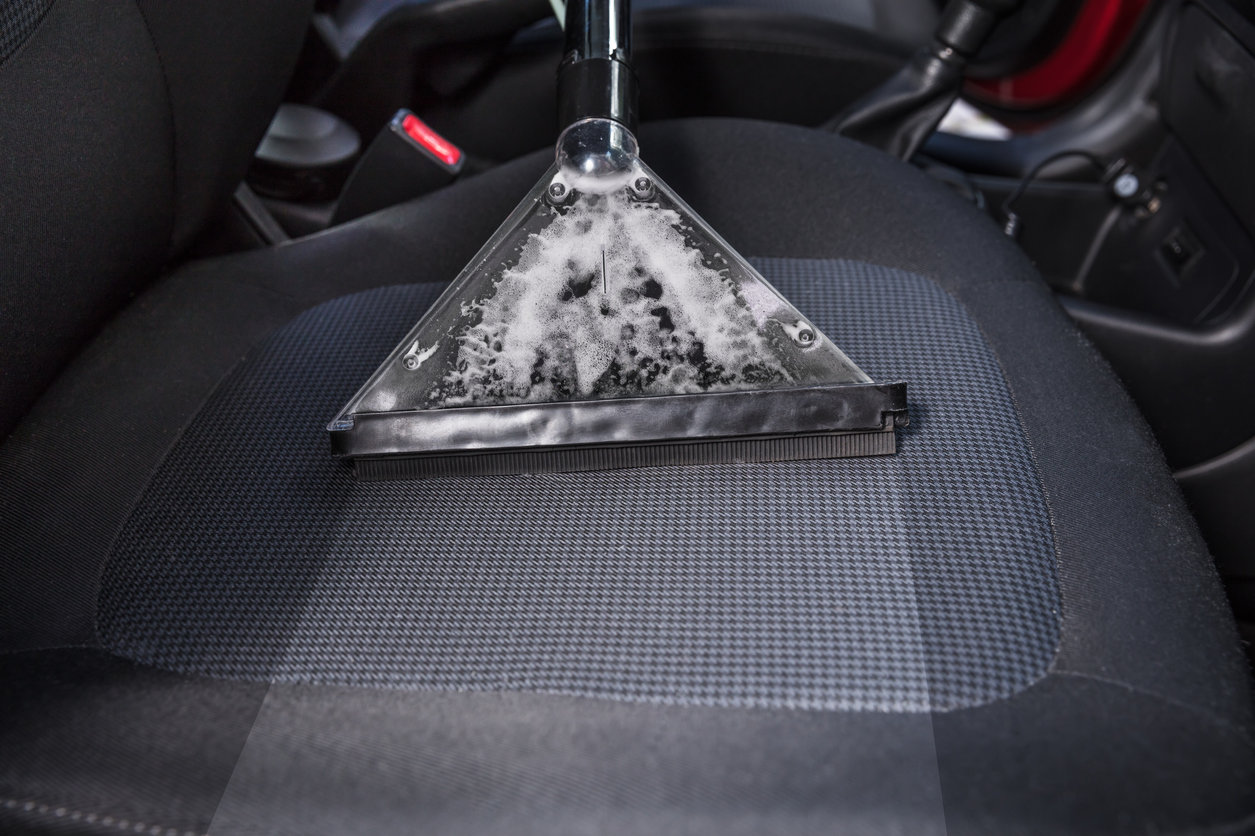
You can do some quick cleaning on your own. If your car is still in a wet area, call a tow company to move it to higher ground. Dry out your vehicle as soon as possible, especially if it’s been flooded with salt water, which is more corrosive than fresh water. Use a shop-style wet/dry vacuum to remove standing water and cloth towels to absorb water that has soaked into the upholstery and carpet. Remove seats and cushions if possible. Use fans and dehumidifiers to speed up the process.
Be Prepared for a Total Loss

Unfortunately, you should brace yourself for bad news. Most cars that have been submerged in water are considered a total loss. Some insurance companies deem a car “totaled” if the repairs needed to fix it are equal to or greater than approximately 70% of the vehicle’s value. That percentage will vary by provider and case; because insurance companies are often very busy in an area hit by a flood, it’s important to get in touch with your insurer as soon as possible. You’ll want to find out if you’re covered for flood damage (if you have comprehensive coverage, you probably are) and what the insurance company considers a total loss.
Your interaction with the insurance company will go more smoothly if you take lots of pictures of your damaged vehicle and if you have information about the damage—the depth of floodwaters in relation to your car, the type of water (fresh or salt), how high the water marks are in the cabin, if there is water pooled near the top of the engine, and if there are signs of water in the oil or transmission fluid. Your insurer will also want to know the vehicle's odometer reading, trim level, options, and pre-flood condition.
Arrange Stopgap Transportation

Your insurance agent can also tell you if your policy has a provision for a rental car while your flood-damaged car is being repaired or replaced. Alternatively, you may qualify for government assistance through the Federal Emergency Management Agency (FEMA) for rental-car payments. But, like your insurance company, FEMA might be overloaded with cases, and reimbursement might not be immediate. Even if you get help with paying for a rental, it may be hard to find an available, non-damaged rental car in an area that’s just been hit by a flood. Other stopgap transportation options to consider are buying an inexpensive used car, car-pooling, car-sharing, using public transportation, or borrowing a friend’s car—just make sure their insurance policy will cover you.
Buying Your Next Vehicle

If your insurance company has deemed your car a total loss and you do not plan to have it repaired, you’ll want to start shopping for your next vehicle. This can be tricky in an area that’s just been flooded, and you’ll want to keep your eyes out for people (knowingly or unknowingly) selling flood-damaged vehicles.
The Bottom Line
Dealing with the aftermath of a natural disaster is daunting. It can take days, weeks, or months to clean up and adjust. Having transportation during this difficult time will be critical, and taking these steps with your water-damaged vehicle will help keep you mobile.
Related Topics
How to Get Rid of Bad Car Smells
How to Jump-Start a Car
My Check Engine Light’s On—What Do I Do Now?


