‘EV’ generally stands for ‘Electric Vehicle’ or ‘Electric Vehicles,’ which are vehicles that most commonly run on electric power only, as opposed to gas-powered or internal combustion engine (ICE) vehicles. In this guide we delve into the world of EVs, and answer some of the most common questions associated with owning and running an electric car.
What Does EV Stand For?
Understanding Electric Vehicles:
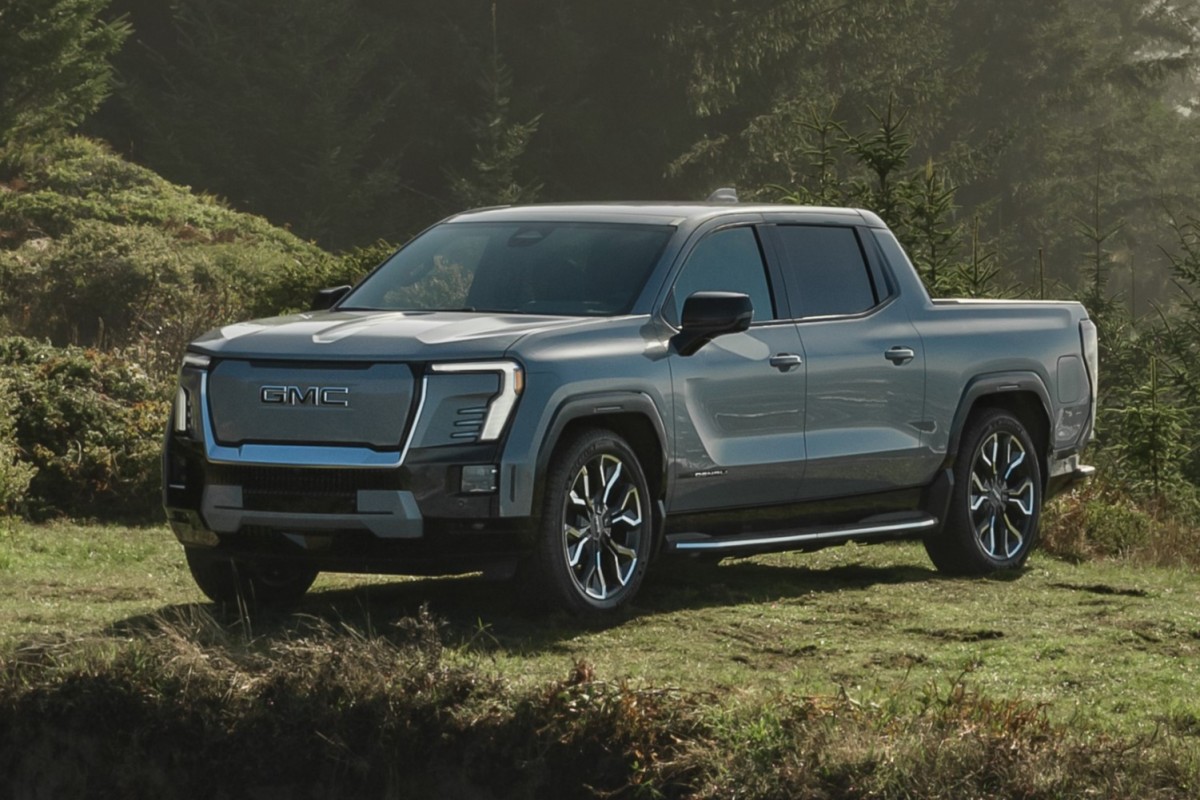
An electric vehicle, or EV, is any vehicle that uses an electric motor for propulsion. Types of electric vehicles include Battery Electric Vehicles (BEVs), Hybrid Electric Vehicles (HEVs), Plug-In Hybrid Electric Vehicles (PHEVs), and Hydrogen Fuel Cell Electric Vehicles (FCEVs).
-
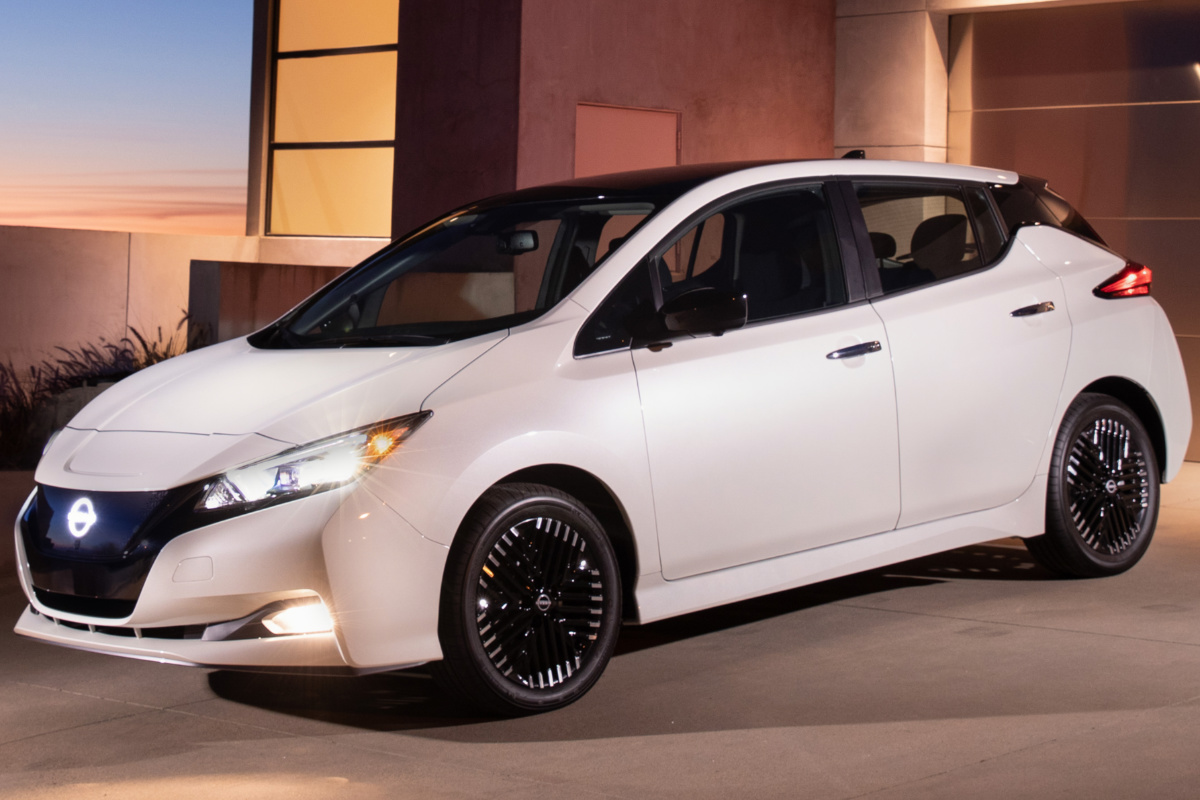
Battery Electric Vehicles (BEV or EVs) are the more recognizable electric vehicles on the road today; these include cars like the Tesla Model 3, Hyundai Ioniq 5, and Nissan Leaf. BEVs, often also referred to by the simplified “EV” acronym, are powered exclusively by electricity through large rechargeable battery packs. All BEVs need to be charged by AC or DC electricity — simply plug in your car to add range. Modern BEVs can deliver up to 500 miles of range, with most options offering around 300 miles.
-
Hybrid Electric Vehicles (HEV) are the most common electric vehicles for sale; examples include the Toyota Prius and Honda Insight. Hybrids earned their name by combining a conventional internal combustion engine with an electric powertrain. Compared to a regular gas-powered car, the electric powertrain adds power and efficiency, maximizing gas mileage.
Compared to a BEV, a Hybrid never needs to be plugged in. The battery used is much smaller and is charged either by the gasoline engine or through regenerative braking. The full electric range of an HEV is quite small, typically in the 5-to-10-mile range. However, these cars are designed to switch regularly between gas and EV modes to maximize fuel efficiency.
-
Plug-In Hybrid Electric Vehicles (PHEV) provide a nice balance between HEVs and BEVs. A plug-in hybrid uses a bigger battery and electric motor than a regular hybrid, delivering a larger fully electric range. As the name implies, a PHEV does need to be regularly plugged in and recharged to maximize efficiency.
Because a PHEV uses a larger battery than an HEV, these cars will drive like a BEV on a full charge and like an HEV when the battery depletes. The batteries generally deliver around 30 to 50 miles of full electric range, and once the battery is depleted, you will not be stuck on the side of the road. The gasoline engine will resume its role as the primary form of propulsion, and the vehicle will perform like a regular HEV.
-
Hydrogen Fuel Cell Electric Vehicles are quite an interesting, yet novel technology. Behind the wheel, the experience will be similar to a BEV, since both use an electric motor as their primary form of propulsion.
Unlike a BEV, however, an FCEV does not use a large battery to store electricity. Instead, an FCEV uses hydrogen to generate electricity to power its electric motors. This means that an FCEV has a fuel tank to store hydrogen, much like the gas tank found in a traditional conventional gas car.
A fun fact about FCEVs: They emit warm air and water from the electrolysis process. The negative about FCEV is the infrastructure. While you can fill up an FCEV much like you would a gasoline car, there are very few hydrogen stations available around the country.
Pros of EV Technology:
The primary advantages of EVs are efficiency and emissions. Vehicles powered by electric motors are significantly more efficient than a traditional internal combustion engine — and they produce zero tailpipe emissions. Systems like regenerative braking recapture energy as the vehicle decelerates. When a traditional gas-powered car slows down, all that forward momentum is transferred into heat, not energy.
Electric vehicles have significant emissions advantages over conventional gas-powered vehicles. Running an electric motor results in zero tailpipe emissions, which is important in dense city environments.
On a broader level, it is also possible to consider the energy sources of electricity production: As more renewable energy sources come online, it is possible to power your vehicle with low-polluting renewable power sources like solar or wind energy. With HEVs and PHEVs, we still see noticeable improvements as they cycle between gas and EV modes.
Electric vehicles are significantly more efficient than conventional gas-powered cars. EVs can recapture energy through regenerative braking systems: drive down a long descent, and you can watch your battery state of charge increase as the systems work to recharge your battery. Most modern electric vehicles prioritize aerodynamic, low-drag designs to maximize range and efficiency.
Take the Toyota Prius, for example. The latest generation is quite sleek and aerodynamically efficient, with a very low drag coefficient. When combined with Toyota’s hybrid system, this results in impressive fuel efficiency, in either HEV or PHEV form.
As the automotive industry marches towards an electric future, the government is providing additional incentives to increase EV adoption. To offset the increased purchase prices of EVs, the federal government is offering a tax credit of up to $7,500 for qualifying BEVs and PHEVs. Depending on where you live, there may also be additional credits and incentives offered by your local government and utility company.
Cons of EV Technology:
The disadvantages of EVs are cost and weight. Because electric powertrains are still new and developing rapidly, purchase prices can be significantly higher than those of their conventional gasoline-powered counterparts.
The lithium batteries used for EVs are big, heavy, and expensive. To deliver the ranges we expect, these batteries need to be quite large, adding significant weight to an EV. Prices are expected to equalize with gasoline-powered cars as EV production increases and battery technology continues to mature.
Charging and Range Considerations
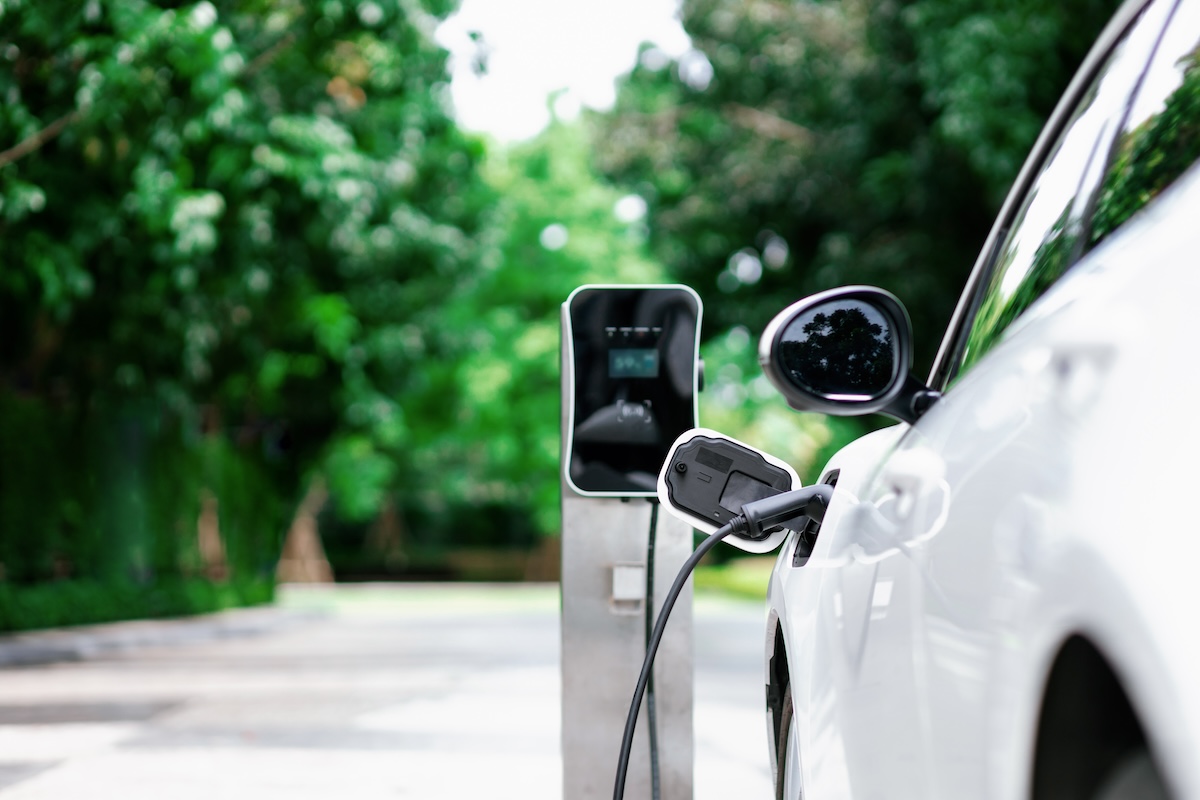
Charging is the biggest barrier to entry for most potential EV adopters, especially if they do not have a reliable way to charge at home. There are a few ways to charge a BEV at home or on the road.
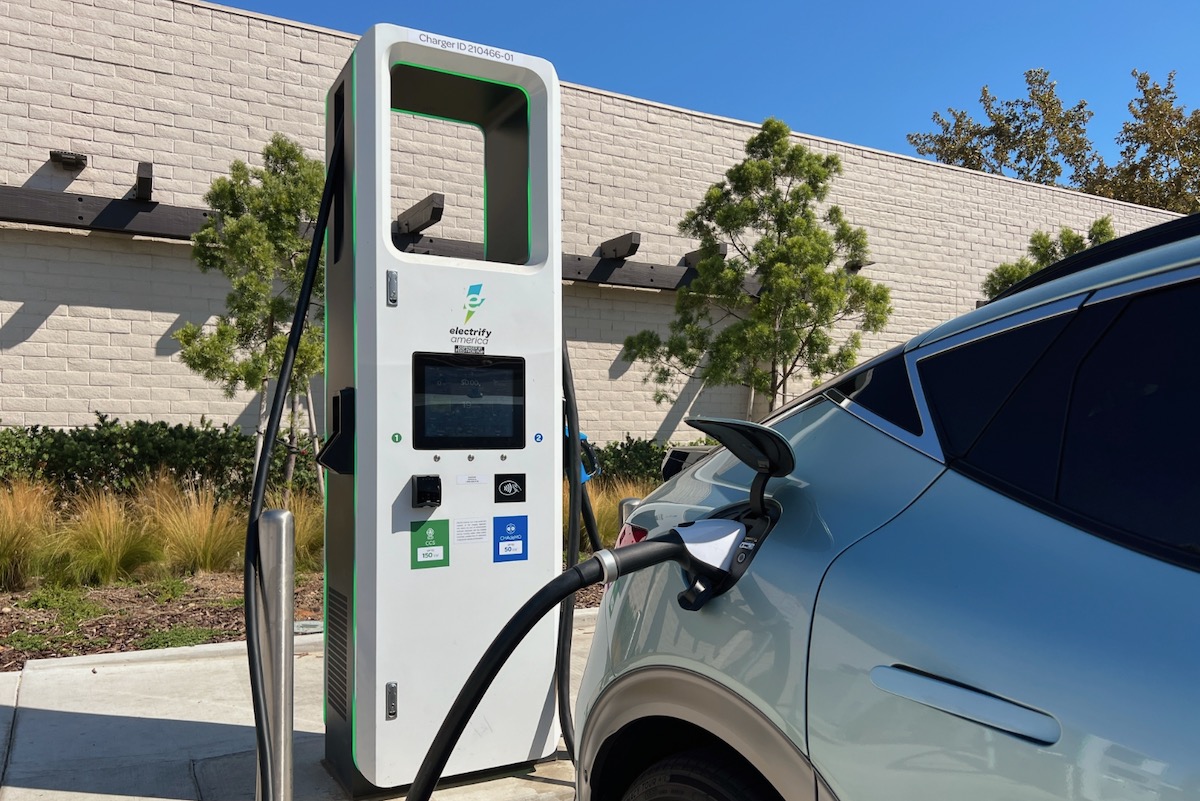
The public charging infrastructure is regularly improving, with a variety of Level 2 and DC Fast Charger (DCFC) stations coming online every day. DCFC Stations can deliver a considerable range in a relatively short amount of time, up to 180 miles of range in 20 minutes. Level 2 AC Chargers deliver a full charge in around eight hours or so.
Home charging is limited to Level 2 charging if you professionally install an appropriate home EV charger or 240-V outlet. Simply plugging into a regular three-prong 120-volt outlet, known as Level 1 charging, will add up to 30 miles of range overnight.
What is Range Anxiety?
“Range anxiety” is a common phrase when reading about EV ownership. Will an electric car have enough range for your daily needs? Will it have enough range to visit the in-laws next weekend?
The average American drives about 37 miles a day, and most BEVs deliver 200 to 300 miles of range. For daily use, a BEV easily has enough range for most drivers, and plugging in with a Level 1 Charger overnight will cover the average daily range needs.
Road trips can be a little more complicated as they require the use of the public charging infrastructure. Many fast-charging stations are available along highways and town centers, allowing quick refueling during long-distance trips.
We recommend that EV roadtrippers do a little planning: DC Fast Charging stations are still not quite as common as gas stations, and a refueling stop does not take longer than filling up a gas tank. Plan to be stopped for about 30 minutes.
Most modern EVs come standard with trip-planner functions, allowing you to input your destination and let your car plan the charging stops, but we still recommend drivers do a cursory search on the chargers available along the route in case you run into any issues. Tesla is still the best in the business here, both with the trip-planning software and the wide availability of its Superchargers.
Understanding How Your EV Charges Up
Understanding how quickly your car charges is important. DC Fast Chargers range from 50 kW to 350 kW, with 350-kW chargers being the fastest available. However, some cars can charge at those high speeds, and some cannot.
For example, a Ford Mustang Mach E will max out at around 150 kW, while a Hyundai Ioniq 5 can hit a peak charging speed of around 235 kW. The latest Porsche Taycan is one of the fastest-charging EVs around, able to hit 332 kW.
To protect their batteries, many EVs will slow the charging speeds as they fill up, meaning that charging to 80% or 90%, or whichever point your car starts to slow, is usually the most effective way to maximize your charging time on a road trip.
For drivers still not ready to jump into BEV ownership, a PHEV can be the perfect solution. PHEVs allow you to enjoy the benefits of fully electric power for daily use around town, but when you need to take a long-distance drive, you can depend on the gas engine, without having to worry about EV charging stations.
Future of EVs
Electrification is the future of the automotive industry. Emissions regulations are getting more and more strict, with major targets slated for 2030 and beyond, and electric cars look to be the only way to meet these new targets. All major automotive manufacturers are investing heavily in BEVs, HEVs, and PHEVs. As we look to Europe, many major cities are now “low-emissions zones” that limit the use of high-polluting vehicles.
Batteries are a concern for the widespread adoption of electric cars. Luckily, batteries are some of the fastest-developing technologies for EVs. Manufacturers are exploring different materials to improve energy density, sustainability, and battery life.
One of the highly anticipated advancements is the development of solid-state batteries. These batteries will be lighter, smaller, and more powerful and will charge faster, revolutionizing the industry.
Other systems around electric vehicles are being developed, refined, and simplified. For example, the electrical architecture and compute platform on the latest Gen 2 Rivian R1T and R1S was completely redesigned, reducing the amount of ECUs and wiring required.
Tesla developed a 48-volt accessory system for its Cybertruck, instead of the traditional 12-volt, to increase power-handling and efficiency of onboard circuits, simultaneously reducing the amount of wiring used.
Many manufacturers are also increasing the voltage on their electric powertrain architecture to 800-volt or more, to increase performance, efficiency, and charging times. The fastest-charging cars on the market, the Porsche Taycan and Lucid Air, both utilize high-voltage architectures.
Related Topics: