Third Generation (2019-2025)
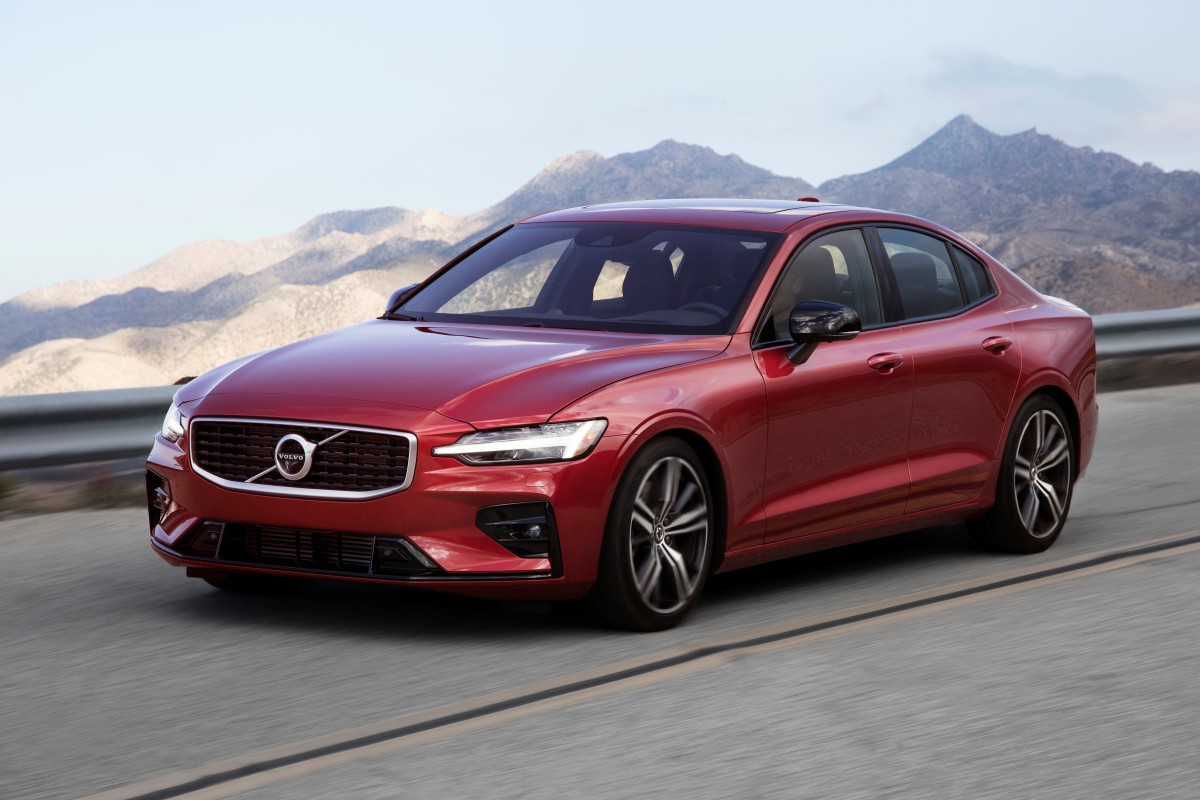
Introduced for the 2019 model year, the new Volvo S60 was the latest chapter in Volvo’s modern revival. Built on the company’s Scalable Product Architecture (SPA) platform shared with the S90, XC90, XC60, and V60, the S60 sedan carried over the refined design language, efficient powertrains, and industry-leading safety systems of the flagship S90 in a smaller, sleeker package. The third-generation S60 was the first Volvo model to be assembled in North America, rolling off the line at the company’s then-new plant in South Carolina.
At launch, the S60 was offered across a range of trim levels and powertrains, each built around Volvo’s 2.0-liter four-cylinder “Drive-E” engine family. The base T5 used a turbocharged version of the engine, producing 250 horsepower, and was available exclusively with front-wheel drive (FWD). The T6 powertrain used Volvo’s twin-charged setup, combining both a turbocharger and a supercharger to produce an impressive 316 hp, and was offered exclusively with all-wheel drive (AWD). Both powertrains were available in Momentum, R-Design, and Inscription trim levels, offering buyers a choice between value, sportiness, and luxury. Fuel economy is about 30 mpg for gas models, which is not especially noteworthy.
At the top of the range, the T8 plug-in hybrid powertrain added an electric motor at the rear axle to the T6’s twin-charged drivetrain, delivering a combined system output of 400 hp and 22 miles of all-electric range. Interestingly, the T8’s e-AWD system could operate as FWD in gas-only mode, AWD in hybrid mode, and rear-wheel drive (RWD) in all-electric mode. A T8 Polestar Engineered variant rounded out the lineup, bumping output to 415 hp and 494 pound-feet of torque. The Polestar Engineered package also added larger high-performance brakes, racecar-inspired adjustable Ohlins suspension, and exclusive 19-inch forged wheels.
Inside, the S60 continued Volvo’s tradition of Scandinavian-inspired design, with high-quality materials and superb build quality throughout the cabin. Thanks to Volvo’s top-down design approach with the S60, even the base models came with a high level of standard features, including a panoramic moonroof and Apple CarPlay/Android Auto connectivity. A 12.3-inch digital instrument cluster kept drivers informed at a glance, while a 9-inch tablet-style touchscreen running Volvo’s Sensus infotainment system handled media and climate controls. Like many Volvo cars, the S60 drew praise for its comfortable seats, with the optional Contour seats—borrowed from the flagship S90—being a standout feature. High-end audio systems from Harman Kardon or Bowers and Wilkins were available as options.
Every S60 came standard with Volvo’s City Safety collision avoidance system, and the S60 earned IIHS Top Safety Pick+ recognition in both 2021 and 2022. Buyers who added the Technology Package gained access to the Pilot Assist suite of driver assistance features, including adaptive radar cruise control, lane-keep assist, a 360-degree camera, and adaptive LED headlamps.
Volvo kept the S60 fresh with a series of updates throughout its production run. For 2021, adaptive LED headlamps, a blind-spot monitor with rear cross-traffic alert, and additional USB-C ports became standard across the range, and the T8 PHEV was rebranded as the Recharge.
The 2022 model year brought more significant changes under the skin: the T5 and T6 powertrains received a 48-volt mild-hybrid system and were renamed the B5 and B6, respectively. The B5 powertrain could now be optioned with AWD, while the Recharge PHEV received a larger battery, extending its all-electric range to 41 miles.
The most visible changes came with the 2023 facelift, which brought updated designs for the headlamps, bumpers, and wheels. Volvo S60 trim levels were also overhauled, with Core, Plus, and Ultimate trims replacing Momentum, R-Design, and Inscription. The infotainment system was updated to Volvo’s latest Google-based operating system, and the powertrain lineup was streamlined. Now there was just the B5 turbocharged-only four-cylinder and an updated T8 Recharge mode producing 455 hp and 523 lb-ft of torque. The Polestar Engineered option continued into 2023, but was discontinued for the 2024 model year. For the final 2025 model year, the Ultimate trim was replaced by the Ultra, and a Black Edition was introduced to cap out the range.
Overall, the third-generation S60 has proved reliable, but there are a few things to watch out for. One of the more common issues reported across most S60 models is warped brake rotors. This tends to affect the standard brakes found on most trims, and the Polestar Engineered’s larger brakes do not appear to be affected. On the powertrain side, the twin-charged engine used in the T6, B6, and T8 models can suffer supercharger failure, though reports of this issue are relatively infrequent.
Pay close attention to the rear electric motor on the T8 PHEV models produced up to and including the 2022 model year. A number of these models have experienced Electric Rear Axle Drive (ERAD) motor failures, though the majority of cases have been addressed under warranty. If you're considering a pre-2023 T8 Recharge, it's worth checking whether the rear motor has already been replaced, because the replacements are proving significantly more reliable. Models from 2023 onward, which use a more powerful rear motor, have not exhibited the same issue. As these cars begin to age out of their warranty periods, out-of-pocket repair costs for any powertrain work can quickly add up, so factoring in potential maintenance expenses is a wise move when budgeting for an older example.
Prices for the S60 vary depending on age, condition, and trim. The earlier, pre-refresh models from 2019 to 2021 are cheaper, with prices averaging around $19,000. Later 2022 to 2025 models with the mild-hybrid powerplant command a premium, with prices averaging between $25,000 and $28,000. Pre-2022 T8 PHEV examples can be found for less than $30,000, while the 2023 to 2025 models average between $35,000 and $40,000.
Second Generation (2011-2018)
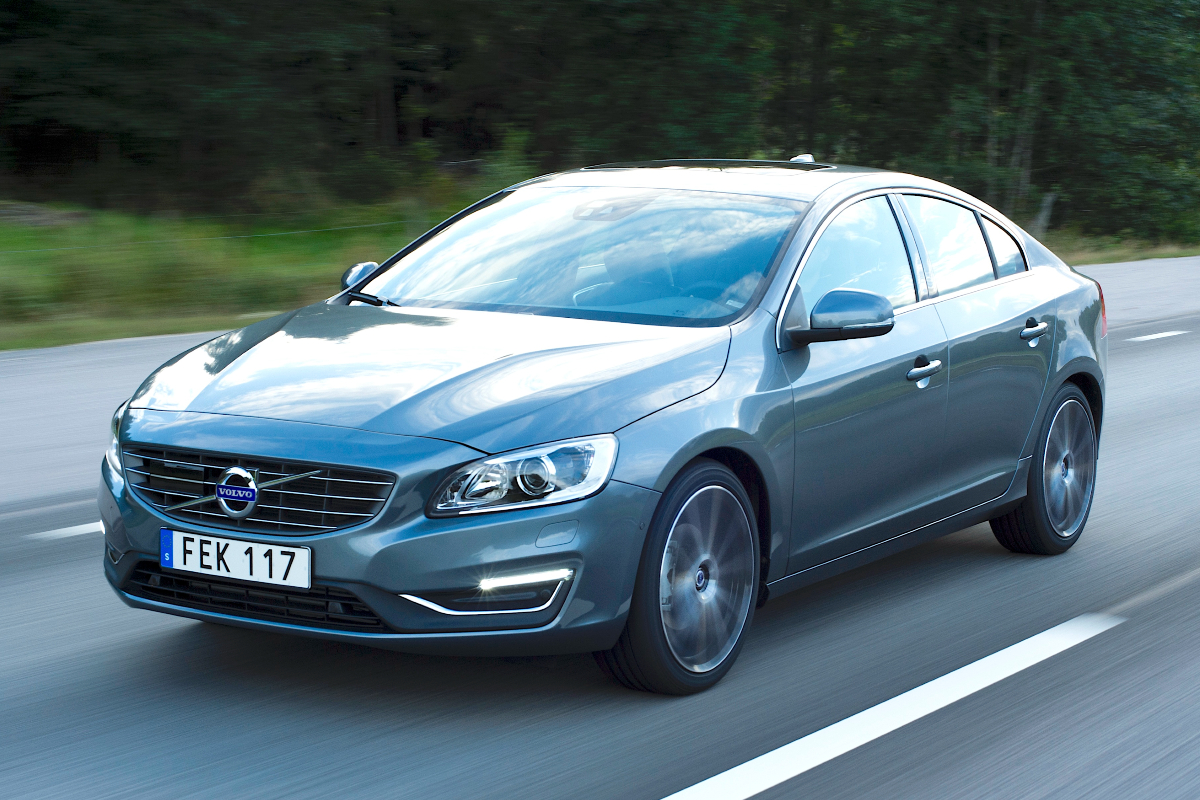
The second-generation S60 was an even greater departure from the sharp-edged Volvos of old than the first, with the brand aiming to give it a curvier, sportier look. It still felt like a Volvo, though, offering what reviewers at the time called “easy-going luxury”: a stylish, quietly luxurious sedan with a quirky Scandinavian sensibility.
At launch, the S60 was available exclusively in the top T6 AWD trim. Under the hood was a turbocharged inline-six-cylinder engine producing 300 hp and 325 lb-ft of torque, driving all four wheels through a six-speed automatic transmission. The result was 0-60 mph in just 5.5 seconds—quick enough to keep up with Germany’s finest sports sedans of the time.
Inside, the cabin continued the classic Volvo formula: high-quality materials throughout, logical controls, and a restrained aesthetic. Interior comfort was arguably best in class at the time, with reviewers consistently praising the S60’s front seats. Rear-seat passengers were not quite as well served, with meager legroom and headroom, partly due to the sloping roofline.
Safety, as always, was a defining feature of the S60. The car earned best-in-class crash ratings from both the IIHS and NHTSA, and every trim came standard with Volvo’s City Safety system, which included automatic emergency braking. The S60 was also equipped with a collapsible steering column and specially designed anti-whiplash, anti-submarining seats. For buyers who wanted even more advanced protection on the road, the optional Technology Package added Volvo’s Adaptive Radar Cruise Control system, which was widely regarded as best-in-class at the time.
Volvo steadily expanded and evolved the S60 lineup over its production run. The entry-level T5 arrived for 2012, offering a front-wheel-drive-only option powered by a turbocharged five-cylinder producing 250 hp and 266 lb-ft of torque. That same year also saw the debut of the R-Design package, built on the T6 AWD powertrain. The R-Design bumped output to 325 hp and 354 lb-ft, added sport suspension that sat 15mm lower with specially tuned monotube shocks, and was distinguished externally by unique front and rear bumpers. Volvo billed the T6 R-Design as the “sportiest and most dynamic Volvo ever”.
A 2014 refresh brought updated headlights and a new front fascia that gave the S60 a longer, leaner appearance, along with new seats, revised instruments, and a restructured set of trim and options packages. The biggest update came in 2015 with the introduction of the limited-edition S60 Polestar, a high-performance variant aimed squarely at BMW’s M division and Mercedes-Benz’s AMG. A spiritual successor to the previous generation’s S60 R, the Polestar carried on the tradition of the fast Volvo, and came with bigger brakes, Ohlins adjustable suspension, and was available in two colors: Rebel Blue and black.
Also for 2015, the broader S60 lineup underwent a significant mechanical refresh with the introduction of Volvo’s “Drive-E” family of 2.0-liter turbocharged four-cylinder engines, marking the beginning of a new era of efficiency for the brand. The transition was phased in gradually: front-wheel-drive models received the new engines first, while all-wheel-drive trims continued to use the older turbocharged five- and six-cylinder engines. T5 trims used a turbocharged version of the 2.0-liter four-cylinder, while the T6 trims used a turbocharged and supercharged version of the same engine.
The 2016 model year introduced a new trim to the range with the S60 Cross Country, which added a raised ride height, standard all-wheel drive, and plastic body cladding for a more rugged look. With nearly 8 inches of ground clearance, it was considerably more capable on rough terrain and easier to enter and exit than the standard S60. The Cross Country was offered only with the turbocharged five-cylinder T5 engine.
By 2017, Volvo completed the engine transition across the entire lineup, and every S60, including the Cross Country and Polestar, was now powered by a version of the 2.0-liter inline four-cylinder. The T5 trims produced 240 horsepower from the turbocharged variant, while the T6 used a twin-charged version, good for 302 hp. The Polestar received the most potent tune of the four-cylinder, delivering an impressive 362 hp. The final 2018 model year brought only minor updates to the available options packages.
The second-generation S60 is generally a well-built car, but there are a few areas worth attention. The inline six-cylinder engines found in early T6 and R-Design models are known to be robust, but like any high-performance engine they benefit from diligent oil-change intervals. Skipping services can lead to timing chain wear over time. The five-cylinder engines used in T5 models have a solid reputation, although they are less commonly found on the used market, as the lineup moved to four cylinders. Earlier pre-2014 models can occasionally experience gremlins with the infotainment system and dashboard electronics, so it's worth checking that all screens and controls are functioning properly on a test drive. The 2.0-liter engines introduced from 2015 onward are generally reliable, but the supercharged T6 variants should be inspected for any signs of supercharger wear, particularly on higher-mileage examples.
Prices for the second-generation S60 largely vary depending on the year. Better deals can be found on the pre-facelift models from 2011 to 2013, with prices averaging around $7,500. The T5 FWD can be found for less, while the top-spec T6 R-Design will command more. Prices for facelifted models from 2014 to 2018 average around $12,000, and largely depend on trim and condition. The T6 Polestar trims command the biggest premium, thanks to limited production and a strong enthusiast following. Prices start at about $25,000 and can reach more than $50,000 for extremely low-mileage examples.
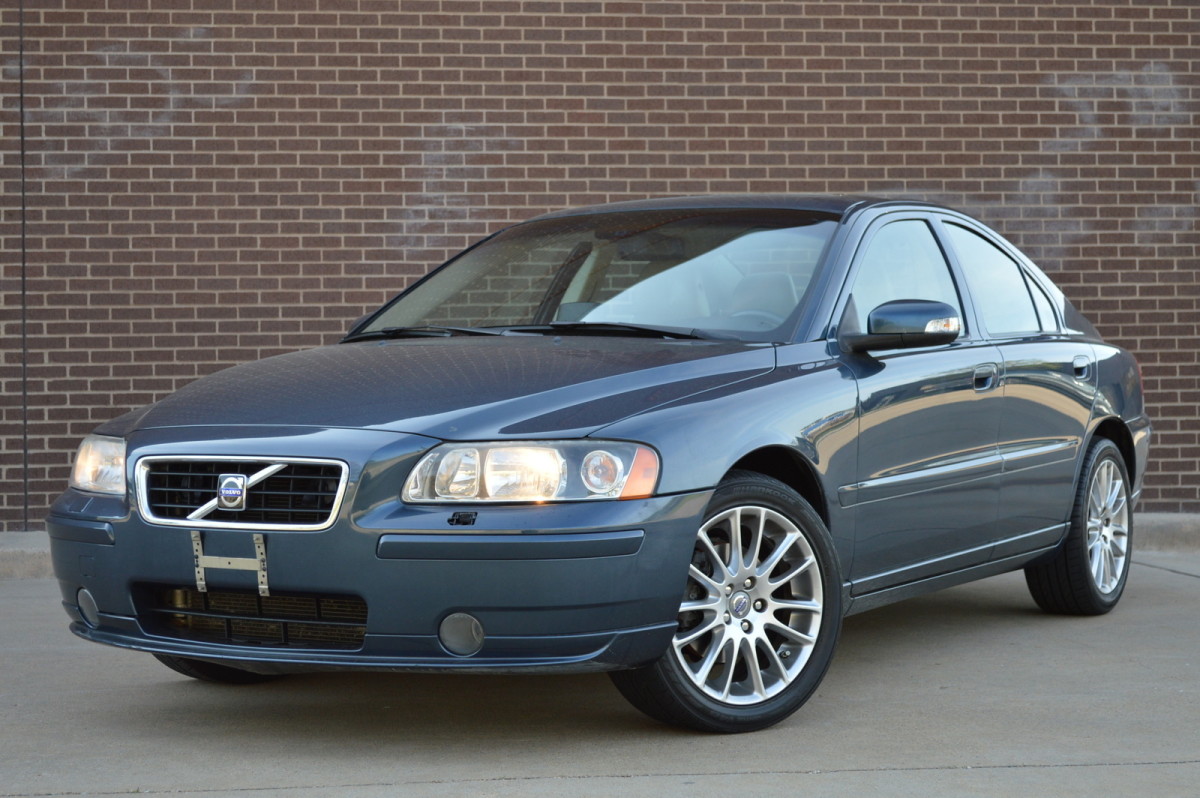
First Generation (2001-2010)
Introduced for the 2001 model year, the original Volvo S60 marked a significant departure in design for Volvo. Softer, smoother, and more organic than anything Volvo had produced before, it represented the company thinking outside the box and was a bold step for a marque more often associated with boxy, utilitarian shapes.
The S60 was designed for the competitive premium compact sedan segment, aimed squarely at the German trio of the BMW 3 Series, the Audi A4, and the Mercedes-Benz C-Class. Built on Volvo’s new P2 platform, which was shared with the XC70, V70, S80, and later the XC90, the S60 carried forward the company’s commitment to safety in the new millennium, featuring integrated crumple zones, standard front and rear airbags, and Volvo’s Side Impact Protection System, known as SIPS.
At launch, the S60 was available in three trims, each built around a different state of tune of Volvo’s five-cylinder engine family. The base model used a naturally aspirated 2.4-liter five-cylinder, while the mid-level 2.4T added a turbocharger to the same engine for a notable bump in performance. At the top of the range, the T5 used a slightly smaller displacement 2.3-liter five-cylinder paired with a high-pressure turbocharger, producing 247 hp—enough to make it a genuinely quick car by the standards of the day.
All engines could be paired with either a five-speed automatic or a five-speed manual transmission. The manual gearbox was a particular highlight, featuring Volvo’s distinctive “spaceball” shifter—a quirky take on the traditional manual shifter. At launch, the S60 was front-wheel drive only but an all-wheel-drive option became available for 2002, initially available only for the 2.4T trim.
Inside, the S60 continued the classic Scandinavian formula of style and substance. The interior design was lifted largely from the flagship S80, and period reviewers noted that the S60 felt like nine-tenths of the larger, more expensive car. The front seats were particularly well-regarded, offering the kind of orthopedic comfort for which Volvo had long been known. The rear seat was a pleasant place for two adult passengers, although three across could feel a little tight. The overall cabin atmosphere was upscale thanks to quality materials and a sense of understated refinement that set it apart from its German rivals.
For 2004, the S60 lineup received a mechanical refresh and Volvo introduced the S60 R—a high-performance model designed to compete directly with BMW’s M cars and Mercedes-Benz’s AMG models. A celebration of Volvo’s touring car racing heritage from the 1980s and 1990s, the S60 R brought significantly more power, large alloy wheels, adaptive “Four-C” suspension, and an advanced Haldex AWD system. The rest of the range also benefited from the refresh; the mid-level trim gained a bump in displacement and power, becoming the 2.5T, and the Haldex AWD system was offered as an option on that trim. The T5 received its own displacement increase, growing to 2.4 liters, along with an additional 10 hp. Volvo also made the adaptive “Four-C” suspension, originally developed for the S60 R, available as an option across the entire S60 range.
The S60 received a mid-cycle refresh for 2005. Outside, the body moldings were now color-matched, the bumpers gained chrome accents, and there were new headlights (with optional HID projectors) and updated LED taillights. Inside, the seats and the center console were revised, and the 2.5T trim received a new wheel design. The T5 received another power bump, now producing 257 hp, and was given larger brakes and a standard sports suspension to match its increased performance.
A final round of cosmetic updates came for 2008, with fully color-matched front and rear bumpers, a larger Volvo badge for the grille, updated rear lettering, and a new upholstery option. The first-generation S60 carried on in this form through the end of the 2009 model year before being replaced for the 2011 model year.
The first-generation S60 is now well over two decades old, so buying one requires diligence. The five-cylinder engines are generally robust, but like any high-mileage powerplant, they demand respect for maintenance schedules. Oil changes in particular are critical, as the timing chain system is sensitive to low oil levels and can be expensive to replace if it fails. The turbocharged variants, especially the T5, should be checked for signs of boost leak or turbocharger wear, which are not uncommon on higher-mileage examples. The S60 R’s more powerful engine and Haldex AWD system are desirable but add complexity; the Haldex unit should be inspected for proper function and serviced to manufacturer intervals, as a worn system can be costly to repair.
Prices for the first-generation Volvo S60 average around $5,000 and largely depend on condition. High-mileage examples can be found for less, but be careful of deferred maintenance. The high-performance S60 R is the most desirable of the bunch, and prices average about $10,000 for these. Low-mileage examples with the spaceball manual transmission command a premium.
Related Topics: