If you're shopping for a used car in Los Angeles, chances are good that you're considering a Toyota 4Runner. Our data shows it's one of the most popular models in LA. In this guide, we'll explain what makes the 4Runner a great choice for Angelenos.
The CarGurus Guide to Buying a Toyota 4Runner in Los Angeles
The Toyota 4Runner has long been the go-to SUV for Southern Californians who need a rugged vehicle that thrives in the city and the canyons alike. From Malibu to Big Bear, the distinctive silhouette is everywhere—and CarGurus data reveals why. With Los Angeles market 4Runner prices averaging 24% below the national average, LA presents one of the country's most favorable markets for 4Runner buyers.
Our analysis of local inventory shows the Toyota 4Runner's popularity isn't just about capability; it's also about value. While LA examples carry higher mileage (averaging 113,000 miles versus 84,400 nationally), Southern California's dry climate means these vehicles often outlast their rust-belt counterparts despite the odometer reading. More importantly, 76% of LA listings have accident-free histories compared to 71% nationally, giving local buyers access to better-preserved examples.
The data tells an interesting story: Fifth-generation models (2010-2024) dominate the market, representing 73% of total inventory. This seems to be where the value lies, with 2020-2024 models averaging $37,700 locally versus significantly higher prices in other major metro areas. Whether you're climbing mountain passes or cruising the 405, understanding this market can save you thousands.
The CarGurus market data referenced in this guide was last updated in December 2025. Values were accurate at time of publication and should be used as a guide only.
- What is a Good Price for a Used Toyota 4Runner in Los Angeles?
- What is the Most Reliable Used Toyota 4Runner in Los Angeles?
- Best and Worst Toyota 4Runner Years in Los Angeles
- Toyota 4Runner Pros and Cons
Quick Answer: Should You Buy a Used Toyota 4Runner in Los Angeles?
The Toyota 4Runner is one of the most capable and reliable used SUVs you can buy in Los Angeles, with body-on-frame construction, proven powertrains, and genuine off-road ability. CarGurus data shows that LA offers favorable market conditions for 4Runner buyers. Here's what you need to know:
- LA Price Advantage: Used 4Runners in LA average $25,672—24% less than the national average of $33,614
- Best Years to Buy: 2006–2009 for value (48-52% qualify as Good or Great Deals), 2020–2024 for modern features and safety tech
- Years to Avoid: 2003–2005 (low inventory and prone to rust and corrosion) and 2010–2013 (low inventory and lacking advanced safety features)
- Reliability: Listings show 4Runners regularly exceed 200,000 miles; LA's dry climate helps to further extend lifespan
- Fuel Economy Trade-off: 17–19 mpg combined means you should budget approximately $450/month for a typical LA commute
- Clean History Advantage: 76% of LA listings are accident-free vs. 71% nationally
What is a Good Price for a Used Toyota 4Runner in Los Angeles?
Los Angeles presents a uniquely favorable market for 4Runner buyers. Our data shows used 4Runners in LA average $25,672—a remarkable 24% less than the national average of $33,614. Local market dynamics are working in your favor.
Price by Generation in Los Angeles
Sixth Generation (2025–Present): $48,980
The newest 4Runners command near-new pricing with minimal depreciation, but LA buyers still benefit from an 8% discount versus the national average of $53,478—a $4,500 savings on nearly new models. Inventory is low as most examples have yet to change hands, but those available have an average mileage of just 6,400 miles and are generally priced competitively.
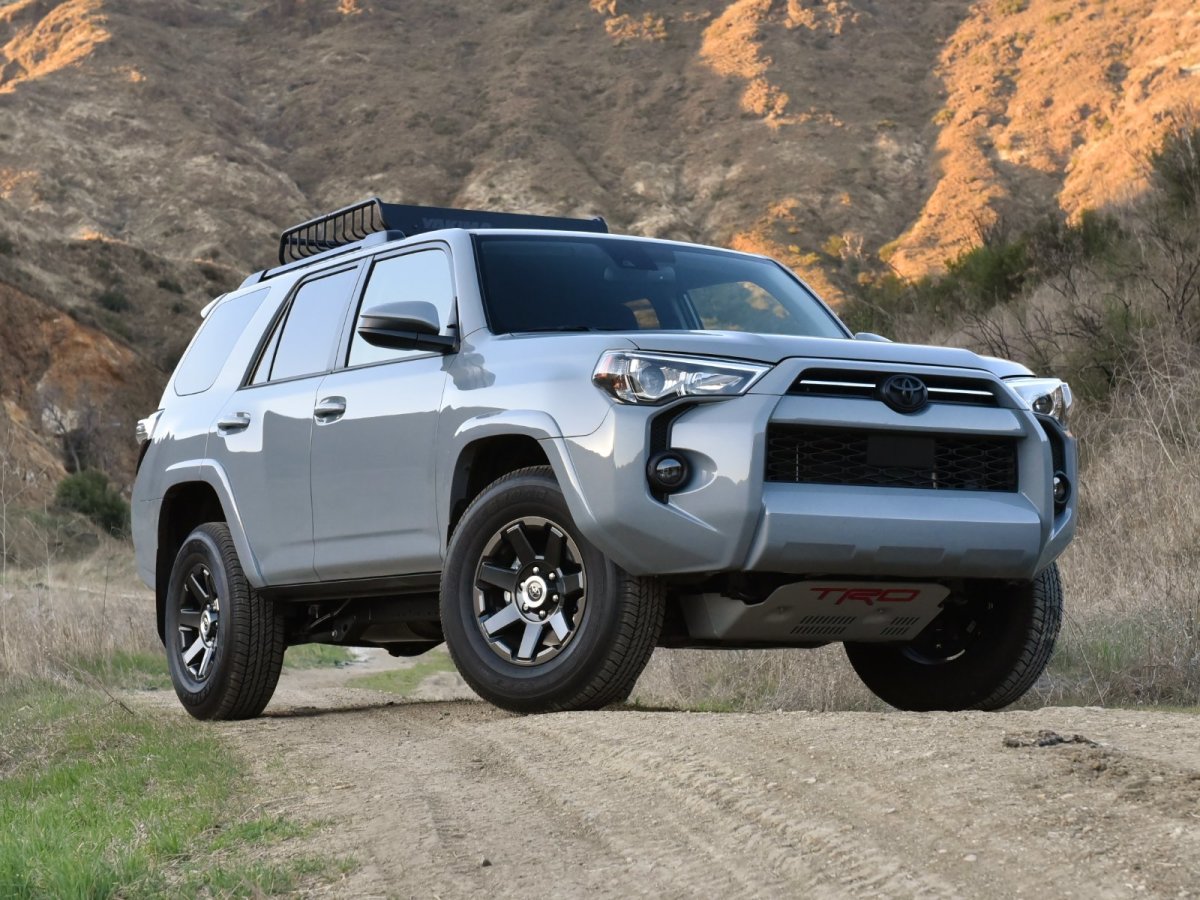
Fifth Generation (2010–2024): $14,700–$39,800
This generation dominates the LA market, representing 73% of total inventory. The data shows three distinct price tiers:
| Model Years | Average Price | Price Range | Avg. Mileage | Inventory Share |
|---|---|---|---|---|
| 2020–2024 | $37,700 | $32,680–$39,760 | 53,900 miles | 43% |
| 2014–2019 | $24,900 | $16,898–$32,802 | 113,400 miles | 24% |
| 2010–2013 | $15,600 | $14,706–$16,995 | 166,600 miles | 6% |
The 2024 model year averages $39,760 locally versus $42,642 nationally—a $2,900 discount. The 2015 model year shows particularly strong value at an average price of $20,160.
Fourth Generation (2003–2009): $7,350–$13,550
Average price: $11,010 with 176,700 miles. This generation represents approximately 26% of LA inventory, with nearly half (48-52%) qualifying as Good or Great Deals on CarGurus. The desirable 2006–2009 years show consistent pricing:
| Model Year | Average Price |
|---|---|
| 2006 | $13,558 |
| 2007 | $10,950 |
| 2008 | $12,216 |
| 2009 | $11,593 |
Third Generation (1996–2002): $8,000–$25,450
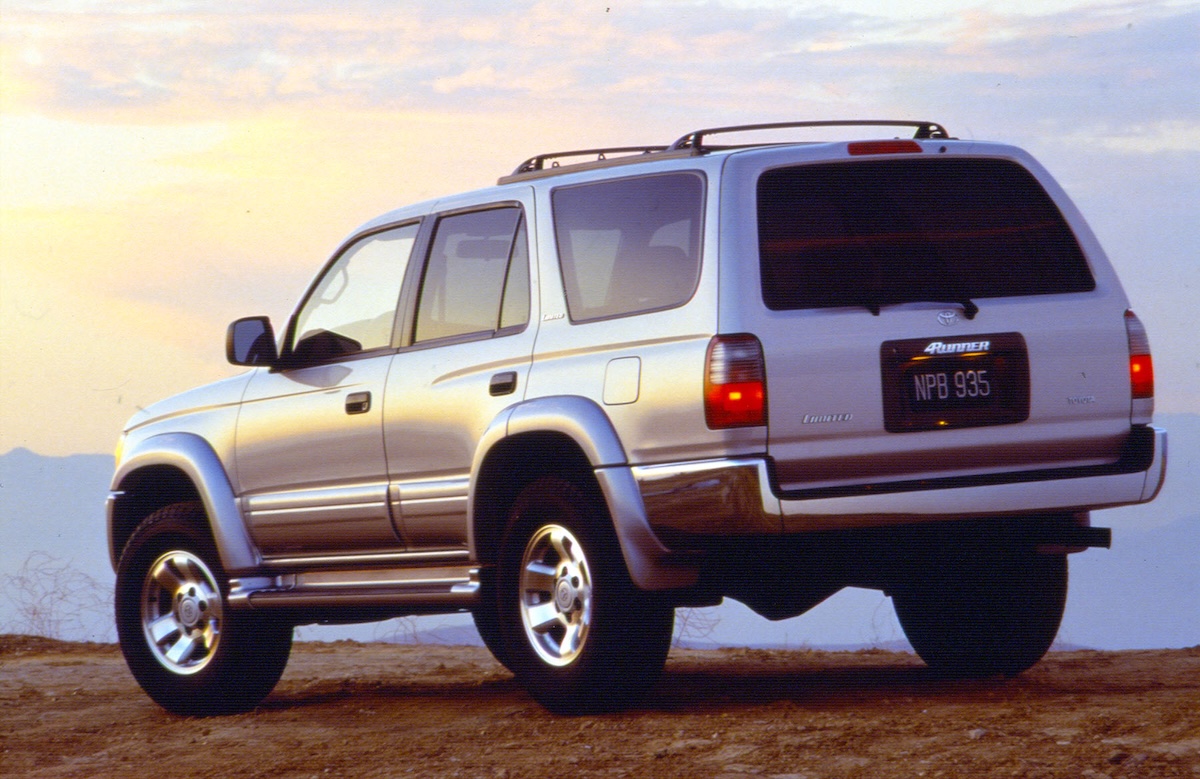
Average price: $14,170 with 184,500 miles. Rare in LA, representing only about 13% of inventory. Pricing runs 22% higher than the national average ($14,169 local vs. $11,632 national), reflecting Southern California's collector market and the preservation benefits of the dry climate. The 2001 model shows unusual pricing at $25,448, suggesting there's an outlier on the market-likely a particularly clean or otherwise desirable example.
Second/First Generation (1990–1995 & 1984–1989): $3,000–$7,500
Average price: $5,250 with 199,000–249,500 miles. Extremely rare, representing less than 3% of the LA market. Interestingly, these run 53% below the national average ($5,249 local vs. $11,190 national), showing the opposite pattern from third-generation models.

Understanding the LA Price Advantage
The 24% discount over nationwide pricing isn't random; it reflects specific market conditions.
Higher mileage is expected: LA's sprawling geography means commuter miles add up. The 113,000-mile local average versus 84,400 nationally reflects real use, but Southern California's dry climate means these vehicles typically show less wear than lower-mileage examples from humid or snowy regions.
Supply meets demand differently: LA represents less than 3% of national inventory despite being a major metro market. This suggests either faster turnover or buyers snapping up deals before they're widely listed.
Better condition despite mileage: Our data shows 76% of LA 4Runner listings are accident-free, versus 71% nationally. This 7% advantage means you're more likely to find a clean example in LA, and that matters more than odometer numbers for long-term reliability.
Good and Great Deals in Los Angeles
CarGurus data reveals that 41% of LA 4Runner listings qualify as Good or Great Deals.
| Deal Rating | Percentage |
|---|---|
| Great Deals | 17% |
| Good Deals | 31% |
This trails the national average of 49% Good/Great Deals, suggesting that strong local demand keeps prices firm. But here's the insight: Fourth-generation models (2003–2009) show the highest deal percentage locally at 48-52%, making them particularly attractive for budget-conscious buyers.
What is the Most Reliable Used Toyota 4Runner in Los Angeles?
The Toyota 4Runner has one of the best reliability records in the midsize SUV segment. Our analysis of the LA market shows certain generations and years consistently outperform others.
Most Reliable by Generation
2006–2009 (Fourth Generation)
These models show up repeatedly in our data as exceptional values, representing approximately 20% of LA inventory and averaging $11,010. They combine proven reliability with accessible pricing. The late fourth-generation years delivered updated safety technology, proven 4.0-liter V6 or 4.7-liter V8 engines, and minimal reported issues. Despite average mileage of 176,700 miles in the LA market, fourth-gen 4Runners continue to perform, a testament to their durability.
2015–2024 (Fifth Generation)
Our data shows these years represent 66% of total inventory. This concentration isn't accidental. Post-2015 models added significant upgrades:
| Model Year | Key Feature Additions |
|---|---|
| 2015 | TRD Pro introduction, backup cameras standard |
| 2020+ | Toyota Safety Sense-P standard (pre-collision, lane departure alert, automatic high beams, adaptive cruise control) |
| 2022+ | Passive entry and push-button start standard |
The 2020-2024 subset shows particularly strong representation at 43% of inventory, averaging 53,900 miles at $37,700. High inventory levels indicate both popularity and availability—these are the models LA buyers want.
Model-Year Analysis from LA Market Data
Our inventory data reveals reliability patterns by specific years.
Top Performers in LA Market:
2006–2009 represents approximately 20% of inventory with 48-52% qualifying as Good/Great Deals. 2015–2017 offers strong value including TRD Pro variants. 2020–2024 leads at 43% of inventory—the highest concentration.
Proceed with Caution:
2003–2005 represents less than 9% of inventory—low availability suggests either high demand (unlikely given known issues) or that these have aged out of the market. 2010–2013 models account for just 6% of inventory and lack advanced safety features.
What Makes 4Runners Reliable in LA
Proven powertrains: The 4.0-liter V6 (fifth generation) and available 4.7-liter V8 (fourth generation) routinely exceed 200,000 miles. Our data shows many LA examples with 150,000-200,000+ miles still commanding strong prices.
Body-on-frame construction: Unlike car-based crossovers, the truck-based platform provides exceptional durability. LA's dry climate amplifies this advantage by preventing the rust that typically degrades body-on-frame vehicles in other regions.
Climate advantage: Southern California's weather is the ultimate preservation tool. The 176,700-mile average on fourth-gen models doesn't carry the same concerns it would in the Midwest or Northeast. No rust, no snow, no road salt—just sun and miles.
Long-Term 4Runner Ownership in the LA Market
The data tells the story: 50% of available LA inventory has over 100,000 miles, yet these vehicles remain priced competitively and sell. Many fourth-generation models (now 16–22 years old) still command prices averaging $11,010. That's remarkable for vehicles approaching two decades old.
The 76% clean accident rate in LA listings also factors into reliability. Vehicles that haven't been in accidents—especially with the 4Runner's robust construction—age better mechanically. Frame integrity matters with body-on-frame trucks, and LA's high percentage of accident-free examples improves long-term reliability prospects.
Finding Reliable 4Runner Examples in LA
The concentration of fifth-generation models (73% of inventory) means you're likely looking at 2010-2024 examples. Focus on 2020+ for modern safety tech (43% of inventory), 2015-2019 for value balance (24% of inventory), or 2006-2009 for budget reliability (approximately 20% of inventory).
The tight inventory on 2003-2005 (less than 9%) and 2010-2013 (6%) makes these harder to find and suggests market preference for other years.

Best and Worst Toyota 4Runner Years in Los Angeles
CarGurus data reveals clear patterns about which model years offer the best value, reliability, and availability in the LA market. For more information on the 4Runner by generation and model year, check out our Toyota 4Runner Buying Guide.
Best Toyota 4Runner Years for Los Angeles
| Category | Best Years | Inventory Share | LA Avg. Price | Why They're Best |
|---|---|---|---|---|
| Best Overall | 2020–2024 | 43% | $37,700 | Toyota Safety Sense-P standard, Apple CarPlay/Android Auto, 7% below national pricing |
| Best Value | 2006–2009 | ~20% | $11,010 | 48-52% qualify as Good/Great Deals—highest rate of any generation |
| Best Modern Balance | 2015–2019 | 24% | $24,900 | TRD Pro availability, backup cameras standard, meaningful depreciation |
| Best Off-Road Ready | 2023–2024 TRD Pro / 2025 Trailhunter | ~3% | $48,980 | Fox shocks, skid plates, Trailhunter's 33-inch tires and Old Man Emu suspension |
Best Overall: 2020–2024
The data strongly supports these years as the top choice. At 43% of total LA inventory, they represent the largest selection. Average pricing of $37,700 with 53,900 miles positions them as modern, safe choices with Toyota Safety Sense-P standard, Apple CarPlay and Android Auto integration, and available 360-degree camera on Limited trim (2022+). The concentration of inventory tells the story—these are the models LA buyers actively seek and sellers readily list. The 2024 model year shows pricing 7% below national average ($39,760 local vs. $42,642 national), delivering immediate value.
Best Value: 2006–2009
Representing approximately 20% of inventory and averaging $11,010 with 176,700 miles, these represent exceptional value. Our data shows 48-52% qualify as Good or Great Deals on CarGurus—the highest rate of any generation. Despite high mileage, LA's climate means these often remain mechanically sound.
Best Modern Balance: 2015–2019
The data shows these years represent 24% of inventory, averaging $24,900 with 113,400 miles. They occupy the sweet spot—modern enough for daily LA use, old enough for meaningful depreciation. The 2015 introduction of TRD Pro and standard backup cameras marked a turning point, and our $20,160 average for 2015 models reflects strong value.
Best Off-Road Ready: 2023–2024 TRD Pro & 2025 Trailhunter
While inventory is limited on these specialized trims, they represent the pinnacle of 4Runner capability. The 2025 models averaging $48,980 include the new Trailhunter with 33-inch tires, Old Man Emu shocks, and 20-inch LED light bar—perfect for Johnson Valley or Baja runs.
Worst Toyota 4Runner Years for Los Angeles
| Years | Inventory Share | LA Avg. Price | Avg. Mileage | Issues |
|---|---|---|---|---|
| 2003–2005 | <9% | $7,350–$11,529 | 159,400–197,900 mi | Sparse inventory suggests market rejection; rust, transmission issues |
| 2010–2013 | 6% | $14,706–$16,995 | 155,900–171,900 mi | No Toyota Safety Sense, basic infotainment, awkward value positioning |
Worst: 2003–2005
Our data shows these years represent less than 9% of LA inventory—the lowest concentration of any fourth-generation subset. The 2003 model averages $7,352 with 197,955 miles, 2004 averages $9,876 with 171,070 miles, and 2005 averages $11,529 with 159,407 miles. The rust and corrosion issues that plagued early fourth-generation models matter less in LA's dry climate, but transmission problems and build quality inconsistencies remain concerns. Low inventory indicates these have aged poorly or been removed from circulation.
Approach Carefully: 2010–2013
These years represent only 6% of total inventory. Average pricing of $15,600 with 166,600 miles positions them awkwardly between budget fourth-gen models (better value) and refined 2014+ fifth-gen models (better features).
| Model Year | Average Price | Average Mileage |
|---|---|---|
| 2010 | $14,706 | 171,967 miles |
| 2011 | $16,164 | 171,892 miles |
| 2012 | $16,995 | 158,675 miles |
| 2013 | $16,898 | 155,913 miles |
The sparse inventory suggests limited appeal. These lack the Toyota Safety Sense suite of driver-assistance technologies, offer only basic infotainment, and don't bring the value proposition of slightly cheaper fourth-gen models or the features of slightly more expensive 2014+ models.
Generation Summary Based on LA Market Data
Sixth Generation (2025–Present): Approximately 3% of inventory, $48,980 average. Too new for reliability assessment. Hybrid powertrain is unproven long-term, thought Toyota has long made reliable hybrids for other models. Limited inventory reflects new model status.
Fifth Generation (2010–2024): 73% of market. The 2020-2024 range dominates at 43%, 2014-2019 is solid at 24%, and 2010-2013 is sparse at just 6%—avoid if possible.
Fourth Generation (2003–2009): Approximately 26% of inventory. The 2006-2009 range offers strong value at ~20%, while 2003-2005 is sparse at less than 9%—proceed cautiously.
Third Generation (1996–2002): Approximately 13% of inventory. All years generally reliable, but 22-29 years old means condition varies wildly. Limited inventory reflects collector status more than daily-driver viability.
Second/First Generation (1990–1995 & 1984–1989): Less than 3% of inventory. Collector vehicles only, not recommended for daily use. Minimal inventory confirms this.

Toyota 4Runner Pros and Cons
Los Angeles is uniquely suited to the 4Runner's personality. Its rear-wheel-drive (RWD) setup handles the freeways with ease, while available four-wheel-drive (4WD) models dominate in the Angeles Forest or on sandy beach roads. The body-on-frame construction and proven powertrains deliver the durability LA drivers need for both urban driving and weekend escapes to the desert or mountains. Based on our analysis of the LA market and real-world ownership patterns, here's what you need to know.
Pros
Outstanding Reliability and Resale Value
The data proves it—fourth-generation models averaging 176,700 miles still command $11,010, while fifth-generation examples with similar mileage hold even stronger values. The 24% lower prices in LA versus national averages represent market conditions, not quality concerns. With 50% of available inventory over 100,000 miles yet still actively traded, the 4Runner's durability is quantifiable.
True Off-Road Capability
Body-on-frame construction and available 4WD systems deliver genuine capability. For LA residents who weekend in Big Bear (snow and mountain roads), Joshua Tree or Mojave (sand and rocks), Baja California (remote beach access), or Angeles National Forest (fire roads and trails), the 4Runner excels where car-based crossovers struggle. The 2014-2019 inventory includes numerous TRD Off-Road and TRD Pro variants—market presence reflects demand.
Long Lifespan in LA Climate
Southern California's dry weather acts as a preservation system. The average 113,000-mile local inventory doesn't carry the same concerns as in rust-belt states. Body-on-frame vehicles typically succumb to rust before mechanical failure elsewhere—in LA, they just keep running. The 76% clean accident rate amplifies this advantage.
Proven Powertrains
The 4.0-liter V6 (fifth generation) and 4.7-liter V8 (fourth generation) routinely exceed 200,000 miles. Simple, proven mechanical systems mean lower likelihood of expensive repairs and widespread parts availability. Many independent shops service them, and DIY maintenance is straightforward.
Strong Towing Capacity
Up to 7,300 lbs with V8 (fourth generation) or 5,000 lbs with V6 (fifth generation). Ideal for towing boats to Lake Havasu or San Diego, motorcycles to desert riding areas, camping trailers for weekend getaways, or jet skis to the Colorado River.
Spacious Interior and Cargo Capacity
Seating for 5 (or 7 with optional third row), generous cargo space with fold-flat rear seats, power liftgate (most models), and roof rack capability for surfboards, bikes, or cargo boxes. Perfect for LA families juggling beach days, camping trips, and Costco runs.
Better LA Market Conditions
The data shows advantages specific to Los Angeles: 76% clean accident rate vs. 71% nationally, 24% lower average prices, 82% financing availability vs. 79% nationally, and dry climate preservation.
Cons
Poor Fuel Economy
The biggest drawback for LA commuters. Fifth generation delivers 17–19 mpg combined, fourth generation 15–18 mpg. The new 2025 hybrid claims 24–27 mpg, but with limited availability and unproven long-term reliability, it's not yet the solution.
For perspective on a typical LA commute (Valley to Westside, 40 miles round trip, 5 days/week): a 4Runner V6 costs approximately $450/month in gas (at $5/gallon, 18 mpg combined) versus $250/month for a comparable hybrid crossover—an annual difference of $2,400+.
Truck-Like Handling
Body-on-frame construction delivers off-road capability but compromises on-road dynamics. Less refined ride than car-based crossovers, more body roll in corners, slower steering response, and bouncy when unloaded. For LA buyers who never leave pavement, this represents pure compromise. The Honda Pilot, Mazda CX-9, or Toyota Highlander offer better daily comfort.
Higher Average Mileage in LA Market
At 113,000 miles average versus 84,400 nationally (34% higher), LA examples show real use. While dry climate offsets this somewhat, higher mileage still means closer to major service intervals, more wear on suspension components, and higher likelihood of cosmetic wear. Budget for upcoming maintenance when shopping.
Prices Remain Elevated Despite Mileage
The 24% LA discount sounds good until you realize fourth-generation models (now 16-22 years old) still average $11,010. That's expensive for vehicles approaching two decades. The strong resale value benefits sellers but challenges budget buyers. A 2015 model averages $20,160 at 9 years old—still significant money.
Fewer "Great Deals" in LA
Only 41% of LA listings qualify as Good or Great Deals versus 49% nationally. The 17% Great Deal rate means genuine bargains require patience and quick action. Strong local demand keeps prices firm despite higher mileage.
Outdated Technology in Older Models
Pre-2020 models lack Apple CarPlay/Android Auto (available 2020+), Toyota Safety Sense (standard 2020+), modern infotainment interfaces, and advanced driver assistance features. For tech-focused LA buyers accustomed to modern interfaces, the 2010-2019 models (30% of inventory) feel dated. Even the 2014-2019 models (24% of inventory) lack features now considered standard.
Limited Inventory in Some Segments
Sixth-generation models represent only about 3% of inventory. The 2010-2013 years account for just 6%. The problematic 2003-2005 years represent less than 9%. First/second-generation collectibles make up less than 3%. Compared to the 2020-2024 models (43% of inventory), selection in other years is constrained. If you want specific years or configurations, options may be limited.
Third-Row Cramped When Available
Optional third-row seating (available 2004+) is tight—best for children under 12, difficult adult access, and significantly reduced cargo space when in use. LA families needing genuine three-row capacity should consider the Highlander or Sequoia. The data doesn't break out third-row availability, but it's worth checking since not all models include it.
Who Should Buy a 4Runner in Los Angeles?
Ideal buyers based on data patterns: Weekend warriors who genuinely off-road (demand for TRD variants proves this market exists), outdoor enthusiasts heading to mountains/desert/beach regularly, drivers who value reliability over comfort (high-mileage sales demonstrate this), people who keep vehicles 10+ years (strong resale at 200k+ miles supports this), families needing towing capability, and buyers prioritizing longevity over efficiency.
Consider alternatives if: You never leave paved roads (87% of LA is city driving), fuel economy is a top priority ($200+/month difference adds up), you want the latest tech (pre-2020 models lack modern features), you prioritize on-road comfort (body-on-frame rides rougher), or you need spacious third-row seating (cramped compared to Pilot/Highlander).
Final Verdict for LA Buyers
The available inventory spans needs from $5,250 classics to $48,980 new models. The data shows what LA buyers want: 73% of inventory is fifth-generation (2010-2024), with heavy concentration in 2020-2024 (43%). That's your answer—these are the models the market validates.