Whether you're shopping for a practical family hauler, a fuel-sipping commuter, or something that simply turns heads in the driveway, Honda's 2026 lineup has something genuinely worth considering. The brand has long earned its reputation for building reliable, well-rounded vehicles, and this model year is no exception — with meaningful updates, bold redesigns, and even a long-awaited revival making the lineup one of Honda's most compelling in years.
This roundup covers the full breadth of what Honda is bringing to market for 2026, spanning sedans, compact and midsize SUVs, a pickup truck, a sporty coupe, and an all-electric crossover. Some of these models arrive with significant changes that shift how they stack up against the competition, while others make smaller but equally smart refinements. A few are clear standouts; others come with real trade-offs worth knowing before you set foot in a dealership. The goal here is to give you an honest, clear-eyed look at each one so you can quickly identify which models deserve a spot on your shortlist.
If you're trying to figure out which Honda is the right fit for your life — and your budget — you're in the right place. Read on for a closer look at each model, what's new, and whether it's worth your time and money.
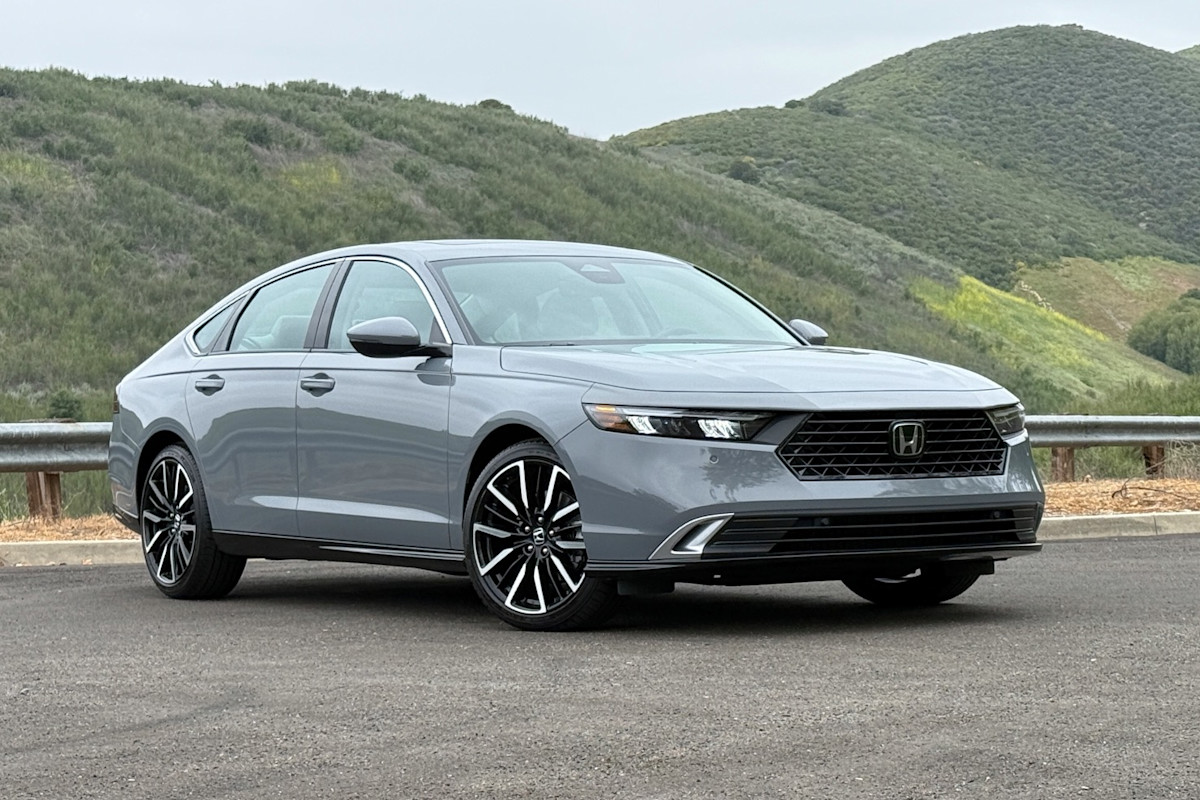
The 2026 Honda Accord enhances its appeal with a host of welcome technology upgrades, making one of the market's few remaining midsize sedans an even smarter choice for families. This model, which continues the 11th generation that debuted in 2023, is on sale now. Key updates for 2026 include a larger 9-inch infotainment touchscreen, now with standard wireless Apple CarPlay and Android Auto, plus a wireless smartphone charging pad on all models.
Under the hood, the Accord LX and SE trims are powered by a turbocharged 1.5-liter four-cylinder engine that produces 192 horsepower and 192 pound-feet of torque. This engine is paired with a continuously variable automatic transmission (CVT) that sends power to the front wheels, delivering up to 32 mpg combined. The sporty design features a sleek fastback shape and sits on 17-inch or 19-inch alloy wheels, depending on the trim.
Inside, the Accord seats five passengers comfortably. The SE trim builds on the base LX by adding a 10-way power-adjustable driver’s seat, heated front seats, a sunroof, and an upgraded eight-speaker audio system. Safety is a standout feature, with the Honda Sensing suite coming standard on every Accord. This bundle includes forward-collision warning, adaptive cruise control, and lane-keep assist. Thanks to its robust safety features, the Accord has earned a Top Safety Pick+ award from the IIHS and a five-star overall rating from the NHTSA. The 2026 Accord starts at $29,590 for the LX trim, including destination fees.
The 2026 Honda Accord Hybrid builds on its legacy as a top-selling sedan by making key technology features standard across its electrified lineup. As a carry-over model with a few notable updates, this handsome sedan is on sale now with a starting price of $34,990. For 2026, the Sport and Sport-L trims receive a more aggressive look with new blacked-out exterior accents, while the interior remains spacious and thoughtfully designed with details like honeycomb-patterned air vents.
Under the hood, all Accord Hybrid models feature a two-motor hybrid system that produces a healthy 204 horsepower and 247 pound-feet of torque, sent to the front wheels. This efficient powertrain delivers impressive fuel economy, with most trims achieving an EPA-estimated 44 mpg combined. For maximum efficiency, the EX-L trim leads the pack with a rating of 48 mpg combined. Honda's Linear Shift Control system is included to mimic the feel of a traditional transmission, ensuring a familiar and engaging driving experience.
Inside, every 2026 Accord Hybrid now comes standard with a large 12.3-inch touchscreen, a 10.2-inch digital instrument cluster, wireless Apple CarPlay and Android Auto, and a wireless phone charger. Honda also includes its comprehensive Honda Sensing suite of safety features on all models, which includes adaptive cruise control and lane-keeping assist. All hybrids also get a blind-spot information system, with the top-tier Touring trim adding low-speed braking control and an exclusive 6-inch head-up display.
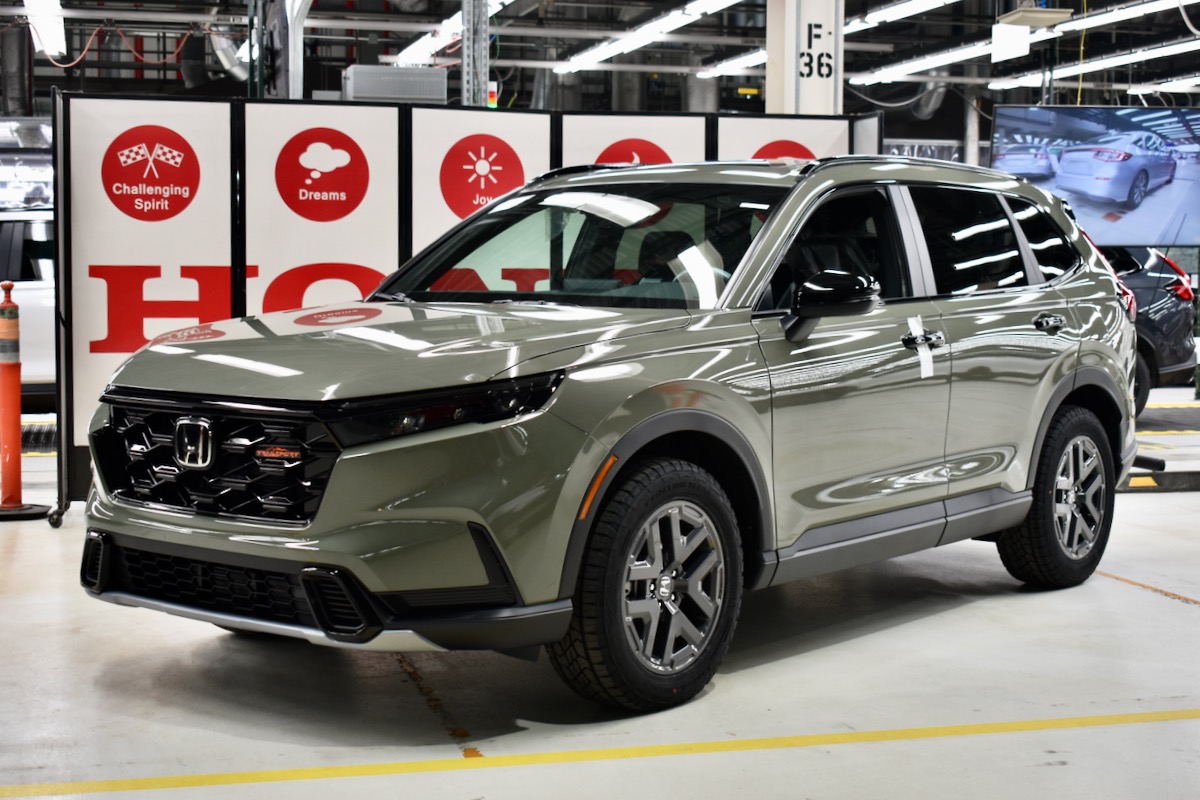
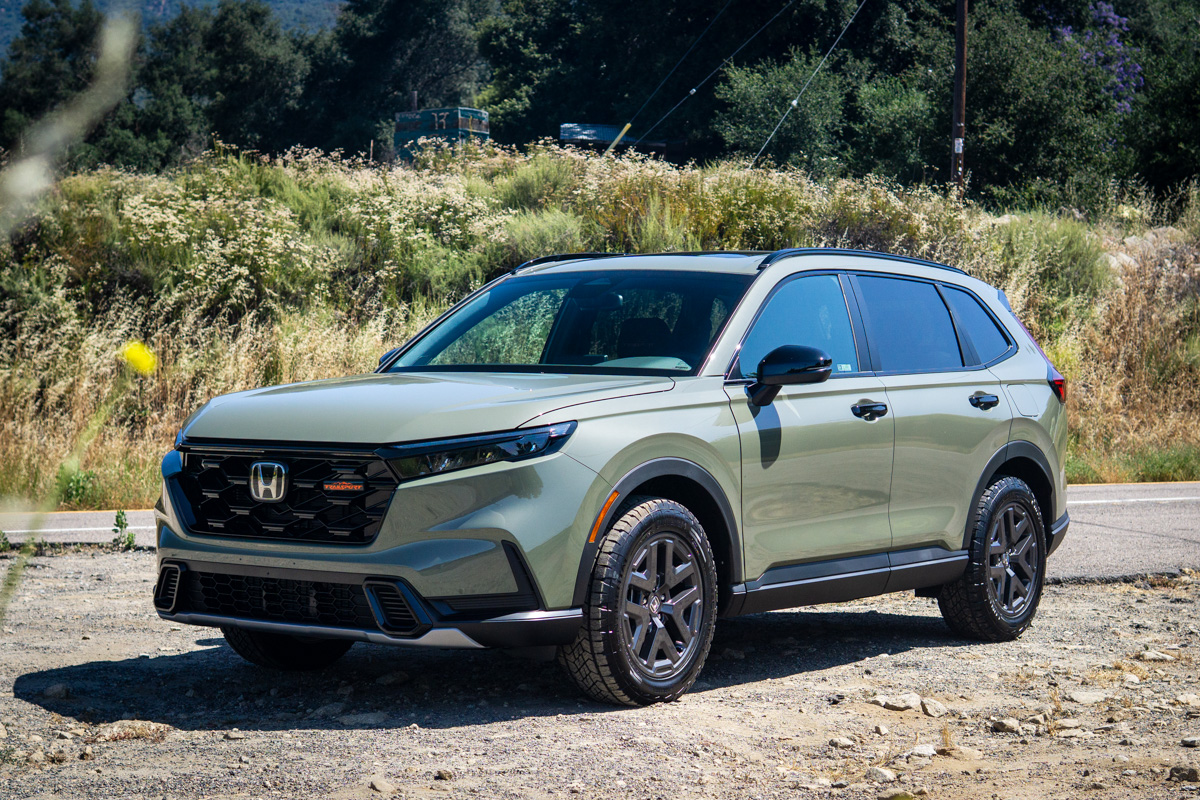
Honda is expanding the appeal of its best-selling CR-V for 2026 with the introduction of a rugged new TrailSport Hybrid model. This updated version of the popular compact crossover, which is on sale now, also receives a host of welcome technology upgrades, making it an even more compelling choice in a competitive segment. While the truck-like exterior styling carries over, the addition of the TrailSport trim and enhanced standard features keep the CR-V fresh.
Powertrain choices include a standard 190-horsepower 1.5-liter turbocharged four-cylinder engine or an available 204-horsepower two-motor hybrid system. The new TrailSport trim is exclusively a hybrid—a first for a Honda hybrid—and comes standard with all-wheel drive and all-terrain tires for better traction on slippery surfaces. Fuel economy remains a strong point, with the front-wheel-drive hybrid model achieving an impressive EPA-estimated 40 mpg combined.
Inside, the CR-V gets a significant tech boost for 2026. A larger 9-inch touchscreen, wireless Apple CarPlay and Android Auto, and a wireless charging pad are now standard equipment on all models. The interior continues to offer a spacious cabin and generous cargo room, while the standard Honda Sensing suite of safety features provides peace of mind. Pricing for the 2026 Honda CR-V starts at $32,315, including the destination charge.
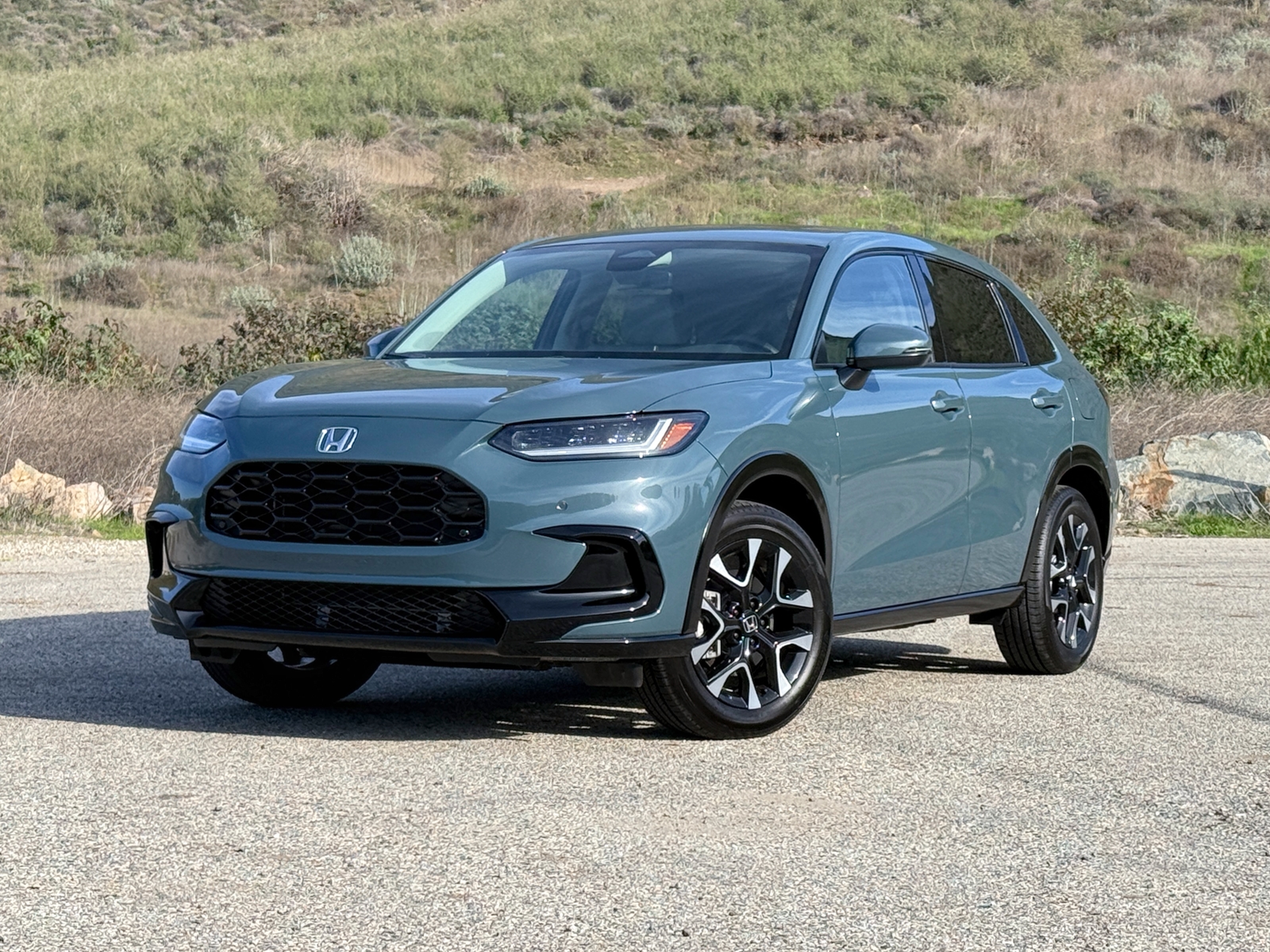
The 2026 Honda HR-V is a subcompact SUV that struggles to stand out. Its primary shortcomings are a dreadfully slow powertrain and disappointing real-world fuel economy. The 158-horsepower four-cylinder engine and continuously variable transmission (CVT) work hard, and the lack of grunt is a genuine liability when trying to accelerate onto freeways or pass slower vehicles. The reward for this meek performance isn't efficiency; our testing returned just 24.8 mpg, barely outperforming a much heavier and more powerful BMW X3 on the same route. While the HR-V’s ride and handling feel lively thanks to a multi-link rear suspension, and the EX-L trim’s cabin looks and feels like it’s from a higher class of vehicle, these bright spots don’t compensate for the core performance issues.
A refresh for 2026 brings a larger, more responsive 9-inch standard touchscreen with wireless Apple CarPlay and Android Auto, but the tech still pales in comparison to rivals like the Hyundai Kona. Practicality also takes a step back from the original, innovative HR-V. The versatile "Magic Seat" is gone, replaced by a simple 60/40 split-folding bench, and the back seat itself is unsupportive and lacks amenities like air vents, USB ports, or a center armrest. While Honda Sensing driver aids are standard, blind-spot monitoring is reserved for Sport and EX-L trims, and our testing revealed the adaptive cruise control could be slow to react, requiring driver intervention. Ultimately, with strong competitors like the Toyota Corolla Cross Hybrid offering more power and significantly better fuel economy for a similar price, the HR-V is a tough sell.
Redesigned to be a more rugged and aspirational lifestyle SUV, the 2026 Honda Passport is virtually unrecognizable from its predecessor. It now wears a blocky, blunt-nosed look with a flat hood and bracket-shaped running lights, targeting competitors like the Jeep Grand Cherokee and Toyota 4Runner. On the road, its 3.5-liter V6 engine provides terrific power with little throttle input, and the steering is outstandingly predictable for a vehicle of its size. Honda improved this crossover’s off-road credentials with better approach angles, standard i-VTM4 all-wheel drive, and new Trail and Tow drive modes. However, it’s not a hardcore crawler; the unibody Passport still lacks a locking differential or a low-range 4WD system, making it better suited for family adventures than serious trail-crawling.
Inside, the Passport is a cargo space king, delivering best-in-class room behind the rear seats and class-leading rear legroom. The cabin refreshingly prioritizes user-friendly physical buttons and knobs over flashy gimmicks, and it’s packed with handy cubbies for storage. Technology gets a major upgrade with a standard 12.3-inch touchscreen that hosts Google Built-in, though Honda wisely retains wireless Apple CarPlay and Android Auto as standard equipment. While this two-row SUV is a well-rounded and immensely practical choice, it comes with a sizeable price hike, with a starting price of $46,200. It’s more comfortable and spacious than a 4Runner, but its higher cost and lack of serious off-road hardware make it a great vehicle but only a decent value in a competitive field.
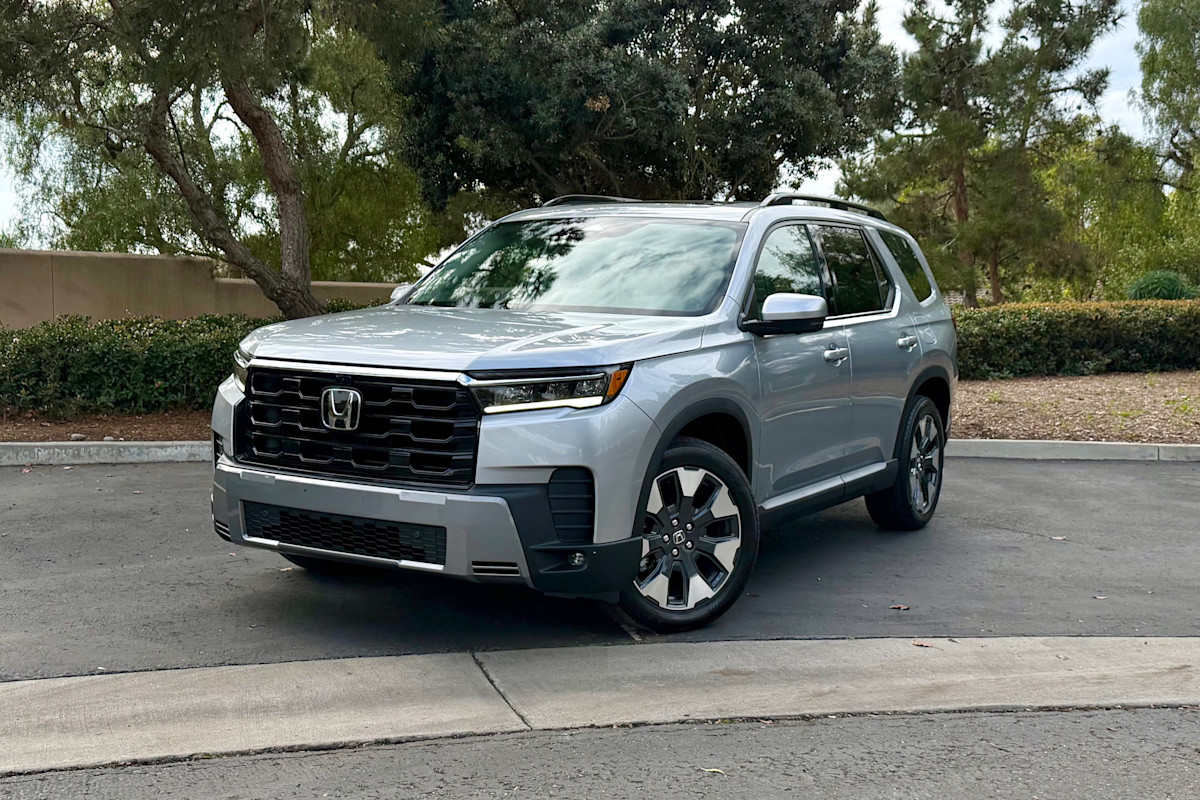
The 2026 Honda Pilot adopts a more rugged, truck-like appearance with a new blockier grille, but at its core, it remains the fundamentally excellent family SUV it was before. Power comes from a 285-horsepower 3.5-liter V6 that provides more than adequate acceleration for highway merges, feeling confident and sounding better than a typical four-cylinder. The driving experience is tailored for family duty with handling that is confident but not sporty, and revised steering for 2026 provides a more stable feel on the highway. Inside, the tastefully designed cabin meets or exceeds class expectations, and for 2026, all trims benefit from a larger 12.3-inch infotainment touchscreen and a 10.2-inch digital instrument panel running Honda's quick, easy-to-use software with standard wireless Apple CarPlay and Android Auto.
Where the Pilot truly stands out is its clever practicality. A signature feature is the removable second-row center seat, which gives owners the flexibility of both a bench and captain's chairs and can be conveniently stowed under the cargo floor. The second row is spacious for adults, while easy access to the third row reveals adequate room for kids or smaller adults on shorter trips. With all seats folded, this SUV offers a minivan-like 112.4 cubic feet of cargo space. Every Pilot also comes equipped with the Honda Sensing suite of safety features. The only major complaint is the lack of a more fuel-efficient model; the Pilot’s V6 is estimated to return up to 22 mpg combined, which falls short of hybrid rivals.
The Honda Prelude returns for 2026 as a head-turning sporty coupe, blending a classy, clean design with a near-luxury interior. While its split headlights and wedge-like nose are distinctive, the rear end’s single light bar and rounded haunches might remind you of a Porsche. Inside, the cabin feels upmarket thanks to synthetic suede trim and comfortable, supportive front seats, though the rear seats are comically small and best used as extra cargo space. Under the hood, this coupe borrows its hybrid powertrain from the Civic, combining a 2.0-liter engine and two electric motors for 200 horsepower. While it operates like a typical hybrid by default, an "S+ Shift" mode cleverly simulates eight gear ratios, allowing you to use steering-wheel paddles for a more engaging drive that feels like a conventional gas car.
Beyond its spirited performance, the Prelude excels in practicality and efficiency. Its new hatchback design opens up a generous 15.1 cubic feet of cargo room, a figure more common in midsize sedans. The cockpit is driver-focused, with welcome physical knobs for the climate controls, though the push-button gear selector can be unintuitive. A 9-inch touchscreen with Google Built-in, wireless Apple CarPlay and Android Auto, and a comprehensive suite of standard safety systems all come standard. The Prelude’s biggest advantage over rivals like the Toyota GR86 and BMW 2 Series is its cost-effectiveness; with an EPA-estimated 44 mpg combined on regular fuel, it can save owners as much as $1,300 a year in fuel costs compared to some competitors.
The 2026 Honda Prologue is making headlines with a massive $7,500 price reduction, making Honda’s first mass-market electric SUV a compelling bargain for families looking to go electric. Following its debut in 2024, this five-passenger crossover carries over with minimal changes for 2026 and is on sale at dealerships nationwide. Its new pricing positions it aggressively against key rivals like the Hyundai Ioniq 5 and Tesla Model Y.
Shoppers can choose between two powertrains. The standard single-motor, front-wheel-drive (FWD) model delivers 220 horsepower and an impressive EPA-estimated range of up to 308 miles. For those seeking more power and all-weather traction, an optional dual-motor, all-wheel-drive (AWD) setup provides 300 horsepower and up to 294 miles of range. The Prologue also features a regenerative braking system that allows for one-pedal driving, and it can tow up to 1,500 pounds.
Inside, the Prologue offers a spacious and tech-forward cabin built on a platform shared with General Motors. While some switchgear may look familiar to GM owners, the tech is all Honda. An 11.3-inch central touchscreen supports Apple CarPlay and Android Auto, while an 11-inch digital instrument cluster features Google built-in for seamless navigation. The Prologue’s exterior design is clean and understated, blending in with conventional SUVs while offering a class-competitive 25.2 cubic feet of cargo space.
Safety is a strong point, with the Honda Sensing suite of driver-assistance features coming standard on every trim. This includes adaptive cruise control, lane-keep assist, and automatic emergency braking. The Prologue earned the highest 5-Star Overall Safety Rating from NHTSA and received primarily "Good" ratings in crash tests conducted by the IIHS, reinforcing its credentials as a secure family vehicle.
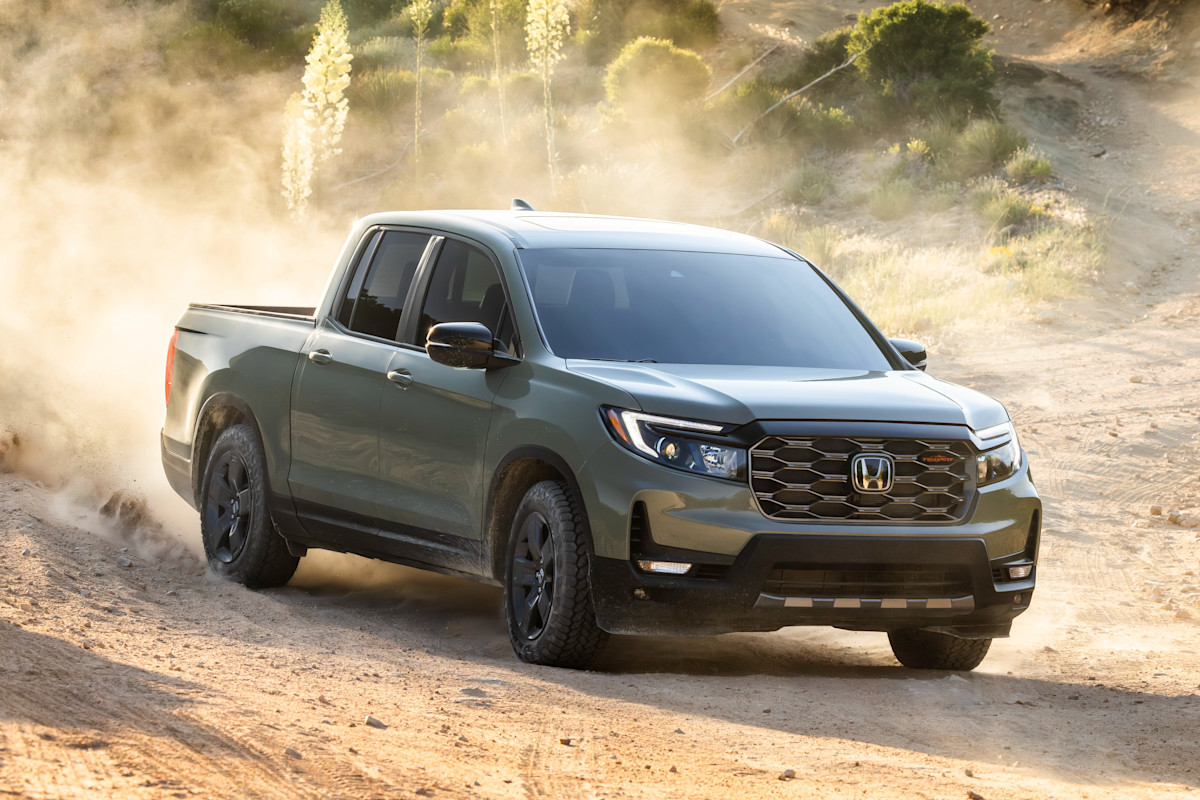
The 2026 Honda Ridgeline is on sale now, carrying over its proven formula as a comfortable and clever unibody pickup. This generation, which was last refreshed in 2021, receives only minor styling updates this year. The off-road-oriented TrailSport trim is now available in an exclusive Ash Green Metallic paint, while the top-tier Black Edition can be optioned with a black contrast roof. As a competitor to the Ford Maverick and Hyundai Santa Cruz, the Ridgeline continues to offer a spacious cabin and car-like road manners that set it apart from more traditional trucks.
Every Ridgeline is powered by a 3.5-liter V6 engine making 280 horsepower, paired with a nine-speed automatic transmission and standard all-wheel drive. This setup allows for a towing capacity of up to 5,000 pounds and delivers an EPA-estimated 21 mpg combined. The truck comes exclusively in a four-door crew cab configuration with a highly functional 5-foot-4-inch bed. Unique features include a dual-action tailgate that can fold down or swing open, and a lockable in-bed storage trunk with a drain plug, allowing it to double as a cooler.
Inside, the five-seat cabin offers generous space, though the rear seats are noted as being less supportive. While base trims feature simple plastics and cloth upholstery, the design is functional and well-built. Technology is a strong suit, with a 9-inch touchscreen, wireless Apple CarPlay and Android Auto, and a wireless charging pad all standard. Every Ridgeline also includes the Honda Sensing safety suite, which bundles features like adaptive cruise control, automatic emergency braking, and blind-spot monitoring. Pricing for the 2026 Ridgeline starts at $40,595 for the Sport trim before a $1,495 destination charge.
Sometimes our content pages are the result of a team effort. As with all CarGurus editorial, you can expect high levels of automotive insight and expertise delivered in a style that is approachable and free from jargon.
The content above is for informational purposes only and should be independently verified. Please see our Terms of Use for more details.