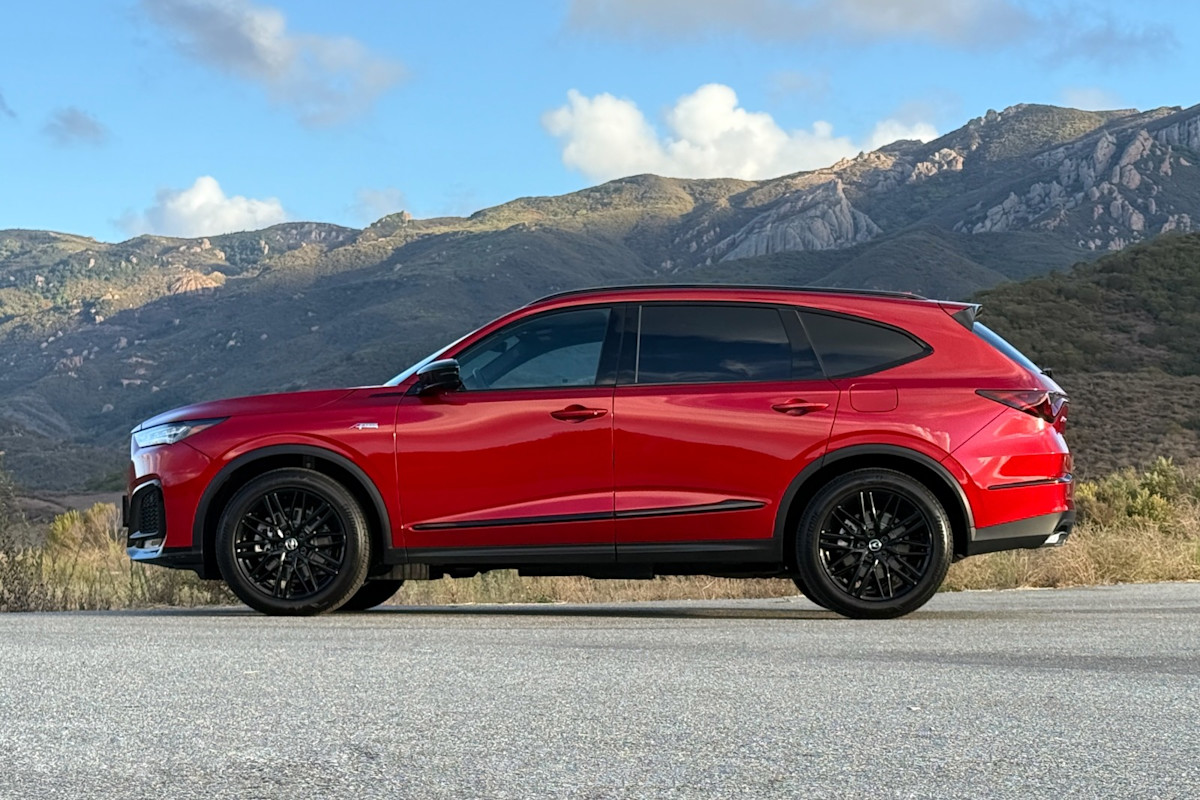
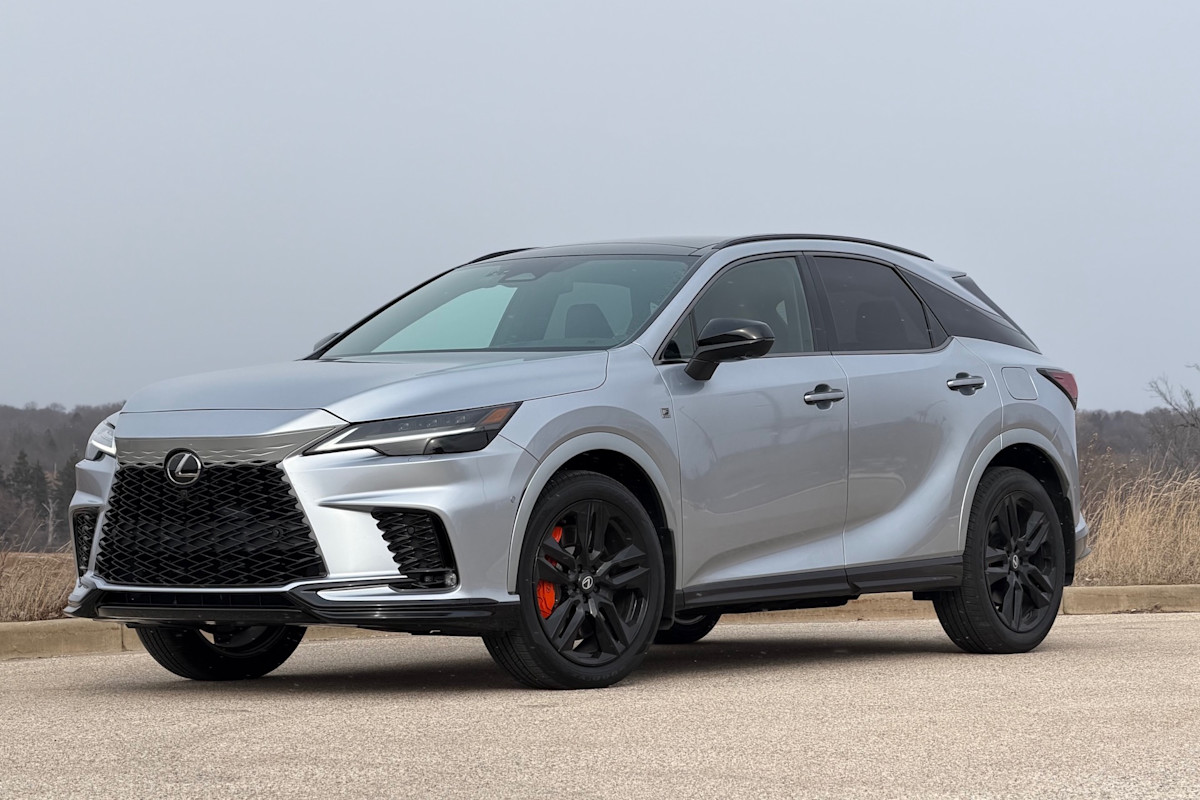
Fuel costs are a real consideration for most car shoppers, and SUVs have historically been among the thirstier vehicles on the road. That's changed significantly in recent years, with hybrid powertrains now available across a wide range of SUV sizes and price points—from budget-friendly subcompact crossovers to near-luxury options. The best gas mileage SUVs of 2026 can deliver 40 mpg or more in combined driving, which translates to meaningful savings at the pump over time, especially for drivers who log a lot of miles on their daily commute.
This guide covers 10 SUVs that stand out for their fuel efficiency, drawing on real-world testing, EPA ratings, and CarGurus market data to help you find the right fit. The list includes options at different price points and sizes, from the Kia Niro Hybrid's class-leading 53 mpg combined to the Toyota RAV4's newly standard hybrid powertrain projected at up to 44 mpg combined. Whether you're prioritizing cargo space, all-wheel drive, or a near-luxury cabin, there's likely a fuel-efficient SUV here that matches your needs without requiring you to make major compromises.
What Makes CarGurus Best Cars Guides Different
The Best Gas Mileage SUVs of 2026
FAQs
Shopping Tools
Related Topics
1. Honda CR-V Hybrid
CarGurus expert rating: 7.8 out of 10
CarGurus user rating: 4.8 out of 5
Percentage of Good and Great Deals available on CarGurus: 35.2%
Overall CarGurus rating: 4.6 out of 5
| Pros |
Cons |
| Great ride quality |
Underwhelming off-road chops |
| Efficient hybrid powertrain |
No SiriusXM radio |
| Easy-to-use technology |
Limited tech features |
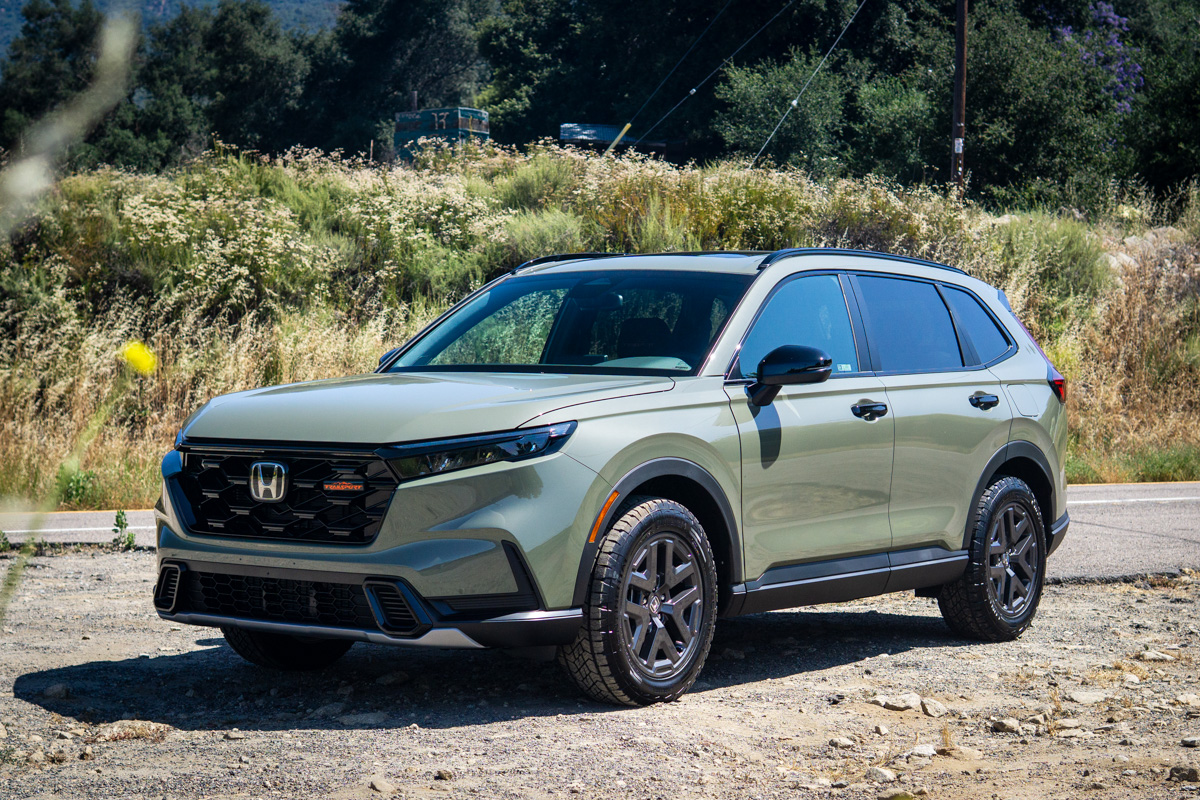
If you're shopping for one of the best gas mileage SUVs of 2026, the CR-V Hybrid is easy to live with and easy on fuel. Its 2.0-liter Atkinson-cycle engine and two-motor hybrid system make 204 hp and 247 lb-ft of torque, with smooth low-speed response that feels more like an EV than a typical compact SUV. Fuel economy is a key reason it belongs on this list: it's rated at 40 miles per gallon (MPG) combined with front-wheel drive (FWD) and 37 MPG combined with all-wheel drive (AWD), while the new TrailSport hybrid (AWD-only, with all-terrain tires) still manages 35 MPG combined.
Beyond mpg numbers, the CR-V Hybrid delivers the practical packaging people buy compact SUVs for, with 39.3 cubic feet behind the rear seats and 76.5 cubic feet with the seats folded. For 2026, Honda also makes the 9-inch touchscreen standard across the lineup, with wireless Apple CarPlay and Android Auto, leaning into simple everyday usability rather than piling on complicated built-in apps. Pricing starts at $37,025 (including destination) for the Hybrid Sport and runs to $43,645 for the Sport Touring, which is competitive with other top-trim hybrid compact SUVs, while the TrailSport's rugged styling cues come with compromises if you're expecting true off-road capability.
The CarGurus Verdict: "The CR-V is one of the best compact crossovers on the market, and the hybrid powertrain only makes it better. If adventure and off-road driving are truly in the cards for you, however, the CR-V TrailSport may not be the right choice." - Matt Smith
Read our most recent Honda CR-V Hybrid review
Search for Honda CR-V Hybrid
See all
2. Jeep Cherokee
CarGurus expert rating: 7 out of 10
CarGurus user rating: 4.5 out of 5
Percentage of Good and Great Deals available on CarGurus: 32.3%
Overall CarGurus rating: 4.5 out of 5
| Pros |
Cons |
| Standard all-wheel drive |
Overly-complicated vehicle settings |
| Standard advanced safety features |
Less cargo space than some competitors |
| Less-polarizing styling than before |
|
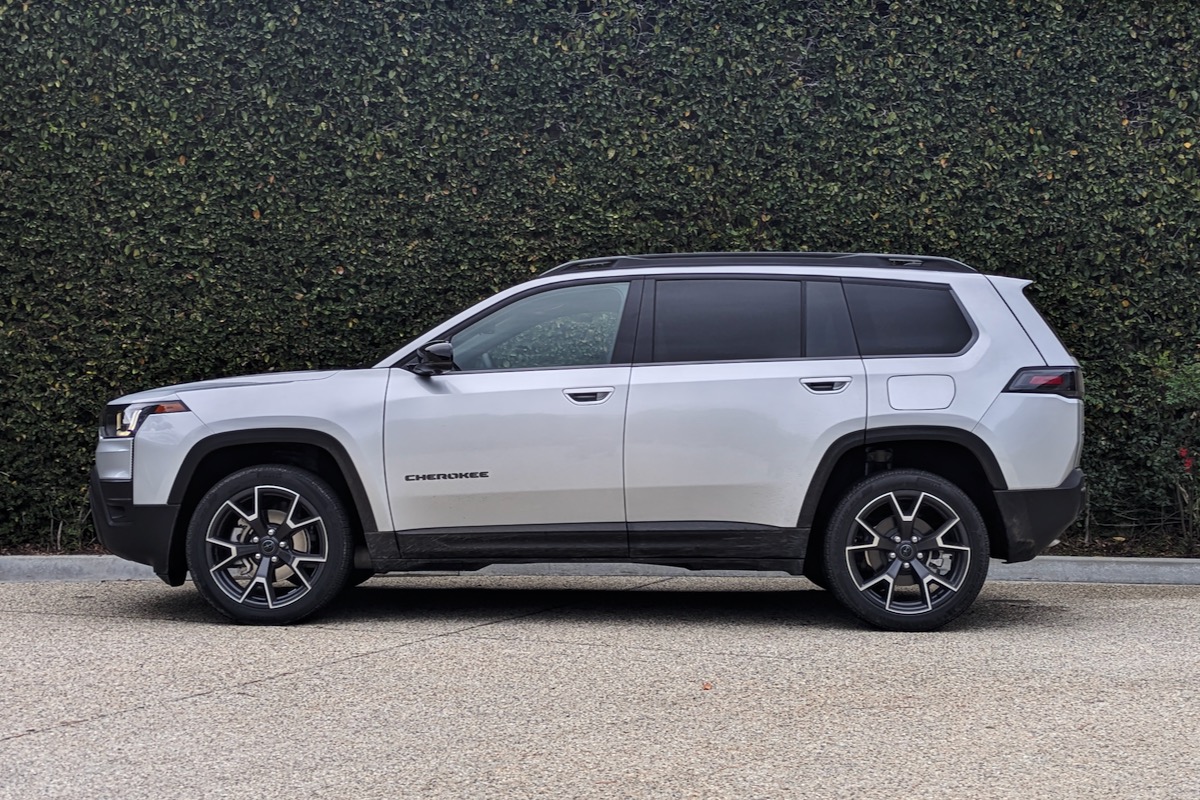
For gas-mileage-focused SUV shoppers, the Cherokee’s big news is that it returns with a standard hybrid powertrain and standard AWD—an efficiency-friendly combo that doesn’t always come standard in this class. Jeep estimates 37 mpg combined (39 mpg city, 35 mpg highway), which is a massive leap over the previous Cherokee and right in line with many hybrid compact SUV rivals. Power comes from a 1.6-liter turbo four paired with a two-motor hybrid system for 210 hp and 230 lb-ft of torque, and the drivetrain is tuned for smooth, quiet operation—helpful if you’re trying to maximize mpg in everyday commuting rather than chasing performance.
In day-to-day usability, the Cherokee keeps the crossover basics in check, with comfortable seating for five and easy-to-live-with tech like a standard 12.3-inch touchscreen with wireless Apple CarPlay and Android Auto. Cargo space trails some competitors at 33.6 cubic feet behind the rear seats and 68.3 cubic feet with them folded, but it claws back some practicality with an impressive 3,500-pound towing capacity for a hybrid compact SUV. The cabin also has a smart mix of screen-based features and a few key physical controls, though some settings can feel more complicated than they need to be—something to keep in mind if you prefer simple, distraction-free adjustments while driving.
The CarGurus Verdict: "The redesigned Cherokee successfully merges traditional Jeep styling with the winning template for mainstream crossover SUVs." - Stephen Edelstein
Read our most recent Jeep Cherokee review
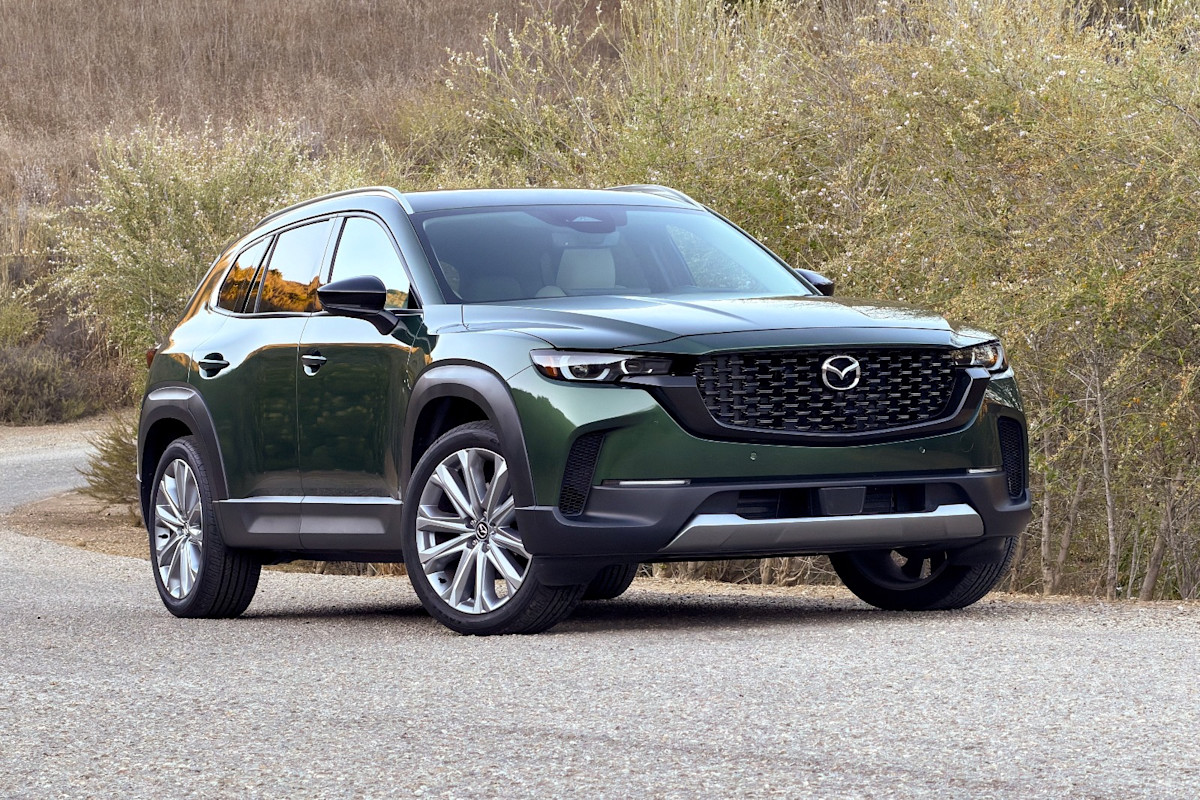
3. Mazda CX-50
CarGurus expert rating: 6.2 out of 10
CarGurus user rating: 4.7 out of 5
Percentage of Good and Great Deals available on CarGurus: 37.6%
Overall CarGurus rating: 4.5 out of 5
| Pros |
Cons |
| Stylish design |
Poor fuel economy (Turbo) |
| Fun to drive |
Uncomfortable seats |
| Great safety ratings |
Outdated technology |
The 2026 Mazda CX-50 is a smart pick for gas-mileage-focused shoppers who still want an SUV that feels engaging from behind the wheel. If efficiency is the priority, the Turbo models aren’t the ones to target—Mazda’s own pros/cons call out poor fuel economy for the Turbo—so it’s worth shopping the non-turbo versions and comparing listings to find the best balance of power and pump costs.
Beyond fuel spend, the CX-50’s real-world appeal comes from everyday usability wrapped in a stylish design, plus the peace of mind of strong safety ratings. Just go in with clear expectations: the cabin tech can feel dated versus newer rivals, and seat comfort is a common complaint, so it’s a good idea to take an extended test drive before choosing a trim.
The CarGurus Verdict: "For driving fun mixed with practicality, check out the 2026 Mazda CX-50." - Christian Wardlaw
Read our most recent Mazda CX-50 review
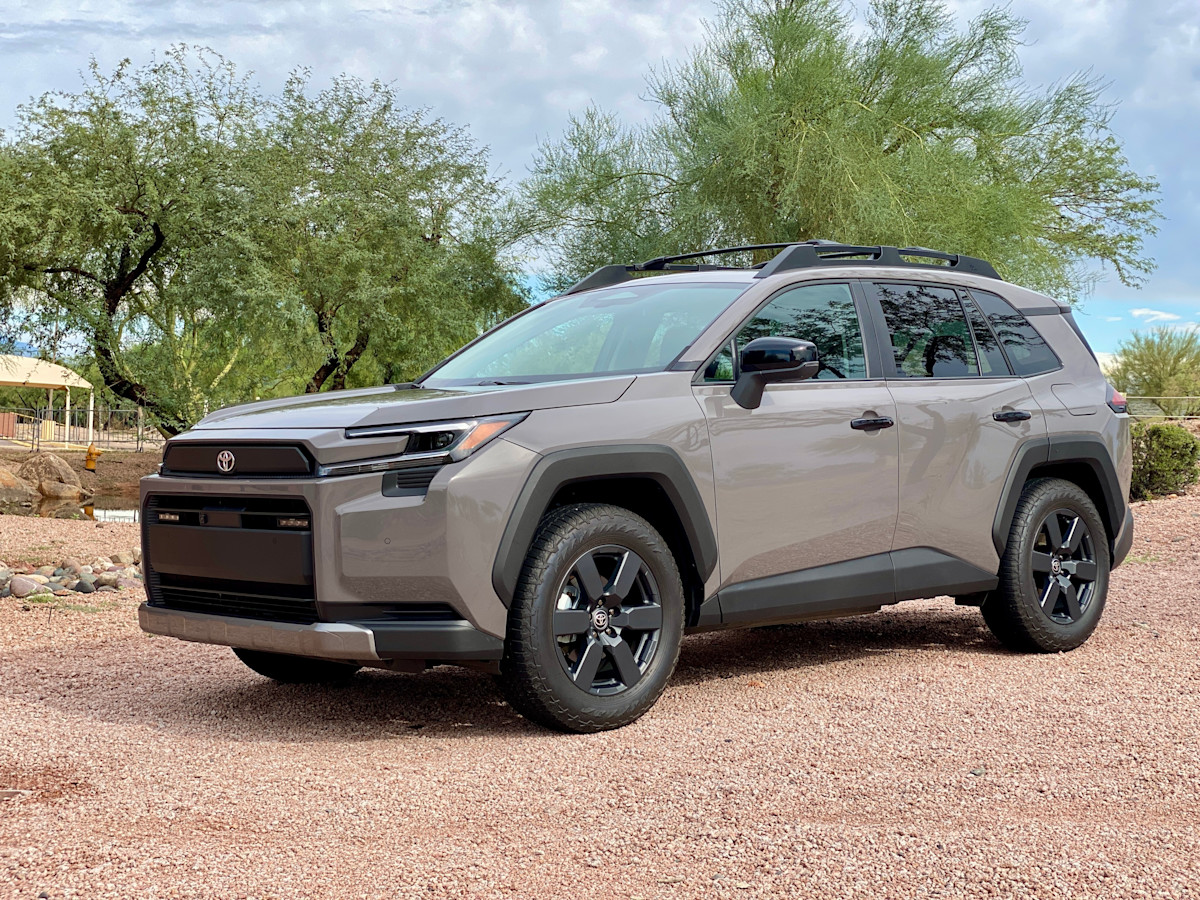
4. Toyota RAV4
CarGurus expert rating: 6.8 out of 10
CarGurus user rating: 4.5 out of 5
Percentage of Good and Great Deals available on CarGurus: 36.2%
Overall CarGurus rating: 4.5 out of 5
| Pros |
Cons |
| Multiple trims and styles |
Confusing trim levels |
| Standard hybrid |
Size hasn't kept up with rivals |
| Updated tech |
|
Toyota's redesigned 2026 RAV4 leans hard into efficiency by making a hybrid powertrain standard across the lineup, with Toyota projecting up to 44 MPG combined for both FWD and AWD versions. That hybrid setup also brings a useful bump in everyday power: FWD models pair a 2.5-liter four-cylinder with two electric motors for 226 hp, while AWD adds a third motor at the rear for 236 hp, giving the RAV4 quick low-speed response in traffic without demanding much at the pump. If you move up to heavier AWD trims like XSE and Limited, Toyota expects about 42 MPG combined, while the taller, all-terrain-tire Woodland trim is projected at 39 MPG combined.
For families shopping efficient SUVs, the RAV4 keeps its familiar footprint and passenger space, but it's still easy to live with thanks to smart storage and a square cargo area rated at 37.8 cubic feet with the rear seats up and 70.4 cubic feet with them folded. Tech also gets a meaningful refresh with a standard 12.3-inch digital instrument cluster, wireless Apple CarPlay and Android Auto, and Toyota's quicker Arene operating system; available features like a built-in dash cam add day-to-day convenience. Safety is another strong point, with Toyota Safety Sense 4.0 standard (including upgraded automatic emergency braking and lane-centering assistance), and Toyota expects pricing to start in the low $30,000s—helpful context when the standard hybrid setup is designed to lower fuel costs over time versus a gas-only SUV.
The CarGurus Verdict: "The good gets better, but the RAV4's lineup is confusing enough to need a Venn diagram." - Robert Duffer
Read our most recent Toyota RAV4 review
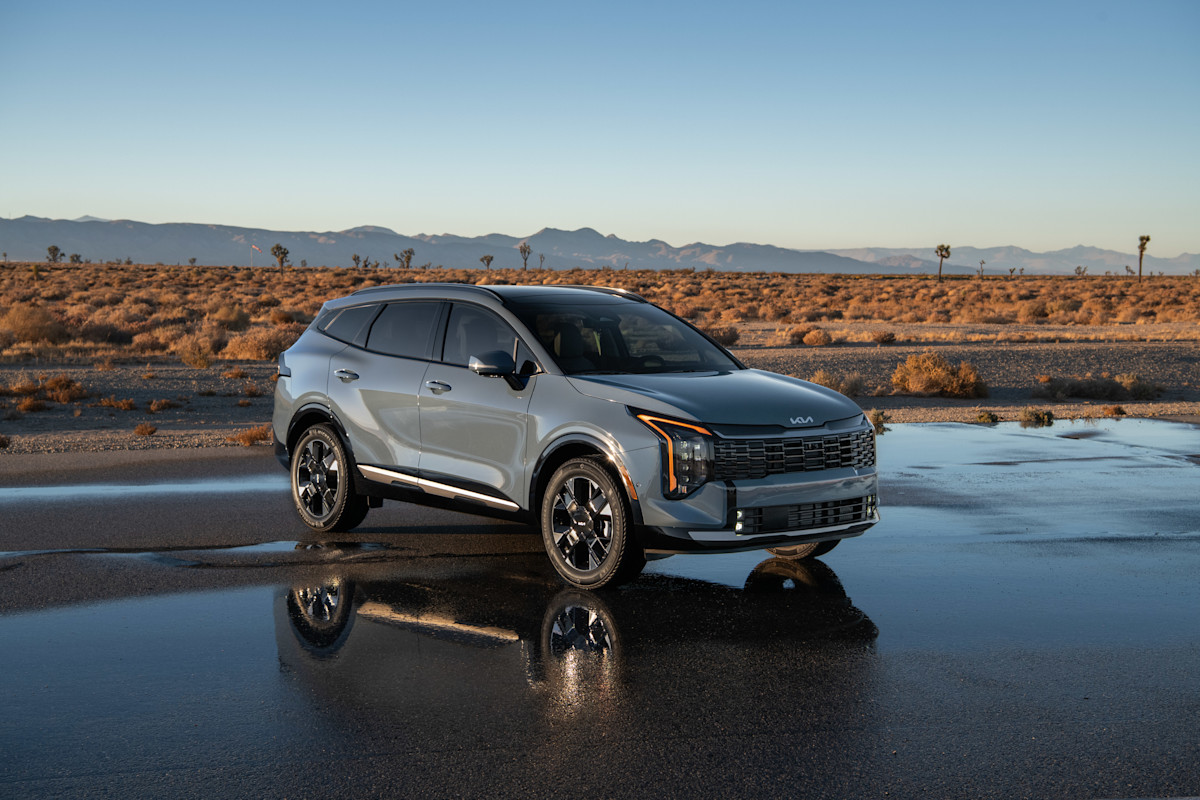
5. Kia Sportage Hybrid
CarGurus expert rating: 7.5 out of 10
CarGurus user rating: 4.8 out of 5
Percentage of Good and Great Deals available on CarGurus: 36.8%
Overall CarGurus rating: 4.4 out of 5
| Pros |
Cons |
| Fuel-efficient |
Fuel efficiency drops with AWD |
| Comfortable |
Fairly pedestrian performance |
| Premium interior materials |
Some advanced safety features are not standard |
For shoppers prioritizing fuel economy in a right-size SUV, the Sportage Hybrid delivers strong EPA estimates in front-wheel-drive (FWD) form: 41 MPG city, 44 MPG highway, and 42 MPG combined. The catch is that most trims come standard with AWD, and those models drop to 35 MPG city, 36 MPG highway, and 35 MPG combined—still efficient, but meaningfully less of a mileage win if you don't truly need the extra traction. Power comes from a turbocharged 1.6-liter four-cylinder paired with an electric motor for 232 hp and 271 lb-ft of torque, and the tuning favors quiet, comfortable commuting over brisk highway passing.
Beyond mpg, the Sportage Hybrid's real-world usability is a big part of its appeal: cargo space is 39.5 cubic feet behind the rear seats and up to 73.7 cubic feet with them folded, and the cabin has lots of small-item storage for daily life. A 12.3-inch touchscreen with wireless Apple CarPlay and Android Auto is standard, and higher trims can add features like built-in navigation and a head-up display, though Kia keeps some of its most advanced driver-assist tech for the SX-Prestige. Pricing starts at $31,735 for the LX FWD (including destination), so it can be a relatively accessible way to get hybrid efficiency without moving up to a larger, more expensive SUV.
The CarGurus Verdict: "The 2026 Kia Sportage is sized right in between smaller subcompact and larger compact crossover SUVs, and it strikes an intriguing balance of roominess, comfort and efficiency that ought to win over plenty of American buyers." - Jeremy Korzeniewski
Read our most recent Kia Sportage Hybrid review
Search for Kia Sportage Hybrid
See all
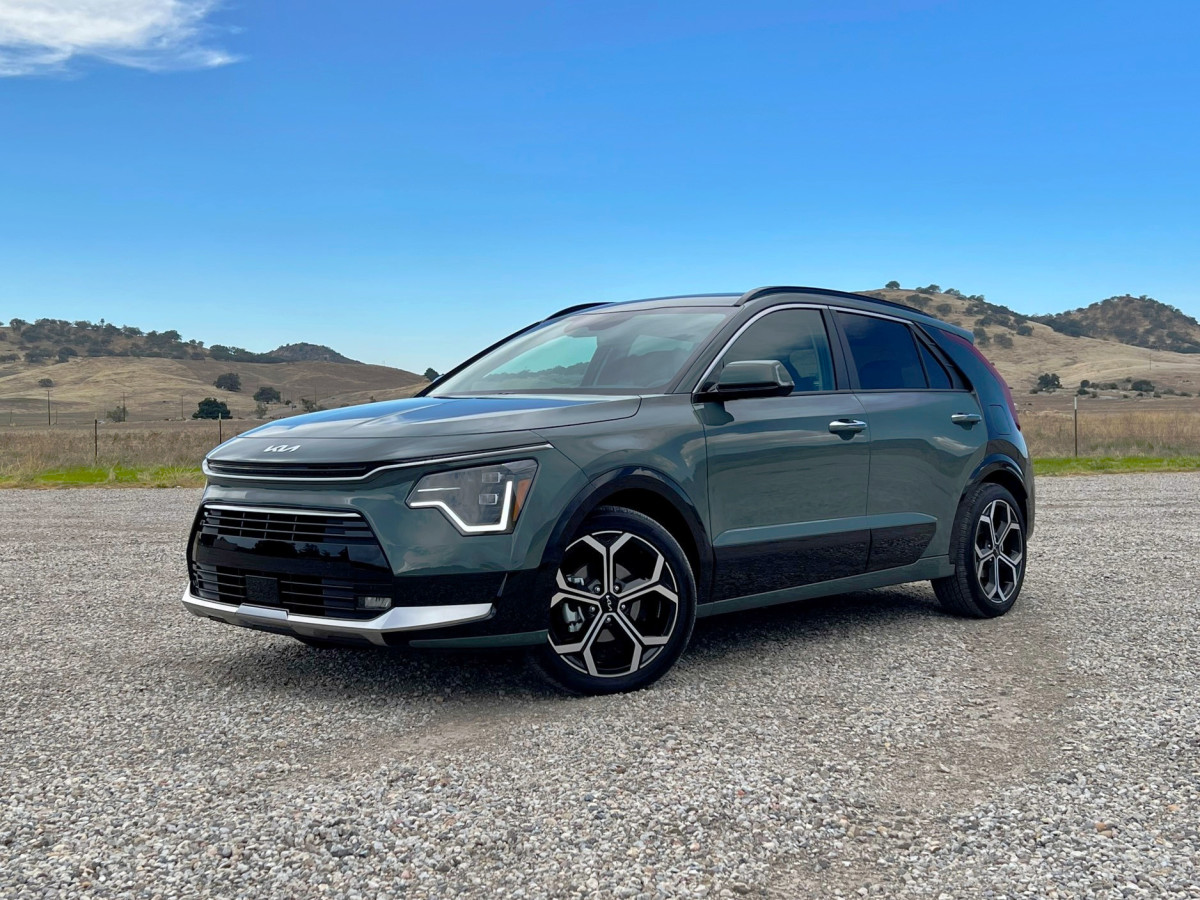
6. Kia Niro
CarGurus expert rating: 7.7 out of 10
CarGurus user rating: 4.6 out of 5
Percentage of Good and Great Deals available on CarGurus: 33.4%
Overall CarGurus rating: 4.3 out of 5
| Pros |
Cons |
| Multiple powertrain options |
All-wheel drive not available |
| Fuel-efficient |
Irritating transmission |
| Standard advanced safety features |
|
For gas-mileage-minded SUV shoppers, the Kia Niro Hybrid is engineered around efficiency first, with an EPA-estimated 53 MPG combined on non-Touring trims and a real-world-friendly 588-mile range from its 11.1-gallon tank. The hybrid pairs a 1.6-liter 4-cylinder with an electric motor for 139 hp and 195 lb-ft of torque, and while it's not quick (Kia cites a 10.4-second 0–62 mph time), it's tuned to make everyday commuting and errands sip fuel without demanding special "hypermiling" techniques.
It's also practical for a small crossover, with 22.8 cubic feet of cargo space behind the rear seats and 63.7 cu-ft with them folded, plus an updated cabin that leans into sustainable materials without feeling gimmicky. Standard driver-assistance tech is extensive (including blind-spot monitoring and forward collision avoidance with pedestrian detection), and higher trims add comfort features like heated seats, rear air vents, and wireless phone charging; just note the Niro is FWD only, and the dual-clutch transmission can feel fussy at times compared with more conventional automatics.
The CarGurus Verdict: "The all-new Kia Niro offers up a fresh take on sustainable mobility. From cleanly defined exterior lines to a minimalist but eco-friendly cabin redesign (the seats are made from eucalyptus leaves!), the second-generation Niro also tops the fuel economy charts with a best-in-class 53 mpg combined." - Beverly Braga
Read our most recent Kia Niro review
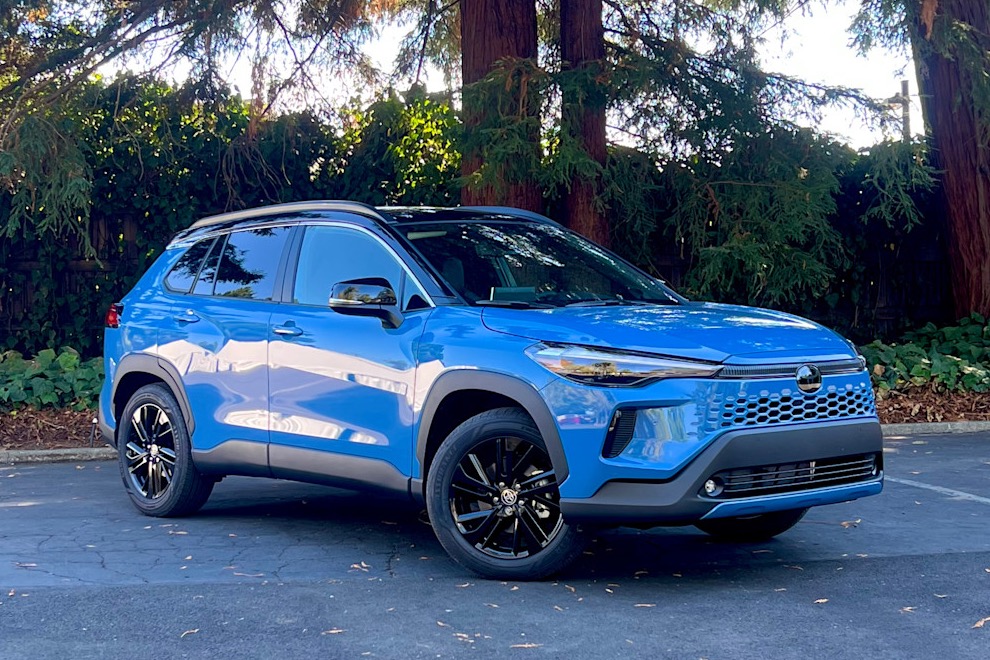
7. Toyota Corolla Cross Hybrid
CarGurus expert rating: 6.5 out of 10
CarGurus user rating: 4.8 out of 5
Percentage of Good and Great Deals available on CarGurus: 34.5%
Overall CarGurus rating: 4.3 out of 5
| Pros |
Cons |
| Fuel-efficient |
Sluggish performance |
| Standard all-wheel drive |
Not much cargo space |
| Easy-to-use technology |
Noisy engine under acceleration |
The 2026 Toyota Corolla Cross Hybrid puts efficiency front and center, with an EPA-estimated 46 MPG city, 39 MPG highway, and 42 MPG combined. Its hybrid system makes 196 hp and comes with standard on-demand AWD (using a rear electric motor for extra traction), which is a nice win for shoppers who want winter confidence without giving up fuel economy.
In everyday use, the Corolla Cross Hybrid is tuned more for comfort than excitement, and it can get loud under acceleration because it doesn't shift like a traditional geared transmission. Space is good up front and the controls are straightforward, but cargo room is modest for the class at up to 17.1 cubic feet behind the rear seats in AWD models, and the rear window angle can make bulky items trickier to load. Tech is simple and easy to operate (including wireless Apple CarPlay and Android Auto), and every model comes with Toyota Safety Sense 3.0, while higher trims add features like blind-spot monitoring and parking sensors with automatic braking.
The CarGurus Verdict: "It's not very exciting to drive, but the Corolla Cross delivers on comfort, safety, and ease of use." - Mark Takahashi
Read our most recent Corolla Cross Hybrid review
Search for Toyota Corolla Cross Hybrid
See all
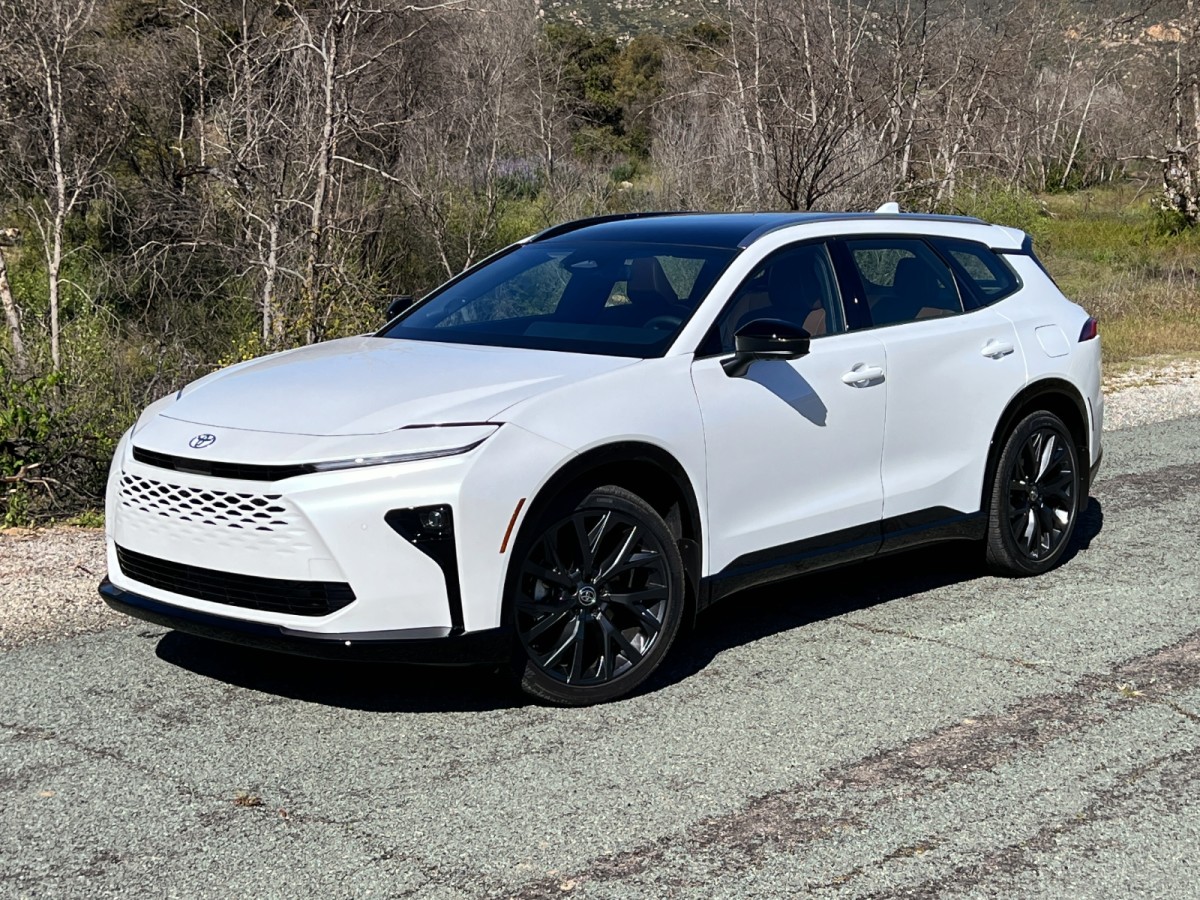
8. Toyota Crown Signia
CarGurus expert rating: 8 out of 10
CarGurus user rating: 4 out of 5
Percentage of Good and Great Deals available on CarGurus: 35.6%
Overall CarGurus rating: 4.3 out of 5
| Pros |
Cons |
| Stylish design |
Powertrain drones when accelerating |
| Fuel-efficient |
Lacks privacy glass, rear-window shades |
| Comfortable |
Unimpressive stereo systems |
The Toyota Crown Signia's standard hybrid powertrain and standard AWD make it an easy one to put on your shortlist—especially if you like the idea of a "Lexus-like" hybrid experience without paying luxury-brand pricing. A 2.5-liter four-cylinder hybrid system produces 240 hp and is designed to prioritize smooth, quiet commuting over sporty response, though you may hear the CVT drone when you demand quick acceleration. Toyota estimates 38 MPG combined, but real-world efficiency can dip on faster, hillier routes (we observed 34.3 MPG on a mountain-heavy day trip), which is worth keeping in mind if much of your driving is highway climbing rather than city traffic.
The Crown Signia also leans into comfort and daily usability, with standard leather upholstery, heated and ventilated front seats, and a calm, refined cabin. Cargo room is solid for a five-passenger "lifted wagon" shape: 25.8 cubic feet behind the rear seats (24.8 with the Limited trim's panoramic sunroof), expanding to 68.8 cubic feet with the seats folded (66.1 with the panoramic sunroof). Tech is modern and straightforward with dual 12.3-inch displays plus wireless Apple CarPlay and Android Auto, and Toyota Safety Sense 3.0 brings features like adaptive cruise control and lane-centering—helpful tools for squeezing more efficiency out of long commutes by keeping your driving smooth and consistent, even if some drivers will prefer to disable Proactive Driving Assist.
The CarGurus Verdict: "Stylish, comfortable, and equipped with a standard hybrid powertrain and all-wheel drive, the five-passenger Crown Signia is one of the most appealing Toyota SUVs money can buy." - Christian Wardlaw
Read our most recent Toyota Crown Signia review
Search for Toyota Crown Signia
See all
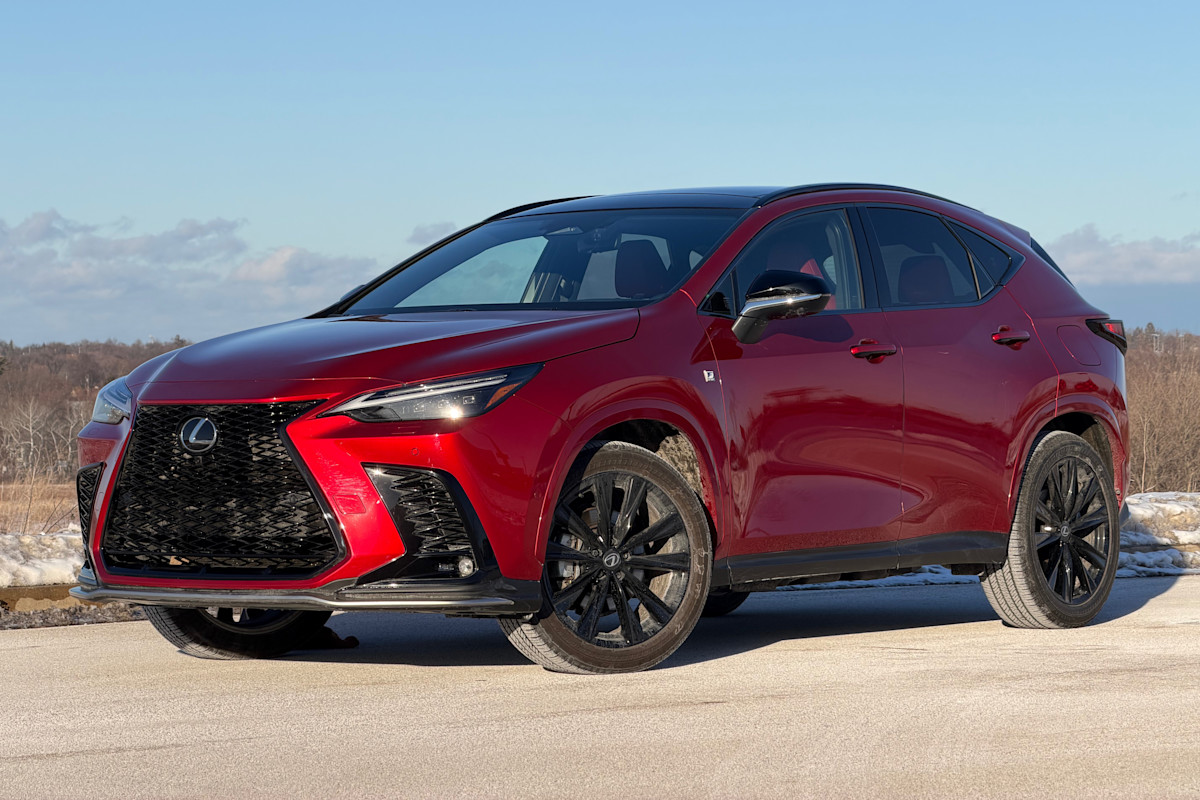
9. Lexus NX Hybrid
CarGurus expert rating: 6.8 out of 10
CarGurus user rating: 4.2 out of 5
Percentage of Good and Great Deals available on CarGurus: 36.0%
Overall CarGurus rating: 4.2 out of 5
| Pros |
Cons |
| 39 mpg combined |
Modest power |
| Premium interior look and feel |
Slushy transmission |
| Excellent infotainment |
No real "sport" in the F Sport Handling trim level |
If your top priority is fuel economy in a luxury-badged compact SUV, the Lexus NX 350h's hybrid setup is aimed squarely at that mission, with EPA ratings of 41 MPG city, 37 MPG highway, and 39 MPG combined. Power comes from a 2.5-liter four-cylinder paired with two front electric motors (and an additional rear motor on AWD models), with Lexus quoting 240 hp for both FWD and AWD; it's responsive enough for everyday traffic, but acceleration isn't the point, and hard throttle can bring on some engine drone and a "slushy" feel from the drivetrain. The F Sport Handling trim adds adaptive dampers and a firmer tune for more control, but it's better described as controlled than genuinely sporty.
Day to day, the NX Hybrid backs up its efficiency story with a premium, tech-forward cabin—highlighted by a standard 14-inch touchscreen, a 9.8-inch digital instrument cluster, and wireless Apple CarPlay and Android Auto—plus thoughtful physical controls like a volume knob and embedded climate functions. Passenger space is solid for a small family, and while cargo room trails some rivals, it's still practical at 22.7 cubic feet behind the rear seats and 46.9 cubic feet with them folded. Safety is a strong suit, too: the NX earned an Insurance Institute for Highway Safety (IIHS) Top Safety Pick+ award and includes Lexus Safety System+ 3.0 with features like adaptive cruise control, blind-spot monitoring, and automatic emergency braking.
The CarGurus Verdict: "The NX Hybrid trades willing power for a thrifty hybrid system. The EPA says it gets 39 mpg combined. The F Sport Handling model adds more style than performance, while trading a smooth ride for a little more control. If you value thriftiness over power, the NX Hybrid is a wise choice of luxury SUV." - Kirk Bell
Read our most recent Lexus NX Hybrid review
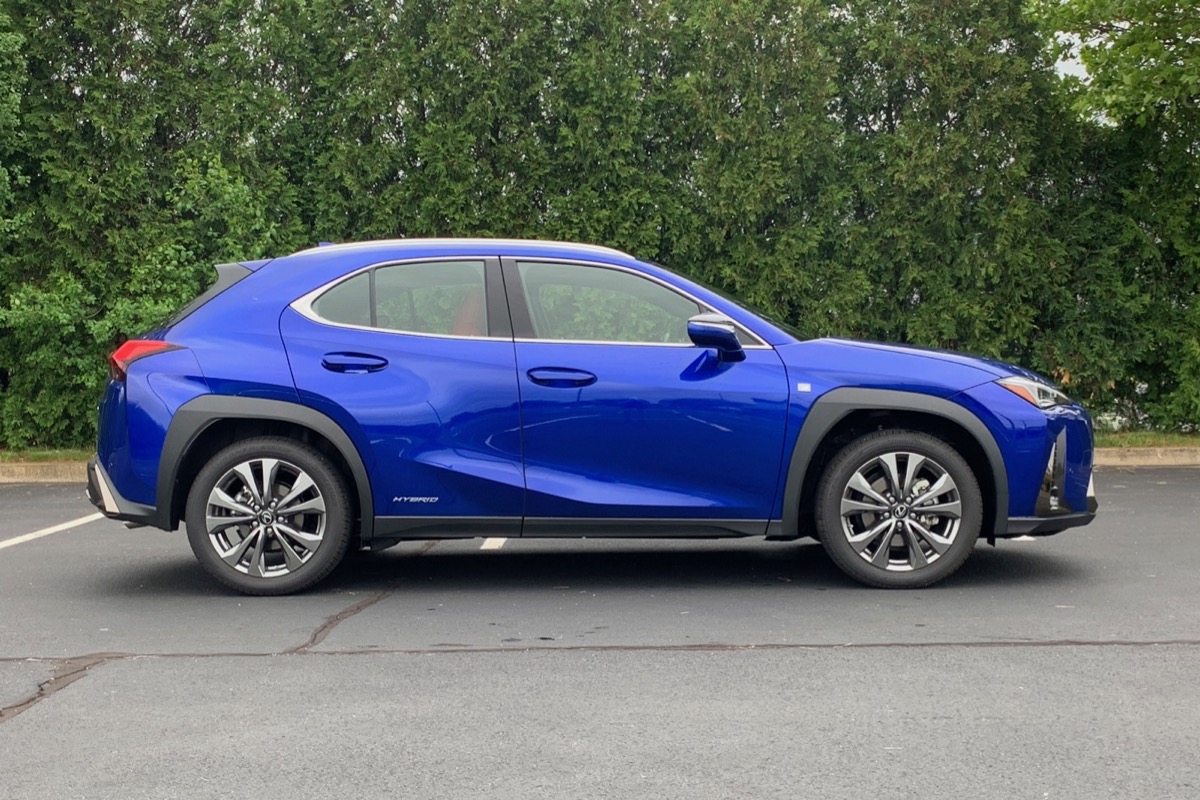
10. Lexus UX Hybrid
CarGurus expert rating: 6.3 out of 10
CarGurus user rating: 4.6 out of 5
Percentage of Good and Great Deals available on CarGurus: 35.8%
Overall CarGurus rating: 4.2 out of 5
| Pros |
Cons |
| Fuel-efficient |
Sluggish performance |
| Standard all-wheel drive |
Unintuitive technology |
| Comfortable |
Cramped back seat |
For shoppers chasing big mpg numbers in a small SUV shape, the Lexus UX 250h leans hard into efficiency and refinement. EPA estimates are 41 MPG city, 38 MPG highway, and 39 MPG combined, and our test drive returned 41.2 MPG in mixed driving even with a heavy right foot and Sport mode. Every UX Hybrid comes standard with AWD, and the quiet cabin plus composed ride make it an easy daily commuter when your priorities are comfort and fuel economy more than speed.
That efficiency comes with tradeoffs you'll want to consider before buying. Power is modest at 181 hp total, with a continuously variable transmission (CVT) that can make the engine sound busy during highway merges, and the UX's "crossover" packaging is tight: cargo space is 17.1 cubic feet above the rear deck (21.7 cubic feet below it), and rear-seat space is limited behind taller front occupants. Tech is also a sticking point, since Lexus' Remote Touch pad can make Apple CarPlay and Android Auto more distracting than they should be, although safety equipment is a bright spot with standard driver assists like automatic emergency braking, adaptive cruise control, and (new for 2021) blind-spot monitoring and rear cross-traffic alert.
The CarGurus Verdict: "You won't be off-roading in the UX. Heck, even certain unpaved roads will be too much for the UX. But the smallest Lexus crossover is an incredibly refined commuter, and the hybrid is an efficient machine for daily driving." - George Kennedy
Read our most recent Lexus UX Hybrid review
The Best Gas Mileage SUVs of 2026 FAQs
Which SUV gets the best gas mileage in 2026?
Among the SUVs on this list, the Kia Niro Hybrid leads the pack with an EPA-estimated 53 MPG combined on non-Touring trims—the highest figure of any model covered here. Its 11.1-gallon tank also provides a real-world range of around 588 miles between fill-ups. If you need a larger SUV, the Toyota Corolla Cross Hybrid and Toyota RAV4 are strong runners-up, with combined ratings of 42 MPG and up to 44 MPG combined, respectively.
Do I have to choose between fuel efficiency and cargo space?
Not necessarily, but there are trade-offs depending on which model you choose. The Honda CR-V Hybrid and Kia Sportage Hybrid offer some of the most generous cargo volumes on this list—39.3 and 39.5 cubic feet behind the rear seats, respectively—while still delivering strong mpg figures. Smaller options like the Lexus UX Hybrid and Toyota Corolla Cross Hybrid prioritize efficiency but come with more limited cargo areas, so it's worth measuring your typical hauling needs before deciding.
Does choosing all-wheel drive significantly hurt fuel economy in a hybrid SUV?
It depends on the model, but AWD can meaningfully reduce mpg. The Kia Sportage Hybrid, for example, drops from 42 MPG combined in FWD form to 35 MPG combined with AWD. The Honda CR-V Hybrid goes from 40 MPG combined (FWD) to 37 MPG combined (AWD). Some models, like the Toyota Corolla Cross Hybrid and Lexus UX Hybrid, come standard with AWD and are still rated at 42 MPG and 39 MPG combined, respectively, so the impact varies. If maximum fuel economy is your priority, check the specific FWD vs. AWD ratings for the model you're considering.
Are these hybrid SUVs more expensive to buy than non-hybrid versions?
Generally, yes—hybrid versions typically carry a price premium over their non-hybrid counterparts. However, several models on this list are designed to offset that cost over time through fuel savings. Mazda estimates the CX-50 Hybrid's premium pays back in about four years for a driver covering 15,000 miles annually. The 2026 Toyota RAV4 takes a different approach by making the hybrid powertrain standard across the entire lineup, starting in the low $30,000s, which removes the choice entirely and makes the efficiency benefit available from the base trim.
What safety features should I expect on a fuel-efficient SUV in 2026?
Most of the SUVs on this list come with a strong suite of standard driver-assistance features. Toyota models include Toyota Safety Sense 3.0 or 4.0, which covers automatic emergency braking, lane-centering assistance, and adaptive cruise control. The Kia Niro Hybrid includes blind-spot monitoring and forward collision avoidance as standard equipment. The Lexus NX Hybrid earned an IIHS Top Safety Pick+ award and includes Lexus Safety System+ 3.0. In general, you can expect automatic emergency braking and some form of lane-keeping assistance across the lineup, though features like blind-spot monitoring and rear cross-traffic alert may be reserved for higher trims on some models.
What Makes CarGurus Best Cars Guides Different?
Most car-shopping websites publish lists of the best cars across a variety of categories, with recommendations generally driven by editorial expertise. Here's what makes ours different: In addition to the insights and verdicts of our team of car-testing experts, our best cars guides take into account other factors that we know matter to buyers-real owner experiences and current market value.
Our expert reviewers are among this country's most trusted automotive journalists, also writing for publications including US News and World Report, Edmunds, Digital Trends, J.D. Power, and Car & Driver. They put each car through real-world testing and create detailed reviews of performance in a range of categories, from practicality and driving manners to cost-effectiveness and safety.
We also analyze hundreds of thousands of used car listings on CarGurus.com to track which models consistently offer the highest percentage of best deals relative to how many are listed for sale. Then we factor in reviews from owners-people who actually live with these cars every day. Our proprietary Best Cars algorithm then creates a final Overall CarGurus rating combining expert scores, user reviews, and the percentage of listings that have earned the Good or Great Deal rating. This multi-pronged approach reveals not just which cars excel on paper, but which ones deliver satisfaction and value when you're ready to buy.
The CarGurus market data used in this guide was last updated in September 2026. Values were accurate at time of publication and should be used as a guide only.
Shopping Tools
Related Topics