Though they’ve never made up the bulk of the market, diesel-powered SUVs had something of a moment in the 2010s. Back then, diesel-loving SUV buyers had plenty to choose from, including offerings from BMW, Audi, Volkswagen, Mercedes-Benz, Land Rover, Porsche and Jeep. Fast-forward to the modern day, and there are far fewer diesel SUVs available. However, a few stragglers remain, and the diesel ‘utes from the auto-makers mentioned above remain plentiful on the used cars market.
In this guide we’ve gathered together the best new and used diesel SUVs you can buy in 2026.
CarGurus expert rating: 7.7 out of 10 CarGurus user rating: 4.5 out of 5 Percentage of Good and Great Deals available on CarGurus: 33.8% Overall CarGurus rating: 4.5 out of 5
Pros
Cons
Brilliant diesel engine
Tight cargo space with all rows in place
Huge touchscreen upgrade
Thirsty V8 engines
High towing capacity
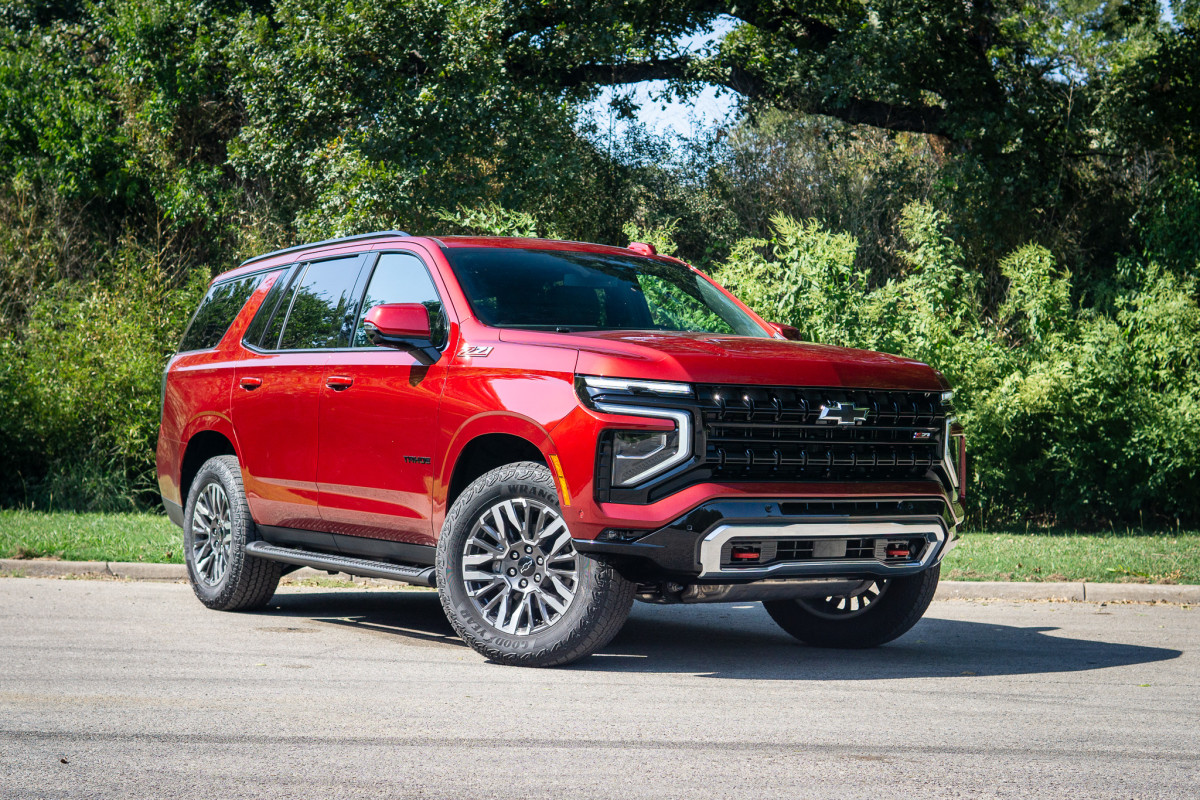
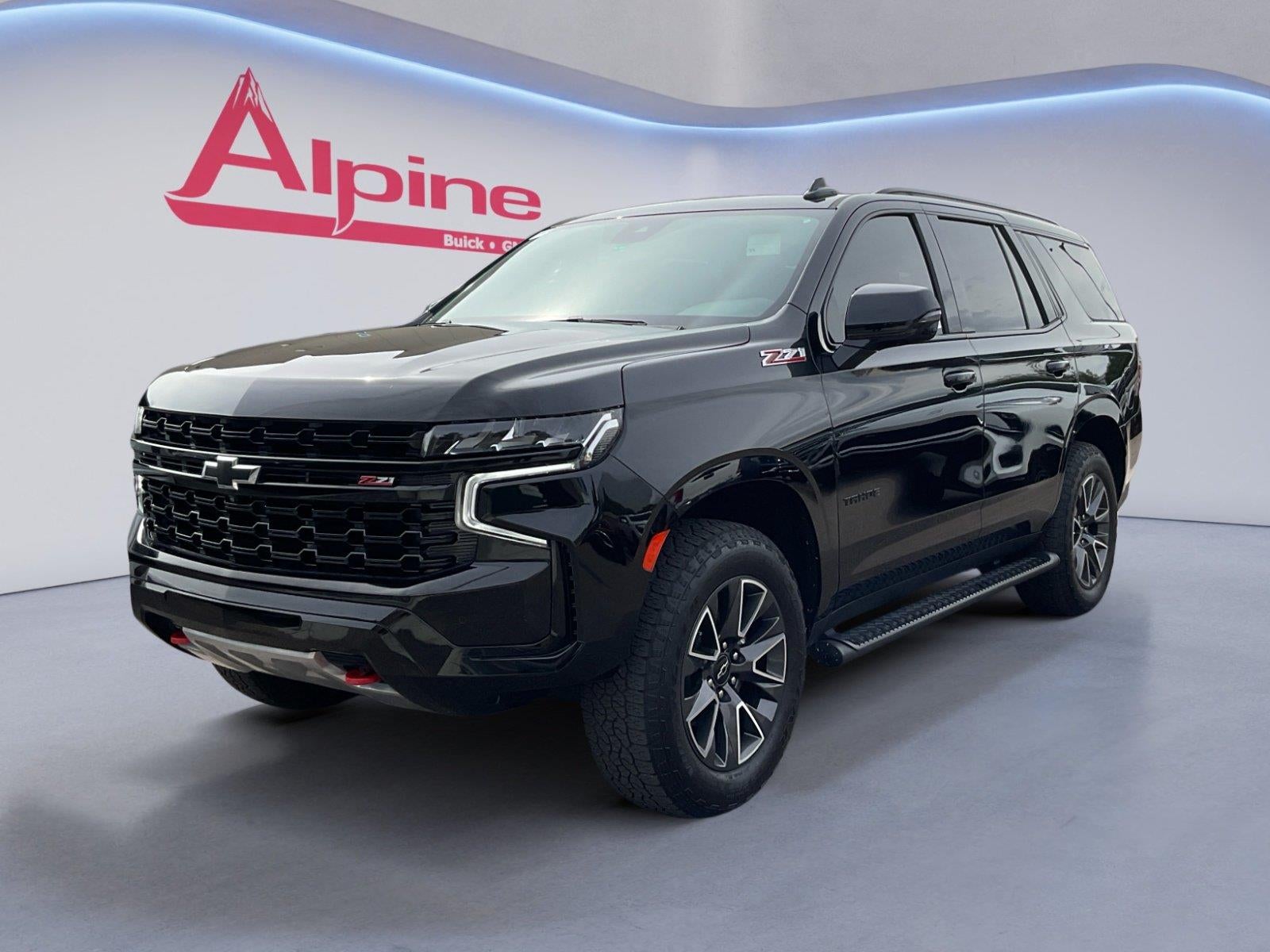
The Chevrolet Tahoe is the most affordable new diesel SUV on sale today. Despite that, the Tahoe’s diesel engine option isn’t exactly inexpensive, and can cost buyers a good chunk more than the SUV’s standard V8 gas engine.
Up-front pricing is more expensive than than that of gas models, but the Tahoe’s Duramax-branded 3.0-liter inline-six turbodiesel engine, paired exclusively with a 10-speed automatic transmission, could save you money over the long haul in fuel savings. The EPA rated the diesel 2026 Tahoe at 24 mpg combined in two-wheel-drive (2WD) form, an impressive number for a large SUV with three rows of seats and up to an 8,200-pound towing capacity. That also makes it more than 40% more efficient than the version with the standard gas V8 engine, which is rated at only 17 mpg when equipped with 2WD.
The Tahoe also has a strong suite of driver-assistance and safety features as standard. The LT trim level (the diesel engine isn’t available with the entry-level LS) includes the likes of enhanced automatic emergency braking, intersection automatic emergency braking, and front pedestrian and cyclist braking as standard. Also standard are heated front seats, a 17.7" touchscreen with Google compatibility, and Apple CarPlay and Android Auto, while GM’s Super Cruise hands-free driving function is available.
The CarGurus Verdict:"Although the Tahoe receives only mild mechanical updates for the 2025 model year, its interior takes a healthy step forward. Its primary competitors–the Ford Expedition and the Jeep Wagoneer–no longer look or feel significantly nicer. An upgraded diesel engine also helps separate the Tahoe from the field, offering impressive fuel economy (for a vehicle of this size) and excellent performance." - Matt Smith
CarGurus expert rating: 7.5 out of 10 CarGurus user rating: 4.5 out of 5 Percentage of Good and Great Deals available on CarGurus: 34.3% Overall CarGurus rating: 4.5 out of 5
Pros
Cons
Multiple powertrain options
Poor fuel economy
Powerful engine
Poor value for money
Plenty of cargo space
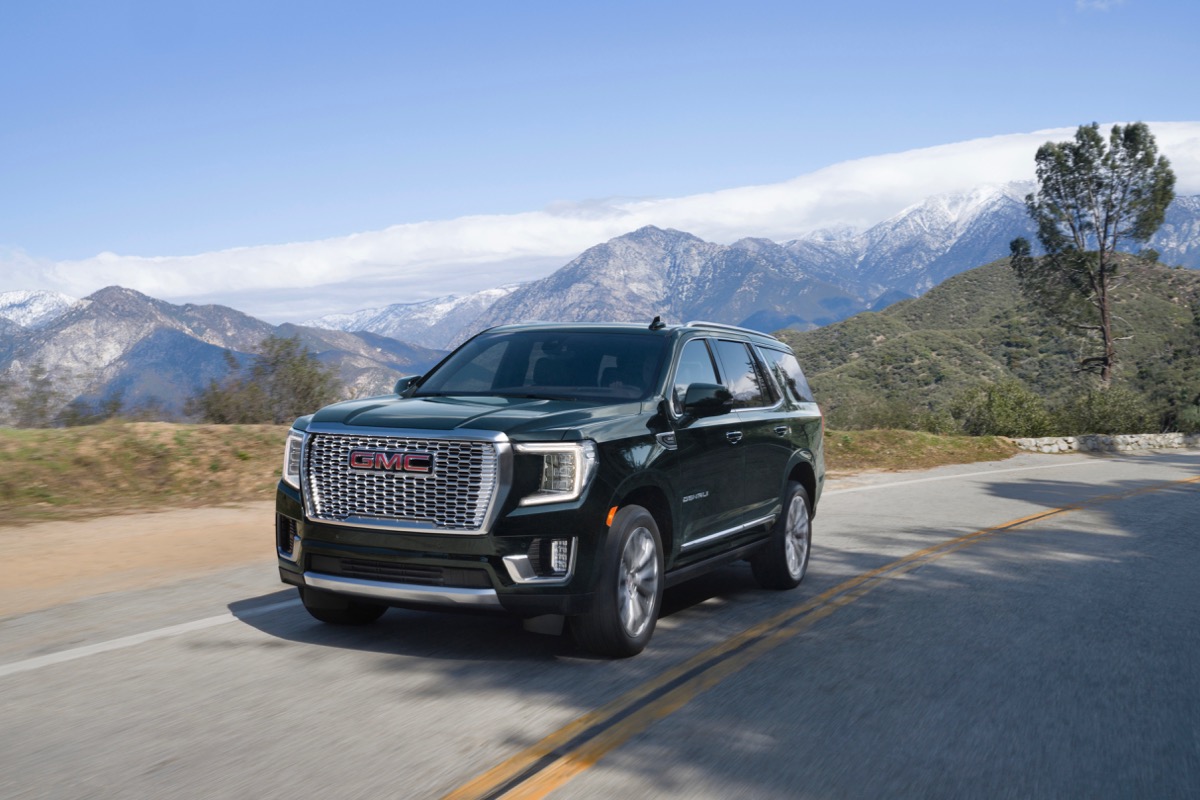
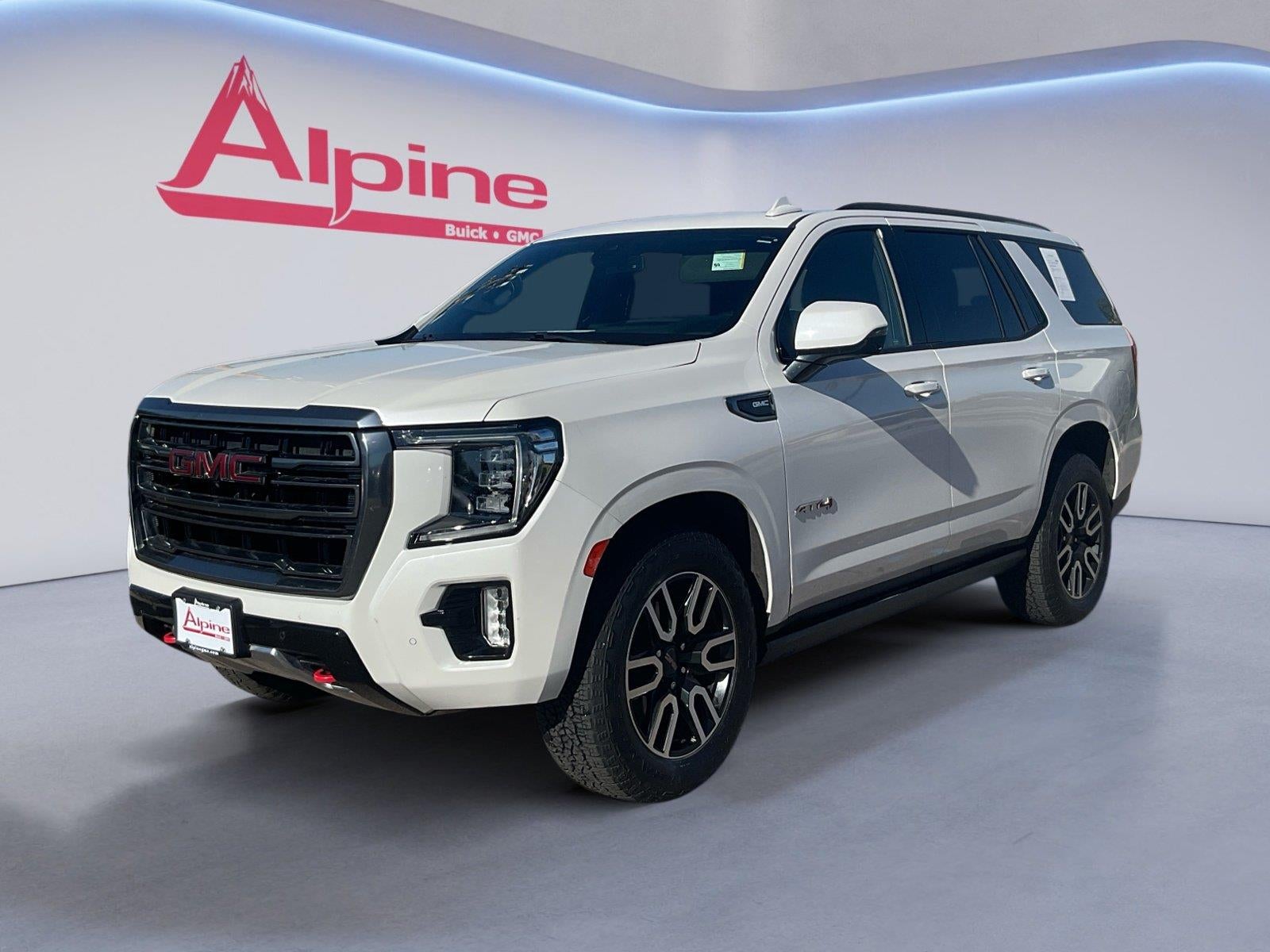
The Yukon is essentially GMC’s take on the Chevrolet Tahoe. Both SUVs use the same body-on-frame construction, and even the powertrains and drivetrains are identical. The GMC sports unique styling, though, both inside and out, and is available in five trim levels: Elevation, AT4, AT4 Ultimate, Denali, and Denali Ultimate. The exterior of the Yukon is a bit more expressive than the Tahoe's, and the interior of the GMC features a vertically oriented infotainment system while the Chevy’s is mounted horizontally. According to EPA ratings, the 2026 GMC Yukon with the available 3.0-liter turbodiesel and 2WD should return up to 23 mpg combined. That's a meaningful step up from the V8 models' 17 mpg combined, which is a big deal if your diesel SUV needs to handle long highway stretches, frequent towing, or heavy family-duty miles.
As a daily driver, the Yukon backs up its diesel-friendly mission with real-world usability: the last redesign increased third-row legroom and expanded cargo space behind the third row, helped by independent rear suspension for a smoother ride and better space efficiency.
The CarGurus Verdict:"Endowed with style and capability, the GMC Yukon is a popular choice among full-size SUVs." - Jeff Youngs
CarGurus expert rating: 8.2 out of 10 CarGurus user rating: 4.5 out of 5 Percentage of Good and Great Deals available on CarGurus: 35.4% Overall CarGurus rating: 4.4 out of 5
Pros
Cons
Excellent performance from the diesel engine
Ungainly size
Impressive technology
Expensive in every trim level
Massively useful cargo space
Skip the 24-inch wheels
The Suburban is the long-wheelbase version of the Tahoe, making it ideally suited for diesel lovers with big families. Even though it’s a larger vehicle, the Suburban is expected to return fuel economy similar to that of the Tahoe diesel. Its updated 3.0-liter Duramax now makes 305 hp and 495 lb-ft of torque, and it stays impressively quiet and smooth for daily driving. With an EPA-rated 21 mpg city, 27 highway, and 23 combined plus a standard 28-gallon tank, the diesel Suburban is set up for 700-plus miles of highway range, and it can still tow serious weight (up to 8,100 pounds with rear-wheel drive (RWD) and the available Max Trailering Package). It also brings minivan-rivaling cargo room to the diesel conversation, with 41.5 cubic feet behind the third row, 93.8 with the third row folded, and a max of 144.7 with all seats down.
The 2025 refresh upgraded everyday usability, too, because the cabin finally looks and feels as modern as the price suggests, led by a standard 17.7-inch touchscreen, an 11-inch driver display, and available 15-inch head-up display, plus wireless Apple CarPlay and Android Auto and Google Built-in. Driver-assistance tech is generous, with features like automatic emergency braking and a surround-view camera standard, though crash-test data for the 2025 model wasn't available at the time of review (the 2024 Suburban earned a four-star overall NHTSA rating). The tradeoffs are the same ones you'd expect in this class—size that can feel cumbersome in tight spaces and pricing that climbs quickly—and Chevy's available 24-inch wheels are best avoided if ride comfort matters.
The CarGurus Verdict:"Z71 shoppers will love the newly available 3.0-liter diesel, but the majority of shoppers are going to want a new 2025 Suburban because of its impressive 17.7-inch touchscreen display." - Matt Smith
The GMC Yukon XL is to the Yukon as the Suburban is to the Tahoe. So, if you prefer the Yukon's styling but need the extended third-row space of the Suburban, the GMC Yukon XL diesel is the full-size SUV to consider. The available Duramax 3.0-liter turbodiesel inline-six produces 305 horsepower and 495 pound-feet of torque — the highest torque figure in the Yukon XL's engine lineup—paired with a 10-speed automatic and a choice of rear- or four-wheel drive. Fuel economy comes in at an impressive 21 mpg city and 26 mpg highway for a full-size three-row SUV, and with the Yukon XL's 28-gallon tank, that translates to a diesel range of up to 644 miles on a single fill. Crucially, the diesel is available across every trim in the lineup, from the entry-level Elevation all the way up to the flagship Denali Ultimate — a flexibility that few full-size SUVs can match. GMC and Chevrolet are the only brands that offer a diesel engine in this class.
The Yukon XL earns its keep beyond the powertrain, too. The cabin is a well-judged step between the Chevy Suburban's straightforward approach and the Cadillac Escalade ESV's full luxury treatment, with an upholstered dashboard, elegant wood trim, and thoughtful touches like an optional power-sliding center console. It seats up to nine passengers and offers a cavernous 144.5 cubic feet of cargo space with all rear seats folded. A standard 16.8-inch touchscreen with wireless Apple CarPlay and Android Auto keeps tech feel current, and available features like Super Cruise hands-free driving, a surround-view camera, and GMC's ProGrade trailering system round out the package. For buyers who want full-size people-hauling capability and the long-haul efficiency of a diesel, the Yukon XL stands in a class essentially by itself.
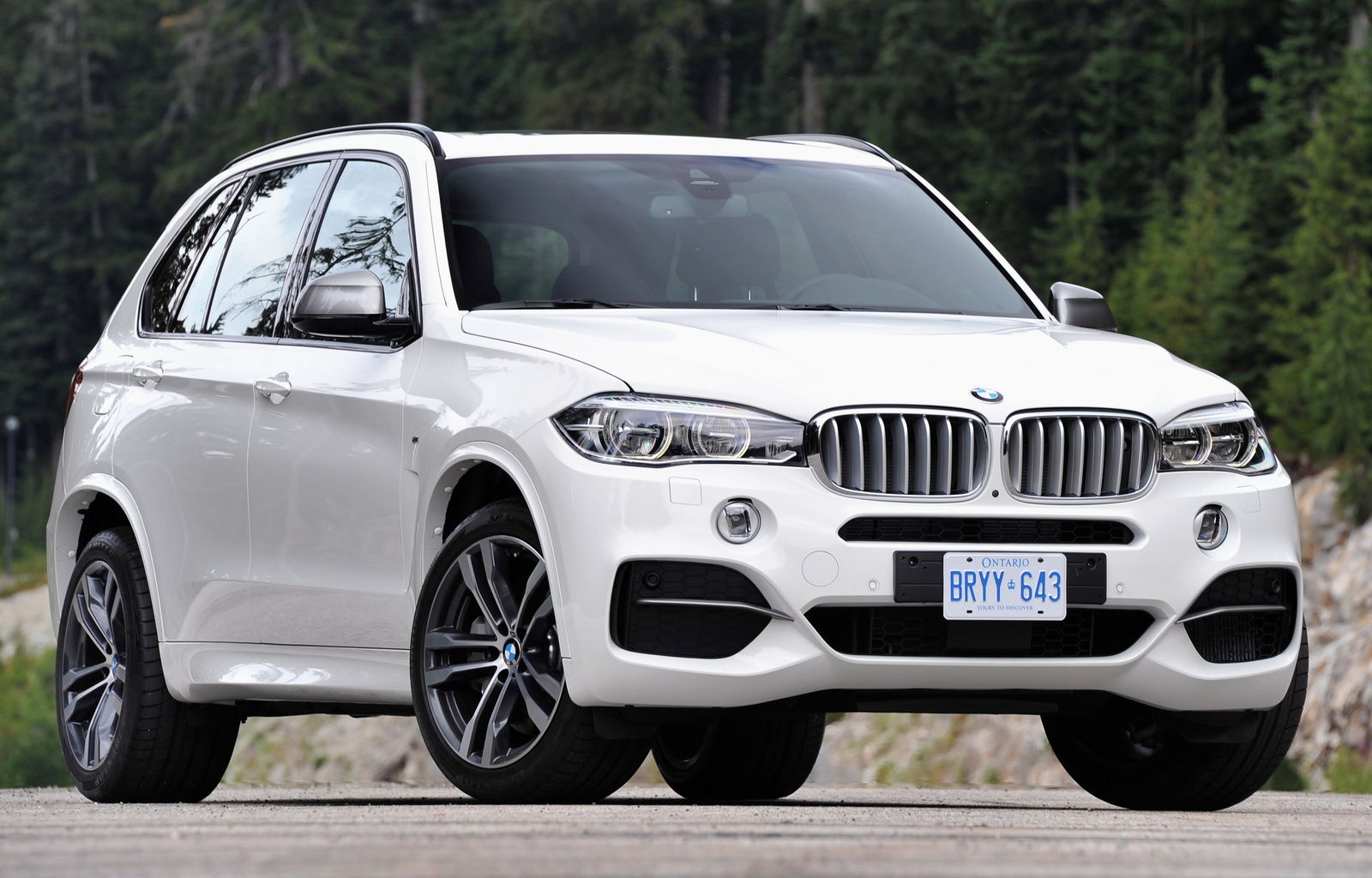
The X5 xDrive35d is the diesel variant of BMW's acclaimed midsize SUV. While earlier versions do exist, the generation sold between the 2014 and 2018 model years is the one we'd point used shoppers toward. These updated models brought sharper styling, a thoroughly revised interior, and a host of technology upgrades — including a crisp 10.2-inch infotainment screen.
Under the hood, the BMW X5 xDrive35d uses a 3.0-liter straight-six turbodiesel producing 255 horsepower and 413 lb-ft of torque. Every diesel X5 of this generation came paired with an eight-speed automatic transmission and standard all-wheel drive (AWD).
What makes the diesel X5 so compelling is how it blends the qualities BMW is best known for—a refined, well-appointed interior and genuinely engaging driving dynamics — with the practical benefits of a diesel engine. Despite its strong performance credentials, the xDrive35d still returns up to 27 mpg in mixed driving.
For anyone seeking the unusual combination of a diesel-powered convertible that doubles as a serious off-road machine, the Jeep Wrangler EcoDiesel is a uniquely capable choice. Introduced for the 2020 model year, the Wrangler EcoDiesel is powered by a 3.0-liter turbodiesel V6 — the same engine that made its Jeep debut in the Grand Cherokee EcoDiesel beginning in 2014 — paired with standard four-wheel drive. While other Wrangler variants were available with a manual gearbox, the EcoDiesel was limited to an eight-speed automatic transmission.
Rated at 260 horsepower and a robust 442 lb-ft of torque, the Wrangler EcoDiesel punches well above its weight in the efficiency department, delivering 25 mpg in combined city/highway driving — a remarkable figure given its boxy profile and off-road-ready hardware.
The Range Rover Td6 is arguably the most luxurious entry on this list, pairing classic British refinement with the effortless pull of a turbodiesel engine. Built on the standard Range Rover platform, the Td6 delivers the same handsomely proportioned exterior and lavishly appointed interior that the nameplate is celebrated for — just with an oil-burner under the bonnet.
That power comes from a 3.0-liter turbocharged diesel V6 generating 254 horsepower and 443 lb-ft of torque. Even with a sumptuous interior and standard 4WD to haul around, the Land Rover Range Rover Td6 manages an impressive 24 mpg in combined city and highway driving.
The Mazda CX-5 Diesel may be the hardest vehicle to track down on this list — it was offered for the 2019 model year only — but it's well worth the search. The CX-5 is a beautifully designed compact SUV, and its Skyactiv-D engine makes it one of the more intriguing diesel options in its class. The twin-turbocharged 2.2-liter inline-four generates an impressive 290 lb-ft of torque while returning up to 29 mpg on the combined cycle, making it both punchy and economical.
When the CX-5 diesel was new, its elevated price tag drew some criticism. Time and depreciation have since taken care of that concern, making it an increasingly attractive used buy.
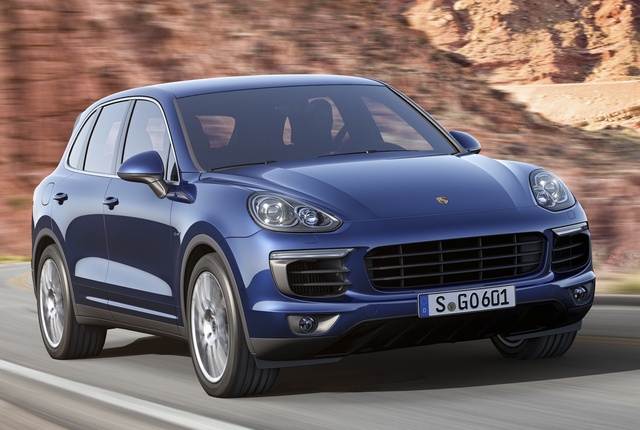
While it shares its underpinnings with the Volkswagen Touareg TDI, the Porsche Cayenne Diesel has been thoroughly tuned to deliver the sharp, dynamic handling that Porsche buyers expect. Its turbocharged 3.0-liter diesel engine, rated at 240 horsepower and 406 lb-ft of torque, also delivers the kind of brisk straight-line performance that's synonymous with the brand.
There is a trade-off, however. With a combined fuel economy rating of 23 mpg, the Cayenne Diesel is the least fuel-efficient diesel SUV on this list — a worthwhile consideration for efficiency-focused shoppers.
The Mercedes-Benz GLK BlueTec Diesel is a compact luxury SUV that was sold in the U.S. through the 2015 model year. Derived from the well-regarded GLK350, the GLK250 replaced that model's gasoline 3.5-liter V6 with a 2.1-liter inline-four turbodiesel. Despite losing two cylinders compared to the gas variant, the diesel actually produced considerably more torque: 369 lb-ft versus 273 lb-ft. All of that low-end muscle doesn't come at the expense of efficiency, either — the GLK250 BlueTec returns a commendable 27 mpg in combined city/highway driving.
Why choose a diesel engine? What are the main advantages of a diesel SUV?
Diesel SUVs are best known for two things: towing power and fuel efficiency. Their engines produce high torque at low RPMs, which is excellent for pulling heavy trailers. They also typically get better highway fuel economy than comparable gasoline SUVs, giving them a longer driving range, which is great for road trips.
Which diesel SUV has the most cargo space?
The Chevrolet Suburban is the leader for cargo capacity. It offers a massive 41.5 cubic feet of space behind the third row, which expands to 144.7 cubic feet with all the rear seats folded down. This makes it a top choice for large families or anyone who needs to haul a lot of gear.
Are modern diesel SUVs loud and unrefined?
No, modern diesel engines have improved significantly. The 3.0-liter Duramax engine found in the 2025 Chevrolet Tahoe and Suburban is designed to be quiet and smooth for daily driving, avoiding the loud clatter often associated with older diesel vehicles.
Is the technology in new diesel SUVs up-to-date?
Yes, manufacturers have made big strides in tech. For example, the 2025 Chevrolet Tahoe and Suburban come standard with a large 17.7-inch touchscreen, an 11-inch digital driver display, and Google Built-in, making them feel as modern as any of their gasoline-powered competitors.
Maintenance Tips for Diesel SUVs
Although they burn different fuels, basic diesel engine maintenance largely mirrors that of a gas engine: routine oil changes, keeping up on air filter replacements, etc. But there are a few unique considerations for diesel engines.
Fuel Filter Replacements: Generally speaking, fuel filters in diesel vehicles have to be changed more frequently than those installed in gas-burning vehicles. The exact intervals will depend on the car, but you should change the fuel filter in a diesel roughly every 30,000 miles, whereas that schedule in a gas vehicle can be anywhere between 50,000 miles and the life of the car.
Refilling Diesel Exhaust Fluid: Many diesel vehicles also require diesel exhaust fluid or DEF for short. An integral part of a diesel vehicle emissions system, DEF helps clean up tailpipe gases through a chemical reaction that turns harmful nitrogen oxide gases into harmless nitrogen and water, reducing emissions by up to 90%. DEF is stored in a dedicated tank and needs to be refilled approximately once every three or four fuel fill-ups. If you run out of DEF, your vehicle might automatically immobilize until the tank is refilled.
What Makes CarGurus Best Cars Guides Different?
Most car-shopping websites publish lists of the best cars across a variety of categories, with recommendations generally driven by editorial expertise. Here's what makes ours different: In addition to the insights and verdicts of our team of car-testing experts, our best cars guides take into account other factors that we know matter to buyers-real owner experiences and current market value.
Our expert reviewers are among this country's most trusted automotive journalists, also writing for publications including US News and World Report, Edmunds, Digital Trends, J.D. Power, and Car & Driver. They put each car through real-world testing and create detailed reviews of performance in a range of categories, from practicality and driving manners to cost-effectiveness and safety.
We also analyze hundreds of thousands of used car listings on CarGurus.com to track which models consistently offer the highest percentage of best deals relative to how many are listed for sale. Then we factor in reviews from owners-people who actually live with these cars every day. Our proprietary Best Cars algorithm then creates a final Overall CarGurus rating combining expert scores, user reviews, and the percentage of listings that have earned the Good or Great Deal rating. This multi-pronged approach reveals not just which cars excel on paper, but which ones deliver satisfaction and value when you're ready to buy.
The CarGurus market data used in this guide was last updated in March 2026. Values were accurate at time of publication and should be used as a guide only.
Drew has been a professional automotive enthusiast since 2007, featured on several nationally-recognized sites. He attended Miami University, where he earned a business degree. He is a self-proclaimed car nut at heart.
The content above is for informational purposes only and should be independently verified. Please see our Terms of Use for more details.