It can be alarming to press on the brake pedal and hear brake squeal, as worn or malfunctioning brakes can become a serious safety issue. But there are many reasons why you may have squeaking brakes. Here, we’ll explain the most common causes for squealing brakes as well as how to troubleshoot the problem.
What to Do About Your Car's Squeaky Brakes
- Common Reasons for Squeaky Brake Pads, Rotors, and Calipers
- Tips to Reduce Noise and Brake-Rotor Squealing
- Signs of More Serious Brake Problems Beyond Mere Squeaking
- When to Call Your Mechanic

Common Reasons for Squeaky Brake Pads, Rotors, and Calipers
Car brakes can make a squeaking sound for several reasons:
1. Worn brake pads
Brake pads come with wear indicators — small metal tabs that produce noise when the friction material is nearly gone. If you hear a consistent squeak when braking, you may need a brake service. A visual brake check should be a part of a regular maintenance schedule to keep your car in good shape.
2. Brake pad material
Some brake pads are noisier than others based solely on their composition. Metal compound brake pads (aka as metallic or semi-metallic brake pads) tend to make a squealing sound when new. This is normal, and it should go away once you wear past the first layer of brake material.
3. Rust buildup
A thin layer of rust can form on the disc brakes if the car is left to sit for a while, particularly in a humid place. When you go to drive the car again, you may hear a brief grinding noise. This should disappear (along with much of the rust) after a few applications of the brakes.
4. Caliper problems
The brake caliper applies pressure to the brake pads, which in turn press against the rotor to slow its rotation. If this component seizes up, it can cause the pad to drag on the rotor and make noise even when you’re not pressing the brake pedal.
5. Lack of lubrication on brake components
Metal-on-metal contact points need proper lubrication. Without it, these parts can stick or rub together, causing an unpleasant noise.
6. Brake-rotor issues
When the rotors are warped, uneven, or grooved, the brake pads cannot grip them properly, leading to vibrations and noise.
7. Debris and dust
If dirt particles get between the rotor and pad, it can cause a squeaking noise. You may be able to resolve this simply by driving, as the friction between the rotor and pad could be enough to remove the debris. Alternatively, you can clean the brakes with a solution or sand the surface of the pads and rotors.

Tips to Reduce Noise and Brake-Rotor Squealing
Here are some straightforward techniques to reduce brake noise:
1. Regular cleaning
Regularly cleaning your brakes can prevent noise-creating debris buildup. Brake cleaner sprays are easy to apply and remove dust, dirt, and grime from rotors and pads.
2. Use a lubricant
You can Use a purpose-made lubricant on the contact points of the braking system (i.e., where two moving metal parts meet). You’ll want to apply a thin layer of brake lube to the caliper bushings and slide pins, the abutment clips, the edges of the mounting tabs, and possibly the backing plate of the caliper pad. Be careful not to get any of the lube on the pad friction material or rotors, as it can reduce the effectiveness of the brakes. It’s also important to use the proper lubricant, as not all oils will be able to withstand the heat generated by the brakes and could drip off onto other components.
3. Replace your rotors
As noted above, warped rotors are a common cause of squeaky brakes. You can have rotors resurfaced, but the easier fix is to replace them with new rotors.
4. Look for low-noise pads
When shopping for new pads, look for ones marketed as low noise, and avoid those with a high metal content, as these tend to be noisy. Also, if you buy the pads in a kit, use the new clips and other hardware, rather than keeping the old stuff, as they should ensure a tight fit.
5. Make sure you 'bed-in' new brakes
After installing new brake pads or rotors, follow the manufacturer’s break-in (or “bedding”) procedure, which usually involves light pressure and gradual stops for a number of miles. If the components don’t seat properly now, they’re liable to squeak later.

Signs of More Serious Brake Problems Beyond Mere Squeaking
Squeaky brakes are not the only indication of issues with the braking system. If you hear a consistent grinding sound when pressing the brake pedal — especially if it’s accompanied by a burning smell — it likely means the brake pads have no friction material left, and the metal backing plate of the pad is making contact with the rotor. This requires immediate attention.
Similarly, if the brake pedal feels spongy or soft then pull over because your braking system may not respond as you expect it to. You might be dealing with air in the brake line, a fluid leak, or another serious issue.
And of course, if the brake warning light shows up on the dashboard don’t ignore it. It could mean there’s a problem with brake fluid levels, wear sensors, or other critical components.
When to Call Your Mechanic
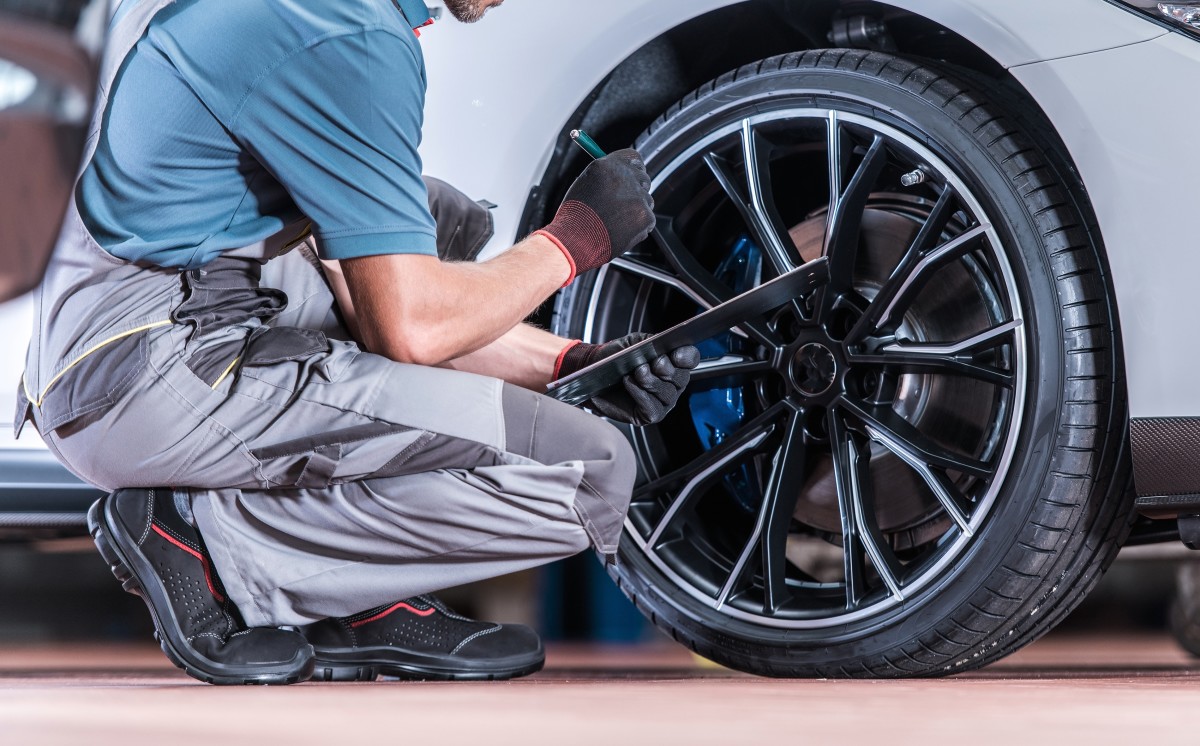
Athough there's lots of basic car maintenance you can do yourself, other jobs should be left to professionals. Cleaning your car's brakes is a simple task that you can do when washing your car. Simply apply the product as directed, brush the surfaces, and rinse. Lubricating components is a little more challenging, as you need to be careful about where you put the grease. Replacing rotors and pads is also doable at home, but if you have any qualms about jacking up your car and swapping on vital components, it’s best to leave this up to a professional at a dealership or repair shop.
Also, if you’re experiencing any of the aforementioned serious brake problems (i.e., consistently screeching brakes, a burning smell, a brake light on the dash, or a soft pedal), get a mechanic’s opinion ASAP. They should be able to diagnose the issue accurately and perform necessary repairs, ensuring your brakes remain safe and effective.