
These Are the Best Used EVs You Can Buy Today
If you’re EV curious but don’t have a lot of extra cash, you might be thinking about a used EV—especially since up to $4,000 in EV tax credits can be applied to used EVs until September 30, 2025.
Reliability, battery life, car prices, and warranty considerations all play a big role in our top picks. Thankfully, a lot of the restrictions placed on new EVs to get the federal tax credits (such as final assembly and battery sourcing) don’t apply to used EVs.
However, the contract price does need to be less than $25,000, and the model year needs to be at least two years less than the current automotive calendar year—so 2022 if you’re buying in 2024 or 2023 if you’re buying in 2025.
Once upon a time, your only used EV options were the Nissan Leaf or something from Tesla, but in the last couple of years, the floodgates have opened for brand new EVs, and there are now a lot of great used options that have already been through the worst of their depreciation. These are our top picks:
Hyundai Kona Electric
Tesla Model 3
Polestar 2
Volkswagen ID.4
Chevrolet Bolt EUV
Kia EV6
Volvo XC40 Recharge
Ford Mustang Mach-E
Nissan Leaf Plus
BMW i3

Hyundai Kona Electric
Model Years: 2021 - 2023
__Average price: $19,000
Range: 258 miles
This first-generation Hyundai Kona Electric shares a lot of design cues with the standard gas Kona but is distinguished by the closed off-grille and some other aerodynamic features.
On the inside, it offers either an eight- or 10.25-inch infotainment screen and some tactilely pleasing materials. The base infotainment system offers wireless Apple CarPlay and Android Auto, but it’s wired in for the up-level system with the larger screen.
This five-seat, compact crossover delivers up to 201 horsepower and 291 pound-feet of torque from its 64.8 kWh battery (it’s also available with a smaller and cheaper 48.6 kWh battery), which makes it pretty peppy for this price point. This vehicle supports DC fast charging with CCS (Combined Charting System) chargers and can get up to 80% of a charge in 54 minutes at 100 kW.
The Kia Niro EV is also worth considering, as shares many of its components with the Kona.

Tesla Model 3
Model Years: 2020
Average price: $22,000
Range: 263 miles
Even though this is one of the older models we recommend, used Teslas—even the bigger Model X SUV—are fairly timeless since they’ve had few significant design changes from year to year.
This five-seat, compact sedan has a minimalist interior punctuated by a 15-inch touchscreen, but it doesn't offer Apple CarPlay or Android Auto and instead utilizes a unique Tesla operating system.
When buying second-hand, to get the best price, you’ll want to seek out the Standard Range models. Long Range versions are pricier, although they’re more practical.
The Tesla Model 3 has standard heated seats, Autopilot, and optional Full Self Driving capability.
Over-the-air updates help with continual improvement, and access to Tesla’s 17,000-strong Supercharger network with NACS chargers (North American Charging Standard) is a huge plus. It is capable of up to 250 kW charging and can go from 10% to 80% in 25 minutes.
Polestar 2
Model Years: 2021 – 2022
Average price: $26,000
Range: 233 - 270 miles
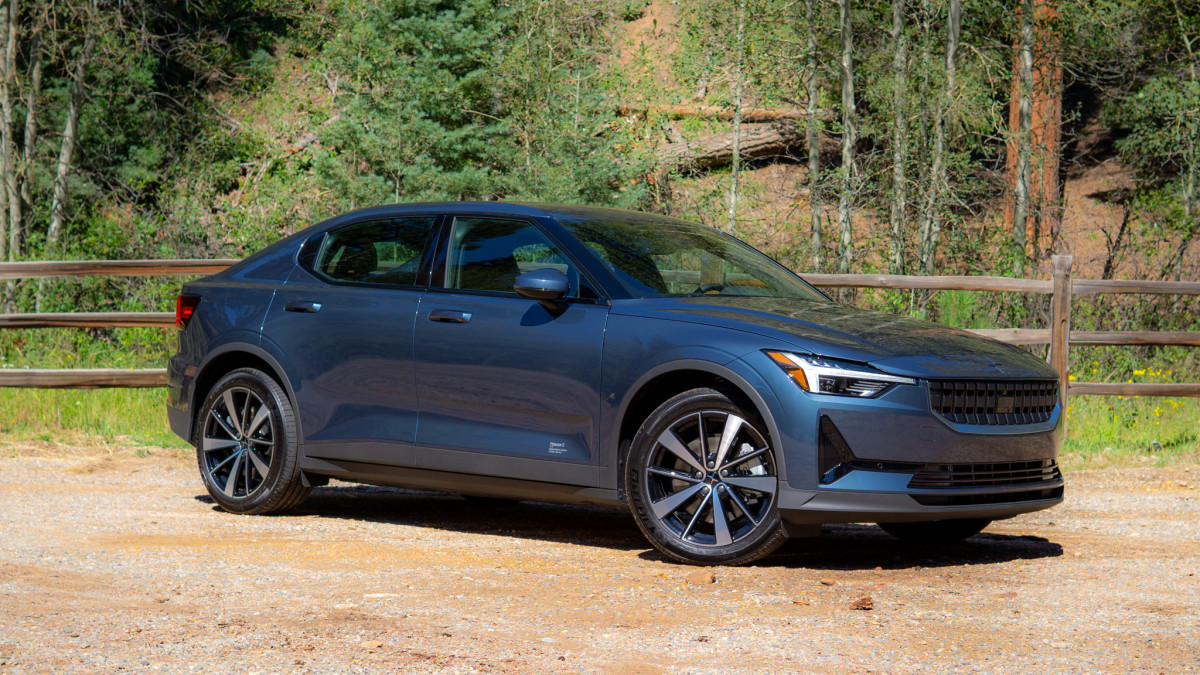
Built on Volvo architecture, the five-seat Polestar 2 was one of the first vehicles equipped with Google’s Android operating system. It did not offer Apple CarPlay at launch, but it was available with new cars built for the 2022 model year after an over-the-air update. This compact hatch has a fastback design and is squarely positioned as a competitor to the Tesla Model 3. The interior has a Scandinavian minimalist design with a nice attention to detail and a standard vegan interior. It supports DC fast charging on CCS chargers at up to 150 kW charging capability, and it can go from 0 to 80% in about 40 minutes.

Volkswagen ID.4
Model Years: 2021 – 2022
Average price: $22,000
Range: 240 – 275 miles
The Volkswagen ID.4 is a compact five-seat SUV with some quirky interior features, like ‘pause’ and ‘play’ icons on the brake and accelerator pedals, respectively. This model has a more minimalist exterior design and adopts Volkswagen’s new infotainment system, which has standard wireless Apple CarPlay and Android Auto, and puts a lot of the vehicle’s controls, including HVAC, into the touchscreen.
This crossover comes with either rear- or all-wheel drive, and the range is dependent on the drivetrain. It supports DC fast charging with CSS chargers at a 125 kW charging speed and can go from 10% to 80% in about 38 minutes. If you’re after something a little more premium within the Volkswagen Group family, then check out Audi’s e-tron range.

Chevrolet Bolt EUV
Model Years: 2022
Average price: $21,000
Range: 259 miles
The Chevrolet Bolt EUV (electric utility vehicle) is a five-seat, compact crossover based on the Bolt EV hatchback. It offers more cargo space and the same clean interior. What makes this version particularly interesting is the relatively low price combined with some excellent available technology, including General Motors’ Super Cruise hands-free highway driving system (it also offers an available sunroof, which the Bolt EV does not).
The one downside here is that while it is equipped with a DC fast-charge port, the max charging speed is 55 kW. So, while you can charge at home via a Level 2 charger in seven hours, it’ll only add 95 miles of range in 30 minutes at a DC fast charger with CCS chargers.
Kia EV6
Model Years: 2022
Average price: $26,000
Range: 232 miles
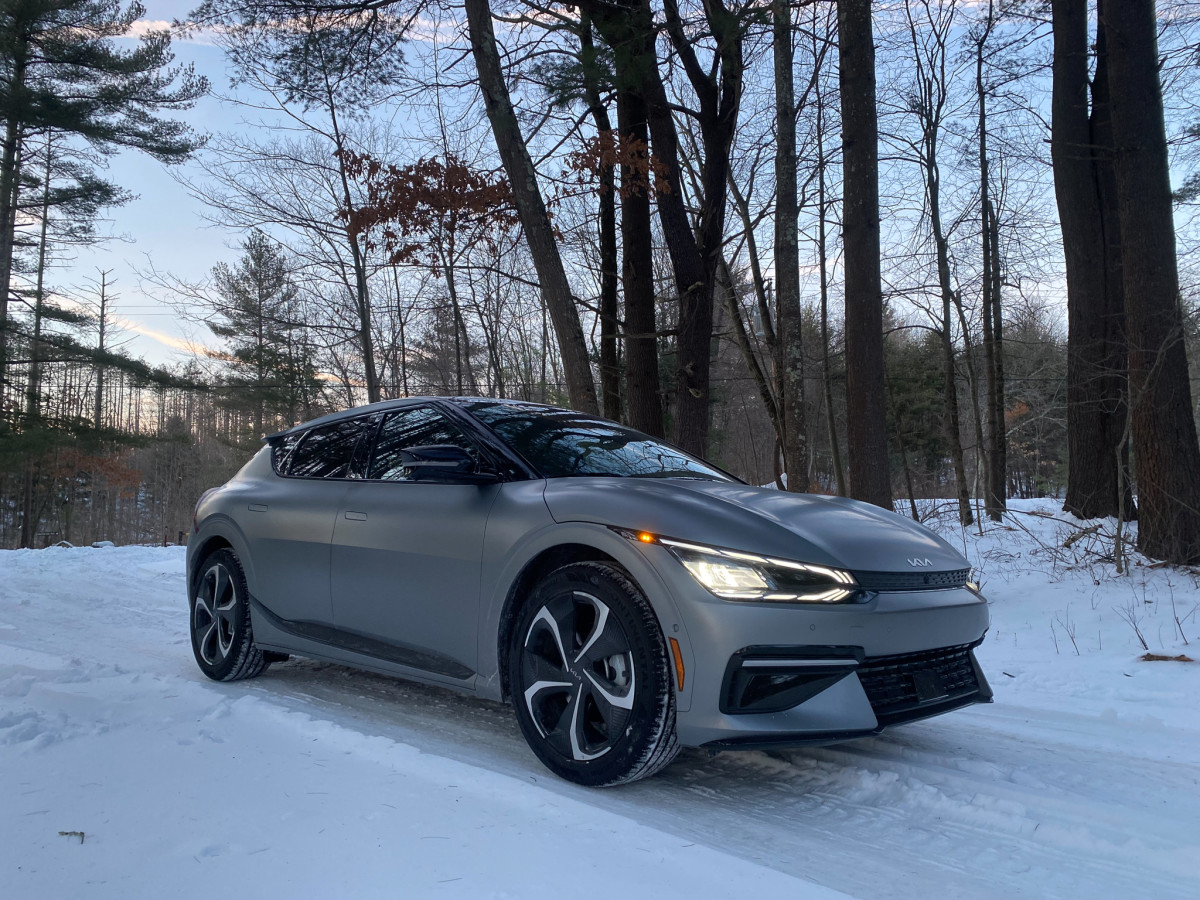
While this isn’t the first electric vehicle from Kia (that was the Kia Soul EV), it’s the first one built on the Hyundai Electric Global Modular Platform (E-GMP) and is a close cousin of the Hyundai Ioniq 5.
While this isn’t the first electric vehicle from Kia (that was the Kia Soul EV), it’s the first one built on the Hyundai Electric Global Modular Platform (E-GMP) and is a close cousin of the Hyundai Ioniq 5.
To keep the price under $25,000, you’ll need to look at the base rear-wheel-drive Light trim. This compact five-seat crossover comes with a lot of up-level features, including a curved panoramic digital display, eco-friendly materials, and adaptive cruise control. It has a slick, futuristic design inside and out and generally looks more upscale than it is. What’s more, it has a 180 kW charging speed and can go from 0 to 80% in 18 minutes with CCS chargers at a fast-charge station.
Volvo XC40 Recharge
Model Years: 2021 – 2022
Average price: $30,000
Range: 208 – 233 miles
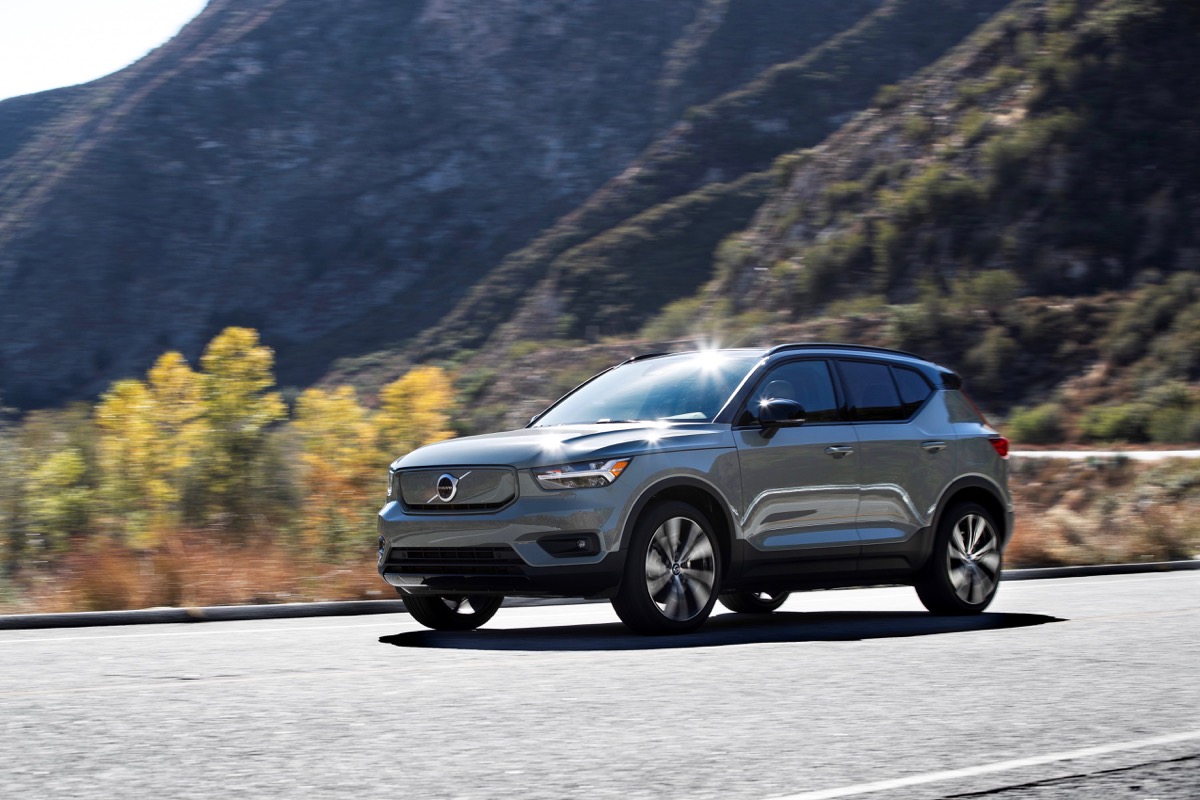
One of the things that always impresses about a Volvo is the attention to detail, even in the lower-end models. This five-seat, all-electric compact luxury crossover is based on the gas-powered XC40 and adopts that model’s minimalist design, super comfy seats, and up-level safety features.
For these model years, the Volvo XC40 Recharge is standard with a dual-motor and all-wheel drive. Plus, it delivers 402 horsepower and 486 pound-feet of torque, which makes it fast and fun to drive. It has charging speeds up to 150 kW and can go from 0 to 80% charge in about 40 minutes with CCS chargers at a fast-charge station.

Ford Mustang Mach-E
Model Years: 2021
Average price: $27,000
Range: 211 – 230 miles
When the Ford Mustang Mach-E burst on the scene as a 2021 model, it was amid the controversy of calling an electric SUV “Mustang.” However, the fun-to-drive EV has won over fans and is a more budget-friendly competitor to the Tesla Model Y.
To keep this model less than $25,000, you’ll want to look at the standard range battery, but there should be both rear- and all-wheel-drive models that fit the bill. The five-seat Mach-E comes standard with a 15-inch infotainment screen and a much smaller behind-the-wheel gauge cluster. The interior is starkly minimalist but has some nice stitching accents.
The Mach E is also packed with cool tech, like the ability to use your phone as a key and Ford’s Blue Cruise hands-free highway driving system. The Mach-E charging speeds up to 150 kW and can go from 10% to 80% charge in about 45 minutes when using a CCS DC fast-charge station.
Nissan Leaf Plus
Model Years: 2022
Average price: $14,000
Range: 215 – 226 miles
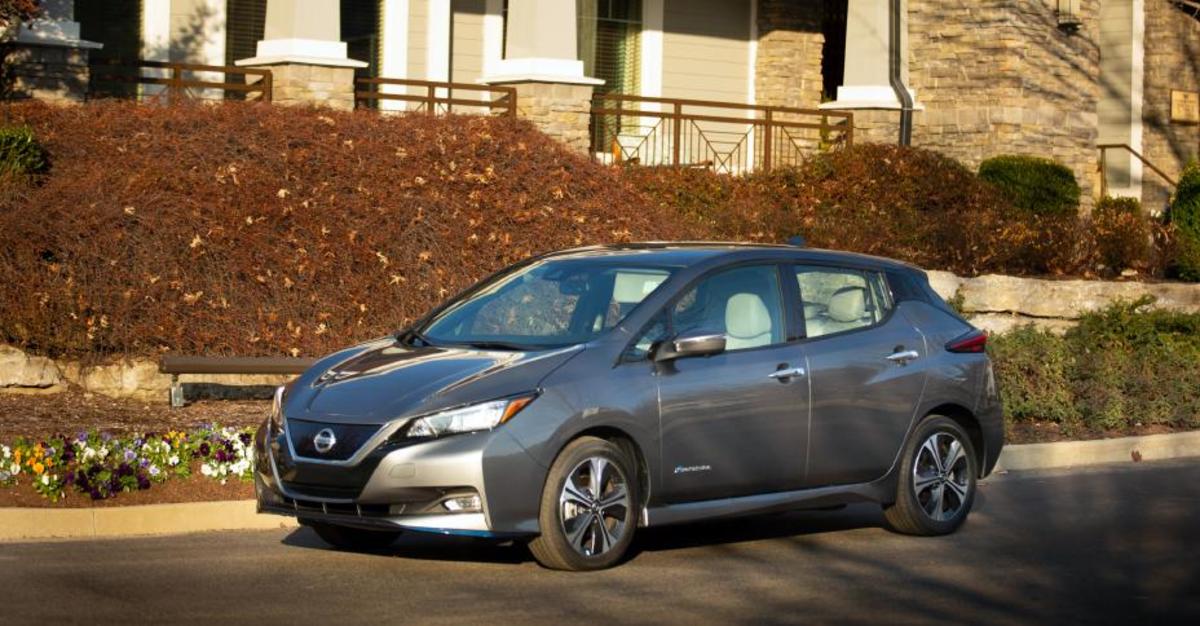
The Nissan Leaf is one of the original electric vehicles. The weird-looking five-seat hatchback was originally intended to be a low-mileage commuter car in a household with more than one vehicle. Recognizing that range anxiety was real, Nissan added the Plus with 200+ miles of range, which is better but still not always competitive.
However, the Nissan Leaf is in its second generation and is a known quantity, whereas every other vehicle on this list is still “new” comparatively speaking. Leveling up to SV or SL trims brings nicer amenities like heated seats, premium audio, leather seats, additional safety tech, and an available 360-degree camera.
One thing you need to keep in mind, however, is the Nissan Leaf Plus uses the antiquated CHAdeMO charging network, which is rare at fast-charge stations. It charges at speeds up to 100 kW and can get to 80% of a charge in 45 minutes.
BMW i3
Model Years: 2021
Average price: n/a
Range: 153
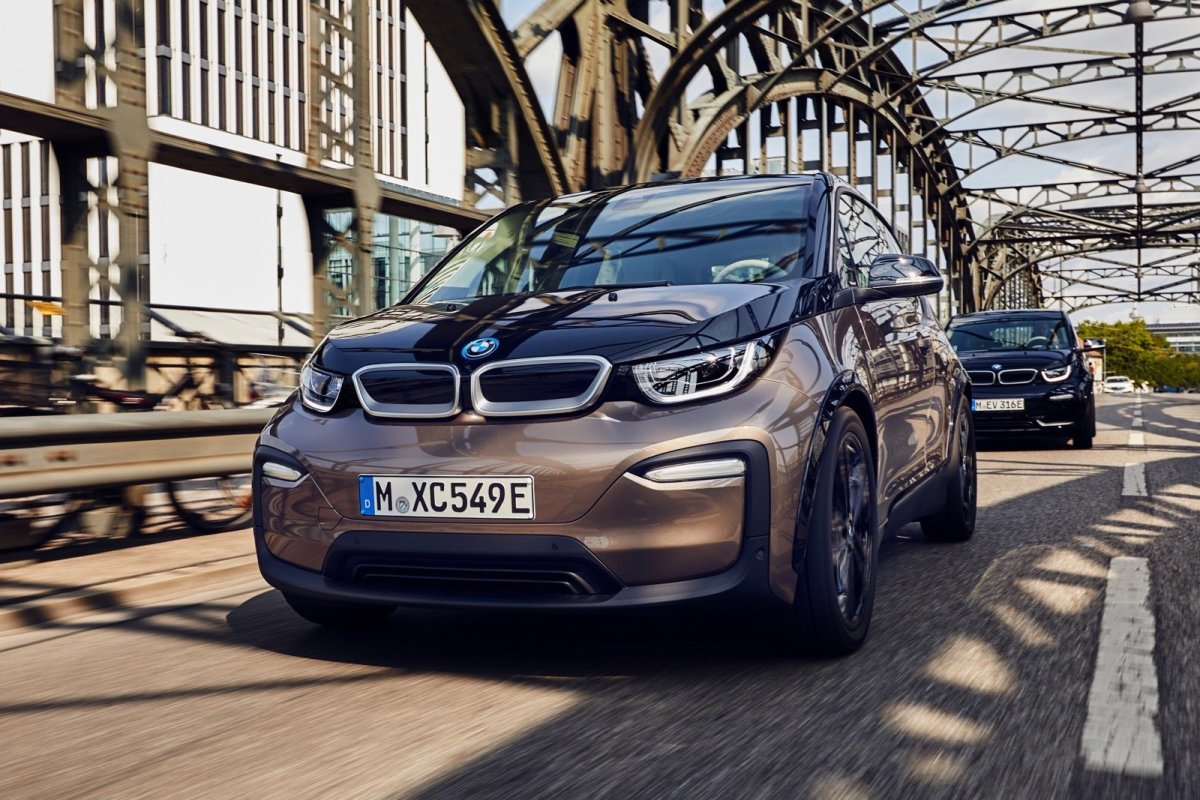
The four-seat BMW i3 is a great city-sized hatchback with an unusual design and odd rear-hinged back doors. Though this has less range than every other EV on this list, it’s still worth a mention on the list because of the price, higher seating position, great visibility out the windows, parkable proportions, up-level features, and sporty driving dynamics.
Plus, it does offer a gas-powered range extender powertrain that brings the range up to 200 miles and eliminates some of the range anxiety. This is not to be confused with a plug-in hybrid (PHEV) but an extended-range electric vehicle (EREV). The gas tank is only 2.4 gallons, and the vehicle does require premium fuel.
Both the EV and EREV can use CCS DC fast chargers to get some juice with a max charge rate of up to 50 kW, so it’ll take 40 minutes to go from 0 to 80% charge.
Factors to Consider When Buying a Used Electric Car
Battery Life and Range: Before buying a used electric vehicle, you really need to consider how you’re going to use the vehicle. Is it a commuter car? Will you only use it to run errands? Is it a second car? Is it your only car?
All of these things will affect your car-buying process. If it’s a second car, you can get away with a lot less range, especially if you’re bringing it home to plug in every night. If it’s your only car, you’re going to want more range access to a reliable charging network.
Battery life is another big consideration, and that’s one of the reasons we recommend newer used EVs. You will want to see what the vehicle's range is when it’s charged to 100%, then compare it to the original EPA range estimates.
This will give you a good idea of what’s left. No one should expect a used EV to have a perfect battery report, but it would be unusual if it were more than three-quarters less than the original estimates.
Charging Infrastructure: You’ll want to get very familiar with the charging network in your area or on your anticipated drive routes. Download an app like PlugShare, which will allow you to filter for the type of charging network you will need (CCS, CHAdeMO, or NACS), and then you can see which public chargers are nearby.
If you plan on taking road trips, you’ll want to check out our guide on road-tripping in an EV.
Some sites we recommend will let you enter not only where you’re going but also your vehicle, charge port type and model year, so the site has an idea of your range and the kind of charger you will need, which chargers are along your route, and how long you’ll have to be there to get enough charge to continue.
Maintenance and Repair Costs: While routine maintenance of an electric vehicle tends to be less than that of a gas car because you won’t have to do things like oil changes or replace spark plugs, there are still things that will need to be repaired or replaced on an EV. Think tires and battery packs.
Because EVs are heavier, tires need to be replaced every 30,000 miles or so—that’s in contrast to about 50,000 miles on a comparable gas vehicle. As far as battery packs and EV battery components are concerned, most automakers cover at least eight years or 100,000 miles — though some states, like California, require more coverage. You’ll want to look at your local laws as well as the manufacturer’s warranty to verify how much coverage remains on the vehicle.
Once you’ve decided which EV you’re going to buy, it might also be helpful to log on to a forum for that specific vehicle to see what current owners are saying about it. You’ll get a good gauge of items needing maintenance as well as what the repair costs might be.
Other common repairs on EVs include regenerative brake failure, bad battery cables, and operating system issues, so you’ll want to ask specific questions about these items when looking at used EVs.
Tips for Buying a Reliable Used Electric Car
Thoroughly Inspecting the Battery Health: In addition to doing your own check of what the vehicle’s range is when charged at 100% versus what the original range is supposed to be, ask the dealer to use their own diagnostic tools to measure individual cell voltages, current, and temperature to provide a detailed assessment of battery health.
Checking Vehicle History and Service Records: When buying any used vehicle, you need to check the vehicle history and service records. If it’s a vehicle that has just come off lease, the dealer might be able to provide you printouts of all the services done through that dealer.
But you need to do your own VIN check using a service like CarFax, which will give you accident data, service history, ownership history, and type of use. Some dealerships will provide this for you. But if you’re buying from a private seller, you will need to purchase your own report.
Getting a Professional Inspection: A used vehicle is a used vehicle, and even if the dealership or previous owner says they only drove it to church and back, you still need to have a used model professionally and independently inspected by someone you trust before you sign the paperwork.
If it sat in a driveway or under a tree for two years, it would have low mileage but could have problems with corroding parts or rodents who took up refuge in the parked car. Trust but verify. If anyone objects to an outside professional inspection, that could be a red flag.