Are you considering adding a second vehicle to your household? You’re not alone. In the U.S., 59% of households own more than one car, with 37% having a second vehicle and an additional 22% owning three or more.
Whether your family needs more flexibility, your commuting situation has changed, or you're simply ready to take a break from public transportation or Uber, having a second car can make life more convenient.
- Do You Need a Second Car?
- Factors to Consider When Buying a Second Car
- Is It Cheaper to Have Two Cars on Insurance?
- What is the 20/4/10 Rule for Buying a Car?
Do You Need a Second Car?
Begin by assessing your current car situation. While having a second car can provide valuable flexibility and convenience, it also comes with additional costs and maintenance responsibilities. It may be time to consider another car if:
- You’ve taken a new job with a longer daily commute
- Your partner is returning to work
- A teen driver needs their own transportation
- Your family schedule includes frequent errands, after-school activities, or road trips
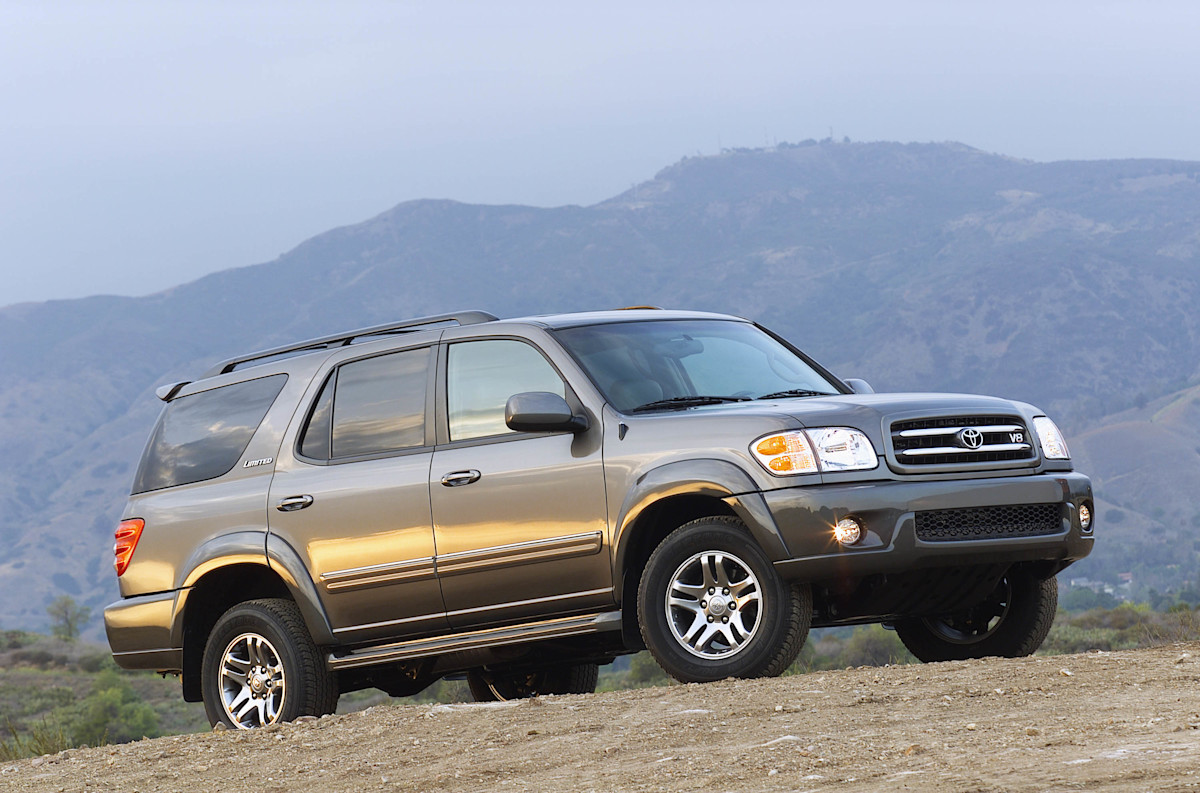
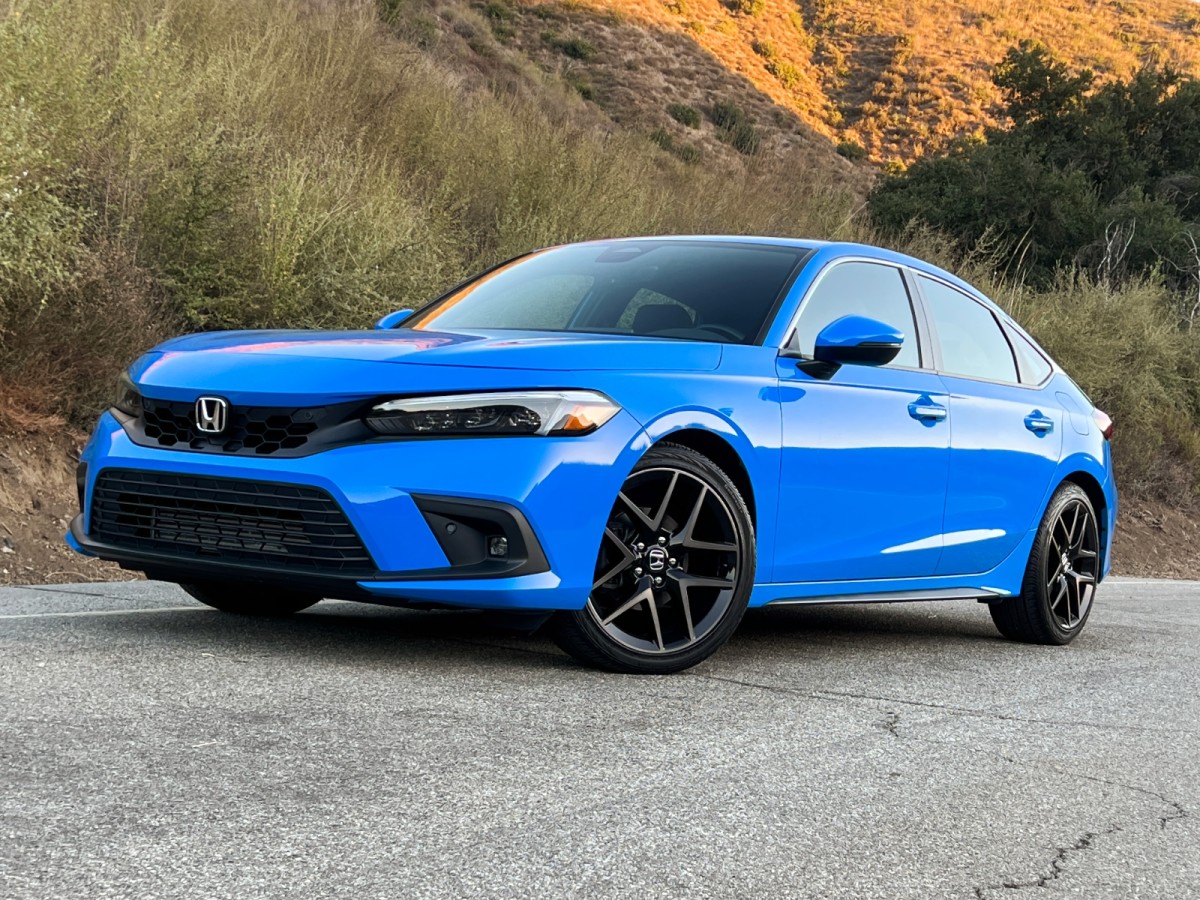
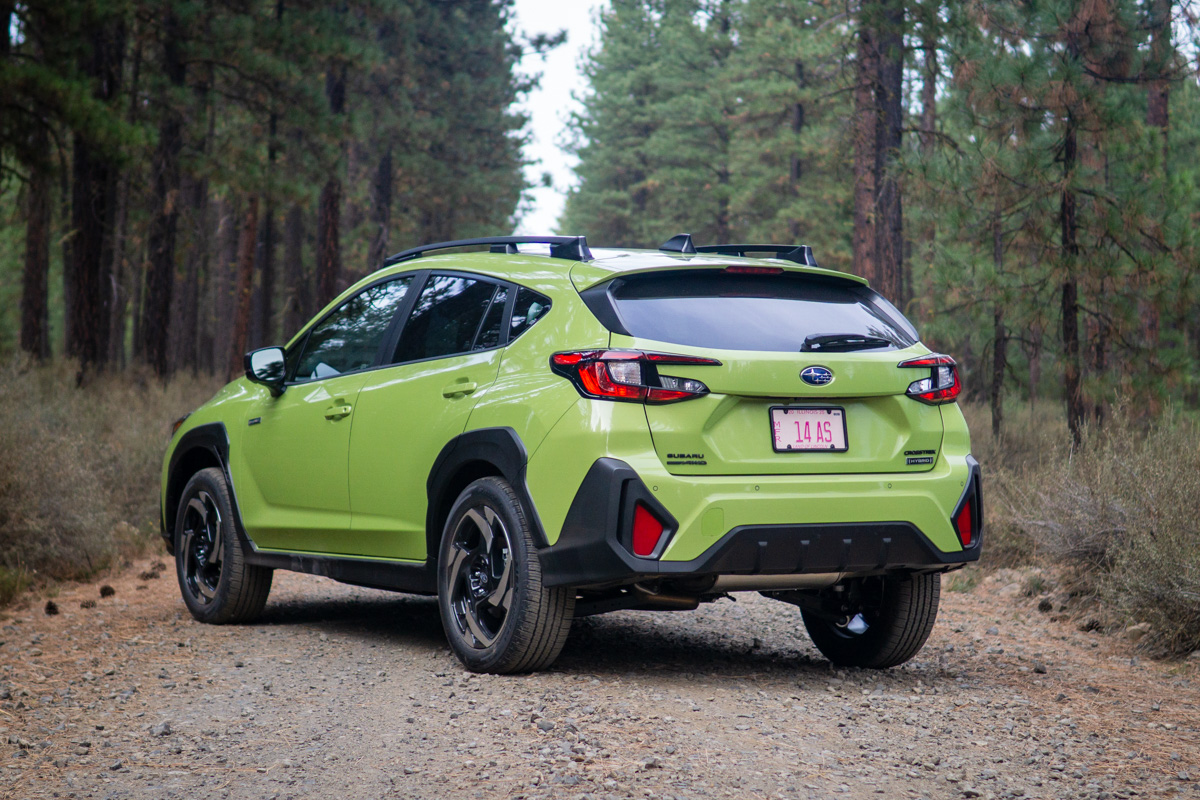
Whatever your reason, think about the gaps your second car should fill. Depending on your circumstances, it may make sense for the type of car you choose to complement, not just replicate, your existing one. A small hybrid might balance out a large off-road SUV, for example, while a pickup with a large towing capacity could be perfect for weekend camping trips.
Once you decide to buy, the next step is finding the right vehicle. CarGurus makes it easy to compare used vehicles, filter by dealership, and search for cars by expected monthly payment. You can find models with remaining warranty, review the cost of ownership, and schedule a test drive—all online or at your local dealership.
Factors to Consider When Buying a Second Car
1. Expected Mileage
Will your second car rack up high miles, or will it mostly handle errands and perform child pick-up duties? Regardless of the situation, there are two solid strategies to consider, but the best approach for depends on your risk tolerance, mechanical experience, and whether you have a reliable source with access to used vehicles.
-
Buy a newer or a low-mileage car: Opt for a new car or a low-mileage, well-maintained pre-owned model with a reputation for longevity, such as the Honda Accord, the Toyota Corolla, or maybe a Prius. This route typically offers better reliability, lower repair risks, and longer usability.
-
Buy an older car with high mileage: If you’re looking to save money and don’t mind a little risk, a well-maintained, high-mileage used car can be a smart choice, especially if it’ll see heavy use. Since most of the depreciation has already occurred, the starting mileage matters less. These cars are typically driven until repairs outweigh their value, which is a common strategy for budget-conscious drivers or those with mechanical skills.
2. Operating Costs and Car Insurance
In addition to the purchase price, fuel efficiency, maintenance costs, and auto insurance rates also need to be considered, as they contribute to the total cost of ownership. While older vehicles are often cheaper to insure and repair, newer models may come with a manufacturer's warranty, offering more peace of mind.
3. Repair Budget
A low purchase price doesn’t always mean a low overall cost. Even with a brand-new vehicle, you should always budget for normal wear and tear items like tires, brakes, fluids, and oil changes.

Is It Cheaper to Have Two Cars on Insurance?
Insuring more than one car will cost more overall than covering a single vehicle, but it’s often less expensive per car thanks to multi-vehicle discounts. Many car insurance providers offer reduced rates when you bundle vehicles under the same policy. If one of your cars is driven infrequently or qualifies as a pleasure-use vehicle, be sure to let your insurer know, as it could help to lower your premium.
What is the 20/4/10 Rule for Buying a Car?
A tried-and-true method to keep your personal finances in check is the 20/4/10 rule. This rule says you should put down at least 20% of the purchase price, finance the vehicle for no more than four years, and keep total vehicle expenses below 10% of your monthly income, including the car payment, gas, car insurance, and maintenance.
Following this rule when buying a new car, an extra car, or a fun weekend car can help you stay financially secure and avoid buyer’s remorse.