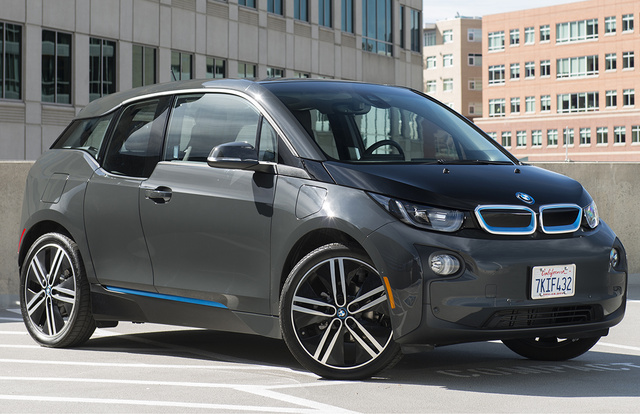
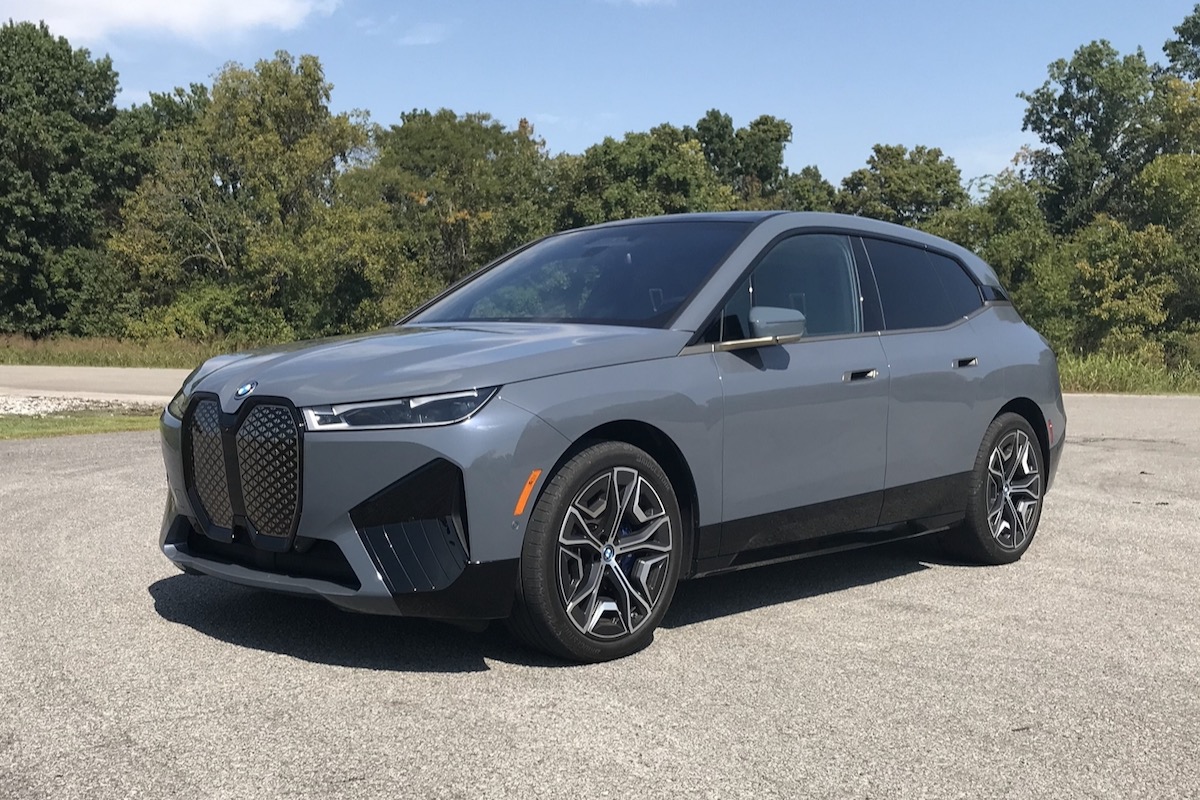
tElectric cars can offer a more sustainable, cost-effective, and potentially even fun way to travel. What's more, renting an EV can be a good way to find out if it might fit your needs. In this guide, we cover what you need to know about electric car rentals, including benefits, charging options, range considerations, and rental policies.
Renting an Electric Car: What to Know
- Benefits of Renting an Electric Car
- Things to Remember About EV Range and Charging
- Electric Car Rental Policies and Requirements

Benefits of Renting an Electric Car
More Sustainable: With zero tailpipe emissions, electric vehicles (EVs) are a greener way to travel. EVs typically come standard with advanced driver-assistance systems, like lane-keeping assist and adaptive cruise control, that make a long road trip easier.
The availability of EV rentals can be limited, though: It is much easier to find an EV to rent in California than it is in New York.
There can be Cost Savings: The costs of renting an EV are a little higher than they are for traditional gas cars, but they’re still in line with premium options. Not having to stop at a gas station can provide significant savings, especially if you are able to charge where you are staying.
Many hotels and AirBnBs these days offer on-site charging options. Relying on DC fast charging, while convenient, can get expensive and bring energy costs in line with an internal combustion engine (ICE) option.
More Fun: The real benefit of an EV is the silence and smoothness of the powertrain. With no combustion cycles, electric motors make very little noise or vibration. Combined with a smooth power delivery, EVs tend to feel more premium than similar ICE cars.
What’s more, EV rentals are a great way for first-time EV drivers to test-drive and experience an EV if you’re interested in potentially buying or leasing one for yourself.

Things to Remember About EV Range and Charging
Determine Your Range Requirements: One of the biggest challenges to EV adoption is range anxiety. Most EVs offer a driving range of around 300 miles; some fast-charging EVs can add about 200 miles of range in as little as 15 minutes when using a fast-charging station.
The range of an EV is determined by a few factors. Just like in an ICE car, the onboard computer will calculate your range based on your driving habits. Long highway drives at higher speeds will reduce driving range because you aren’t slowing down and braking that often (allowing the batteries to recharge), and even driving into a strong headwind can make a noticeable difference in range.
Know How to Find Charging Stations: There are a few ways to charge an EV. The slowest and easiest way to charge is Level 1 AC charging, by simply plugging the charger into a grounded 120-volt three-prong outlet. A full charge using this method can take up to 20 hours, depending on the size of the battery.
Level 2 AC charging is quite a bit faster, but it can still take up to 10 hours for a full charge. Public Level 2 chargers can be easily found around shopping centers and restaurants and are a reliable way to add range.
Finally, DC fast charging is the fastest way to add range. These are the options like Tesla Superchargers and Electrify America, and these fast chargers deliver an incredible amount of energy in a short amount of time. For example, a Tesla Model 3 can add up to 195 miles of range in 15 minutes.
Knowing where to find an EV charger is especially important, depending on the length of your trip. Tesla makes it easy: Its Supercharger network is easy to find through the onboard navigation and easy to use when you are ready to charge. Teslas use a proprietary charge port known as NACS (North American Charging Standard).
Other automakers, like Chevrolet, Hyundai, and Kia, are currently using the CCS (Combined Charging System) charge port, which is a different plug than Tesla’s NACS charge port and requires the use of different charging stations, such as Chargepoint or Electrify America.
Most EVs have onboard GPS navigation systems that will help plan your route and show you the nearest compatible charger. We recommend you plan ahead and check for compatible charging stations along your route. Apps like “A Better Route Planner” and “PlugShare” do a great job of finding chargers along your route. Generally speaking, a 150-kW charger will be the fastest way to charge your EV rental.
Charging Time and Options: Knowing how long to charge your electric car is important, even if you’re a renter. Charging at home or using a Level 2 charger at a hotel is simpler and is a good way to add charge overnight.
There is a learning curve to DC fast charging on a road trip. While DC fast charging is the quickest way to add range, charging speed varies depending on the station and the state of the EV’s battery. To protect the health of the battery, charging speeds will slow down as the battery’s state of charge increases.
Generally speaking, EVs will charge at their highest speed until they hit 80% of battery capacity; beyond that, they slow down the rate of charging considerably to protect the long-term health of the battery.
If you’re in a hurry to recharge the EV fully, and it’s hit that 80% mark and is now charging slowly, look through the vehicle’s charging settings in the main infotainment screen. Most newer EVs allow you to set the charge level when it’s best to stop charging.

Electric Car Rental Policies and Requirements
Age and License Restrictions: The process of renting an electric car is much the same as renting a traditional gas-powered car. All drivers must hold a valid driver’s license. Generally, authorized operators must be at least 20 years old, though additional rates may apply until the operator is 25 years or older.
Insurance Coverage: Insurance can be tricky — do you spring for the rental car company’s insurance option? Electric vehicles can be expensive to repair, and replacement parts can be difficult to source, driving up insurance premiums.
The best thing to do is to check in with your credit card issuer. Most cards automatically offer rental insurance when you pay for the rental with the credit card. Adding car rental companies’ insurance is expensive, and it’s usually redundant if your credit card also covers you, but it could add peace of mind during your rental. Dealing directly with the rental company can simplify any potential claim.
Returning and Electric Rental Vehicle: Returning a rental electric car is also similar to a gas-powered car. Make sure the car is returned in good condition and at a state of charge similar to when you picked it up.
Companies like Hertz require that an EV is returned with at least 75% state of battery charge, which is a welcome regulation: Charging an EV to 100% can be an exercise in patience and may feel next to impossible depending on the public charging station’s proximity to your drop-off location.