The story of the Nissan Z begins in 1970, with the original Z-car, the Nissan Fairlady Z or the Datsun 240Z in the North American market. Built to compete against European marques such as Porsche and MG, Japan’s 240Z was fast, fun, and affordable. The first-generation Z sports car formula was simple: a sleek two seat coupe with a long hood and a powerful six-cylinder engine driving the rear wheels.
The Z-car evolved over the years, growing longer, larger, and heavier. The Datsun 260Z and 280Z were lengthened to fit rear seats, the second generation Datsun 280ZX of the early 1980s introduced targa tops to the Z-series, the later third-generation Nissan 300ZX of the 1980s got stylish popup headlights and a turbocharger, and finally, the redesigned 300ZX of the 1990s evolved into a sophisticated grand tourer, complete with twin-turbochargers, rear-wheel steering and optional rear seats. The 300ZX was eventually discontinued in the mid-1990s, as it had become too complicated and expensive for its Nissan USA target audience, and sales were slow.
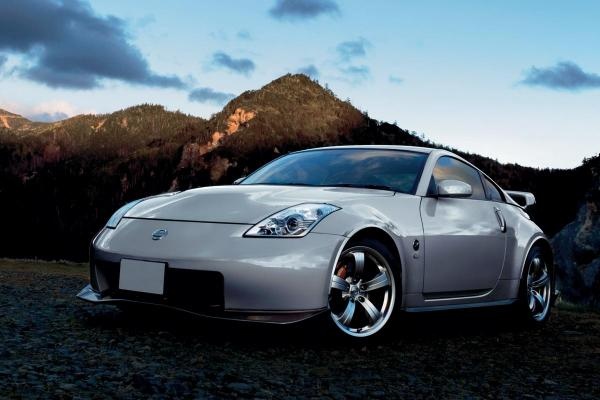
Nissan reintroduced the Z-Car in 2003 as the Nissan 350Z for its fifth generation, returning to its two-seater sports car roots. Rounding out the package was a naturally aspirated V6 engine, two seats and rear-wheel drive. Updated in 2008 as the Nissan 370Z, this sixth generation Nissan Z-car had a great run until its discontinuation in 2020.
After a brief absence, the Z-car was brought back for the 2023 model year for a seventh generation of Z-car, this time simply as the Nissan Z. Known internally as the RZ34, this new generation Z drew heavily on its history. The basic formula was the same—a powerful V6 engine up front driving the rear wheels, two seats and sporty styling. From the aggressive front end to its sharp profile, it’s easy to see the lineage from the original 240Z.
Nissan Z Buying Guide: Cost, Reliability, and the Best Years to Buy
Frequently Asked Questions
Which Nissan Z years are the best?
The 2024 and 2025 model years look to be the best. With the introduction of the NISMO and Heritage Edition trims, buyers have a variety of options and price points to choose from.
What are the worst Nissan Z years?
As the first model year of a new car, the 2023 Nissan Z looks to have a few more problems than later years. Models equipped with the nine-speed automatic transmission were subject to a recall for an issue with the parking pawl.
Is a used Nissan Z a good deal?
Yes, a used Nissan Z can be a great deal. Many Nissan dealers applied markups to the Z when it was first launched, tempering initial reception, and strong competition from the Toyota Supra overshadowed it. However, the resulting lower demand is a benefit on the used market, bringing prices down.
Nissan Z Pros and Cons
Pros:
- Fast
- Fun to drive
- Reliable
Cons:
- Aging Platform
- Soft suspension
- Disappointing stock tires
Nissan Z Generations
First Generation (2023 - Present)
Launched for the 2023 model year after a substantial redesign, the new Z is full of heritage. At launch, it was available in three trims: Sport, Performance, and a limited edition “Proto Spec”. No matter which trim you chose, the basic formula was the same—a powerful V6 engine up front driving the rear wheels through either a six-speed manual transmission or a nine-speed automatic.
The Sport trim started with an MSRP of $40,990, while the Performance trim started at $50,990. The base Sport trim was a great blank canvas for the sports car enthusiast looking to modify and build their perfect Z-Car. The Performance trim added an impressive amount of standard equipment, from larger, high-performance brakes, lightweight RAYS wheels, and a mechanical limited slip differential. The eye-popping, highlighter yellow Proto Spec started at $53,990, based on the Performance trim and exclusive interior and exterior finishes.
Under the hood, the only option was a double-overhead camshaft (DOHC) 3.0-liter V6 engine producing 400 horsepower and 350 pound-feet (lb-ft) of torque. First used in the Infiniti Q50, this powerplant was a not-so-distant cousin of the twin-turbo V6 engine used in the flagship Nissan vehicle, the GT-R.
The platform was largely carried over from its predecessor, so the Nissan Z has a lot in common with the Nissan 370Z coupe. The wheelbase, overall width and the roof height are the same between both cars. The interior was also redesigned, but the space and layout were quite similar.
Interior tech is thoroughly modern, with standard Apple Carplay and Android Auto, all controlled through either an eight- or a nine-inch display, depending on the trim, but don’t pay too much attention to the HVAC controls, which also come from the 370Z. To continue the lineage of the Z, every Nissan Z was equipped with a three-gauge pod on the dash. Three interior colors were available with the Performance trim, Black, Red, or Blue. The Sport trim was only available with black upholstery.
Changes over the years have been relatively minor. The 2024 model year saw the introduction of two new trims—the Heritage Edition and the NISMO.
The Heritage Edition dialed up the Z-car nostalgia to 11, thanks, in part, to bright orange paint first introduced with the original 240Z. Other retro touches included a matte black graphics package, a unique front fascia, fender flares and special eight-spoke 19-inch wheels, evocative of the original Fairlady Z.
The NISMO, on the other hand, was the track-ready high-performance package. The most obvious changes from a standard Z were improved aerodynamic bodywork front and rear, including a three-piece spoiler, providing real downforce. Under the skin was an updated suspension with stiffer springs, roll bars and retuned dampers. The turbo V6 was retuned for more power, now producing 420 horsepower and 384 lb-ft of torque. To better match this increased output, larger brake rotors and wider rear tires were fitted. Prices started at $64,990.
For 2025, the bright orange Heritage Edition was discontinued and the Z continued with Sport, Performance, and NISMO trims. The iconic Bayside Blue paint, made famous by the R34 Nissan GT-R, was now available. Inside, a Bose sound system was standard equipment with the performance trim.
For 2026, a new Heritage Edition was announced. This time drawing inspiration from the 300ZX turbo models of the 1980s and 1990s. Midnight Purple paint, gold wheels, and custom graphics and emblems rounded out the changes.
No major reliability problems have been reported on this latest Nissan Z. While initial reviews criticized the Z-car’s aging FM platform, this was a benefit for potential buyers. Issues around the platform have long been worked out, and there is a large knowledge base from the years of the 350Z and the 370Z. The engine, derived from the Infiniti Q50 and Q60, has proven reliable in those applications and is easy to modify.
Because there have been relatively few changes over the years, prices for the Nissan Z largely depend on trim and condition. The bare bones Sport trim can be found for around $35,000 for a 2023 or 2024 model year. The Performance trim carries a premium, thanks to its better standard equipment, so expect to pay about $40,000 depending on mileage. Prices for the NISMO trim vary more; 2024 model years with some mileage can be found for as low as $45,000, while low-mileage 2025 model years can still cost more than $60,000. Generally, prices average around $50,000 for the NISMO.
Finally, watch out for modifications. There is a long tradition of modifying the Z-car that continues with this latest RZ34 platform, which is fine if the mods have been done well—less so if they haven’t. And if you’re looking to modify a sports car to your taste, the Nissan Z is a great model to start with.
Related Topics