California is undeniably a hub for automotive enthusiasts, with its seemingly endless ribbons of pavement fueling a thriving used car market. Here’s what you need to know about selling a car to a private party in California.
How To Sell Your Car in California
- Collect Your Required Paperwork
- Consider Selling Via CarGurus
- Transfer the Title
- Don't Remove Your License Plates
- Notify the DMV
- Update Your Insurance

Collect Your Required Paperwork
First, you’ll need to find the vehicle’s California Certificate of Title, which is the document showing who owns the vehicle and the Vehicle Identification Number (VIN). If there is a lien on the vehicle title, you will need to contact your lender for specific instructions on how to pay it off and subsequently complete a title transfer to a new owner.
If the vehicle previously had a lien on it, you’ll need to fill out form REG 166, otherwise known as the Lien Satisfied/Title Holder Release, which needs to have been signed by the prior lienholder. If your location and the vehicle you are selling require smog testing, you’ll also need to fill out REG 139, the Vehicle Emission System Statement. This document indicates that the vehicle’s emissions system has not been modified. You will also need to provide the car’s new owner with a Bill of Sale, otherwise known as REG 135 in California, stating the price they paid you. The DMV will use this Bill of Sale to calculate the fees the next owner must pay for vehicle registration.
You should also take note of the vehicle’s odometer reading at the time of sale. You may need to fill out an odometer disclosure statement, known as REG 262 or the Vehicle Transfer and Reassignment Form, and you’ll need the mileage when you alert the DMV of the sale — but more on that in a moment.
Most 1976-or-newer gas or diesel vehicles in most California counties need to pass a smog test or smog inspection before they can be sold to potential buyers. This smog certification must be given to the new owner during the transfer of ownership. The locations of smog check stations can be found on the DMV website.
Certain vehicles will require additional forms, so when in doubt, contact the California Department of Motor Vehicles (DMV) regarding your specific situation.

Consider Selling Via CarGurus
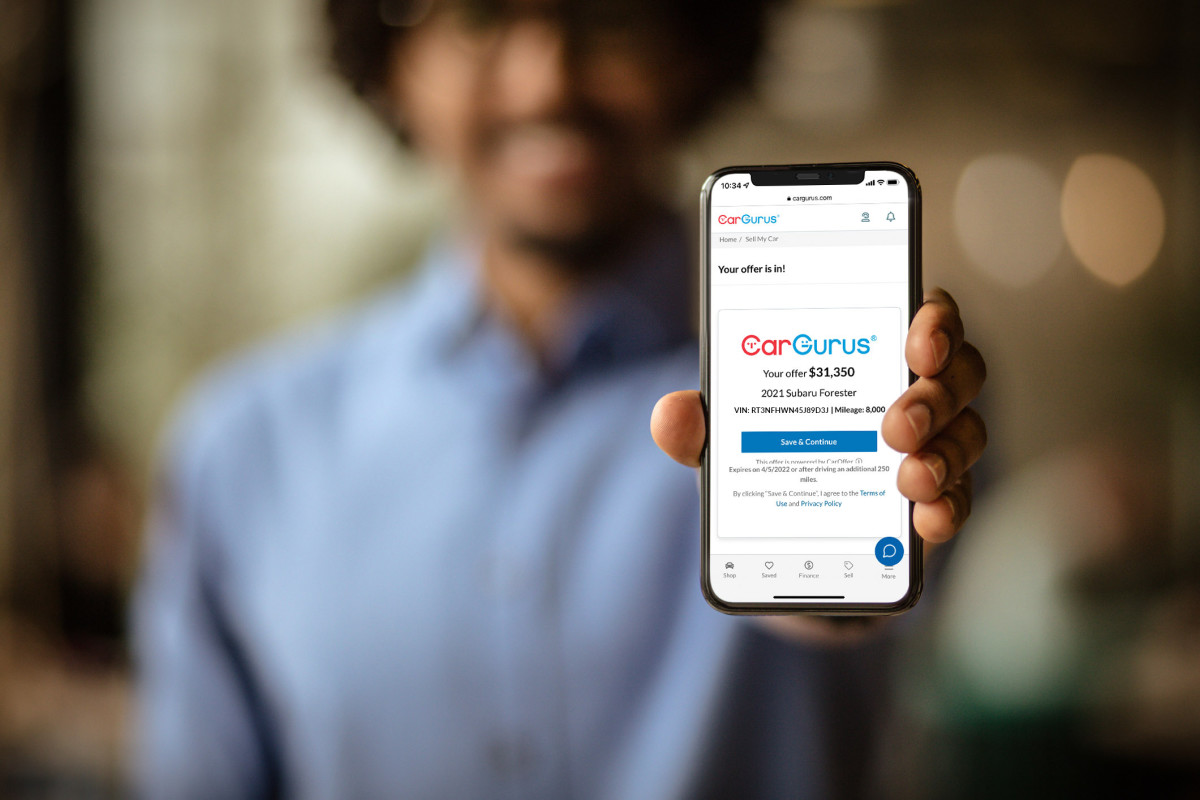
CarGurus makes it easy to sell you car in California. You only need to provide some basic information about your vehicle to receive up to five offers from local dealerships. Simply choose the best offer and we'll put you in touch with the dealership to appraise your vehicle and finalize the sale. If you don’t want to sell it immediately, you have the opportunity to subscribe to a CarGurus vehicle market value tracker that will update you on your car’s approximate worth once a month via email.

Transfer the Title
If you don’t have the car title, you can file an Application for Replacement or Transfer of Title, which in California is known as REG 227. The car title needs to be signed by the person named on it, as well as the lienholder, if there is one. There will be a transfer fee.
Don't Remove Your License Plates
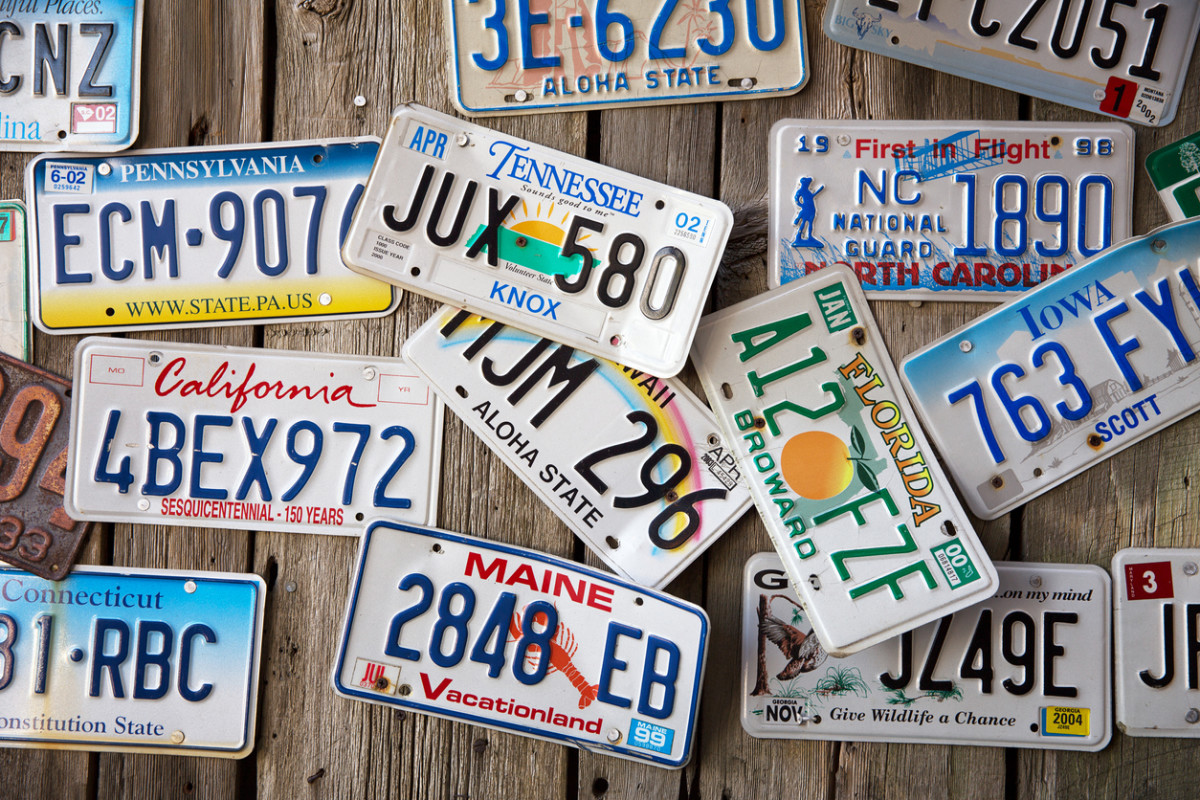
Don’t break out the screwdriver! California is unusual in that license plates generally stay with the vehicle when it passes to a new owner. In most other states, the license plate is removed.
There are some exceptions to this rule, such as personalized license plate numbers or special interest license plates, which you should remove before you sell your vehicle. You can generally transfer these specific types of license plates to your new car.

Notify the DMV
California law requires you to notify the California DMV within five calendar days of selling your vehicle or completing a title transfer to the new owner.
To do so, you can use the Notice of Transfer and Release of Liability (NRL) on the DMV website. You’ll need the license plate number, the last five digits of the Vehicle Identification Number, and the odometer reading on the day of sale. Filling out the NRL lets the DMV know that you are no longer responsible for any parking tickets or traffic violations. However, submitting an NRL to the DMV does not count as a title transfer.

Update Your Insurance
Once you’ve officially sold your car to someone else, you should contact your insurance agency to remove the vehicle from your policy. Not only are you no longer responsible for the vehicle, but you likely don’t want to pay for insurance coverage on a car you don’t own. Many insurers allow you to do this online, though some may require you to contact an agent or a broker.