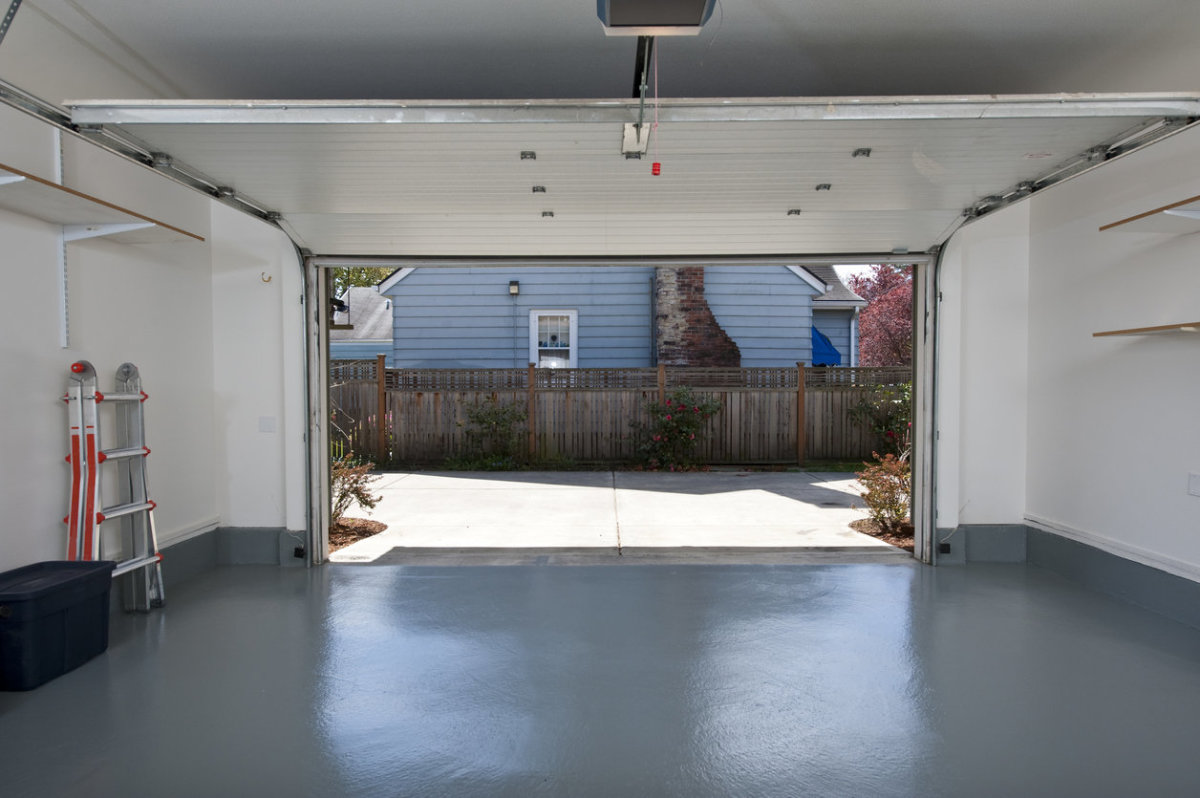
Vehicles — especially ones left to sit for extended periods of time — make an attractive home for mice and other rodents. Not only do they provide protection from the elements, but their underbodies are dark — something these nocturnal beings appreciate. Cars are also full of wires that are typically coated in a plant- or soy-based insulation that mice find appetizing.
If you’re worried about (or dealing with) a car critter problem, here’s what you need to know.
How to Keep Mice (and Other Rodents) Out of Your Car
- How Do Rodents Get in Cars?
- What to Do If You Have a Rodent Infestation in Your Car
- How to Clean Up a Rodent Infestation in Your Car
- Keeping Mice and Other Rodents Away from Your Car Engine
- Long-Term Rodent-Repellent Tips for Cars

How Do Rodents Get in Cars?
The answer is: easily. Mice can squeeze through an opening as small as a dime, of which there are several in a vehicle.
Oftentimes, mice will climb up into the engine bay from underneath, then work their way — frequently by chewing — to other parts of the vehicle. They can get in the passenger compartment through the ductwork of your car’s vents or sneak in through the holes around cables. The small spaces around the steering column and openings by the pedals, too, are easy entry points for tiny critters. And of course, a cracked window or sunroof is like an open door to rodents.

What to Do If You Have a Rodent Infestation in Your Car
If you find little black droppings underneath or inside your vehicle, chances are you have a rodent problem. Other signs of mice habitation include holes in the upholstery or chewed-up foam in the cabin, nesting materials (leaves, fabric, string, paper) in your engine bay, gnawed-on wires, or even a bad smell emanating from your vents.
If you can actively hear or see mice in your vehicle’s interior, the first thing to do is to leave a couple of spring-loaded snap traps baited with peanut butter or cheese in the footwells. If you’re squeamish about using those types of pest control devices, there are also no-view, no-touch mousetraps available.
Alternatively, you could deploy an ozone generator in the car interior (with the doors and windows shut), but be careful: While you’ll find a lot of DIY ozone products on the market, the gas that they release is hazardous to humans and pets, so make sure to move your vehicle to a well-ventilated, secluded area. It should also be noted that the EPA does not approve of these products for cleaning purposes. That said, they can be effective at driving away mice. They could also kill them, which may make more work for you if any were hiding out in your car’s ducts. When in doubt, it’s best to leave this job to a professional detailer, who will make sure all mice are eradicated by blowing out your ducts with compressed air.
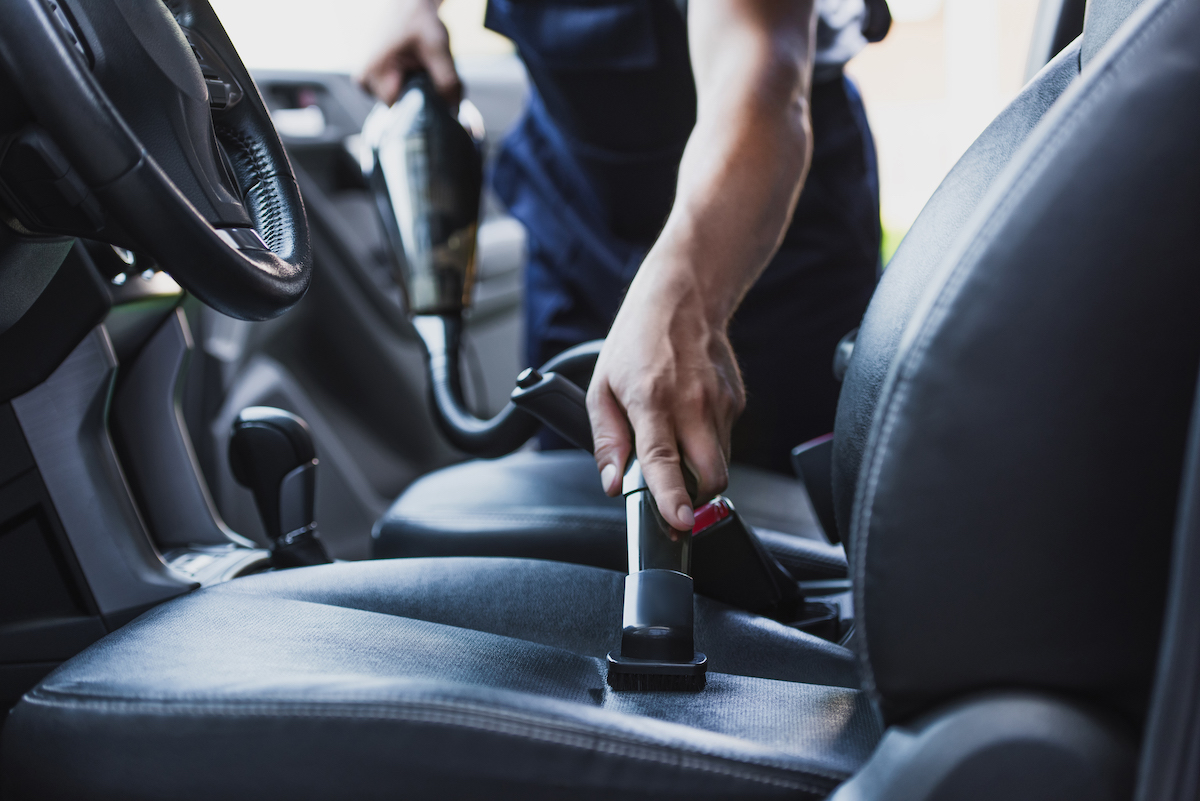
How to clean up a rodent infestation in your car
Cleaning your car properly after a rodent infestation is a must if you want it to be hygienic and you want to maximise its value. After you’re confident the mice are gone, use a shop vac to thoroughly suck up any debris inside your car and engine bay. Pay close attention to the area around your airbox (where the engine air filter is) and to any crevices in the cabin, moving seats around to get to the tough-to-reach spots. If you don’t own a shop vac, visit a car wash station with vacuums.
Now it’s time to clean every surface with dedicated cleaners for the various surfaces in your car. It’s best to use a disinfectant, as that will kill viruses and bacteria left behind by mice and other rodents. Be careful not to use something that will stain carpets or upholstery and sample any new cleaner in an inconspicuous place first. You may also consider shampooing the carpets or visiting a detailing shop.
Lastly, it’s best to replace your cabin air filter. When you remove it, vacuum or blow out the duct and disinfect the housing as best as you can.

Keeping Mice and Other Rodents Away from Your Car Engine
After you’ve remediated the mouse infestation, it’s time to repel future squatters.
Don’t waste your money on ultrasonic devices. Mice are adaptable, and while at first such a sound may drive them away, they’re liable to return.
There are several kinds of mice and rodent repellents available, including pellets imbued with predator urine, but a less gross alternative to sprinkling such things around your car’s tires is to use peppermint oil.
Mice have an aversion to peppermint’s strong smell. So make a spray of it, combining two teaspoons of peppermint oil (available on Amazon for under $10) with a cup of water and a few drops of dish soap into a spray bottle. Then spritz a ring of it around your car as well as in the engine compartment and on points of entry, such as around the door seals. Take care to avoid electrical devices, connections, and sensors. You can also put some of the peppermint oil on cotton balls and place them around the cabin.
If mice have gnawed on any car wiring or plastic tubing in your engine bay, consider wrapping the damaged areas with rodent-repellent tape, such as the capsaicin-infused product made by Honda. Capsaicin is the active (read: mouth-burning) component in cayenne pepper, and just as it causes irritation for many humans, it can have the same effect on mice.
Long-Term Rodent-Repellent Tips for Cars
Here are some tips for keeping rodents at bay while storing a car.
- Make sure the vehicle is free of food (and food particles) before sealing it up.
- Stuff steel wool into tiny crevices, tailpipes, and ductwork to block entrance into your vehicle’s interior. Some people swear by Bounce dryer sheets in place of steel wool, but the science is still out on their effectiveness. Whatever product you choose, make sure to document all the places you’ve put it so you’ll remember to remove it all before driving off.
- As noted above, cotton balls treated with peppermint oil can keep mice away. Strategically place them around your vehicle and inside the passenger compartment. You could also use mothballs to repel creatures, but peppermint oil is safer for all and likely the preferable scent to any human. Alternatively, you could try using Irish Spring soap (leaving shavings or chunks of it outside the car and in the engine bay), but it may not be as effective as these other options.
- Lastly, don’t leave it sitting — especially outside in tall grass — for long periods of time. If possible, take it for a spin every month or two.