What is a Good Price for a Used F-150 in Los Angeles?
Used F-150s in LA average $36,618 — 5.9% above the national average of $34,588. That premium reflects a market skewed toward newer, lower-mileage trucks in a climate that preserves them well.
Price by Model Year in Los Angeles
The F-150’s used market spans the 14th generation (2021–present), the aluminum-bodied 13th generation (2015–2020), and the 12th generation (2009–2014). Each generation brought significant engineering changes that create natural price tiers.
| Model Year | LA Avg. Price | National Avg. Price | LA Avg. Mileage |
|---|
| 2026 | $74,311 | $76,693 | 361 miles |
| 2025 | $65,865 | $55,780 | 12,162 miles |
| 2024 | $58,052 | $49,149 | 28,084 miles |
| 2023 | $49,951 | $44,197 | 44,453 miles |
| 2022 | $42,318 | $39,414 | 59,739 miles |
| 2021 | $32,412 | $34,059 | 72,736 miles |
| 2020 | $32,873 | $29,566 | 82,570 miles |
| 2019 | $27,230 | $26,839 | 97,229 miles |
| 2018 | $24,892 | $24,324 | 104,282 miles |
| 2017 | $24,176 | $22,060 | 109,044 miles |
| 2016 | $17,709 | $19,372 | 123,667 miles |
| 2015 | $17,360 | $18,089 | 127,768 miles |
| 2014 | $16,774 | $15,354 | 108,467 miles |
14th Generation (2021–2026): $32,412–$74,311
The current-generation F-150 dominates LA’s inventory. The 2026 model year shows the only meaningful LA discount at 3.1% below national ($74,311 vs. $76,693), while the 2021 stands out at $32,412 — 4.8% below national pricing — the strongest value in this generation. The 2024 and 2025 model years carry significant LA premiums of 18.1%, reflecting strong demand for late-model trucks in Southern California.
13th Generation (2015–2020): $17,360–$32,873
The aluminum-bodied generation that revolutionized the F-150. The 2015 and 2016 model years are the clear value plays here — both priced below national averages ($17,360 and $17,709 respectively). The 2016 shows the strongest LA discount of any model year at 8.6% below national, with generous inventory (32% share). The 2018–2019 models hover near national pricing and are the most reliable years of this generation.
12th Generation (2009–2014): $16,774+
Only the 2014 model year appears in current LA inventory at $16,774 — a 9.2% premium over national pricing. These pre-aluminum F-150s are heavier but mechanically straightforward. The 2014 is recognized as the most reliable year of this generation, with good dependability across the board. At 108,467 average miles, condition varies, so a pre-purchase inspection is essential.
Understanding the LA Price Premium
The 5.9% premium over national pricing reflects a few local dynamics.
Lower-mileage inventory drives the premium. LA’s F-150s average 76,825 miles versus 85,437 nationally — 10.1% fewer miles. That difference reflects Southern California’s commuting patterns and the fact that many LA trucks serve as lifestyle vehicles rather than heavy-duty workhorses.
Climate preservation adds value. Southern California’s dry weather eliminates the salt, snow, and moisture damage that corrodes F-150 frames and body panels in northern states. An LA truck with 100,000 miles will have a cleaner undercarriage than a Minnesota example with 70,000.
Strong demand for full-size trucks persists. Despite LA’s reputation as a sedan-and-SUV market, the F-150’s versatility — from job sites in the Inland Empire to weekend trips to Big Bear — sustains demand. That competition among buyers pushes prices slightly above national averages on most model years.
Good and Great Deals in Los Angeles
41% of LA F-150 listings qualify as Good or Great Deals — meaningfully better than the national rate of 36%. This means that despite the higher average pricing, value-conscious shoppers who filter by deal quality can find competitively priced trucks.
| Deal Rating | LA Percentage | National Percentage |
|---|
| Great Deals | 13% | 10% |
| Good Deals | 28% | 26% |
LA’s 13% Great Deal rate exceeds the national 10%, a 3-percentage-point advantage. The 2021 and 2015–2016 model years show particularly strong local value, with prices at or below national averages.
What is the Most Reliable Used F-150 in Los Angeles?
The Ford F-150’s reliability record varies significantly by generation — more so than most trucks. While the F-150 has earned its reputation as a capable workhorse, certain model years have well-documented mechanical problems that buyers need to know about before signing.
Most Reliable by Era
13th Generation (2015–2020) — The Sweet Spot:
The aluminum-bodied F-150 is the most reliable modern generation, particularly the 2018 and 2019 model years, which benefit from improved rust protection and resolved early-generation issues. The 2015 was the first year of the aluminum body, which initially raised durability concerns that proved largely unfounded. LA trucks from this era average 82,570–127,768 miles, and Southern California’s dry climate eliminates the corrosion concerns that affect these trucks in salt-belt states. Avoid the 2016 model year, which suffers from electrical issues affecting infotainment, safety sensors, and power steering. The 2017 has documented problems with the 3.5-liter EcoBoost engine overheating and coolant leaks.
14th Generation (2021–Present) — Capable but Cautious:
The current-generation F-150 offers the most advanced technology and powertrain options, but its reliability record is still developing — and early returns show more issues than its predecessor. Documented problems include transmission slipping and failure, engine stalling, four-wheel-drive engagement issues, and A/C system shutdowns. Models from 2021–2023 were recalled for rear axle bolts that could break, and some 2024 models have been recalled for loose windshields. LA’s 2021 models average 72,736 miles; 2022 models average 59,739 miles.
12th Generation (2009–2014) — Generation of Contrasts:
This generation ranges from problematic to excellent depending on the model year. The 2014 model year is recognized for good reliability across the board, and the 2011–2012 models with the EcoBoost V6 earned praise for dependability. The 2013, however, has well-documented six-speed automatic transmission issues — slipping, rough shifting, and loss of power under load. LA’s 2014 models average 108,467 miles and are priced at $16,774.
11th Generation (2004–2008) — Avoid the Early Years:
The 2005 and 2006 F-150s are known for Triton V8 engine problems, including blown or stuck spark plugs, engine misfires, and exhaust system failures. These aren’t minor maintenance items — spark plug removal on Triton V8s can be expensive if they break off in the cylinder head. The 2007 and 2008 models are meaningfully better and worth seeking out if budget requires this generation.
Key Improvements by Model Year — 13th Generation
Key Improvements by Model Year — 13th Generation (2015–2020)| Model Year | Key Improvements |
|---|
| 2015 | First aluminum-body F-150, significant weight reduction, improved fuel economy |
| 2017 | Raptor returned to lineup; however, 3.5L EcoBoost had coolant leak and overheating issues |
| 2018 | Standard rear-view camera, advanced driver assistance features, improved rust protection, better overall reliability |
| 2019 | Continued reliability improvements, better body panel rust protection |
F-150-Specific Reliability Considerations
Transmission Behavior (14th Generation):
The 10-speed automatic in 2021+ models has documented issues with slipping, failing, or losing power. During test drives, pay close attention to shift quality under acceleration and deceleration. LA’s stop-and-go traffic on the 405 and 101 puts transmissions under constant stress — any hesitation or harshness during shifts warrants further inspection.
EcoBoost Engine Health:
The twin-turbocharged EcoBoost V6 engines are popular across multiple generations but require attention. In 2017 models, the 3.5-liter EcoBoost is prone to coolant leaks and overheating. Across all EcoBoost years, check for oil leaks around turbo lines and listen for turbo whine or wastegate rattle. The 2011–2012 and 2018+ EcoBoost engines have strong reliability records.
Electrical Systems (2016 Models):
The 2016 F-150 has widespread electrical problems affecting infotainment, safety sensor function, rearview cameras, and — critically — the electrically assisted power steering, which can suddenly lose power. This is a safety concern, not just an inconvenience. Test all electronics thoroughly if considering a 2016.
Triton V8 Spark Plug Issues (2004–2006):
The Triton V8’s two-piece spark plugs are notorious for breaking during removal, which can turn a routine tune-up into a $1,000+ repair. If considering an 11th-generation truck, ask for service records showing spark plug maintenance. The 2007–2008 models addressed this design flaw.
What to Check When Buying
- Transmission response: Drive in stop-and-go traffic to test shift quality. The 10-speed automatic (2017+) should shift smoothly and without hesitation. Any slipping, harsh downshifts, or delayed engagement is a red flag.
- Turbo system (EcoBoost models): Check for oil residue around turbo lines, listen for abnormal turbo whine or wastegate rattle at idle and under load. Request a cold start to catch any unusual exhaust smoke.
- Frame and undercarriage: While LA’s climate is kind to truck frames, check for any evidence of prior use in salt-belt states. Look for rust on frame crossmembers, brake lines, and exhaust components.
- Recall completion: Verify that all outstanding recalls have been addressed — particularly the 2021–2023 rear axle bolt recall and the 2024 windshield recall. Ford dealers can run a VIN check at no cost.
- Four-wheel-drive engagement (4WD models): The 14th generation has documented 4WD engagement issues. Test the transfer case in both 4-High and 4-Low, listening for grinding or delayed engagement.
- Electrical systems (especially 2016): Test all infotainment functions, camera systems, blind-spot sensors, and power steering response through full lock-to-lock turns.
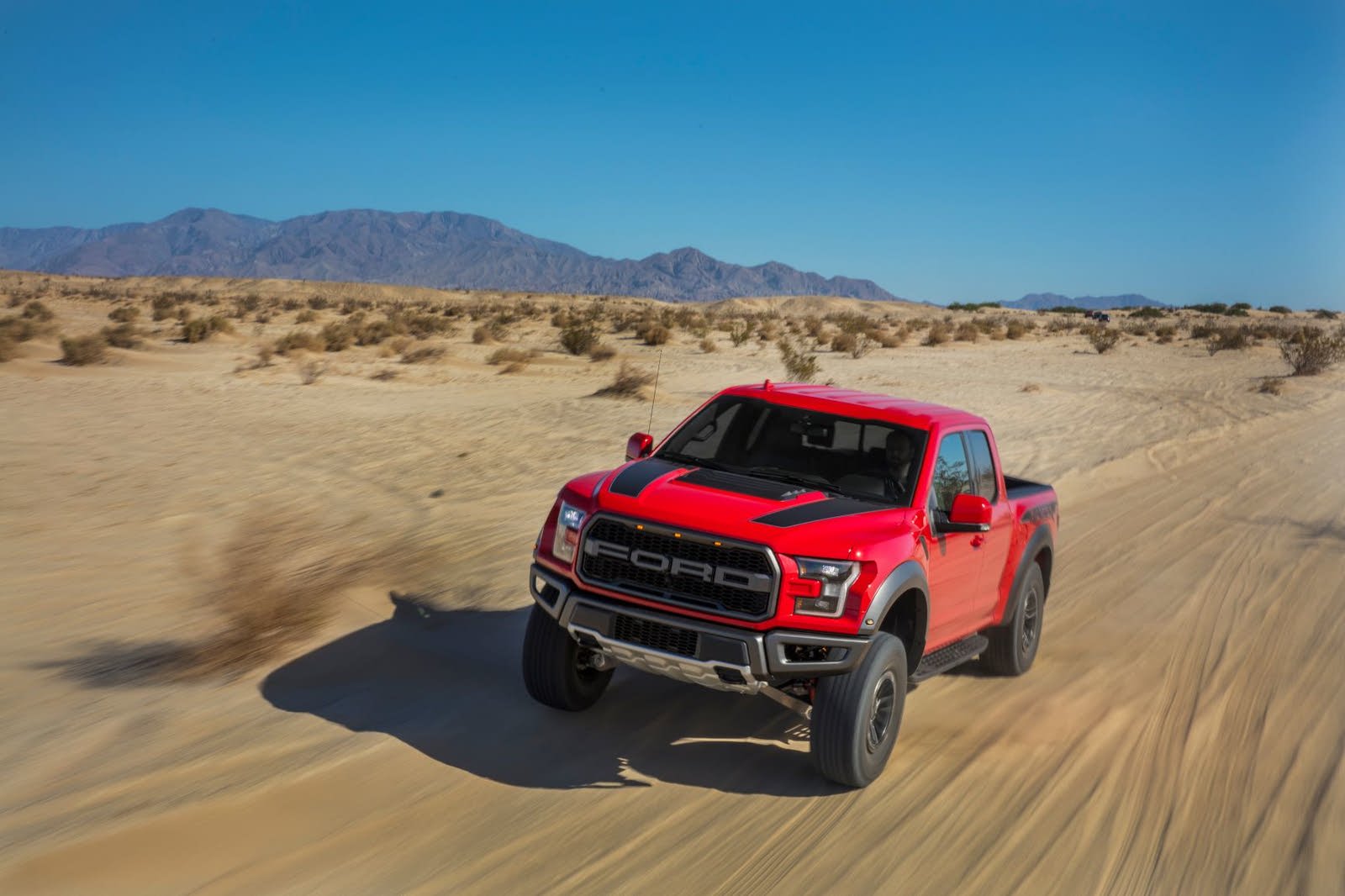
Best and Worst F-150 Years in Los Angeles
Choosing the right F-150 model year matters more than with most trucks — the difference between a great year and a problematic one can mean thousands in unexpected repairs. CarGurus data reveals which years offer the strongest value in the LA market. For more information on the F-150 by generation and model year, check out our F-150 Buying Guide.
Best F-150 Years for Los Angeles
| Category | Best Years | LA Avg. Price | Why They’re Best |
|---|
| Best Overall | 2018–2019 | $24,892–$27,230 | Most reliable 13th-gen years, improved rust protection, near-national pricing |
| Best Value | 2021 | $32,412 | Only current-gen year priced below national average (–4.8%), 14th-gen features |
| Best for Modern Features | 2022–2023 | $42,318–$49,951 | Sync 4, advanced driver assistance, lower mileage inventory in LA |
| Best Local Discount | 2015–2016 | $17,360–$17,709 | 4–9% below national pricing, aluminum-body durability, strong local inventory |
Best Overall: 2018–2019
These are the most reliable years of the aluminum-body 13th generation. The 2018 added a standard rear-view camera and advanced driver assistance features, while both years benefit from improved rust protection over earlier 13th-gen models. In LA, the 2018 averages $24,892 (2.3% above national) and the 2019 averages $27,230 (1.5% above national) — modest premiums for trucks averaging 97,229–104,282 miles in a rust-free climate. Apple CarPlay and Android Auto are available across the trim lineup.
Best Value: 2021
The first year of the current 14th generation is the only recent model year where LA pricing falls below the national average — $32,412 versus $34,059, a 4.8% discount. You get the full suite of current-gen features including Sync 4 infotainment and Pro Trailer Backup Assist, with average mileage of 72,736. The trade-off: the 14th generation has more documented issues than the 13th, including transmission concerns, so a thorough pre-purchase inspection is especially important.
Best for Modern Features: 2022–2023
For buyers who want the latest technology and lower mileage, the 2022 ($42,318, 59,739 avg miles) and 2023 ($49,951, 44,453 avg miles) deliver the most refined 14th-generation experience. LA trucks from these years carry notably fewer miles than national averages — 14.4% and 5.0% less respectively. The LA premium is real (7.4% and 13.0%), but you’re getting cleaner trucks for the money.
Best Local Discount: 2015–2016
Budget-conscious buyers should look here first. The 2016 shows the strongest LA discount of any F-150 year at 8.6% below national ($17,709 vs. $19,372), and the 2015 is 4.0% below ($17,360 vs. $18,089). Both offer the aluminum-body weight savings and improved fuel economy that defined this generation. One important caveat: the 2016 has documented electrical issues — if choosing this year, test all electronics thoroughly. The 2015, as a first-year aluminum body, is worth inspecting panel fit and any body repair history.
Worst F-150 Years for Los Angeles
| Years | Concerns |
|---|
| 2004–2006 | Triton V8 engine problems — blown/stuck spark plugs, misfires, exhaust and brake system failures |
| 2013 | Six-speed automatic transmission slipping, rough shifting, and loss of power under load |
| 2016 | Widespread electrical issues — infotainment failures, safety sensor malfunctions, power steering loss |
| 2017 | 3.5L EcoBoost coolant leaks and overheating, transmission slipping |
Avoid: 2004–2006
These are the worst F-150 years for reliability. The Triton V8 engines suffer from blown or stuck spark plugs, misfires, and exhaust system failures. In the 2005 and 2006 models, spark plug and coil pack failures are widespread, and 2006 adds fuel and brake system problems. A routine spark plug change can become a $1,000+ repair when plugs break off in the cylinder heads. These trucks are not available in current LA inventory, but if you find one privately, proceed with extreme caution.
Avoid: 2013
The 2013 F-150’s six-speed automatic transmission has well-documented issues with slipping, unexpected downshifts, and rough shifting that can cause loss of power under load. While the 2011–2012 EcoBoost models and the 2014 are reliable, the 2013 is the weak link of the 12th generation. Not currently in LA inventory, but worth knowing if shopping privately.
Approach Carefully: 2016
Despite its attractive LA pricing ($17,709, 8.6% below national), the 2016 has numerous electrical problems. Infotainment failures, malfunctioning safety sensors and cameras, and sudden power steering loss are all documented. The power steering issue is a genuine safety concern. If you buy a 2016, budget for potential electrical repairs and get a comprehensive pre-purchase inspection that specifically tests all electronic systems.
Approach Carefully: 2017
The 2017 F-150 brought back the Raptor, but also introduced problems concentrated on the 3.5-liter EcoBoost — coolant leaks, overheating, and transmission slipping. At $24,176 in LA (9.6% above national), you’re paying a premium for a year with known issues. The 2018 at $24,892 is a marginally higher price for meaningfully better reliability.
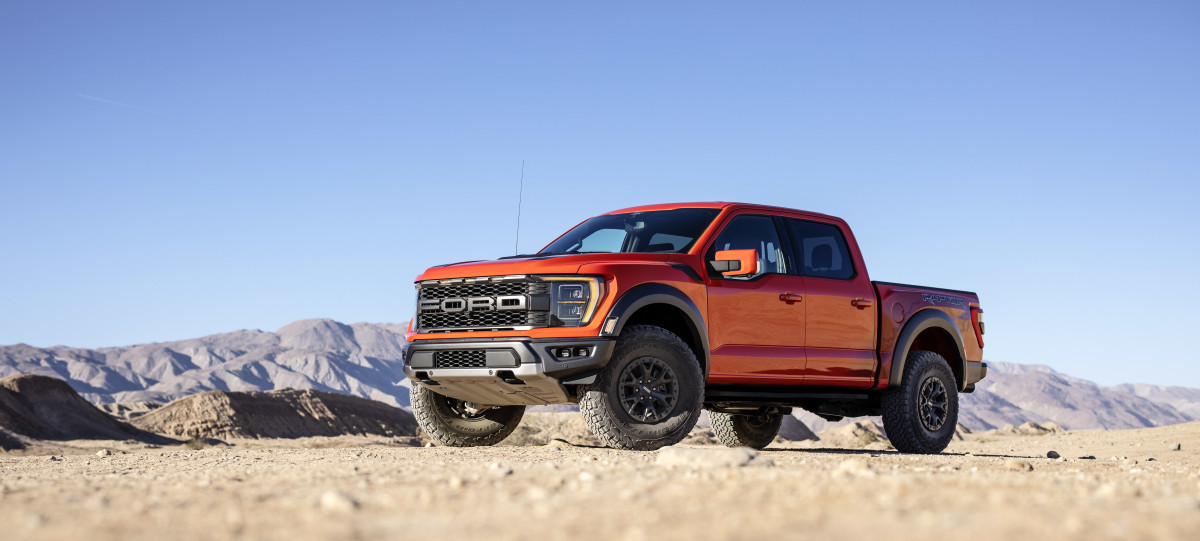
F-150 Pros and Cons
Los Angeles rewards the F-150’s versatility. Whether you’re hauling equipment to a job site in the Valley, towing a boat to Marina del Rey, or navigating the urban sprawl with a cab full of passengers, the F-150 adapts to every role — and LA’s dry climate preserves these trucks better than most markets in the country.
Pros
Unmatched Configuration Options
No other truck offers the F-150’s breadth of choice. From the basic XL work truck to the luxury King Ranch and high-performance Raptor, there’s an F-150 for every budget and use case. With 1,306 listings in the LA market, you can be selective about trim, cab size, bed length, and powertrain — walk away from any deal that doesn’t match exactly what you need.
Lower Mileage in LA
LA’s F-150 inventory averages 76,825 miles versus 85,437 nationally — 10.1% fewer miles. Many LA trucks serve as commuters and weekend haulers rather than heavy-duty work vehicles, meaning less mechanical wear. Combined with Southern California’s rust-free environment, this translates to trucks in better overall condition than the national average.
Strong Deal Quality Despite Premium Pricing
41% of LA F-150 listings qualify as Good or Great Deals, compared to 36% nationally. The 13% Great Deal rate (versus 10% nationally) means aggressive shoppers who filter by deal quality can offset the market’s higher average pricing. The 2021 model year at $32,412 — 4.8% below national — is the standout value.
Aluminum Body Durability
The 13th-generation’s switch to aluminum construction (2015+) was controversial but has proven its worth, especially in LA. Aluminum doesn’t rust like steel, which means 13th- and 14th-generation F-150s maintain their structural integrity exceptionally well in Southern California. A 2015 with 127,768 miles in LA will likely have a cleaner body than a lower-mileage steel-body truck from a salt-belt state.
Excellent Towing and Payload
The F-150 consistently leads or matches competitors in towing and payload capacity. For LA buyers who tow — boats, trailers, off-road toys — the F-150’s capability is a genuine advantage. The EcoBoost engines deliver strong low-end torque for towing while returning better highway fuel economy than the V8s.
Proven Resale Value
The F-150 holds its value well, supported by America’s insatiable appetite for full-size trucks. The LA premium on many model years reflects this — these trucks don’t depreciate as aggressively as sedans or crossovers, which protects your investment over time.
Cons
LA Premium on Most Model Years
The market average of $36,618 sits 5.9% above national, and most individual model years carry a premium. The 2024 and 2025 models command 18.1% premiums over national pricing. Only the 2021 (–4.8%), 2026 (–3.1%), 2016 (–8.6%), and 2015 (–4.0%) fall below national averages. Budget accordingly.
14th-Generation Reliability Concerns
The current generation (2021+) has documented transmission, engine stalling, and four-wheel-drive issues, plus multiple recalls affecting 2021–2024 models. These are the newest and most feature-rich trucks on the market, but they haven’t matched the 13th generation’s reliability track record. A pre-purchase inspection is non-negotiable for any 14th-gen F-150.
Fuel Economy in LA Traffic
Full-size trucks aren’t fuel-efficient, and LA’s notorious stop-and-go traffic makes it worse. Even the best-performing EcoBoost engines return modest city numbers. The F-150 Lightning offered an electric alternative, but Ford ended its production in late 2025 — used Lightnings will become increasingly scarce.
Problematic Model Years Require Homework
The F-150 has more model years to avoid than most competitors — 2004–2006 for engine problems, 2013 for transmission issues, 2016 for electrical failures, and 2017 for EcoBoost overheating. This means buyers need to do their research before shopping, especially at the lower end of the market where these years cluster.
Size in Urban LA
Full-size trucks are large vehicles, and LA’s parking structures, narrow residential streets, and tight urban lots weren’t designed for them. If your primary use is city commuting with occasional hauling, a midsize truck like the Ford Ranger might be more practical for daily life.
Who Should Buy an F-150 in Los Angeles?
Ideal buyers based on data patterns:
- Buyers who need serious towing or hauling capability and value the F-150’s class-leading specs
- Shoppers who can target the 2018–2019 or 2021 model years for the best balance of reliability, features, and value
- Budget buyers willing to navigate the 2015–2016 years’ quirks in exchange for below-national pricing
- Buyers who prioritize lower-mileage, climate-preserved inventory over the cheapest price
Consider alternatives if:
- Your primary use is urban commuting — a midsize truck or SUV may be more practical in LA’s tighter spaces
- You’re shopping strictly on price — the LA market’s premium means a road trip to a lower-cost market could save thousands
- You want a current-gen truck without reliability concerns — the 13th-generation 2018–2019 models are safer bets than the 14th generation
- Fuel economy is a top priority — even the EcoBoost engines consume significantly more fuel than a sedan or crossover in LA traffic
Final Verdict for Los Angeles Buyers
The 2018–2019 model years represent the clearest recommendation for most LA buyers — proven reliability, modern features, near-national pricing, and the aluminum body’s durability in Southern California’s climate. For buyers who want current-generation features, the 2021 at $32,412 is the one year where LA pricing undercuts the national market. Budget shoppers should target the 2015–2016 years for below-national pricing, but avoid the 2016’s electrical quirks if possible. LA isn’t a discount market for F-150s — but lower mileage, better condition, and strong deal quality make it a market where informed buyers can find excellent trucks.
Related Topics