What is a Good Price for a Used Dodge Charger in Los Angeles?
Los Angeles presents a seller's market for Charger buyers. Our data shows used Chargers in LA average $35,218—a 30% premium over the national average of $27,195. Strong local demand, combined with the Charger's cultural significance in car-obsessed Southern California, keeps prices elevated.
Price by Model Year in Los Angeles
The modern Charger spans two main generations: the sixth-generation "LX" (2006–2010) and the seventh-generation "LD" (2011–2023). The seventh generation received a major refresh in 2015 that brought the eight-speed automatic and updated interior, creating distinct value tiers.
| Model Year |
LA Avg. Price |
National Avg. Price |
LA Avg. Mileage |
| 2023 |
$48,014 |
$36,983 |
26,049 miles |
| 2022 |
$49,179 |
$32,841 |
29,208 miles |
| 2021 |
$47,856 |
$30,258 |
43,200 miles |
| 2020 |
$28,576 |
$24,687 |
66,244 miles |
| 2019 |
$28,824 |
$21,085 |
73,828 miles |
| 2018 |
$23,569 |
$19,873 |
82,499 miles |
| 2017 |
$21,184 |
$18,028 |
84,040 miles |
| 2016 |
$30,132 |
$17,017 |
74,588 miles |
| 2015 |
$14,975 |
$13,510 |
113,891 miles |
| 2014 |
$11,219 |
$10,895 |
130,947 miles |
Final Production Years (2021–2023): $47,856–$49,179
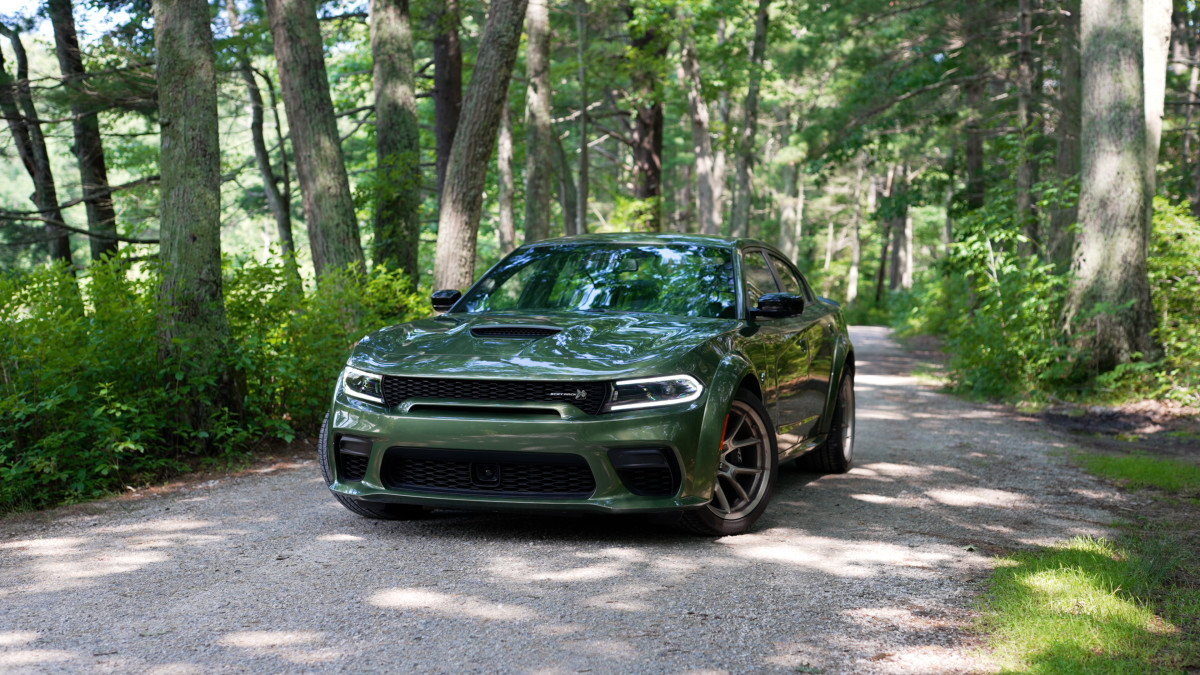
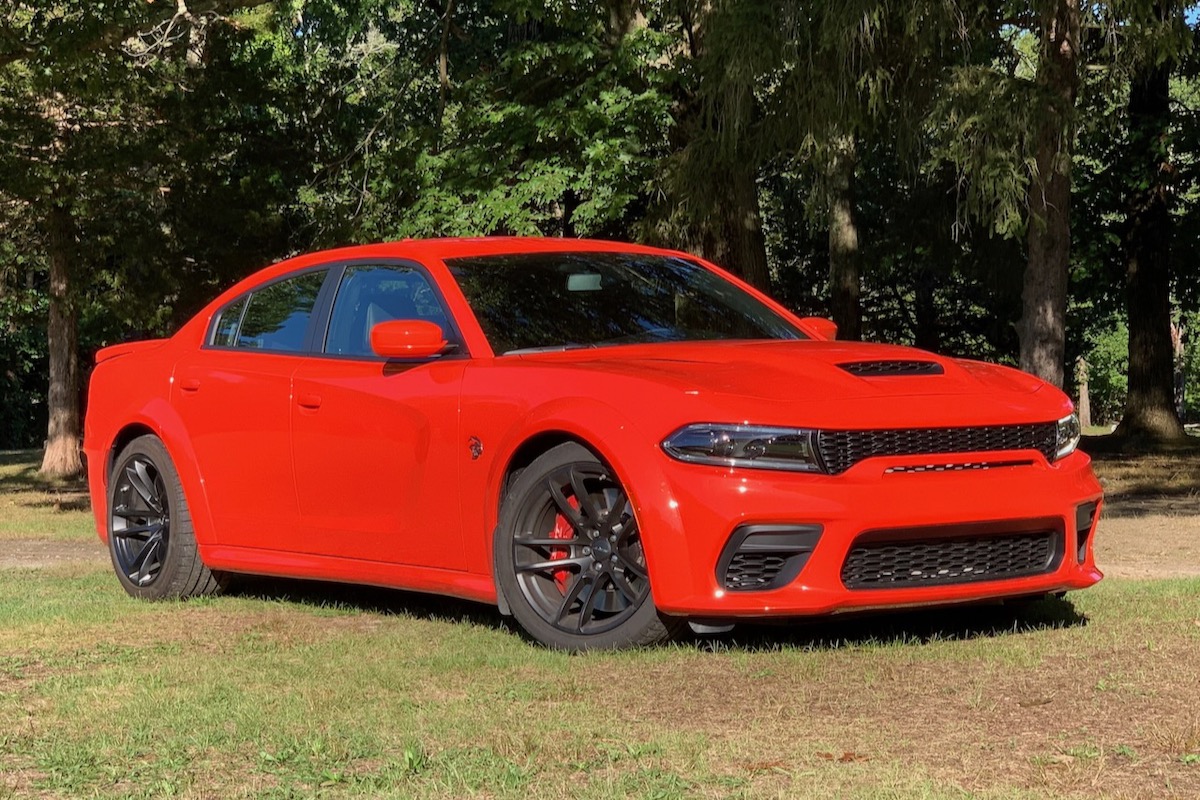
The last years of seventh-generation Charger production command significant premiums in LA—averaging 45–58% above national prices. These models benefit from "last of an era" collector interest, as Dodge ended production of the V8-powered Charger in December 2023. The 2022 model year actually averages higher than 2023 in LA ($49,179 vs. $48,014), suggesting strong local demand for specific trims like the Jailbreak or Wide Body variants. With average mileage of 26,000–43,000 miles, these are relatively fresh examples.
Late Seventh Generation (2017–2020): $21,184–$28,824
This era represents the sweet spot for buyers wanting modern features at more accessible prices. Apple CarPlay and Android Auto arrived for 2017, and these years show strong reliability records. LA pricing runs 16–37% above national averages, with the 2019 model year showing the steepest premium ($28,824 local vs. $21,085 national—37% higher).
Post-Refresh Seventh Generation (2015–2016): $14,975–$30,132
The 2015 refresh made the eight-speed automatic transmission standard, updated the interior materials, and improved chassis tuning. The 2016 model year shows unusual LA pricing at $30,132—77% above the national average of $17,017—suggesting the available inventory may include higher-trim V8 or performance variants.
Early Seventh Generation (2011–2014): $10,037–$15,430
These are budget-friendly entry points into the seventh-generation Charger. The 2015 model year represents the best value in this range with modern features at $14,975 average, while 2011–2014 models offer lower prices but with higher mileage (106,000–132,000 miles) and fewer features. Limited LA inventory in these years means selection is constrained.
Sixth Generation (2006–2010): $9,999–$17,986
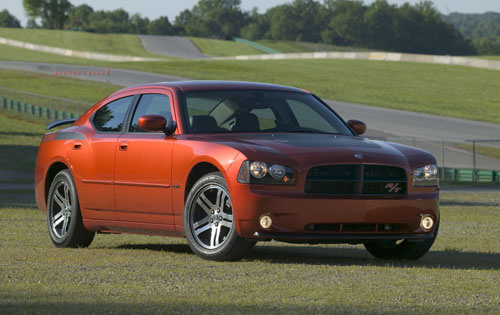
The original modern Charger represents just 3% of LA inventory. Pricing varies wildly based on trim and condition—the 2007 model year averages $17,986 locally, likely reflecting SRT8 or special edition examples in the small sample. These are the oldest and least reliable modern Chargers, best avoided unless you find a particularly clean example or want a specific variant for collector purposes.
Understanding the LA Premium
The 30% premium over nationwide pricing reflects specific market dynamics.
Muscle car culture runs deep: Los Angeles has a rich history with American muscle, from the original 1960s era to the Fast & Furious franchise that made Chargers icons for a new generation. Demand stays strong, and sellers know it.
Lower mileage examples: LA's Charger inventory averages 60,536 miles versus 70,774 nationally—14% lower. These aren't commuter cars being driven into the ground; they're often weekend warriors and second vehicles that accumulate miles more slowly.
Climate preservation: Southern California's dry weather means LA Chargers avoid the rust that devastates these cars in northern and midwestern states. Body-on-frame construction and V8 heat cycles make Chargers particularly susceptible to rust elsewhere—but not here.
Trim mix matters: The high average prices, especially for 2021–2023 models, suggest LA inventory skews toward V8, SRT, Scat Pack, and Hellcat variants rather than base V6 models. Performance-oriented buyers drive LA's market.
Good and Great Deals in Los Angeles
CarGurus data reveals that 37% of LA Charger listings qualify as Good or Great Deals—below the national average of 44%.
| Deal Rating |
LA Percentage |
National Percentage |
| Great Deals |
13% |
12% |
| Good Deals |
24% |
32% |
Strong local demand means fewer bargains, but deals do exist. The Great Deal percentage (13%) actually matches the national rate—you just need patience to find them. Focus on 2015–2018 model years where the LA premium is smaller and inventory is more available.
What is the Most Reliable Used Dodge Charger in Los Angeles?
The Charger's reliability varies significantly by generation and model year. While early sixth-generation cars (2006–2008) earned a reputation for electrical gremlins and mechanical issues, the seventh-generation "LD" Charger (2011–2023) proved surprisingly durable—even in high-performance trims.
Most Reliable by Era
2017–2023 (Late Seventh Generation)
These years represent the most refined versions of the LD Charger. By 2017, Dodge had sorted the teething issues of the 2011 redesign and the 2015 refresh. Apple CarPlay and Android Auto integration arrived, the eight-speed automatic was fully dialed in, and build quality reached its peak. Our data shows these years represent 54% of LA inventory—the market has spoken.
| Model Years |
Key Improvements |
| 2017 |
Apple CarPlay/Android Auto, Daytona trim levels |
| 2018 |
SE discontinued, GT AWD added with V6 |
| 2020 |
Wide Body variants (Hellcat, Scat Pack) |
| 2022 |
Jailbreak package, 807-hp Hellcat Redeye |
| 2023 |
"Last Call" special editions (Super Bee, King Daytona) |
2015–2016 (Post-Refresh Seventh Generation)
The 2015 refresh brought significant improvements: eight-speed automatic standard across the lineup, retuned chassis with lightweight components, updated interior materials, and the introduction of the 485-hp Scat Pack and 707-hp Hellcat variants. These years offer a good balance of modern features and value, though LA inventory is limited.
2013–2014 (Mid Seventh Generation)
By 2013, most early seventh-gen issues were resolved. The 2012 model year introduced the eight-speed automatic as an option (better fuel economy) and brought back the SRT8 with the 470-hp 6.4-liter Hemi. These years work as budget options, but inventory is very limited in LA.
Reliability Considerations by Powertrain
3.6-Liter Pentastar V6 (SXT, GT): The workhorse engine across Stellantis products, the Pentastar is proven and economical. Expect 19 city/30 highway mpg with the eight-speed automatic. Reliable and affordable to maintain, this is the sensible choice—though not the exciting one.
5.7-Liter Hemi V8 (R/T): The classic Hemi V8 delivers 370 hp and a satisfying rumble. Cylinder deactivation helps fuel economy (15 city/25 highway), though these engines consume oil between changes—check levels regularly. Overall durability is excellent.
6.4-Liter Hemi V8 (Scat Pack, SRT 392): At 485 hp, the 6.4-liter is the performance sweet spot. Strong reliability record for a high-output engine. These typically see harder driving than V6 models, so be sure to get a thorough inspection—but the engine itself is robust.
6.2-Liter Supercharged Hemi V8 (Hellcat, Redeye): Surprisingly, the 707–807 hp Hellcat variants have proven durable. The supercharger is overbuilt, and owners report fewer issues than expected for such extreme machines. That said, these cars encourage hard driving—inspect carefully, and assume any used Hellcat has been driven accordingly.
What to Check When Buying
Inspect for abuse: The Charger's muscle car image attracts enthusiastic driving. Look for signs of hard use: excessive tire wear, brake wear, suspension wear, and any evidence of racing or burnouts. Check the tires for uneven wear patterns.
Electrical system (2006–2012): Early models had complex Mercedes-derived electronics that could be problematic. Test everything: infotainment, power windows, locks, and the instrument cluster.
Rust inspection: While LA's climate is favorable, check any Charger that may have spent time elsewhere. Examine undercarriage, rocker panels, and wheel wells. Sixth-generation models are particularly rust-prone.
Service history: Chargers respond well to regular maintenance. Oil changes are critical on Hemi V8s (they're known to consume oil). Verify the transmission fluid has been serviced—the eight-speed automatic is reliable when maintained.

Best and Worst Dodge Charger Years in Los Angeles
CarGurus data reveals clear patterns about which model years offer the best value and reliability in the LA market.
Best Dodge Charger Years for Los Angeles
| Category |
Best Years |
LA Avg. Price |
Why They're Best |
| Best Overall |
2018–2020 |
$23,569–$28,824 |
Refined seventh-gen, CarPlay/Android Auto, proven reliability, reasonable LA premiums |
| Best Value |
2015 |
$14,975 |
First year of 2015 refresh with eight-speed auto, only 11% LA premium |
| Best for Collectors |
2023 |
$48,014 |
"Last Call" editions, final V8-powered Chargers, lowest mileage (26,049 avg.) |
| Best Performance Value |
2017 |
$21,184 |
First year with CarPlay/Android Auto, Daytona trims available, 17% LA premium |
Best Overall: 2018–2020
These model years offer the best balance of modern features, proven reliability, and relative value. The 2015 refresh had been refined for three years, all seventh-gen issues were sorted, and these cars include Apple CarPlay and Android Auto. LA premiums range from 16–37%—significant, but not as extreme as 2021–2023 models. With 66,000–82,500 average miles, these have plenty of life remaining.
Best Value: 2015
The first year of the major refresh introduced the eight-speed automatic standard, updated interior materials, retuned chassis, and the Scat Pack and Hellcat variants. At $14,975 average with 113,891 miles, the 2015 shows just an 11% local premium—the lowest of any model year. High mileage is the trade-off, but these cars can handle it with proper maintenance.
Best for Collectors: 2023
The final year of V8-powered Charger production included "Last Call" special editions like the Super Bee, King Daytona, and Scat Pack Swinger. With production ending December 22, 2023, these are already appreciating as collectibles. At 26,049 average miles and $48,014 average price (30% above national), LA inventory represents relatively fresh examples with potential long-term value.
Best Performance Value: 2017
The first model year with Apple CarPlay and Android Auto, plus the introduction of Daytona trim levels. At $21,184 average with 84,040 miles, the 2017 offers modern connectivity at a 17% LA premium. Limited local inventory means you may need patience to find the best example.
Worst Dodge Charger Years for Los Angeles
| Years |
LA Avg. Price |
Concerns |
| 2006–2008 |
$10,808–$17,986 |
Most complaints, electrical gremlins, Mercedes-derived complexity, rust-prone, oldest examples |
| 2011–2012 |
$10,037–$15,430 |
Early seventh-gen teething issues, electrical and infotainment problems, pre-2015 refresh |
Avoid: 2006–2008
The first modern Chargers generate the highest number of complaints. The 2006 model was an all-new design with a new engine family (5.7-liter Hemi) and complex Mercedes-Benz-derived electronics. Valve seal issues, head gasket problems, transmission failures, and electrical gremlins plagued these early years. They're also the most rust-prone generation—even LA's dry climate can't undo damage from previous owners in other regions. LA inventory is minimal for good reason.
Approach Carefully: 2011–2012
The seventh-generation "LD" Charger debuted in 2011 with significant improvements over the sixth generation, but early models had their own teething issues—mostly electrical and infotainment problems. By 2013, Dodge had resolved most concerns. With few available in LA across both years and average mileage of 106,000–132,000 miles, these are aging cars with known quirks. The 2015+ models offer better value for the price.
Generation Summary Based on LA Market Data
Seventh Generation Post-Refresh (2015–2023): 79% of LA inventory. This is where the market concentrates, and for good reason—eight-speed automatic, updated interior, proven reliability. The 2017+ models add modern connectivity. The 2021–2023 models command extreme premiums but represent the final, most refined versions.
Seventh Generation Pre-Refresh (2011–2014): 7% of LA inventory. Budget entry points but limited selection. The 2013–2014 years are acceptable; avoid 2011–2012 if possible.
Sixth Generation (2006–2010): 3% of LA inventory. The oldest modern Chargers with the most issues. Only consider if you find an exceptionally clean, low-mileage example or want a specific variant (SRT8, special edition) for collector purposes. The 2009–2010 years are more reliable than 2006–2008.
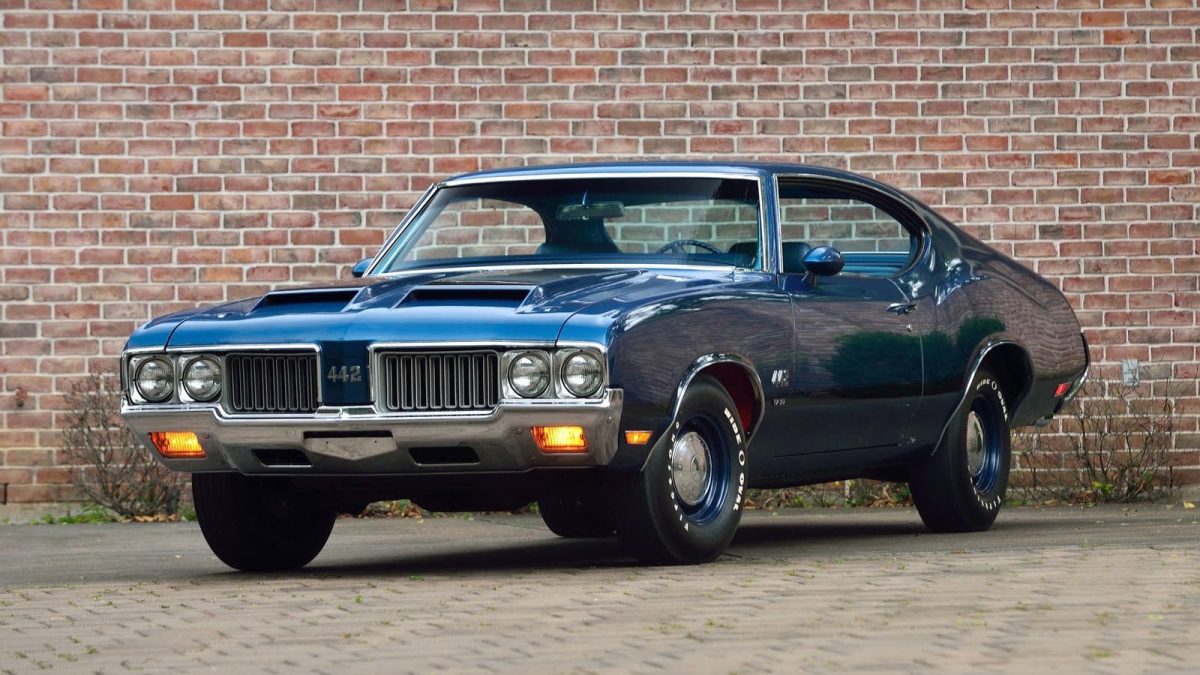
Classic Chargers (1967–1974): Minimal inventory at collector prices ($12,495–$328,497). These are investment-grade vehicles, not daily drivers.
Dodge Charger Pros and Cons
Los Angeles embraces the Charger's personality like few other cities. Its muscular presence fits the car culture, its RWD platform handles canyon roads with enthusiasm, and its spacious interior accommodates LA's lifestyle—whether that's hauling surfboards or ferrying the family. Based on our analysis of the LA market and real-world ownership patterns, here's what you need to know.
Pros
Genuine Muscle Car Performance in a Practical Package
No other four-door sedan matches the Charger's combination of V8 power and family practicality. The 5.7-liter Hemi delivers 370 hp, the 6.4-liter Scat Pack makes 485 hp, and the Hellcat variants push 707–807 hp. Yet all versions seat five comfortably with a generous trunk. It's a muscle car you can live with daily.
Last of a Breed
With production ending in December 2023, the V8-powered Charger represents the end of an era. The new 2025 Charger will use turbocharged inline-six and electric powertrains—no more naturally aspirated V8s. This scarcity is already driving collector interest, particularly for 2021–2023 "Last Call" editions.
Spacious and Comfortable
The Charger's full-size dimensions translate to genuine rear-seat legroom and a trunk that swallows luggage. Interior materials improved significantly with the 2015 refresh and continued refinement through 2023. For LA road trips—Vegas, San Diego, San Francisco—the Charger covers miles in comfort.
Available All-Wheel Drive
While the charger is traditionally a RWD machine, all-wheel-drive (AWD) versions (V6 only) offer improved traction for mountain trips to Big Bear or Mammoth. The AWD system adds capability without sacrificing the Charger's personality.
Strong Aftermarket Support
The Charger enjoys robust aftermarket support for performance upgrades, appearance modifications, and maintenance parts. Whether you want to add horsepower or simply maintain your car affordably, parts and expertise are readily available.
Lower Mileage in LA
Local inventory averages 60,536 miles versus 70,774 nationally—14% lower. Chargers here tend to be weekend warriors and enthusiast vehicles rather than high-mileage commuters. Combined with LA's rust-free climate, this means better-preserved examples.
Cons
Significant LA Price Premium
The 30% average premium over national pricing ($35,218 vs. $27,195) is the biggest challenge for LA buyers. Strong local demand and the Charger's cultural significance keep prices elevated. Patience and flexibility on model year can help, but expect to pay more than buyers in other regions.
Fuel Economy
The Charger is thirsty. V6 models manage 19 mpg city and 30 highway—acceptable for the class. But the V8s drink considerably more: the 5.7-liter Hemi gets 15 mpg city and 25 highway, and Hellcat variants are worse. At California gas prices, a V8 Charger commute adds up quickly. Budget $300–500+/month depending on powertrain and driving habits.
Dated Technology (Pre-2017)
While Stellantis's UConnect infotainment system was competitive when introduced, and remains one of our favorites, pre-2017 models lack Apple CarPlay and Android Auto. The interior, though improved in 2015, still shows its age compared to newer competitors. If modern connectivity matters to you, focus on 2017+ models.
Encourages Hard Driving
The Charger's muscle car image attracts enthusiastic drivers. Used examples may have been driven hard—think burnouts, aggressive launches, spirited canyon runs. Inspect carefully for signs of abuse: tire wear, brake wear, suspension wear, and any evidence of racing.
Size Challenges
The Charger is a big car. LA's tight parking spots, narrow streets, and crowded lots can be challenging. The wide-body variants (2020+) are even larger. If you regularly navigate Santa Monica parking structures or Downtown LA garages, consider whether the Charger's dimensions work for your life.
Limited Safety Tech (Older Models)
Blind-spot monitoring and forward-collision warning were available early in the seventh generation, but the latest advanced safety features (adaptive cruise control, lane-keeping assist) weren't standard until late in the production run. If modern safety tech is a priority, focus on 2019+ models with the appropriate packages.
Who Should Buy a Charger in Los Angeles?
Ideal buyers based on data patterns: Enthusiasts who appreciate V8 power and muscle car heritage, families who want performance and practicality in one package, buyers who see collector potential in final-year V8 models, drivers who primarily do weekend and recreational driving (not daily commuting), and anyone who values the Charger's unique combination of space, style, and power.
Consider alternatives if: Fuel economy is a top priority, you're not willing to pay the 30% LA premium, you need the latest safety technology, you primarily drive in tight urban environments, or you're on a strict budget (the premium pushes prices higher across all years).
Final Verdict for LA Buyers
Los Angeles is a clear seller's market when it comes to the Dodge Charger—strong demand drives prices 30% above national averages. But for buyers who appreciate what the Charger offers, it may be worth the premium. Lower average mileage (60,536 vs. 70,774 nationally), higher accident-free rates (68% vs. 66%), and LA's rust-free climate mean better-preserved examples.
Focus on 2017–2020 for the best balance of features, reliability, and value. The 2015 model year offers the lowest LA premium (11%) for buyers prioritizing budget. And if you're after a future collectible, the 2023 "Last Call" editions represent the final chapter of V8 Charger history.
With the new 2026 Charger shifting to turbocharged six-cylinders and electric power, the V8 era has ended. These cars will only become more desirable with time.
Related Topics