12th generation (2021 to Present)
With the 12th-generation 2021 Suburban, Chevrolet finally swapped out the SUV's solid rear axle suspension for an independent design. That improved the ride and handling but also allowed Chevy to drop the rear floor, boosting cargo space to a maximum of 144.7 cubic feet and simultaneously enhancing third-row seat legroom. A longer wheelbase (the Suburban is 14 inches longer than the Tahoe SUV end-to-end) also contributed to easier passage into and out of the third row.
Another innovation was the return of a turbodiesel powertrain. The Duramax 3.0-liter inline six-cylinder diesel engine made only 277 horsepower, but its 460 pound-feet of torque matched that of the mighty 6.2-liter V8 and returned up to 23 mpg in combined driving. A workhorse 355-horsepower 5.3-liter V8 remained standard, and when properly equipped, the Suburban could tow 8,300 pounds.
The number of models also expanded in 2021, adding the RST as a Suburban trim level and introducing a new Z71 version with more aggressive all-terrain tires, a revised front end for an improved approach angle, skid plates, recovery hooks, and more. The Chevrolet Suburban High Country also debuted, bringing plenty of luxury and, on the tech front, the 12th-generation Suburban had screens, cameras, and safety features galore, including wireless Apple CarPlay and Android Auto connectivity as standard, plus access to a 4G LTE Wi-Fi hotspot.
As a follow-up, the 2022 Suburban added more standard driver assistance features under the banner of Chevy Safety Assist technology. These included additional camera views for improved trailering, and a Google Built-in infotainment system, while most trim levels gained a 12.3-inch digital instrumentation display. More trim levels offered the 6.2-liter V8 in 2022, and in 2023, Chevy started offering its hands-free Super Cruise technology on some versions of the Suburban, which meant drivers could take their hands off the steering wheel while driving for limited periods. No further changes arrived in 2024.
Chevrolet executed a substantial refresh of its large SUV for the 2025 model year. Changes included revised styling, a new interior and center console designed around a 17.7-inch touchscreen infotainment display, more luxury for the Suburban High Country, improved ride and handling characteristics, and a more powerful Duramax turbodiesel engine offering 305 horsepower and 495 pound-feet of torque. In addition, Chevy offered the diesel with the Suburban Z71 trim for the first time.
For 2026, Chevrolet added an RST Dark Essentials package with 24-inch black wheels, black mirror caps, and black badges. The lineup also gained a new Polar White Tricoat exterior color and a 22-inch bright split-spoke wheel design.
Equipped with tried-and-true engines, owners have lodged few complaints about the 12th-gen Suburban. However, the 2021 models were recalled numerous times for various issues, so make sure those were addressed if you buy one.
As new cars, 12th-gen Suburbans cost between $52,000 (2021 LS) to almost $90,000 (2025 High Country). Used examples with less than 80,000 miles can run from less than $40,000 to more than $85,000, the latter price reflecting high-end trim levels that are nearly new. On the used market, 2021 examples now average around $39,900, 2023 models about $50,000, and near-new 2025 versions around $67,100.
11th generation (2015 to 2020)
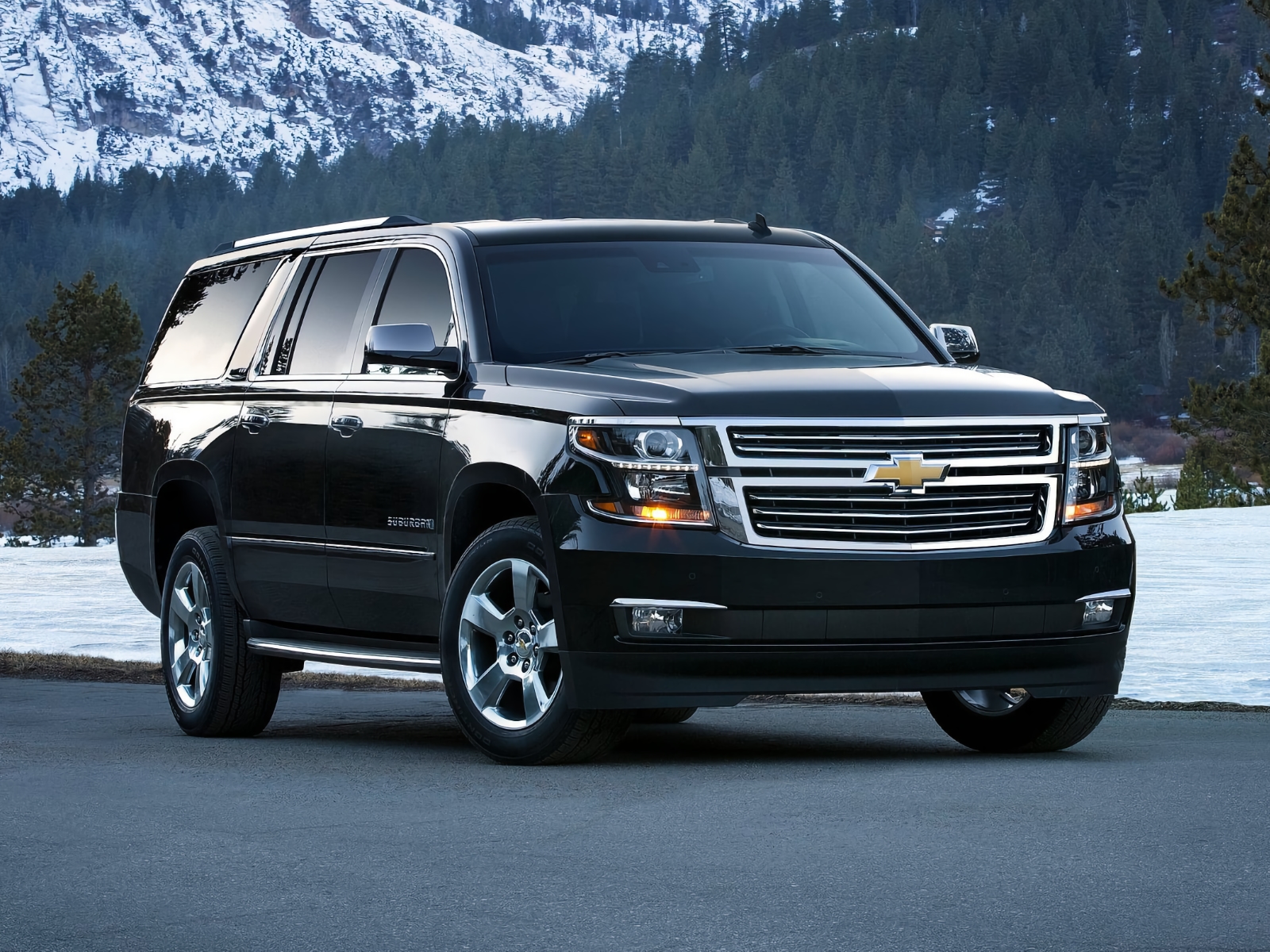
Chevrolet really stepped up its game with the redesigned 2015 Suburban. Dressed in sharply creased sheet metal, equipped with a new 355-horsepower 5.3-liter V8 engine, featuring a more refined and higher-quality interior, and gaining the latest technology from the General Motors swag bag, the 11th-gen 'Burban was firing on all cylinders. Oh, and it finally had a fold-flat third-row seat, negating the need to yank the heavy chairs out to maximize cargo space. Notably, Chevy also discontinued the heavy-duty 2500 version.
As it did before, the new Suburban carried up to nine people and came with rear-wheel drive or four-wheel drive and, when properly configured, it could tow up to 8,300 pounds. Three trim levels were available (Chevrolet Suburban LS, LT, and LTZ), each able to accommodate up to 121.1 cubic feet of cargo. Tech highlights included an infotainment system with up to an eight-inch touchscreen and safety alert and collision avoidance systems, such as forward-collision warning, lane-departure warning, blind-spot monitoring, and rear cross-traffic alert.
In 2016, Chevy added standard Apple CarPlay, an optional head-up display, and available lane-keeping assist to the Suburban. The 2017 model added automatic emergency braking, a rear-seat reminder system, and Teen Driver technology allowing parents to monitor how their children drove away from home. The upscale LTZ trim got a new name that year—Suburban Premier—and Chevy made no substantial changes to the 2018 model.
The Chevrolet Suburban RST arrived in 2019, injecting a shot of extra power in the form of a 420-horsepower 6.2-liter V8 engine paired with a 10-speed automatic transmission. It was available with LT and Premier trims and continued into the 2020 model year, during which Chevrolet made no substantial changes to the Suburban.
Aside from some reported problems with the climate control systems in the 2015 and 2016 models, the 11th-generation Suburban is relatively trouble-free. However, that could change as the years wear on, so look out for signs of neglect and abuse, and choose a clean and well-maintained example, with a clear vehicle history report and a file full of maintenance records.
Used examples aren't very old, but they can be remarkably affordable, and finding a worthy one with less than 100,000 miles should be easy. Expect to pay about $20,000 for a high-mileage example closing in on a six-figure odometer reading, while a top-trim example that's covered half that distance should cost less than $50,000. Choose a base LS or a mid-level Chevrolet Suburban LT, and you can shave up to $10,000 more off the price.
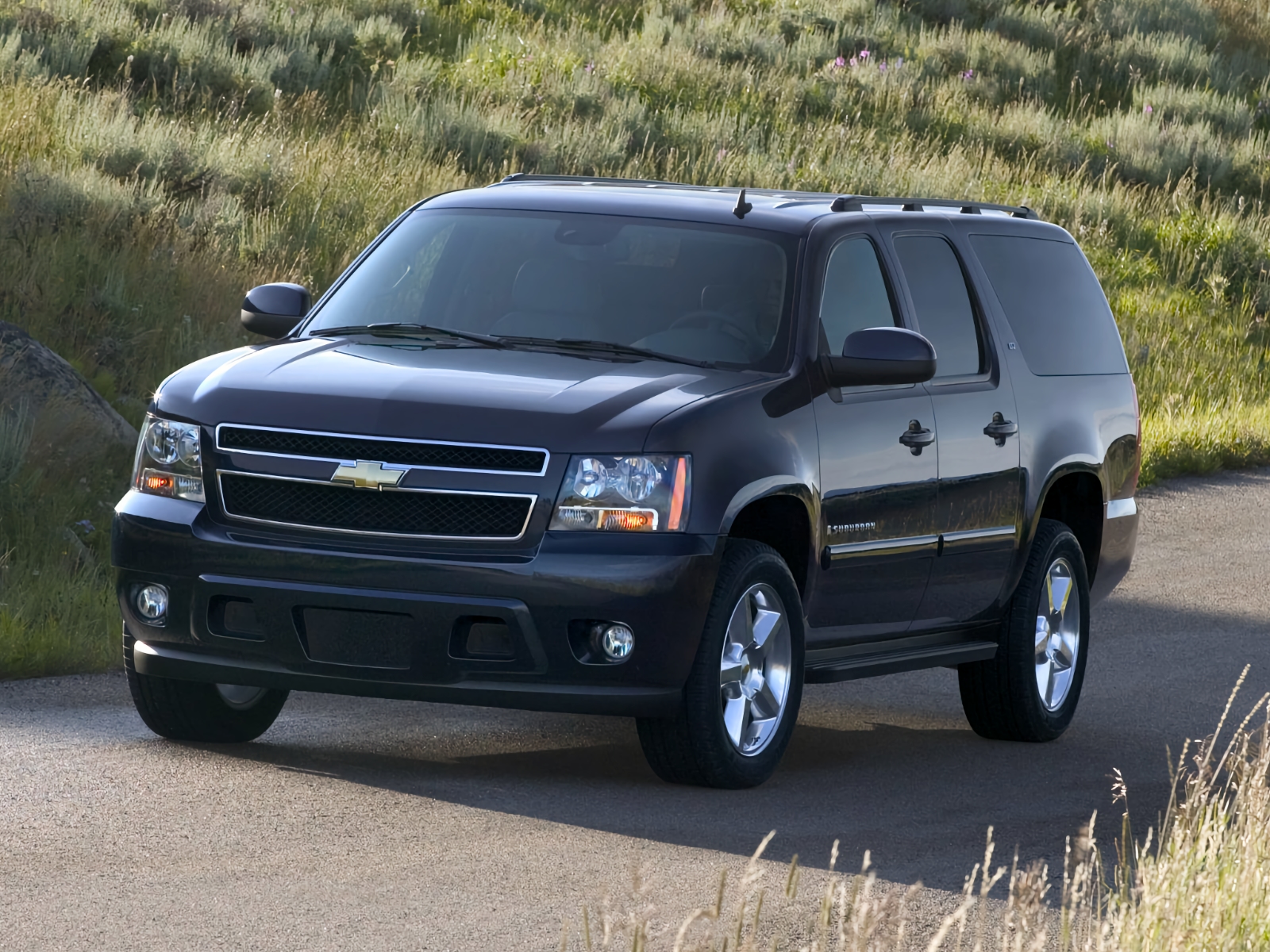
10th generation (2007 to 2014)
By 2007, the Ford Excursion was dead, but the Suburban had a new foe to fight: the extended-length Expedition EL. The Ford offered a similar amount of interior space, a more comfortable third-row seat that folded flat, and independent rear suspension for a more comfortable ride.
Chevy's response was the 10th-generation Suburban, which broke tradition with exterior styling and an interior design unshared with the Silverado pickup truck. Chevy also improved the interior quality, panel fit, and finishes, while new suspension and steering systems, larger brakes, and a stiffer structure made the tenth-gen Suburban better to drive than ever. However, to use all of the available 137.4 cubic feet of cargo space, you still had to remove the third-row seats.
Powerful new 320-horsepower 5.3-liter and 366-horsepower 6.0-liter V8 engines debuted, offering up to 8,000 pounds of towing capacity in the 1500, while the 2500 could handle 9,700 pounds.
Unfortunately, these V8s proved troublesome. Equipped with Active Fuel Management to improve fuel economy, they reportedly suffer from excessive oil consumption due to allegedly defective piston rings, which can lead to other problems, and CarComplaints has issued a "Clunker" warning for the 2007 Suburban, although the issue persisted into 2008 and 2009. Things improved from 2010, though, and gripes from owners have since been almost non-existent.
In 2008, Chevy added side-curtain airbags and expanded the number of available OnStar services, but in 2009, the SUV got a big tech upgrade. Highlights included Bluetooth, navigation with real-time traffic display, an improved audio system, and entertainment screens for both the second and third-row seats. New safety features included an optional reversing camera and a blind-spot warning system. Ventilated front seats were a new comfort upgrade.
Chevy followed those improvements with USB ports and front side-impact airbags in 2010 and an integrated trailer brake controller with the optional towing package in 2011. New navigation and entertainment technology arrived in 2012, followed by a downhill transmission braking system in 2013. For this generation's final year, Chevy dropped the 2500 model from the 2014 Suburban lineup and added more standard equipment to the base LS trim level.
If you decide to buy a tenth-generation Suburban, stick to the 2010-2014 models, which have a relatively low incidence of reported problems, according to CarComplaints. Nevertheless, you should have any 10th-gen Suburban's engine inspected for piston ring problems, excessive oil consumption, or other related issues.
Examples with 150,000 miles or less range from around $9,300 for the afflicted 2007 models to as much as $32,500 for a low-mileage, late Suburban 2500.
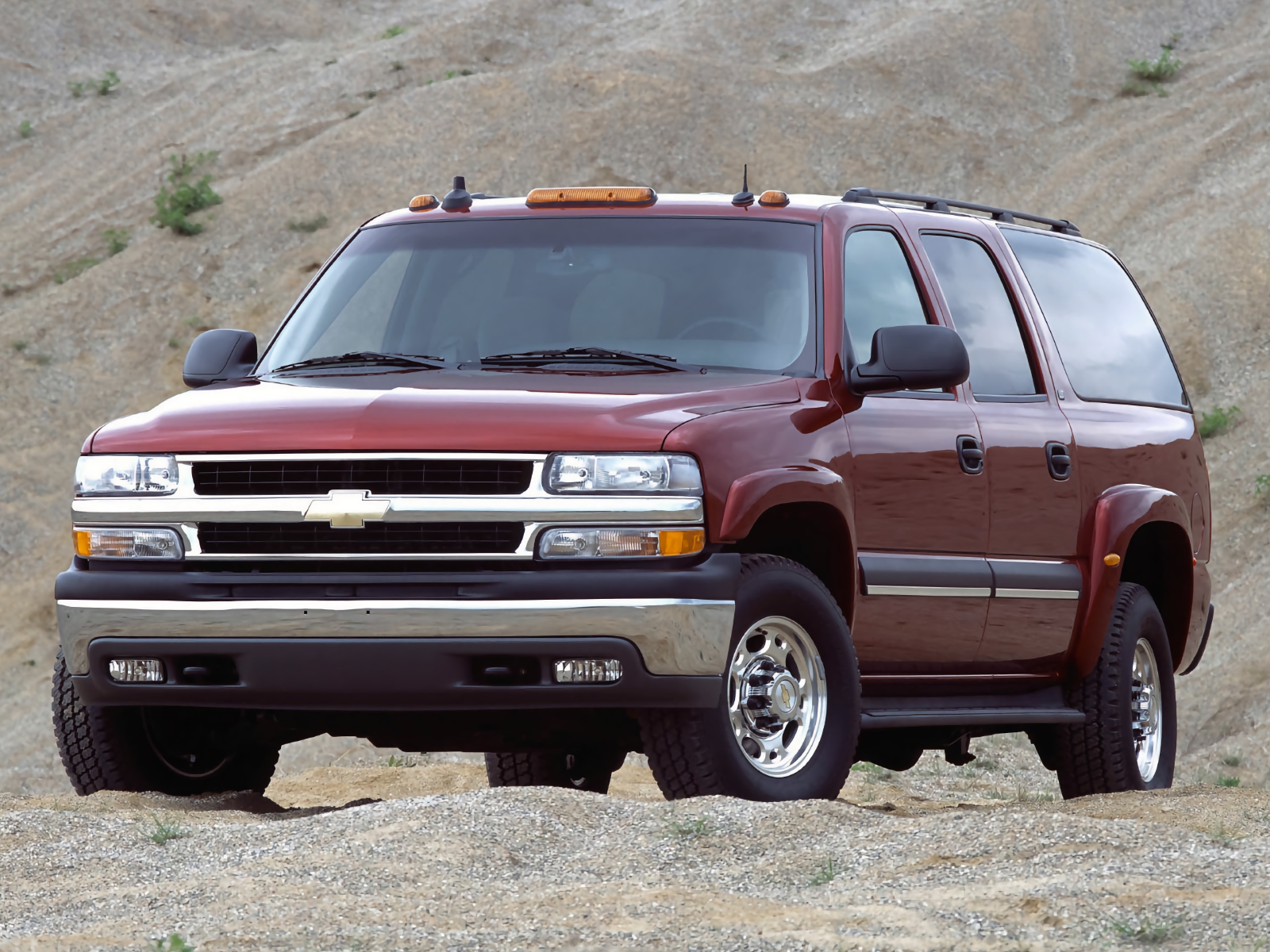
Ninth generation (2000 to 2006)
When the redesigned ninth-generation Suburban went on sale, it had a new rival called the Ford Excursion. Based on the F Series Super Duty, the Excursion was even more enormous than the Suburban, but size isn't everything, and the Chevy remained the more comfortable and accessible SUV. It didn't look as brutish as the Excursion, though, or offer a clattering and smoking diesel engine option.
Instead, new 5.3-liter and 6.0-liter V8 gasoline engines debuted, making 285 and 300 horsepower, respectively. When properly equipped, the 2000 Suburban could tow up to 10,500 pounds. The 6.0-liter engine was bumped to 320 horses in 2001, and Chevy added an optional 8.1-liter V8 for the 2500, bumping that model to a 12,000-pound towing capacity, while a series of additional standard features was added in 2002.
The 2003 model received numerous changes. Improved airbags were standard, stability control became available, and features including adjustable pedals, triple-zone automatic climate control, and second-row captain's chairs enhanced comfort. Satellite radio, a Bose premium sound system, and a DVD-based rear-seat entertainment system were also available on the 2003 Suburban. Original owners could also add QuadraSteer four-wheel steering to the 2500 models to improve their maneuverability.
More changes arrived in 2004, including a seatbelt reminder system, a tire-pressure monitoring system, and upgraded brakes. The 2005 Suburban lost its classic barn-style cargo door option, leaving a lift-up liftgate with separate opening rear window glass. The Z71 off-road package became available with two-wheel drive, and a touchscreen navigation system debuted.
For its final year in production, the ninth-generation Suburban dropped the QuadraSteer option, made stability control standard on all models and offered access to OnStar connected services.
CarComplaints says problems with this generation peaked in 2004, and those were mainly related to electrical issues. Mechanically, these Suburbans are stout machines, and a well-maintained and lovingly cared-for example promises decent durability. With 150,000 miles or less, prices can range from $5,000 to $20,000, depending on the model, trim level, mileage, and condition.
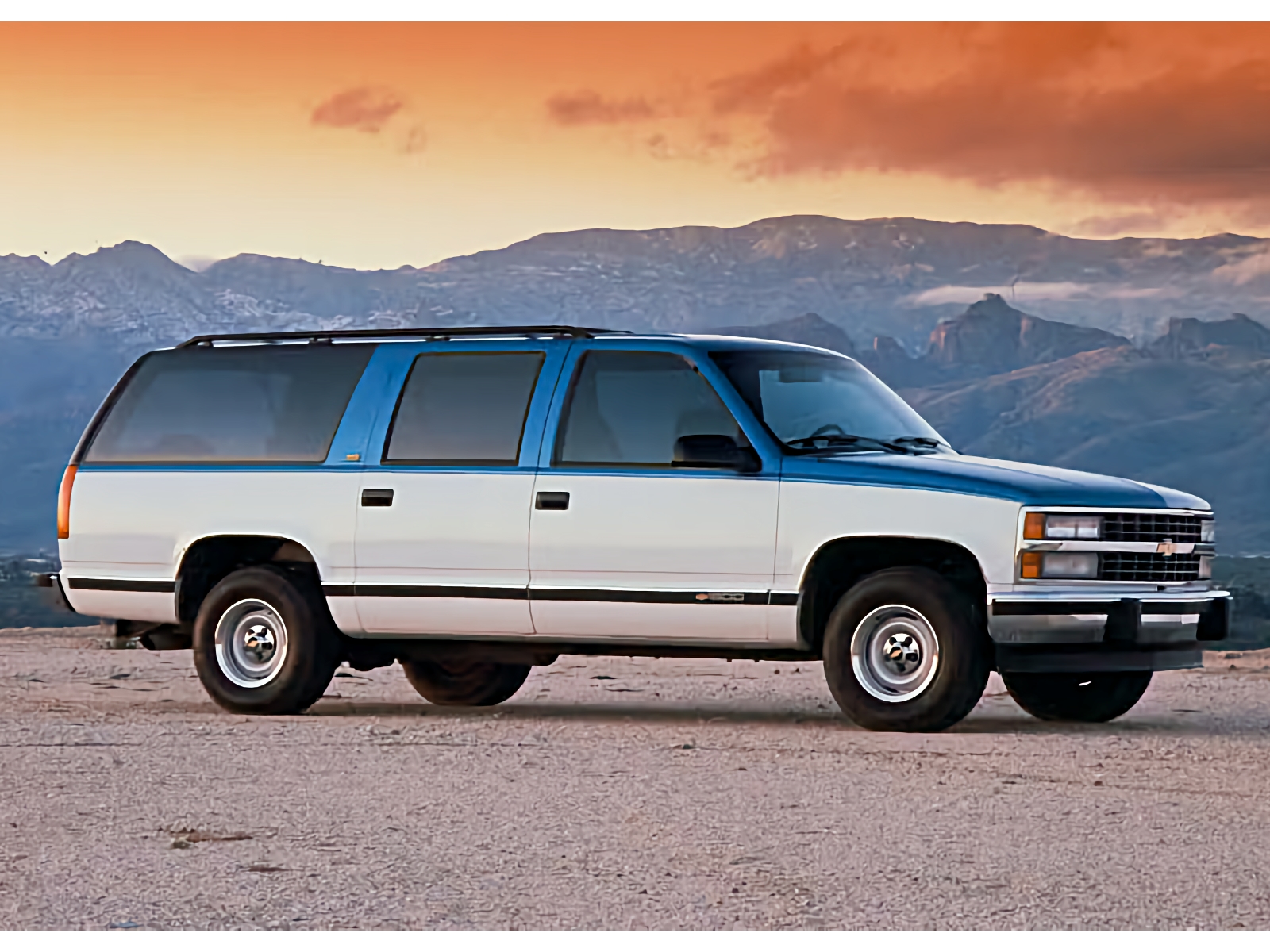
Eighth generation (1992 to 1999)
After 18 years without a redesign, the Suburban was more than due for an overhaul. That arrived for the 1992 model year when the eighth-generation model debuted.
Compared to the vehicle it replaced, the 1992 Suburban looked futuristic, with a clean and modern design featuring flush-mounted headlights, flat door handles, and oversized windows all around. This version could seat nine people, and it had more interior room, cargo space, safety features, and creature comforts than ever.
Continuing in the light-duty 1500 and heavy-duty 2500 model series, the Suburban had a standard 5.7-liter V8 engine or an optional 7.4-liter V8 paired with a four-speed automatic transmission. Towing capacity measured 10,000 pounds, four-wheel drive was optional, and anti-lock brakes improved the Suburban's driveability in slippery conditions, while new independent front suspension enhanced the SUV's ride and handling.
Ford muscled in on the Suburban's turf when it introduced the F-150-based Expedition in 1993, which was smaller than the Chevy, but not by much. Regardless, it had been a long time since Chevrolet faced any real competition in the full-size SUV segment, and the Suburban's simple design seemed plain next to the rounded and bulging forms on the expressive Ford.
Chevy added a turbodiesel V8 engine to the Suburban 2500's engine lineup in 1994 and improved the SUV's side-impact protection. A redesigned interior arrived in 1995, along with a driver's side airbag, and the diesel became an option on the 1500.
More powerful gas V8s arrived in 1996, with the 5.7-liter version increasing from 200 to 250 horsepower and the 7.4-liter V8 rising from 230 to 290 horses. The 1996 Suburban also added daytime running lights and, with 4WD, push-button controls for the transfer case.
A front airbag for the passenger and variable power steering assist arrived in 1997, and original owners could equip the 1998 Suburban with an Autotrac automatic 4WD system for the first time. For its last year in 1999, Chevrolet made no significant changes to Tony Soprano's SUV of choice.
This generation proved quite reliable and no significant updates occurred in the last year of production, although CarComplaints says a spike in owner-reported engine problems could dampen enthusiasm for the 1999 model. As with any used vehicle, be sure to closely inspect any eighth-generation Suburban for signs of neglect, abuse, and indifferent maintenance—and be sure to get a vehicle history report.
Expect to pay between $7,500 and $17,500 for an eighth-generation Suburban in decent shape with less than 150,000 miles. When we researched this article, one with under 6,500 original miles on it was selling for $35,000.
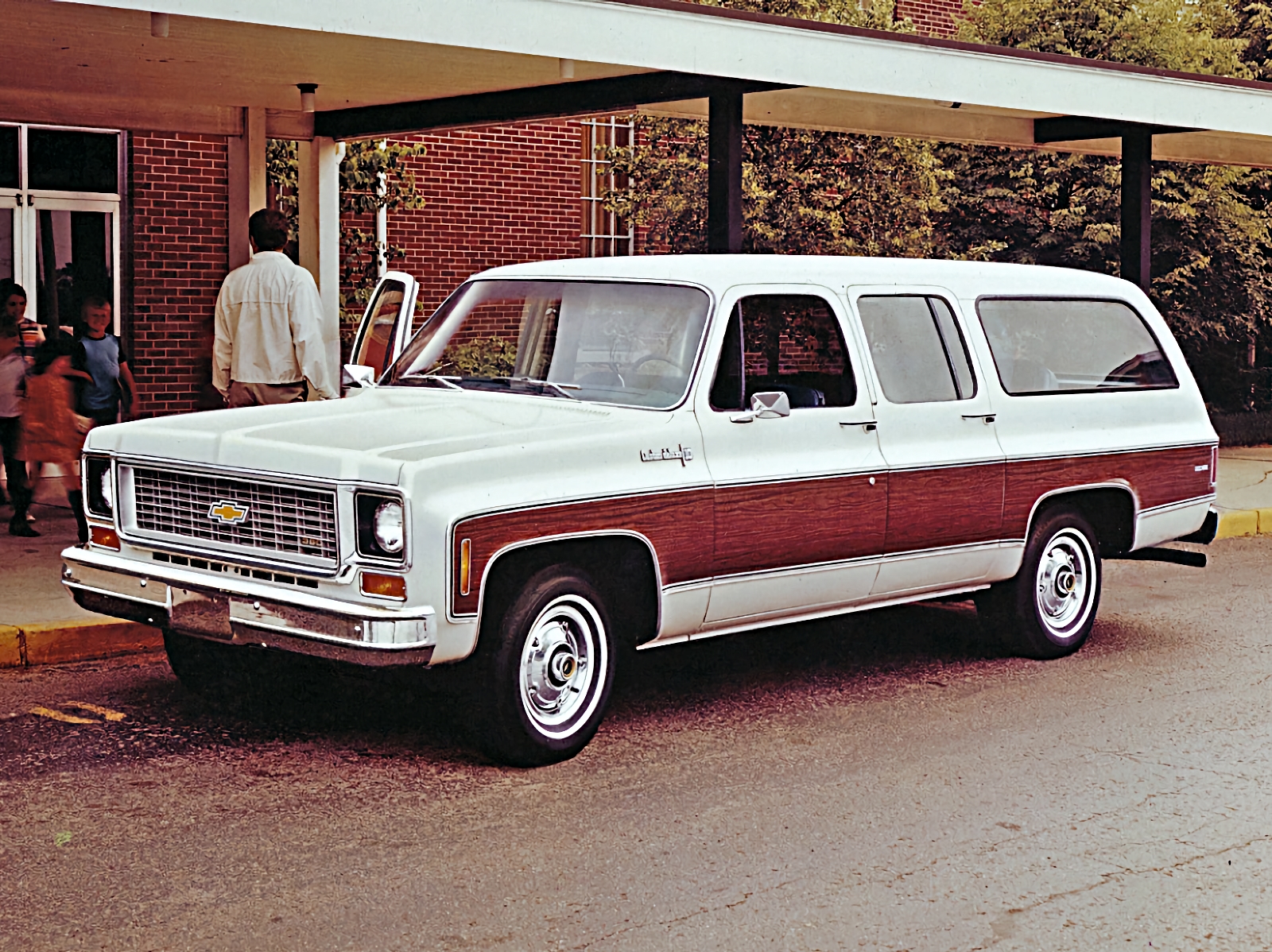
Seventh generation (1973 to 1991)
Chevrolet overhauled all of its full-size trucks for the 1973 model year, including the Suburban. The seventh-generation Suburban's styling wasn't as clean or elegant as the previous model, which, more than half a century later, is arguably one of the most attractive examples of the SUV ever made. However, several innovations arrived in 1973 that exploded the Suburban's popularity with American families.
For starters, it finally had a four-door body style, and the optional four-wheel drive system provided shift-on-the-fly convenience, while rear air conditioning for passengers made it habitable during sweltering summers. When Old Man Winter came, a new heating system for the third row kept everyone cozy. Generally speaking, the seventh-gen Suburban was made for people as much as it was for cargo.
It continued in light-duty and heavy-duty specifications, with rear-wheel drive or four-wheel drive. A six-cylinder engine was standard, with V8 engine options proving popular. Halfway through the model's production run, a diesel V8 option arrived, which improved fuel economy, and by the end of production, the sixth-gen Suburban's towing capacity was 9,500 pounds.
Since the Suburban's design cycles were tied to the Chevrolet full-size pickups, the seventh-gen version lasted for a long time. Too long. However, with the demise of the International Harvester Travelall and the decline of the even older Jeep Wagoneer and Grand Wagoneer, Chevy didn't face much competition aside from the nearly identical GMC Suburban. Nevertheless, noticeable updates came in 1981, right before the diesel engine arrived.
Hagerty reports that rust is the biggest problem with seventh-generation Suburbans. Otherwise, these SUVs were built from simple, robust mechanical components and finding parts for them is not a problem. The publication also advises close inspection of any Suburban with modifications, such as lift kits with larger tires.
Ratty but running examples are available for as little as $5,000. Expect to pay between $15,000 and $30,000 for clean, low-mileage, unmodified versions of the seventh-gen Suburban, while restored or customized models can easily double those values.
Older Models (1936 to 1972)
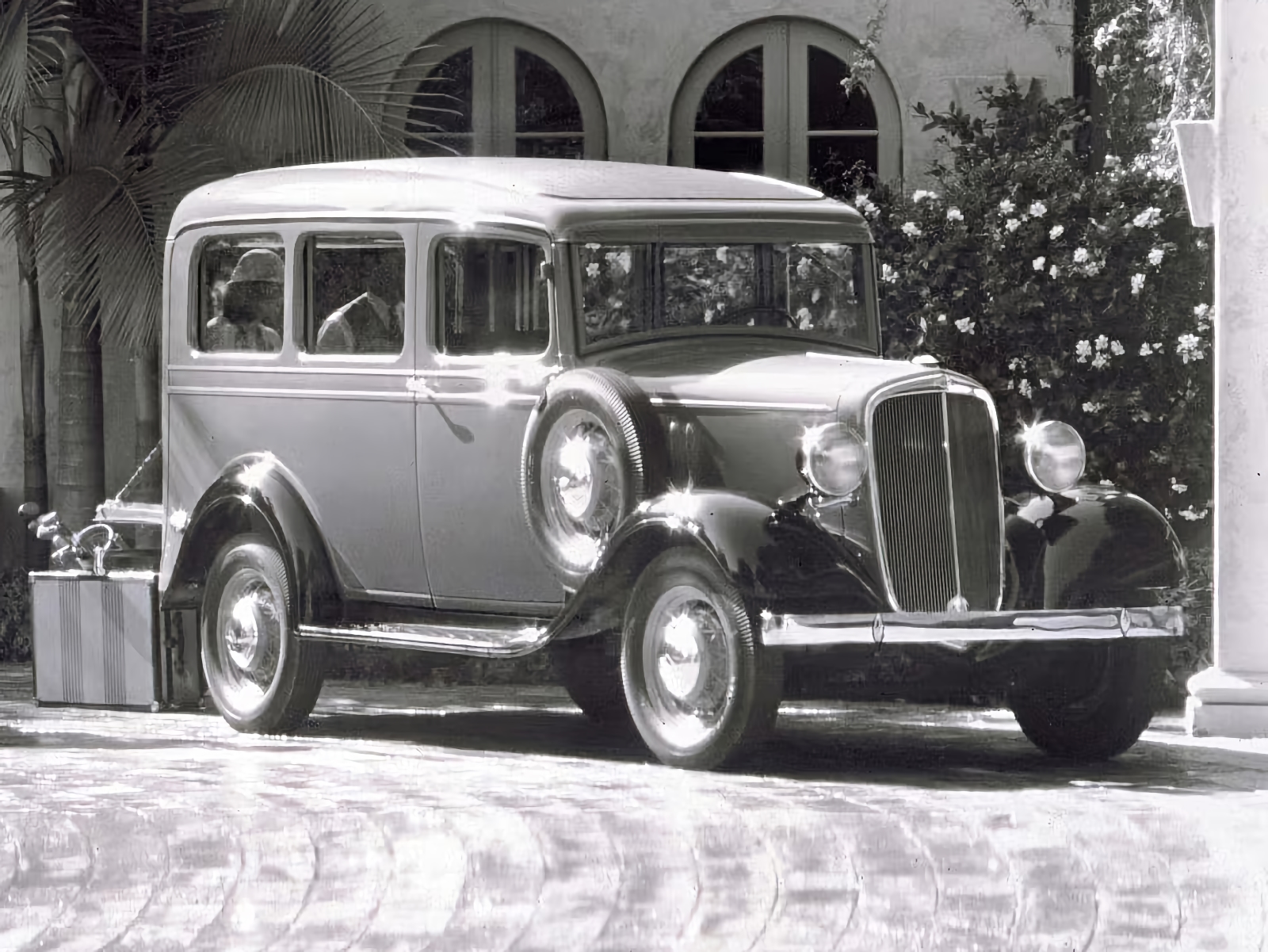
"In 1936, Chevrolet invented the SUV," claims the General Motors Heritage Collection website. That first Suburban Carryall was built on a half-ton pickup truck frame and used a steel rather than wood body, giving it a more robust and durable construction. Chevrolet designed it to transport eight people and their belongings to train stations and cruise ship ports, a purpose to which it adheres to today, even if the destinations are different.
Equipped with a two-door body plus access doors for the cargo area, the first-generation Suburban had three rows of seats and up to 115.1 cubic feet of cargo space. To ensure maximum flexibility, the Suburban had a removable third row and a folding second row to accommodate larger and longer cargo. A six-cylinder engine and a manual transmission powered the rear wheels.
The second-generation Suburban arrived just before the United States was drawn into World War II. Production lines supported the war effort, and Suburbans were used as military transport vehicles.
A third-generation Suburban arrived in 1947, adopting the Advance Design elements of the Chevy pickups of the era. The inline six produced its peak torque at just 1,200 rpm, giving the Suburban a reputation as a good tow vehicle.
In 1955, Chevrolet began offering a V8 engine and an automatic transmission in the fourth-generation Suburban, and an aftermarket conversion to four-wheel drive was available. This version of the Suburban had a sleeker appearance with fashionable wraparound windshield glass, and the design dropped the running boards and bulbous fenders for a more streamlined appearance.
Chevy added a factory four-wheel drive option in 1960 when the fifth-generation Suburban's styling reflected the jet-age excesses of the time. The company toned it down for the 1962 model year and, by 1965, the Suburban offered such luxuries as optional air conditioning and heating for second-row passengers.
Until the 1967 Suburban went on sale, the SUV had just two passenger doors and two cargo doors. That changed when the sixth-generation 'Burban arrived with a rear passenger door on the right-hand side. This model was available in traditional half-ton and new three-quarter-ton specifications, adding to its practicality and capability.
You can avoid purchasing an ongoing project vehicle by choosing one that's already been restored or is in outstanding original condition with the records to prove it and a stamp of approval by a qualified mechanic. Unless the point is to rebuild it yourself, of course.
As you might expect, prices of 1936 to 1972 Suburbans are all over the map. As this was written, they ranged from around $10,000 for a likely project vehicle with lots of patina to about $100,000 for a restomod in excellent condition.
Related Topics