Hindsight, as they say, is 20/20. In this case, hindsight is 2010, because there are a bunch of cars we wish we’d purchased back then that either no longer exist or have jumped in value over the last decade. After all, you didn’t need a crystal ball to foresee that some of these cars were going to be hot in the future. All you needed was a fat bank account, but thanks to the economic fallout from the Great Recession, not many of us had that.
On this list of catches that got away, we have cars, trucks and SUVs from just about every vehicle segment, so there’s plenty to get excited about. As we now realize the error of our ways, let’s not make the same mistake in 2021, and be writing this same story in 2031, shall we?
The Cars We Wish We’d Bought 10 Years Ago
- 2009–2014 Acura TL SH-AWD
- 2008–2013 BMW M3
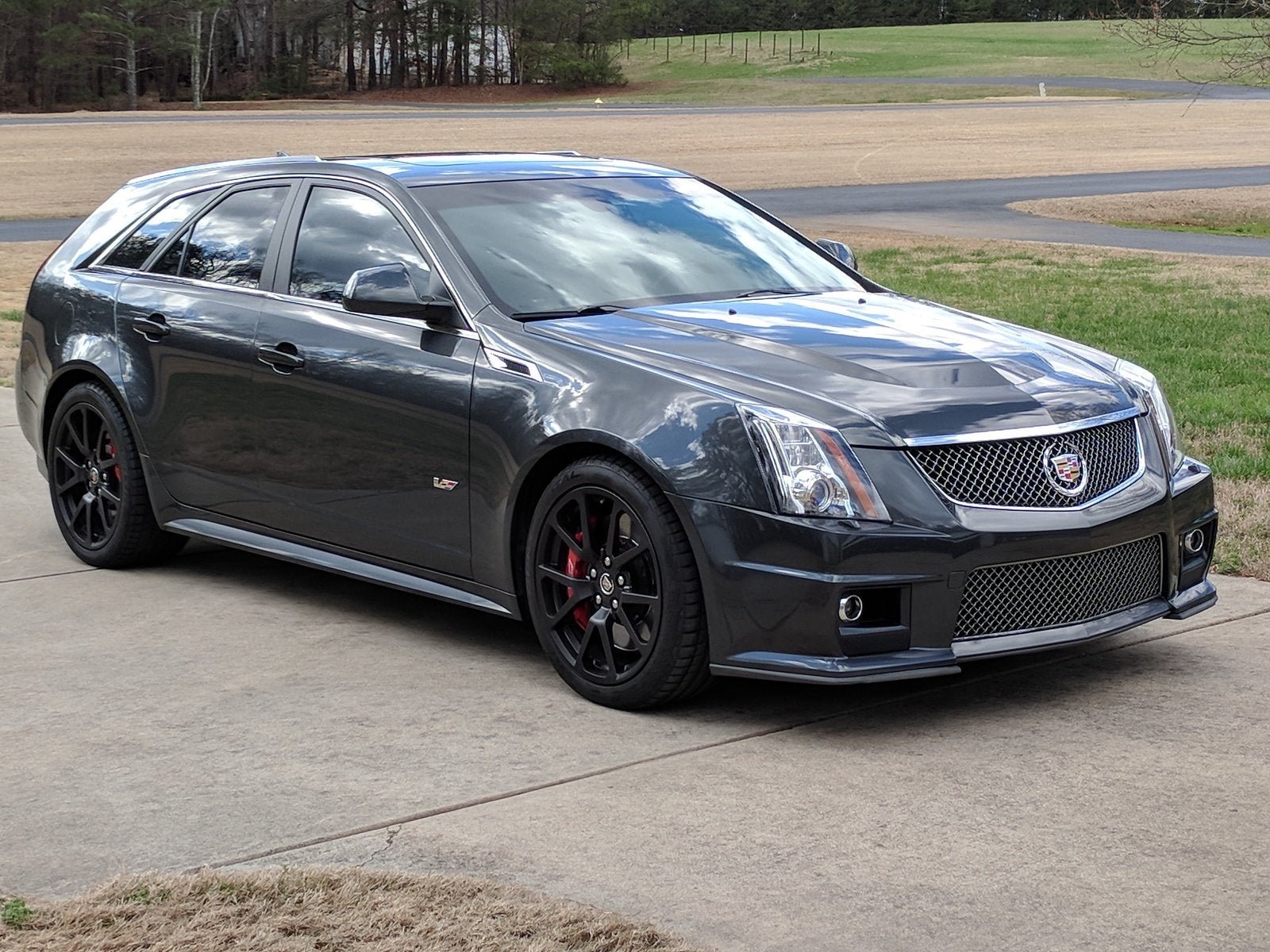
- 2011–2014 Cadillac CTS-V Wagon
- 2010–2013 Chevrolet Corvette Grand Sport
- 2006–2014 Honda Ridgeline
- 2009–2015 Jaguar XFR
- 2010–2013 Mazda Mazdaspeed3
- 2009–2014 Nissan Cube
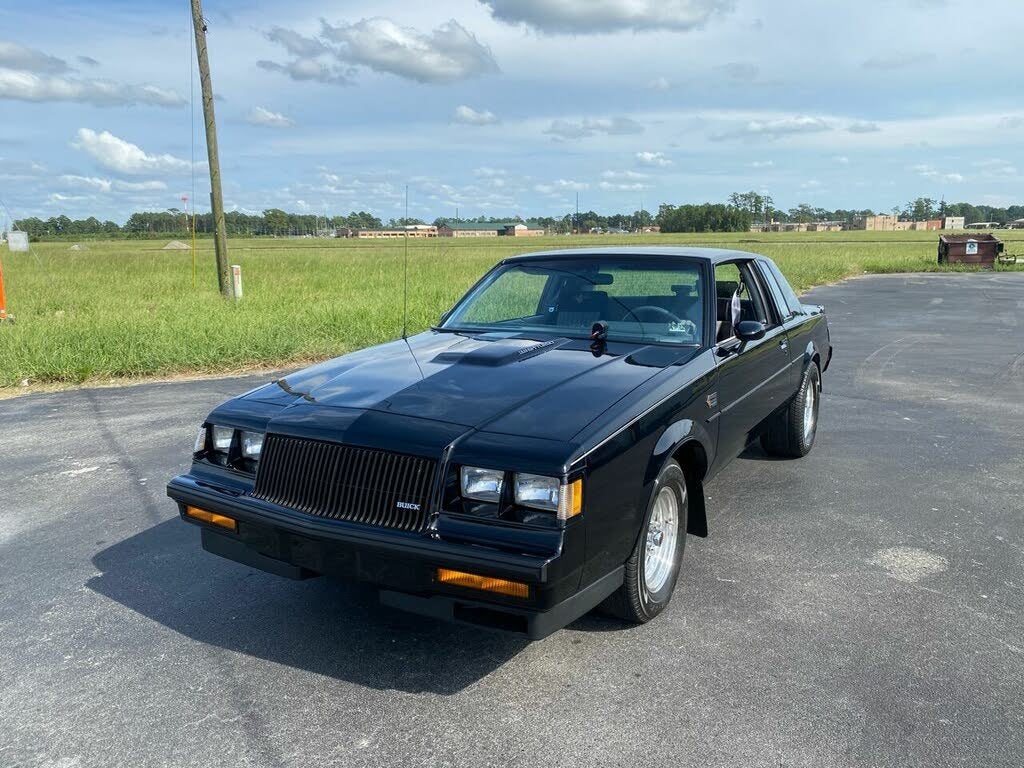
- 2008–2009 Pontiac G8 GXP
- 2006–2012 Porsche Cayman S
2009–2014 Acura TL SH-AWD
Best for: Daily commuters looking for fun
Priced from: $10,000
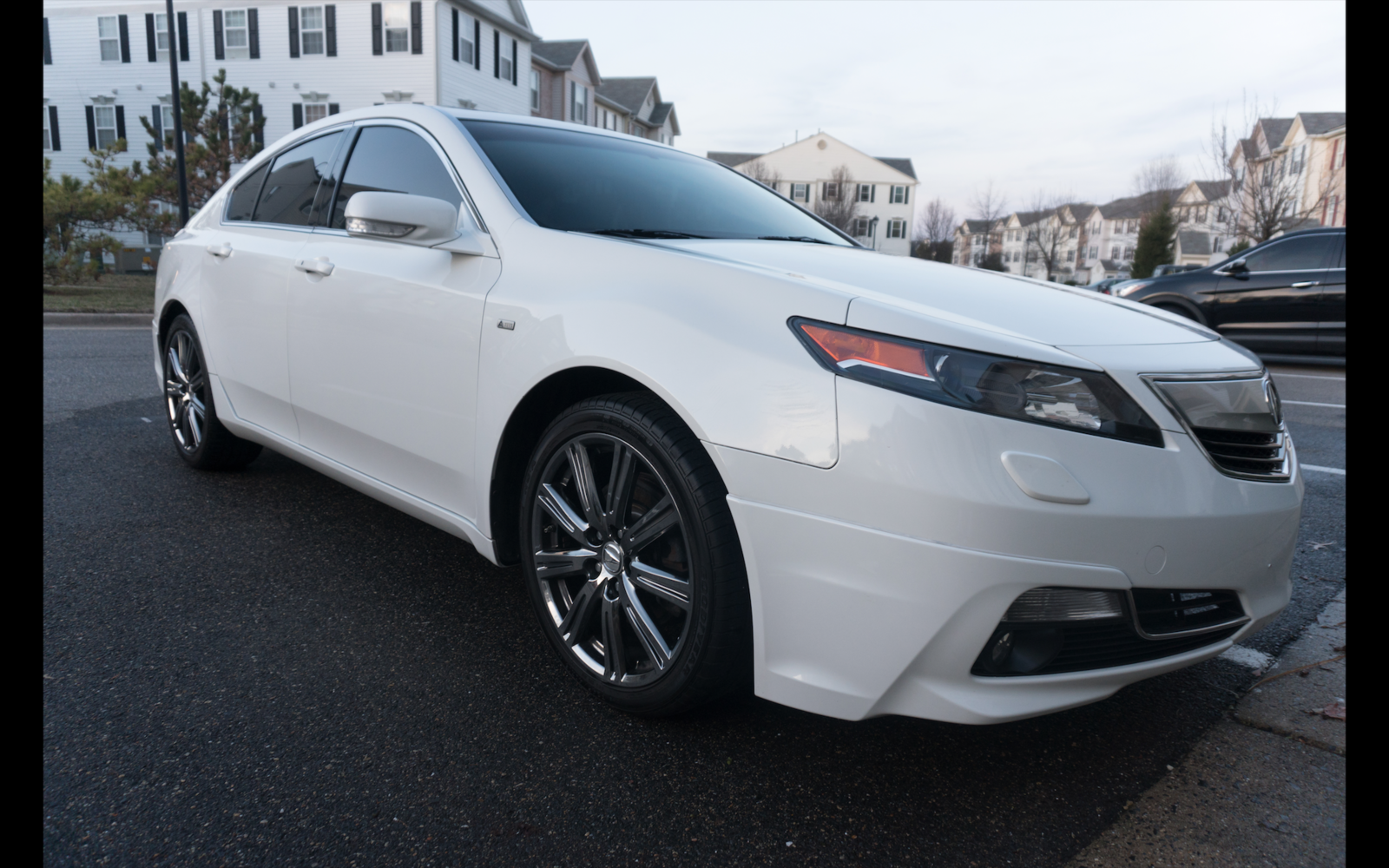
Acura was really in the doldrums around 2010-2011. It lost a staggering 19 percent market share in 2011, and recorded its worst sales year ever. But the Japanese luxury brand still produced interesting, entertaining, useful vehicles that will likely outlast all of us.
One such car was the Acura TL, which was replaced by the TLX in 2015. The TLX is a fine automobile, and frankly, a lot better looking than the TL with that goofy “Power Plenum” grille everybody hated. But the only transmission you get with the TLX is a nine-speed auto in the first gen, and a 10-speed auto in the current generation. With the TL, you had the option to purchase a six-speed manual, and you were allowed to choose it in the best regular production car Acura produced, the TL SH-AWD. By this time, manuals were usually left only to the base car. It was exceedingly rare to find a manual transmission in anything that powered all four wheels. The SH-AWD also afforded you 305 horsepower—a 19-horsepower increase over the previous TL Type-S.
The best guess is that Acura only sold about 3,500 of these cars, but the brand doesn’t release sales numbers, so the actual number could be much less than that.
Read our Overview of the Acura TL
Search for an Acura TL on CarGurus
2008–2013 BMW M3

Best for: Prognosticators who can predict the sunrise
Priced from: $25,000
There are a handful of universal truths: the sun will rise in the east. The IRS will hound you for your taxes. And the BMW M3 will eventually be too expensive to purchase. It has happened with every single iteration of BMW’s high-performance 3 Series.
There was a time when you could buy an E30 M3 for $25K. Those days are long gone. There was a time when an E36 M3 sedan was cheaper than a Civic. Ancient history. These E90/E92/E93 M3 sedans/coupes/convertibles are at the very bottom of the depreciation curve. RIGHT. NOW. Three weeks from now, they could be on the move, when people figure out just how awesome they are. Indeed, it was the only M3 ever powered by a V8, and it’s a good one, churning out 414 horsepower. It was also the first BMW available with a dual-clutch transmission as the automatic offering, featuring the terrific Getrag seven-speed M-DCT. Even with the lard-butt E93 Convertible, you could hit 60 mph in 5.1 seconds. Motor Trend referred to the E90/E92/E93 M3 as “the greatest all-around car in the world.”
At the time of that publication, the M3 listed for $57,000. Today, it would cost you less than half that. Find a low-mileage example with maintenance history and watch that thing outpace your 401(k) for the next decade while you enjoy one of the finest automobiles to emerge from the 2010s.
Read our Overview of the BMW M3
Search for a BMW M3 on CarGurus
2011–2014 Cadillac CTS-V Wagon

Best for: Automotive journalists
Priced from: $44,152
As anyone who writes about cars for a living can surely attest, there are cars that seem to only appeal to automotive journalists. In the 1990s, it was the Nissan Sentra SE-R, about which the press raved… and exactly nobody bought. There are many other examples, too numerous to mention here.
From 2011 to 2014, Cadillac built the CTS-V Wagon, and on the order guide it should have just been called: “Auto Writer Spec.” It was perfect: 556 horsepower. Rear-wheel drive. Six-speed manual transmission. Bold, edgy good looks. A midsize wagon form factor. And it was available in brown (the official color was “Mocha Steel Metallic”). Almost unanimously, every single auto scribe across the country raved about it during its production run, and nobody listened.
Over five model years, only 514 of these cars were built with a manual transmission. Without a sunroof, it’s even more rare: 180 in total with the manual, with another 206 automatics. The rarest of the breed is the Stealth Blue manual with no sunroof: only two were built. If you were to purchase that car today, with low mileage, you’re into it for something like $70,000. Due to its rarity, these cars have experienced a flat depreciation curve over the last decade. Don’t say we didn’t tell you.
Read our Overview of the Cadillac CTS-V Wagon
Search for a Cadillac CTS-V Wagon on CarGurus
2010–2013 Chevrolet Corvette Grand Sport
Best for: White New Balance/jort customers
Priced from: $51,000
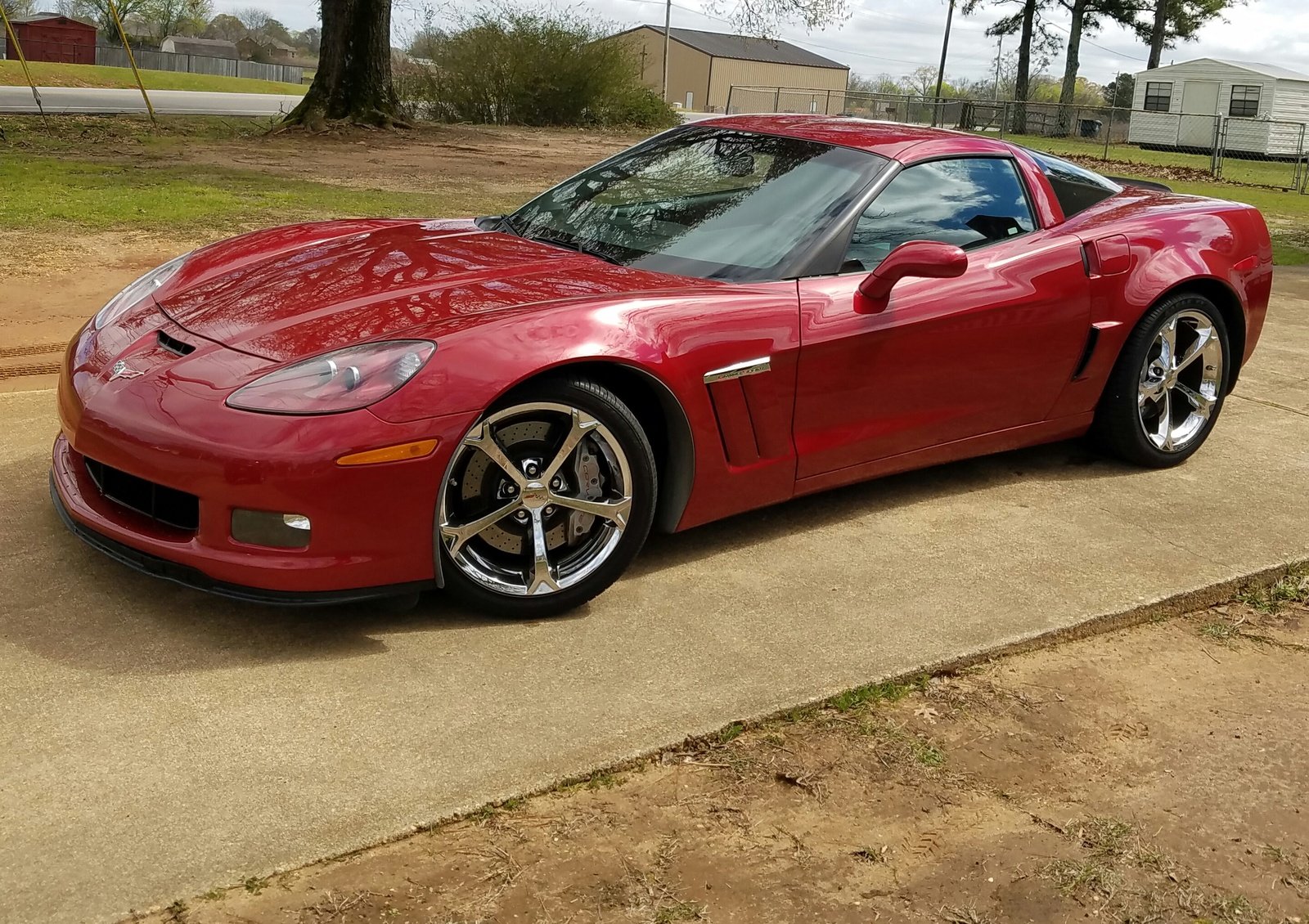
Right now, the C6 is at its lowest point of depreciation. These cars are going to climb in value forever, so if you missed your chance to buy one new in 2010, you’ve got your opportunity now, for almost exactly the same $57,000 MSRP they carried in 2010.
For Corvette enthusiasts lucky enough to buy one new back then, as long as you bought the manual transmission (why would you buy anything else?) you got a hand-built LS3 engine, a dry sump oiling system, and launch control. Also part of the Grand Sport package: wider fenders, wider staggered tires, brakes from the Z06 with cross-drilled rotors and six-piston calipers up front, lightweight forged aluminum wheels, a completely revised suspension, and a transmission cooler.
A Grand Sport with low miles in exceptional condition is going to cost about twice what a standard C6 Corvette coupe would, but it’s worth the additional investment, because they’re going to be worth more in the long run. If you’ve ever wanted one of these cars, this is the time.
Read our Overview of the Chevrolet Corvette
Search for a Chevrolet Corvette on CarGurus
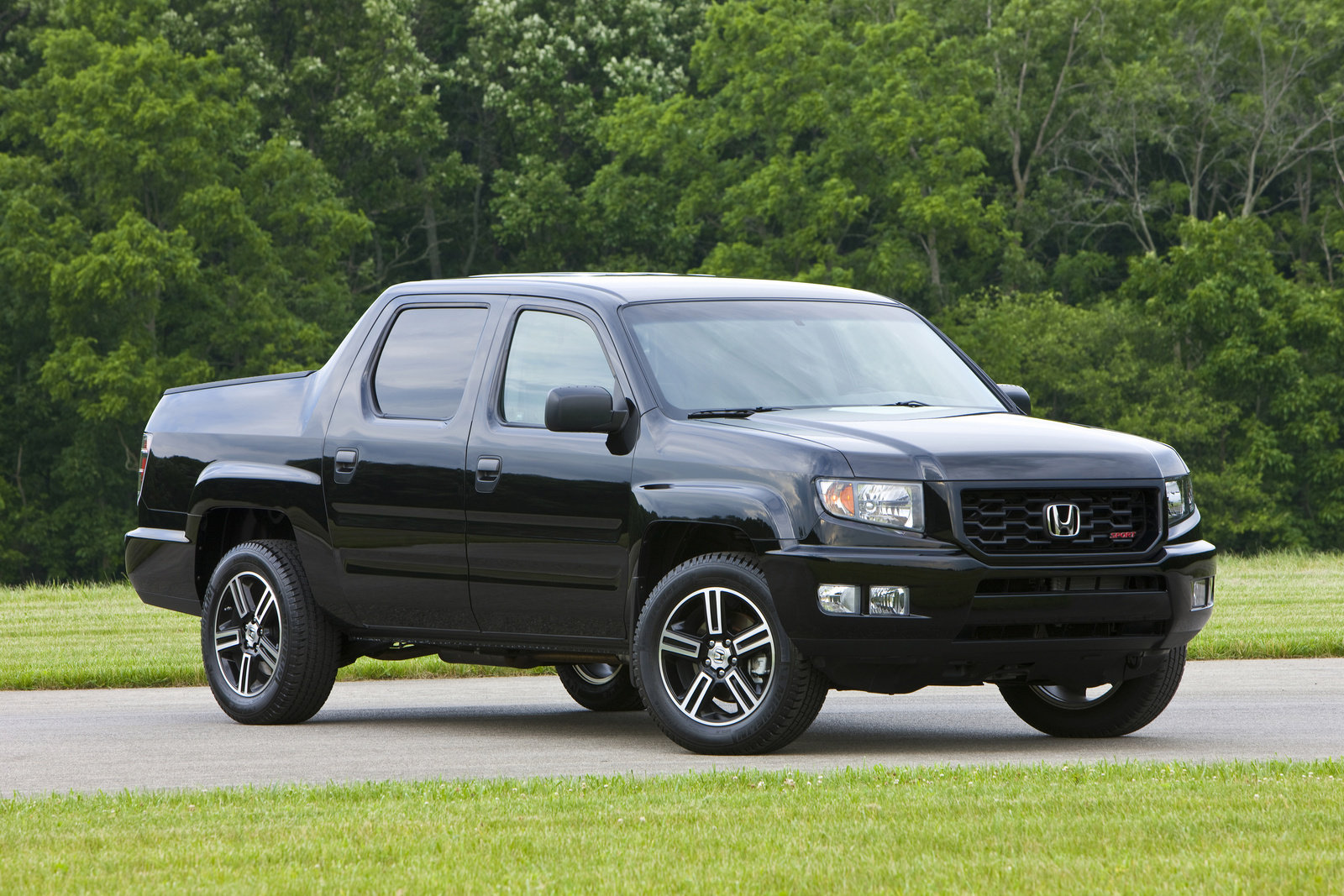
2006–2014 Honda Ridgeline
Best for: People who don’t mind being universally hated
Priced from: $9,000
Everybody loves to hate the Honda Ridgeline. Yes, it’s based on the Pilot. Yes, it has no low range. Yes, it’s smaller than your average Truck Nutz-sporting, coal-rolling Ram 3500 dually. But it does its job remarkably well, and if you live in the suburbs, it fits nicely in your garage.
Everybody who’s ever actually owned a Ridgeline has loved it for exactly the kind of stuff any Honda-owning homeowner has to do on the weekends. We’re not hauling horse trailers. We’re bringing our recycling to the dump and toting a weekend’s worth of Turf Builder back from Lowe’s. It’s way more comfortable inside than any other midsize pickup, especially in the back seat, and no other midsize truck manufacturer ever came up with unique storage features like the in-bed trunk.
We’ve seen these things haul trailers through the woods with 200,000 miles on the clock. They’re way better than what they appear to be on paper, and they finally don’t cost $34,000 to purchase.
Read our Overview of the Honda Ridgeline
Search for a Honda Ridgeline on CarGurus
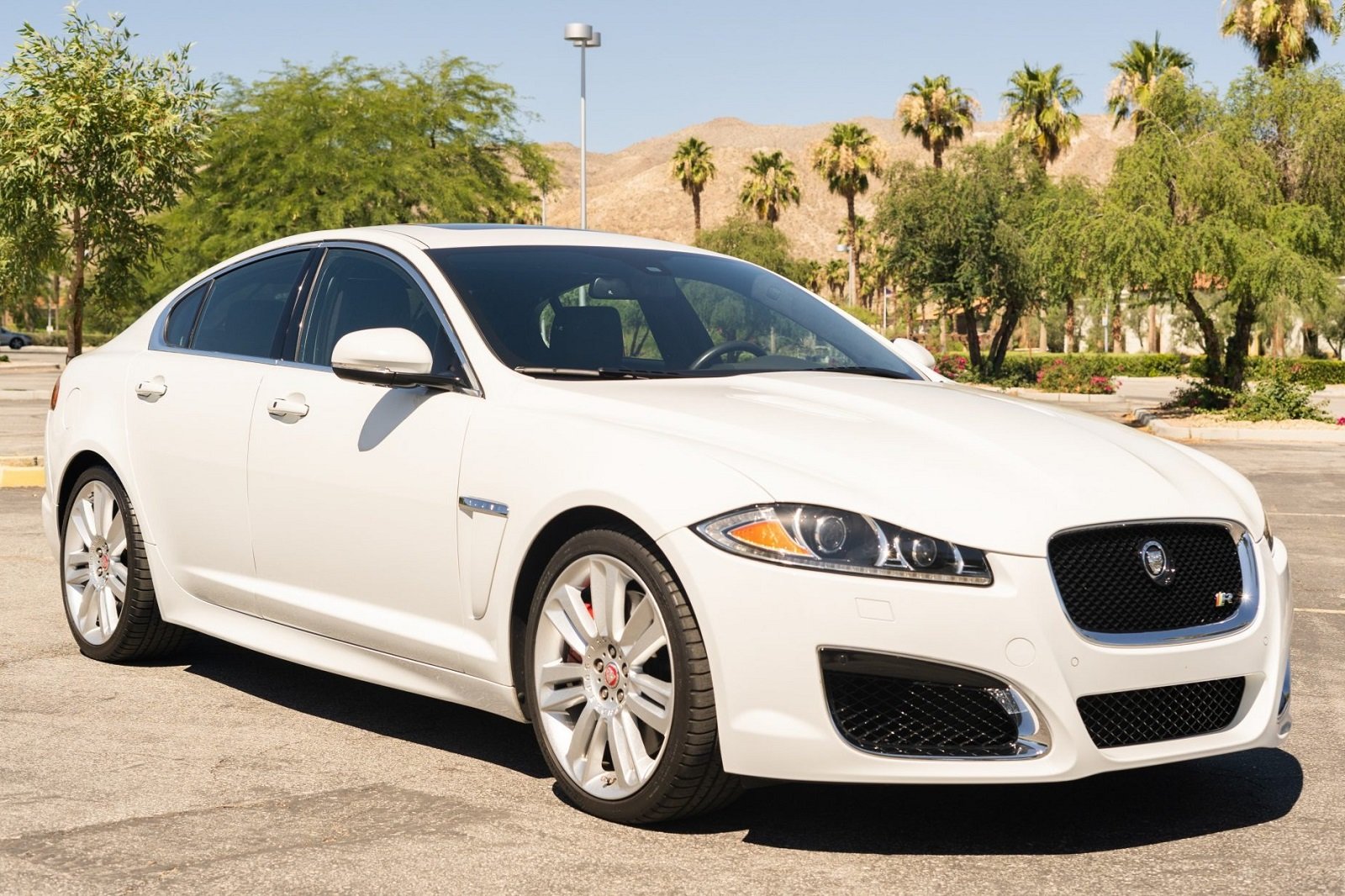
2009–2015 Jaguar XFR
Best for: Shoppers who don’t mind purchasing an extended warranty
Priced from: $40,000
Oof, a used Jaguar—the automotive equivalent of gas station sushi. Could be great, might kill you. If you’re going to buy a used Jaguar, though, either buy a Series I E-Type, or get one from an era when Jaguar could actually build a car. That’s what’s going on here with the XFR. It comes from the time period when Jaguar was part of Ford’s Premier Automotive Group, and the vehicles actually got pretty good.
There’s nothing all too fancy under the skin here. The XFR rides on the same DEW98 platform as the Ford Thunderbird, Lincoln LS, and the Jaguar S-Type. It’s the engine that’s phenomenal, a 503-horsepower supercharged monster 5.0-liter AJ-V8 Gen III mill. The only tipoff from the outside that this is something special is the massive (for the time) 20-inch wheels. Eleven pounds of boost turned this sedate, old geezer’s car into what Car and Driver called “sensational,” also making note of how well the automatic transmission worked, while also calling out how comfortable it was despite the stiffer springs and o-ring tire sidewalls.
The XFR is the victim of massive depreciation over the last decade, falling to less than half the $80,000 Jag wanted for it when new. Today, you could buy the XFR or a Ford Edge. However, if you choose the former, plan on buying an extended warranty with it.
Read our Test Drive Review of the Jaguar XFR
Search for a Jaguar XFR on CarGurus
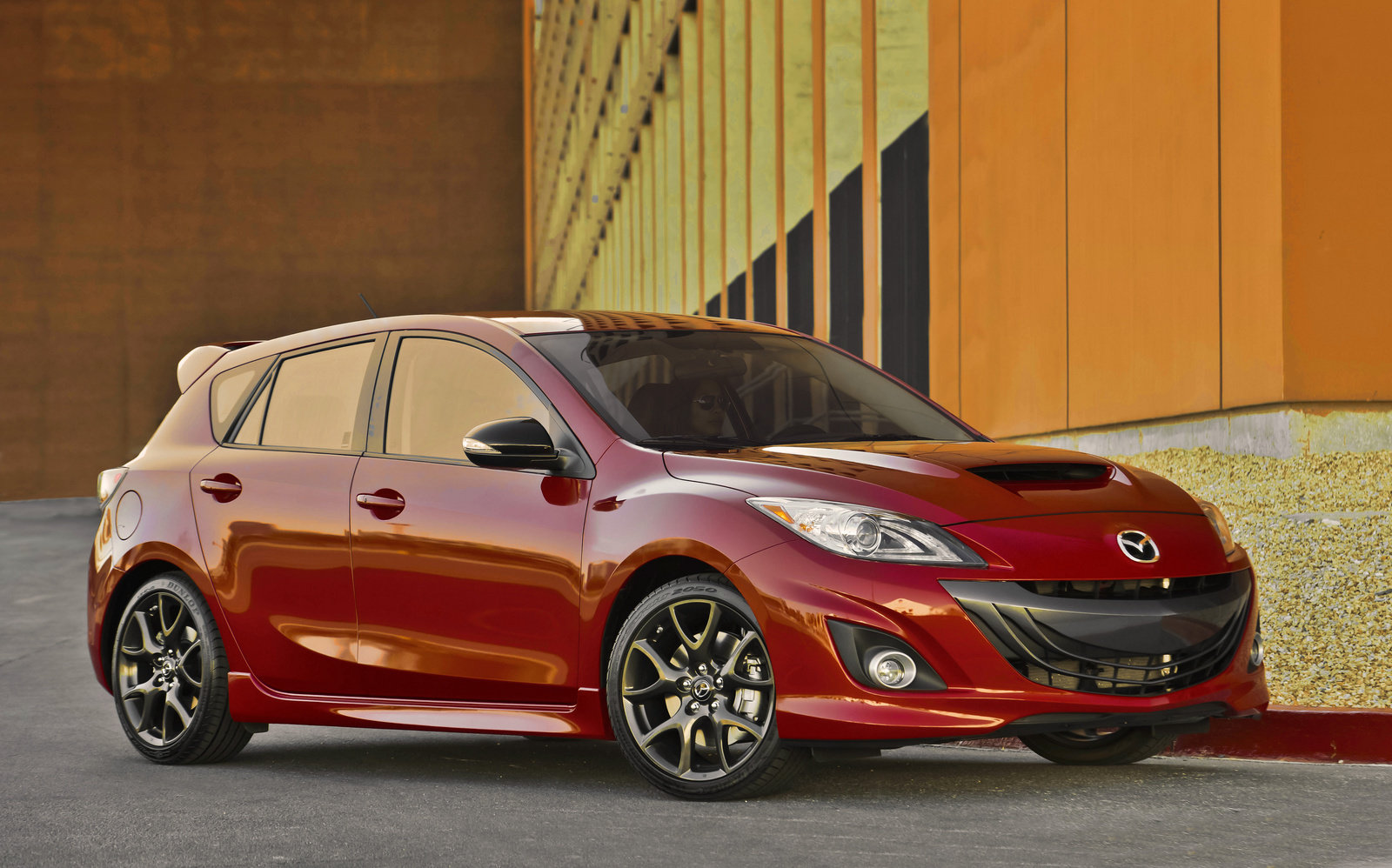
2010–2013 Mazda Mazdaspeed3
Best for: Hot hatch fans who missed their chance with the Mk1 GTI
Priced from: $9,000
We’ve covered a lot of cars here, and with the exception of the Nissan Cube, they’re all pretty expensive, even the ones that have suffered massive depreciation. Here’s a performance car that anybody can buy.
The Mazdaspeed3 was a terrific performance version of the more sedate Mazda3 five-door hatch. For the extra dough, you got a turbocharged 2.3-liter inline four-cylinder engine, good for a hilariously fun 263 horsepower, with 280 lb.-ft. of torque.
Mazda produced these cars from 2007, but the second gen released in 2010 got a few ECU revisions for a more useful power curve, and wider ratios from second to fifth in the six-speed gearbox. You also got the Torsen limited-slip differential for free, along with fatter stabilizer bars, and wider tires. The hood scoop on this generation is functional, jamming cold air into an intercooler mounted right underneath. For less than $10k today, you can hit 60 mph in 5.2 seconds, and run through the quarter mile in 13.9 seconds at 102 mph.
Read our Overview of the Mazda Mazdaspeed3
Search for a Mazda Mazdaspeed3 on CarGurus
2009–2014 Nissan Cube

Best for: Art majors, drummers, and plant enthusiasts
Priced from: $5,000
Yes, the Cube. It’s goofy, weird, and really not intended for the U.S. market, but that’s what’s so enticing about it, sort of like the Pike Factory Nissan Pao, S-Cargo, Figaro, and Be-1. If you’re into Japanese culture at all, these asymmetrical little wagons have a lot to offer.
Nissan built three generations of the Cube, and we only got the last. The second-generation car, built between 2002 and 2008, was even cooler, with a more fun face than the third-gen model that finally came to the U.S. in 2009.
The Cube went on sale here in May 2009, just in time for the bottom to drop out of the economy, so sales were grim. While Kia was selling the pants off the Soul with an effective marketing campaign, Nissan hardly promoted the Cube, and it died on the vine, never selling more than 23,000 units even in its best year. Fans are rabid, though, and enthusiastic, informative communities have sprouted to keep the flame alive.
Read our Overview of the Nissan Cube
Search for a Nissan Cube on CarGurus
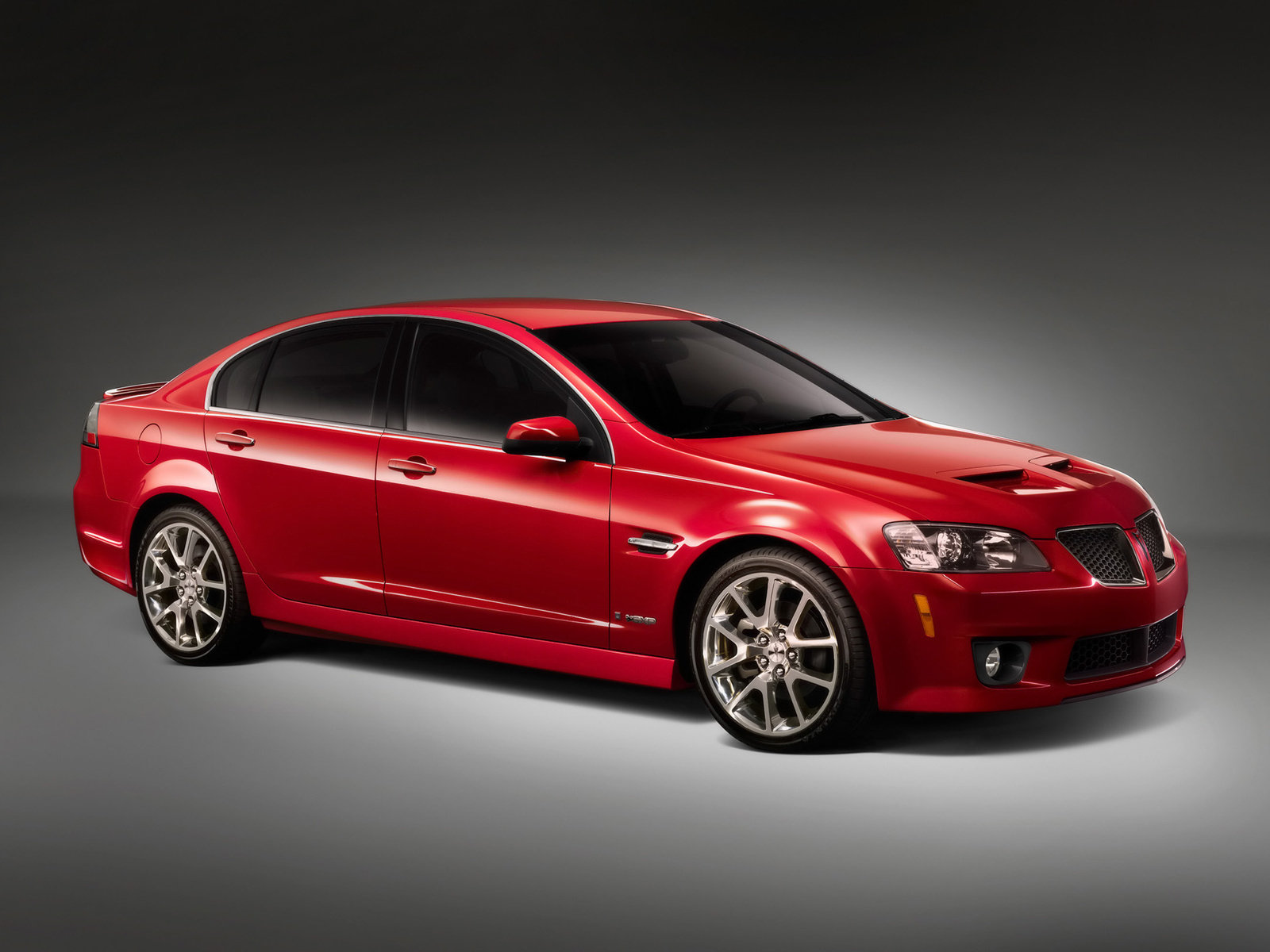
2008–2009 Pontiac G8 GXP
Best for: Mad Max
Priced from: $32,000
Not only is the Pontiac G8 GXP a car that no longer exists, the Pontiac brand itself no longer exists, making it twice as cool. And yes, we’re cheating slightly because the G8 ceased production in 2009, but considering how many of these things were still hanging around dealer lots deep into 2011, we’re making an exception.
The G8 GXP is a car that many automotive enthusiasts said they desperately wanted. It was a rebadged Holden VE Commodore from Australia, the only country on the planet with people as dopey for rear-drive V-8 cars as we are. The GT was cool enough, with a 361-horsepower, 6.0-liter V8. But the GXP gave us 415 horsepower out of an LS3 motor straight from the Corvette, along with a Tremec six-speed manual transmission.
The GXP was a real tire burner, capable of hitting 60 mph in 4.2 seconds, and running a 13-second quarter mile right off the showroom floor. Pontiac managed to sell 1,829 G8 GXPs in two years before turning the lights off forever.
Read our Overview of the Pontiac G8
Search for a Pontiac G8 on CarGurus
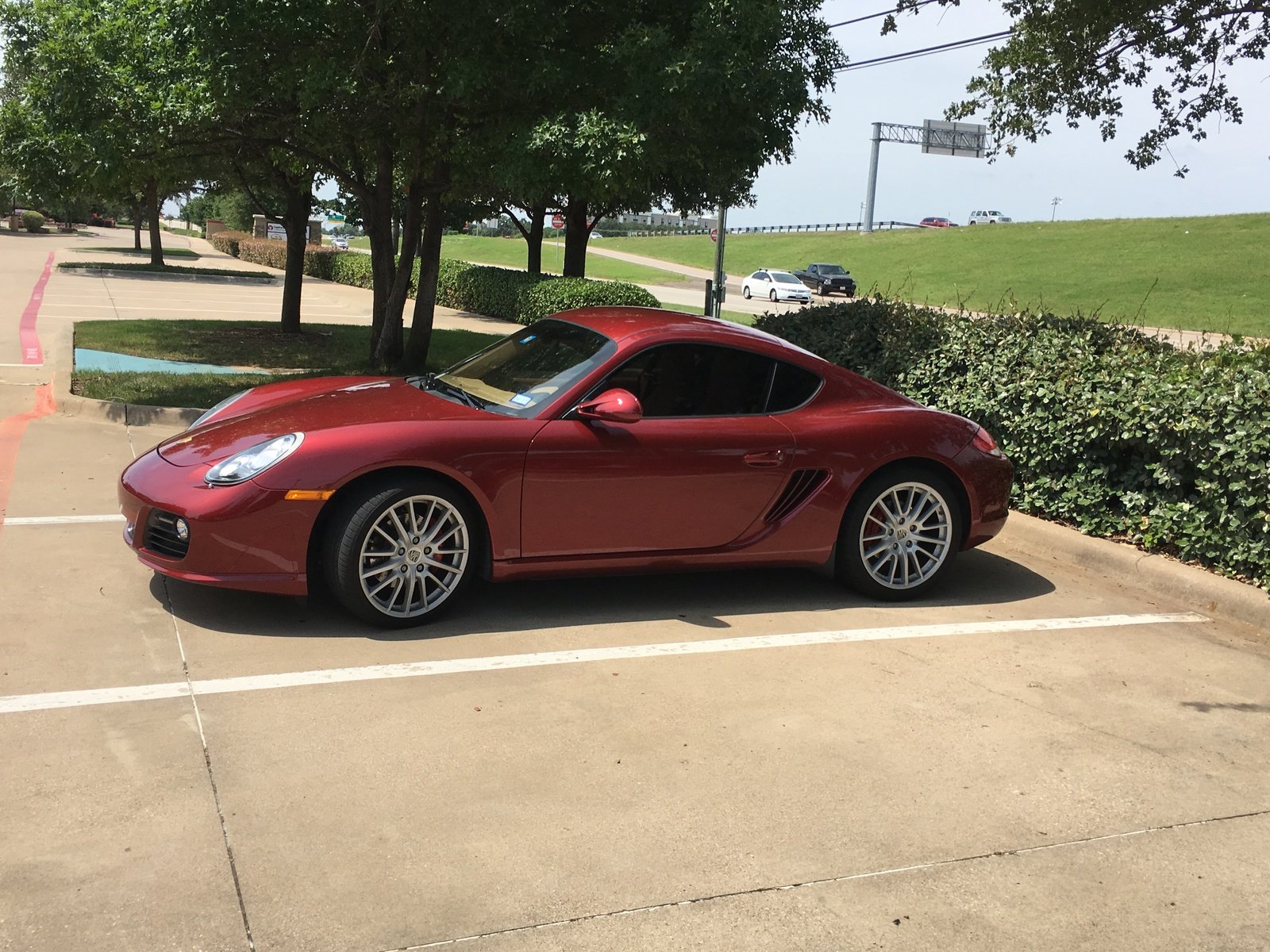
2006–2012 Porsche Cayman S
Best for: 911 enthusiasts who don’t have a fully funded a 401(k)
Priced from: $29,000
The Cayman S is a better car than the 911. There, we said it. It’s more fun, it’s more usable, and you don’t have to be Jeff Bezos to afford it. Anybody with half-decent credit can buy one of these terrific cars for about what they’d spend on a loaded Camry. Take your kids to school in it. Drive your dog around. Put winter tires on it and haul yourself to the mountains for ski weekends. You can do it with this car, and not feel one bit bad about its future value.
With the 2006–2012 Cayman S, you got 276 horsepower and the choice between a six-speed manual or five-speed Tiptronic transmission. Sadly, buyers had to wait for the next generation to get the delightful seven-speed PDK transmission. Overall, though, these cars are outrageously fun for the money, and stick more to the plot of what the original air-cooled 911 was than the actual 911 does. Plus, it’s the last generation of Caymans with hydraulic steering, which offers much better road feel than the electric steering that came later. A blast. Don’t miss out.
Read our Overview of the Porsche Cayman
Search for a Porsche Cayman on CarGurus