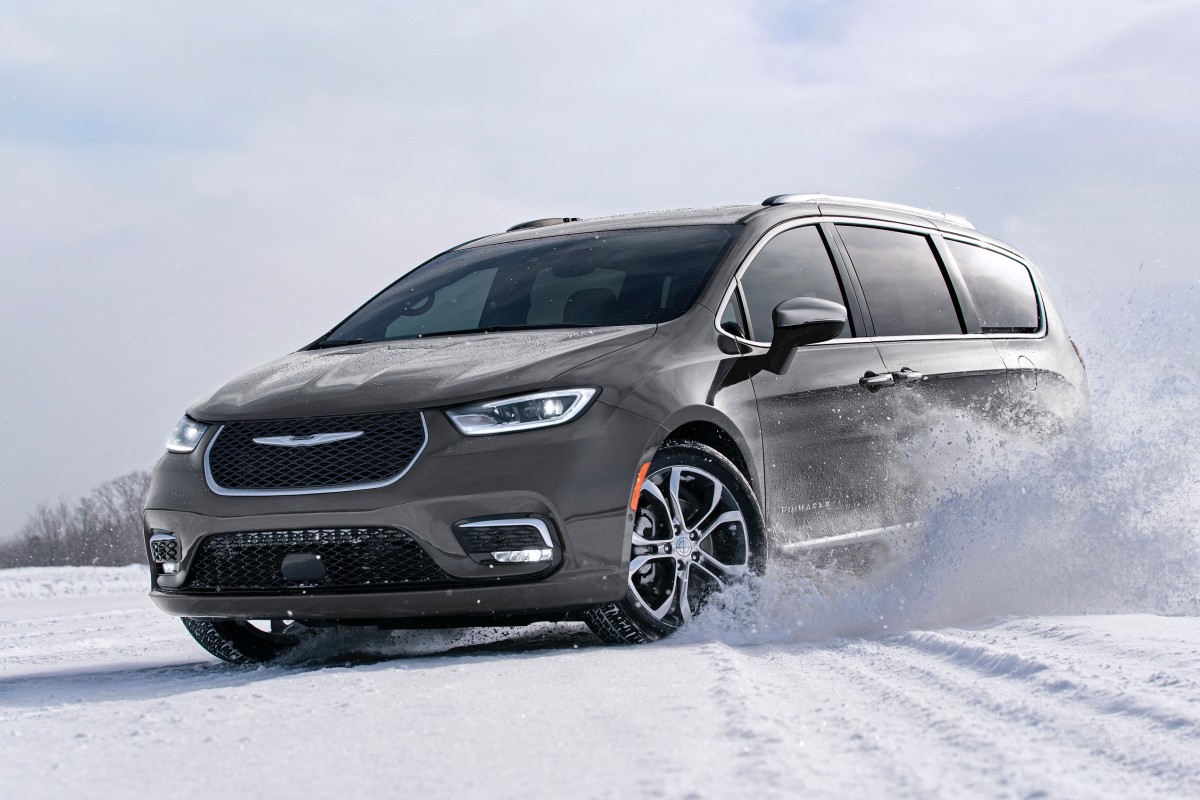
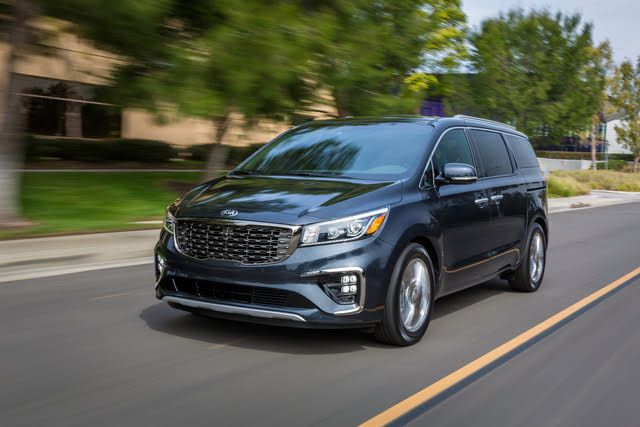
While the three-row SUV has become the default family hauler for many, the humble minivan remains the undisputed champion of practicality. For shoppers in 2026, the minivan segment offers a compelling blend of space, convenience, and features that most SUVs struggle to match. With their low step-in heights, power sliding doors, and cavernous, flexible interiors, minivans are purpose-built to simplify the daily chaos of school runs, grocery trips, and family road trips. They make loading children, car seats, and cargo significantly easier than their SUV counterparts.
The 2026 model year showcases a diverse minivan market that caters to a wide range of priorities. Shoppers can now choose from traditional gasoline-powered models, efficient hybrids, a unique plug-in hybrid, and even a fully electric option with retro styling. Whether your focus is on all-wheel-drive capability for foul weather, maximizing fuel economy, or having the latest in-cabin technology to keep everyone entertained, there is a minivan designed to meet those needs. This guide will walk you through the top contenders, highlighting their strengths and weaknesses to help you find the perfect fit for your family.
The Best Minivans of 2026
FAQs
What Makes CarGurus Best Cars Guides Different
Shopping Tools
Related Topics
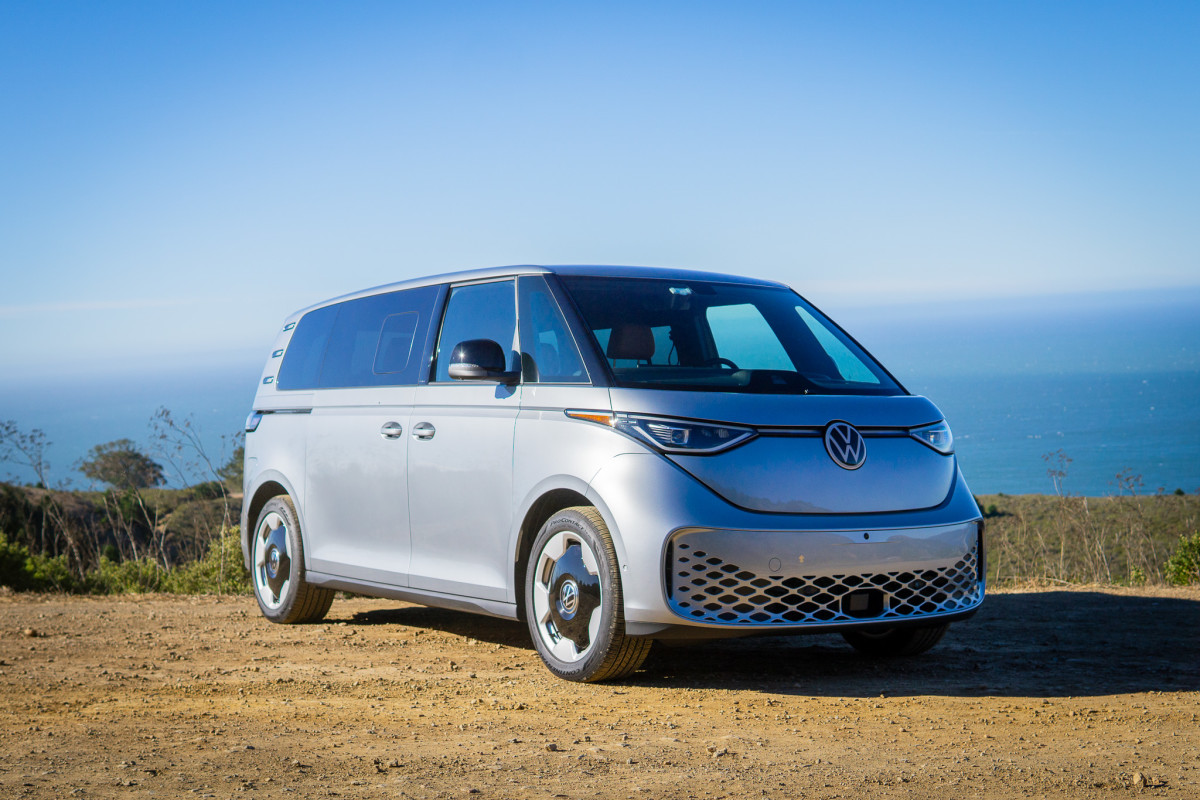
1. Volkswagen ID.Buzz
CarGurus expert rating: 7.2 out of 10
CarGurus user rating: N/A out of 5
Percentage of Good and Great Deals available on CarGurus: 35.9%
Overall CarGurus rating: N/A out of 5
| Pros |
Cons |
| Fab style |
Peculiar steering feel |
| Excellent passenger space |
Bouncy ride |
|
Pricey |
The Volkswagen ID.Buzz electric van finally arrives in the United States, bringing three-row, family-hauler practicality with a throwback design that’s hard to confuse with any other “minivan-like” option on the road. For shoppers cross-shopping traditional minivans, the ID.Buzz’s big advantage is day-to-day people space: it’s sized and shaped to make passenger room the priority, with an airy cabin that’s easy to live with when you’re shuttling kids, friends, or adults who actually want to be comfortable in the third row.
As a road-trip-and-carpool machine, the ID.Buzz’s usability strengths come with a few tradeoffs that matter in real life. Our expert notes a peculiar steering feel and a bouncy ride, which can take a bit of shine off the relaxed, easygoing vibe you want from a family vehicle, and it’s also a pricey entry in the segment. Still, if you want minivan-style space with an all-electric twist and eye-catching style, it’s a distinctive alternative to the usual gasoline-powered choices.
The CarGurus Verdict: "The ID.Buzz’s nostalgia is undeniable. During a day of test driving, we drew stares, questions, and plenty of photographs from onlookers. It's not perfect: the driving dynamics are a bit funny, and we expect its long-term sales success may be tempered by the dramatic styling, short electric driving range, and high price tag. But in the short term, we expect this Microbus reincarnation to be the talk of the town." - Matt Smith
Read our most recent Volkswagen ID.Buzz review
Search for Volkswagen ID.Buzz
See all
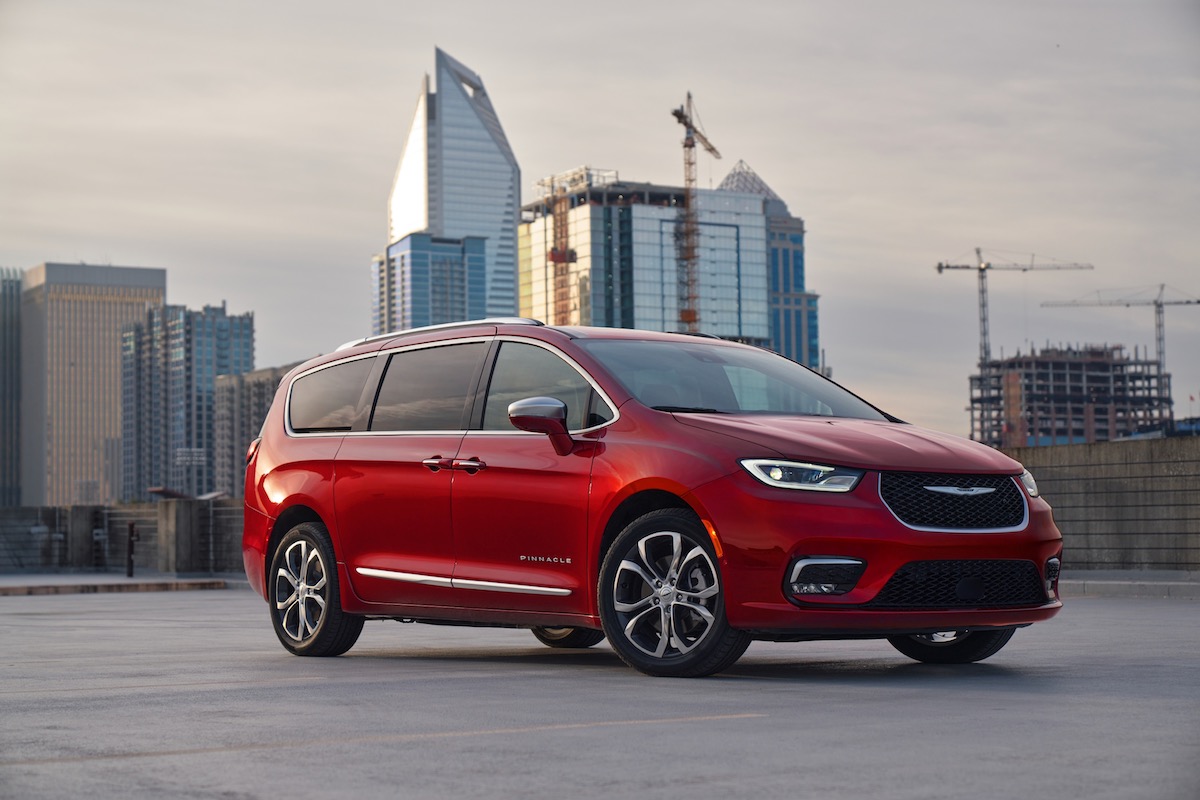
2. Chrysler Pacifica
CarGurus expert rating: 8.2 out of 10
CarGurus user rating: 4.4 out of 5
Percentage of Good and Great Deals available on CarGurus: 36.2%
Overall CarGurus rating: 4.6 out of 5
| Pros |
Cons |
| Stylish design |
Fairly pedestrian performance |
| Comfortable |
Interior materials feel cheap |
| Easy-to-use technology |
Interior design looks nice but has functional issues |
For 2026 minivan shoppers, the Chrysler Pacifica remains a smart, family-first pick thanks to its mix of comfort, clever packaging, and easy day-to-day drivability. Every non-hybrid Pacifica uses a 3.6-liter V6 with 287 hp and 262 lb-ft of torque paired with a nine-speed automatic, with available AWD on most trims and up to 3,600 pounds of towing capacity when properly equipped. The ride prioritizes calmness and stability, which is exactly what you want for long road trips, school runs, and stop-and-go commuting.
Inside, the Pacifica continues to lean into minivan practicality, particularly with available Stow ’n Go second-row seating that folds into the floor for flexible people/cargo duty (while also creating deep in-floor storage bins when the seats are up). Non-hybrid models provide 32.3 cubic feet of cargo space behind the third row, 87.5 cubic feet behind the second row, and 140.5 cubic feet with both rear rows folded—useful numbers if you’re balancing strollers, sports gear, and Costco hauls. Tech is a strong suit with a standard 10.1-inch Uconnect 5 touchscreen with wireless Apple CarPlay and Android Auto, plus available rear-seat entertainment and kid-monitoring FamCam; safety equipment is robust, too, with NHTSA’s five-star overall rating and standard features like automatic emergency braking and adaptive cruise control.
The CarGurus Verdict: "The Pacifica checks all of the boxes, with only small issues to detract from its overall goodness." - Stephen Edelstein
Read our most recent Chrysler Pacifica review
Search for Chrysler Pacifica
See all

3. Honda Odyssey
CarGurus expert rating: 6.3 out of 10
CarGurus user rating: 4.6 out of 5
Percentage of Good and Great Deals available on CarGurus: 32.9%
Overall CarGurus rating: 4.5 out of 5
| Pros |
Cons |
| Enjoyable to drive |
Hybrid powertrain unavailable |
| Comfortable seats |
Outdated technology |
| Plenty of cargo space |
Poor value for money |
Even as newer rivals push the minivan formula forward with hybrid powertrains, available AWD, and fresher tech, the 2025 Honda Odyssey remains a very traditional choice—and that helps explain why it feels like it’s falling behind. You still get one of the segment’s most satisfying driving experiences thanks to a 280-hp 3.5-liter V6 (262 lb-ft of torque) and a well-tuned 10-speed automatic, plus a comfortable cabin with straightforward buttons and knobs that are easy to use on the go. Honda did add some overdue updates for 2025, including a 7-inch digital driver display, a 9-inch touchscreen with quicker responses, wireless Apple CarPlay and Android Auto, and USB-C ports throughout the cabin.
For family duty, the Odyssey continues to deliver where it matters most: space, flexibility, and day-to-day practicality. It seats up to eight and offers up to 140.7 cubic feet of cargo room, and Honda’s Magic Slide second-row setup makes it easier to create an aisle to the third row or prioritize kid-seat access (though you’ll need to remove the heavy second-row seats to open up maximum cargo space). The trade-offs are harder to ignore in a “best of 2026” context: Honda’s infotainment still feels dated, the rear-seat Fire TV entertainment system can be frustrating to get running, and there’s no surround-view camera. Ownership value also takes a hit compared with hybrid minivan alternatives, and while NHTSA scores are strong, the Odyssey received a “Poor” rating in a newer IIHS crash-test evaluation.
The CarGurus Verdict: "The 2025 Odyssey doesn’t offer a hybrid powertrain or an all-wheel-drive (AWD) option. The updated tech merely meets minimum standards and expectations. And in a new crash-test evaluation, Honda’s minivan earns a rare low rating. Certainly, the Odyssey remains comfortable, exceptionally practical, and enjoyable to drive. But it needs a redesign, and soon." - Christian Wardlaw
Read our most recent Honda Odyssey review
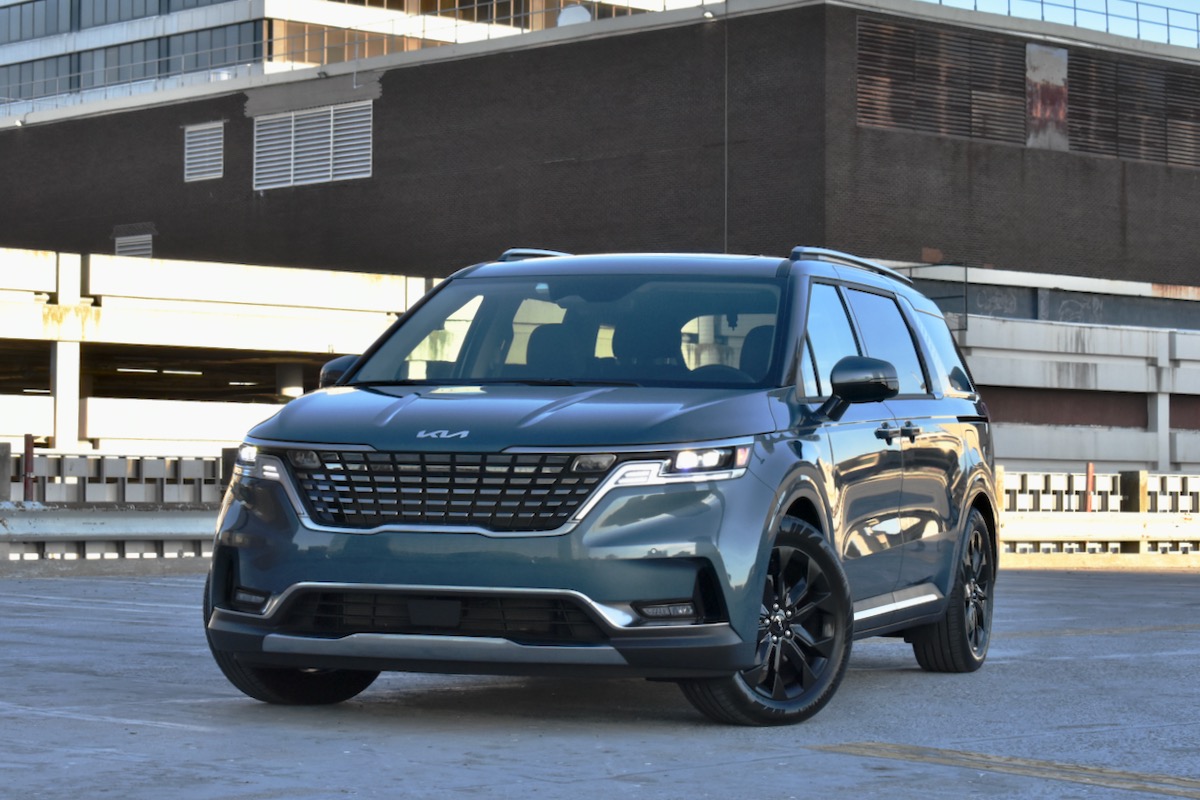
4. Kia Carnival
CarGurus expert rating: 8.2 out of 10
CarGurus user rating: 4.8 out of 5
Percentage of Good and Great Deals available on CarGurus: 34.6%
Overall CarGurus rating: 4.5 out of 5
| Pros |
Cons |
| Stylish design |
Mixed safety ratings |
| Powerful engine |
No hybrid or all-wheel drive options |
| Excellent value for money |
Kia doesn’t make folding the seats easy |
If you’re shopping minivans in 2026—especially as a value-focused new or used buy—the Kia Carnival is a smart pick for families who want SUV-like style without giving up the sliding-door convenience that makes daily kid duty easier. Under the hood, every Carnival uses a 3.5-liter V6 with 290 hp and 262 lb-ft of torque paired with an eight-speed automatic and front-wheel drive, and the payoff is a refined, easygoing driving experience that feels more confident than you might expect in a people mover.
The Carnival also leans into the practical stuff that matters on real family trips: a spacious cabin with available second-row lounge-style seating, plus 40.2 cubic feet of cargo space behind the third row and up to 145.1 cubic feet with the second and third rows folded. It’s well stocked with modern tech (including available dual 12.3-inch displays, a Wi-Fi hotspot, and USB ports in all three rows), and it can tow up to 3,500 pounds. The trade-offs are worth noting in a best-minivan conversation, though: there’s no AWD, no hybrid option, and the 2024 model earned mixed IIHS results, including less-impressive scores in updated tests and “Poor” headlights on most trims.
The CarGurus Verdict: "The Carnival offers a great driving experience and excellent warranty, but these upsides are tainted by a lack of all-wheel drive and mixed safety ratings." - Stephen Edelstein
Read our most recent Kia Carnival review
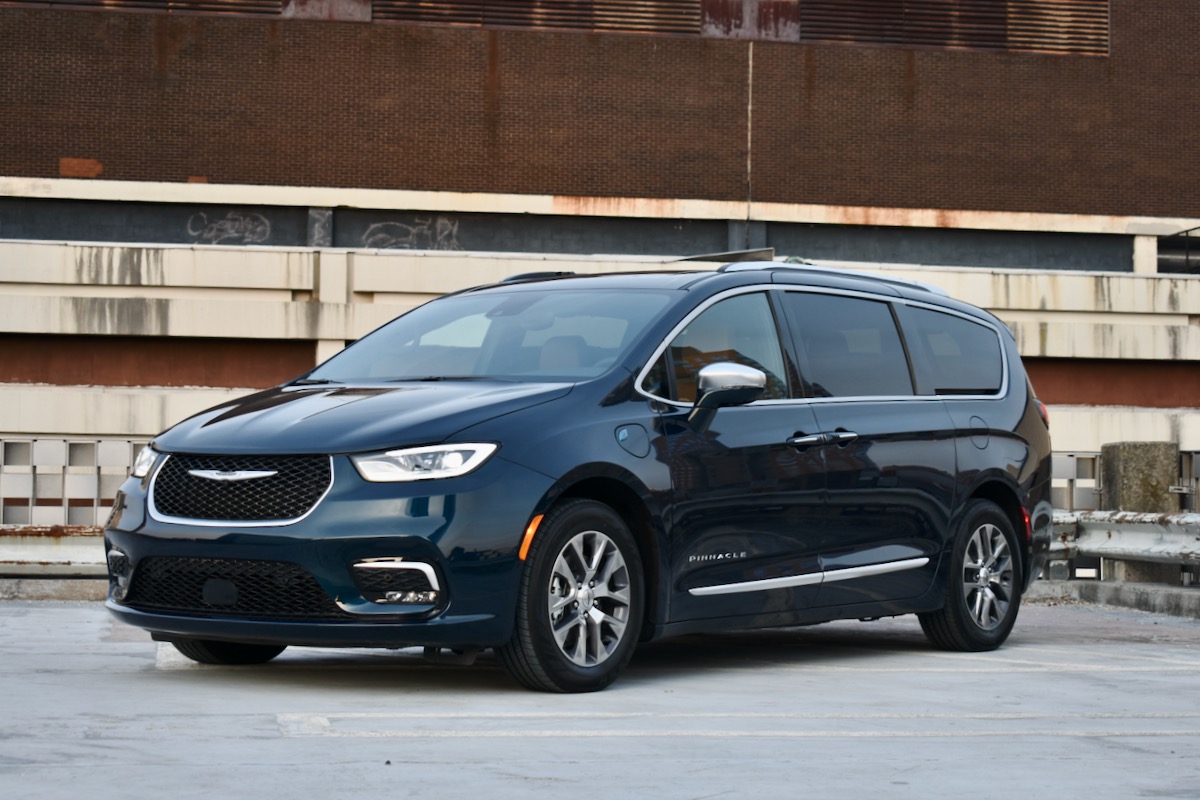
5. Chrysler Pacifica Hybrid
CarGurus expert rating: 7.8 out of 10
CarGurus user rating: 4.6 out of 5
Percentage of Good and Great Deals available on CarGurus: 34.8%
Overall CarGurus rating: 4.4 out of 5
| Pros |
Cons |
| Stylish design |
All-wheel drive not available |
| Comfortable |
Poor value for money |
| Impressive electric range |
|
For families shopping the best minivans of 2026 but not ready to go fully electric, the Chrysler Pacifica Hybrid remains a compelling middle ground: it’s the only plug-in hybrid minivan on sale in the U.S. Its 260-hp plug-in hybrid system pairs a 3.6-liter V6 with a 16-kWh battery for an EPA-rated 32 miles of electric range, and it can return 82 MPGe combined when running on electricity or 30 mpg combined in hybrid mode. Around town, that EV torque helps it feel quick off the line and keeps the cabin quieter more often, though buyers should note it’s front-wheel drive only (no AWD) and Chrysler doesn’t recommend towing with the plug-in model.
Minivan fundamentals are still the Pacifica Hybrid’s core strengths, with an easy step-in height, sliding doors, and family-friendly packaging that three-row SUVs struggle to match. You do give up Stow ’n Go second-row seats because the battery takes that space, but cargo room stays strong for the hybrid: 32.2 cubic feet behind the third row, 87.5 behind the second row, and 140.5 behind the first row. Tech is modern and easy to live with thanks to a standard 10.1-inch Uconnect 5 touchscreen with wireless Apple CarPlay/Android Auto and available kid-focused options like FamCam and a rear-seat entertainment system; safety coverage is solid as well, with a five-star overall NHTSA rating plus standard AEB with pedestrian detection, blind-spot monitoring, and adaptive cruise control, though value can be a sticking point unless you’re able to plug in regularly and potentially benefit from incentives.
The CarGurus Verdict: "A plug-in hybrid powertrain enhances a well-executed minivan." - Stephen Edelstein
Read our most recent Chrysler Pacifica Hybrid review
Search for Chrysler Pacifica Hybrid
See all

6. Toyota Sienna
CarGurus expert rating: 6.3 out of 10
CarGurus user rating: 4.5 out of 5
Percentage of Good and Great Deals available on CarGurus: 29.5%
Overall CarGurus rating: 4.4 out of 5
| Pros |
Cons |
| Great ride quality |
Irritating transmission |
| Quiet cabin |
Poor real-world fuel economy |
| Easy-to-use technology |
Less outright load space than rivals |
Even though the Sienna is getting on in years, it remains a smart minivan pick for 2026 shoppers who want a standard hybrid powertrain and the option of all-wheel drive—something you still can’t get on every electrified alternative. It’s tuned for easy family duty rather than driver thrills, with a smooth, absorbent ride and a notably quiet cabin at speed, though the CVT can get droney when you ask for hard acceleration. Fuel economy is the big headline, but CarGurus testing found results well below the EPA estimate, so your real savings will depend heavily on your driving mix and expectations.
For daily usability, the Sienna’s big win is how it makes people- and cargo-hauling simpler without asking owners to wrestle with heavy seats: you can fold the third row one-handed into the floor and still get 33.5 cubic feet behind it, 75.2 cubic feet behind the second row, and up to 101 cubic feet overall, even though that max figure trails key rivals. Tech is a strong suit in upper trims, where Toyota’s Audio Multimedia system is paired with 12.3-inch screens, available four-zone climate control, and helpful available features like a head-up display and a digital rearview mirror for when the cabin is packed. On the safety front, Toyota Safety Sense 2.0 provides the expected basics (including adaptive cruise control and lane-centering assist) plus a new rear-seat reminder system, while crash-test results include a five-star overall NHTSA rating alongside some sub-scores that are worth a closer look.
The CarGurus Verdict: "Saving money on gas, making life simpler, and the option of AWD ruggedness are all good things in a minivan, and they make the Toyota Sienna worth considering if you’re also looking at cars such as the Chrysler Pacifica, Honda Odyssey, and Kia Carnival."- Christian Wardlaw
Read our most recent Toyota Sienna review
The Best Minivans of 2026 FAQs
Which 2026 minivans offer all-wheel drive (AWD)?
For shoppers needing extra traction in bad weather, several minivans offer AWD. The gas-powered Chrysler Pacifica has available AWD, as does the standard-hybrid Toyota Sienna. The all-electric Volkswagen ID.Buzz also offers a dual-motor AWD configuration. The Kia Carnival and Honda Odyssey are front-wheel drive only.
Are there any hybrid or electric minivans available?
Yes, the 2026 market has several electrified options. The Toyota Sienna comes standard with a hybrid powertrain. The Chrysler Pacifica Hybrid is the only plug-in hybrid (PHEV) in the segment, offering over 30 miles of electric-only range before the gas engine kicks in. For a fully electric experience, the Volkswagen ID.Buzz is the only EV minivan currently available.
What is the best minivan for cargo space?
The Volkswagen ID.Buzz and Kia Carnival are leaders for maximum cargo volume, claiming up to 146 and 145.1 cubic feet, respectively. The Chrysler Pacifica and Honda Odyssey are also very competitive, offering just over 140 cubic feet of space. The Toyota Sienna offers the least maximum cargo room, at 101 cubic feet, a trade-off for its second-row seats that slide but are not removable.
Which minivan has the most flexible seating?
The Chrysler Pacifica is famous for its Stow 'n Go seating, which allows the second-row seats to fold completely flat into the floor, making it incredibly easy to switch from hauling people to hauling cargo. The Honda Odyssey features a Magic Slide second row, which allows the seats to slide side-to-side, creating easier access to the third row or separating children. Note that the Pacifica Hybrid loses the Stow 'n Go feature due to its battery placement.
Should I buy a minivan or a three-row SUV?
While three-row SUVs are popular, minivans offer superior practicality for families. The key advantages of a minivan are power sliding doors, a lower floor for easier entry and exit, and significantly more cargo space behind the third row. An SUV may offer more towing capacity or rugged, off-road-oriented options, but for day-to-day family life, a minivan's purpose-built design is hard to beat.
What Makes CarGurus Best Cars Guides Different?
Most car-shopping websites publish lists of the best cars across a variety of categories, with recommendations generally driven by editorial expertise. Here's what makes ours different: In addition to the insights and verdicts of our team of car-testing experts, our best cars guides take into account other factors that we know matter to buyers-real owner experiences and current market value.
Our expert reviewers are among this country's most trusted automotive journalists, also writing for publications including US News and World Report, Edmunds, Digital Trends, J.D. Power, and Car & Driver. They put each car through real-world testing and create detailed reviews of performance in a range of categories, from practicality and driving manners to cost-effectiveness and safety.
We also analyze hundreds of thousands of used car listings on CarGurus.com to track which models consistently offer the highest percentage of best deals relative to how many are listed for sale. Then we factor in reviews from owners-people who actually live with these cars every day. Our proprietary Best Cars algorithm then creates a final Overall CarGurus rating combining expert scores, user reviews, and the percentage of listings that have earned the Good or Great Deal rating. This multi-pronged approach reveals not just which cars excel on paper, but which ones deliver satisfaction and value when you're ready to buy.
The CarGurus market data used in this guide was last updated in June 2026. Values were accurate at time of publication and should be used as a guide only.
Shopping Tools
Related Topics