When shopping for a vehicle, you might see the terms “all-wheel drive” (AWD) and “four-wheel drive” (4WD) used interchangeably. That’s because, in one sense, the two basically mean the same thing: A so-equipped vehicle can send its torque to all four wheels.
When and how that torque delivery happens is what makes 4WD and AWD different. Here’s what you need to know about AWD and 4WD.
AWD vs 4WD: Which is Right for You?
- What Does All-Wheel Drive (AWD) Mean?
- What Does Four-Wheel Drive (4WD) Mean?
- Key Differences Between AWD and 4WD
- Should You Choose 4WD or AWD?

What Does All-Wheel Drive (AWD) Mean?
An all-wheel-drive system requires little to no input from the driver. The vehicle automatically determines how to divvy up the torque between the wheels and allows each tire to rotate at its own speed.
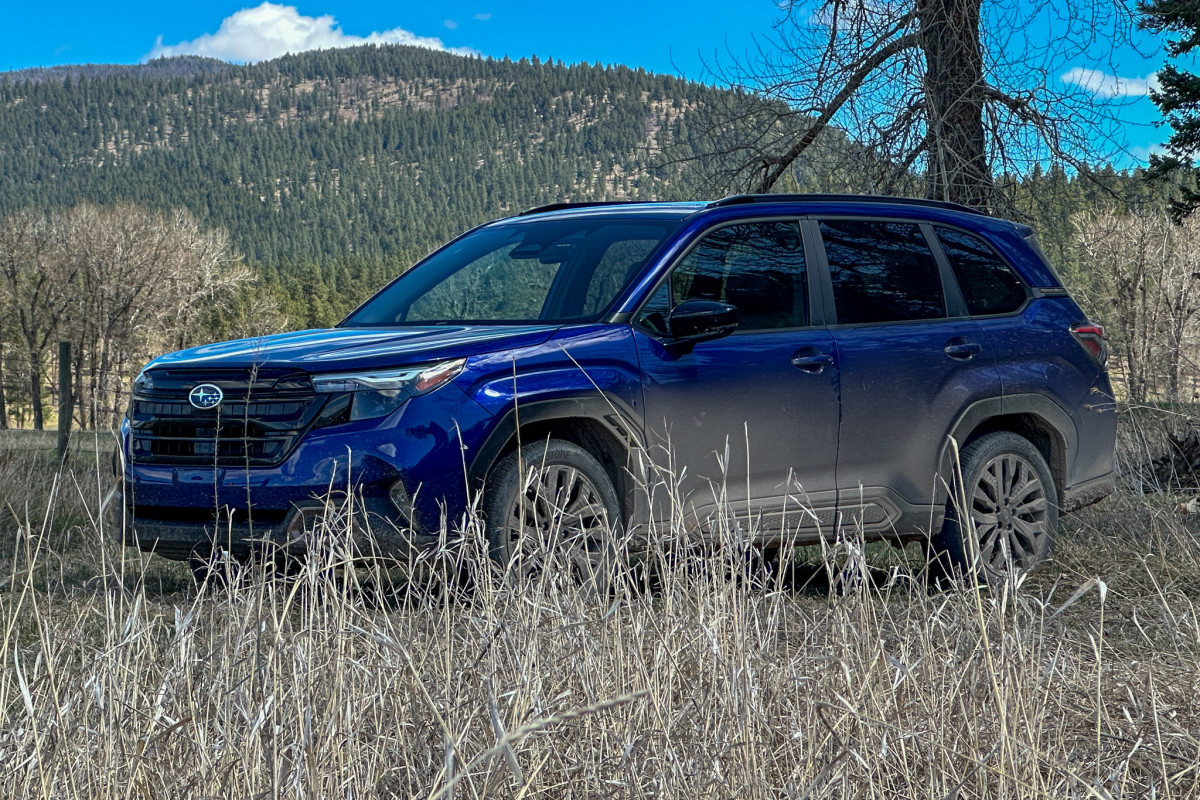
A full-time AWD system sends some amount of torque along the driveline to both axles all the time, though it typically prioritizes one set of wheels over the other. This is nice because, with each axle receiving at least some amount of torque, there’s a good chance of at least one tire maintaining traction with the road no matter the conditions. Smaller vehicles such as the Ford Escape and the majority of Subaru vehicles offer all-wheel drive.
A part-time or on-demand AWD system normally drives just two wheels, either the fronts or the rears, and relies on sensors to detect tire slippage before enlisting the other axle. The downside of a part-time AWD system is delayed response, but the upside is better fuel efficiency and less wear and tear on the drivetrain, as half of it isn’t seeing constant action.
Some vehicles, like the BMW X3 xDrive and the Mercedes-Benz GLC, power the rear wheels most of the time and engage the fronts only as needed, but many other models on the market are front-drive-based and therefore do the opposite.
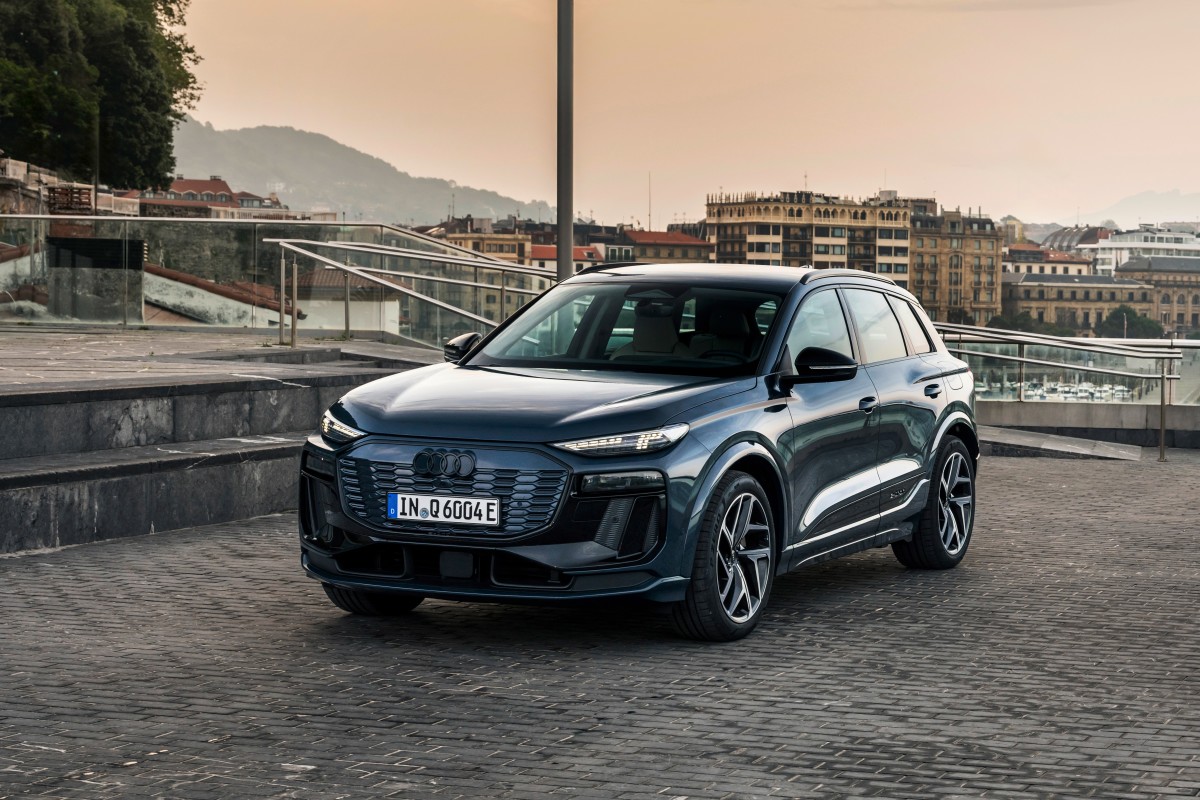
Certain part-time systems, like Audi’s Quattro Ultra, will even decouple (i.e., disconnect) one axle from the driveshaft when all-wheel drive isn’t needed, further reducing strain on the drivetrain and improving gas mileage. The AWD Traction Select system in the 2024 GMC Terrain is similar to Quattro Ultra but requires the driver to actively disengage the couplings. Most often, the SUV operates like a front-wheel-drive (FWD) vehicle, with the rear axle mechanically disconnected from the transmission. Should conditions warrant more traction, however, the driver can turn the dial to select all-wheel-drive mode and engage the rear wheels.
In some AWD vehicles, the selected drive mode may affect the fore/aft torque split. For instance, Sport mode may give the car a rear-wheel torque advantage to improve handling, while Eco mode may restrict such distribution in an effort to save fuel.
In rare cases, such as with the Kia Telluride, the driver may have the option to lock the vehicle’s center differential, which is a component found in many AWD vehicles that sits between the axles and allows each to rotate at different speeds. Locking it will force the axles to spin at the same speed, which could be useful if you need extra traction on a slippery surface, such as ice or gravel. But you should do this only in low-speed, low-grip, straight-line situations. The vehicle will automatically disable it at speeds above 25 mph to prevent damage, but once you’re out of trouble, unlock the diff.
What Does Four-Wheel Drive (4WD) Mean?
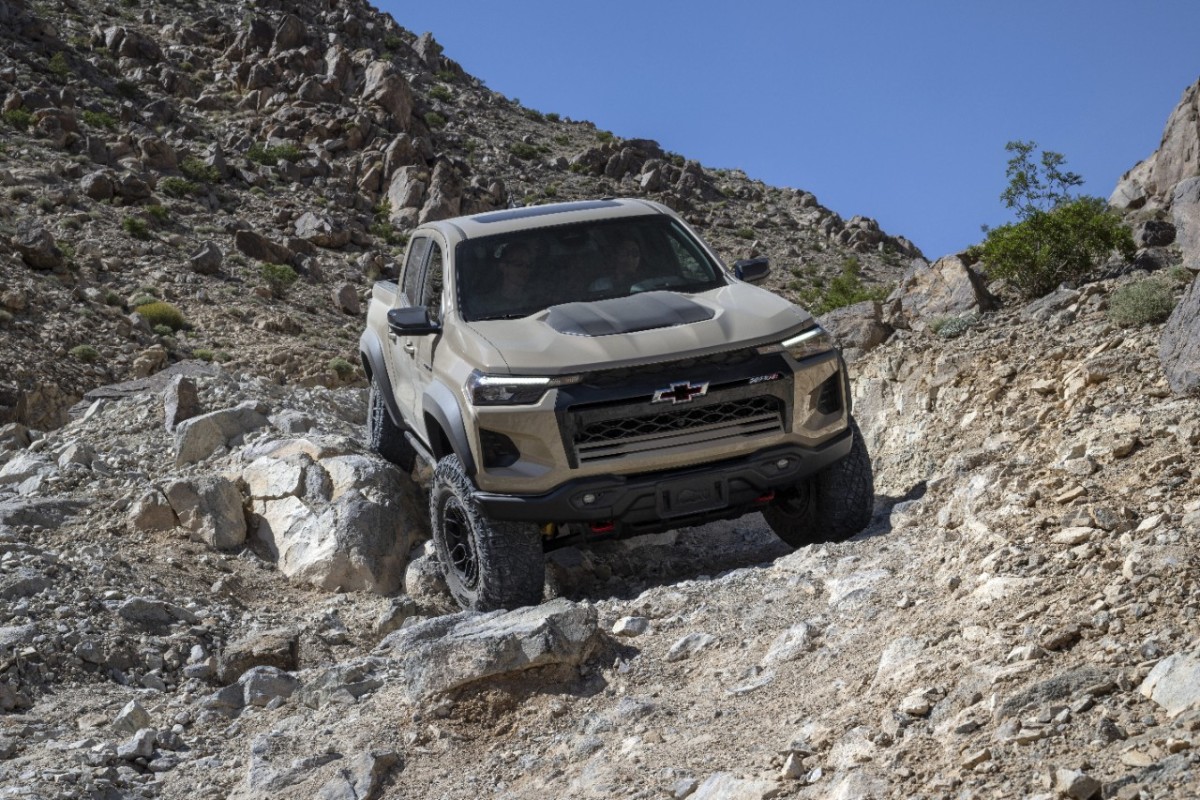
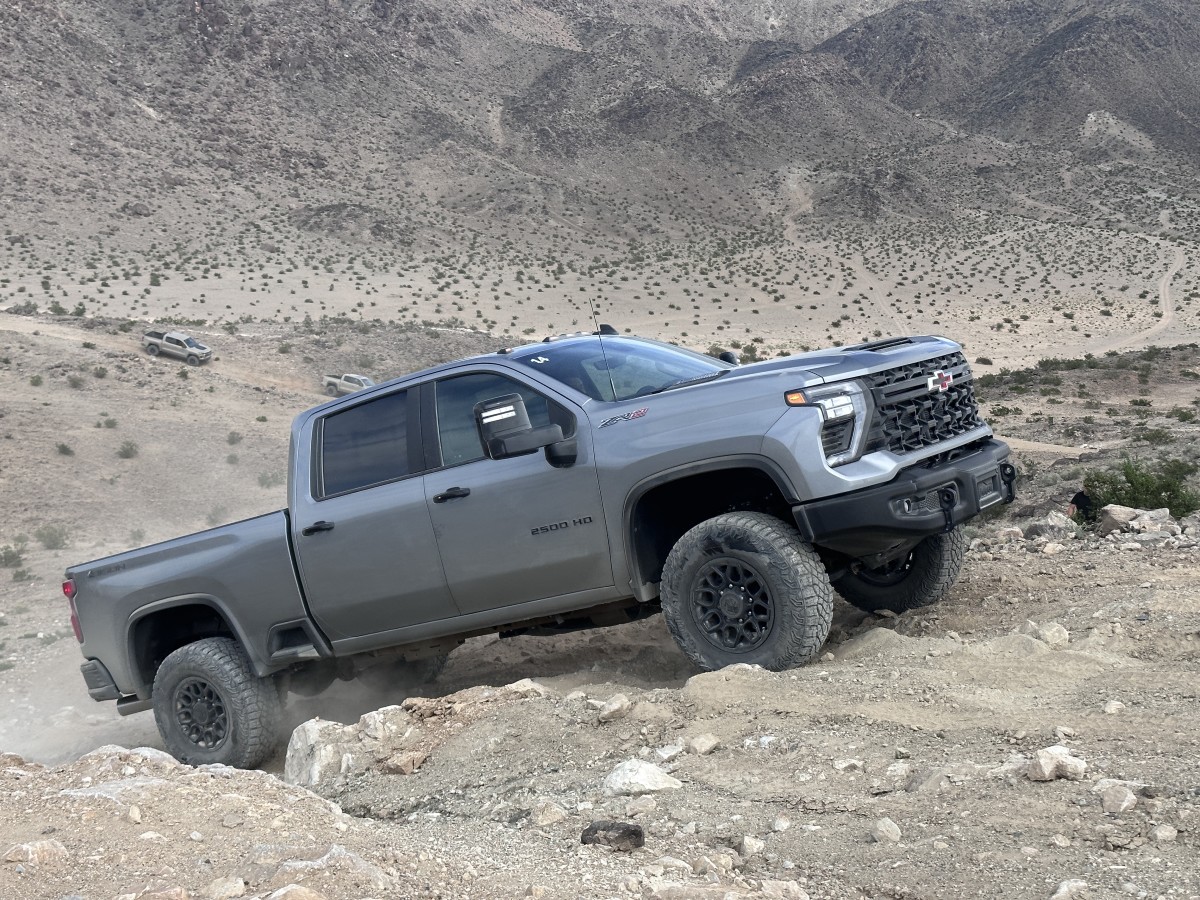
Four-wheel-drive systems are an off-road aid. They lock the front and rear axles together so that they rotate at the same speed and receive the same amount of power. It’s a mode that the driver must select, as locking the axles together makes sense only in specific situations—that is, when one or more tires have little (or no) purchase on ground, as occasionally happens in off-roading or in deep snow. It ensures that at least one front and one rear wheel are receiving torque so you can get going without the need for sensors to detect and monitor wheel slippage.
On dry pavement, however, engaging four-wheel drive can be dangerous, as the drivetrain will bind up if the tires are forced to maintain the same speed in a corner. You won’t be able to make a tight turn without the vehicle bucking or shuddering, and it could cause serious drivetrain damage, leaving you with a costly repair bill.
Some refer to the above setup as a part-time 4WD system, as for most on-road driving, you’ll need to keep the vehicle in two-wheel drive, which is also better for fuel economy. Many pickup trucks employ these part-time 4WD systems, as does the Jeep Wrangler and the off-road-focused trims of the Toyota 4Runner.
There are also automatic 4WD systems, which offer both AWD and part-time 4WD. In a Jeep Grand Cherokee, for instance, the driver can choose to put the vehicle in an Auto mode (also sometimes called 4Auto) to make it behave like a full-time AWD vehicle, or they can enable four-wheel drive by selecting a 4Hi setting. Oftentimes, such vehicles have a two-wheel-drive (2Hi) mode, where torque flows solely to the rear axle, and/or a low-range (4Lo) option, which sends as much torque as possible to each wheel. The latter should be used only in extreme off-road situations.