Editor's Note: Since this article was published, it's been announced that all federal tax credits on electric vehicles, plug-in hybrids, and fuel cell vehicles will end on Sept 30, 2025.
A full rundown of this change and what it means for consumers is here: EV Tax Credit Ending: Full Details & Which Models Are Affected
Full Article:
While government tax incentives for electric cars aren’t as wide-ranging as they once were, certain new electric vehicles in the U.S. may potentially qualify for tax credits of up to $7,500 in 2025.
Here’s a high-level look at what you need to know about the clean vehicle tax credits for new EVs, plug-in hybrids (PHEV), and previously-owned electrified vehicles. Be aware that these incentives for low-emissions vehicles are subject to change at any time, and that not all vehicle purchasers or lessees will necessarily qualify.
Additionally, some people may qualify for additional tax credits or other perks at a state or local level, and some utility providers occasionally offer special programs.
What to Know About Electric Vehicle Tax Credits in 2025
- Who Qualifies for an EV Tax Credit?
- Which Vehicles Qualify for Tax Credits?
- New vs Used EV Incentives
- How Long will the Federal Tax Credits Last?
Who Qualifies for an EV Tax Credit?
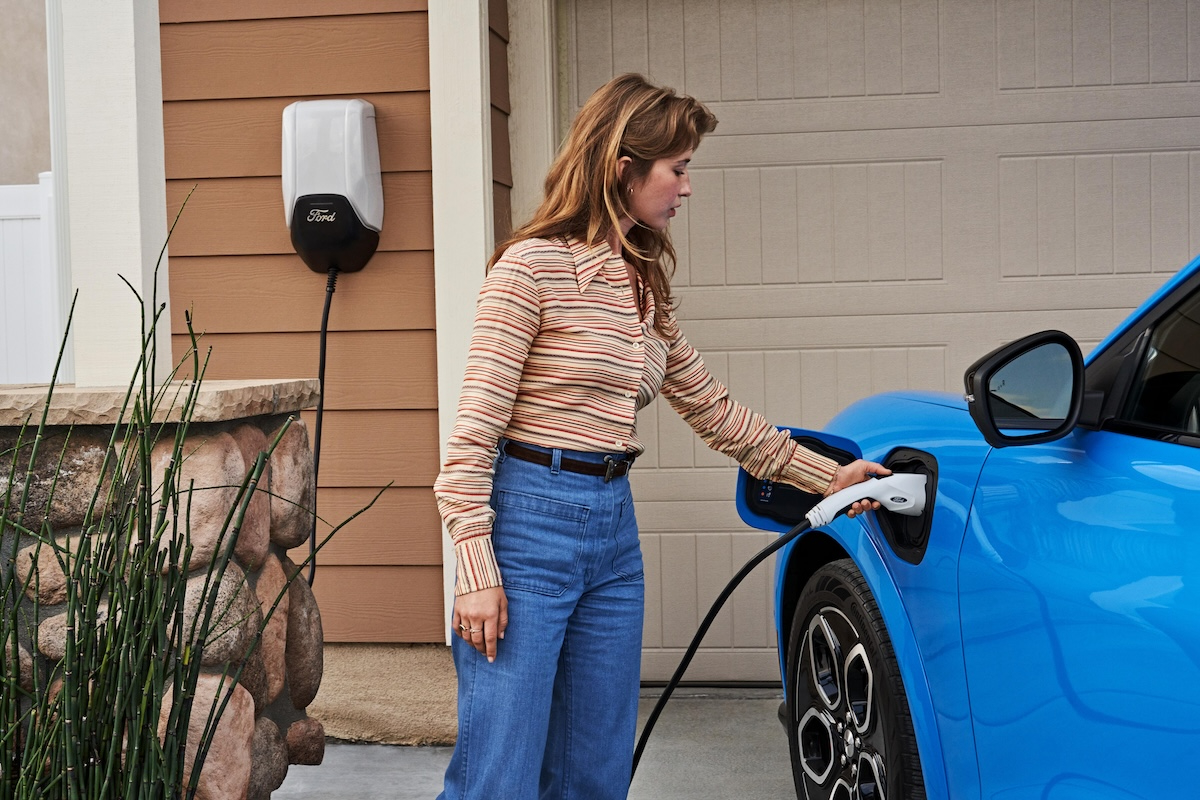
The current version of the federal clean vehicle tax credit is restricted by income limits based on the taxpayer’s modified adjusted gross income. Married couples who file jointly (or a surviving spouse) must have an adjusted gross income of $300,000 or below. That figure falls to $225,000 or less for heads of household and $150,000 for all other tax filers.
The IRS allows for a small amount of flexibility in this rule; applicants can either look at their modified AGI from the year in which they purchase the car, or the year prior. So long as it falls under the thresholds outlined above, their income should not be a barrier to applying for the credit, though applicants should look at their tax return for eligibility.
Buyers or lessees may qualify if they plan to use the vehicle themselves or through their company, as there are also commercial clean vehicle credits. Shoppers may not apply for a tax credit if they plan to quickly resell the vehicle. Additionally, those who qualify must plan to use the vehicle primarily in the U.S.

Which Vehicles Qualify for Tax Credits?
This is where things can get somewhat complicated. The latest version of the federal EV tax credit is highly specific about which new vehicles qualify.
As of April 2025, the biggest factors include:
The vehicle must be new and have a gross vehicle weight rating of less than 14,000.
The automaker must have assembled the vehicle in North America.
The automaker’s suggested retail price (MSRP) must be under $80,000 (for pickup trucks, SUVs, and vans) or under $55,000 (for all other vehicles). Note that the MSRP does not include a destination charge, and it is not the same as a negotiated price.
The vehicle’s battery must have at least a 7-kilowatt-hour capacity.
According to fueleconomy.gov, the Environmental Protection Agency’s website on fuel economy, the list of qualifying vehicles includes select versions of the following:
- Acura ZDX
- Cadillac Lyriq
- Cadillac Optiq
- Cadillac Vistiq
- Chevrolet Blazer EV
- Chevrolet Equinox EV
- Chevrolet Silverado EV
- Chrysler Pacifica Plug-In Hybrid
- Ford F-150 Lightning
- Honda Prologue
- Jeep Wagoneer S
- Kia EV6
- Kia EV9
- Tesla Cybertruck
- Tesla Model 3
- Tesla Model X
- Tesla Model Y
Confusingly, there are specific requirements regarding the composition and source of the vehicle’s battery components. For now, the EPA suggests that interested consumers check with a vehicle dealer to ensure specific vehicle eligibility. Dealers may be able to determine eligibility by looking at the vehicle identification number (VIN). Some vehicles may only qualify for $3,750 in rebates, while others may qualify for the full credit amount of $7,500.
Also, the credit must be “initiated and approved” at the time of sale, meaning it is critical that the selling dealership correctly files paperwork.
It’s worth noting that some energy providers may also offer special discounts on chargers, though the federal government does not currently have any.
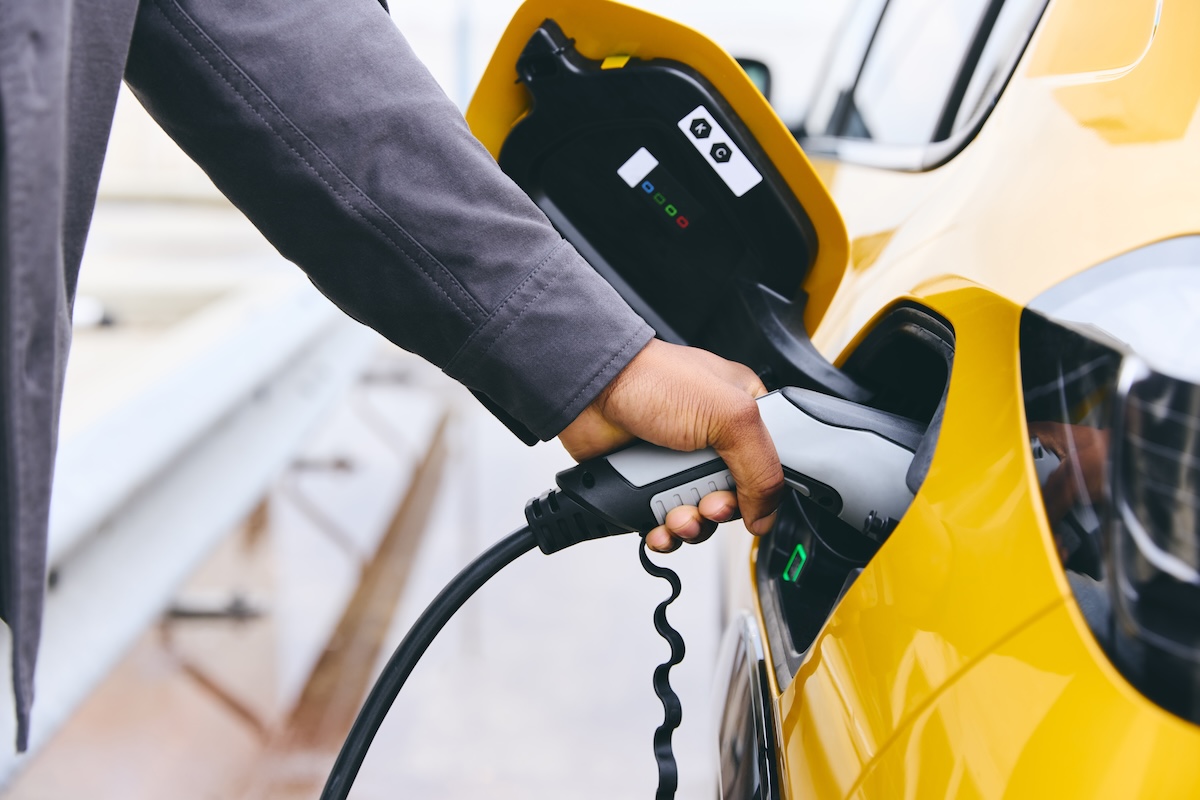
The used EV tax credit only applies to vehicles purchased from a car dealer that are at least two model years old. You have the choice of claiming the credit at the point-of-sale, in which case the dealer needs to file the correct paperwork, or you can claim it when you file your tax return.
How Long will the Federal Tax Credits Last?
The current tax credit rules, implemented in 2023 under the Inflation Reduction Act, are due to run through to 2032. That doesn't mean, however, that the current or any subsequent administration cannot change them in the next seven years.