What Is The NACS Plug?
The NACS plug (or charge port) stands for North American Charging Standard; it's the style of electric vehicle charging port developed by Tesla for its Model S, Model X, Model 3, Model Y, and Cybertruck EVs. It's also the plug type used by Tesla's own Supercharging stations.
And now it's become the industry standard for charge ports.
In 2023, Tesla started opening its Supercharger network to other automakers and other vehicles beyond Teslas.
The only catch is that automakers needed to start switching the ports on their EVs from the earlier setup to one that fits the NACS plugs, a process which has taken a while, depending on the automaker and how quickly they could update their new vehicles.
It’s no wonder other automakers are plugging into Tesla chargers. But the cadence of when that happens and which EVs will come with the new NACS port or those that require a NACS-to-CCS charging adapter remains a confusing work in progress.
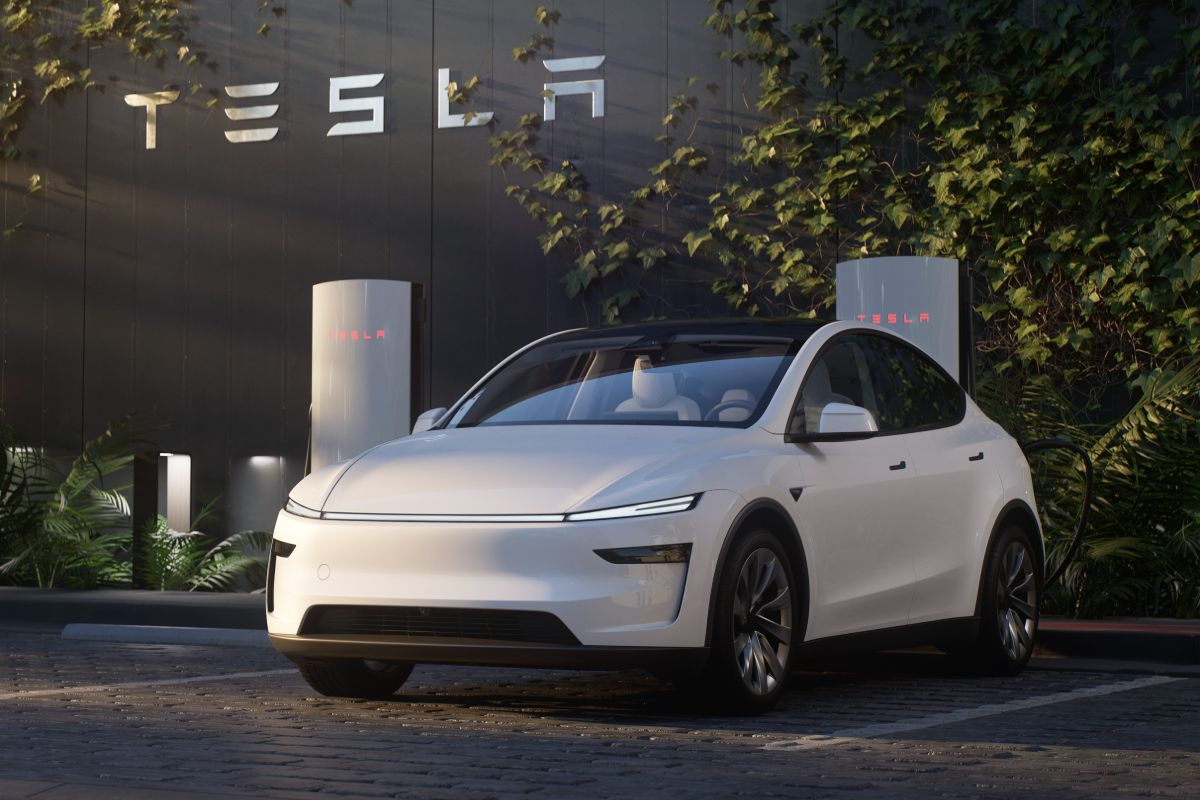
To help, we created a guide of all the vehicles that currently use Tesla's NACS ports; we'll continue to add new vehicles here as they hit the market.
All the EVs That Use Tesla's NACS Plug
Acura
Audi
BMW Group
Ford
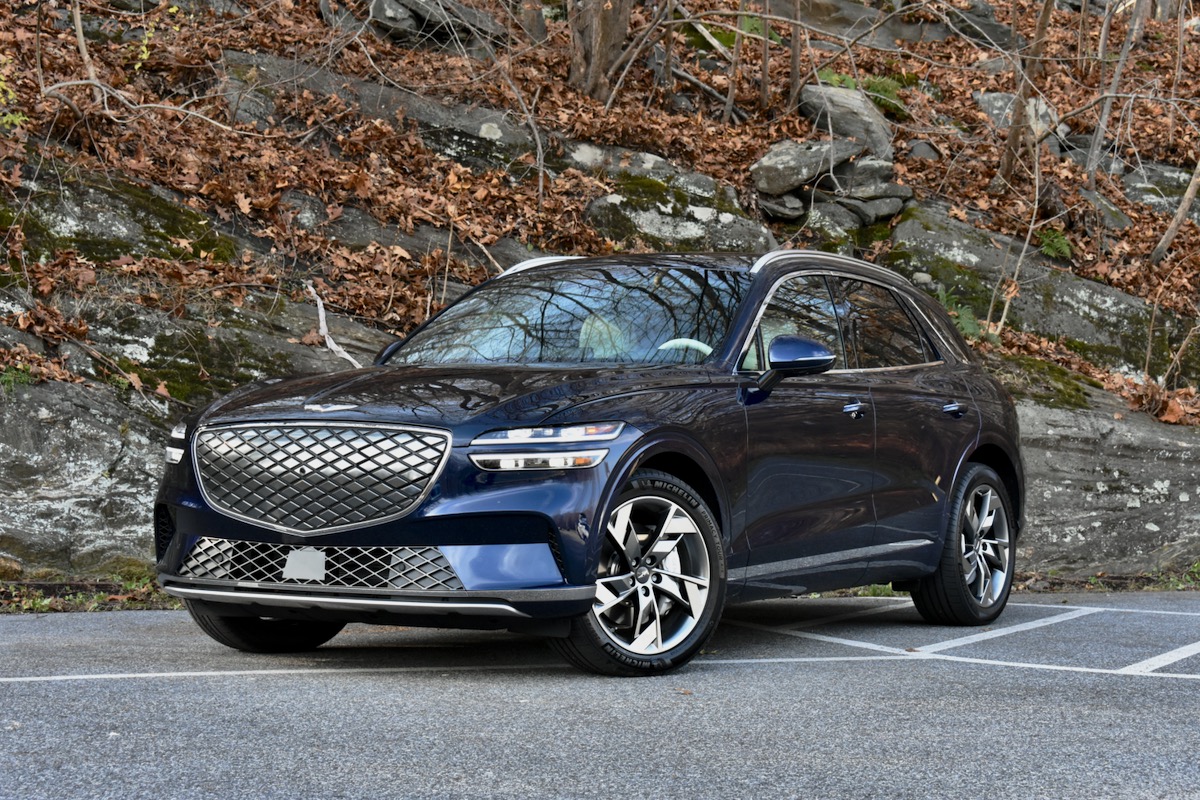
Genesis
General Motors
Honda
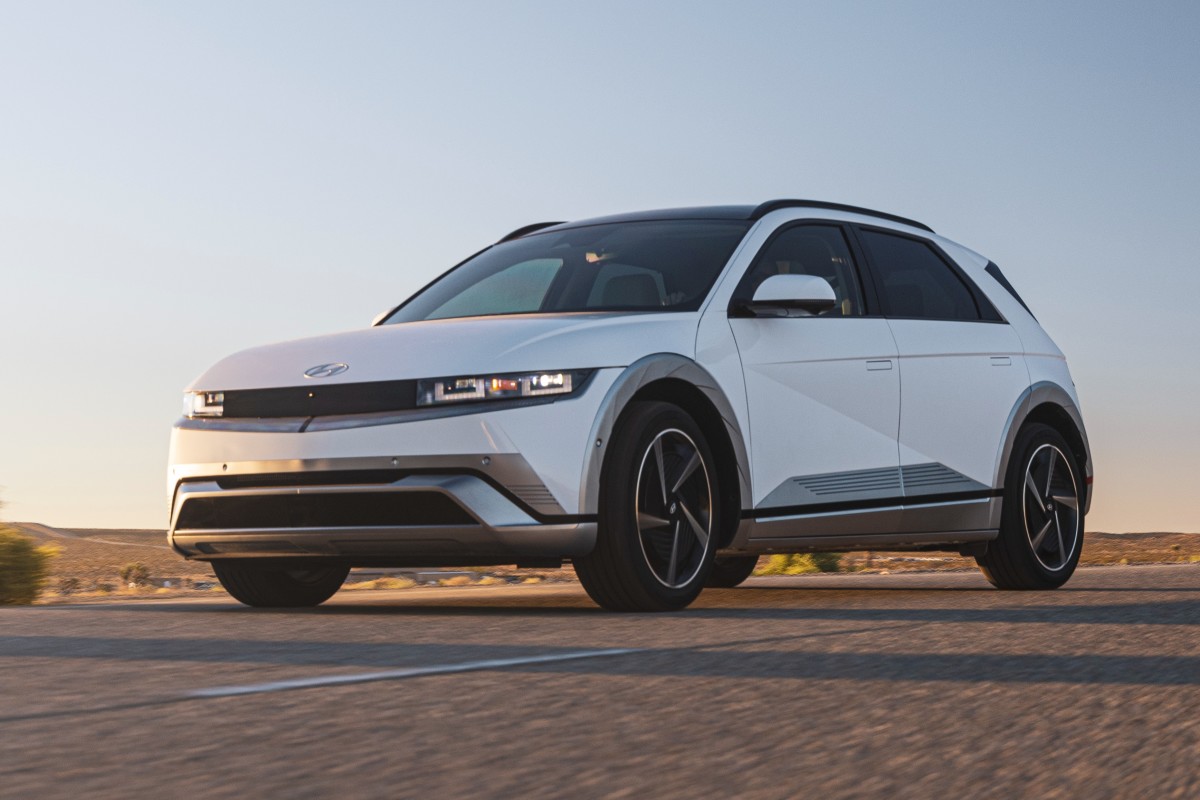
Hyundai
Jaguar
Kia
Lexus
Lucid
Mazda
Mercedes-Benz
Porsche
Polestar
Nissan
Rivian
Scout
Stellantis
Subaru
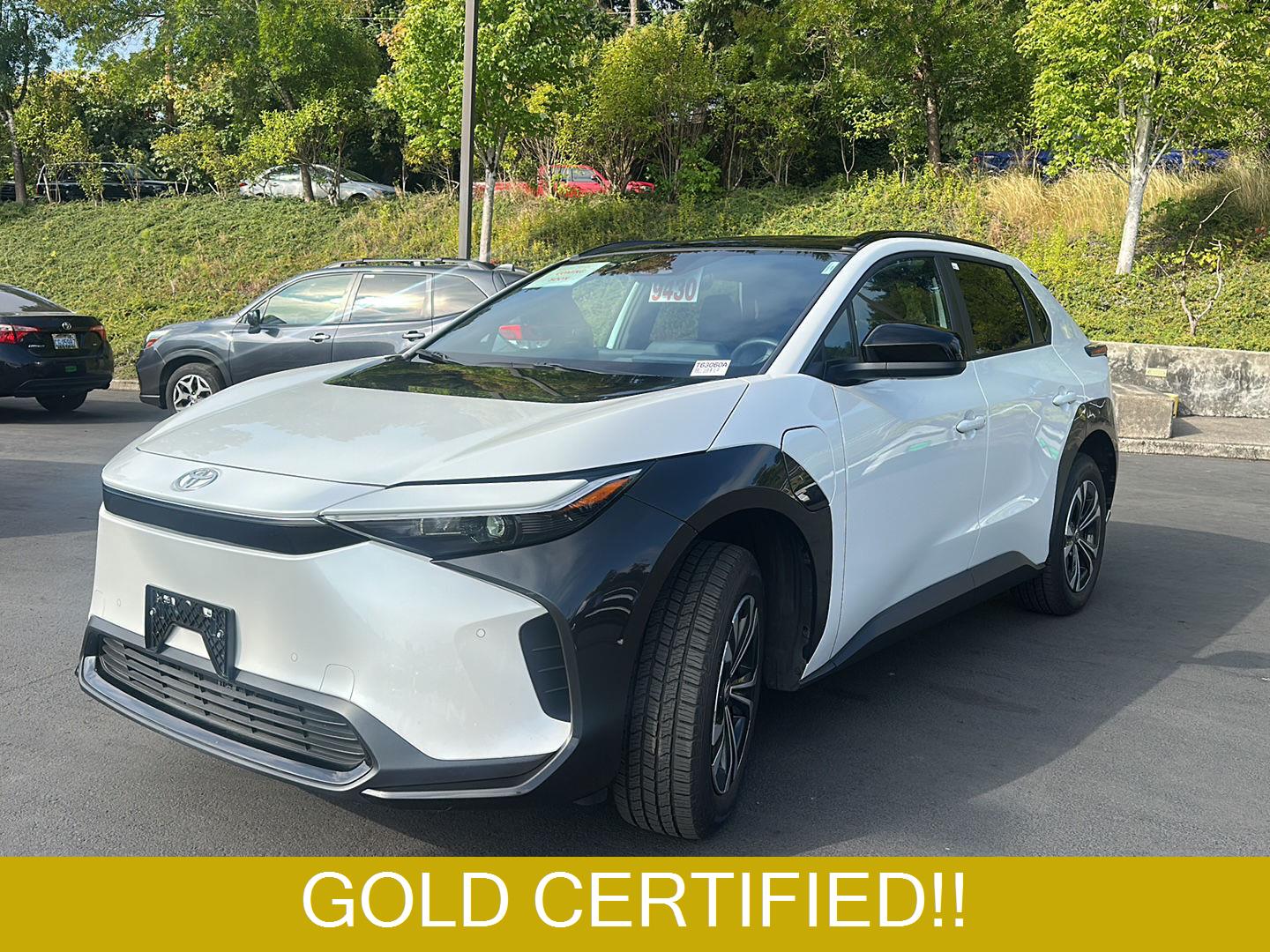
Toyota
Volkswagen
Volvo
 Acura
Acura
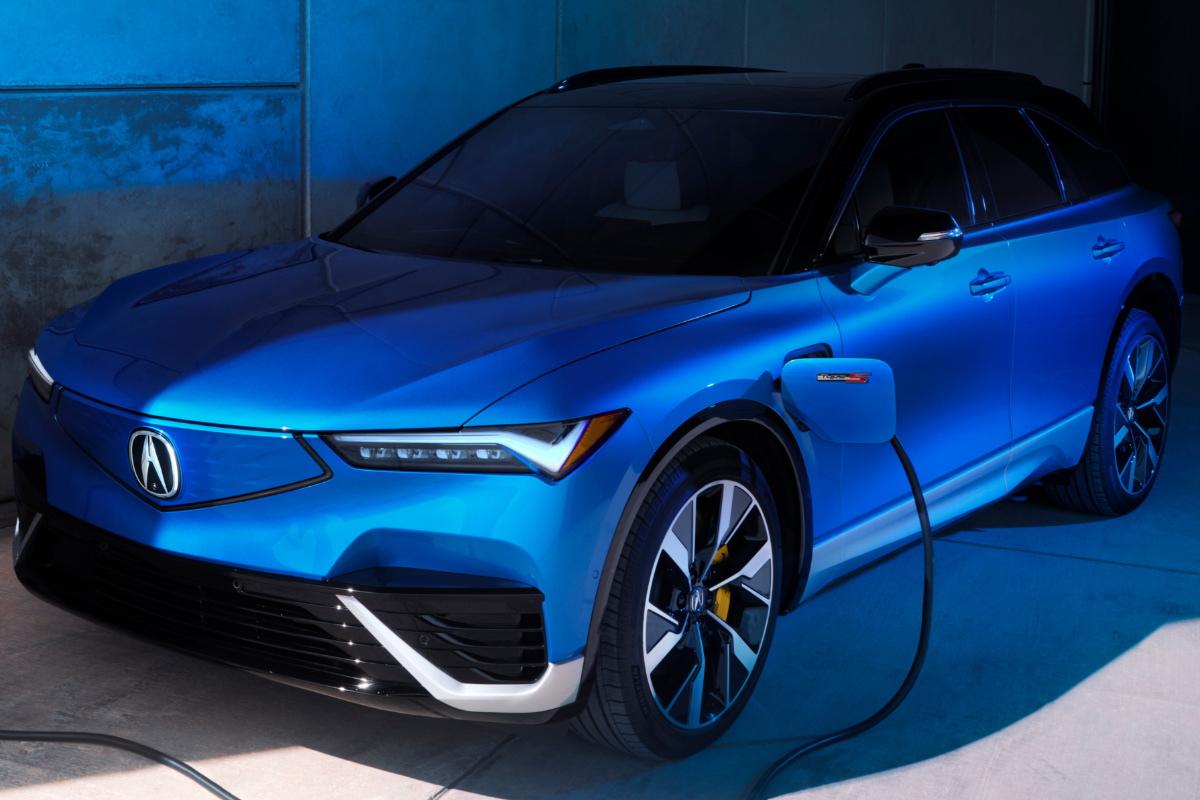
The Acura ZDX, the only EV in Acura’s lineup, can connect with NACS via a Honda-approved adapter that retails for $225, Acura announced in July. The ZDX and related Honda Prologue are built on GM’s electric platform. Honda has said its next generation of electric vehicles, such as the 0 Saloon and 0 SUV, will have native NACS ports.
 BMW Group
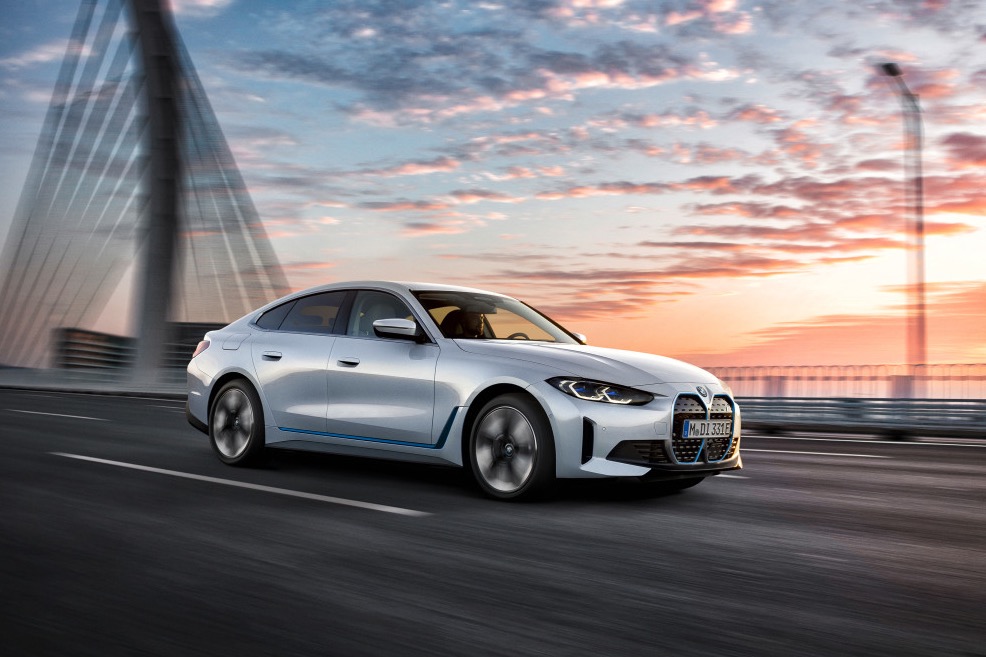
The BMW iX3 electric crossover SUV heralds the first BMW to come standard with a NACS port, and the adapter will be for CCS. Expect other models from the BMW Group, which includes BMW, Mini, and Rolls-Royce, to follow suit. That includes the BMW i4, i5, iX, i7, Mini Countryman SE ALL4, and Rolls-Royce Spectre. BMW delayed the rollout that had been slated for early 2025, and there hasn’t been an announcement on the timing and availability of adapters for those models since late in 2024.
 General Motors
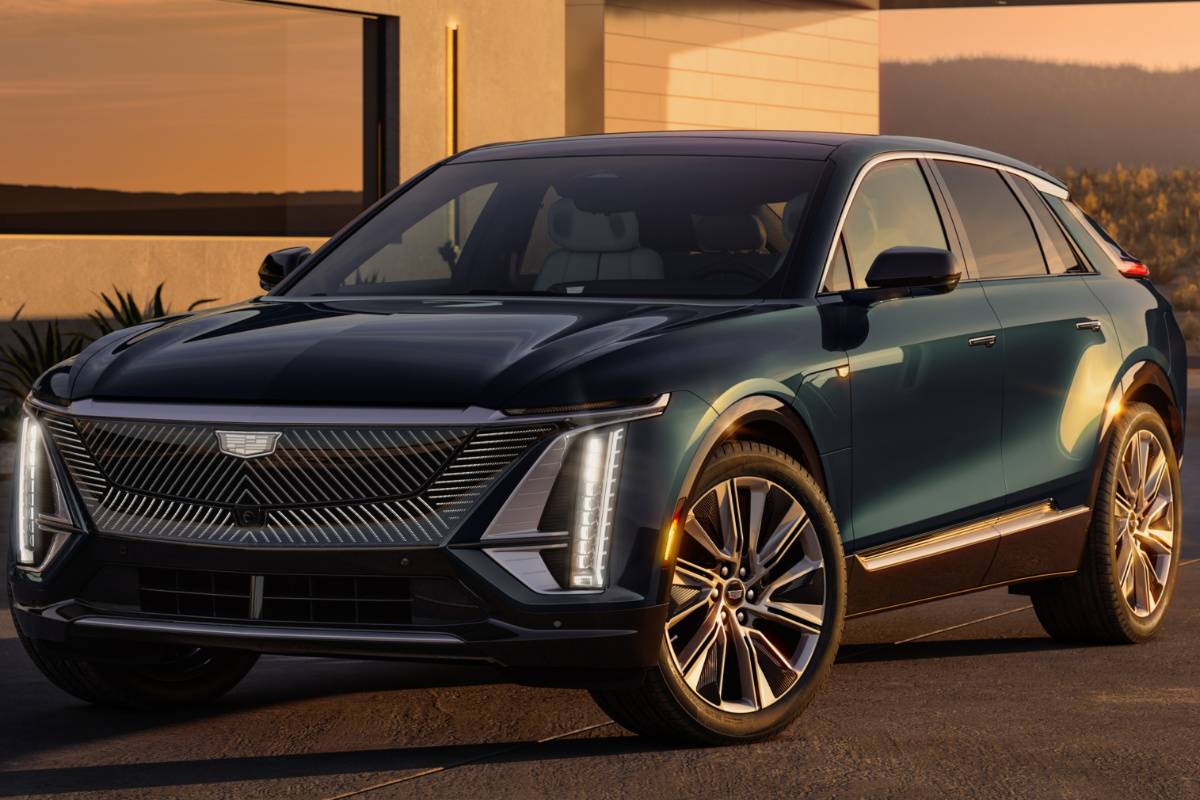
GM has the most robust lineup of electric vehicles of any automaker, including the Cadillac Lyriq, Cadillac Escalade IQ, Chevrolet Blazer EV, Equinox EV, Silverado EV, GMC Hummer EV, GMC Sierra EV, and the forthcoming return of the Bolt EV. The 2026 Cadillac Optiq and Optiq-V are the first GM models to come standard with a native NACS port. The Optiq has a CCS adapter, while the other existing EV models have a NACS adapter available for $275. That applies to the discontinued Bolt EV and Bolt EUV as well.
 Mercedes-Benz
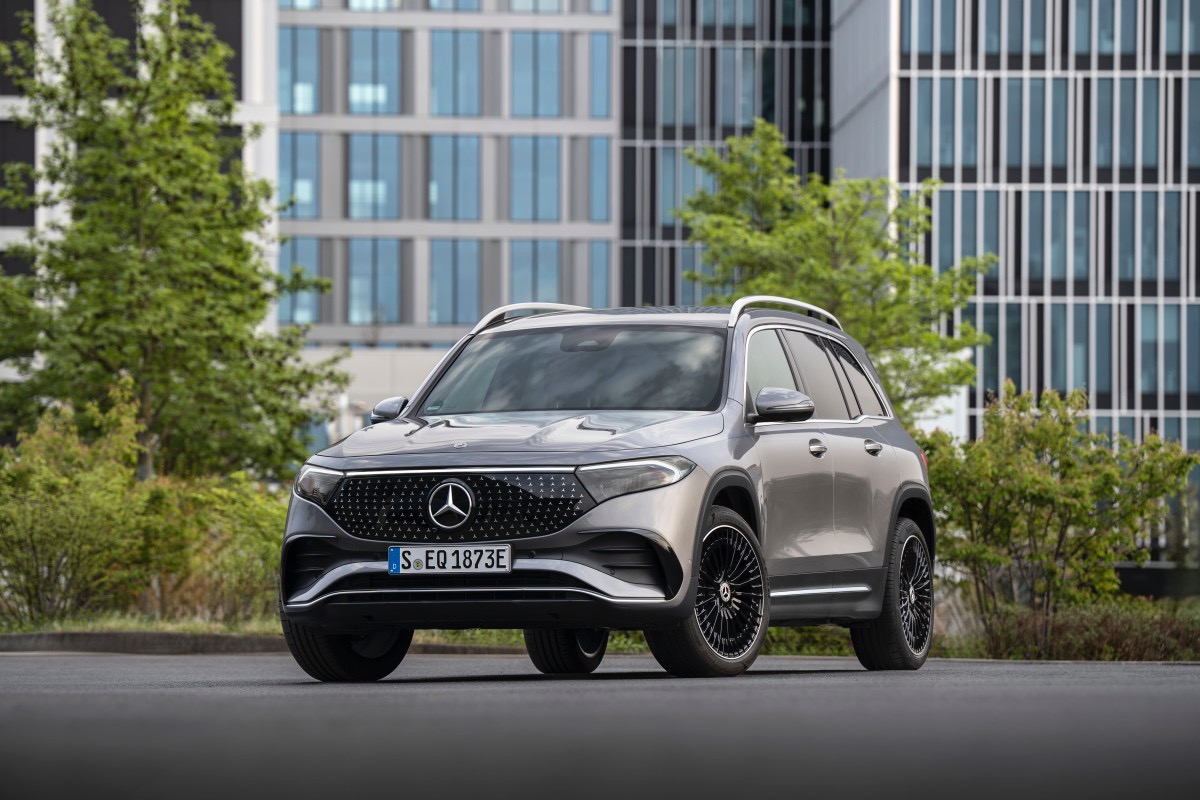
Mercedes-Benz robust lineup of EVs can juice up at a Supercharger with a NACS-to-CCS adapter that costs $185 through dealerships. Mercedes’ plug-and-charge feature works with Tesla’s network as well, so you can be billed directly without having to pay at the pump.
Current EVs in the Mercedes-Benz lineup include the EQB SUV, EQE Sedan, EQE SUV, EQS Sedan, EQS SUV, and EQS SUV Maybach. The 2026 Mercedes-Benz CLA-Class is the first in the lineup to come with native NACS integration.
 Rivian
Starting with the 2026 model year, all Rivian models, which are the R1T pickup and R1S SUV, come with NACS ports. The R2 and R3 will also arrive with NACS. Owners of older models can currently buy a NACS adapter via the Rivian website for $225.
 Scout
Scout
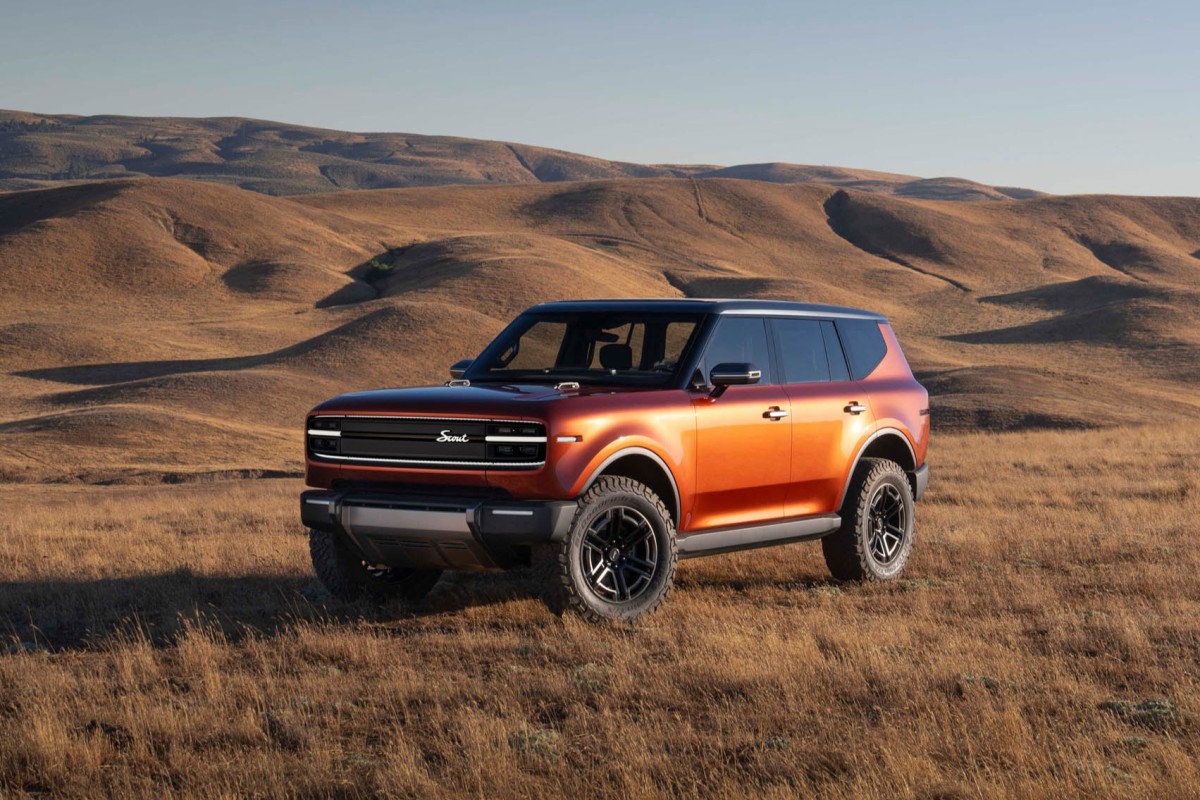
A part of Volkswagen Group, Scout announced in December of 2023 that it would be using the NACS charging port in its Terra pickup and Traveler SUV due out in 2027. A CCS adapter will be offered.
 Stellantis
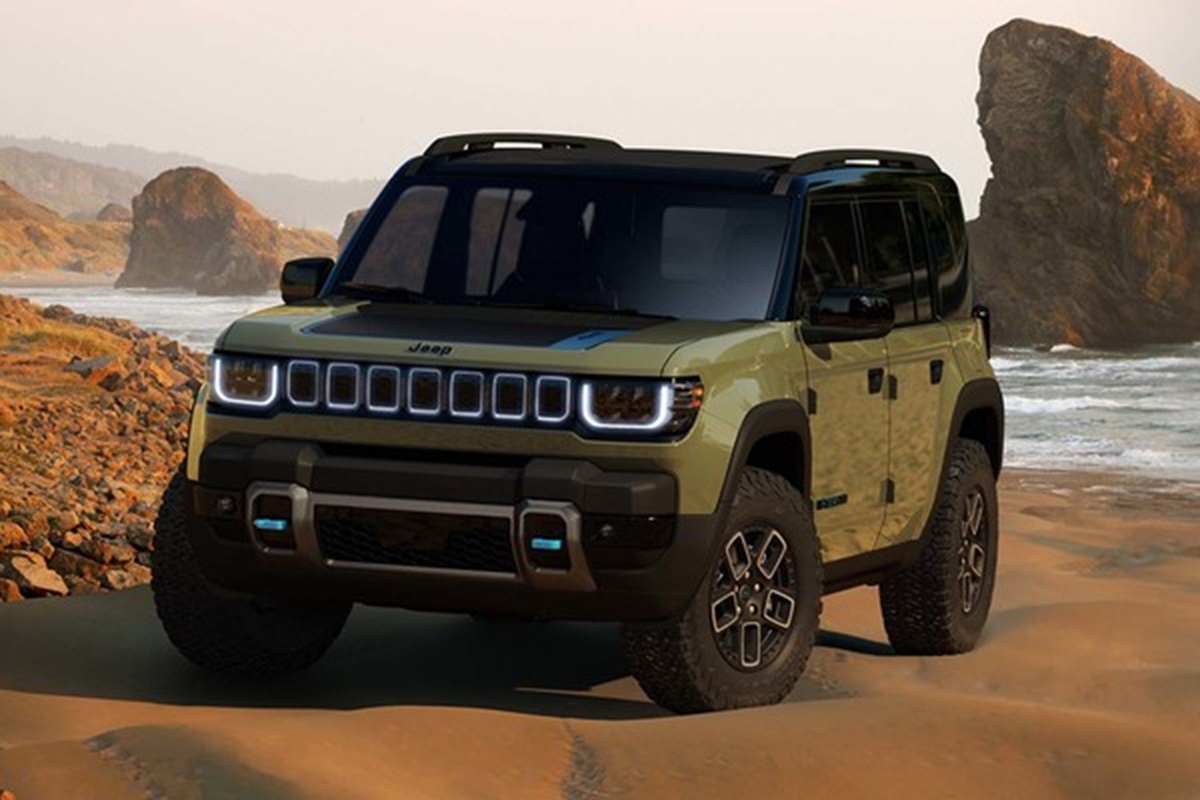
The parent company of Jeep, Dodge, Ram, Alfa Romeo and others was one of the last to adopt NACS and it is rolling it out in 2026 models. The only EV on sale now, the Dodge Charger Daytona EV, uses CCS, but it can charged at V4 Superchargers, which come with a built-in adapter called Magic Dock.
Stellantis
The parent company of Jeep, Dodge, Ram, Alfa Romeo and others was one of the last to adopt NACS and it is rolling it out in 2026 models. The only EV on sale now, the Dodge Charger Daytona EV, uses CCS, but it can charged at V4 Superchargers, which come with a built-in adapter called Magic Dock.
 Subaru
Like the Lexus and Toyota bZ, the refreshed 2026 Subaru Solterra arrives with a NACS port. The new 2026 Subaru Trailseeker SUV embraces Outback proportions and a native NACS port. Its third EV, the Unchartered small crossover, also arrives with NACS when it goes on sale in 2026. Older Solterra models can connect to the Tesla charging network via an adapter.
NACS Backstory:
Tesla revolutionized the automotive industry with their portfolio of popular electric cars as much as with their DC fast-charging network. Now, nearly every maker of electric cars, as well as EV drivers, want a piece of Tesla’s EV charging stations.
Launched in 2012 and called Superchargers, the network has been considered more reliable, more accessible, better integrated, more convenient, and with better functionality than alternatives in the public charging infrastructure, which range from evGO to Electrify America.
What’s the catch? Well until recently, only Tesla vehicles — like the Model 3 or the Tesla Model Y — used the type of charge port that worked at Supercharging stations. This port is call the North American Charging Standard, or NACS.
The NACS port — and its generically known SAE J3400 connector — appeal for its slim and ergonomic design that take up about half the space in the port and its door as the Combined Charging System (CCS), which is the other predominant DC fast-charging port. A version of CCS is used in most other EV markets globally.
Not only do Supercharging stations work better, but there are more of them.
Tesla has more than 3,367 Supercharger stations, with a total of 34,259 charging ports, according to the U.S. Department of Energy. The number of total DC fast-charging ports in the U.S. is 61,989, meaning that Tesla Superchargers account for more than 55% of DC fast-chargers in the U.S.
Tesla is also rolling out its fourth-generation Superchargers, called V4. They have longer cables with higher charging capacity (325 kw) than V3 cabinets (250 kw), so they’re easier to access and they charge quicker. They also come with a built-in CCS adapter called Magic Dock.
Advantages of NACS
One of the biggest advantages of NACS is that the Tesla charging network already exists, and it’s known for its vast number of stations and reliability, as well as its continued growth. The V4 cabinets mark an evolutionary step over V3 cabinets.
The posts are centrally located and come with longer charging cables, so they’re more compatible with other EVs outside Tesla. They come with a Magic Dock adapter built in, so you don’t need to carry that clunky hardware around. Most notably, they charge faster, at a charging rate of up to 500 kw, which is double the output of V3 cabinets.
One V4 cabinet can charge up to eight vehicles simultaneously, versus four cars on a V3.
Another advantage is the smaller and more ergonomic charging connector design, which makes it easier to use. Finally, NACS has plug-and-charge capability, which means you don’t have to futz around in the rain or cold with an app or credit card to start charging. You just plug in, and the vehicle communicates with the EV charger and the charger to your account and billing, making the process overall easier, more reliable, and consistent.
Disadvantages of NACS
The biggest issue right now is determining the Supercharger iteration, whether its V3, V3.5, or the most recent V4, which Tesla started rolling out late in 2024. Visually, you can tell by the taller cabinet and longer cables of the V4, as well as the presence of both CCS and NACS connectors. The type of Supercharger should be delineated on apps and in-car infotainment systems. Still, it’s confusing.
The V3 Superchargers max out at 250 kw, so if you have a car that accept a charge at up to 350 kw offered at other DC fast-charging stations, those cars will charge slower.
Another potential pitfall of a Supercharger is the potential for a higher price per kwh, which varies by region. It’s cheaper to get a Supercharging Membership, but then you’re in bed with Tesla in a way that may make some non-Tesla owners squeamish.
Another disadvantages of NACS is the fact that CCS is the global charging standard. This means if you wanted to take your NACS vehicle with you when you move outside of the U.S., you might have problems charging. It also requires more adjustments on behalf of automakers.
Details About NACS Chargers
Tesla developed its own proprietary charging system, pioneered by the Model S in 2012 and then adopted by all the future Tesla vehicles in its lineup. At the same time, Tesla began building out its Supercharger network, which is now more prolific and better maintained than other fast-charge networks that have installed CCS and CHAdeMO chargers.
Infrastructure laws passed in 2021 offered subsidies to build out a nationwide network of fast chargers at least every 50 miles along America’s major roads, but one requirement was that the chargers needed to be accessible by multiple brands of electric cars.
So, in 2022, Tesla started calling its proprietary system the “North American Charging Standard” and made its technology publicly available.
Then the company started doing a hard sell for its tech, stating that NACS should be the new American charging standard because the NACS connector is more compact and Tesla’s Supercharging Network had 60% more stalls than all the CCS-equipped networks combined.
NACS uses a compact five-pin layout for both AC charging and DC fast charging, whereas the CCS1 connector uses a larger, vertically stacked seven-pin layout for DC charging.
Ford Motor Co. was the first major automaker to announce it would adopt the NACS standard, and by February 2024, all the major automakers had signed on to either NACS or the standardized SAE J3400 connector, which is based on NACS. Thankfully, NACS vehicles built after 2022 use the same ISO 15118 vehicle-to-grid communication interface used by CCS, which makes any CSS vehicle electrically compatible with NACS.
Now that all the major automakers have signed on to NACS or SAE J3400, Electrify America and Charge Point have also committed to begin installing NACS chargers at current and future charging stations.
Supercharged Competition
It’s worth noting that a rival to Tesla’s Superchargers, called Ionna, has begun its build out of well-lit DC fast-chargers in 2025. With retro charm and available bathroom facilities located near places to get a bite, an Ionna “Rechargery” operates like a classic service station and has ports compatible with both NACS and CCS.
The SAE J3400 connector is compatible with Rechargeries and other DC fast-chargers. For now, there are fewer than 50 stations nationwide, but the network is poised to grow. It’s a joint venture between eight of the largest automakers, including BMW, General Motors, Honda, Hyundai, Kia, Mercedes-Benz, Stellantis, and Toyota.
 Acura
Acura


 Audi
Audi


 BMW Group


 Genesis


 General Motors


 Honda
Honda


 Hyundai


 Jaguar


 Kia
Kia


 Lexus
Lexus


 Lucid
Lucid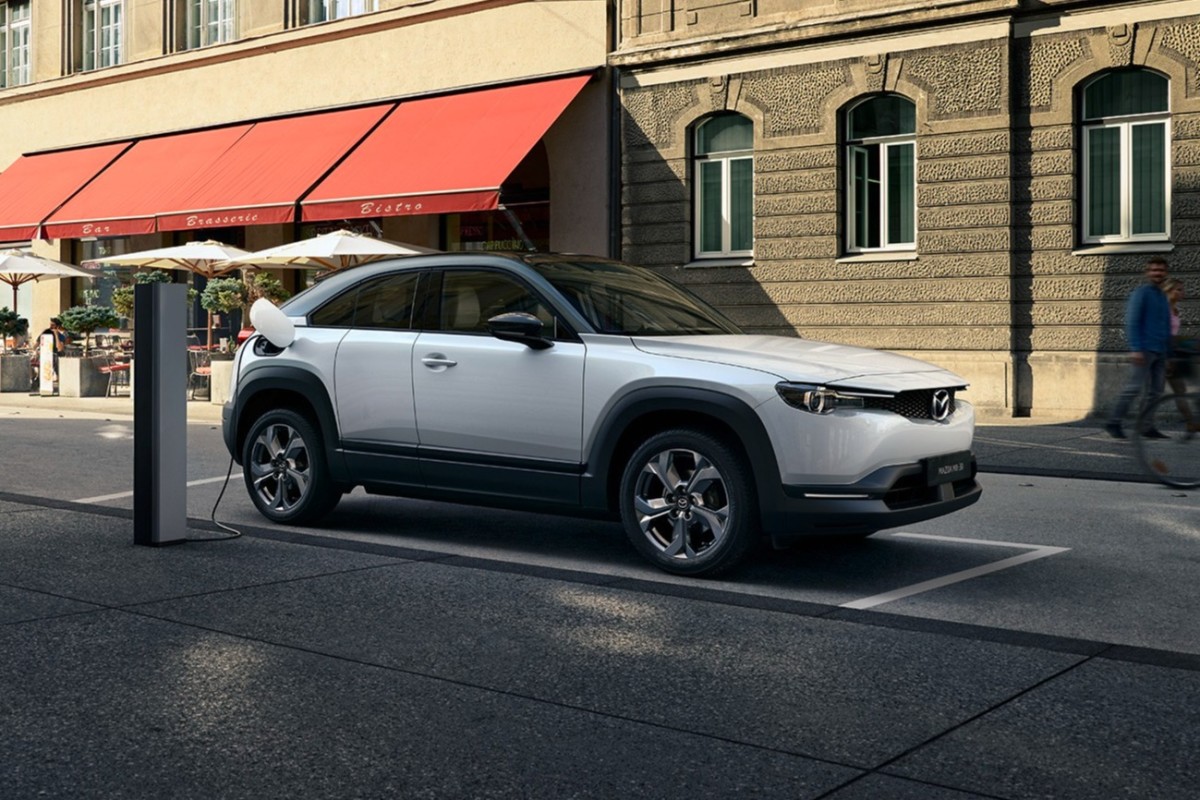


 Mercedes-Benz


 Porsche


 Polestar


 Nissan


 Rivian
 Scout
Scout Stellantis
The parent company of Jeep, Dodge, Ram, Alfa Romeo and others was one of the last to adopt NACS and it is rolling it out in 2026 models. The only EV on sale now, the Dodge Charger Daytona EV, uses CCS, but it can charged at V4 Superchargers, which come with a built-in adapter called Magic Dock.
Stellantis
The parent company of Jeep, Dodge, Ram, Alfa Romeo and others was one of the last to adopt NACS and it is rolling it out in 2026 models. The only EV on sale now, the Dodge Charger Daytona EV, uses CCS, but it can charged at V4 Superchargers, which come with a built-in adapter called Magic Dock. Subaru


 Toyota




 Volkswagen


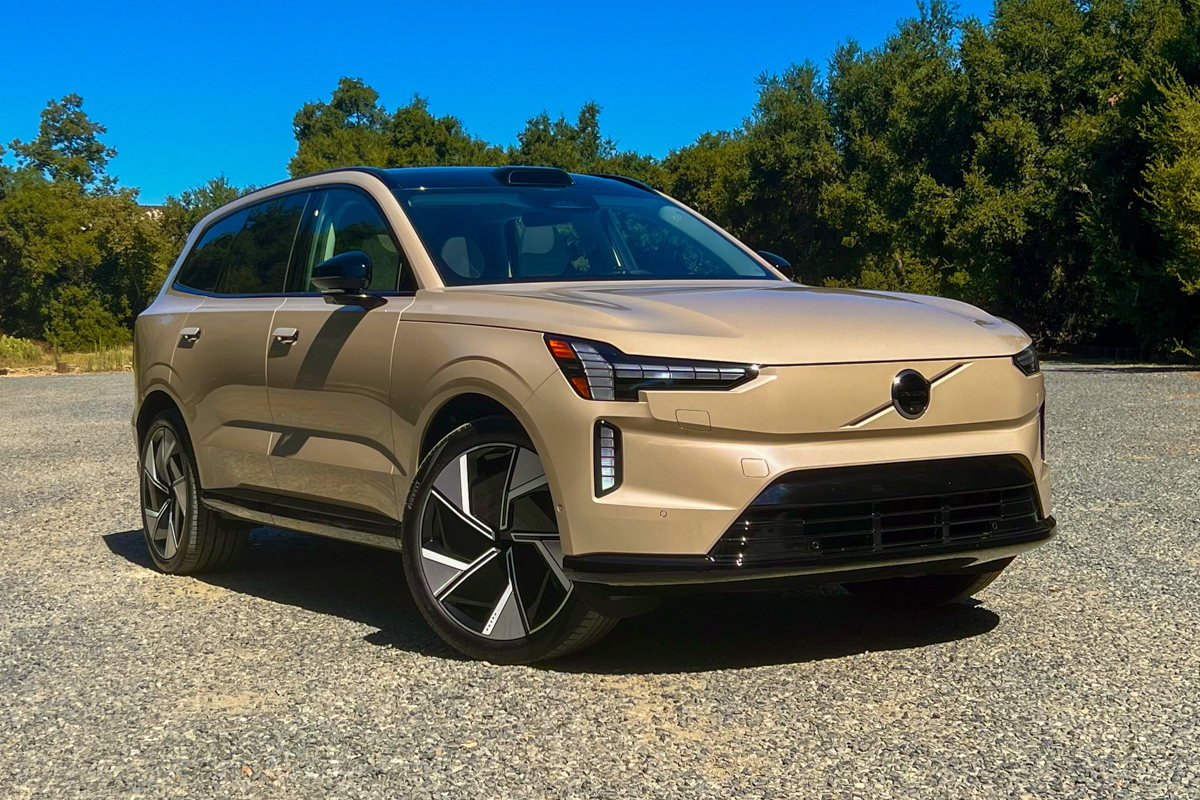 Volvo
Volvo