Toyota Prius vs Hyundai Sonata
Overview | |
MSRP$28,350 | MSRP$26,900 |
Listings6521 | Listings9511 |
Ratings & Reviews | |
User Reviews | User Reviews |
Expert reviews6.7 out of 10 | Expert reviews9.0 out of 10 |
Pros
Cons
| Pros
Cons
|
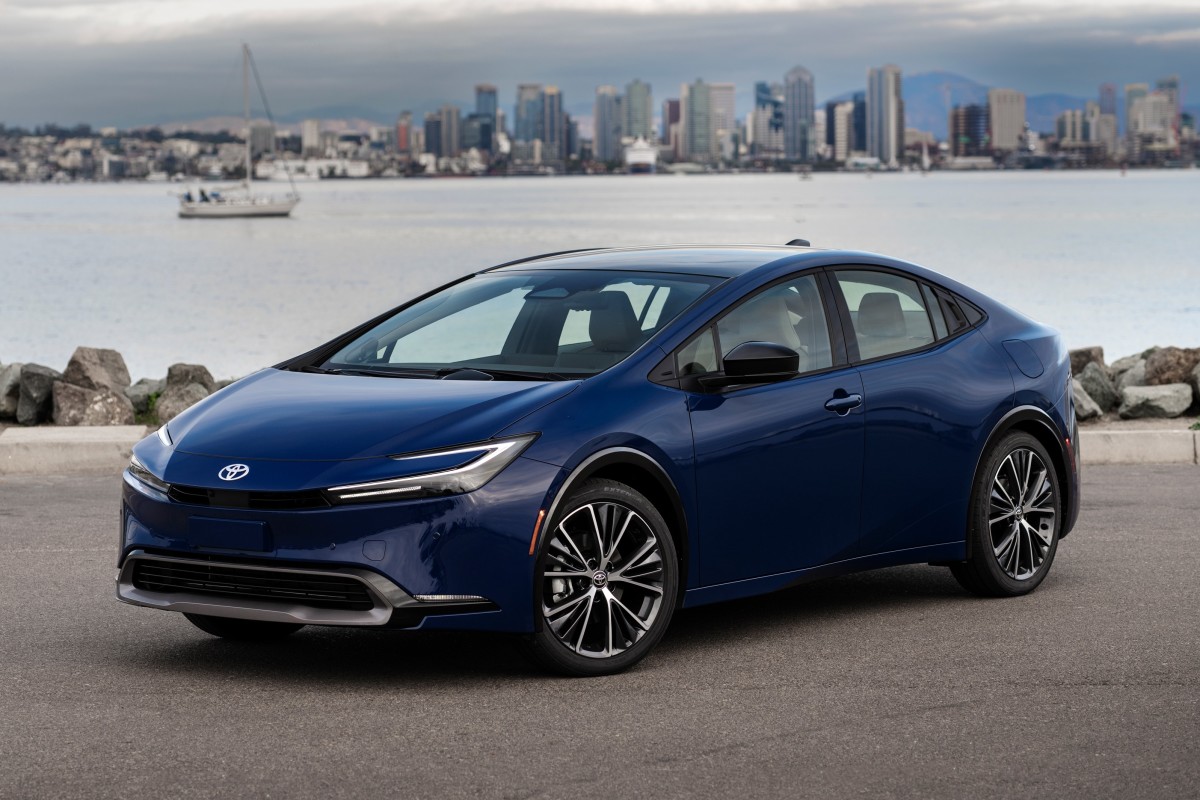
Reviews SummaryDecades ago, few cars were anywhere near as fuel efficient as the Toyota Prius. Today, the 2025 Prius remains the fuel economy champion, but numerous alternatives are close behind. Some even offer more interior room at a lower price. That reality, coupled with the Prius’ cramped interior, limited trunk space, and general weirdness, means hybrid car buyers have options. In response, Toyota adds a new Nightshade trim level with a blacked-out look to the 2025 Prius lineup. Verdict: The point of the 2025 Toyota Prius is fuel economy, but our Prius Nightshade test car averaged 39.2 mpg, falling significantly short of the EPA estimate of 52 mpg in combined driving. That certainly isn’t superior to roomier hybrid cars from Honda, Hyundai, or from within Toyota’s own lineup. | |
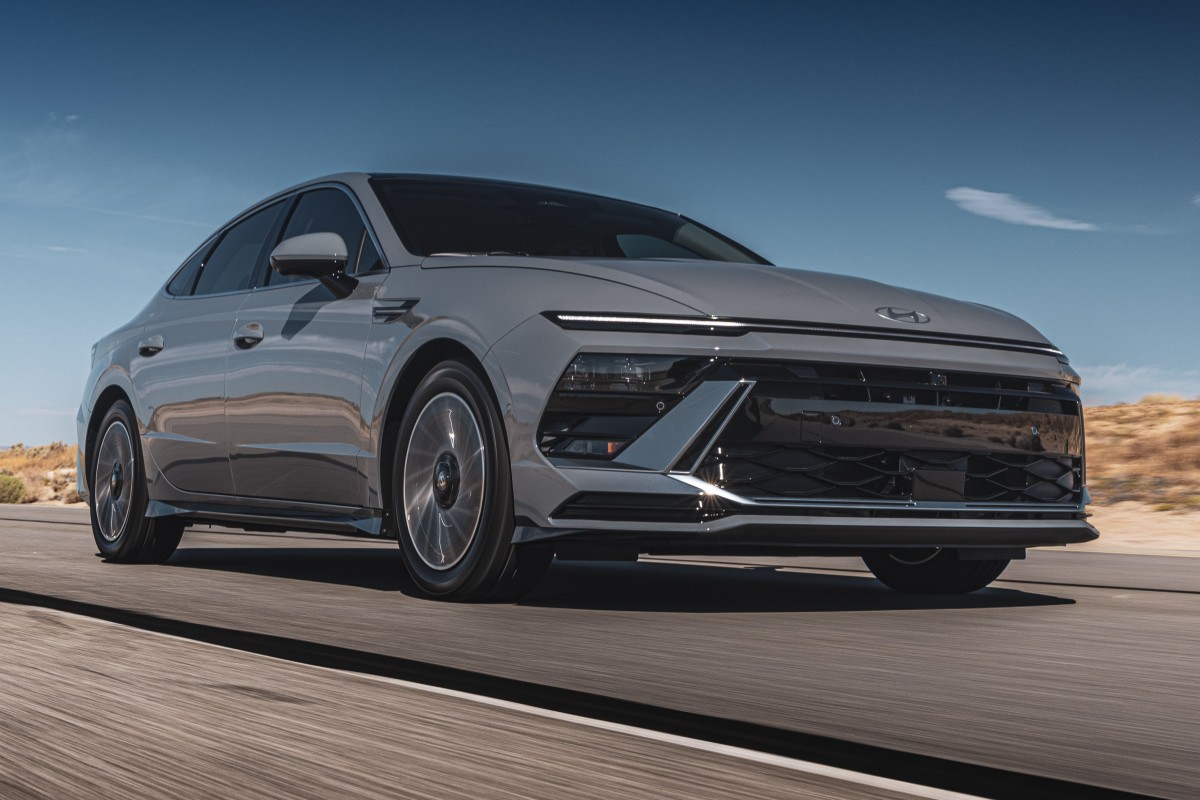
Reviews SummaryWhile its standout features are its value and safety ratings, in N Line trim the Sonata also offers some emotional appeal. Affordable sports sedans are increasingly rare, and aside from the Kia K5 GT and Subaru Legacy Sport, there’s little else in the 2025 Sonata N Line’s segment that gives you this much horsepower for this kind of price. Of course, there is a penalty to pay at the gas pump, but otherwise the N Line delivers. In general, new rear-seat air conditioning vents and improved crash-test ratings boost the 2025 Sonata’s appeal and while gas models aren’t very fuel-efficient, the Hyundai Sonata Hybrid fares better in this respect. Verdict: Hyundai refreshed the Sonata in 2024 and improved its safety rating in 2025, keeping it competitive against midsize sedan rivals. All versions offer compelling value and are impressively safe, while the N Line model is pleasantly sporty. | |
No video found | No video found |
Popular Features & Specs | |
Engine2.0L 194 hp I4 Hybrid | Engine2.5L 191 hp I4 |
DrivetrainFWD | DrivetrainFWD |
Seating Capacity5 | Seating Capacity5 |
Horsepower | Horsepower191 hp @ 6100 rpm |
EV Battery Capacity0.9 kWh | EV Battery Capacity |
MPG City57 | MPG City25 |
MPG Highway56 | MPG Highway36 |
Engine | |
Engine Name2.0L 194 hp I4 Hybrid | Engine Name2.5L 191 hp I4 |
Torque | Torque181 lb-ft @ 4000 rpm |
Horsepower | Horsepower191 hp @ 6100 rpm |
DrivetrainFWD | DrivetrainFWD |
Fuel Economy | |
EV Battery Capacity0.9 kWh | EV Battery Capacity |
MPG City57 | MPG City25 |
MPG Highway56 | MPG Highway36 |
Interior | |
Seating Capacity5 | Seating Capacity5 |
Key Features | |
Navigation System | Navigation SystemStandard |
Safety | |
Front Crash Overall5 | Front Crash Overall4 |
Side Crash Overall5 | Side Crash Overall5 |
Dimensions & Capacity | |
Cargo Space23.8 cu ft | Cargo Space16.0 cu ft |
Curb Weight3097 lbs | Curb Weight3232 lbs |
Height55.9 in | Height56.9 in |
Length181.1 in | Length193.3 in |
Width70.2 in | Width73.2 in |
Wheelbase108.3 in | Wheelbase111.8 in |
Maximum Payload860 lbs | Maximum Payload1162 lbs |
Number of doors4 | Number of doors4 |
Overview | ||
MSRP | $28,350 | $26,900 |
Listings | ||
Ratings & Reviews | ||
User reviews | ||
Expert reviews | 6.7 out of 10Read full review | 9.0 out of 10Read full review |
Pros & cons | Pros
Cons
| Pros
Cons
|
Summary | Decades ago, few cars were anywhere near as fuel efficient as the Toyota Prius. Today, the 2025 Prius remains the fuel economy champion, but numerous alternatives are close behind. Some even offer more interior room at a lower price. That reality, coupled with the Prius’ cramped interior, limited trunk space, and general weirdness, means hybrid car buyers have options. In response, Toyota adds a new Nightshade trim level with a blacked-out look to the 2025 Prius lineup. Verdict: The point of the 2025 Toyota Prius is fuel economy, but our Prius Nightshade test car averaged 39.2 mpg, falling significantly short of the EPA estimate of 52 mpg in combined driving. That certainly isn’t superior to roomier hybrid cars from Honda, Hyundai, or from within Toyota’s own lineup. | While its standout features are its value and safety ratings, in N Line trim the Sonata also offers some emotional appeal. Affordable sports sedans are increasingly rare, and aside from the Kia K5 GT and Subaru Legacy Sport, there’s little else in the 2025 Sonata N Line’s segment that gives you this much horsepower for this kind of price. Of course, there is a penalty to pay at the gas pump, but otherwise the N Line delivers. In general, new rear-seat air conditioning vents and improved crash-test ratings boost the 2025 Sonata’s appeal and while gas models aren’t very fuel-efficient, the Hyundai Sonata Hybrid fares better in this respect. Verdict: Hyundai refreshed the Sonata in 2024 and improved its safety rating in 2025, keeping it competitive against midsize sedan rivals. All versions offer compelling value and are impressively safe, while the N Line model is pleasantly sporty. |
Video | No video found | No video found |
Popular Features & Specs | ||
Engine | 2.0L 194 hp I4 Hybrid | 2.5L 191 hp I4 |
Drivetrain | FWD | FWD |
Seating Capacity | 5 | 5 |
Horsepower | 191 hp @ 6100 rpm | |
EV Battery Capacity | 0.9 kWh | |
MPG City | 57 | 25 |
MPG Highway | 56 | 36 |
Engine | ||
Engine Name | 2.0L 194 hp I4 Hybrid | 2.5L 191 hp I4 |
Torque | 181 lb-ft @ 4000 rpm | |
Horsepower | 191 hp @ 6100 rpm | |
Drivetrain | FWD | FWD |
Fuel Economy | ||
EV Battery Capacity | 0.9 kWh | |
MPG City | 57 | 25 |
MPG Highway | 56 | 36 |
Interior | ||
Seating Capacity | 5 | 5 |
Key Features | ||
Navigation System | Standard | |
Safety | ||
Front Crash Overall | 5 | 4 |
Side Crash Overall | 5 | 5 |
Dimensions & Capacity | ||
Cargo Space | 23.8 cu ft | 16.0 cu ft |
Curb Weight | 3097 lbs | 3232 lbs |
Height | 55.9 in | 56.9 in |
Length | 181.1 in | 193.3 in |
Width | 70.2 in | 73.2 in |
Wheelbase | 108.3 in | 111.8 in |
Maximum Payload | 860 lbs | 1162 lbs |
Number of doors | 4 | 4 |


By: CarGurus + AI
At CarGurus, our team of experienced automotive writers remain at the heart of our content operation, conducting hands-on car tests and writing insightful guides that are backed by years of industry experience. To complement this, we are harnessing AI to make our content offering more diverse and more helpful to shoppers than ever. To achieve this, our AI systems are based exclusively on CarGurus content, ratings and data, so that what we produce is both unique to CarGurus, and uniquely helpful to car shoppers.

