2020 Lincoln Aviator vs 2020 Dodge Durango

Overview | |
MSRP$51,100 | MSRP$30,795 |
Listings585 | Listings794 |
Ratings & Reviews | |
User Reviews | User Reviews |
Expert reviews8.2 out of 10 | Expert reviews7.5 out of 10 |
Pros
Cons
| Pros
Cons
|
2020 Lincoln Aviator Reviews SummaryThe heyday for Lincoln was more than a half-century ago. Those postwar years of prosperity and optimism were the perfect time for cars like the Continental and others. They delivered comfort and luxury, wrapped in midcentury modern styling. Even as recently as the 1990s, Lincoln was still a popular brand, riding the SUV craze with its Navigator. But after the turn of the century, Lincoln lost its ability to create new designs and looked inward and backward. Sure, retro-themed cars like the redesigned Mustang, PT Cruiser, and Chevy HHR had turned some heads, but none of those came from luxury brands. The BMWs and Mercedes of the world were all looking forward and pushing the envelope for contemporary automotive design. Meanwhile, Lincoln offered the MKX, which was based on the Ford Edge and featured ’66 Continental styling. Neat in a vacuum, but off-base compared to the modern luxury market. This experimental phase with various retro looks coincided with the move to the MK-# alphabet-soup naming convention and big improvements in the Ford lineup, where top-end trims of the Fusion overlapped with an entry-level trim of the MKZ. The combination left Lincoln a confusing, anonymous afterthought in the modern luxury game. But Lincoln is finally ready to change all that. It has a new cohesive design language, its focus is once again on luxury, and the three-letter naming convention that never meant anything to anyone other than Lincoln marketers is gone. The brand led with the 2017 Continental and 2018 Navigator, which are each impressive in their own right. But the company's lineup is growing and now includes the all-new 2020 Lincoln Aviator. Named after a luxury variant of the 2002-2005 Ford Explorer, this new Aviator is also based on the contemporary Explorer platform, but it's a luxury vehicle in its own right. Much of the success of the Lincoln brand may hinge on this midsize, 3-row luxury SUV, so you need to consider its competition, such as the Audi Q7, Infiniti QX60, and all-new Cadillac XT6. Read on to learn if Lincoln’s take on luxury will stand out in a crowded competitive field. | |
2020 Dodge Durango Reviews SummaryDodge says it has three muscle cars in its lineup, but if you check out the website, you’ll see the Challenger and Charger. Where is the third? According to Dodge, it’s the Durango three-row SUV. Even though it is a seven-passenger family hauler, it has eye-catching muscle car styling cues. It is also available in a number of high-horsepower trims that deliver on the styling. For that performance and style, you give up a bit of usability compared to leaders in the segment like the Toyota Highlander, Honda Pilot, and Kia Telluride. The Durango also feels a bit dated compared to those vehicles. So, is this tradeoff worth it? | |
No video found | |
Popular Features & Specs | |
Engine3.0L 400 hp V6 | Engine3.6L 293 hp V6 |
Drive TrainRWD | Drive TrainRWD |
Seating Capacity7 | Seating Capacity7 |
Horsepower | Horsepower293 hp @ 6400 rpm |
MPG City18 | MPG City19 |
MPG Highway26 | MPG Highway26 |
Engine | |
Engine Name3.0L 400 hp V6 | Engine Name3.6L 293 hp V6 |
Torque | Torque260 lb-ft @ 4000 rpm |
Horsepower | Horsepower293 hp @ 6400 rpm |
DrivetrainRWD | DrivetrainRWD |
Fuel Economy | |
MPG City18 | MPG City19 |
MPG Highway26 | MPG Highway26 |
Interior | |
Seating Capacity7 | Seating Capacity7 |
Safety | |
Front Crash Overall5 | Front Crash Overall4 |
Side Crash Overall5 | Side Crash Overall5 |
Dimensions & Capacity | |
Cargo Space18.3 cu ft | Cargo Space43.3 cu ft |
Curb Weight4764 lbs | Curb Weight4680 lbs |
Height69.8 in | Height70.9 in |
Length199.3 in | Length201.2 in |
Width89.9 in | Width85.5 in |
Wheelbase119.1 in | Wheelbase119.8 in |
Maximum Payload | Maximum Payload1380 lbs |
Number of doors4 | Number of doors4 |
Maximum Towing Capacity | Maximum Towing Capacity6200 lbs |
Overview | ||
MSRP | $51,100 | $30,795 |
Listings | ||
Ratings & Reviews | ||
User reviews | ||
Expert reviews | 8.2 out of 10Read full review | 7.5 out of 10Read full review |
Pros & cons | Pros
Cons
| Pros
Cons
|
Summary | The heyday for Lincoln was more than a half-century ago. Those postwar years of prosperity and optimism were the perfect time for cars like the Continental and others. They delivered comfort and luxury, wrapped in midcentury modern styling. Even as recently as the 1990s, Lincoln was still a popular brand, riding the SUV craze with its Navigator. But after the turn of the century, Lincoln lost its ability to create new designs and looked inward and backward. Sure, retro-themed cars like the redesigned Mustang, PT Cruiser, and Chevy HHR had turned some heads, but none of those came from luxury brands. The BMWs and Mercedes of the world were all looking forward and pushing the envelope for contemporary automotive design. Meanwhile, Lincoln offered the MKX, which was based on the Ford Edge and featured ’66 Continental styling. Neat in a vacuum, but off-base compared to the modern luxury market. This experimental phase with various retro looks coincided with the move to the MK-# alphabet-soup naming convention and big improvements in the Ford lineup, where top-end trims of the Fusion overlapped with an entry-level trim of the MKZ. The combination left Lincoln a confusing, anonymous afterthought in the modern luxury game. But Lincoln is finally ready to change all that. It has a new cohesive design language, its focus is once again on luxury, and the three-letter naming convention that never meant anything to anyone other than Lincoln marketers is gone. The brand led with the 2017 Continental and 2018 Navigator, which are each impressive in their own right. But the company's lineup is growing and now includes the all-new 2020 Lincoln Aviator. Named after a luxury variant of the 2002-2005 Ford Explorer, this new Aviator is also based on the contemporary Explorer platform, but it's a luxury vehicle in its own right. Much of the success of the Lincoln brand may hinge on this midsize, 3-row luxury SUV, so you need to consider its competition, such as the Audi Q7, Infiniti QX60, and all-new Cadillac XT6. Read on to learn if Lincoln’s take on luxury will stand out in a crowded competitive field. | Dodge says it has three muscle cars in its lineup, but if you check out the website, you’ll see the Challenger and Charger. Where is the third? According to Dodge, it’s the Durango three-row SUV. Even though it is a seven-passenger family hauler, it has eye-catching muscle car styling cues. It is also available in a number of high-horsepower trims that deliver on the styling. For that performance and style, you give up a bit of usability compared to leaders in the segment like the Toyota Highlander, Honda Pilot, and Kia Telluride. The Durango also feels a bit dated compared to those vehicles. So, is this tradeoff worth it? |
Video | No video found | |
Popular Features & Specs | ||
Engine | 3.0L 400 hp V6 | 3.6L 293 hp V6 |
Drive Train | RWD | RWD |
Seating Capacity | 7 | 7 |
Horsepower | 293 hp @ 6400 rpm | |
MPG City | 18 | 19 |
MPG Highway | 26 | 26 |
Engine | ||
Engine Name | 3.0L 400 hp V6 | 3.6L 293 hp V6 |
Torque | 260 lb-ft @ 4000 rpm | |
Horsepower | 293 hp @ 6400 rpm | |
Drivetrain | RWD | RWD |
Fuel Economy | ||
MPG City | 18 | 19 |
MPG Highway | 26 | 26 |
Interior | ||
Seating Capacity | 7 | 7 |
Safety | ||
Front Crash Overall | 5 | 4 |
Side Crash Overall | 5 | 5 |
Dimensions & Capacity | ||
Cargo Space | 18.3 cu ft | 43.3 cu ft |
Curb Weight | 4764 lbs | 4680 lbs |
Height | 69.8 in | 70.9 in |
Length | 199.3 in | 201.2 in |
Width | 89.9 in | 85.5 in |
Wheelbase | 119.1 in | 119.8 in |
Maximum Payload | 1380 lbs | |
Number of doors | 4 | 4 |
Maximum Towing Capacity | 6200 lbs | |
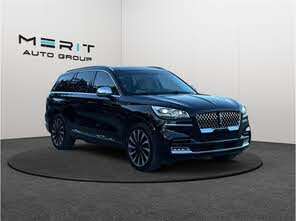
The 2020 Lincoln Aviator was positioned between the Navigator and the compact MKC (later replaced by the Lincoln Corsair) in Lincoln's lineup. It marked a return to real vehicle names, moving away from the previous alphabet-soup naming convention. The Aviator featured a unified design language across Lincoln's sedans, crossovers, and SUVs, with handsome headlights and an upright chrome grille. Its roofline tapered slightly, giving it an elongated look, while the low, wide beltline added a boat-like appearance.
Inside, the Aviator's cabin boasted a flowing design with soft-touch materials and selective brightwork. The seats were both elegant and sturdy, with shifter buttons resembling piano keys. The front seats were incredibly comfortable, using plush leather throughout, even in less obvious areas like the sides of the center console. The Aviator also featured a massive panoramic moonroof and unique warning jingles recorded by the Detroit Symphony Orchestra. The lineup included five trims: Standard, Reserve, Grand Touring, Black Label, and Black Label Grand Touring, each offering various luxury and tech features.
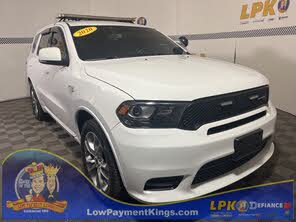
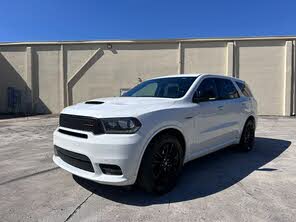
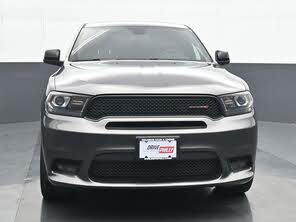
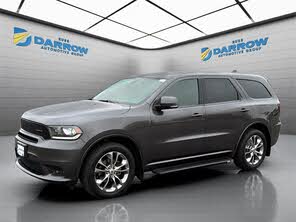
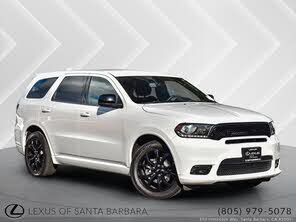
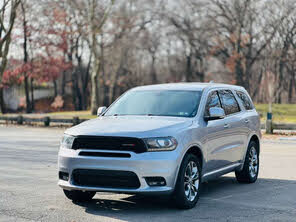
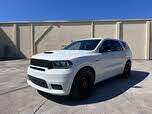
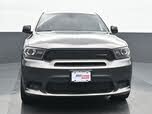
The 2020 Dodge Durango carried over its styling from a 2014 update, with its third generation dating back to a 2011 redesign. The Durango shared a platform with the Jeep Grand Cherokee but had a longer wheelbase and overall length. While the Jeep received significant cabin updates in 2014, the Durango's interior felt dated and in need of a refresh, which was expected for the 2021 model year.
The Durango's cabin had a straightforward design, with trims including SXT, GT, Citadel, R/T, and SRT. The SXT came with 18-inch wheels, three-zone climate control, and a 7-inch touchscreen infotainment system. The GT added 20-inch wheels, a sport-inspired grille, and remote start. The R/T featured a 5.7-liter Hemi V8 engine, leather-and-suede upholstery, and an 8.4-inch touchscreen. The Citadel focused on luxury with chrome exterior touches and premium leather upholstery. The SRT had a unique look with a more aggressive front fascia and 20-inch black wheels, along with performance-tuned suspension and Brembo brakes.


The 2020 Lincoln Aviator came standard with a twin-turbocharged 3.0-liter V6 engine, producing 400 horsepower and 415 pound-feet of torque. The Grand Touring trim combined this engine with a 100-hp electric motor, resulting in a net 494 hp and 630 lb-ft of torque. Both powertrains used a 10-speed automatic transmission, with the base V6 offering RWD or AWD, while the PHEV was AWD only. Both versions could accelerate from 0-60 mph in about 4 seconds. The PHEV provided a smooth driving experience, using electric power at low speeds to conserve fuel.
The Aviator's steering was light, and its brakes were cushioned yet effective. The driving experience was refined, with an "Excite" drive mode for a more dynamic feel. Fuel economy for the RWD Aviator was 18 mpg city, 26 highway, and 21 combined, while the AWD version achieved 17, 24, and 20 mpg, respectively. The PHEV had a combined 23 mpg rating, with a 21-mile electric-only range and a 56 MPGe combined rating.
The 2020 Dodge Durango offered a range of engines. The SXT, GT, and Citadel came with a 3.6-liter V6 engine, producing 293 horsepower and 260 pound-feet of torque. The R/T trim featured a 5.7-liter Hemi V8 with 360 hp and 390 lb-ft of torque, also available on the Citadel. The SRT trim had a 6.4-liter Hemi V8, branded the "392," with 475 horsepower and 470 pound-feet of torque. All engines used an 8-speed automatic transmission, with RWD or AWD depending on the trim.
The V6 provided decent power for family hauling, while the 5.7-liter V8 in the R/T offered confident acceleration. The SRT's 392 V8 delivered strong low-end power and impressive high-speed performance, with a performance-tuned suspension and Brembo brakes. The SRT also featured Dodge SRT performance pages, allowing for detailed drive mode customization and performance tracking. The SRT's car-like handling and minimal body roll were surprising for a vehicle of its size.
The 2020 Lincoln Aviator, with its three rows, competed with the Audi Q7, Infiniti QX60, Mercedes-Benz GLE, Land Rover Discovery, and Cadillac XT6. The optional second-row captain's chairs were fantastic, while the power-closing third row was adequate for adults but best suited for kids on longer trips. With the second and third rows folded, the Aviator offered 77 cubic feet of cargo space, comparable to the Cadillac XT6.
The Aviator's interior featured some confusing controls, such as the door handles and seat adjustments. The 30-way seats had a massage function, but their controls were split between a door-mounted panel and the center touchscreen. The door-release function was also unconventional, with a button instead of a handle, which could be confusing for passengers.
The 2020 Dodge Durango provided 17.2 cubic feet of cargo space behind the third row, expanding to 47.7 cubic feet with the third row folded, and 84.5 cubic feet with both the second and third rows folded. This was comparable to the Toyota Highlander and Honda Pilot, though the VW Atlas offered more space. The Durango's towing capacity ranged from 6,200 to 8,700 pounds, depending on the configuration.
The Durango's cabin offered plenty of space for occupants, with comfortable front seats and a choice of a three-passenger bench or second-row captain's chairs. The third row was cramped for adults on longer trips but suitable for kids. The driver and front passenger had access to multiple storage bins, bottle- and cupholders, and various trays. The second row of the SRT trim included a center console with cup holders.
The 2020 Lincoln Aviator came standard with the Sync 3 infotainment system, featuring a 10.1-inch touchscreen in a landscape layout. This setup provided a better interface for Apple CarPlay and Android Auto compared to the Ford Explorer's portrait layout. The Aviator also had a fully digital instrument panel and a head-up display, offering a lot of information in a minimalist format.
The 2020 Dodge Durango's SXT and GT trims came with a 7-inch touchscreen, while an 8.4-inch touchscreen was optional on the GT and standard on higher trims. The Uconnect infotainment system stood out for its straightforward menu layout and simple navigation, with a tablet-inspired layout and dock icons for easy access to various functions. The Durango also came standard with Apple CarPlay and Android Auto, with higher trims offering navigation and a premium audio system.
The 2020 Lincoln Aviator included standard safety features such as front and side-impact airbags, traction control, and a tire pressure monitoring system. The Lincoln Co-Pilot360 suite added forward-collision avoidance, lane-departure warning, adaptive cruise control, automatic high beams, blind-spot monitoring, and a head-up display.
The 2020 Dodge Durango came with front and side-impact airbags, electronic stability control, hill-start assist, and trailer sway control. Rear parking sensors were available on the SXT and standard on higher trims. The Technology Group package added adaptive cruise control, forward-collision avoidance, and lane-departure warning. Blind-spot monitoring and rear cross-path detection were also available. The Durango earned a four-star rating from the NHTSA and a Moderate score in IIHS driver’s side small-front overlap testing.
CarGurus highlights
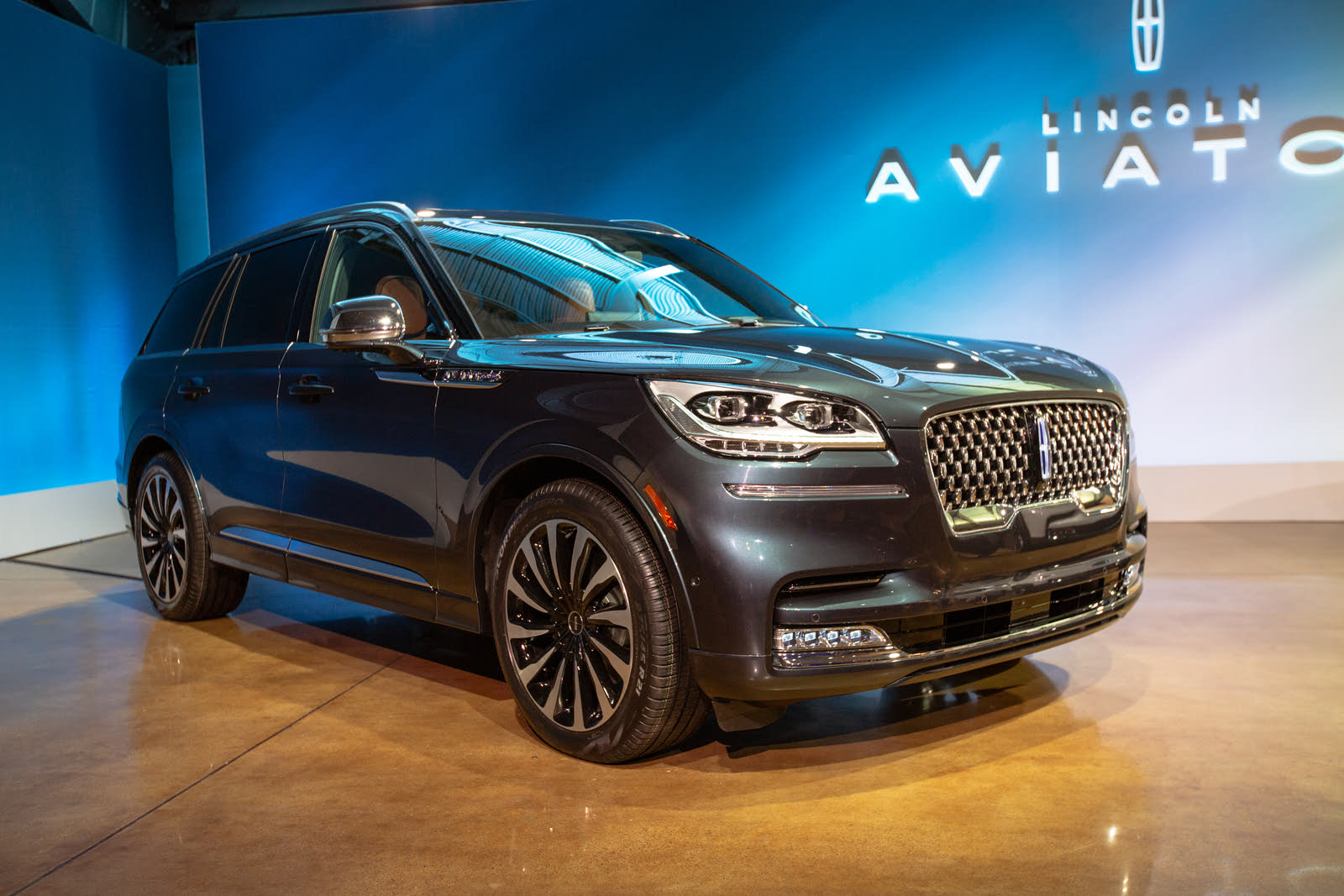
According to CarGurus experts, the overall rating for the 2020 Lincoln Aviator is 8.2 out of 10, while the 2020 Dodge Durango scores 7.5 out of 10. Based on these ratings, the Lincoln Aviator is the recommended choice for its superior luxury, technology, and performance.
Choose the 2020 Lincoln Aviator if:
- You prioritize a luxurious and comfortable interior with high-quality materials.
- You want advanced technology features, including a large touchscreen and head-up display.
- You prefer a powerful and efficient plug-in hybrid option.






Choose the 2020 Dodge Durango if:
- You need a vehicle with a high towing capacity and ample cargo space.
- You appreciate straightforward and user-friendly infotainment systems.
- You want a performance-oriented SUV with a powerful V8 engine option.




CarGurus highlights
According to CarGurus experts, the overall rating for the 2020 Lincoln Aviator is 8.2 out of 10, while the 2020 Dodge Durango scores 7.5 out of 10. Based on these ratings, the Lincoln Aviator is the recommended choice for its superior luxury, technology, and performance.
Choose the 2020 Lincoln Aviator if:
Shop Now- You prioritize a luxurious and comfortable interior with high-quality materials.
- You want advanced technology features, including a large touchscreen and head-up display.
- You prefer a powerful and efficient plug-in hybrid option.









Choose the 2020 Dodge Durango if:
Shop Now- You need a vehicle with a high towing capacity and ample cargo space.
- You appreciate straightforward and user-friendly infotainment systems.
- You want a performance-oriented SUV with a powerful V8 engine option.









By: CarGurus + AI
At CarGurus, our team of experienced automotive writers remain at the heart of our content operation, conducting hands-on car tests and writing insightful guides that are backed by years of industry experience. To complement this, we are harnessing AI to make our content offering more diverse and more helpful to shoppers than ever. To achieve this, our AI systems are based exclusively on CarGurus content, ratings and data, so that what we produce is both unique to CarGurus, and uniquely helpful to car shoppers.