2021 Lincoln Nautilus vs 2020 Chrysler Pacifica


Overview | |
MSRP$34,045 | MSRP$42,500 |
Listings811 | Listings324 |
Ratings & Reviews | |
User Reviews | User Reviews |
Expert reviews | Expert reviews8.2 out of 10 |
Pros
Cons
| |
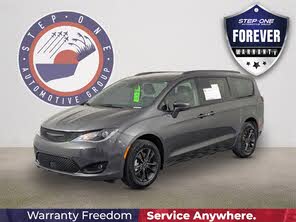
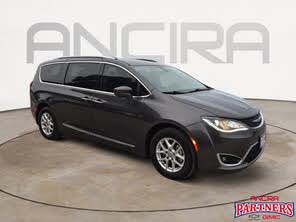
2020 Chrysler Pacifica Reviews Summary | |
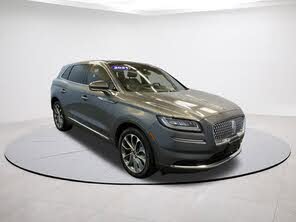
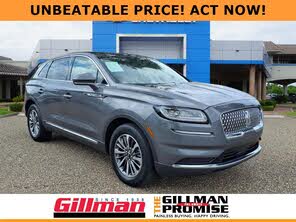
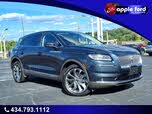
2021 Lincoln Nautilus Reviews SummaryThe car market has evolved tremendously over the past decade. Electric cars are cool, the Corvette is mid-engine, the Mustang is an electric SUV, and Ford no longer builds sedans and hatchbacks. There are a lot of firsts and a lot of rethinks about how we drive and buy cars. But it seems no matter how much has evolved, the traditional ideals of luxury in motoring are still very much a thing. Sure, some brands may incorporate performance as their luxury identity, but if you are Lincoln, it means elegant styling, plush interiors, and a hushed boulevard-cruising ride. With the 2021 Lincoln Nautilus, Ford's premium brand has found a way to channel that traditional definition of luxury without feeling dated. The Nautilus is at once classically comfortable and thoroughly modern. With plenty of standard tech that is easy to use, the Nautilus is also an approachable, upscale SUV. Lincoln’s approach is different from that of BMW, Audi, or Lexus. So does taking a different path work better than trying to keep up with the overseas rivals? Read on to find out. | |
No video found | No video found |
Popular Features & Specs | |
Engine3.6L 287 hp V6 | Engine2.0L 250 hp I4 |
Drive TrainFWD | Drive TrainFWD |
Seating Capacity8 | Seating Capacity5 |
Horsepower287 hp @ 6400 rpm | Horsepower250 hp @ 5500 rpm |
MPG City19 | MPG City21 |
MPG Highway28 | MPG Highway26 |
Engine | |
Engine Name3.6L 287 hp V6 | Engine Name2.0L 250 hp I4 |
Torque262 lb-ft @ 4000 rpm | Torque280 lb-ft @ 3000 rpm |
Horsepower287 hp @ 6400 rpm | Horsepower250 hp @ 5500 rpm |
DrivetrainFWD | DrivetrainFWD |
Fuel Economy | |
MPG City19 | MPG City21 |
MPG Highway28 | MPG Highway26 |
Interior | |
Seating Capacity8 | Seating Capacity5 |
Safety | |
Front Crash Overall5 | Front Crash Overall5 |
Side Crash Overall5 | Side Crash Overall5 |
Dimensions & Capacity | |
Cargo Space32.3 cu ft | Cargo Space37.2 cu ft |
Curb Weight4330 lbs | Curb Weight4140 lbs |
Height69.9 in | Height66.2 in |
Length204.3 in | Length190.0 in |
Width90.4 in | Width86.1 in |
Wheelbase121.6 in | Wheelbase112.2 in |
Maximum Payload1725 lbs | Maximum Payload |
Number of doors4 | Number of doors4 |
Maximum Towing Capacity3600 lbs | Maximum Towing Capacity |
Overview | ||
MSRP | $34,045 | $42,500 |
Listings | ||
Ratings & Reviews | ||
User reviews | ||
Expert reviews | 8.2 out of 10Read full review | |
Pros & cons | Pros
Cons
| |
Summary | The car market has evolved tremendously over the past decade. Electric cars are cool, the Corvette is mid-engine, the Mustang is an electric SUV, and Ford no longer builds sedans and hatchbacks. There are a lot of firsts and a lot of rethinks about how we drive and buy cars. But it seems no matter how much has evolved, the traditional ideals of luxury in motoring are still very much a thing. Sure, some brands may incorporate performance as their luxury identity, but if you are Lincoln, it means elegant styling, plush interiors, and a hushed boulevard-cruising ride. With the 2021 Lincoln Nautilus, Ford's premium brand has found a way to channel that traditional definition of luxury without feeling dated. The Nautilus is at once classically comfortable and thoroughly modern. With plenty of standard tech that is easy to use, the Nautilus is also an approachable, upscale SUV. Lincoln’s approach is different from that of BMW, Audi, or Lexus. So does taking a different path work better than trying to keep up with the overseas rivals? Read on to find out. | |
Video | No video found | No video found |
Popular Features & Specs | ||
Engine | 3.6L 287 hp V6 | 2.0L 250 hp I4 |
Drive Train | FWD | FWD |
Seating Capacity | 8 | 5 |
Horsepower | 287 hp @ 6400 rpm | 250 hp @ 5500 rpm |
MPG City | 19 | 21 |
MPG Highway | 28 | 26 |
Engine | ||
Engine Name | 3.6L 287 hp V6 | 2.0L 250 hp I4 |
Torque | 262 lb-ft @ 4000 rpm | 280 lb-ft @ 3000 rpm |
Horsepower | 287 hp @ 6400 rpm | 250 hp @ 5500 rpm |
Drivetrain | FWD | FWD |
Fuel Economy | ||
MPG City | 19 | 21 |
MPG Highway | 28 | 26 |
Interior | ||
Seating Capacity | 8 | 5 |
Safety | ||
Front Crash Overall | 5 | 5 |
Side Crash Overall | 5 | 5 |
Dimensions & Capacity | ||
Cargo Space | 32.3 cu ft | 37.2 cu ft |
Curb Weight | 4330 lbs | 4140 lbs |
Height | 69.9 in | 66.2 in |
Length | 204.3 in | 190.0 in |
Width | 90.4 in | 86.1 in |
Wheelbase | 121.6 in | 112.2 in |
Maximum Payload | 1725 lbs | |
Number of doors | 4 | 4 |
Maximum Towing Capacity | 3600 lbs | |













By: CarGurus + AI
At CarGurus, our team of experienced automotive writers remain at the heart of our content operation, conducting hands-on car tests and writing insightful guides that are backed by years of industry experience. To complement this, we are harnessing AI to make our content offering more diverse and more helpful to shoppers than ever. To achieve this, our AI systems are based exclusively on CarGurus content, ratings and data, so that what we produce is both unique to CarGurus, and uniquely helpful to car shoppers.