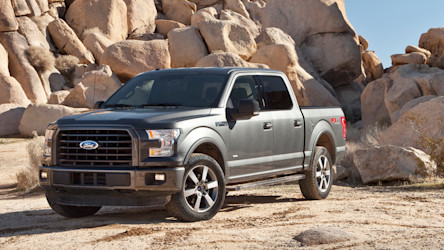
The Ford F-150 has been the best-selling truck in America for over four decades, and for good reason. It's capable, versatile, and available in more configurations than most buyers will ever need. But when it comes to reliability, not all F-150s are created equal—and buying the wrong one can be an expensive lesson.
Engine choice, model year, and service history have an outsized effect on long-term dependability, especially once the factory warranty has run its course. This guide cuts through the complexity, identifies the known weak spots, and tells you which combinations to look for—and which to avoid.
- Ford F-150 Engine Reliability: Which Powertrain Holds Up?
- Ford F-150 Transmission Reliability
- Drivetrain, Suspension, and Electrical: What Else to Check
- Ford Maintenance: What It Takes to Keep an F-150 Running Well
- F-150 Reliability by Generation: Which Years Are Strongest?
- Is the Ford F-150 Reliable Enough?
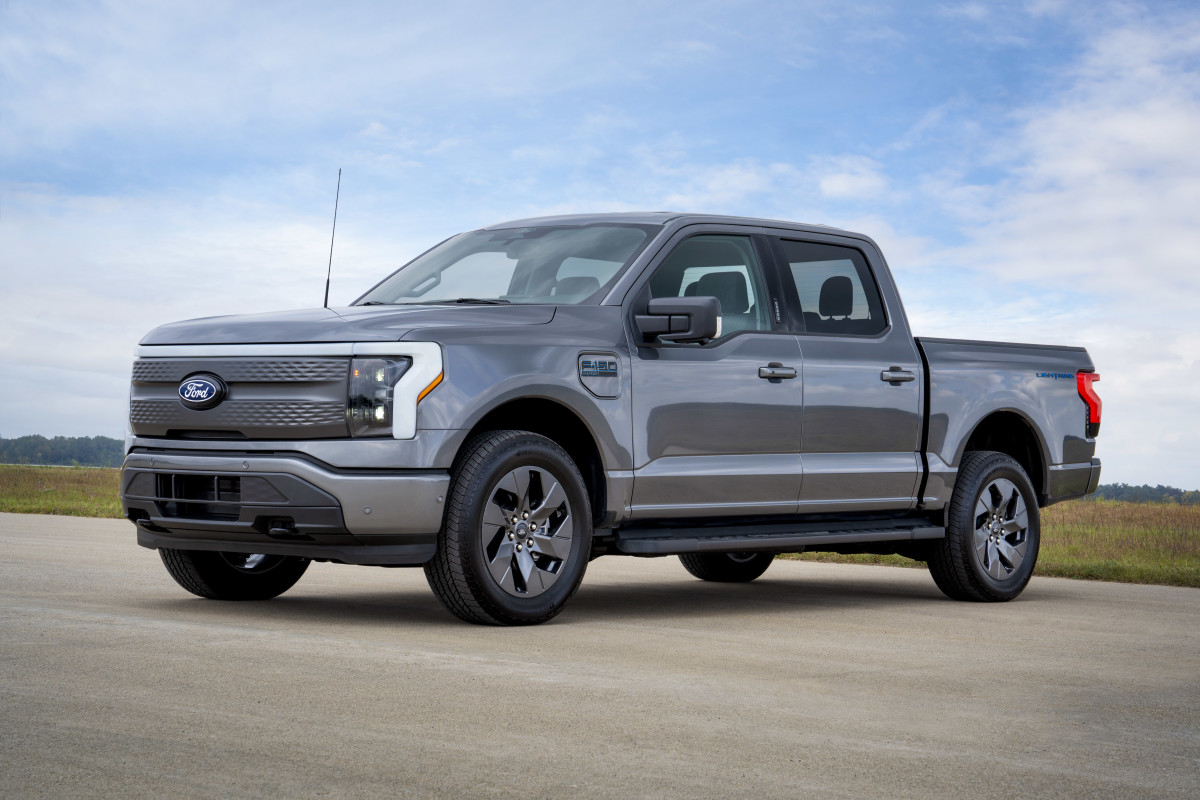
F-150 Reliability At a Glance
| Reliability Status | Average — competitive within the segment |
| Most Common Issue | Cam phaser rattle (5.0L V8 and 3.5L EcoBoost) |
| Most Common Major Repair | 10-speed transmission — harsh shifting or valve body failure |
| Most Reliable Configuration | 2021+ with 2.7L EcoBoost |
| Average Annual Repair Cost (RepairPal) | $788 vs. $936 class average |
Ford F-150 Engine Reliability
More than any other single factor, the engine under the hood determines how reliable a used F-150 will be. While the F-150 has an average reliability rating within its segment, there are four main options across the modern lineup—each with a distinct reliability profile and certain trade-offs to consider before buying.
Quick Comparison: F-150 Engine Reliability
| Engine | Best Years | Reliability | Key Trade-Off |
|---|---|---|---|
| 5.0L Coyote V8 | 2018–2020 | High | Higher fuel consumption |
| 2.7L EcoBoost | 2018-present | High | Lower towing capacity than the 3.5L |
| 3.5L EcoBoost | 2017-present | Average | Maintenance-heavy (Turbo/Phasers) |
| PowerBoost Hybrid | 2024-present | Developing | High out-of-warranty repair costs |
F-150 Engine Reliability: A Closer Look
5.0L Coyote V8
This is the engine to have if long-term reliability is the priority. Naturally aspirated and mechanically straightforward, the Coyote V8 regularly reaches 250,000 to 300,000 miles with proper maintenance—numbers that turbocharged alternatives rarely match.
- Cam Phaser Rattle: The most common issue is a metallic knocking sound on cold starts. While Ford issued a software fix, it only partly resolves the problem. Left unaddressed, it can lead to broader timing system damage.
- Oil Consumption (2018–2020): Some trucks in this range consume excessive oil (up to three quarts between changes). Always check the dipstick when inspecting a truck from these model years.
- The Sweet Spot: The 2018–2020 model years are a favorite for V8 buyers, as early aluminum-body concerns were resolved and the engine reached its peak production maturity.
3.5L EcoBoost V6
The twin-turbocharged 3.5L EcoBoost delivers the most towing power, but it demands much stricter maintenance than the V8.
- Timing & Phasers: Like the V8, this engine is prone to cam phaser rattle, particularly in 2017–2020 models. Early units (2011–2016) also carry a higher risk of timing chain stretch.
- Carbon Buildup: As a direct-injection engine, carbon can build up on the intake valves over time, causing rough idling and power loss. This is a known maintenance item often solved by "walnut blasting."
- Turbo Cooling: Watch for coolant leaks on turbocharger lines. If undetected, these leaks can lead to engine overheating.
2.7L EcoBoost V6 (2018 Onward)
The 2.7L EcoBoost is currently the strongest reliability profile in the 14th generation (2021+). It is widely considered the most well-rounded engine for the average owner.
- The 2018 Redesign: Ford fixed major early issues in 2018 by replacing the leaky composite oil pan and adding "port injection" to stop the carbon buildup issues found in 2015–2017 models.
- Intake Valve Recall (2021–2022): Certain trucks built before October 2021 were recalled for brittle intake valves that could cause catastrophic engine failure. Verify the VIN at NHTSA.gov to ensure this has been addressed.
- Service Tip: Many technicians recommend changing spark plugs every 30,000–40,000 miles on this engine to prevent misfires, even if the manual suggests a longer interval.
3.5L PowerBoost Hybrid (2024-)
The PowerBoost is the most complex powertrain in the F-150 range, and the production year makes a massive difference here.
- 2021–2023 (Early Production): These early hybrids carry a higher reliability risk. Owner-reported repair bills for transmission and inverter failures on high-mileage units have reached $9,000 or more.
- 2024+ (Refined Production): Ford simplified the hybrid system for the 2024 refresh. Early reliability surveys show a meaningful improvement, though long-term data is still accumulating. For used buyers, the 2024+ model is the version to consider.
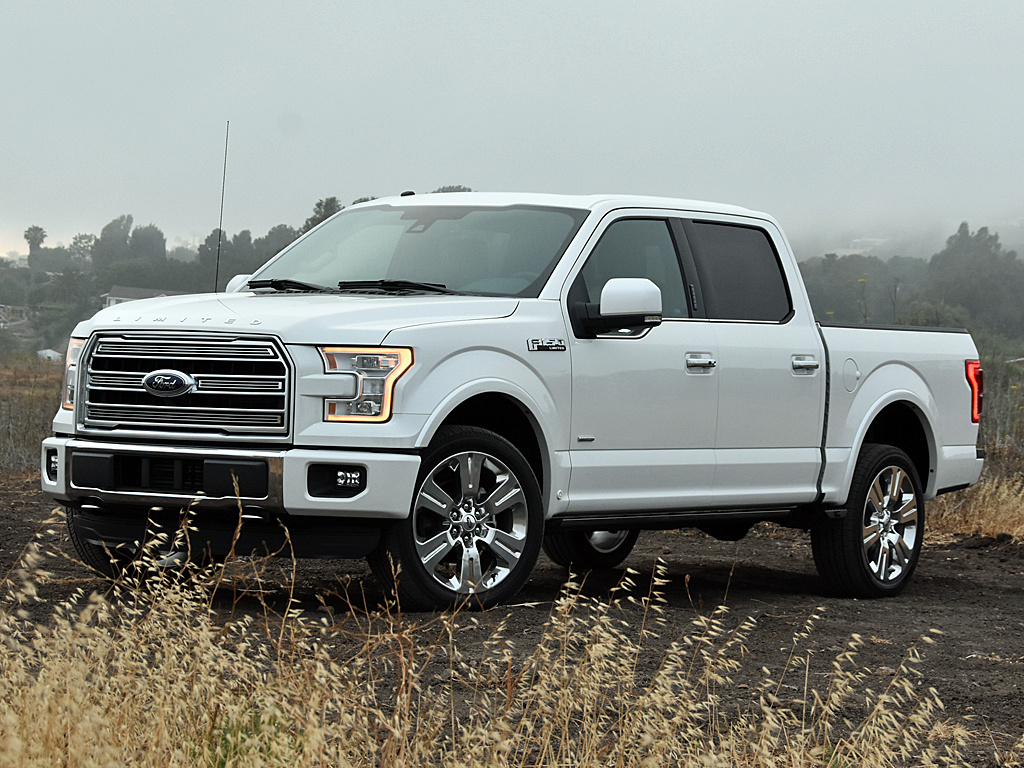
Ford F-150 Transmission Reliability
The F-150's transmission history splits cleanly between two different units. While the older 6-speed is a known workhorse, the modern 10-speed requires a bit more homework before you sign the papers.
Quick Comparison: F-150 Transmissions:
| Transmission | Common Years | Engine Pairing | Reliability Verdict |
|---|---|---|---|
| 6-Speed (6R80) | Pre-2017 | Standard on almost all 2015–2016 trucks | High — Generally durable; check "Lead Frame" service history |
| 6-Speed (6R80) | 2017–2020 | Found only on the 3.3L V6 engine | High — The simplest, most reliable modern combo |
| 10-Speed (10R80) | 2017–Present | Standard on 3.5L/2.7L EcoBoost and 5.0L V8 | Mixed — High volume of shifting complaints (2017–2022) |
F-150 Transmission Reliability: A Closer Look
The 10-Speed Automatic (10R80) and the "August 2022" Rule
Introduced to improve fuel economy, the 10-speed is a sophisticated unit that, unfortunately, suffered from a hardware design flaw in its first five years of production.
- The Red Flag: Owners frequently report harsh clunking between 3rd, 4th, and 5th gears, or a "lurching" sensation when accelerating from a stop.
- The Root Cause: An internal part called the CDF Clutch Drum had a bushing that could slip out of place, blocking hydraulic fluid.
- The Fix: Ford finally updated this part in late 2022. Trucks built on or after August 16, 2022, have the corrected hardware. For any truck built before this date, the issue remains a risk unless a technician has physically replaced that drum.
- Buyer Tip: A "software reset" is often a temporary band-aid. If you feel a harsh shift on a test drive, specifically ask: "Has this truck had any internal transmission work or a 'clutch drum' replacement to fix the shifting?"
The 6-Speed Automatic (6R80)
If you prioritize long-term "tank-like" durability over having the latest technology, the 6-speed is the gold standard.
- The Workhorse: It was the only option from 2015–2016 and remained the standard choice for the base 3.3L V6 through 2020.
- Longevity: With basic fluid changes every 60,000 miles, these units easily cruise past 200,000 miles. The only common repair is a "lead frame connector" issue—a $1,000 fix that is significantly cheaper than a 10-speed rebuild.

Ford F-150 Drivetrain, Suspension, and Electrical: What Else to Check
While the engine and transmission are the primary focus, there are several mechanical and software-driven systems that require a close look during a test drive.
Integrated Wheel End (IWE) System — 4WD Trucks
Ford's front hub engagement system uses vacuum pressure to engage and disengage the front wheels in 4WD mode. Vacuum line deterioration, moisture intrusion, and solenoid failure are consistent complaints across multiple generations. Failure of this system can lead to internal spline damage to the wheel bearing hub—a much costlier repair if not addressed early.
Rear Axle Hub Bolt Recall — 2021–2025 Trucks
Two separate recalls (23S65 and 25V512) cover rear axle hub bolt failures on 14th-generation trucks fitted with the Trailer Tow Max Duty package. A fatigued hub bolt can cause a loss of drive power or allow the truck to roll if the electronic parking brake is not engaged. Trucks built after May 2025 received redesigned hardware from the factory; for trucks built before this date, it is important to confirm the most recent recall status via the NHTSA.
Electrical and SYNC Infotainment
Modern F-150s rely heavily on software, and "reliability" issues in this category are often more about glitches than mechanical failure:
- SYNC Software: Earlier generations of SYNC have a documented history of software glitches and system freezes. These are generally an annoyance rather than a mechanical problem, and most issues resolve with software updates.
- Check Engine Lights: On higher-mileage trucks, these are commonly triggered by oxygen sensor or mass air flow sensor failures. Prompt diagnosis is recommended to maintain proper fuel management and avoid exhaust system damage.
- Intermittent No-Start: On higher-mileage trucks, no-start issues can be tied to the Body Control Module (BCM) or ignition components. These can be difficult to diagnose as they often occur inconsistently.