2011 Chevrolet Malibu Reviews, Pricing & Specs
Write a review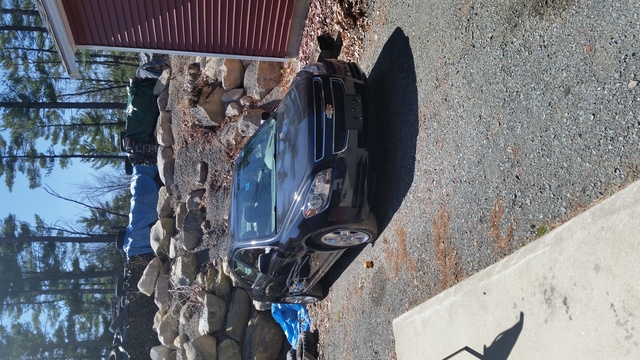
The 2011 Chevrolet Malibu is part of the seventh generation of the midsize sedan – a car that has endured since the sixties. Its last redesign in 2008 earned the Malibu positive reviews that compared it favorably with the Toyota Camry, Nissan Altima and Honda Accord. For 2011, the four-door Malibu should continue on the path set forth in 2008, since early reports indicate that not much has changed this year. This may be due to indications that Chevrolet already has its attention focused on a more dramatic 2012 redesign.
Chevrolet continues to offer the Malibu in base LS, midrange LT (in 1LT and 2LT versions) and high-end LTZ trims. All trims run on an EcoTec 2.4-liter inline four-cylinder (I4) DOHC engine with 169 horsepower at 6,400 rpm, 160 lb-ft of torque at 4,500 rpm and mileage estimates of 22 mpg city and 33 highway. LT and LTZ trims can be upgraded to a 3.6-liter V6 with 252 horsepower. While the 2010 Malibu earned good marks for its V6 power, some found the acceleration a bit slow in I4 versions – an issue apparently not addressed in the 2011 Malibu. Front-wheel-drive Malibus ride on a MacPherson strut front suspension with four-wheel independent rear suspension and the StabiliTrak stability control system (with brake assist and traction control). Rack-and-pinion steering comes with Electronic Power Steering (EPS) assist. The EPS, according to Chevrolet, replaces traditional hydraulic fluid and the accompanying hardware with an electric motor, torque sensor, electronic control unit and control/diagnostic software, reducing weight and increasing fuel economy.
In past model years, the base LS came standard with a four-speed automatic transmission, while all others employed a six-speed. For 2011, however, Chevrolet has dropped the four-speed, and all trims will now provide a standard six-speed automatic transmission with overdrive. The 2011 Malibu also comes standard with TAPshift, which allows the driver to take manual control over sequential gear shifting. Previously controlled via paddle-style controls on the steering wheel, Chevrolet has now relocated the TAPshift control to a toggle switch on the shift knob.
The exterior of the 2011 Malibu promises few changes as well. The LS continues to ride on 17-inch wheels (with painted silver trim), while the 2LT offers standard Chrome-Tech aluminum wheels, and the high-end LTZ shows off 18-inch ten-spoke bright finish aluminum wheels. Only the 1LT wheels have changed, to standard 17-inch ultra-bright aluminum wheels. While all trims feature daytime running lights and halogen front headlamps, only the LTZ distinguishes itself with integrated front foglamps and LED taillights. Other high-end standard offerings for the LTZ include heated door mirrors, a silver grille and chrome detail on the door handles, exhaust tip, license plate bezel and front fascia (although some chrome touches are also standard on the 1LT and 2LT).
Inside, the midsize 2011 Malibu seats five with front bucket seats and a 60/40-split folding bench seat in the rear. The LS and 1LT provide cloth-covered seats, while the 2LT offers UltraLux covered seats, and the LTZ sports leather. The front driver’s seat can be adjusted, with two-way power for the LS & 1LT, while the driver’s seat in the 2LT offers six-way power adjustment and eight-way adjustment in the LTZ. All trims allow for driver’s power control of vertical height and lumbar support, but the 2LT and LTZ also offer heated driver and front passenger seats. Front passenger comfort is enhanced through standard six-way direction control in the LTZ (four-way for all other trims). While the 2010 Malibu received praise for front-seat comfort, rear-seat legroom has been an issue in the past – one seemingly not addressed in this year’s version.
The tilt and telescopic steering wheel in all trims includes mounted cruise controls (the 2LT and LTZ wrap the steering wheel in leather as well). A standard Driver Information Center (with driver customization) displays warning messages and vehicle information such as outside temperature, a trip odometer and programmable menu functions. Power windows and locks are standard, with remote keyless entry (enhanced with a remote vehicle start system for the 2LT and LTZ). All trims provide front reading lights, but the 2LT and LTZ also provide reading lights for rear-seat passengers, as well as ambient lighting to illuminate the front inside door handles. The LTZ adds other amenities, such as a window shade for the rear glass, which stores in a rear-shelf panel, a rear power center and a 110-volt AC adapter with three-prong outlet. Storage is available in the center console (with two storage compartments), front and rear cupholders and seatback map pockets on the driver and front passenger seats. In addition, trunk capacity measures a spacious 15.1 cubic feet.
Standard technology in the 2011 Malibu trims at all levels include AM/FM/XM satellite radio, a single in-dash CD player, MP3 capability and an auxiliary input jack. Audio controls are steering-wheel mounted in the LT and LTZ (and an option for the LS). Standard six-speaker audio appears in the LS and LT trims, but an eight-speaker Bose audio system comes with the LTZ (and is an option for the 2LT). For long car trips, a DVD entertainment system with a second-row LCD screen is available for the 2LT and LTZ, which also provide standard Bluetooth connectivity (an option for the LS and 1LT).
Safety has been a strength for the Chevrolet Malibu, with the 2010 model earning five-star front and side crash test ratings from the National Highway Transportation Safety Administration, as well as being a 2010 Top Safety Pick for the Insurance Institute for Highway Safety. Standard safety features for 2011 include front driver and passenger airbags, seat-mounted driver and passenger side-impact airbags and side curtain airbags, as well as a Passenger Sensing System. Tire pressure monitoring, antilock brakes, stability and traction control, and six months of OnStar service round out the standard safety features.
Although the 2011 Chevy Malibu has not changed significantly, this may not be a bad thing. Seventh-generation Malibus have been praised in the past for their value, comfort and quiet ride. The 2011 Malibu should continue to earn similar praise, since none of these features has changed. Unfortunately, the 2011 model does not seem to address concerns raised by expert reviewers and owners alike: acceleration with the I4 engine, skimpy rear-seat legroom and interior materials and construction. Perhaps next year...

User reviews for 2011 Chevrolet Malibu
Write a review2011 Chevrolet Malibu Pricing
Trims & specs
Air Conditioning
Single front air conditioning zones
Airbags
Dual front airbags · Passenger airbag deactivation: occupant sensing deactivation · Front side airbags · Front side curtain airbags
Audio System
Antenna Type: element · Auxiliary audio input: jack · Single disc in-Dash CD · MP3 player: CD MP3 Playback · AM/FM radio · Satellite Radio: SiriusXM · Total Number of Speakers: 6
Brakes
ABS: 4-wheel · Front brake diameter: 11.7 · Front brakes: disc · Rear brake diameter: 10.9 · Rear brakes: disc
Comfort Features
Armrests: front center · Floor Mat Material: carpet · Floor Mats: front and rear
Convenience Features
Center console: front console with armrest and storage · Cupholders: rear · Multi-function remote: trunk release · One-touch windows: 1 · Power outlet(s): two 12V · Power steering: speed-proportional · Power windows: lockout button · Reading lights: front · Steering wheel: tilt and telescopic · Steering wheel mounted controls: cruise controls · Storage: storage organizer · Vanity mirrors: dual
Driver Seat
Adjustable lumbar support: power · Manual adjustments: 2 · Power adjustments: 4
Drivetrain
Axle ratio: 2.89
Engine
Battery: maintenance-free
Exterior Features
Body side moldings: body-color · Door handle color: body-color · Exhaust tip color: chrome · Front bumper color: body-color · Grille color: black with chrome accents · License plate bracket: front · Mirror color: black · Rear bumper color: body-color · Rocker panel color: body-color · Window trim: silver
Headrests
Front headrests: adjustable · Number of front headrests: 2 · Number of rear headrests: 3
Instrumentation
Warnings and reminders: maintenance reminder
Lights
Headlights: auto delay off
Mirrors
Exterior mirrors: power · Inside rearview mirror: manual day/night
Passenger Seat
Manual Adjustments: 4
Rear Seats
Type: 60-40 split bench
Safety
Child seat anchors: LATCH system · Impact sensor: post-collision safety system
Seatbelts
Front seatbelts: 3-point · Seatbelt pretensioners: front · Second row seatbelts: 3-point
Seats
Driver seat manual adjustments: reclining · Driver seat power adjustments: height · Front seat type: bucket · Passenger seat folding: folds flat · Passenger seat manual adjustments: reclining · Rear headrests: adjustable · Rear seat folding: split · Upholstery: cloth
Security
Power door locks: anti-lockout
Spare Tire
Kit: inflator kit · Size: temporary
Suspension
Front Arm Type: lower control arms · Front Shock Type: gas shock absorbers · Front Spring Type: coil springs · Front Suspension Classification: independent · Front Suspension Type: MacPherson struts · Rear Shock Type: gas shock absorbers · Rear Spring Type: coil springs · Rear Suspension Classification: independent · Rear Suspension Type: multi-link · Stabilizer bar(s): rear
Telematics
Phone wireless data link: Bluetooth · Satellite communications: OnStar
Tires
Type: all season
Tires and Rims
Wheels: chrome
Wheels
Wheel covers: full
Windows
Front wipers: variable intermittent
Air Conditioning
Single front air conditioning zones
Airbags
Dual front airbags · Passenger airbag deactivation: occupant sensing deactivation · Front side airbags · Rear side curtain airbags
Audio System
Antenna Type: element · Auxiliary audio input: jack · Single disc in-Dash CD · MP3 player: CD MP3 Playback · AM/FM radio · Satellite Radio: SiriusXM · Total Number of Speakers: 6
Brakes
ABS: 4-wheel · Front brake diameter: 11.7 · Front brakes: disc · Rear brake diameter: 10.9 · Rear brakes: disc
Comfort Features
Armrests: front center · Floor Mat Material: carpet · Floor Mats: front and rear
Convenience Features
Center console: front console with armrest and storage · Cupholders: rear · Multi-function remote: keyless entry · One-touch windows: 1 · Power outlet(s): two 12V · Power steering: electric · Power windows: lockout button · Reading lights: front · Steering wheel: tilt and telescopic · Steering wheel mounted controls: paddle shifter · Storage: front seatback · Vanity mirrors: dual
Driver Seat
Adjustable lumbar support: power · Manual adjustments: 2 · Power adjustments: 6
Drivetrain
Axle ratio: 2.89
Engine
Battery: maintenance-free
Exterior Features
Body side moldings: body-color · Door handle color: body-color · Exhaust tip color: chrome · Front bumper color: body-color · Grille color: black with chrome accents · License plate bracket: front · Mirror color: black · Rear bumper color: body-color · Rocker panel color: body-color · Window trim: silver
Header
Option Delete: Generic
Headrests
Front headrests: adjustable · Number of front headrests: 2 · Number of rear headrests: 2
Instrumentation
Warnings and reminders: low oil pressure
Lights
Headlights: auto delay off
Mirrors
Exterior mirrors: manual folding · Inside rearview mirror: manual day/night
Passenger Seat
Manual Adjustments: 4
Rear Seats
Type: 60-40 split bench
Safety
Child seat anchors: LATCH system · Impact sensor: post-collision safety system
Seatbelts
Front seatbelts: 3-point · Seatbelt pretensioners: front · Second row seatbelts: 3-point
Seats
Driver seat manual adjustments: reclining · Driver seat power adjustments: height · Front seat type: bucket · Passenger seat folding: folds flat · Passenger seat manual adjustments: reclining · Rear headrests: adjustable · Rear seat folding: split · Upholstery: cloth
Security
Power door locks: anti-lockout
Spare Tire
Kit: tire sealant · Size: temporary
Suspension
Front Arm Type: lower control arms · Front Shock Type: gas shock absorbers · Front Spring Type: coil springs · Front Suspension Classification: independent · Front Suspension Type: MacPherson struts · Rear Shock Type: gas shock absorbers · Rear Spring Type: coil springs · Rear Suspension Classification: independent · Rear Suspension Type: multi-link · Stabilizer bar(s): front
Telematics
Phone wireless data link: Bluetooth · Satellite communications: OnStar
Tires
Type: all season
Tires and Rims
Wheels: painted steel
Wheels
Wheel covers: full
Windows
Front wipers: variable intermittent
Air Conditioning
Single front air conditioning zones
Airbags
Dual front airbags · Passenger airbag deactivation: occupant sensing deactivation · Front side airbags · Front side curtain airbags
Audio System
Antenna Type: element · Auxiliary audio input: jack · Single disc in-Dash CD · MP3 player: CD MP3 Playback · AM/FM radio · Rear audio: separate rear audio · Satellite Radio: SiriusXM · Total Number of Speakers: 6
Brakes
ABS: 4-wheel · Front brake diameter: 11.7 · Front brakes: disc · Rear brake diameter: 10.9 · Rear brakes: disc
Comfort Features
Armrests: front center · Floor Mat Material: carpet · Floor Mats: front
Convenience Features
Center console: front console with armrest and storage · Cupholders: front · Multi-function remote: keyless entry · One-touch windows: 1 · Power outlet(s): 110V · Power steering: electric · Power windows: lockout button · Reading lights: front · Steering wheel: tilt and telescopic · Steering wheel mounted controls: cruise controls · Storage: door pockets · Vanity mirrors: dual
Driver Seat
Adjustable lumbar support: power · Manual adjustments: 2 · Power adjustments: 6
Drivetrain
Axle ratio: 2.89
Engine
Battery: maintenance-free
Exterior Features
Body side moldings: body-color · Door handle color: body-color · Exhaust tip color: chrome · Front bumper color: body-color · Grille color: black with chrome accents · License plate bracket: front · Mirror color: body-color · Paint: metallic · Rear bumper color: body-color · Rocker panel color: body-color · Window trim: silver
Header
Option Delete: Generic
Headrests
Front headrests: adjustable · Number of front headrests: 2 · Number of rear headrests: 3
In Car Entertainment
Video monitor location: dual rear · Video system: DVD player
Instrumentation
Warnings and reminders: maintenance reminder
Lights
Headlights: Auto on
Mirrors
Exterior mirrors: power · Inside rearview mirror: manual day/night
Passenger Seat
Manual Adjustments: 4
Rear Seats
Type: 60-40 split bench
Roof
Sunroof: tilt/slide
Safety
Child seat anchors: LATCH system · Impact sensor: post-collision safety system
Seatbelts
Front seatbelts: 3-point · Seatbelt pretensioners: front · Second row seatbelts: 3-point
Seats
Driver seat manual adjustments: reclining · Driver seat power adjustments: height · Front seat type: bucket · Passenger seat folding: folds flat · Passenger seat manual adjustments: reclining · Rear headrests: adjustable · Rear seat folding: split · Upholstery: cloth
Security
Power door locks: anti-lockout
Spare Tire
Kit: inflator kit · Size: temporary
Suspension
Front Arm Type: lower control arms · Front Shock Type: gas shock absorbers · Front Spring Type: coil springs · Front Suspension Classification: independent · Front Suspension Type: MacPherson struts · Rear Shock Type: gas shock absorbers · Rear Spring Type: coil springs · Rear Suspension Classification: independent · Rear Suspension Type: multi-link · Stabilizer bar(s): rear
Telematics
Phone wireless data link: Bluetooth · Satellite communications: OnStar
Tires
Diameter: 17 · Type: all season
Tires and Rims
Wheel type: aluminum alloy · Wheels: aluminum
Windows
Front wipers: speed sensitive
Air Conditioning
Single front air conditioning zones
Airbags
Dual front airbags · Passenger airbag deactivation: occupant sensing deactivation · Front side airbags · Front side curtain airbags
Audio System
Antenna Type: element · USB auxiliary audio input · Single disc in-Dash CD · MP3 player: CD MP3 Playback · Bose premium brand speakers · AM/FM radio · Satellite Radio: SiriusXM · Total Number of Speakers: 6
Brakes
ABS: 4-wheel · Front brake diameter: 11.7 · Front brakes: disc · Rear brake diameter: 10.9 · Rear brakes: disc
Comfort Features
Armrests: front center · Floor Mat Material: carpet · Floor Mats: front · Shift knob trim: leather · Steering wheel trim: leather
Convenience Features
Center console: front console with armrest and storage · Cupholders: front · Dimming rearview mirror: auto-dimming · Multi-function remote: trunk release · One-touch windows: 4 · Power outlet(s): two 12V · Power steering: electric · Power windows: lockout button · Reading lights: rear · Steering wheel: tilt and telescopic · Steering wheel mounted controls: audio · Storage: door pockets · Sunshade: rear window · Vanity mirrors: dual illuminating
Driver Seat
Adjustable lumbar support: power · Power adjustments: 6
Drivetrain
Axle ratio: 2.89
Engine
Battery: maintenance-free
Exterior Features
Body side moldings: body-color · Door handle color: body-color · Exhaust tip color: chrome · Front bumper color: body-color · Grille color: black with chrome accents · License plate bracket: front · Mirror color: body-color · Paint: special factory paint · Rear bumper color: body-color · Rocker panel color: body-color · Window trim: silver
Headrests
Number of front headrests: 2 · Number of rear headrests: 3
In Car Entertainment
Video monitor location: dual rear · Video system: DVD player
Instrumentation
Warnings and reminders: maintenance reminder
Lights
Headlights: Auto on
Mirrors
Exterior mirrors: power
Passenger Seat
Manual Adjustments: 4
Rear Seats
Type: 60-40 split bench
Roof
Sunroof: sliding sunshade
Safety
Child seat anchors: LATCH system · Impact sensor: post-collision safety system
Seatbelts
Front seatbelts: 3-point · Seatbelt pretensioners: front · Second row seatbelts: 3-point
Seats
Driver seat manual adjustments: reclining · Driver seat power adjustments: height · Front seat type: bucket · Passenger seat folding: folds flat · Passenger seat manual adjustments: reclining · Rear headrests: adjustable · Rear seat folding: split · Upholstery: suede
Security
Power door locks: anti-lockout
Spare Tire
Kit: tire sealant · Size: temporary
Suspension
Front Arm Type: lower control arms · Front Shock Type: gas shock absorbers · Front Spring Type: coil springs · Front Suspension Classification: independent · Front Suspension Type: MacPherson struts · Rear Shock Type: gas shock absorbers · Rear Spring Type: coil springs · Rear Suspension Classification: independent · Rear Suspension Type: multi-link · Stabilizer bar(s): rear
Telematics
Phone wireless data link: Bluetooth · Satellite communications: OnStar
Tires
Type: all season
Tires and Rims
Wheel type: aluminum alloy · Wheels: aluminum
Wheels
Wheel covers: full
Windows
Front wipers: variable intermittent
Air Conditioning
Automatic climate control front air conditioning · Single front air conditioning zones
Airbags
Dual front airbags · Passenger airbag deactivation: occupant sensing deactivation · Front side airbags · Rear side curtain airbags
Audio System
Antenna Type: element · Auxiliary audio input: jack · Single disc in-Dash CD · MP3 player: CD MP3 Playback · Premium Brand: Bose · AM/FM radio · Satellite Radio: SiriusXM · Total Number of Speakers: 8
Brakes
ABS: 4-wheel · Front brake diameter: 11.7 · Front brakes: disc · Rear brake diameter: 10.9 · Rear brakes: disc
Comfort Features
Armrests: front center · Floor Mat Material: carpet · Floor Mats: front · Shift knob trim: leather · Steering wheel trim: leather
Convenience Features
Center console: front console with armrest and storage · Cupholders: front · Dimming rearview mirror: auto-dimming · Multi-function remote: keyless entry · One-touch windows: 4 · Power outlet(s): 115V · Power steering: speed-proportional · Power windows: lockout button · Reading lights: front · Steering wheel: tilt and telescopic · Steering wheel mounted controls: audio · Storage: cargo net · Sunshade: rear window · Vanity mirrors: dual illuminating
Driver Seat
Adjustable lumbar support: power · Power adjustments: 8
Drivetrain
Axle ratio: 2.89
Engine
Battery: maintenance-free
Exterior Features
Door handle color: chrome · Exhaust tip color: chrome · Front bumper color: body-color · Grille color: grey · License plate bracket: front · Mirror color: body-color · Paint: special factory paint · Rear bumper color: body-color · Rocker panel color: body-color · Window trim: silver
Headrests
Number of front headrests: 2 · Number of rear headrests: 3
In Car Entertainment
Video monitor location: dual rear · Video system: DVD player
Instrumentation
Warnings and reminders: low fuel level
Lights
Headlights: auto delay off · Tail and brake lights: LED
Mirrors
Exterior mirrors: manual folding
Passenger Seat
Power adjustments: 6
Rear Seats
Type: 60-40 split bench
Roof
Sunroof: one-touch
Safety
Child seat anchors: LATCH system · Impact sensor: post-collision safety system
Seatbelts
Front seatbelts: 3-point · Seatbelt pretensioners: front · Second row seatbelts: 3-point
Seats
Driver seat power adjustments: height · Front seat type: bucket · Passenger seat folding: folds flat · Passenger seat manual adjustments: reclining · Passenger seat power adjustments: height · Rear headrests: adjustable · Rear seat folding: split · Upholstery: leather
Security
Power door locks: anti-lockout
Spare Tire
Kit: tire sealant · Size: temporary
Suspension
Front Arm Type: lower control arms · Front Shock Type: gas shock absorbers · Front Spring Type: coil springs · Front Suspension Classification: independent · Front Suspension Type: MacPherson struts · Rear Shock Type: gas shock absorbers · Rear Spring Type: coil springs · Rear Suspension Classification: independent · Rear Suspension Type: multi-link · Stabilizer bar(s): front
Telematics
Phone wireless data link: Bluetooth · Satellite communications: OnStar
Tires
Type: all season
Tires and Rims
Wheel type: aluminum alloy
Wheels
Wheel spokes: 10
Windows
Front wipers: variable intermittent

