If you’re looking to sell your car in New York State, you may be befuddled by the process. Fear not! Here are the basic steps you must complete before completing a private car sale in New York.
How To Sell Your Car in New York
- Consider Selling Via CarGurus
- Collect Your Required Paperwork
- Transfer the Title
- Remove Your License Plates
- Notify the NY DMV
- Update Your Insurance

Consider Selling Via CarGurus
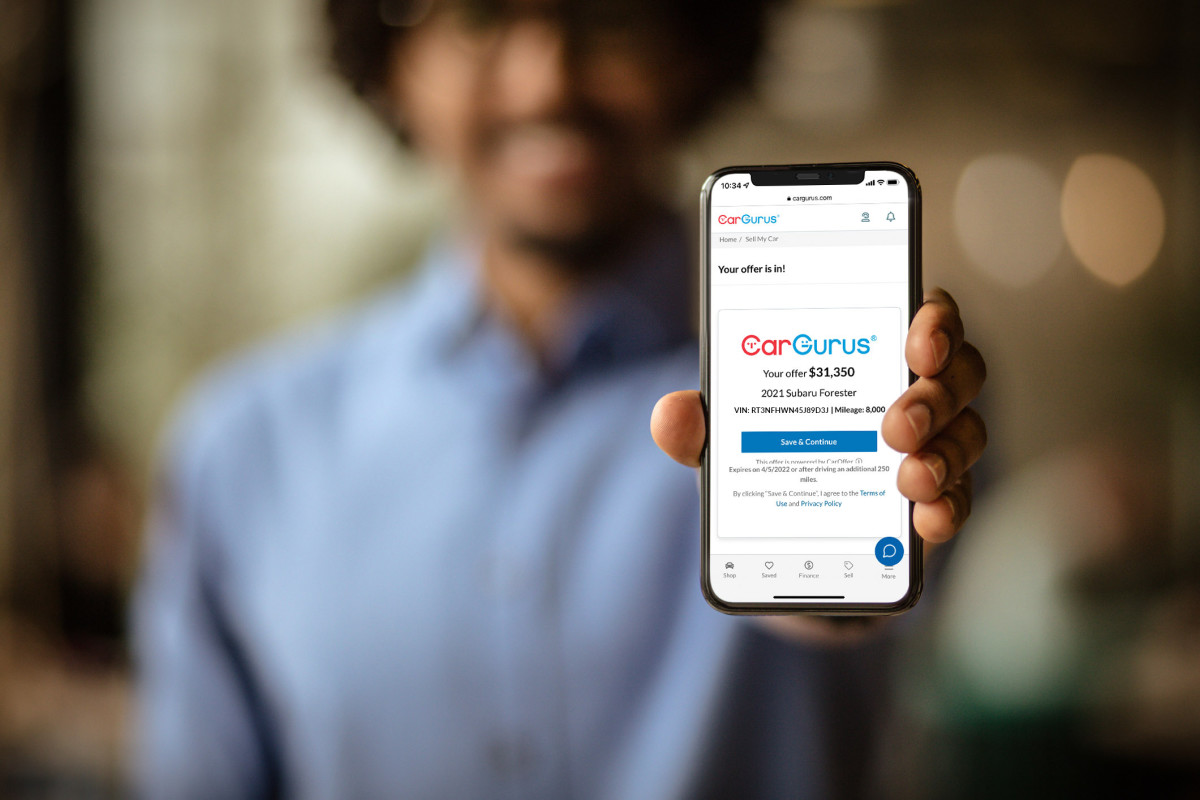
CarGurus makes it easy to sell your car in New York. You only need to provide some basic information about your vehicle to receive up to five offers from local dealerships. Simply choose the best offer and we'll put you in touch with the dealership to appraise your vehicle and finalize the sale. If you don’t want to sell it immediately, you have the opportunity to subscribe to a CarGurus vehicle market value tracker that will update you on your car’s approximate worth once a month via email.
Collect Your Required Paperwork
First, you want to look at your New York State vehicle title; the process may be different if your car has a title from another state. If a lien is noted on the vehicle title, you should contact your lender for specific pay-off instructions, allowing you to transfer it to the car buyer.
If you are completing a private sale — that is, you are selling the car to another person rather than a dealership — both of you need to complete form MV-912, New York’s bill of sale form. This document contains vehicle details like the purchase price and its Vehicle Identification Number (VIN). Double-check that all information contained here matches the car title as well as the vehicle itself, including the odometer reading. The car seller and the new owner must fill out the transfer section on the car title. The New York Department of Motor Vehicles (NY DMV) will use the amount entered on the bill of sale to calculate registration fees for the car’s next owner.
All passenger vehicles in New York must pass a safety inspection every 12 months. If you’re unsure when your vehicle's safety inspection expires, look at the sticker affixed to its windshield. The inspection must be completed before the date on the sticker. Most vehicles in New York also have to pass an emissions test, which is typically conducted alongside the safety inspection.
You are not required to have the safety inspection and emissions test performed before you sell the car. The vehicle’s new owner must complete the inspection and test within 10 days of taking ownership. Regardless of its expiration date, an inspection report issued to a vehicle’s previous owner is no longer considered valid by the New York DMV.
If you are unsure what paperwork may apply to your specific vehicle, contact the New York DMV.
Transfer the Title
The vehicle's new owner will be required to fill out form MV-82, which is the application for a vehicle title in New York State.
If you cannot find your vehicle’s title, the DMV can issue you a replacement. You can do this online, via postal mail, or in person at a DMV office. Since all vehicle titles are printed at a secure facility in Albany rather than at DMV branches, you will not receive a vehicle title replacement immediately. The New York DMV’s website states that it will generally send you a replacement vehicle title within a week if you choose to apply for one online.
Remove Your License Plates
Like most states, license plates do not transfer with a vehicle in New York. That means you must physically remove both from your vehicle or risk suspension of your vehicle registration and even your driver’s license.
The New York DMV asks vehicle owners to surrender license plates either in person at a DMV location or by mail. If you choose to do so in person at the DMV, you will be asked to pay a $1 processing fee, and you will need to fill out form PD-7. You can also send license plates to the DMV’s main office in Albany, along with the PD-7 form.
The upside to surrendering your license plates is that you may qualify for a pro-rated registration refund if your car’s registration is still valid.
The New York DMV also asks vehicle owners to remove and destroy the windshield registration sticker and safety inspection stickers before the new owner takes over.

Notify the NY DMV
If you sell your vehicle, New York law requires you to notify the DMV and turn in your license plates as described above.
New York also says that you should not cancel your vehicle’s liability insurance until you have surrendered the license plates, at which time you have effectively canceled its registration.
Update Your Insurance
Once you’ve officially sold your car to someone else, you should contact your insurance agency to remove the vehicle from your policy. Not only are you no longer responsible for the vehicle, but you likely don’t want to pay for insurance coverage on a car you don’t own. Many insurers allow you to do this online, though some may require you to contact an agent or a broker.