Selling a vehicle in Massachusetts can seem daunting if you’re not prepared with the right paperwork. Here’s what you need to know about the selling process for a used car in Massachusetts.
How To Sell Your Car in Massachusetts
- Consider Selling Via CarGurus
- Collect Your Required Paperwork
- Transfer the Title
- Remove Your License Plates
- Notify the RMV
- Update Your Insurance

Consider Selling Via CarGurus
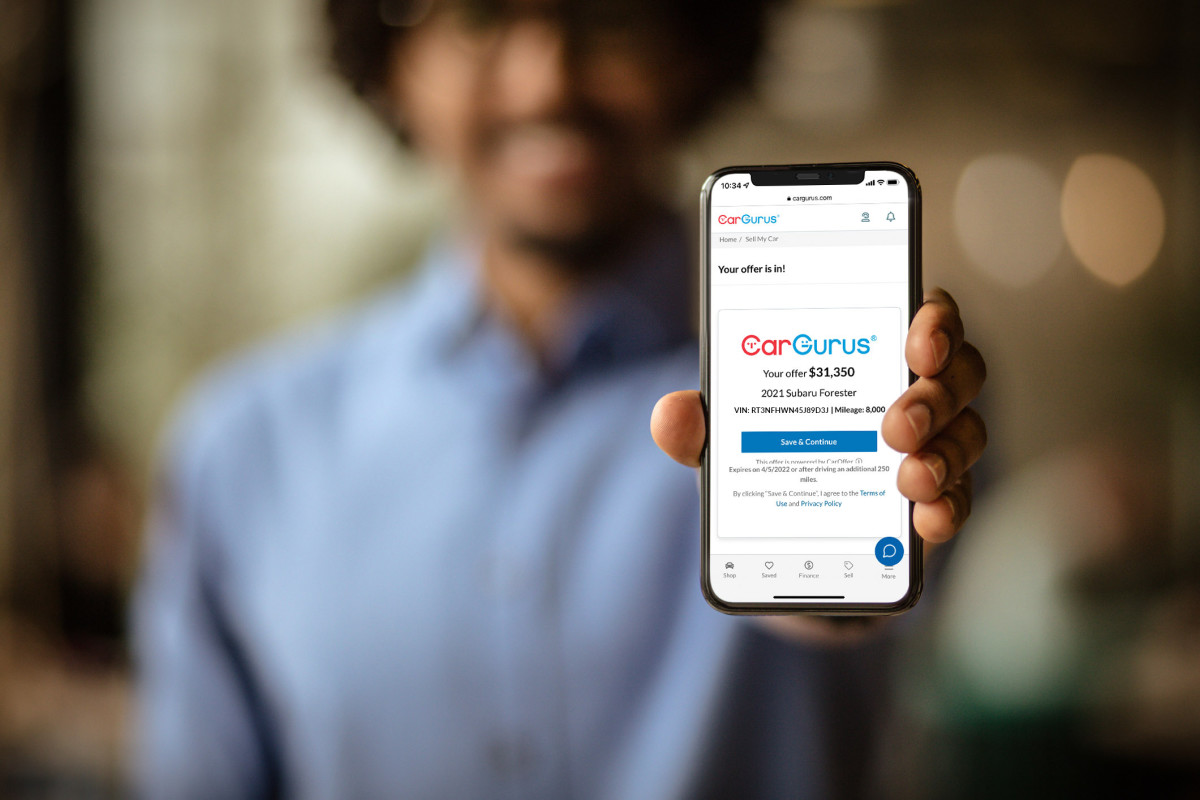
CarGurus makes it easy to sell your car in Massachusetts. You only need to provide some basic information about your vehicle to receive up to five offers from local dealerships. Simply choose the best offer and we'll put you in touch with the dealership to appraise your vehicle and finalize the sale. If you don’t want to sell it immediately, you have the opportunity to subscribe to a CarGurus vehicle market value tracker that will update you on your car’s approximate worth once a month via email.

Collect Your Required Paperwork
If you're selling a car to a private party in Massachusetts, the first thing you will need to do is find your car’s Certificate of Title, which shows who owns the vehicle. If the vehicle title has a lien, your first step during the selling process should be to contact your lender to find out their specific instructions for paying off and transferring the loan. This will vary between banks and credit unions.
All parties listed on a lien-free Certificate of Title need to sign the back of it before it can be given to the vehicle’s new owner. The vehicle title must have the date of sale, the purchase price, the current odometer reading, and the names, addresses, and signatures of the seller(s) and buyer(s).
Most vehicles in Massachusetts need to pass an emissions test to be driven legally on the road, and all must pass an annual safety inspection. While private sellers are not required to perform an emissions test during the selling process, it may be in their best interest to do so. Massachusetts is unusual in that it has a used-car lemon law (formally known as the Failed Inspection Law). Under the lemon law, a private-party sale can be voided if the used car doesn’t pass the test and certain additional criteria are met.
In Massachusetts, a bill of sale is not required unless the used car does not have a vehicle title due to its age. However, you might want to consider drafting a bill of sale when purchasing from a private seller, as you may need it if the car doesn’t pass inspections and the lemon law applies.

Transfer the Title
The vehicle’s new owner will need to fill out the Massachusetts Registry of Motor Vehicles (RMV) Registration and Title Application form. This two-page document lets the RMV learn information about the vehicle's details (including its vehicle identification number) and its new owner. Note that the RMV calculates excise taxes in Massachusetts based on a percentage of the vehicle’s original Manufacturer’s Suggested Retail Price (MSRP).
While the new owner can begin the vehicle title transfer process online, they will need to visit an RMV Service Center with any additional documents, such as their driver’s license and insurance card.
Remove Your License Plates
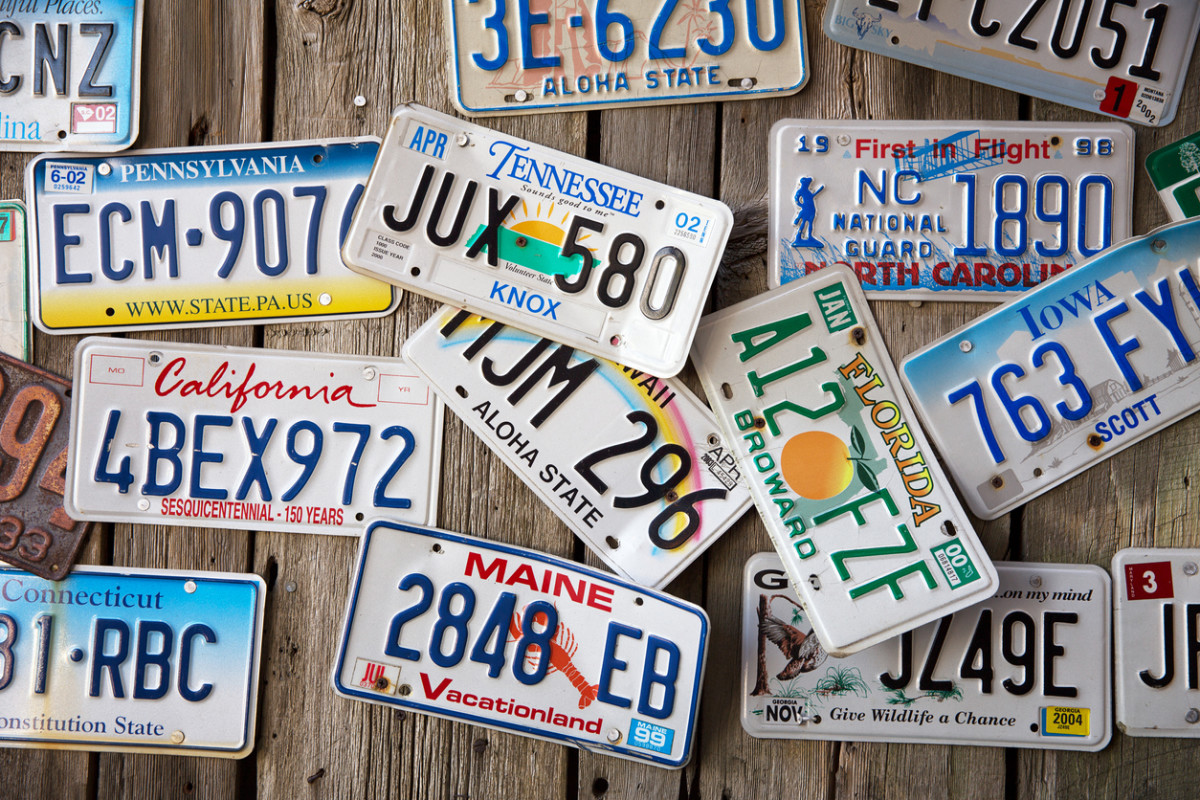
Your license plates should be canceled when you sell your vehicle in Massachusetts.
You can cancel your license plates online or at an RMV branch. Either way, you will fill out the RMV’s Affidavit for Cancellation of Registration. You may also be able to claim an excise tax abatement if you no longer own the vehicle.
Once you have completed the necessary RMV form, you should destroy your old license plates. Some Massachusetts recycling centers may also collect old license plates.
Notify the RMV
Massachusetts’ version of the DMV is called the Massachusetts Registry of Motor Vehicles. If you don’t alert the RMV that you wish to cancel your license plates, the RMV will automatically assume you still own the vehicle. The government could fine you for late registration or for having a registered vehicle that is not insured.
Update Your Insurance
Once the vehicle has been sold to a new owner, you should contact your insurer to ask them to remove the old car from your policy. If you are buying a new car, you can typically add it at this time.
Some insurers will allow you to complete the entire process of removing and adding vehicles online, while others may ask you to contact your insurance agent or broker.